Rare 1872 Quarter Errors (List & Pictures)
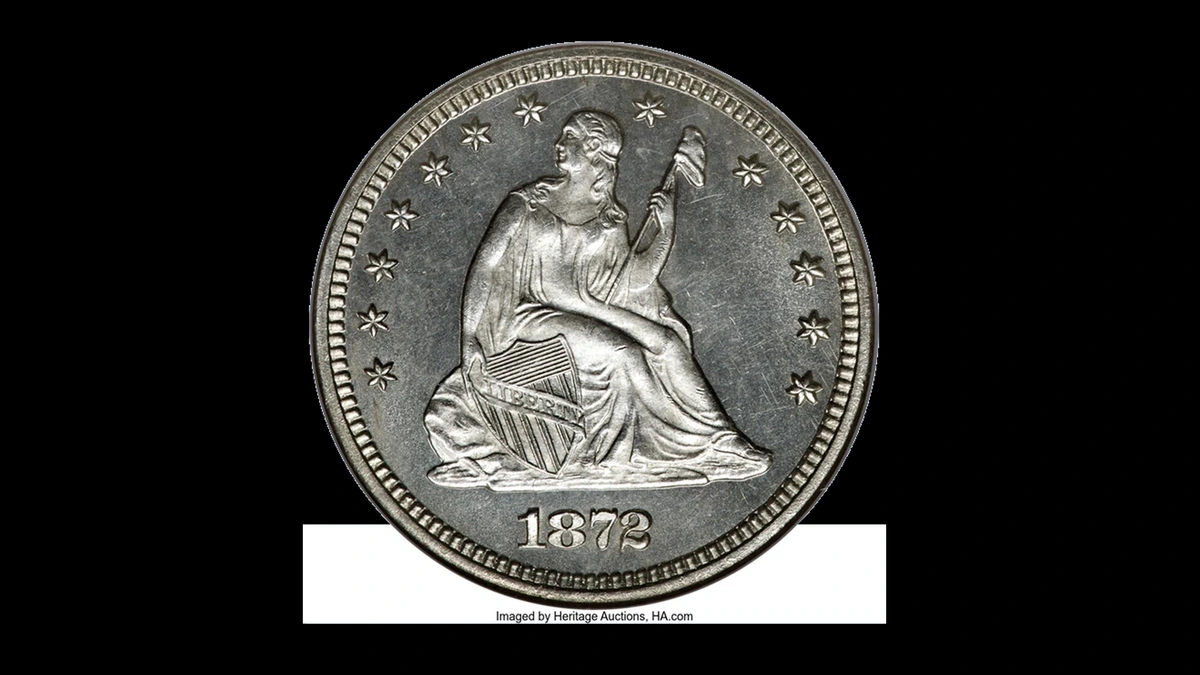
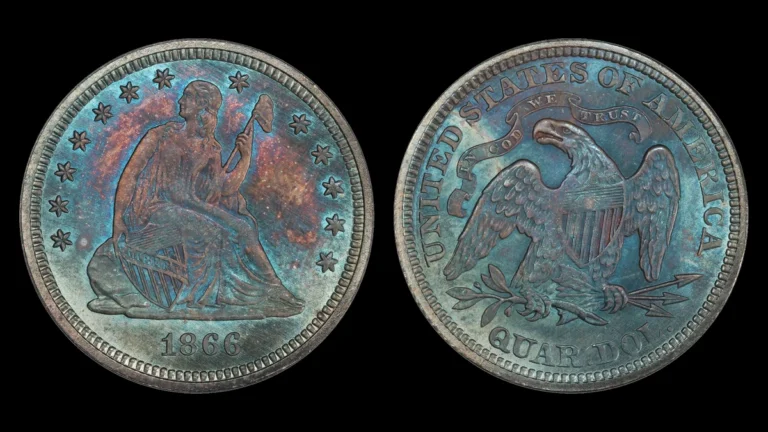
The $84,000 February 2022 sale of an exceptional 1872-S quarter is a whole-coin result, not the price of an extra mintmark stroke. Its scarce date and exceptional preservation matter when comparing 1872 quarter errors.
Estimated values here span $40–$85,000, including more modest Philadelphia date and border varieties. Establish the mint first, then inspect the repeated letter, extra date traces, or wavy lines in the border.
1. 1872 Quarter An Earlier S beside the Mintmark: Repunched Mintmark Error
A repeated S impression can remain when the mint letter is punched into the reverse die more than once. The small surviving remnant needs to resemble part of another S, rather than simply making the letter thick.
Stack’s Bowers explicitly described repunching on a damaged but sharply detailed example offered in August 2021. That observation belongs to a scarce San Francisco issue whose normal value can greatly exceed any small variety premium.
How to Identify
Locate the S below the eagle and assess the authenticity of the main letter before studying its extra stroke. Compare its shape and surrounding silver with a confirmed 1872-S, looking for disturbed metal or an unnatural join.
Use side lighting to trace the proposed earlier impression as a curved letter remnant. A scratch or random ridge beside the S is not enough.
The supplied auction description gives no precise repunching direction. A matching closeup is needed before labeling a small projection as a particular variety, and the coin’s full date should remain visible in the photo set.
What It’s Worth
$1,500–$85,000 is an estimated whole-coin range from well-worn through exceptionally preserved examples. The damaged PCGS AU Details example brought $2,880 on August 17, 2021.
A separate NGC MS67 sold for $84,000 on February 27, 2022. The large difference reflects the complete coins and their preservation, not a fixed amount earned by an additional S stroke.
2. 1872 Quarter Extra Numeral Traces near the Date: Repunched and Misplaced Dates Error
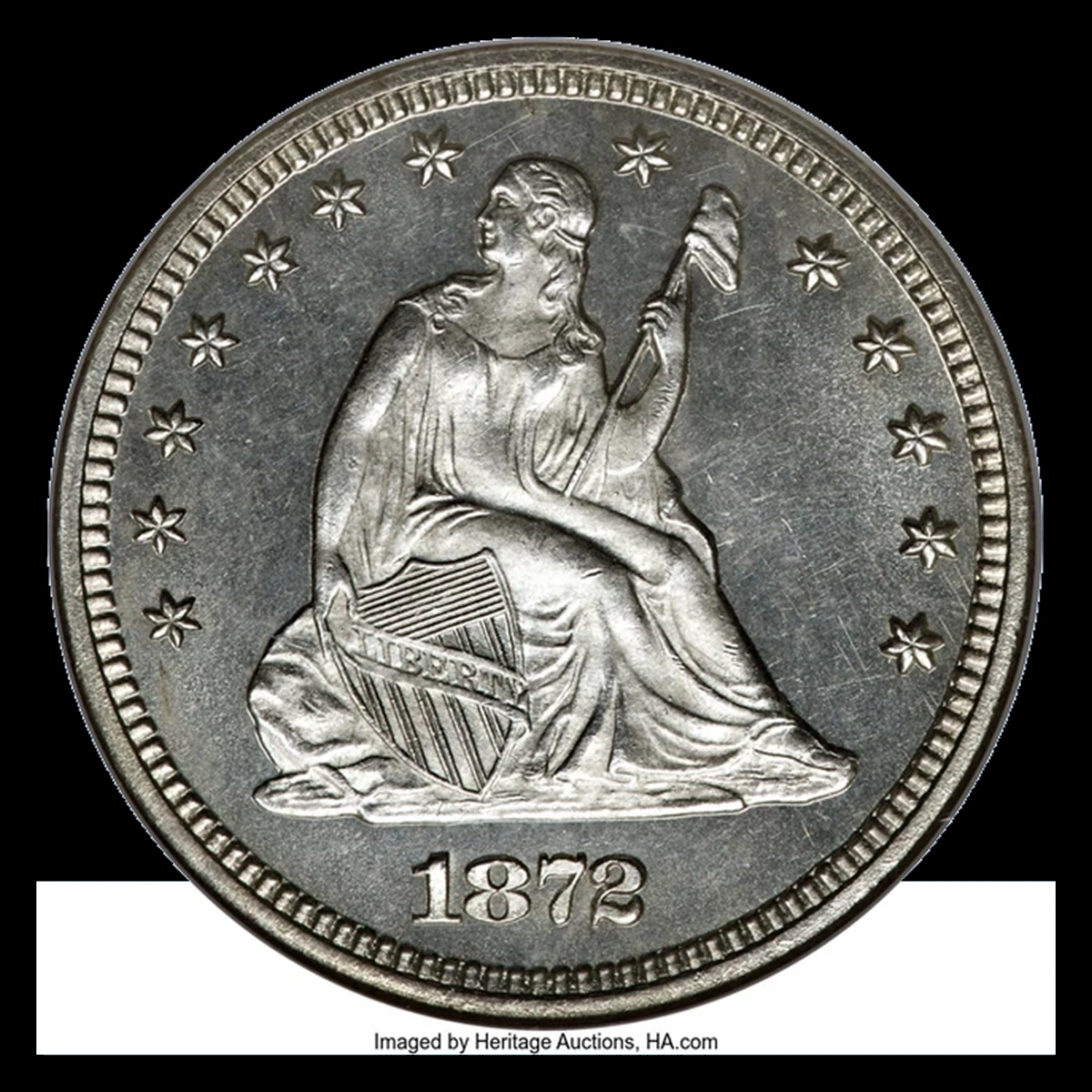
Philadelphia quarters have cataloged date-punch varieties with two different arrangements. An earlier digit remnant beside the normal numeral is a repunched date, while a remnant farther away is described as a misplaced date.
The marks originated when preparing the die, the steel tool used to strike coins. They can repeat on pieces struck from that tool rather than representing later engraving of each coin.
How to Identify
Keep the complete normal date in a closeup to preserve the extra mark’s scale and position. Compare a neighboring remnant with the repunched-date reference and a more distant remnant with the misplaced-date reference.
The supplied names do not identify exact digits or directions for these 1872 quarter varieties. Do not fill that gap with an 1872 half-dime image or a pattern from another denomination.
Inspect whether the trace is raised original metal or a later cut, then compare its shape with an actual digit-punch remnant. A stray bump without a coherent numeral shape is not sufficient.
What It’s Worth
$50–$2,000 is an estimated range for Philadelphia date-punch varieties in circulated through ordinary unworn condition. Clear remnants and preserved surrounding surfaces make attribution easier than worn or scratched marks.
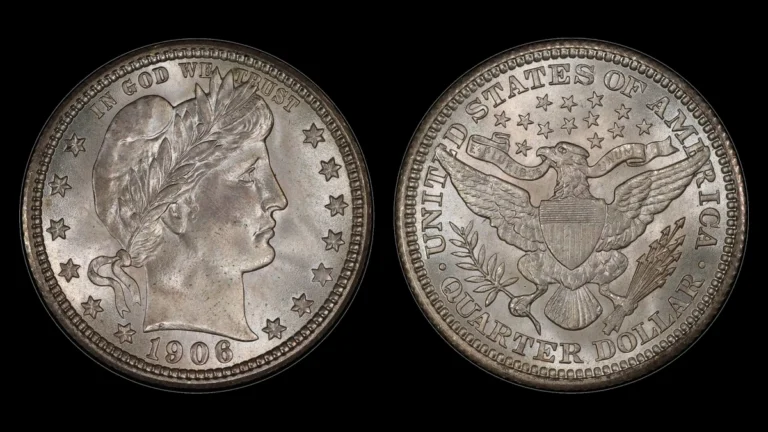
A Philadelphia 1892 Barber quarter with a repunched date and doubled design sold for $528 in March 2024. That different design and compound variety provides context rather than a direct 1872 sale.
3. 1872 Quarter Wavy Lines across the Border Teeth: FS-401 Variety Error
The small teeth inside the raised rim are denticles, distinct from the grooves on the coin’s narrow edge. A Philadelphia variety has wavy lines through these face-mounted border teeth.
Greysheet identifies the variety as FS-401 by its visible feature. The supplied listing does not establish the exact cause of the lines.
How to Identify
Photograph overlapping sections around the rim on both faces, retaining nearby letters or stars as landmarks. The catalog name alone does not establish which face or precise border section carries the diagnostic.
Compare with a verified FS-401 rather than calling any wavy scratch a match. Light from several directions helps distinguish a fixed feature from shadows between the denticles.
Inspect for scratches cutting through finished raised detail, crushed rims, or a bent edge. None should be confused with the repeated variety pattern, and the edge grooves are not the area named by the catalog.
What It’s Worth
$40–$1,500 is a whole-coin estimate for circulated through ordinary unworn FS-401 examples. The border pattern must be matched before assigning a variety premium.
Exceptional preservation can create additional whole-coin value beyond this ordinary-grade range. Damage or indistinct worn teeth require a different comparison from a clean example with easily visible lines.
Conclusion
A repeated mint letter, an extra date fragment, and a wavy border pattern each need their own reference. Begin with the full coin so that a small mark remains connected to the correct date and mint.
The $84,000 result belongs to an exceptional San Francisco quarter, while the Philadelphia estimates cover different varieties and ordinary condition levels. Treat the small features as part of a whole-coin assessment rather than isolated price tags.