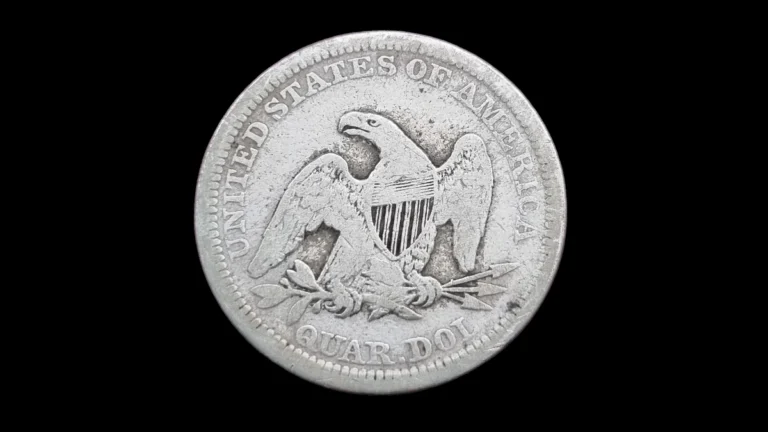
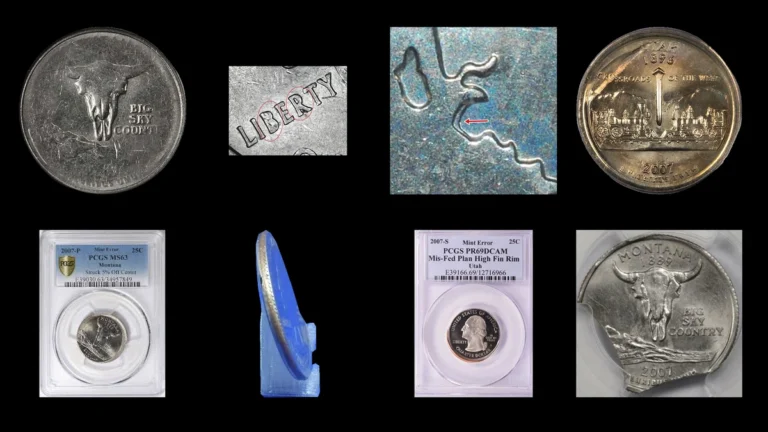
Rare 1935 Quarter Errors (List & Pictures)
A dime blank pressed against a quarter can leave a large hollow without turning the quarter into a dime-sized coin. The documented 1935 example sold for $2,640 in January 2019.
Smaller 1935 quarter errors appear in the motto and mintmark. Estimated values span $20–$4,000; compare those small details first, then decide whether the outline expanded, the design shifted, or another blank blocked the strike.
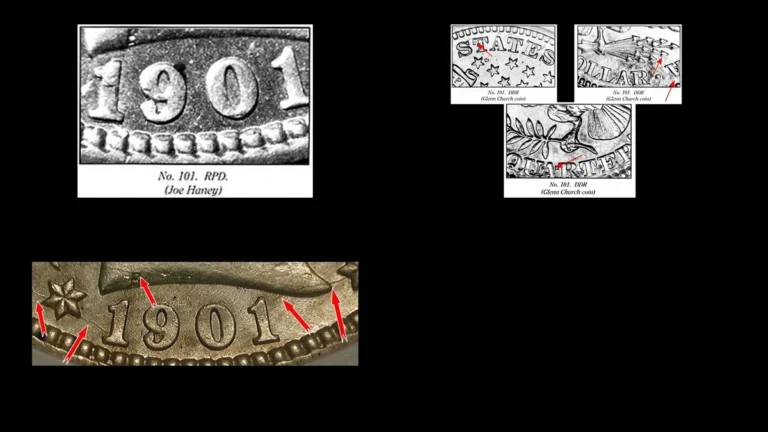
1. 1935 Quarter Extra Motto Edges: Doubled Die Error
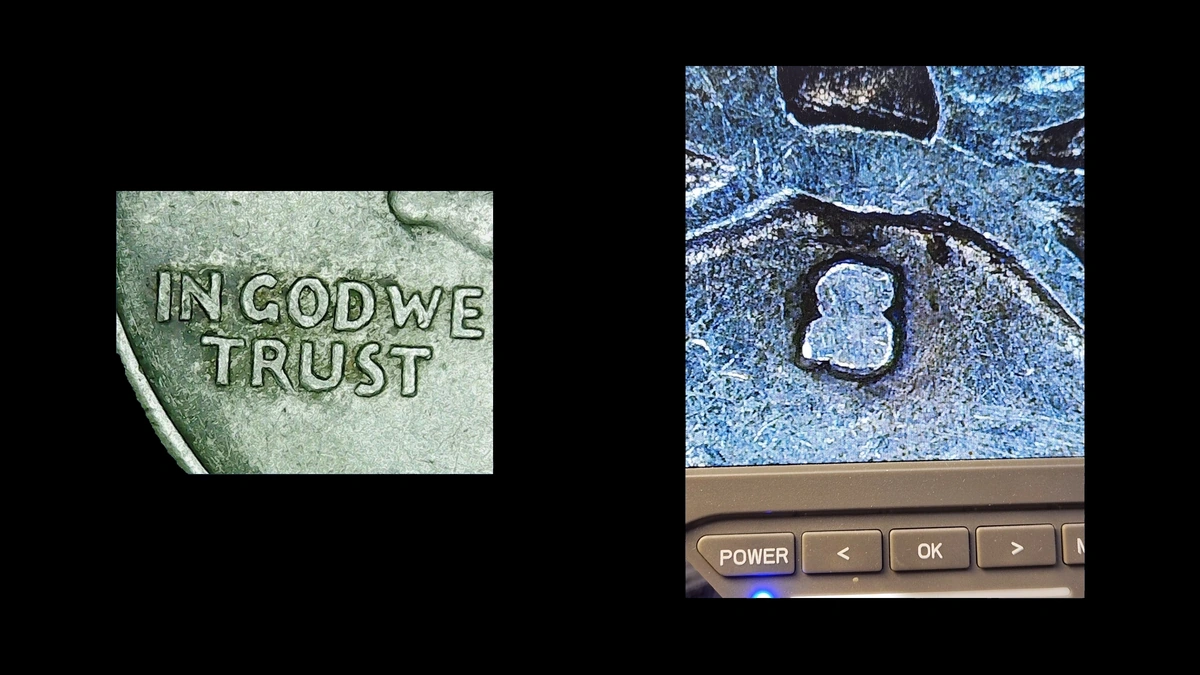
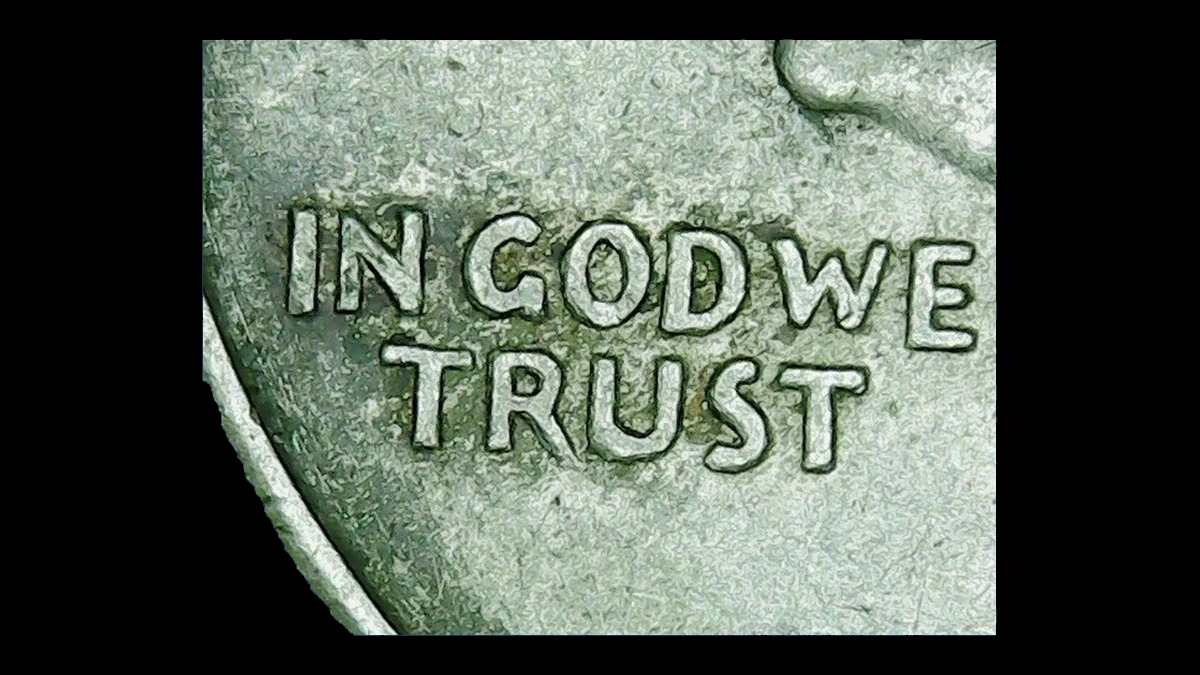
Philadelphia FS-101 has repeated outlines in IN GOD WE TRUST. The repetition was already on the stamping tool, so one strike could transfer it.
Other listed Philadelphia, Denver, and San Francisco varieties affect different faces and details. The FS-101 motto pattern does not identify all of them.
How to Identify
For FS-101, enlarge several motto letters together and compare their edges with an identified photograph. Related repeated shapes are more useful than one thick stroke.
A low flat shelf beside a thinner main letter may be machine doubling. Move the light to check the height and shape.
The CONECA list separates the mints and faces. Confirm the mint before using a front or back reference.
What It’s Worth
$25–$500 is the estimated range for identified doubled dies. Visibility, exact variety, and preservation influence the whole-coin price.
PCGS records a Philadelphia FS-101 in MS64 at $25 in February 2019. That result belongs to one unworn coin with noticeable marks, not every listed pattern.
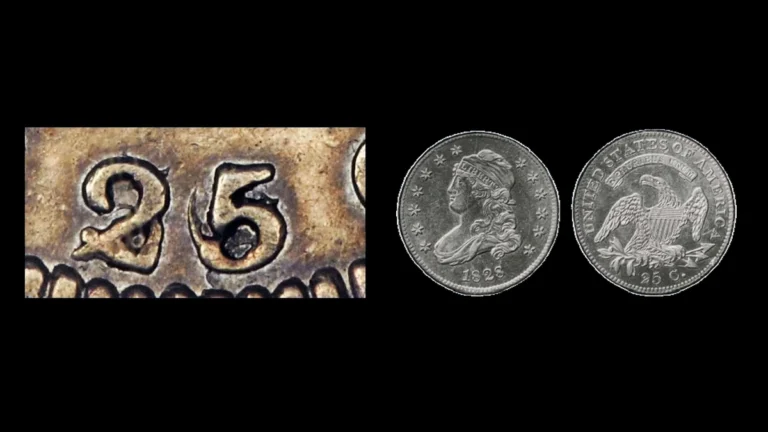
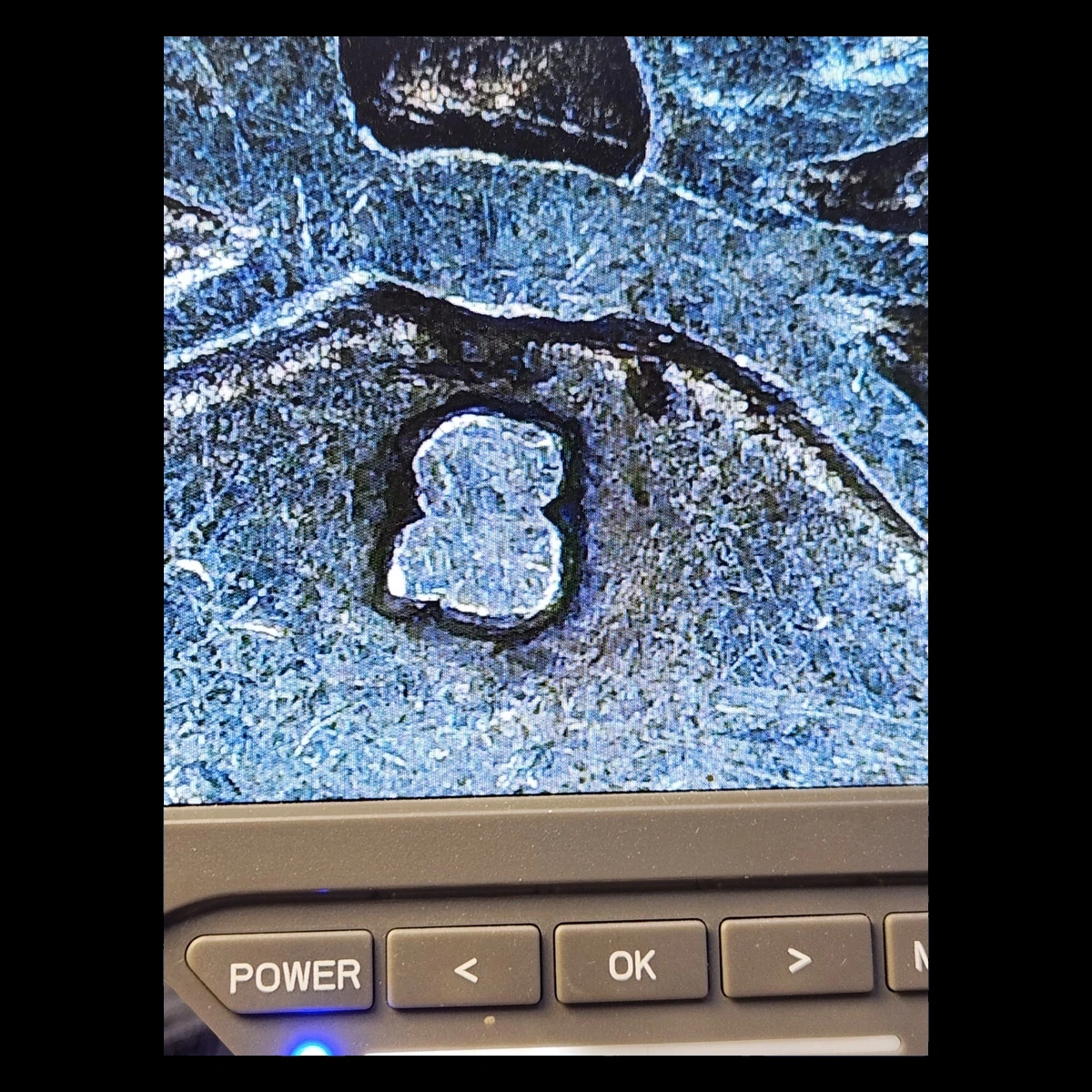
2. 1935 Quarter Earlier D or S Fragments: Repunched Mintmark Error
Mint letters were applied by hand to the tool. Repeating a punch in another position could leave extra parts of the first letter.
Denver reports include one pattern left of D and another below it. A reported San Francisco S/S needs a separate letter comparison.
How to Identify
Find the letter below the eagle’s wreath and trace its ordinary shape. On Denver coins, compare the left-side or lower fragments with the appropriate reference.
The added raised metal should fit another D or S. A random bump, hit, or reflection is not the same evidence.
What It’s Worth
$25–$350 is the estimated whole-coin range for clearly identified repunched mintmarks. Clean surfaces and sharp earlier-letter remnants improve appeal.
A well-preserved Denver coin may already be valuable for its date and grade. The extra mintmark detail does not explain its entire price.
3. 1935 Quarter Local Missing Detail or a Depression: Possible Strike-Through Error
Grease can fill a recessed part of the tool and leave weak letters. A solid object between tool and blank can instead press a shaped hollow into the coin.
This remains a possible 1935 category without a clearly identified specimen in the supplied source. Normal wear and weak striking can also fade detail.
How to Identify
Compare the same area on a normal coin with similar wear. A local weak patch beside sharp design supports a different explanation from broadly flattened high points.
Inspect the boundary for scraping or cut lines across finished detail. Leave any attached material in place for examination.
What It’s Worth
$20–$150 is the estimate for authenticated small grease-filled areas. Stronger original object impressions are estimated at $100–$750.
These ranges apply to qualifying coins and do not represent a recorded 1935 sale.
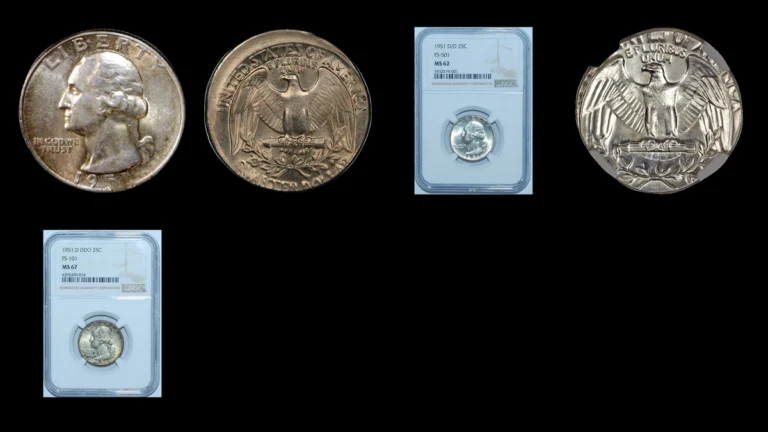
4. 1935 Quarter A Wide Margin on the Right: Broadstrike Error
The documented PCGS MS61 coin has its widest margin at 3 o’clock. The collar failed to contain the silver, leaving an uneven expanded outline around the full design.
Its outer lettering is slightly stretched, Washington’s hair is soft, and the eagle is sharp. Those features describe this particular specimen.
How to Identify
Trace the outside letters to confirm that the intended design stays on the metal. Broadstriking differs from an off-center strike that loses picture beyond the blank.
Compare the wide right margin with the opposite border. For a loose coin, the normal standards are about 24.3 millimeters and 6.25 grams.
Check for hammer marks or crushed finished details that could explain later widening.
What It’s Worth
$150–$900 is the estimated range for comparable broadstrikes. The MS61 example sold for $235.75 in September 2003.
It has a prominent mark above Washington’s ear, which affected its grade. Better surfaces and a clear original spread can improve another coin’s appeal.
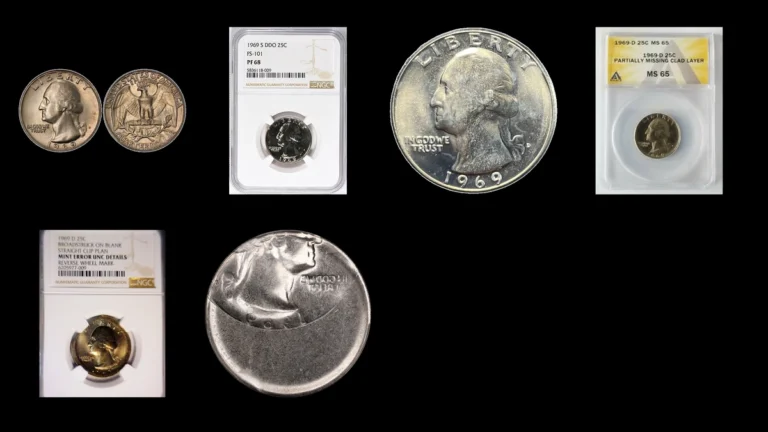
5. 1935 Quarter A Plain Crescent Opposite Lost Design: Off-Center Strike Error
A blank that sits partly outside the tools receives only part of their design. The untouched metal remains opposite the area where the picture ran beyond the edge.
The reported 1935 category does not establish one mint or displacement. A readable date is important before assigning the year.
How to Identify
Read the date, then follow the lost design and corresponding plain crescent on both faces. A centered back behind only a shifted front needs a different alignment explanation.
Look for grinding tracks or flattened letter remnants in the empty-looking area. An original unstruck surface should not be a picture removed afterward.
What It’s Worth
$100–$1,500 is the estimated range for authenticated identifiable examples. Visible displacement helps, provided enough identity and attractive design survive.
A 1988-P quarter struck 30% off center and graded ANACS MS63 sold for $109 in January 2022. That later clad coin provides mechanism context, not a 1935 silver result.
6. 1935 Quarter A Round Hollow across the Eagle: Dime-Blank Indent Error
A dime blank overlapped the quarter during striking and blocked part of its reverse. The hollow begins just inside the 6 o’clock rim and reaches the top of the eagle’s head.
The quarter itself remained quarter-sized. The indent also covered the usual mintmark area, so a missing visible letter cannot identify the mint.
How to Identify
Follow the rounded boundary where it interrupts the eagle and lower design. A later circular punch can also make a hollow, so the outline alone is insufficient.
Compare with the documented holder description and full coin. “Indented by dime planchet” means another blank pressed against this quarter, not that the quarter was made on it.
Do not call it Philadelphia simply because D or S cannot be read under the depression.
What It’s Worth
$1,500–$4,000 is the estimated range for comparable authenticated 1935 dime-blank indents. The PCGS AU58 specimen sold for $2,640 on January 11, 2019.
AU58 indicates very slight wear. Its large clear indent is the error being valued, with no separate missing-mintmark premium.
Conclusion
A complete picture within expanded metal points toward broadstriking, while a plain crescent opposite lost design points toward an off-center blank. A dime-shaped hollow on a full quarter describes yet another event.
For small letter varieties, match the exact mint and pattern. For the larger errors, preserve both faces and the edge so the shape and original strike can be judged together.