Rare 1943 Penny Errors (List & Pictures)
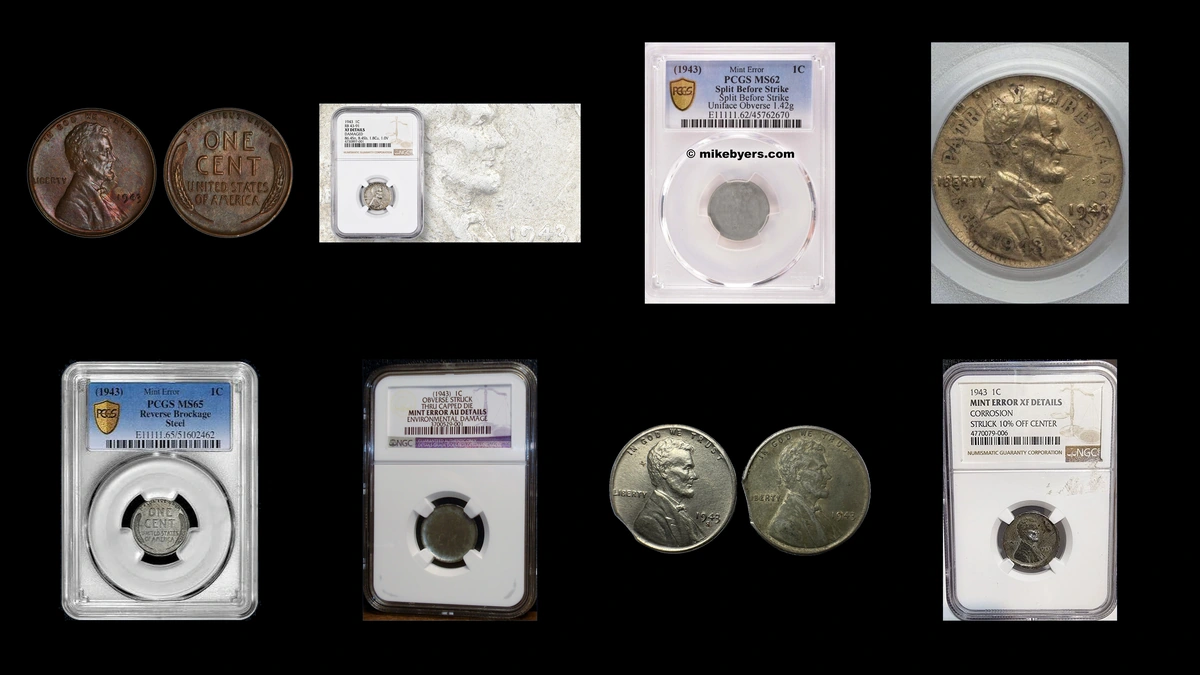
A silver-gray 1943 cent is usually behaving exactly as intended: this year’s normal metal was zinc-coated steel. The bronze rarities among 1943 penny errors are different objects, including a Denver example that brought $840,000 in January 2021.
Estimated values span $2–$1,000,000. Establish the metal first, inspect both designs and the outline, then use magnification for the smaller die varieties.
| Inspection clue | Category | Estimated value |
|---|---|---|
| Metal differs from normal steel | Wrong or foreign planchet | $1,000–$25,000; bronze $100,000–$1,000,000 |
| Unusual alloy despite normal weight | Tin-rich composition | $5,000–$25,000 |
| Dark surfaces without normal coating | Reported zinc omission | $100–$500 if confirmed |
| Very thin coin with blank front | Split disc and uniface strike | $1,000–$5,000 |
| Another coin’s design survives | Overstrike | $8,000–$25,000 |
| Backward recessed Lincoln opposite normal Lincoln | Full mirror brockage | $15,000–$35,000 |
| Ghost portrait with stretched backward words | Struck through cap | $300–$3,000 |
| Physical section missing | Clip | $25–$500 |
| Complete design within extra border | Broadstrike | $40–$300 |
| Unstruck crescent beside incomplete design | Off-center strike | $40–$1,000 |
| Two impressions, sometimes an indent | Double strike | $250–$2,000 |
| Localized blocked detail | Grease or debris strike-through | $15–$600 |
| Broadly shallow original design | Weak strike | $100–$1,000 |
| Raised line, chip, or rim patch | Die cracks and breaks | $2–$1,500 |
| Extra letter or eyelid detail | Doubled die, including S overdate | $10–$10,000 |
| Additional D or S strokes | Repunched mintmark | $5–$22,000 |
A normal steel cent weighs 2.70 g and measures 19.05 mm with a plain edge. It responds to a magnet, but that response identifies steel rather than proving an error or authenticating the date.
Record both faces and the edge, using a scale, calipers, and a 10× magnifier where safe. Preserve the surfaces instead of scraping a coating or straightening fragile metal.
1. 1943 Penny The Metal Is Bronze, Silver, or Foreign Alloy: 1943 Wrong Planchet Error
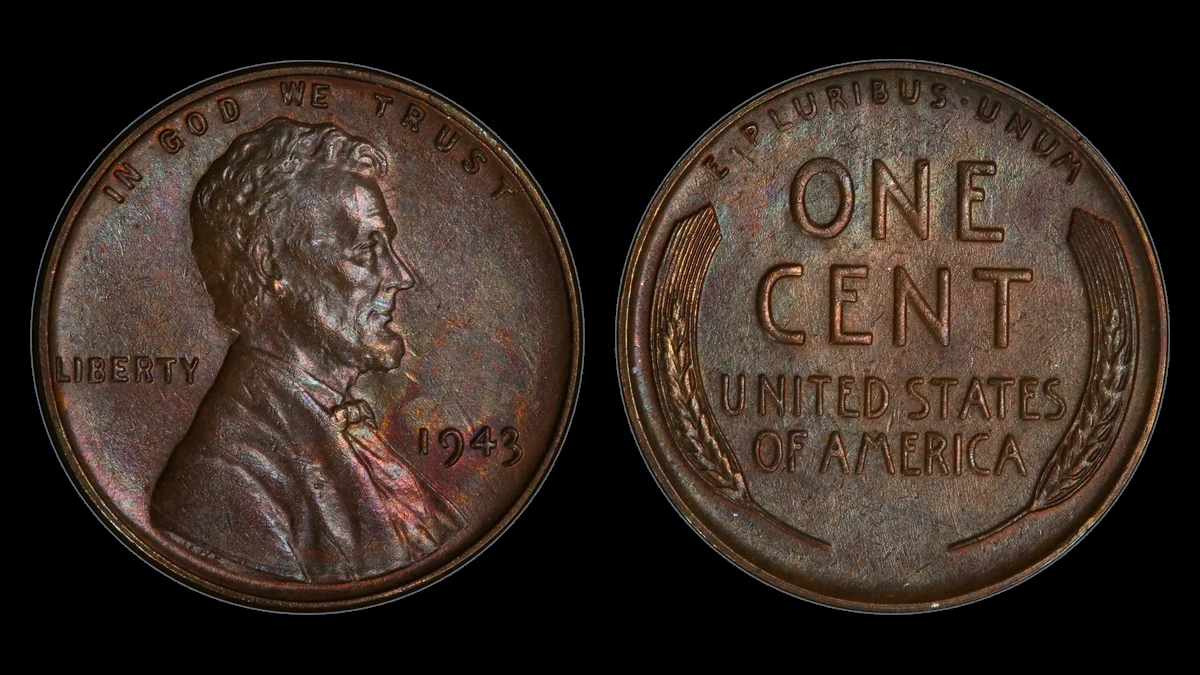
A planchet is a prepared blank awaiting its design. Bronze examples received cent designs on the wrong metal instead of the intended coated steel.
Other recorded types include silver dime, Australian sixpence, Netherlands or Curaçao twenty-five-cent, and reported Cuban one-centavo brass blanks. An unused foreign blank does not need an older foreign design.
How to Identify
A copper-colored steel cent still responds strongly to a magnet, unlike bronze. Compare about 3.11 g for a bronze cent blank, 2.50 g for a silver dime blank, and the recorded 2.82 g Australian-disc specimen.
Check the final 3 for alteration and the edge for plating or seams before seeking authentication of both date and metal. Each foreign blank needs its own composition and dimensions; the Australian example also spread, while the Cuban blank lost some outer design.
What It’s Worth
Many authenticated silver or foreign-disc examples have an estimated $1,000–$25,000 range. Bronze examples occupy a separate estimated $100,000–$1,000,000 range, depending on mint and condition.
The 1943-D Australian sixpence-disc cent brought $4,560 in May 2022. The PCGS MS64 Brown Denver bronze cent brought $840,000 in January 2021; neither price applies to a plated steel coin or an altered date.
2. 1943 Penny Ordinary Weight Conceals Unusual Metal: 1943 Tin-Rich Cent Error
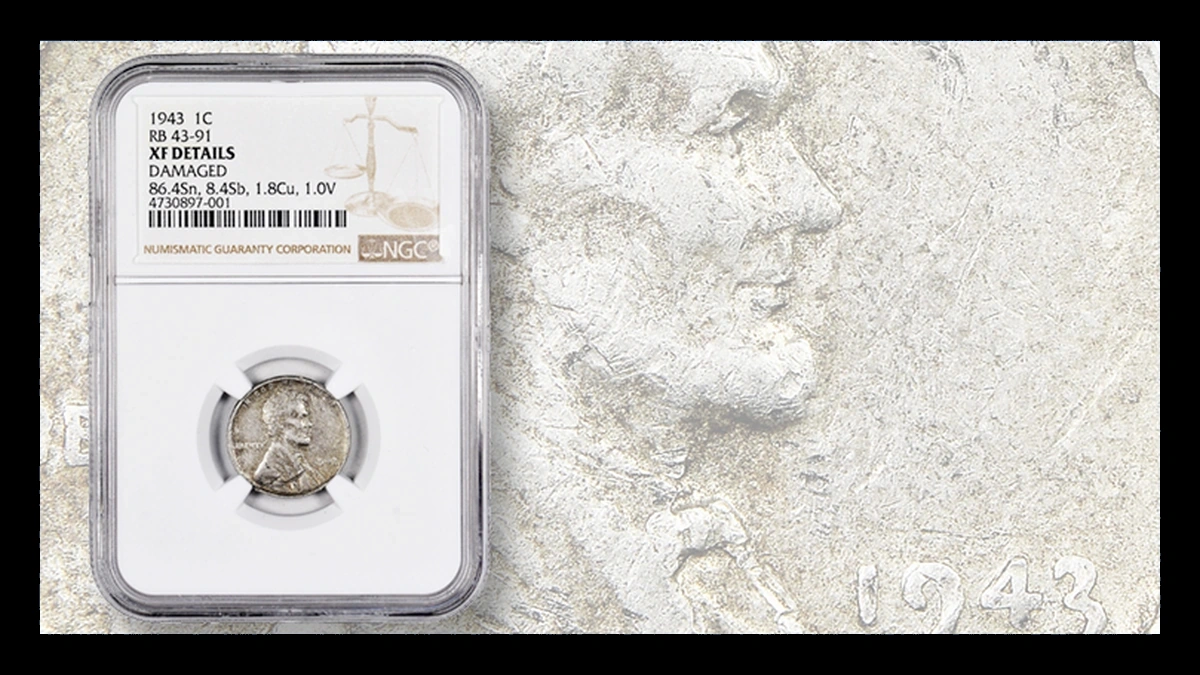
The reported coin weighs about 2.7 g yet contains approximately 86.4 percent tin and 8.4 percent antimony, plus smaller amounts of other elements. Its weight therefore closely resembles a steel cent without matching its composition.
NGC described it as XF Details with damage. Its production history is unresolved, so an experimental purpose should not be presented as established fact.
How to Identify
Professional nondestructive analysis is needed to establish the alloy reported by Coin World. A magnet cannot reveal tin and antimony percentages.
Check the genuine date and possible edge seams separately from the composition result. Normal weight and gray color are not enough to identify this particular anomaly.
What It’s Worth
The authenticated tin-rich piece has an estimated $5,000–$25,000 range. No published auction result is supplied for that specimen.
Scarce wrong-metal 1943 cents provide broad context, but the unusual alloy, damage, and unresolved history limit direct comparisons. The estimate belongs to a confirmed identity rather than an unexplained gray penny.
3. 1943 Penny Dark Steel Appears without Its Surface Covering: Reported Zinc Omission Error
Zinc protected the steel faces, and a manufacturing omission would leave a different surface from normal coated metal. Dark color also results from rust, wear, chemical stripping, and later replating.
The ordinary edge is especially easy to misread. Cutting discs from coated sheet exposed steel at their boundaries during normal production.
How to Identify
Inspect protected areas beside letters rather than using a bare edge as proof. Remaining coating beside scratched bare patches can indicate later removal.
A steel magnetic response cannot establish when zinc disappeared, and an ordinary scale may not resolve its small weight contribution. Authentication must address the original surfaces on both faces.
What It’s Worth
A professionally confirmed omission has a conditional estimated $100–$500 range. Stripped or corroded ordinary cents do not qualify merely by appearing dark.
An unplated 1995-D cent brought $180 in March 2023. Its missing copper coating over zinc is a different construction and offers only broad missing-coating context.
4. 1943 Penny A Thin Coin Has a Blank Front: 1943 Split Disc with Uniface Strike Error
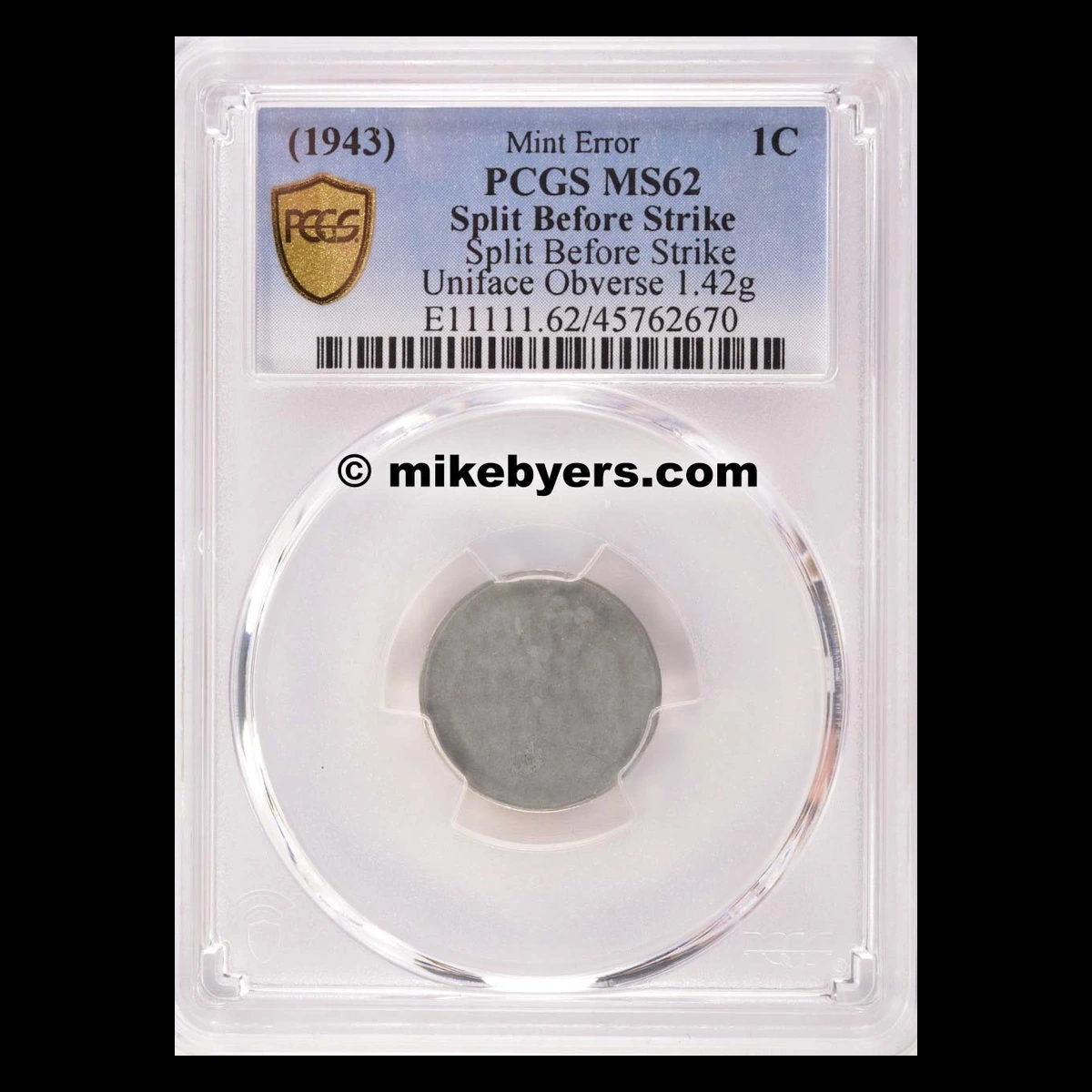
The recorded piece weighs 1.42 g and carries a Wheat reverse opposite a blank front. Its disc split before striking, then another disc blocked the front die.
The surviving back received its design directly. PCGS graded the combination MS62, while the blank front cannot reveal a date or mint letter.
How to Identify
Keep certification photographs with the object’s attribution. Compare the thin original edge, split texture, blank surface, and struck reverse as parts of one sequence.
Grinding can erase a front and lower weight but leaves different evidence. Inspect for tool lines or artificial seams without mistaking an unreadable date for a visible 1943.
What It’s Worth
This certified combination has a working estimate of $1,000–$5,000. Its dealer listing marks it sold without publishing a transaction amount.
A 1947-S copper-alloy cent with a partial pre-strike split brought $144 in June 2026. That simpler example lacks the steel piece’s blank-front combination and does not provide its sale price.
5. 1943 Penny A Cuban Star or Mercury Dime Detail Remains: 1943 Overstrike Error
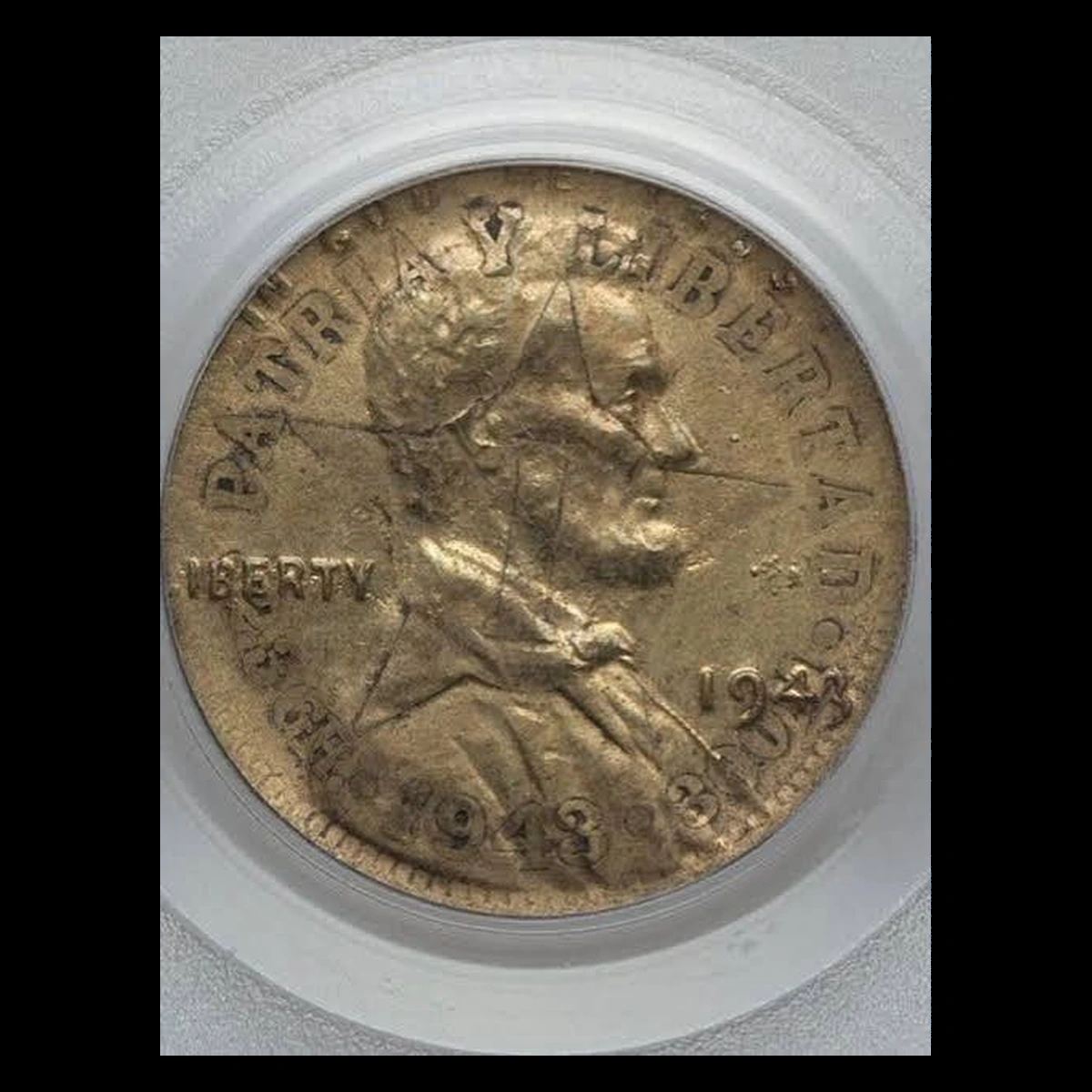
Recognizable older design beneath the cent proves that the host had already been struck. The Cuban one-centavo example retains a star and surrounding lettering.
A separate piece was struck over a 1943 Mercury dime. These finished-coin hosts differ from the unused foreign or dime blanks described earlier.
How to Identify
Identify the host first, then follow its surviving detail through the cent impression. On the Mercury example, compare areas above Lincoln’s ear and around ONE CENT.
The Cuban example’s faces remain upright when turned sideways, unlike normal United States cent orientation. Compare both designs and metal with the authenticated specimen, since a genuine host can still carry a counterfeit added cent image.
What It’s Worth
Authenticated 1943 overstrikes of these kinds have an estimated $8,000–$25,000 range. Clear host detail and original surfaces support meaningful comparison.
The PCGS MS62 Cuban-host coin brought $10,925 on January 4, 2006. That transaction is not a recorded sale of the separate Mercury dime overstrike.
6. 1943 Penny Lincoln Faces a Recessed Mirror of Himself: 1943 Full Brockage Error
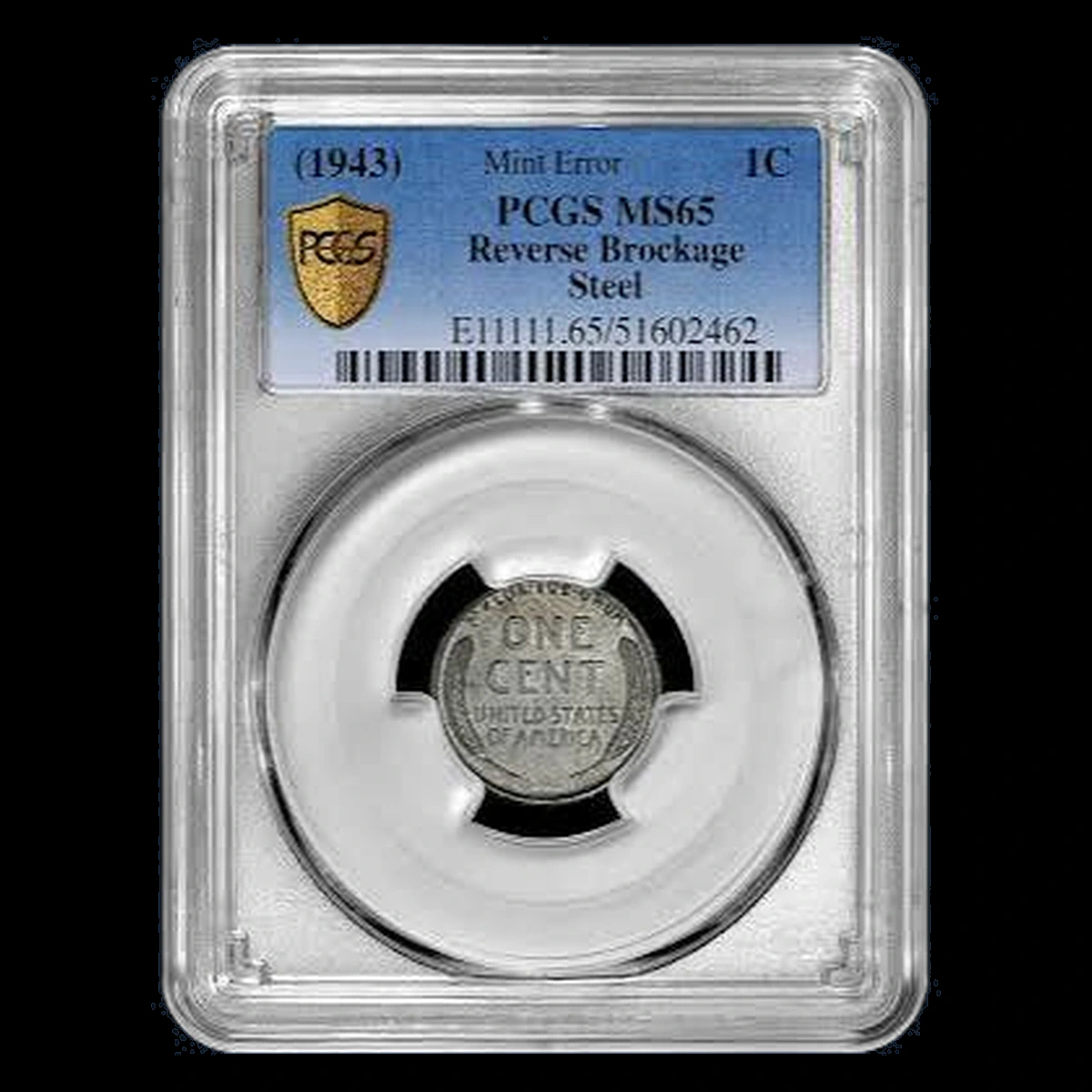
One face shows normal raised Lincoln detail while the other carries the same design backward and sunken. A previously struck cent pressed its raised front into the next disc.
This is a full obverse mirror brockage: obverse describes the front design that made the mirror image. It does not describe a normally raised Wheat reverse.
How to Identify
Check that portrait and lettering reverse together and lie below the surface. Then verify the normal raised front on the opposite side.
Inspect for seams or later pressure damage and compare certification photographs. Pressing two finished coins together can also create backward marks, so normal measurements alone cannot authenticate the brockage.
What It’s Worth
A comparable authenticated full mirror brockage has an estimated $15,000–$35,000 range. Partial or severely distorted impressions require different comparisons.
Mint Error News reports $31,200 at Stack’s Bowers for the PCGS MS63 example. That amount belongs to the receiving coin, not the earlier cent whose portrait formed the impression.
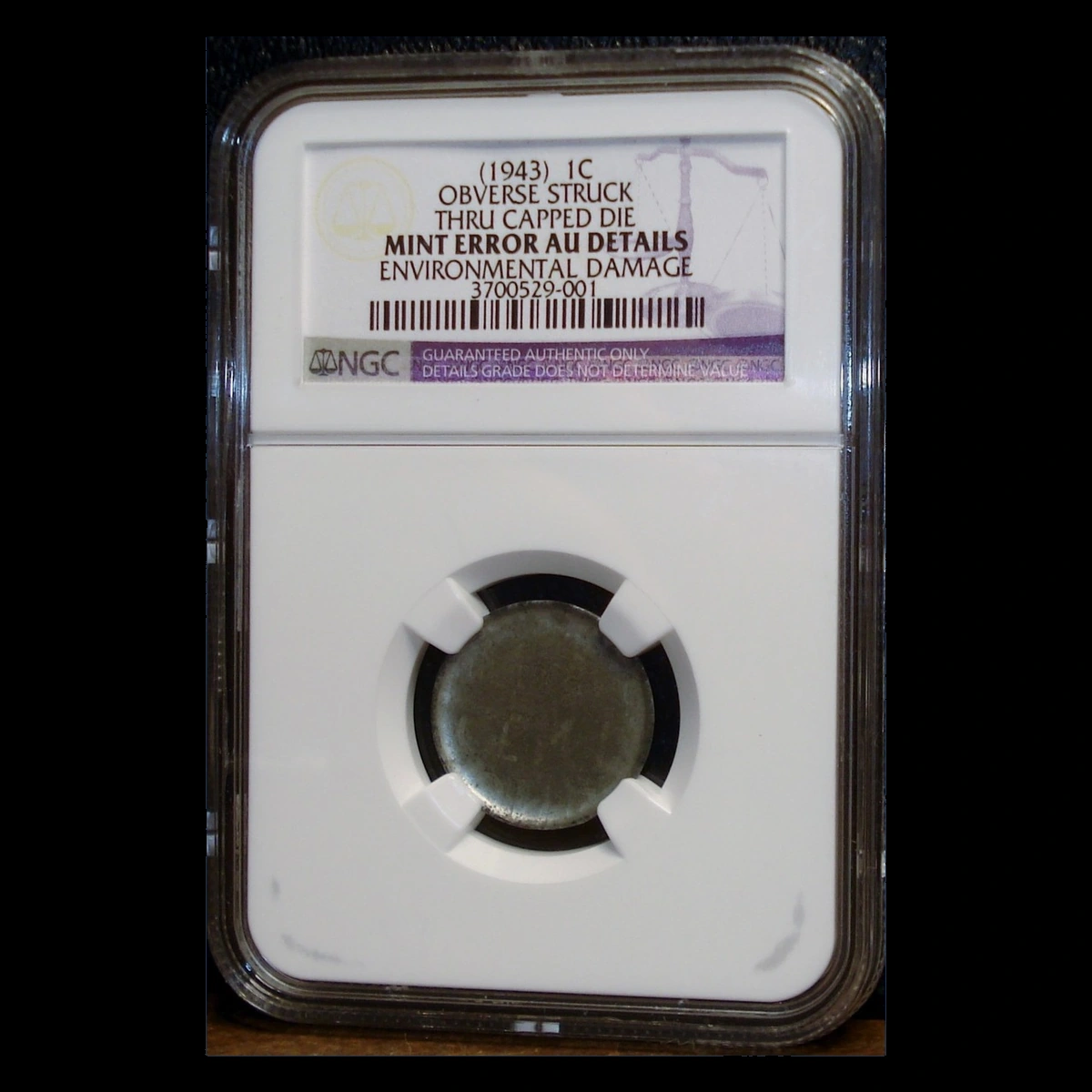
7. 1943 Penny A Ghost Portrait Lies beneath Enlarged Backward Words: 1943 Cap Strike Error
A stuck coin covering a die can transmit distorted design to later blanks. One steel example combines faint Lincoln detail with enlarged backward ONE CENT and United States lettering.
Its reverse remains normally designed. The unreadable date is identified by certification, and a separate San Francisco report has its own attribution.
How to Identify
Start with the normal reverse, then relate the ghost portrait to the stretched reversed words. Blurring and enlargement fit a repeatedly used covering rather than requiring a crisp first-contact image.
The object being examined is the recipient beneath the cap, not the cap itself. Preserve the certification-based date attribution without inventing visible numerals.
What It’s Worth
Identified cap strikes have an estimated $300–$3,000 range. More legible unusual transferred detail can make a stronger display than faint blocking.
An NGC MS63 example brought $1,128.50 on June 29, 2026. The dramatic ghost-portrait coin brought $2,530 in July 2009, a separate transaction for a receiving coin rather than a cup-shaped cap.
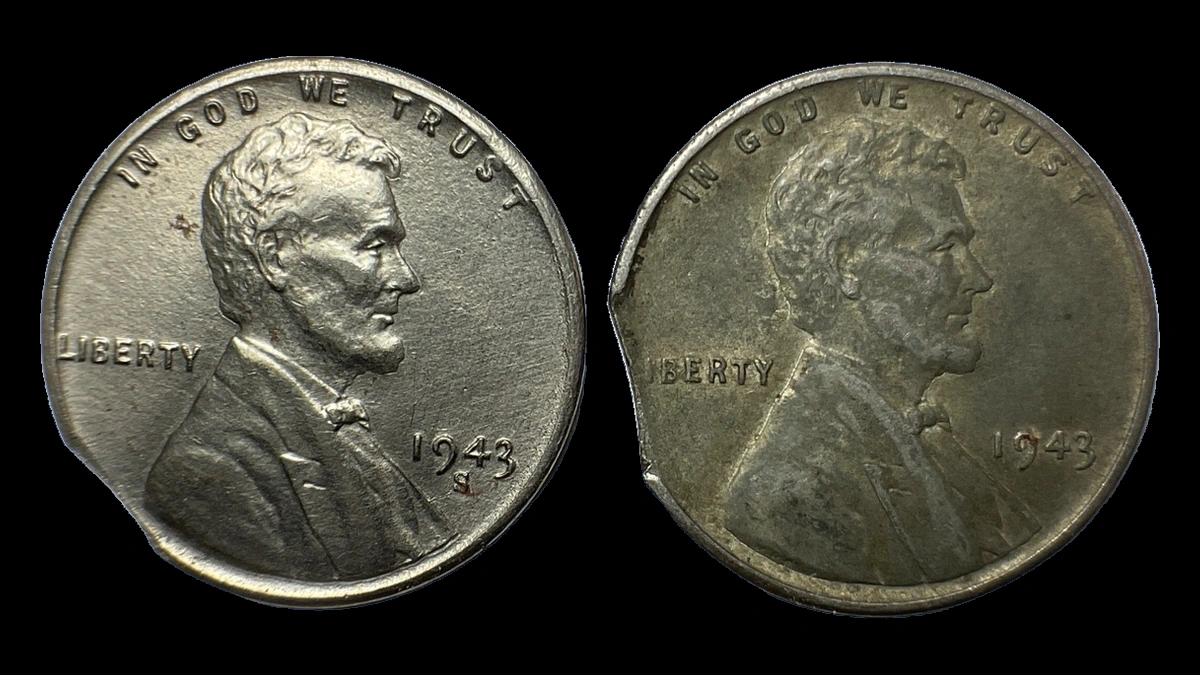
8. 1943 Penny A Curved or Straight Section Is Absent: 1943 Clipped Planchet Error
Missing metal before striking changes how the adjacent rim and letters form. Recorded examples include a Philadelphia five-percent curved clip and a separate piece with curved and straight gaps totaling about twenty percent.
The larger coin has no readable mint identity. Absence of a surviving letter does not establish Philadelphia when that part of the coin is missing.
How to Identify
Examine both ends of the gap for original rim formation and nearby design fading. Fresh saw marks through finished letters suggest a later cut.
Opposite-rim weakness can support a clip without being compulsory. Compare the surviving outline and reduced weight while preserving any catalog-based year attribution.
What It’s Worth
Genuine steel-cent clips have an estimated $25–$500 range. Shape, condition, and visible date influence the comparison.
The twenty-percent curved-and-straight example in PCGS MS62 brought $282 in November 2013. That result belongs to its combined outline rather than every missing section.
9. 1943 Penny All the Letters Fit inside a Wider Border: 1943 Broadstrike Error
The recorded broadstrike has extra space near two o’clock while retaining its complete intended design. Metal spread because the collar failed to provide its normal boundary.
The same coin has corrosion. That later surface problem reduces preservation without becoming a second mint error.
How to Identify
Read the full outer design on both faces and measure the spread in several directions. An uneven border can coexist with complete lettering.
Check the edge and portrait for later hammering that flattened them together. Missing outer design requires an off-center assessment instead of relying on an off-center-looking portrait.
What It’s Worth
Genuine broadstrikes have an estimated $40–$300 range. Rust and other damage reduce the appeal of an otherwise clear enlarged shape.
A 1999 PCGS MS65 Red broadstrike brought $67 in March 2023. Its different metal and date make it a broad comparison, not a sale record for the corroded steel specimen.
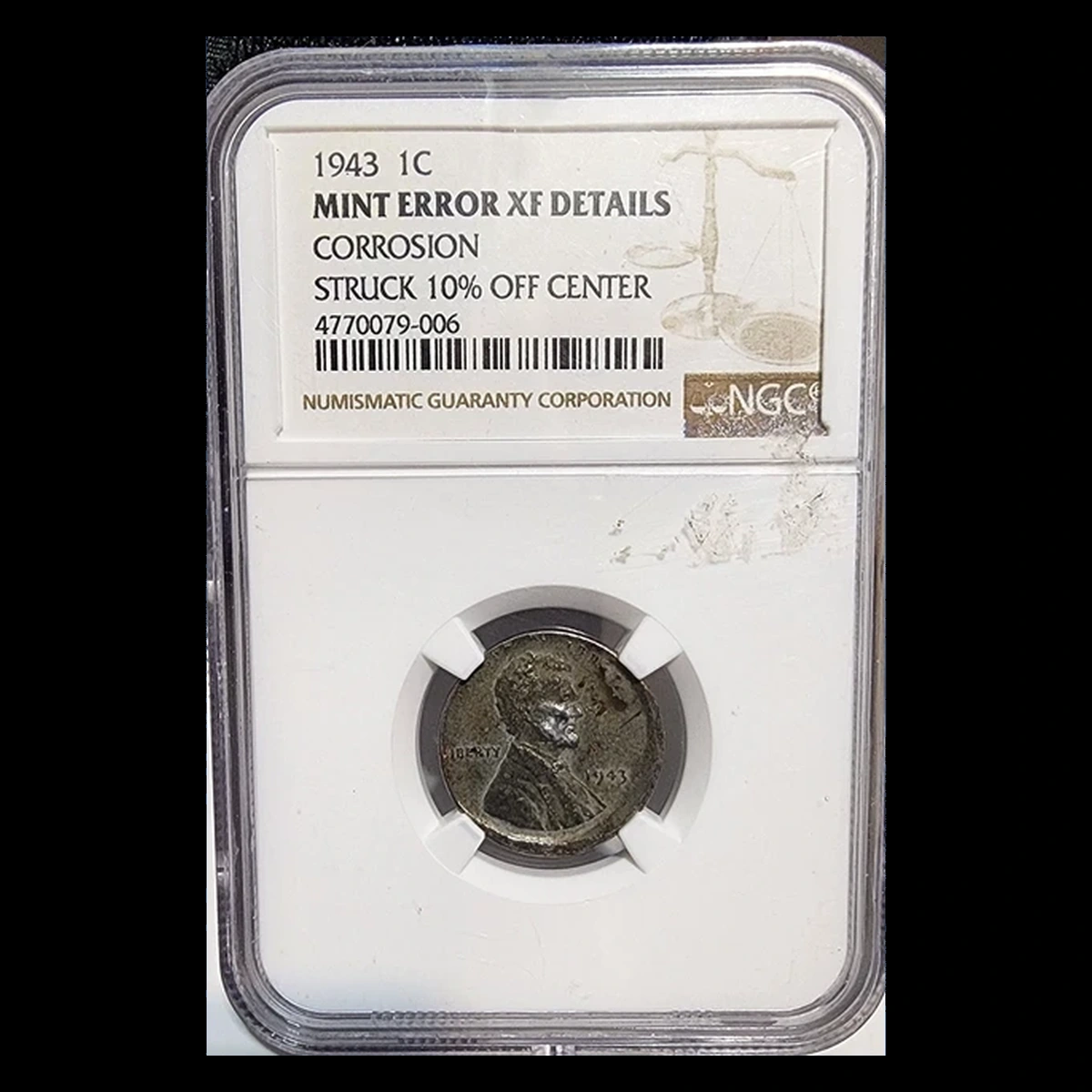
10. 1943 Penny Blank Metal Opposes Lost Design: 1943 Off-Center Strike Error
Philadelphia steel cents are recorded at about five, fifteen, and forty percent off center. A San Francisco example is described at ten percent.
Each blank missed its intended position by a different amount. A surviving date helps identify the piece, but some shifted strikes lose the date entirely.
How to Identify
Relate the unstruck area to missing design on both faces. A complete design within an uneven outline instead needs a broadstrike comparison.
Inspect blank metal for abrasive lines from erasure and retain certified attribution where the date is unreadable. The listed percentages and directions belong to individual coins.
What It’s Worth
Identified examples have an estimated $40–$1,000 range. A clear date, natural steel surfaces, and an attractive impression can outweigh a larger but damaged shift.
The forty-percent Philadelphia coin in PCGS MS62 brought $258.50 in November 2013. It is a direct year comparison, not a fixed price based on percentage alone.
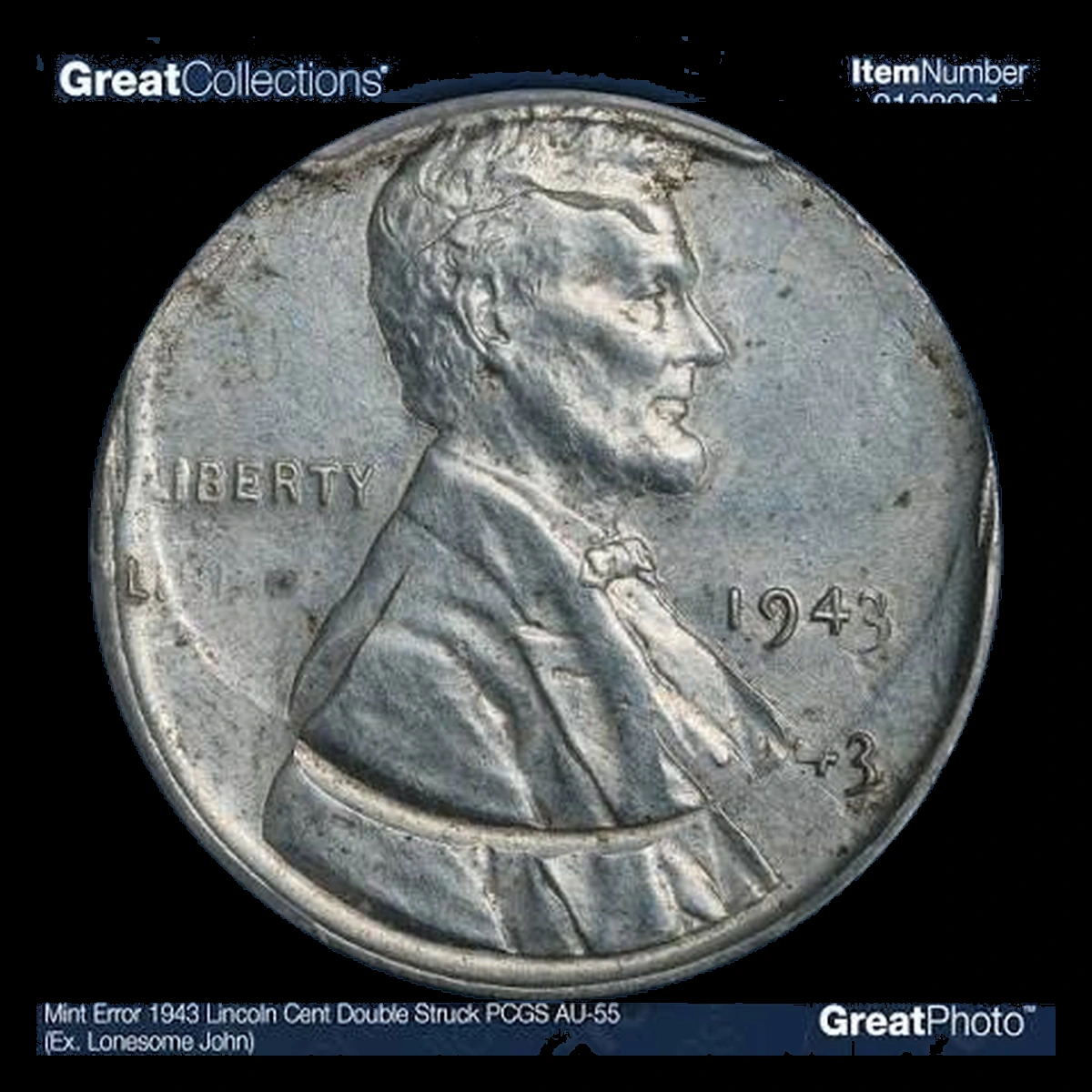
11. 1943 Penny Two Designs Overlap beside an Indent: 1943 Double Strikes Error
One recorded coin remained in the collar for another strike and gained a twenty-five-percent semicircular indent low on its front. Another disc interfered with the impression.
A separate coin has a fifteen-percent indent, while another received its second blow about forty-five percent off center. The last piece’s date and mint area are hidden.
How to Identify
Trace two substantial design features independently rather than counting tiny flat letter shelves. On the twenty-five-percent example, compare the lower-front hollow with the raised lip near the upper back.
The fifteen-percent piece requires its own measurements. For the displaced coin with hidden date, keep the identification record instead of supplying a reading from the surface.
What It’s Worth
Genuine double-strike combinations have an estimated $250–$2,000 range. Clarity of both impressions matters alongside the size of an indent.
Heritage records $411.25 in November 2013 for the twenty-five-percent-indent coin. Its features and result do not belong to the separate fifteen-percent example.
12. 1943 Penny A Patch of Detail Fails to Form: 1943 Grease or Debris Strike-Through Error
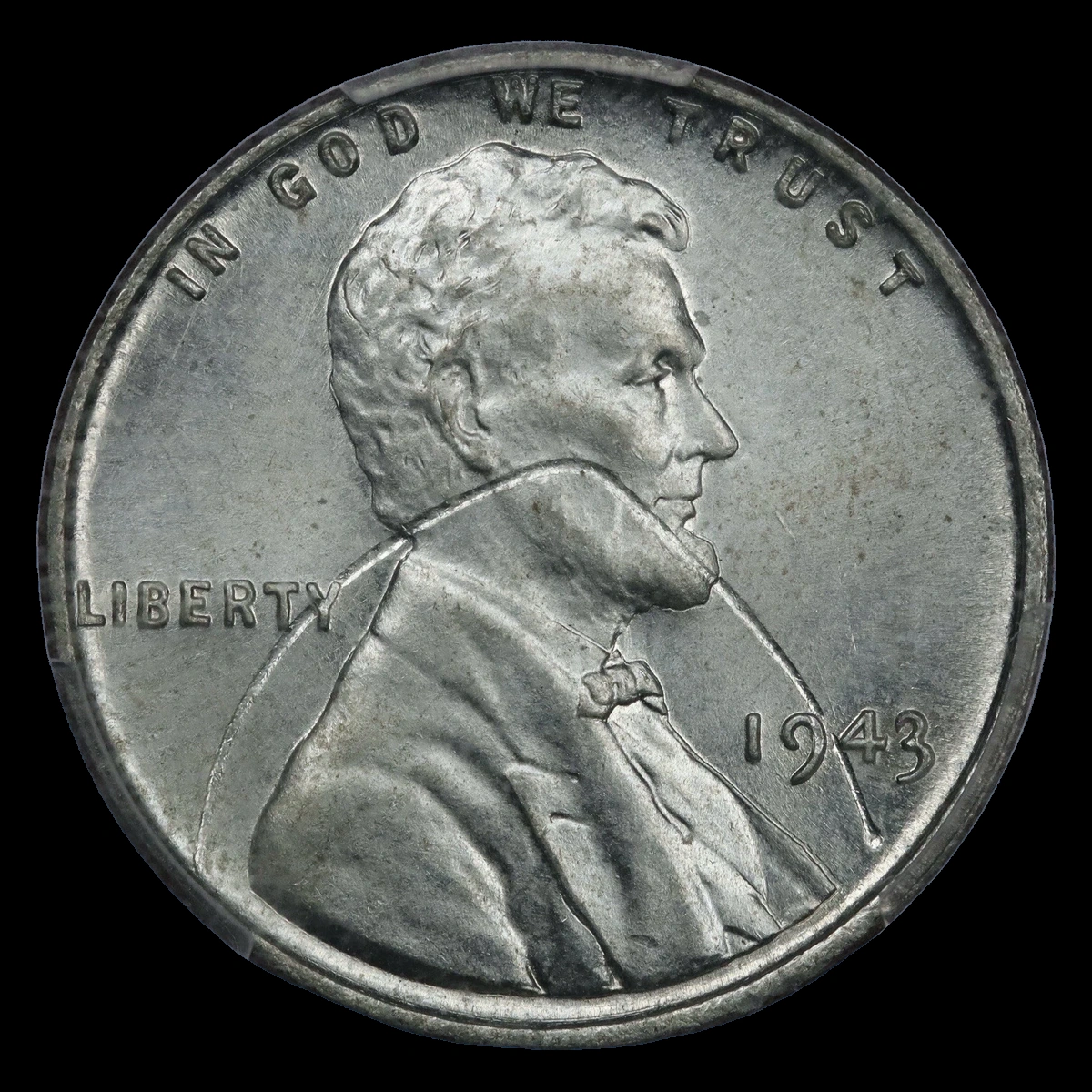
An obstruction can block design in one area while nearby detail forms normally. The supplied examples include an ANACS-certified grease strike and a separate larger affected area in front of Lincoln’s chin with no material identified.
A San Francisco seller report combines weak front detail with a BIE chip. The blockage removes detail, while the chip adds a raised bar between B and E.
How to Identify
Compare the interrupted area with neighboring clear design and inspect for scraping or worn high points. Do not assign the chin location or grease identity to every obstruction.
Examine the BIE independently where present. A seller’s grade for the combination is not equivalent to a grading-service assessment.
What It’s Worth
Genuine grease and debris strikes have an estimated $15–$600 range. A clear substantial interruption generally gives more to assess than faint missing detail.
The ANACS MS60 grease example brought $411.25 in November 2013. That certified coin’s result should not be transferred to the ungraded San Francisco BIE combination.
13. 1943 Penny Much of the Original Design Is Shallow: 1943 Weak Strike Error
A coin can retain original surface while showing little design depth because effective striking pressure was insufficient. The recorded NGC piece was cataloged as a Die Adjustment Strike.
That wording describes its weakly formed appearance. It does not prove whether an operator intentionally tested or adjusted the equipment.
How to Identify
Compare broad shallow areas on both faces with rubbed high points on an ordinary worn cent. Original texture where design failed to fill is useful evidence.
Inspect for grinding and distinguish general weakness from one localized blocked patch. Do not infer a production intention from the catalog label.
What It’s Worth
Genuine examples with convincing original surfaces have an estimated $100–$1,000 range. Extent and clarity of the weak strike affect comparison.
The NGC-certified specimen brought $411.25 in November 2013. The auction description supplied no numeric grade, so none should be invented for it.
14. 1943 Penny Lines and Patches Rise from the Steel: 1943 Die Cracks, Chips, and Cuds Error
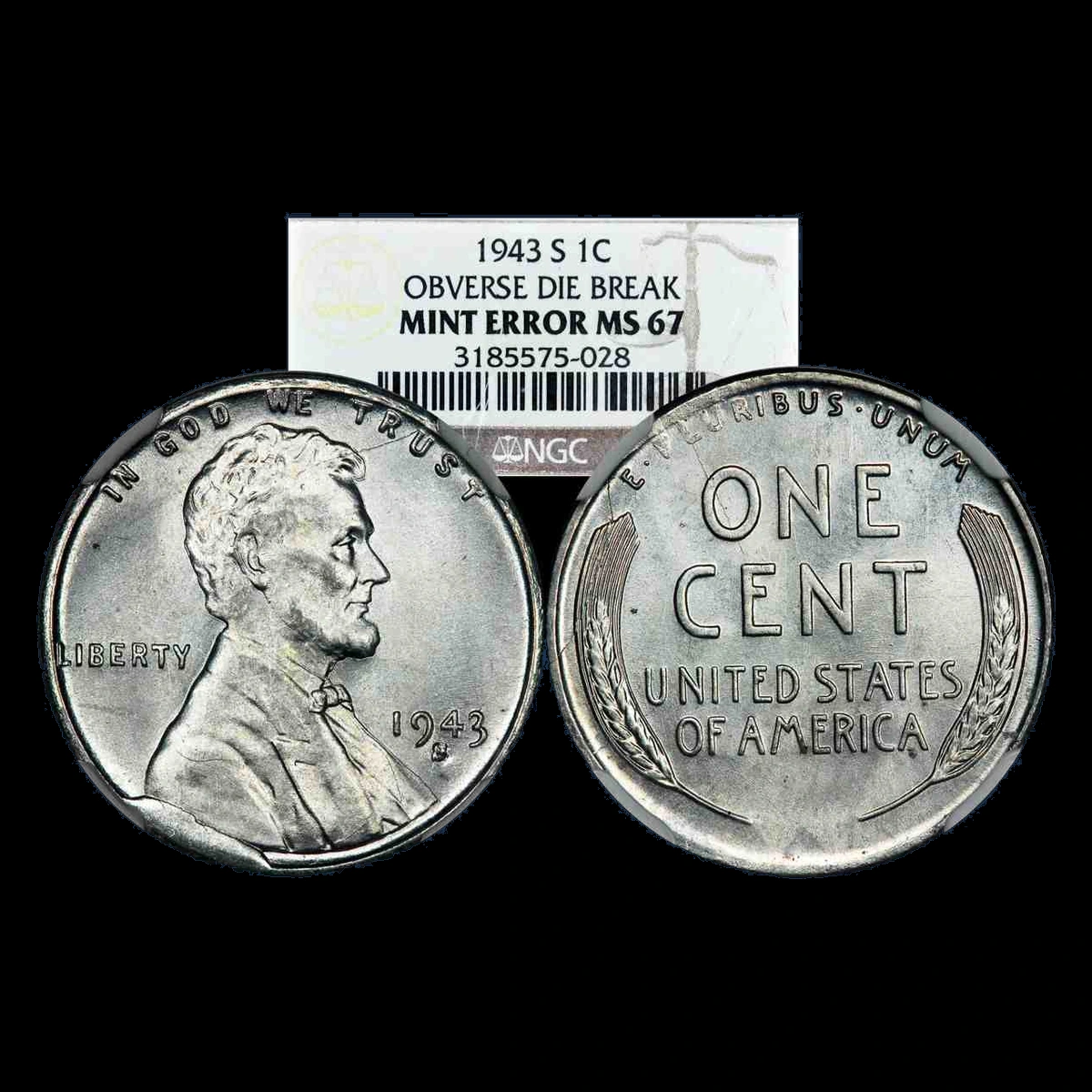
Broken die areas produce raised coin metal of different shapes. A rim-connected missing section creates a cud, while a retained broken piece can leave a step with some design still present.
Smaller faults include rim-only breaks and letter-space chips. A BIE chip lies between B and E, distinct from a chip between I and B.
How to Identify
Locate the boundary first: interior design, rim, or a particular letter gap. Follow the complete raised outline and any surviving detail within a stepped area.
Check for later squeezing, attached material, and corrosion. A specific catalog pattern needs its own match rather than the broad claim that any lump is a cud.
What It’s Worth
Small cracks and letter-space chips have estimated values of $2–$50. Prominent retained breaks and full cuds can range around $50–$1,500.
A 1979 cud in PCGS MS64 Brown brought $1,020 in May 2021. That later-year major break illustrates the category without pricing every steel-cent chip.
15. 1943 Penny Eyelids, Letters, or an Earlier 2 Repeat: 1943 Doubled Dies Error
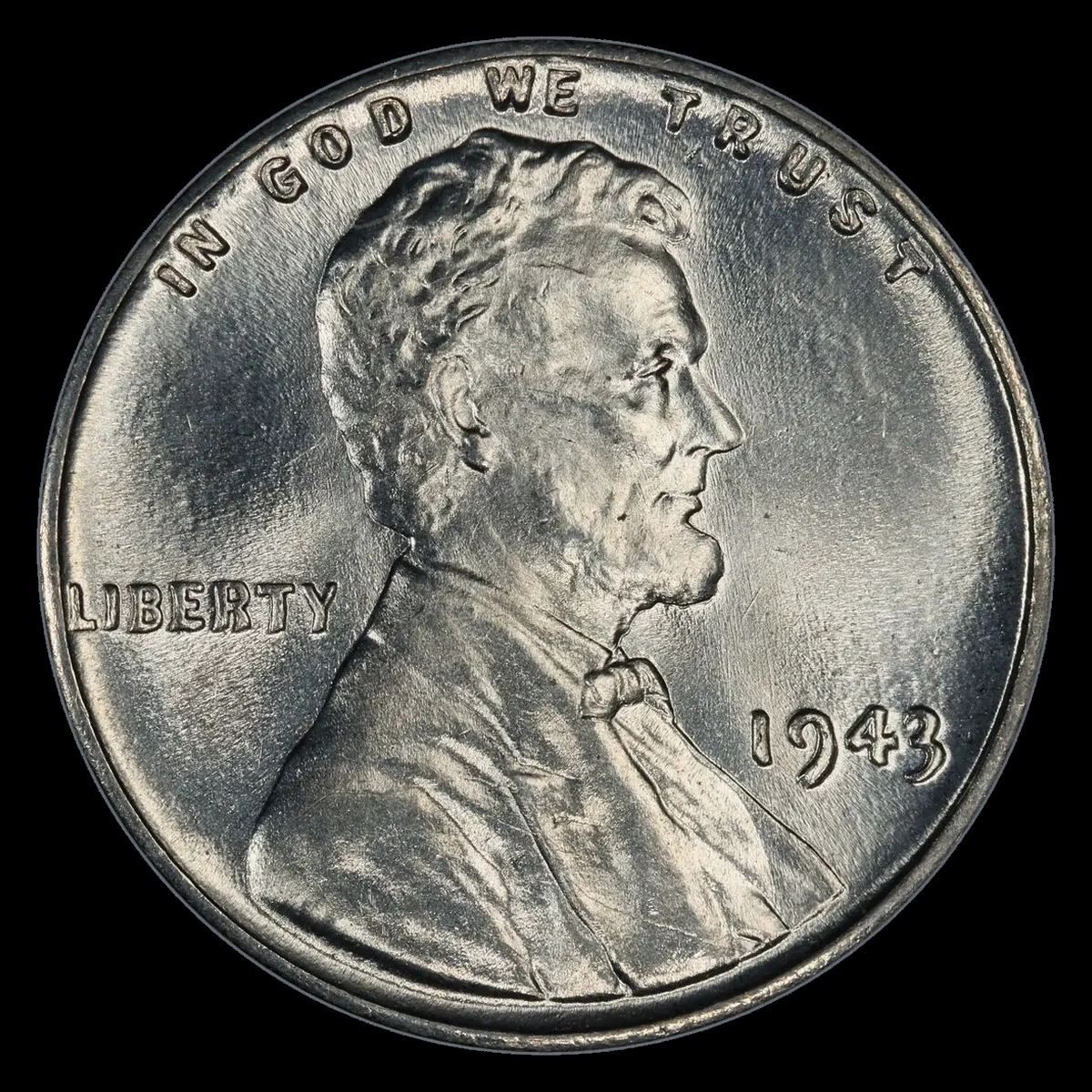
Different Philadelphia, Denver, and San Francisco dies show extra eyelid lines or repeated lettering. These altered designs existed in the dies before striking individual cents.
The 1943/2-S FS-101 preserves an earlier 2 beneath the final 3 and is the variety formerly described mainly as a doubled front. Later clash traces on Philadelphia WDDO-012 are separate from its eyelid doubling.
How to Identify
Select the mint and claimed feature before comparing photographs. The S overdate needs the earlier 2’s curve at the upper right of 3 together with its associated doubling.
Other varieties need their own repeated-detail pattern rather than that date remnant. Flat shaved-looking shelves may be movement during striking, and clash marks do not supply another eyelid.
What It’s Worth
Minor identified varieties have estimated values of $10–$150; the stronger 1943/2-S can range approximately $100–$10,000. Preservation changes the overdate comparison substantially.
PCGS lists a $10,000 October 2022 eBay result for an MS67 overdate. That reported marketplace result is not a typical worn-coin price or a value for a minor eyelid variety.
16. 1943 Penny Another D or S Peeks from the Mintmark: 1943 Repunching Error
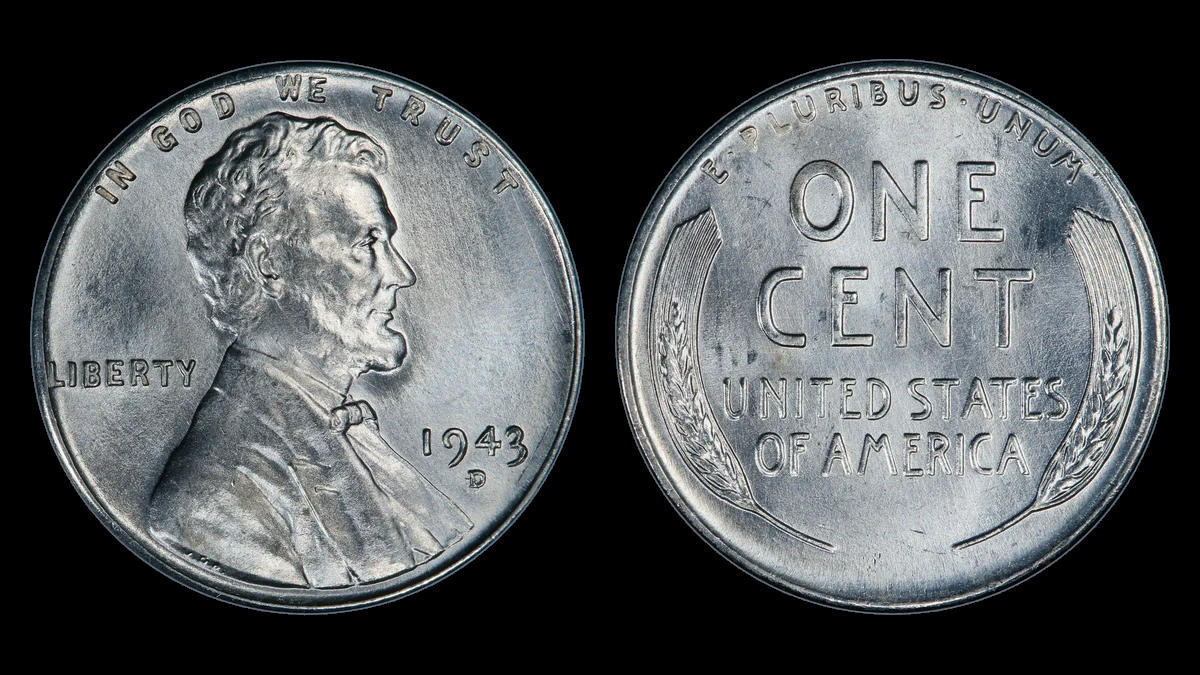
Repeated or tilted hand punching can leave extra mintmark strokes in the die. Denver varieties include triple-D patterns, while San Francisco has separate S-over-S forms.
Some specimens also show a doubled design. The mintmark and design features still need their own matching evidence.
How to Identify
Choose a Denver or San Francisco comparison and trace recognizable parts of the repeated letter. A Philadelphia coin without a mint letter cannot establish D/D or S/S.
Inspect the letter base for added-metal seams and compare the precise remnant location. Rust or later plating can obscure the pattern or create misleading extra edges.
What It’s Worth
Minor repunched marks have estimated values of $5–$100. Major D/D examples can extend roughly from $100–$22,000, with exceptional preservation driving the highest comparisons.
The major Denver D/D graded PCGS MS67 brought $21,275 in February 2011. That unusually preserved specimen is not a price guide for every small extra D curve.
Conclusion
Normal zinc-coated steel is the baseline for 1943, so neither pale color nor magnetism makes a penny an error. The strongest identification combines the actual metal with the date, design relationship, and original surface evidence.
The estimated $2–$1,000,000 span includes very different levels of rarity. Keep minor die features separate from exceptional bronze coins, and preserve certification-based attributions when a displaced or blocked strike leaves the date unreadable.