Rare 1900 Penny Errors (List & Pictures)
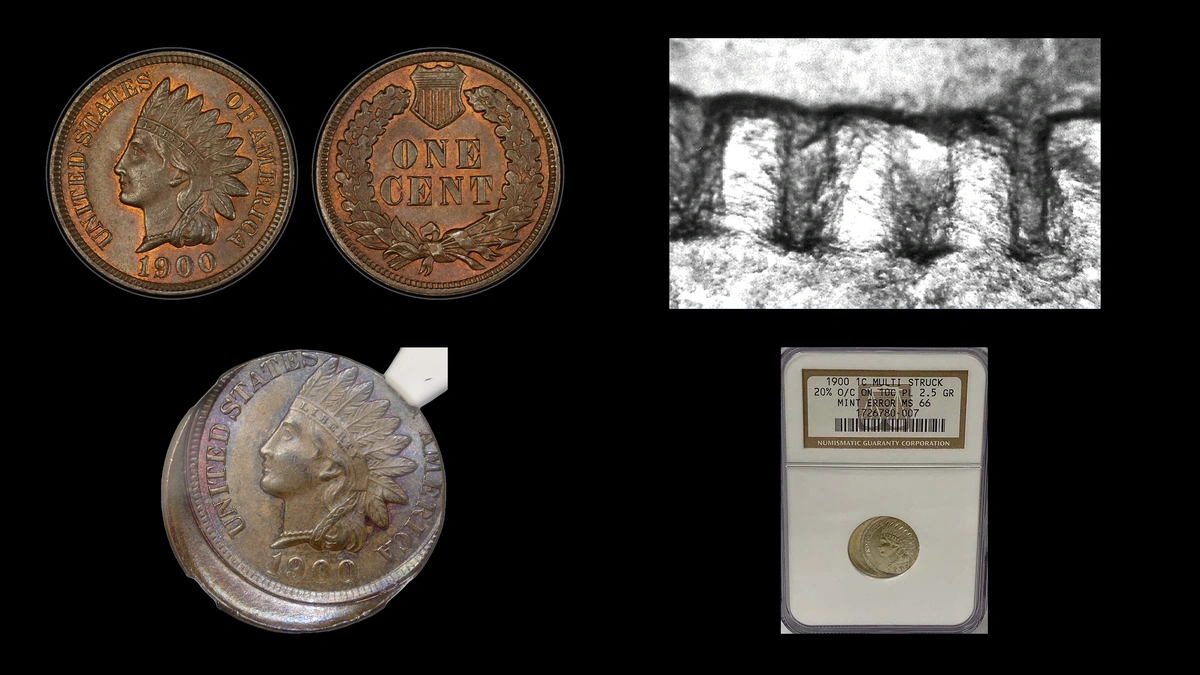
A 1900 cent struck on a $2.50 gold planchet realized $141,000 in April 2015. That exceptional piece sits far above the small date and die features found among most 1900 penny errors.
Estimated whole-coin values range from $5 to $180,000, with precious-metal rarities accounting for the upper extreme. Start at the date, examine the portrait and wreath, then check whether the coin’s outline or metal needs a different explanation.
| Visible clue | Possible category | Estimated value |
|---|---|---|
| Extra digit stroke | Repunched or misplaced date | $10–$3,000 |
| Extra wreath veins | Doubled die reverse | $25–$1,500 |
| Faint outline, spur, or rim lump | Clash or other die damage | $5–$750 |
| Attached surface layer | Retained lamination | $20–$750 |
| Expanded or shifted image | Broadstrike or off-center strike | $50–$2,000 |
| Two separate design impressions | Double strike | $300–$5,000 |
| Confirmed gold or silver metal | Wrong-metal strike | $5,000–$180,000 |
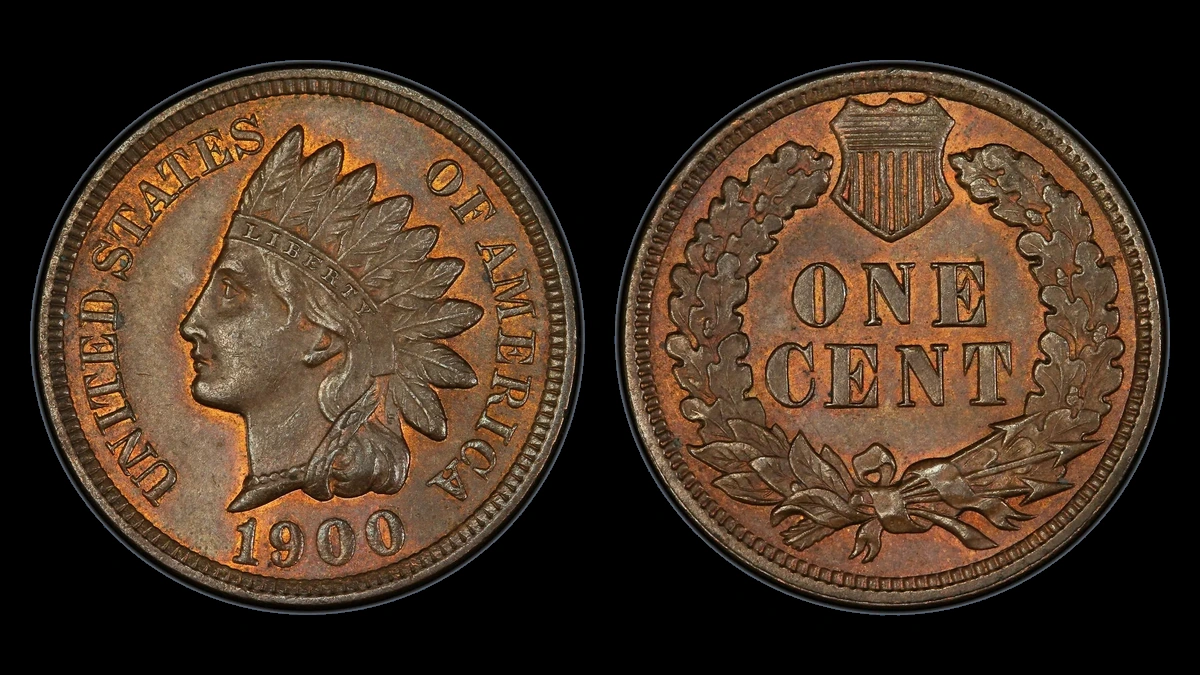
The usual bronze cent weighs about 3.11 grams and is 19.05 millimeters across, with a plain edge. Record accessible measurements once, preserving original surfaces and leaving certified coins sealed.
1. 1900 Penny Another Curve beside a Date Digit: Repunched Date Error
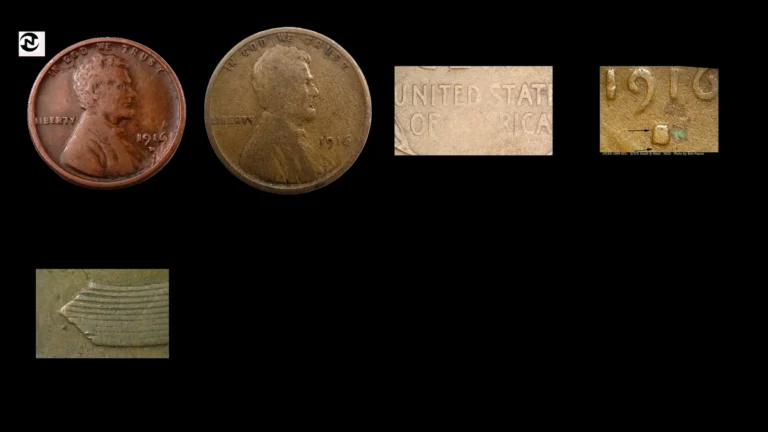
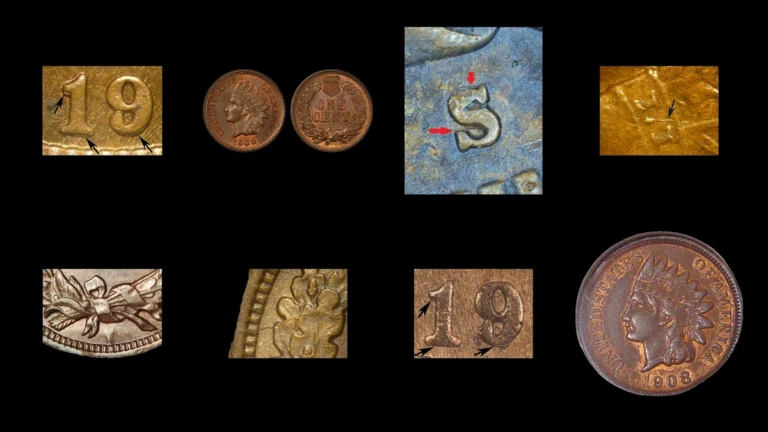
The final zero on Snow 1 has an extra stroke above and to its right. It records an earlier date-punch position that remained in the die beside the completed date.
How to Identify
Distinguish the first zero from the final zero before describing the mark. Trace rounded extra strokes and compare the exact digit positions, rather than relying on a general doubled appearance.
Other 1900 varieties affect different digits and directions. The specially made Proof variety Snow PR1 has extra strokes below the bases of 1 and 9, requiring a Proof-specific comparison.
What It’s Worth
Repunched dates have an estimated whole-coin range of $10–$3,000. High-grade or Proof quality can account for much of the upper amount.
A Snow 1, FS-301 graded MS65 Red and Brown sold for $432 at Goldberg in June 2021, according to PCGS Auction Prices. That result should not be assigned to every 1900 repunched-date catalog number.
2. 1900 Penny A Number Fragment Is Away from the Date: Misplaced Date Error
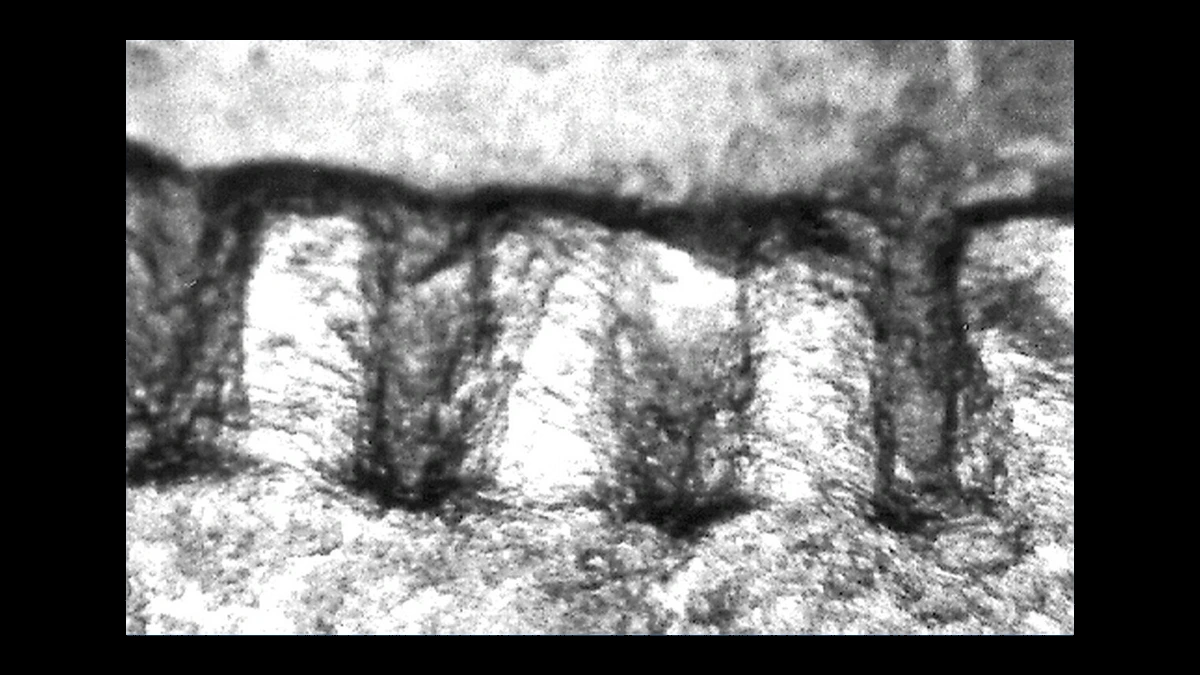
A date punch touching the die in the wrong position can leave a digit fragment outside its intended location. The cataloged 1900 example is Snow 11, also identified as MPD001.
How to Identify
Use photographs specifically attributed to Snow 11 and align the normal design before comparing the extra mark. Its curve and distance from nearby detail must agree.
The supplied description does not establish a location to borrow from another variety. In particular, Snow 28’s raised nose mark is a separate tool feature rather than a substitute misplaced digit.
What It’s Worth
Identified 1900 misplaced dates are estimated at $25–$1,500. Preservation and the readability of the extra digit shape determine how useful a comparison is.
A 1908 FS-301 misplaced date graded MS65 Red and Brown has a recorded $1,187 eBay result from 2021. That high-grade marketplace example is a different date and variety, not a Snow 11 sale.
3. 1900 Penny More Veins inside the Wreath Leaves: Doubled Die Reverse Error
A second set of leaf lines can make the reverse wreath look unusually crowded. The doubled pattern was built into the die before the coin was struck.
How to Identify
Begin with the upper-right leaves and look for the secondary veins pointing inward. Compare several adjacent leaves so a single thick or damaged line does not determine the attribution.
The WDDR001 description includes weaker doubling on the upper-left leaves. Similar catalog descriptions still require an exact pattern match on the coin being examined.
What It’s Worth
The estimated range is $25–$1,500 for identifiable 1900 doubled reverses. Variety strength and condition both contribute to the whole-coin value.
An 1887 Indian cent with a different doubled die, FS-101 on the front, sold for $1,380 in June 2025. That same-series comparison is not an equivalent 1900 reverse-variety sale.
4. 1900 Penny Unfamiliar Outlines near the Eye or Lettering: Die Clash Error
Dies meeting without a blank can acquire traces of each other’s designs. Later coins may reproduce those unwanted outlines alongside the normal portrait or lettering.
How to Identify
One reported variety pairs a mark before the eye with a reverse trace beside C in CENT. Another develops marks near the feathers and around ONE and CENT.
Match the correct die stage because a clash can develop after earlier coins were made. Straight scratches alone do not establish transferred opposite-side detail.
What It’s Worth
Whole-coin estimates run $5–$300 for visible 1900 clash varieties. Associated repunched dates and preservation contribute to those values.
No separate transaction is supplied for each clash pattern. Faint traces on a worn cent may add very little.
5. 1900 Penny A Spur Starts at the Chin: Die Gouges and Marks Error
Snow 20 has a raised line extending directly from the chin, produced by a gouge in the die. Snow 28 develops a different raised mark at the bridge of the nose during a later tool stage.
How to Identify
Follow the chin spur from its attachment point into the open field. A feature starting at the rim below the chin belongs to a different explanation.
For the nose mark, compare early and late Snow 28 photographs. Its absence on an earlier example does not rule out that date variety.
What It’s Worth
Recognizable examples are estimated at $10–$500 for the whole coin. The underlying date variety and condition are included.
No separate auction amount is supplied for either mark. A seller’s “spiked chin” nickname needs the correct physical attachment point before it becomes a useful comparison.
6. 1900 Penny A Triangle Rises from the Rim: Die Cracks and Rim Breaks Error
The Snow 14 rim feature below the chin becomes more pronounced as the damaged die develops. Copper filling the damaged tool creates the raised triangle on the coin.
How to Identify
Keep the lower rim and chin in the same view to distinguish the triangle from Snow 20’s chin-attached spur. Snow 14 also has earlier date strokes below the bases of 1 and 9.
Another reported variety has breaks near 8:30–9:30 and fine reverse cracks. Inspect the adjacent edge for impact damage rather than assuming every raised border lump is a mint break.
What It’s Worth
Estimate $5–$750 across these forms: small cracks about $5–$75 and clear rim-break examples about $75–$750. The developed and earlier weak stages should not automatically receive equal values.
These are estimates for complete coins, with no supplied realized prices for the particular die states.
7. 1900 Penny A Layer Remains Attached beside the Shield: Retained Lamination Error
The documented example has a thin layer lifting near the right corner of the reverse shield. A weakness in the coin’s metal created this separation independently of any die break.
How to Identify
Change the lighting to see beneath the free edge without touching it. A real layer has a boundary separating thin metal from the solid body of the cent.
This individual coin also has an expanded, slightly displaced strike and an extra date stroke. Those features describe different aspects of one piece, and retained metal can leave the weight near normal.
What It’s Worth
Estimated values for retained-lamination examples run $20–$750. Size, visibility, and the coin’s overall preservation matter.
The MS64 Red and Brown compound-error cent sold for $207 at Heritage in June 2006. That price includes its expanded strike and date feature rather than isolating the lamination.
8. 1900 Penny Metal Spreads beyond the Border: Broadstrike Error
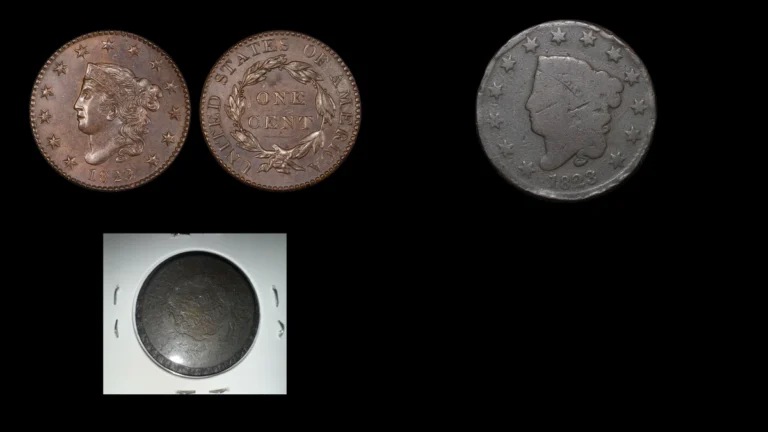
A broadstrike normally retains the complete design while metal spreads without full collar restraint. The documented 1900 coin carries that label, but its actual border also deserves examination.
How to Identify
Check the expanded outline for later flattening, then follow the outer design all the way around. Missing border teeth near eight o’clock on the recorded example suggest a slight off-center component as well.
The shield lamination and small extra stroke at 9 belong to this same specimen. Record what the design shows rather than relying on the broadstrike label alone.
What It’s Worth
Genuine 1900 broadstrikes are estimated at $50–$1,500 across different grades and shapes. A complete design within natural expansion supports the basic broadstrike comparison.
The MS64 Red and Brown combination brought $207 on June 3, 2006. This is the same sale discussed for retained lamination, not another transaction to add to its value.
9. 1900 Penny Missing Top Lettering with Blank Metal Below: Off-Center Strike Error
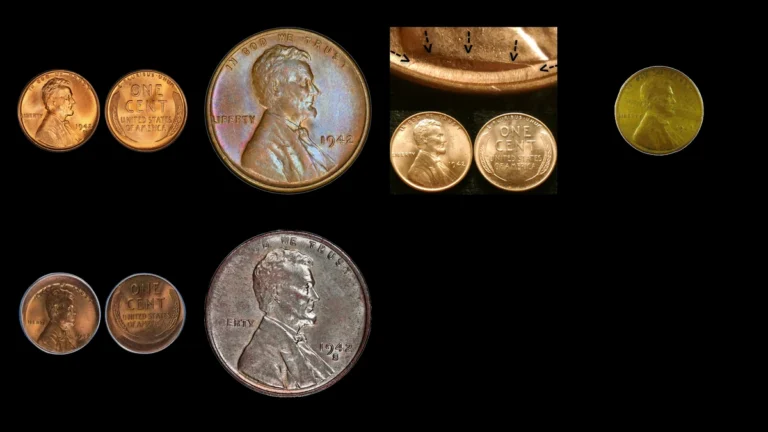
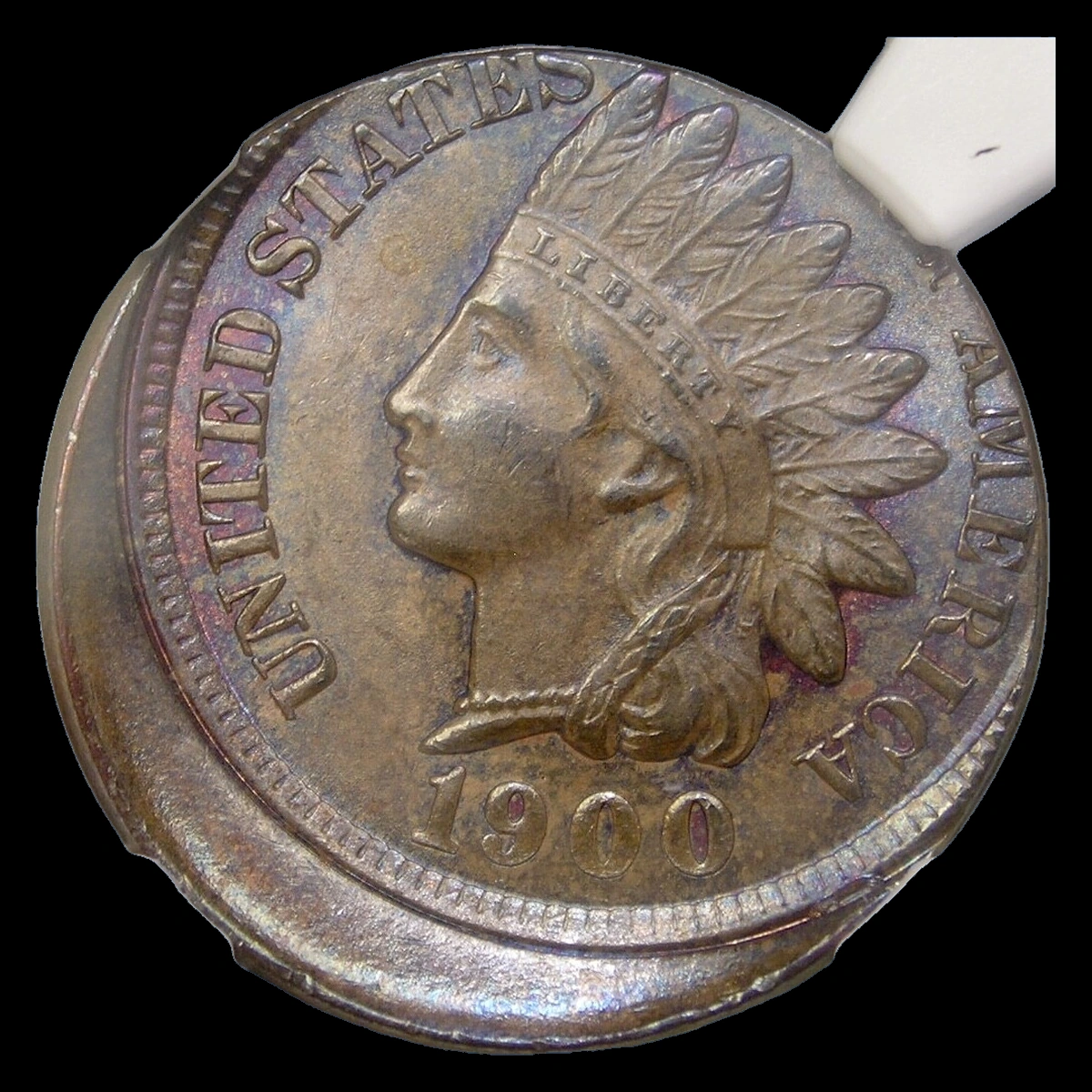
The recorded PCGS MS63 Brown example loses part of STATES at the top while leaving unused copper near the bottom. It was struck about 10% off center toward 11:30.
How to Identify
Compare the incomplete design on both faces with the unused area. Blank metal is still present, unlike a clip that removes part of the disc.
On this particular example, inspect the unstruck edge near six o’clock for the noted cupping. Other 1900 off-center strikes need not share that shape or direction.
What It’s Worth
The estimated range is $100–$2,000 for genuine 1900 off-center cents. A complete date and appealing original surface support stronger values.
At Heritage in March 2026, a 15% off-center VF25 coin sold for $292.80 and a 5% off-center MS64 Brown coin for $414.80. Neither is the separate 10% MS63 example, and the results show that displacement alone does not set the price.
10. 1900 Penny Two Dates Belong to Two Images: Double Strike Error
The documented NGC Good 6 coin has a second strike about 80% off center toward twelve o’clock. Despite heavy wear, both design impressions retain a complete date.
How to Identify
Trace enough lettering and portrait detail to place each date within its own strike. A repunched date has small repeated digit strokes from one die rather than two displaced design centers.
Where the impressions overlap, look for later detail flattening the earlier image. Check the edge for artificial pressing or joins that could imitate the effect.
What It’s Worth
Estimated whole-coin values span $300–$5,000 for genuine double strikes with varying clarity and preservation. Two readable dates can make a worn example easier to understand.
The Good 6 coin sold for $546.25 at Heritage on January 7, 2006. For another-year context, a 1908 MS62 Brown double strike brought $4,080 in June 2024.
11. 1900 Penny The Design Is Struck in Gold or Silver: Wrong-Metal Strike Error
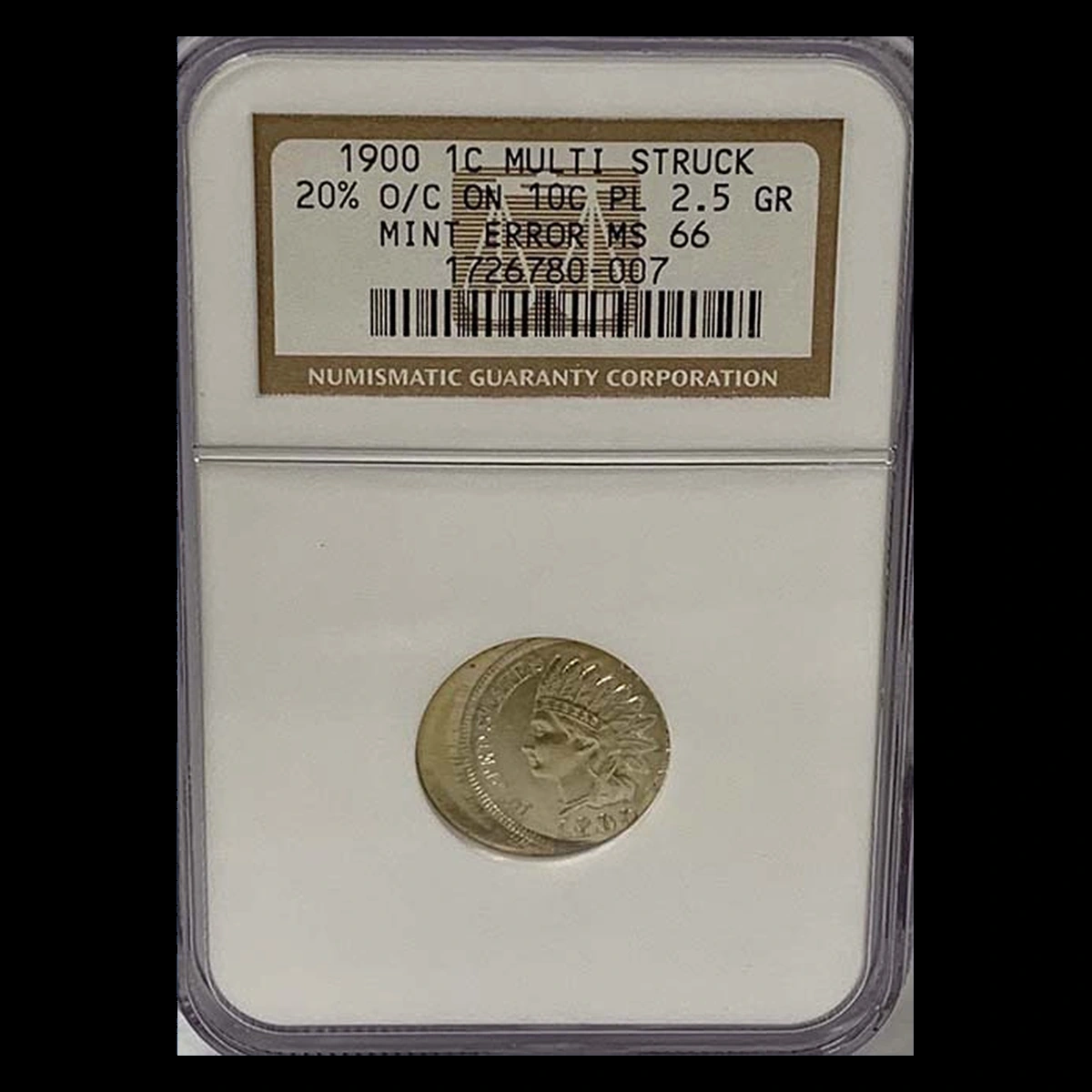
The documented gold coin was struck on a disc identified as intended for a $2.50 gold denomination. A silver example made with the same dies is also reported, with its own blank identity still requiring separate evidence.
How to Identify
The gold piece weighs 65.8 grains, about 4.26 grams, and is slightly smaller than an ordinary cent. That measured combination is much more useful than gold color, which plating can imitate.
Obtain non-destructive composition testing and compare the size and design with the documented specimen. No weight is supplied for the silver report, and the surviving unusual-metal coins do not establish whether their manufacture was accidental or deliberate.
What It’s Worth
The estimated combined range is $5,000–$180,000: provisionally $5,000–$30,000 for a separately authenticated silver example and $75,000–$180,000 for the exceptional gold rarity. The silver range is an estimate without a supplied realized sale.
The PCGS MS65 gold example brought $141,000 on April 23, 2015. A different off-metal cent on a Venezuelan disc sold for $3,904 in 2026, but its identity and rarity make it a substantially different comparison.
Conclusion
Identify the feature before selecting its price: the chin spur, rim triangle, and misplaced digit require different close-ups, while an expanded coin needs its whole outline examined. A single piece can preserve more than one feature.
The $5–$180,000 estimates include exceptional precious-metal objects as well as ordinary bronze varieties. Color and a seller’s label cannot transfer the gold coin’s rarity to a normal cent.