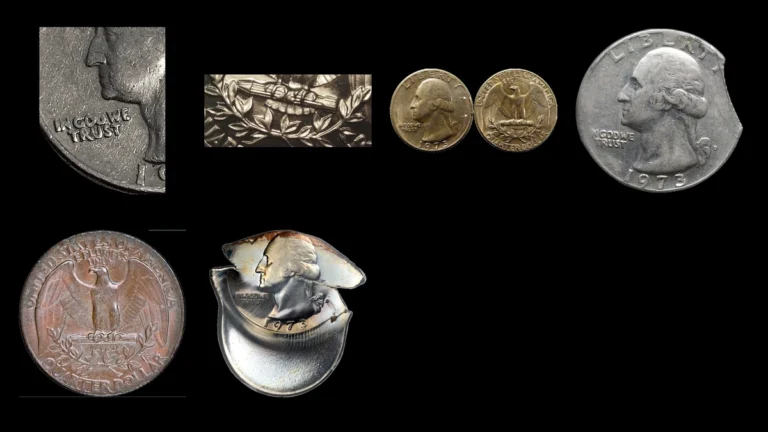
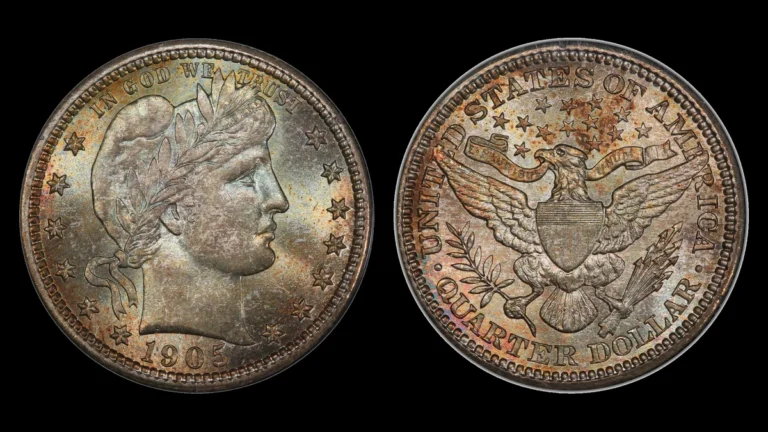
Rare 1960 Quarter Errors (List & Pictures)
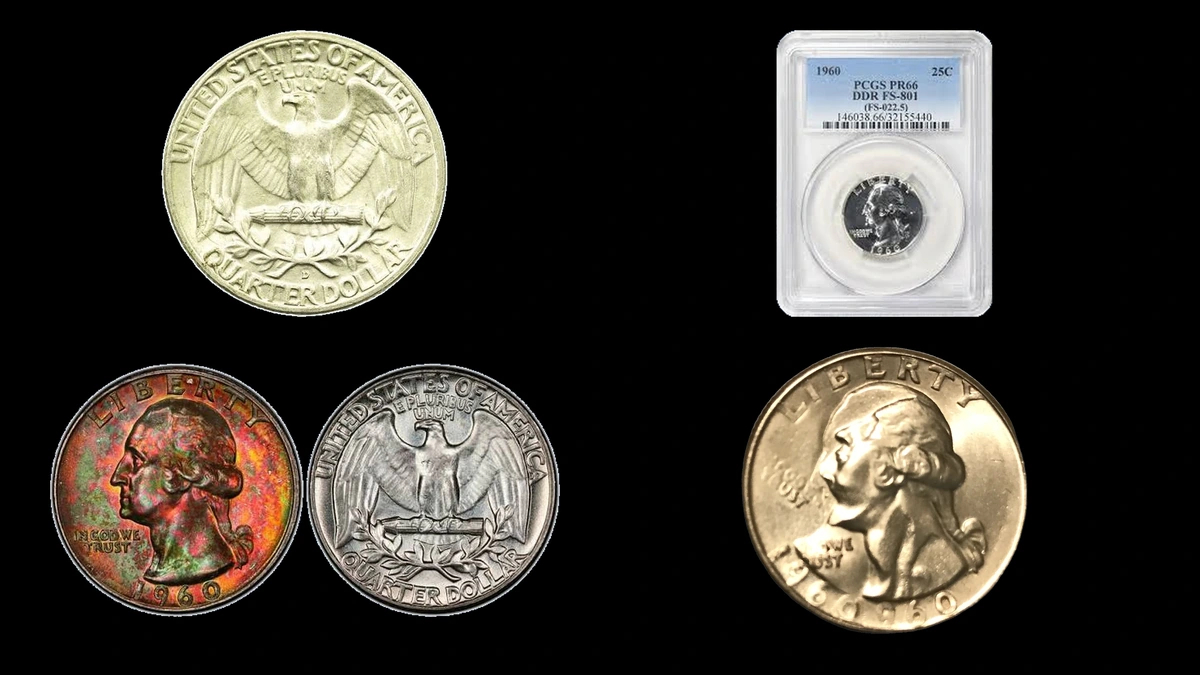
The supplied auction examples of 1960 quarter errors include a Denver coin struck on a cent blank that brought $1,140 in July 2021. Estimated values across the categories below run from $25–$5,000, although several categories rely on reports rather than confirmed sales.
Begin with the portrait and lettering, turn to the eagle and mintmark, then examine the metal and outline. Proofs were specially made for collectors; some details that distinguish a circulation variety are normal on a Proof.
1. 1960 Quarter Raised Lines by the Portrait or Eagle: Die Cracks Error
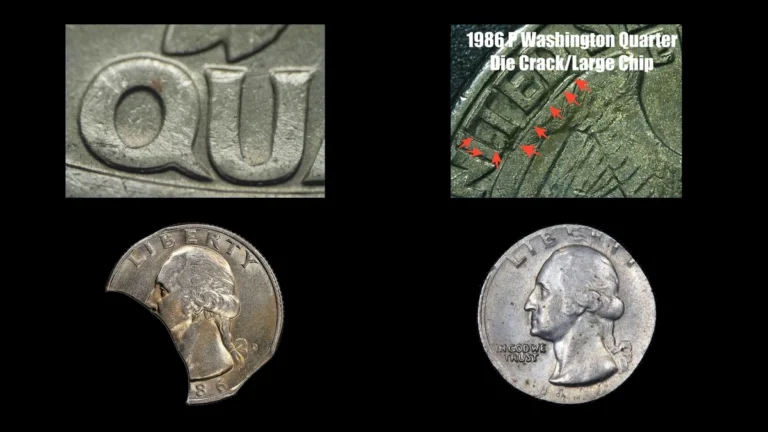
A narrow ridge near Washington’s neck or jaw can come from a split in the die, the steel tool that stamps the coin. Metal pushed into that split becomes a raised line on the quarter.
Reports also mention the eagle, but they do not establish one continuous route linking all these areas. No single mint or exact crack pattern applies to this whole category.
How to Identify
Tilt the coin under a lamp and check whether the line stands above the surrounding design. A scratch cuts downward, while a fissure through the coin itself is different from a crack reproduced by a die.
Trace the actual endpoints before choosing a comparison photograph. Similar locations alone do not establish that two coins came from the same cracked tool.
What It’s Worth
$25–$300 is an estimated whole-coin range for the reported cracks. Visibility, preservation, and a secure identification matter more than simply finding a line beside the portrait.
No specific sale in the supplied evidence fixes the value of these reported patterns.
2. 1960 Quarter Unexpected Shapes Around Washington: Die Clashes Error
Faint extra shapes in the background near the neck, cheek, or chin may be transferred parts of the eagle-side design. A die clash begins when the two tools meet without a blank between them.
The damaged tools can then stamp remnants of that collision onto later coins. The reports do not identify one confirmed pattern or mint for every 1960 clash.
How to Identify
Try to connect the unexplained mark to an actual element from the opposite face. A convincing match needs the right shape and position, not merely a line that resembles a feather.
Inspect several lighting angles to separate transferred outlines from random scratches. Do not assume that marks around the neck and those near the cheek occur together.
What It’s Worth
$25–$500 is a working estimate for genuine examples, with clearer transferred designs generally more desirable. The supplied reports contain no auction result for a particular 1960 clash.
3. 1960 Quarter Repeated Letter Edges: Doubled Dies Error
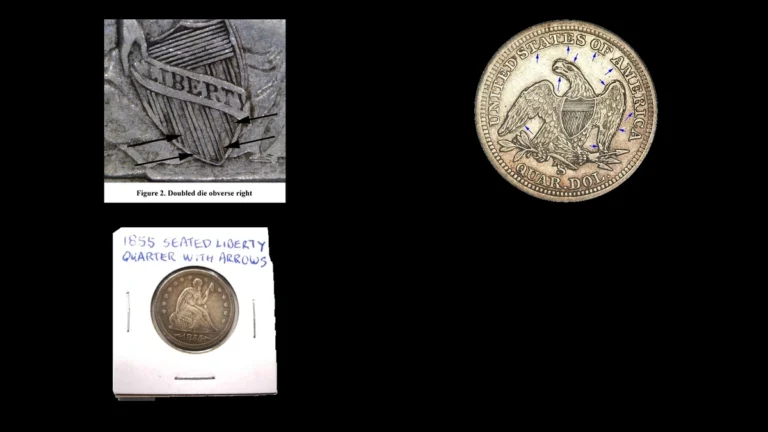
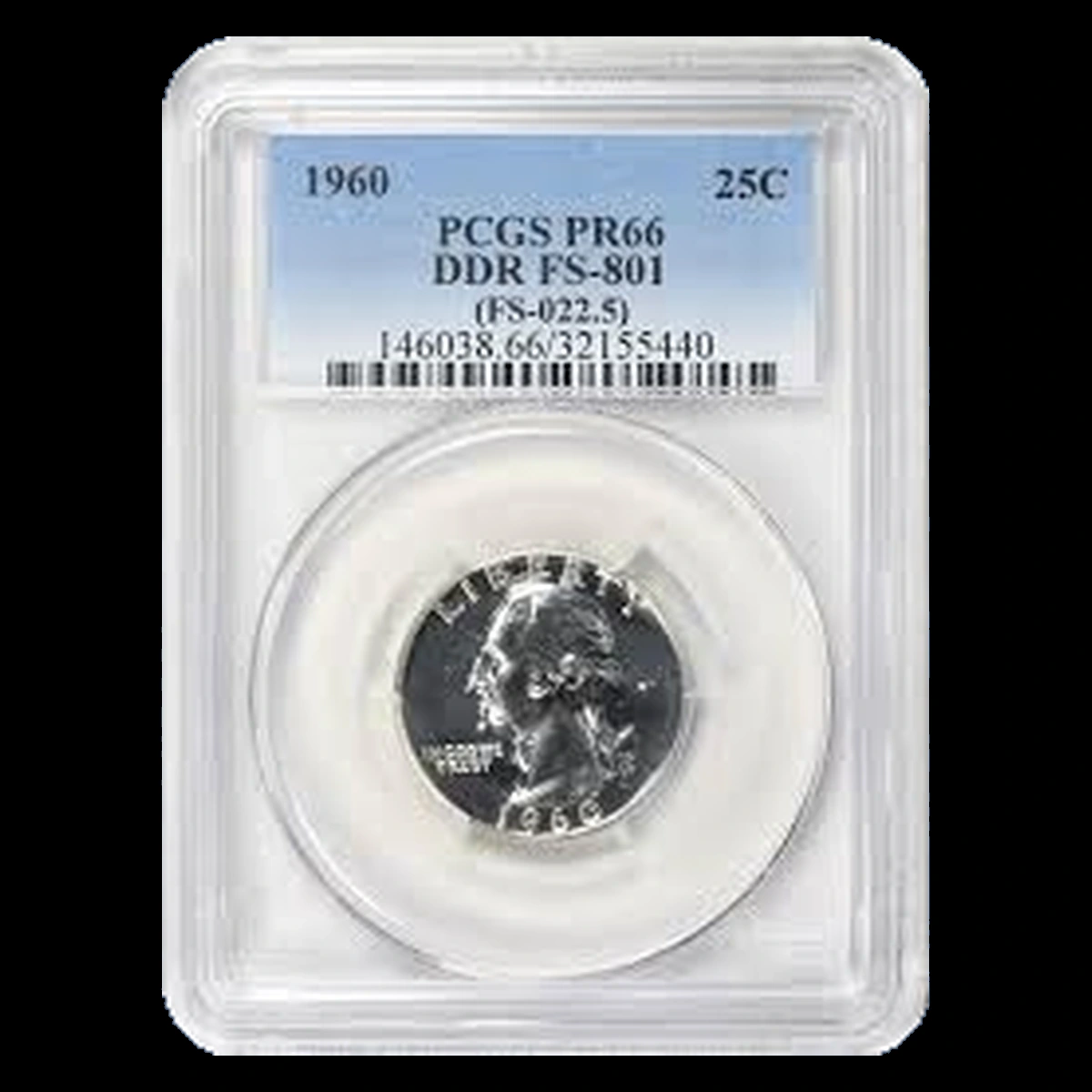
On a doubled die, the repeated detail belongs to the stamping tool and appears on coins made from it. Reports for 1960 include front lettering on circulation coins and Proofs, while a cataloged Proof shows doubling on the back.
Front checks include LIBERTY and the motto; the Proof reverse involves E PLURIBUS UNUM, nearby branches, and outer lettering. These observations represent separate varieties rather than one checklist that every coin must satisfy.
How to Identify
Look for raised separation that follows the affected letters and compare it with the correct variety. Flat ledges beside otherwise normal letters can result from movement during striking instead.
Establish whether the coin is a Proof before selecting reference photographs. The repeated, aligned blows normally used to make a Proof do not by themselves constitute a doubling error.
What It’s Worth
$25–$2,000 covers the supplied estimated range across the different doubled dies. A minor circulation variety should not inherit a scarce Proof variety’s price.
The source identifies a PCGS PR66 doubled-reverse Proof but supplies no sale price for it. PR66 describes the condition of that Proof, not the strength of every doubled feature.
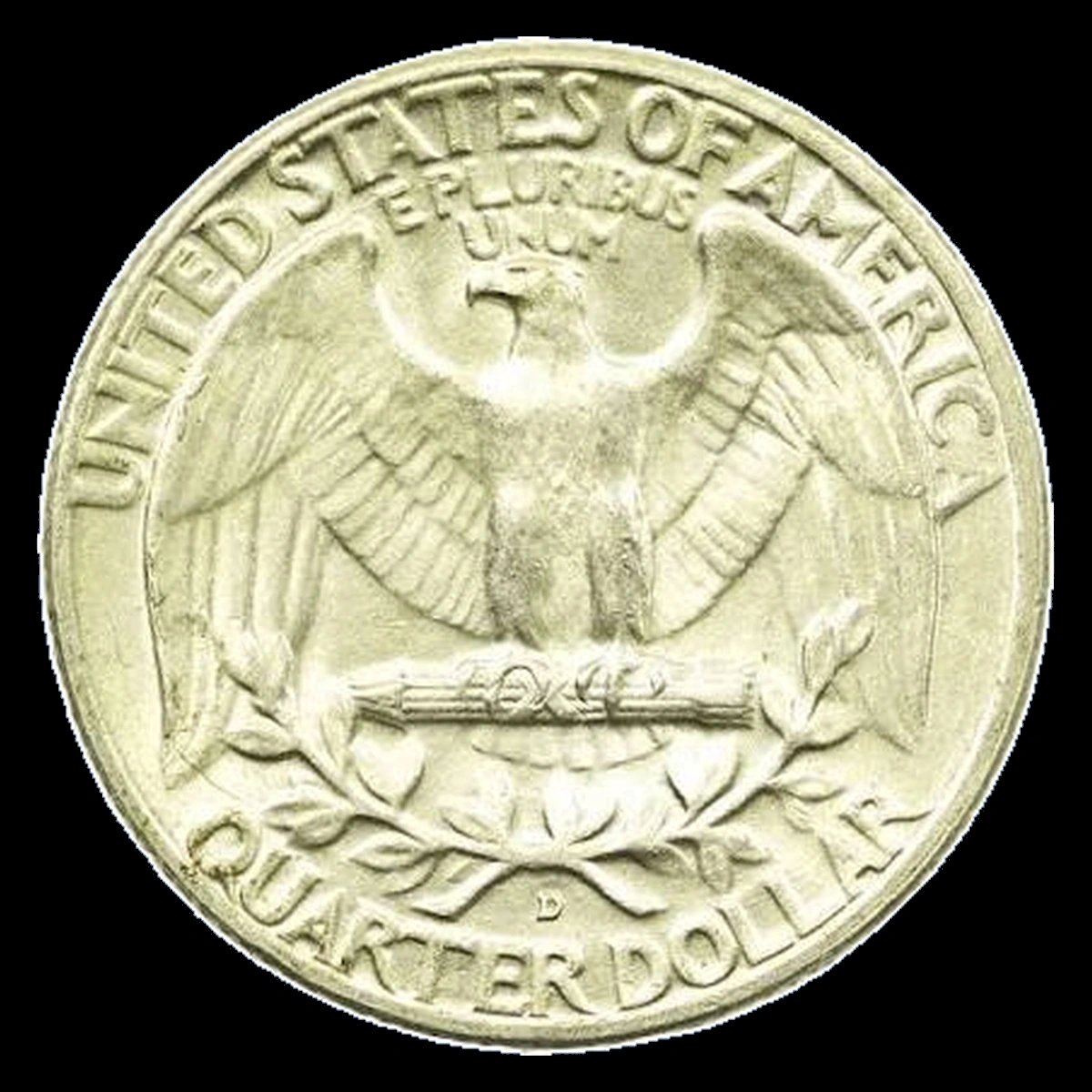
4. 1960 Quarter An Extra Curve Beside D: Repunched Mintmark Error
For this date, Denver’s D is on the back below the wreath. A surviving curve from an earlier punch position can remain beside the final D when the mintmark was entered more than once into the die.
The supplied report does not establish the direction of the earlier impression. Describe only the curve visible on the coin being examined.
How to Identify
Magnify the mintmark and follow the suspected extra curve around its outline. It should make sense as part of another D, rather than a random bump or flat shelf.
Include the surrounding reverse in a photograph so the mintmark’s location stays clear. Do not use the front mintmark position of later quarters as a guide.
What It’s Worth
$25–$750 is the estimated range for the reported repunching. Strong separation and an unworn surface can support a higher comparison, but the evidence gives no specific auction result.
5. 1960 Quarter A Wider Gap in STATES: Type B Reverse Error
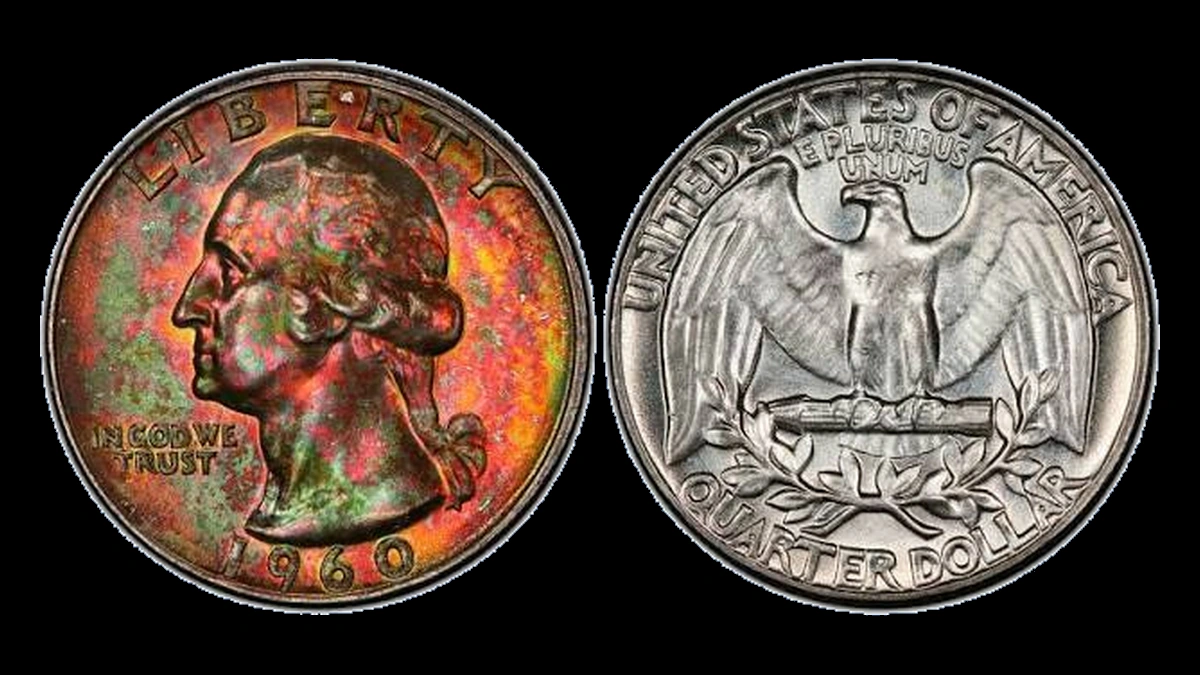
The gap between E and S in STATES helps reveal a Proof-style reverse used on a Philadelphia circulation quarter. Collectors call this combination Type B, cataloged as FS-901.
The distinction concerns which back design was used. A normal Proof already has the Proof-style reverse, so the same letter spacing on a Proof is not this circulation variety.
How to Identify
Check the E-to-S spacing together with the branch and leaf details in an attributed Type B photograph. One apparent gap caused by wear or lighting is insufficient.
The relevant circulation coin has no D mintmark. Confirm its finish as well as the reverse details before calling it FS-901.
What It’s Worth
$25–$1,000 is an estimated range across circulated examples and better preserved pieces. The PCGS Type B record includes an MS66 coin that sold for $200 in December 2013.
MS66 indicates a well-preserved unworn coin. That result is a condition-specific comparison rather than a premium to add to every Philadelphia quarter.
6. 1960 Quarter Opening Seams in the Silver: Lamination Error
An owner-reported Philadelphia Type B candidate has a U-shaped feature on the front and reverse marks above the R in QUARTER and across the left wing above the arrows. Those observations have not been independently authenticated as lamination.
A true lamination occurs when poorly bonded metal separates along an internal weakness. A raised ridge from a cracked die has a different cause and does not establish a peeling layer.
How to Identify
Look for an opening, lifted edge, or exposed surface beneath a separating piece. Leave any attached flap in place.
This particular candidate also needs a coin-authenticity check, including the edge for a casting seam and the surfaces for suspicious graininess. A reported Type B identification cannot resolve whether the underlying coin is genuine.
What It’s Worth
$25–$1,000 is a conditional estimate for genuine 1960 lamination coins. It is not a valuation of the unverified owner’s example.
Assess the complete coin, including its condition and any confirmed variety. Do not add the entire Type B range to the entire lamination range.
7. 1960 Quarter A Woven Impression or Blocked Detail: Strike-Through Error
A published cloth strike-through image places the affected area on the left of the front, toward the lower-left rim. Material caught between the die and blank prevented the normal design from forming there.
Other reports concern blocked detail attributed to grease. A weak patch without a recognizable weave does not establish that cloth caused it.
How to Identify
For the cloth example, inspect the crossing lines of the impression and how they interrupt the coin’s design. Later rubbing tends to abrade the surface rather than reproduce a woven texture.
Use the actual specimen to determine mint and finish; neither follows from the word “cloth.” With an indistinct patch, keep the material unidentified unless its impression supports a closer description.
What It’s Worth
$50–$1,500 is the estimated span for these strike-throughs. A recognizable cloth impression can attract different interest from a small area of blocked lettering.
The supplied evidence provides no sale of the illustrated cloth coin.
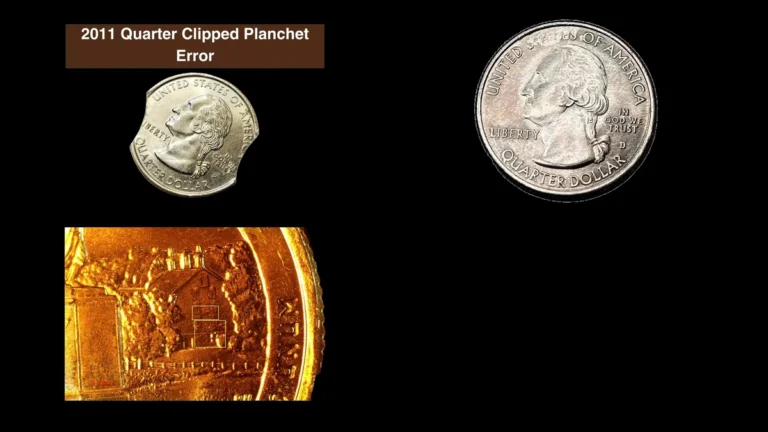
8. 1960 Quarter A Curved Gap at the Rim: Clipped Blank Error
A curved clip leaves part of the original blank missing before striking. It can occur when the blank-cutting punch overlaps a hole already cut in the metal strip.
The 1960 report does not specify a mint, missing percentage, or position around the rim. Those details need to come from the actual coin.
How to Identify
Inspect both ends of the curved gap for a natural transition into the struck rim. A sawed or filed opening can expose fresh tool marks instead.
Weakness on the opposite rim can support a clip identification, although it is not equally obvious on every example. A normal unworn silver quarter weighs 6.25 g, providing a reference for this and the wrong-blank checks below.
What It’s Worth
$50–$1,200 is an estimated range for genuine clipped examples. Size, visibility, and preservation influence the value; no particular 1960 clip sale is supplied.
9. 1960 Quarter Missing Design Beside a Blank Crescent: Off-Center Strike Error
A blank that enters the press partly outside the dies can receive an incomplete quarter design. The unstruck crescent and the missing part of the design should be assessed together.
The reported 1960 category has no documented percentage, direction, or mint in the supplied evidence. A broad-looking border alone cannot fill in those missing facts.
How to Identify
Compare both faces to see whether the displaced strike affects them together. A design shifted on only one face can indicate a misaligned die, while a spread coin retaining its complete design may be a broadstrike.
Keep the date and any surviving mintmark area in view. Do not assign a mint from a part of the coin that was never struck.
What It’s Worth
$100–$3,000 is the estimated range for authentic examples. A readable date and a conspicuous displacement usually make comparison easier, but no confirmed 1960 sale is provided here.
10. 1960 Quarter An Undersized Silver or Copper Coin: Wrong Planchet Error
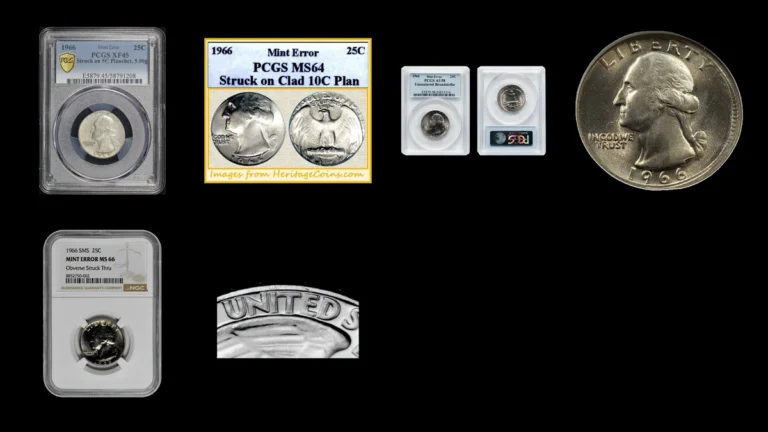
Some 1960 quarters were struck on blanks intended for dimes or cents. The smaller amount of metal leaves the quarter design crowded or incomplete, and a cent blank also changes the alloy.
A period silver dime normally weighs 2.5 g, while a cent weighs 3.11 g. These are reference weights, not measurements recorded for every error specimen.
How to Identify
Combine weight, alloy, and the design’s fit instead of relying on color. A normal silver quarter is 90% silver, whereas the period cent blank is copper-rich; plating can make a genuine silver coin look misleadingly copper-colored.
The error need not show Roosevelt or Lincoln underneath, since an unused blank has no previous coin design. Its diameter can expand during the quarter strike, so an exact unstruck dime or cent diameter is not required.
What It’s Worth
$500–$5,000 is the estimated range for these wrong-planchet quarters. A Philadelphia dime-planchet example graded PCGS MS65 sold for $960 in July 2021.
A separate NGC MS63 dime-planchet quarter, recorded at 2.5 g, brought $552 in October 2021. The different grades describe the preservation of the two unworn coins.
For cent blanks, a Philadelphia MS64 example sold for $990 in January 2018. The 1960-D PCGS MS64 Brown example brought $1,140 in July 2021.
11. 1960 Quarter Two Turned Design Images: Double Strike Error
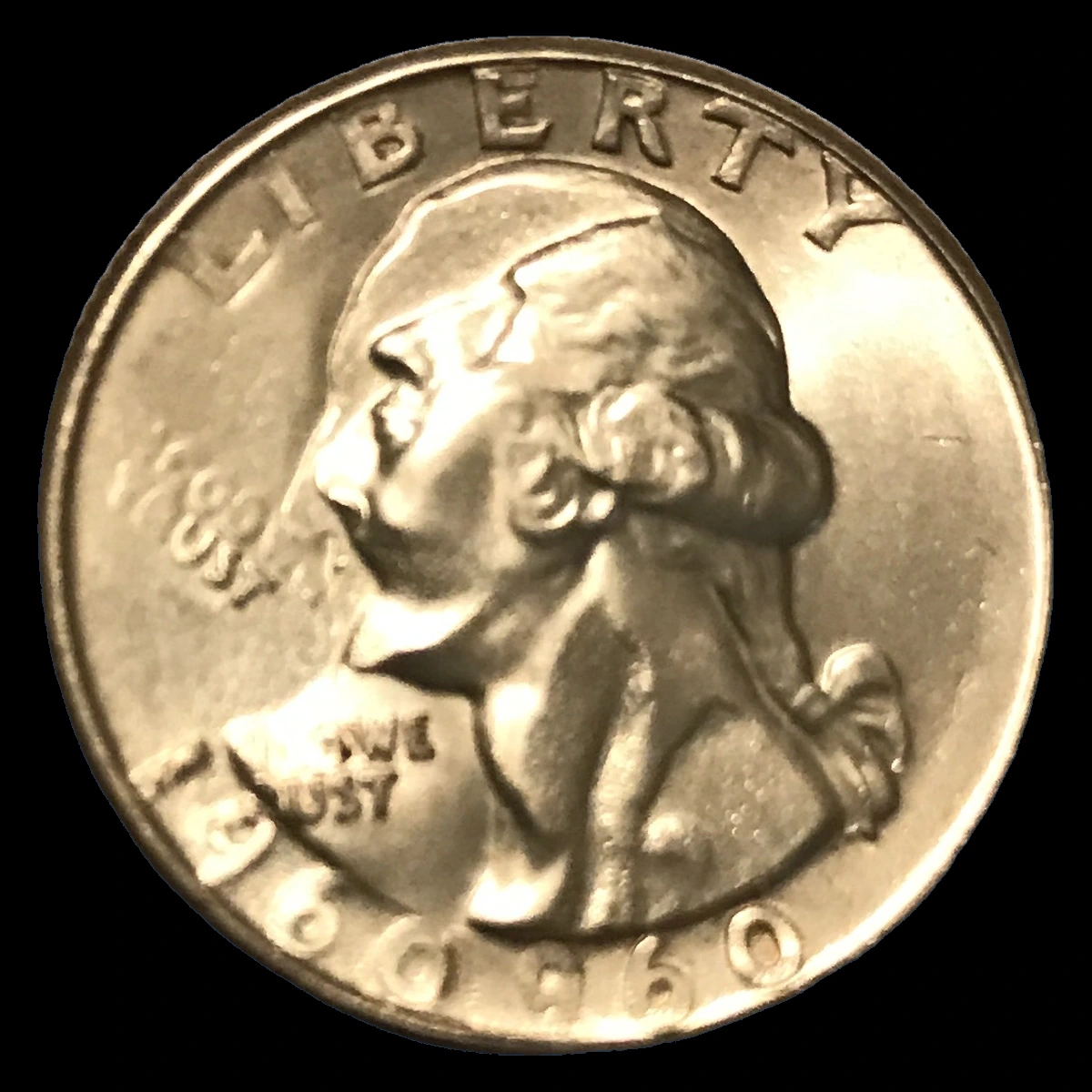
An owner-reported silver quarter appears to show two strikes with about 20 degrees of rotation between them. The report concerns both faces but has not been independently authenticated.
If genuine, the coin moved between blows and received a second version of the design. The stated angle describes turning between strikes, not a percentage struck off center.
How to Identify
Follow several repeated design elements across both faces while preserving their orientation. A second strike should form a coherent second image rather than a few isolated doubled letter edges.
A backward, sunken copy may result from coins being squeezed together after minting. It does not automatically prove a mint-made double strike, and the reported candidate needs that possibility resolved.
What It’s Worth
$500–$5,000 is a conditional estimate for authenticated double strikes. No sale price or confirmed mint is supplied for the owner-reported 20-degree candidate.
Conclusion
For a 1960 quarter, the most useful first distinction is between a repeatable die feature and an accident affecting one blank or strike. Letter spacing, raised curves, missing metal, and a displaced design each require different evidence.
The documented wrong-planchet sales offer concrete comparisons, while the owner-reported lamination and double strike still need authentication. Keep those evidence levels separate when using the $25–$5,000 estimated range.