Rare 1995 Penny Errors (List & Pictures)
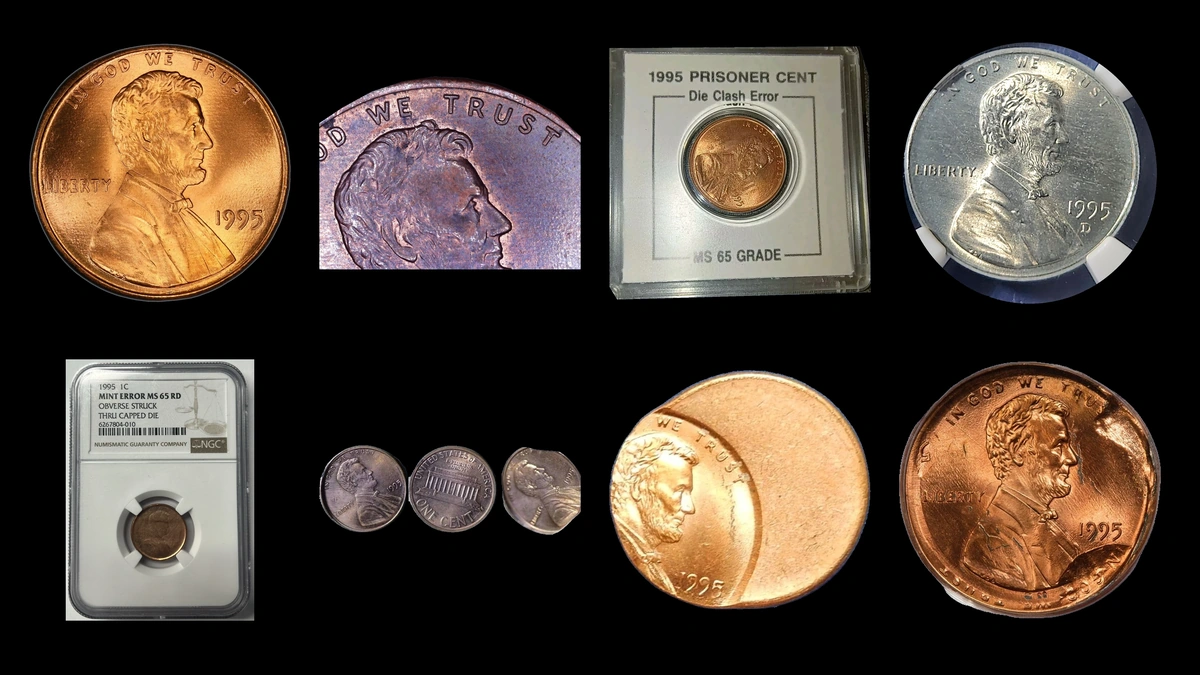
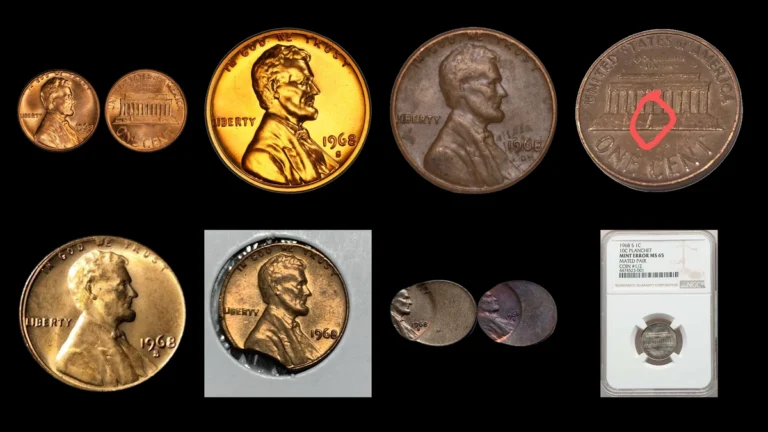
LIBERTY is a useful first stop when checking 1995 penny errors, since the famous doubled die shows extra letter outlines there. An exceptional example sold for about $5,053, but many smaller errors are far more affordable.
This guide spans roughly $2–$150,000, with the extreme upper estimate reserved for an authenticated cent-and-dime mule. Work from the letters to the surface and edge, then compare the rarer mixed-design coins.
1. 1995 Penny LIBERTY and the Motto Have Extra Outlines: Doubled Dies Error
On Philadelphia’s well-known FS-101, look at LIBERTY and IN GOD WE TRUST before the date. The date doubling is less strong, so demanding two obvious sets of digits can make you miss the variety.
A doubled die carries repeated details in the tool itself. Denver’s FS-103 is a separate variety, and smaller front and back varieties also exist.
How to Identify
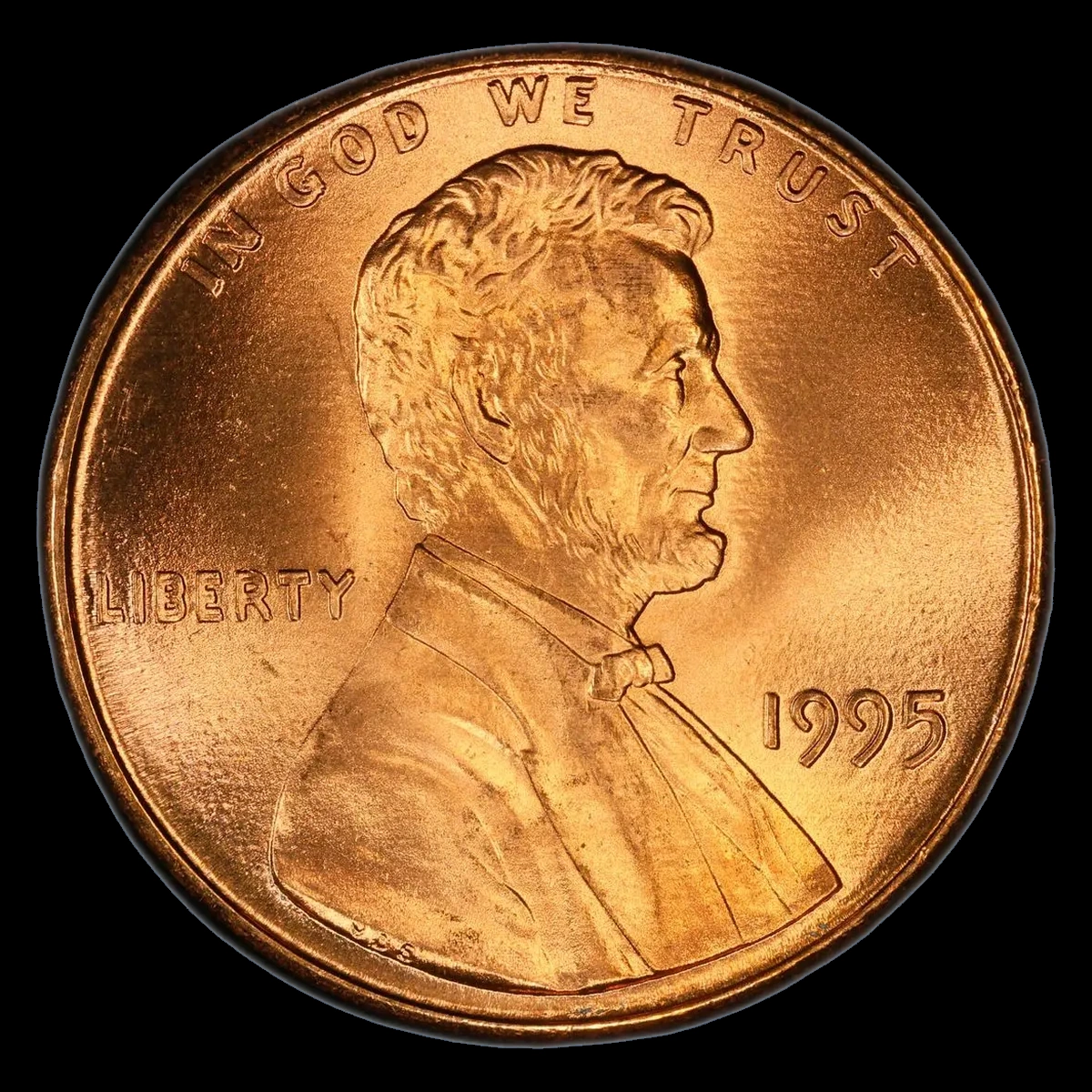
Match the coin’s mint and affected face before comparing the extra contours. Denver’s motto doubling is not identified with Philadelphia photographs.
Raised, separated design shapes differ from a flat shelf caused by movement during striking. A doubled D on a Denver variety can come from the same doubled die rather than a separately repunched mintmark.
The Wexler Philadelphia catalog separates the smaller patterns. Use one matching entry instead of combining its marks with those from another variety.
What It’s Worth
$5–$6,000 covers minor varieties through unusually fine examples of the major doubled dies. Most circulated finds will be far below the top of that range.
PCGS records about $5,053 for a Philadelphia MS69 Red example in January 2017. Denver’s FS-103 brought $4,200 as an MS67 Red in August 2019.
2. 1995 Penny Raised Lines or Lumps Interrupt the Design: Die Breaks Error
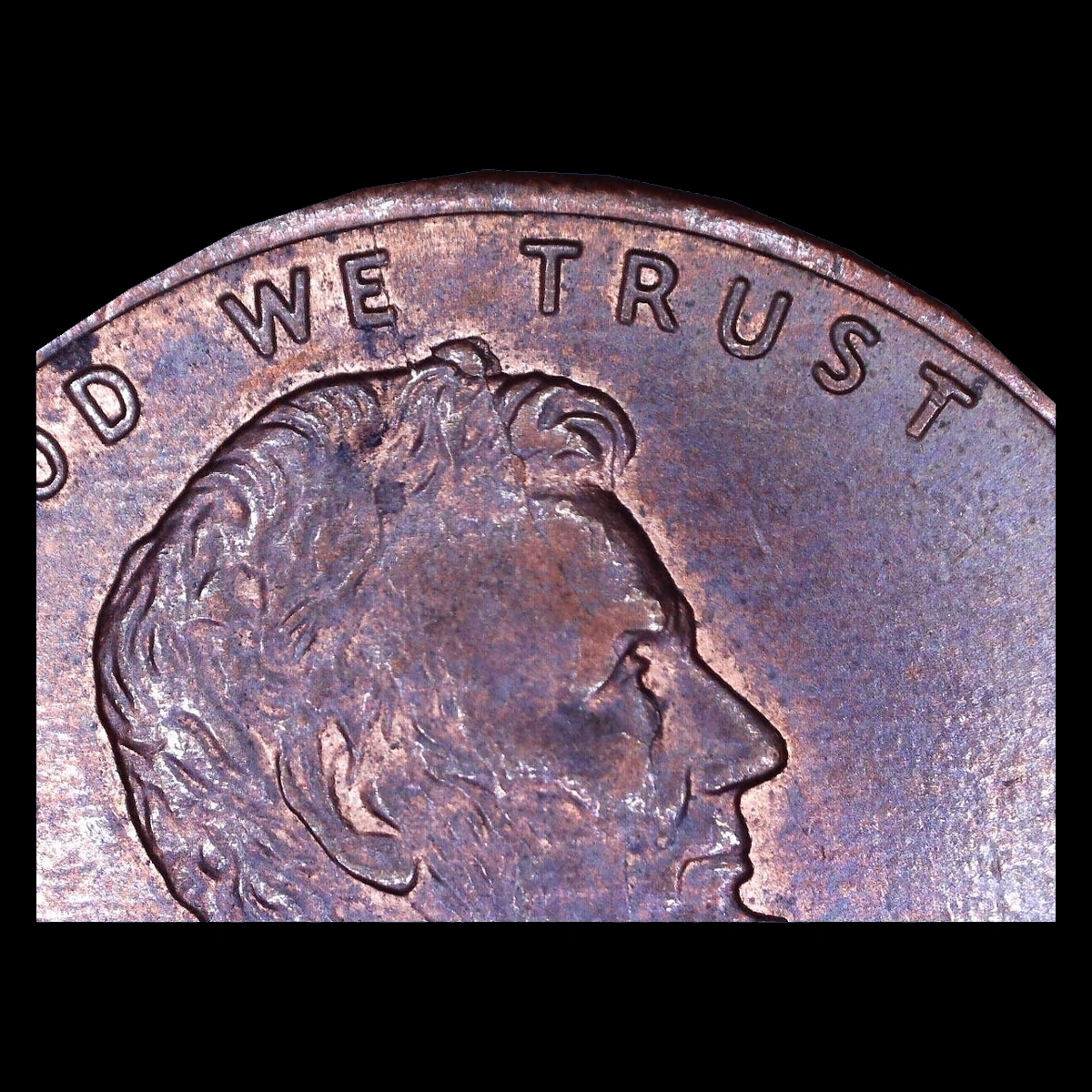
Damage to a die can leave raised metal on the pennies it strikes. A narrow crack makes a line, while a missing piece can create a lump.
The 1995 records include letter-gap chips, head cracks, and larger breaks. A BIE chip belongs specifically between B and E in LIBERTY; a cud is a larger break connected to the rim.
How to Identify
Turn the coin under a light to see whether the feature rises above the surface. A scratch cuts into the coin, although displaced metal beside a scratch can also stand up.
Trace the complete shape and its contact with letters or the rim. Do not call an isolated interior lump a cud, or press a possible copper bubble to test it.
What It’s Worth
$2–$300 is the estimated span from small chips to conspicuous rim breaks. The size and clarity of the extra metal matter much more than the length of its catalog name.
No individual 1995 sale is assigned here. This range uses comparable damage to modern cent dies.
3. 1995 Penny A Faint Opposite Design Appears: Die Clash Error
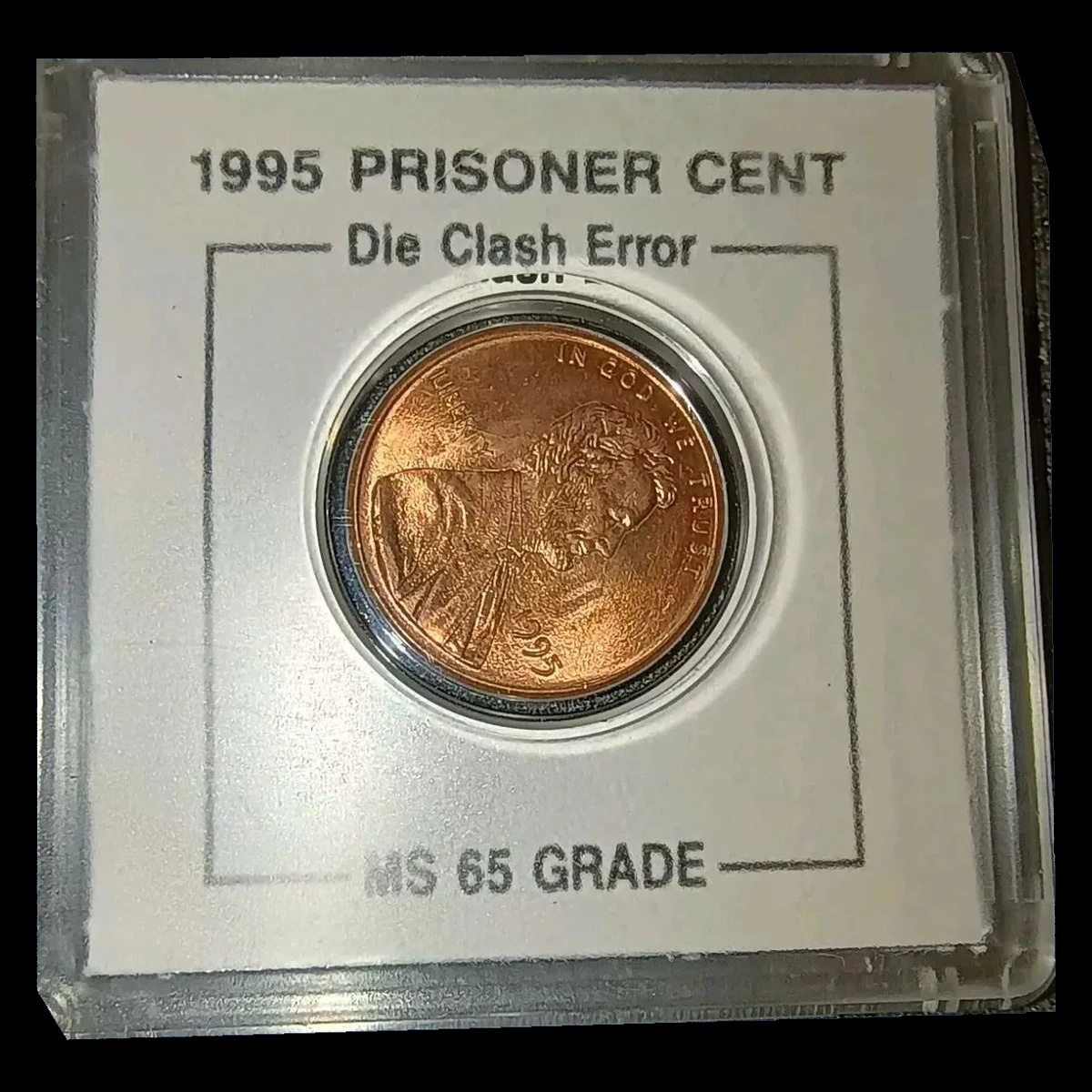
A clash happens when the dies meet without a blank between them. Their contact can transfer traces that appear on later pennies.
A historical listing described nine lightly clashed 1995 cents. It does not establish one exact mark present on every coin in that group.
How to Identify
Ask which part of the opposite design would explain the line you can see. For example, a claimed Memorial trace near Lincoln needs to fit the actual Memorial design.
Random scratches should not be joined into an imagined picture. Also check for damage from pressing two finished coins together.
What It’s Worth
$10–$150 is a comparison-based range for confirmed light through clearer clashes. A recognizable trace on a clean coin is more useful than a shape visible only in a seller’s drawing.
The nine-coin historical group provides no individual selling price used in this estimate.
4. 1995 Penny The Copper Skin Lifts or Bubbles: Plating Separation Error
A normal 1995 penny has zinc beneath a thin copper coating. A raised bubble or a peeling flap may expose the gray center where that coating separates.
Poor original bonding can cause this problem, but later corrosion can lift copper too. This category is different from a blank that lacked copper before striking.
How to Identify
Inspect the edges of the lifted skin without opening it farther. A thin flap differs from the solid raised metal of a die chip.
White corrosion, pitting, or heat discoloration may explain a later surface problem. Preserve those clues instead of cleaning them away.
What It’s Worth
$5–$400 is the estimated range for confirmed mint-made separation. Small bubbles usually fall near the lower end; larger intact defects can be more appealing.
The estimate comes from similar plated cents, not a verified sale of a particular 1995 blister. Extensive chemical or corrosion damage does not earn the same premium.
5. 1995 Penny Copper Was Missing When the Coin Was Struck: Unplated Blank Error
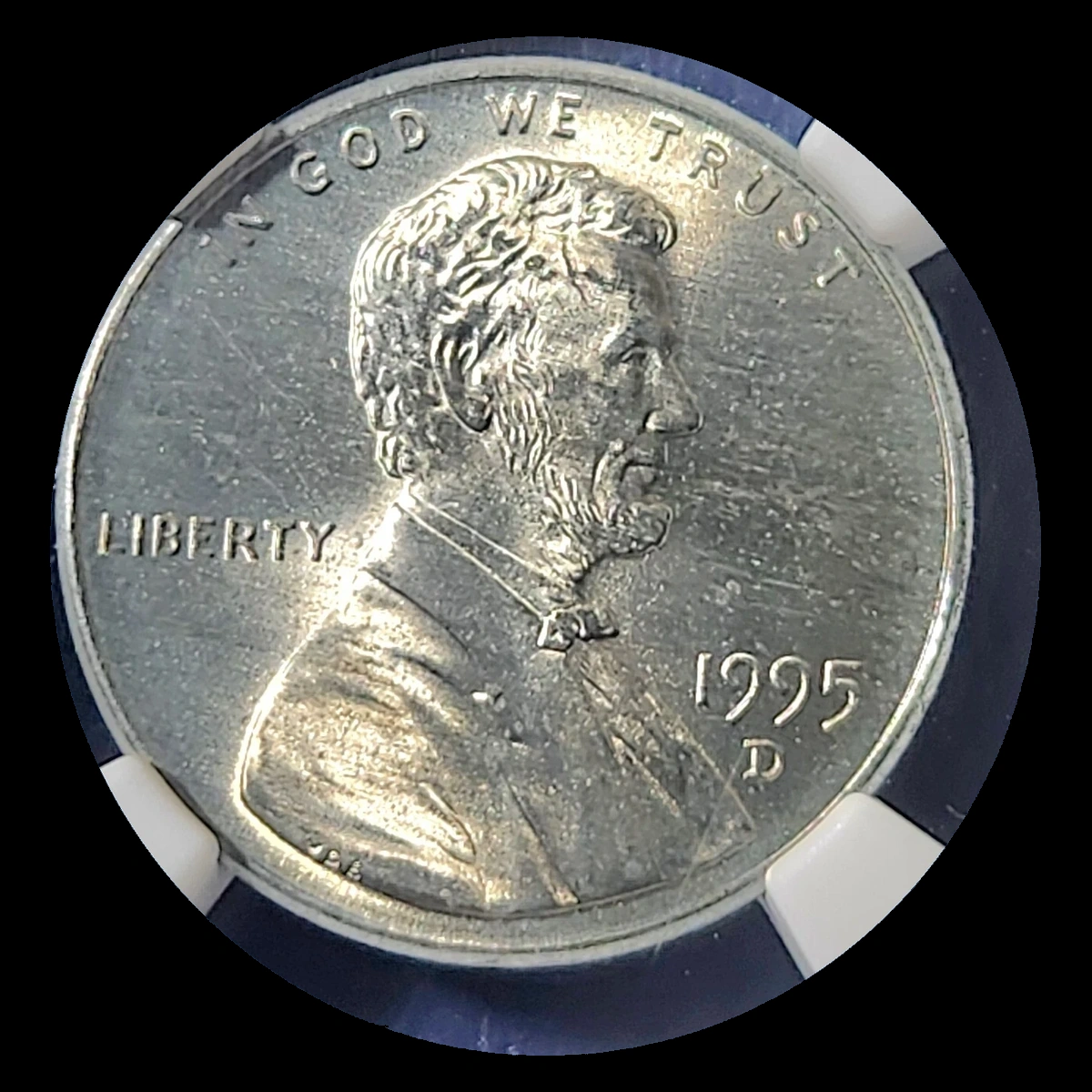
A gray penny with original struck surfaces may have entered the press with some or all of its copper absent. Both Philadelphia and Denver examples are recorded.
One historical Philadelphia description specified 95% missing on the front and all copper missing on the back. Those percentages identify that specimen alone.
How to Identify
Study any boundary between copper and gray zinc, then compare the texture on each side. Struck detail should remain compatible with an original surface.
Chemical stripping can make a normal penny gray after minting. Color alone, or a small weight difference from the normal 2.50 grams, cannot prove missing original plating.
What It’s Worth
$25–$800 covers partial missing coverage through attractive fully unplated coins. Surface quality and the extent of the missing copper make a large difference.
A Philadelphia NGC MS67 example sold for $660 in January 2023. A 1995-D graded PCGS MS63 brought $180 in March 2023.
6. 1995 Penny An Obstruction Softens or Interrupts the Picture: Struck-Through Error
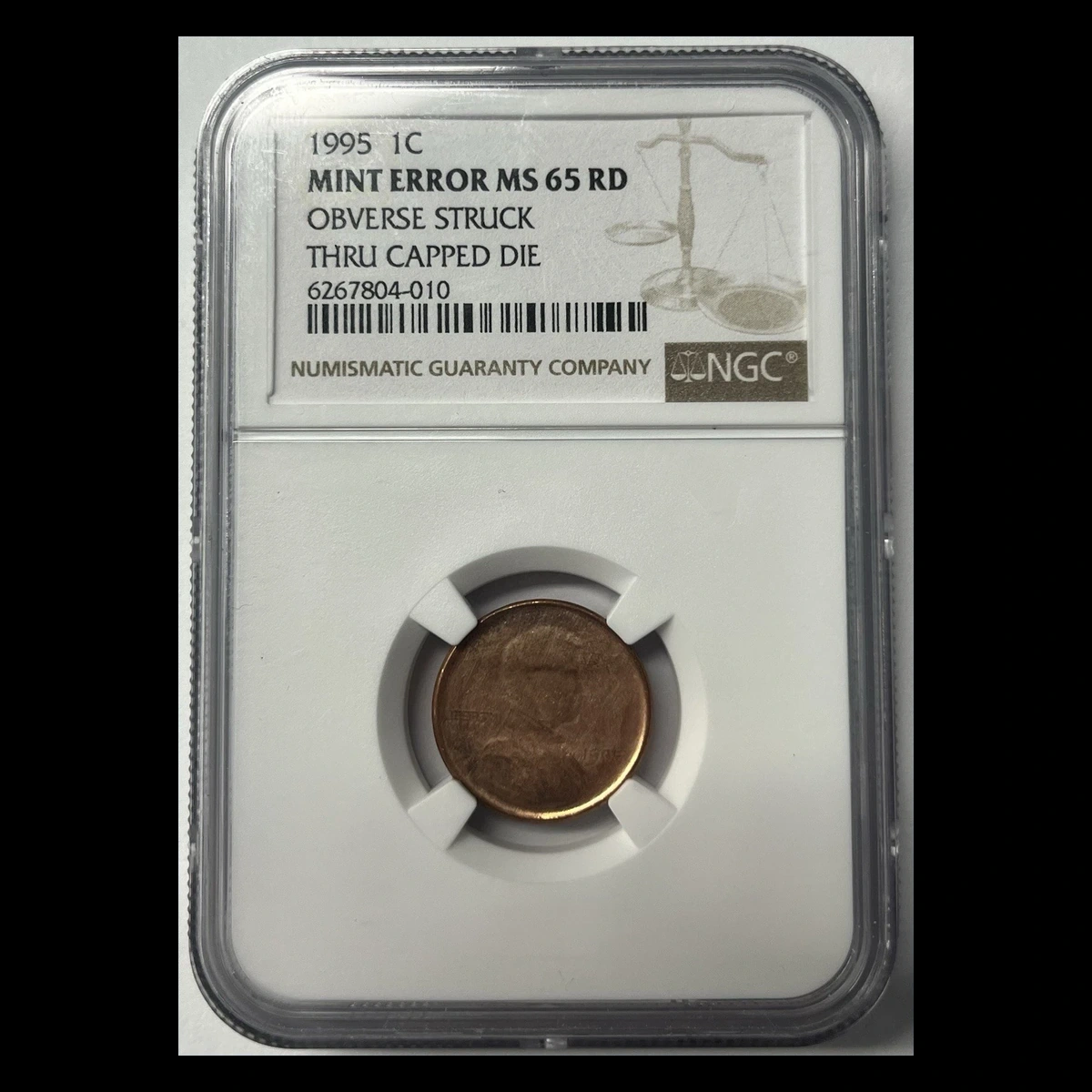
An object between the die and the penny can block the design or leave an impression. One documented 1995 example was struck beneath a thin coin stuck to the die.
That covering coin is a die cap, while the penny receiving the softened picture is a capped-die strike. The recorded late-cap strike shows the latter effect.
How to Identify
Check how the picture fades into the affected area. A thin cap can pass along a soft portrait, whereas another object may leave a more defined boundary.
Compare nearby sharp details for wear or abrasion. A weak patch does not identify grease, cloth, or another material unless the evidence supports that specific cause.
What It’s Worth
$10–$400 is the estimated range for minor obstructions through stronger cap effects and impressions. The visibility of the defect helps determine its appeal.
The documented 1995 late capped-die strike graded PCGS MS65 Red sold for $180 in March 2025. A merely worn portrait should not be assigned that price.
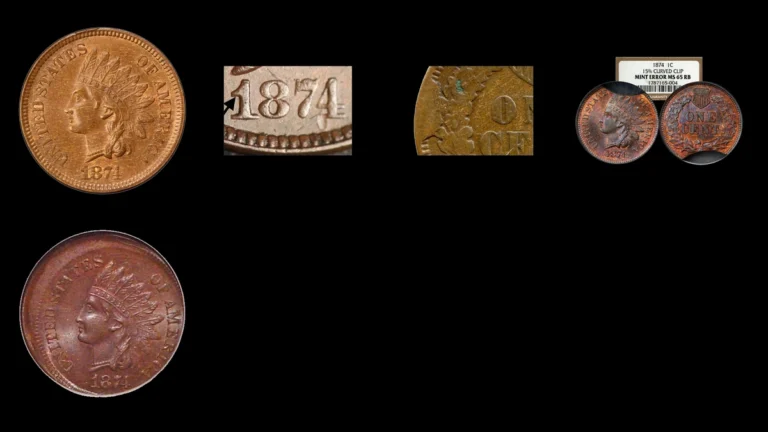
7. 1995 Penny A Piece of the Outline Is Absent: Clipped Blank Error
A blank cut from the wrong spot in the metal strip can have a missing section before it is struck. The gap may be curved or straight, depending on where the cutter overlapped a hole or the strip edge.
How to Identify
Look at the missing boundary and the ends where it meets the rim. Saw marks or filing can explain a gap made after minting.
A weak rim opposite the clip can help, though it is not required on every example. Measure an intact section against the normal 19.05-millimeter diameter rather than measuring only across the missing area.
What It’s Worth
$20–$250 is a working range for authenticated clips. A clear date and an obvious, natural gap improve the coin’s appeal.
A 2021 Shield cent with a 5% straight clip sold for $114 in September 2025. That newer coin offers price context without establishing a 1995 sale.
8. 1995 Penny The Coin Widens or Develops an Edge Step: Collar Error
The collar is the ring that holds a coin’s edge during striking. When it fails to contain the blank, the metal can spread into a broadstrike.
Partial contact with the ring can instead leave two levels along the edge. A reported 1995 broadstrike spread widely enough to look almost nickel-sized, but it remained a cent.
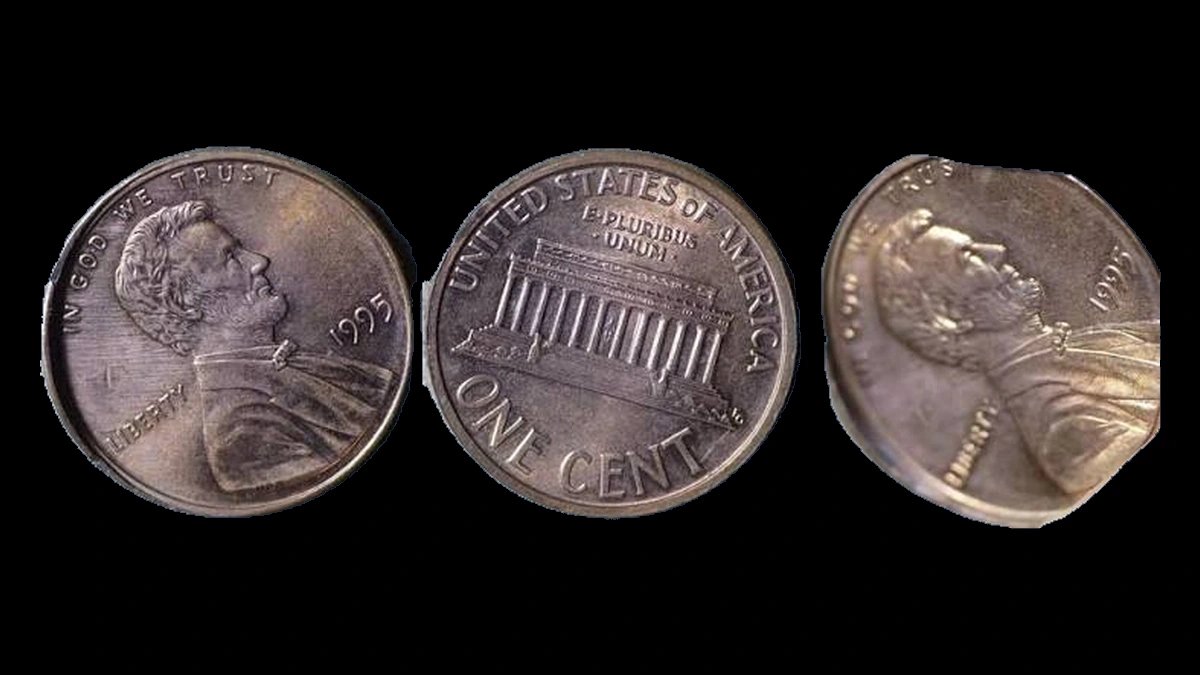
How to Identify
A broadstrike should retain the complete designs despite its wider outline. Missing design beside plain metal belongs in the off-center checks below.
For a partial collar, inspect the edge step around the coin. Later squeezing or edge rolling can also change the outline, often with crushed details or tool marks.
What It’s Worth
$20–$400 is an estimated range for these collar-related errors. Obvious expansion on an undamaged coin can be more desirable than a slight edge irregularity.
A 1999 broadstrike graded PCGS MS65 Red sold for $67 in March 2023. It is a nearby-year comparison, not the price of the large 1995 example.
9. 1995 Penny The Design Leaves a Plain Arc: Off-Center Strike Error
When the blank sits partly outside the dies, only part receives the design. The untouched arc remains beside an incomplete picture.
Recorded 1995 examples include Philadelphia strikes about 40% and 50% off center, plus separate Denver pieces described as 55% and 65%. These figures belong to different coins.
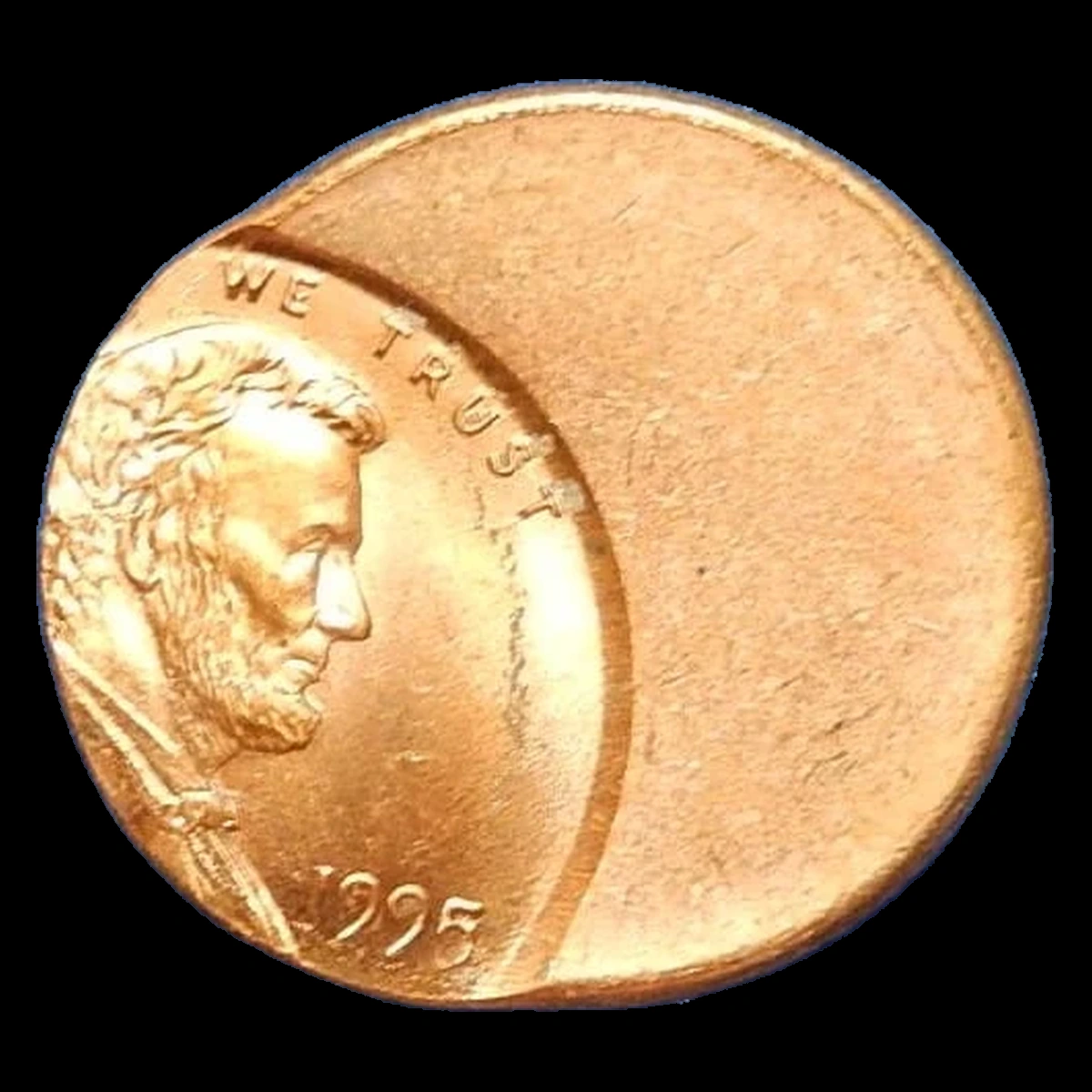
How to Identify
Find the surviving date and mintmark area, then compare both faces. A blank arc and corresponding loss of design should fit the same displacement.
Copper can remain on the plain area, so exposed zinc is not necessary. Grinding away a design leaves a different surface from untouched metal that missed the dies.
What It’s Worth
$15–$500 is the estimate for date-visible examples. Strong displacement can be attractive, but a lost date or heavy damage reduces appeal.
A 1999 cent struck 10% off center brought $47 in March 2023 as a PCGS MS64 Red. The more dramatic 1995 specimens require their own assessment.
10. 1995 Penny Separate Pictures Shift or Overlap: Multiple Strikes Error
Some 1995 cents stayed in the press for another strike. Recorded pieces shifted sideways, rotated, or flipped before the next blow.
A flip can place Lincoln and the Memorial on the same face. A half-turn rotates the coin while leaving the same face toward its die.
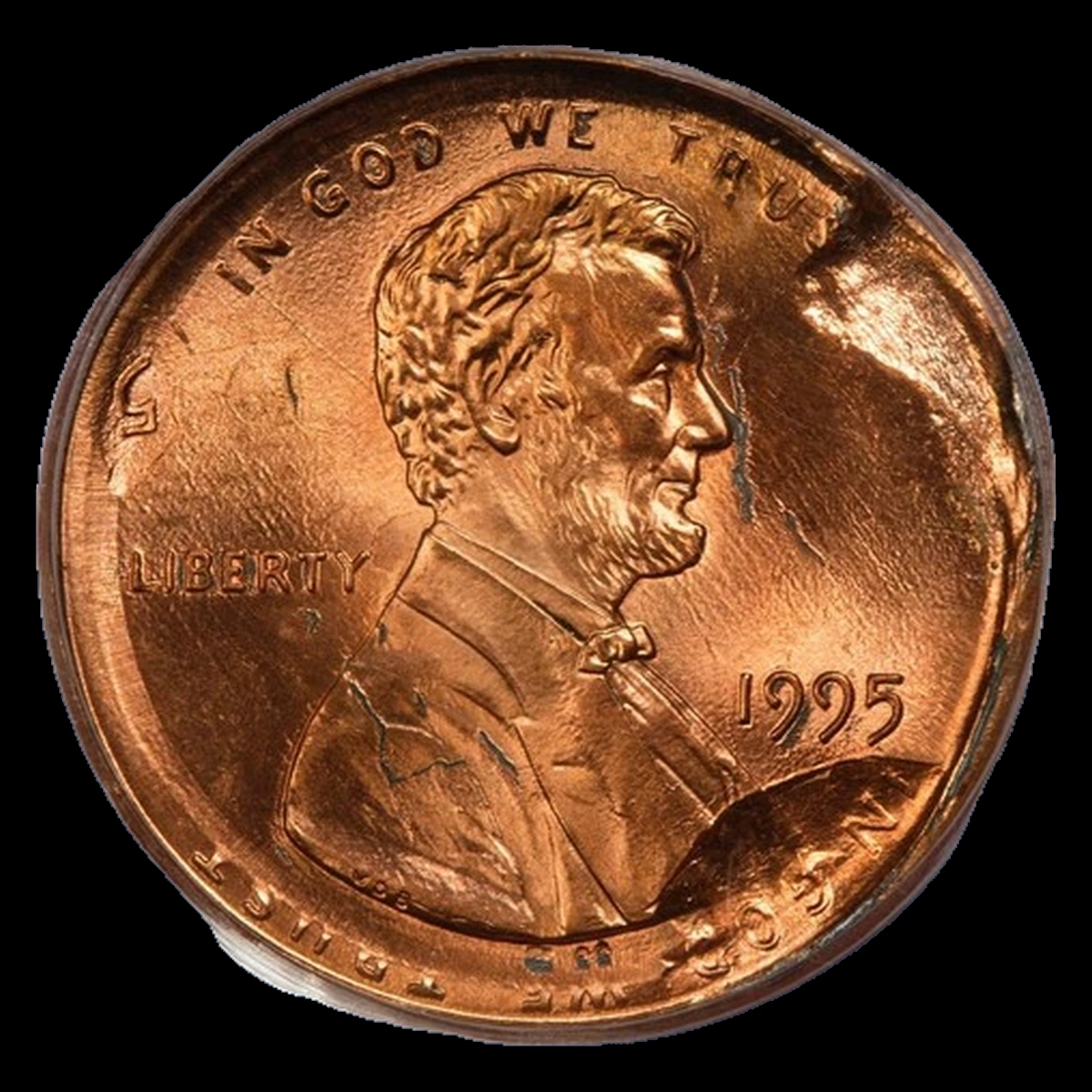
How to Identify
Follow fragments of letters and portraits to map the separate impressions. Do not infer a precise strike count from every stray line.
Some recorded coins also stretched or curved, but those shapes do not belong to every multiple strike. Check both faces before deciding whether the coin flipped, rotated, or was partly covered.
What It’s Worth
$40–$800 is the estimated range for authenticated repeated strikes. Readable overlaps usually matter more than a dramatic claimed number of blows.
A 1999 flipover double strike with an expanded outline sold for $159 in March 2023. That PCGS MS65 Red coin is a comparison from a different year.
11. 1995 Penny One Part Folds Over Another: Foldover Strike Error
A blank caught in an abnormal position can collapse and fold during striking. The overlap creates a thicker area rather than simply a shallow curve.
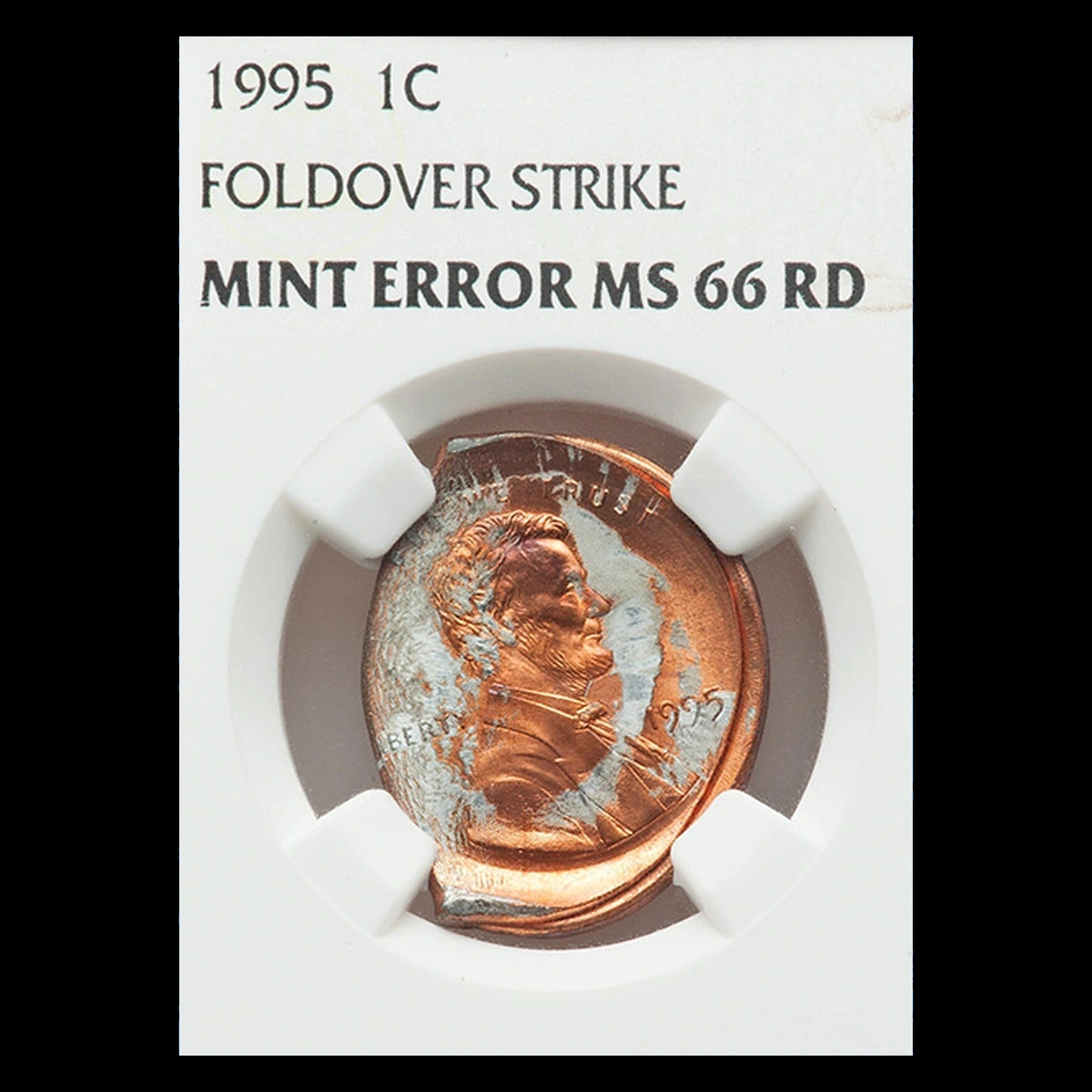
How to Identify
View the overlapping layers from the edge without trying to separate them. The struck design should fit the folding event.
Tool marks and crushed finished lettering can reveal a penny bent afterward. The reported 1995 type does not establish a fixed fold direction or mintmark.
What It’s Worth
$200–$1,000 is a comparison-based range for a confirmed foldover strike. A readable date and a clear relationship between fold and design improve its appeal.
No original 1995 selling price is supplied for this report. Preserve the fold so its mint-made origin can be assessed.
12. 1995 Penny Lincoln Sits Inside a Cup: Front Die Cap Error
A coin stuck to the front die can stretch into a cap under repeated pressure. A historical 1995 description records a front cap with walls that folded back.
This is the cap itself, unlike the flatter penny struck beneath a cap in the struck-through section.
How to Identify
Inspect the portrait inside the cup and the way the metal continues into its walls. The stretched design should agree with the cap’s shape.
Sharp artificial bends or tool marks may point to later manipulation. Leave curled walls in place rather than pulling them outward for a better view.
What It’s Worth
$100–$1,500 covers less-developed through dramatic authenticated caps. Depth and surviving detail help distinguish them.
A deep 1999 front cap graded PCGS MS64 Red brought $660 in March 2023. That result is not assigned to the historical 1995 cap.
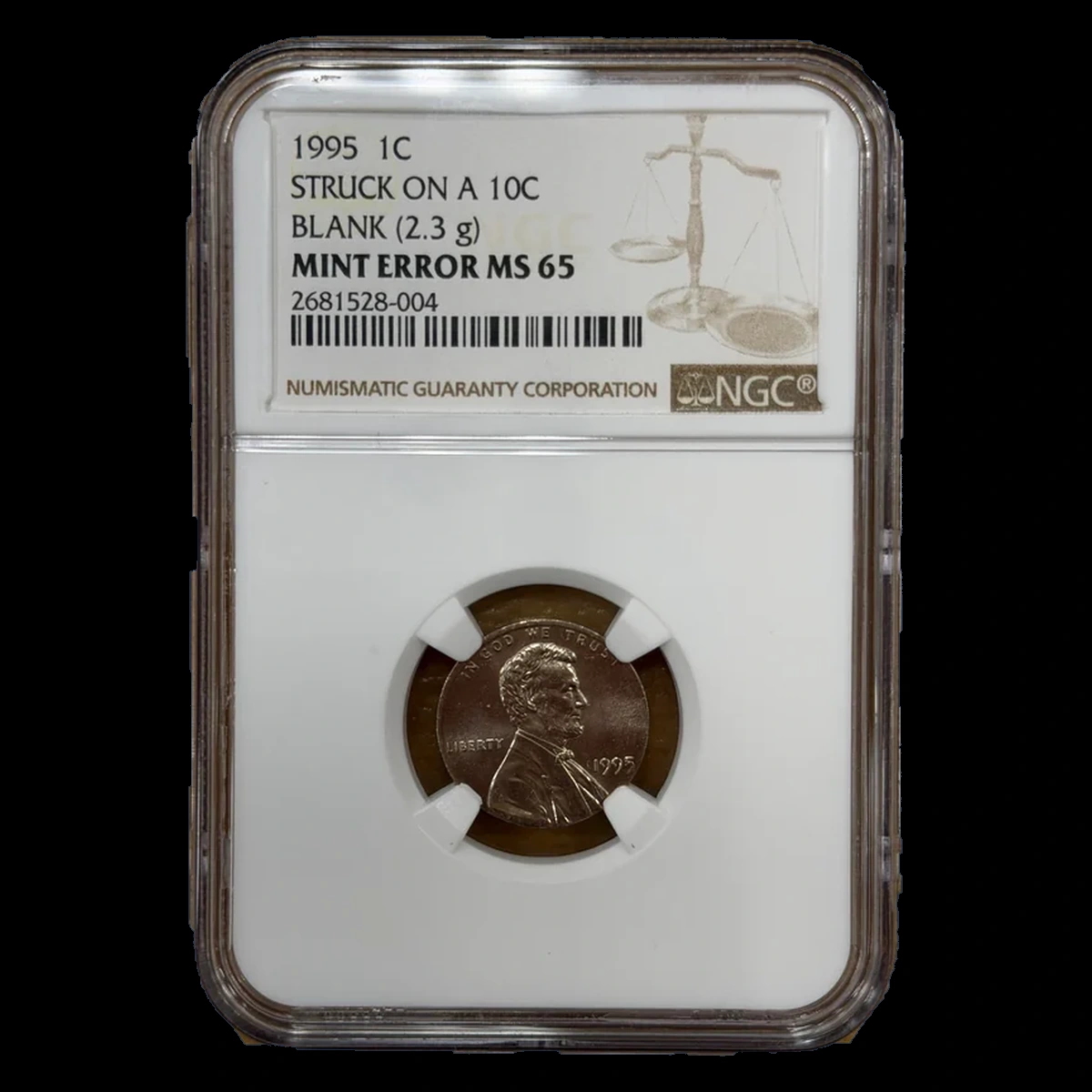
13. 1995 Penny Cent Designs Crowd a Smaller Gray Coin: Dime Blank Error
An unused dime blank can receive Lincoln and the Memorial in a cent press. Philadelphia and Denver 1995 examples are recorded, along with a separate example receiving two cent strikes on the wrong blank.
How to Identify
Dime metal has bonded outer layers around a copper center, unlike the zinc in an ordinary 1995 cent. A dime blank normally starts near 2.268 grams and 17.91 millimeters, though striking can widen it.
Look for crowded or cut-off outer cent details and the correct layered metal. An unused blank has no older Roosevelt portrait or torch, even when two cent strikes overlap.
What It’s Worth
$400–$1,500 is the estimated range for authenticated examples. Clear identification and attractive surfaces are useful strengths.
A 2007-D cent on a dime blank graded PCGS MS66 sold for $600 in March 2023. This comparison does not turn a silver-colored, chemically stripped penny into a wrong-blank error.
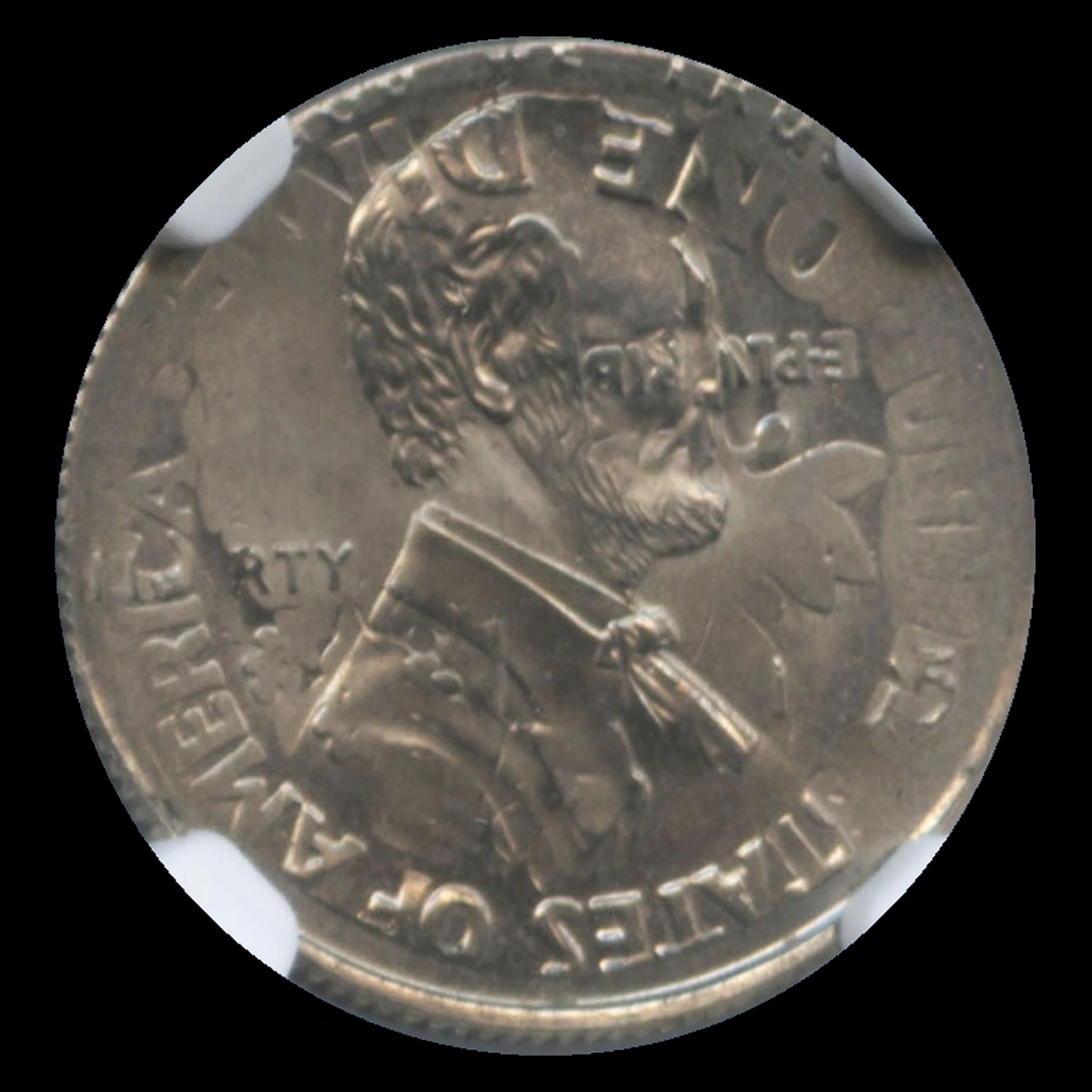
14. 1995 Penny An Older Dime Design Survives: Double Denomination Error
A finished dime struck again in a cent press can show parts of both denominations. The earlier design is the key difference from the unused dime blank above.
One Philadelphia 1995 cent was struck over a 1991-P dime. Other recorded combinations use 1995 dimes, so the older date is not a requirement for this error.
How to Identify
Locate a recognizable dime feature, then separate its letters from the later cent details. On the reported 1991-P piece, dime lettering lies near Lincoln’s forehead and the dime portrait is inverted.
Only part of the later cent date survives on that specimen. Read what is visible rather than claiming two complete dates from an unclear photograph.
What It’s Worth
$700–$3,000 is the working range for authenticated examples. Clear evidence of both designs can make one coin much easier to appreciate than another.
A 2001 cent over a finished 2001-P dime graded PCGS MS66 sold for $1,320 in September 2025. That recent sale supplies context for the type, not a result for the 1991-P underlying dime.
15. 1995 Penny Lincoln Is on One Side and a Dime Back on the Other: Mule Error
The documented 1995 mule pairs a cent front die with a dime back die. It shows Lincoln and 1995 on the front, with the torch and ONE DIME on the back.
The reported example used a dime blank inside a dime-sized collar. It does not need an older overlapping dime picture because the mismatch was between the two dies.
How to Identify
Confirm the identity of each face before interpreting scattered lines as an earlier design. The larger cent design should fit the smaller dime-sized surface in the documented way.
Examine the edge and metal for seams, solder, or machining that could reveal joined coin parts. An intact structure and the dime-metal identification need expert confirmation.
What It’s Worth
$50,000–$150,000 is an appraisal range for this major authenticated die mismatch. It is not a recorded sale of the 1995 mule.
A 1999 cent-front/dime-back mule sold for $138,000 in April 2006, but that coin used cent metal. The different blank and condition prevent treating its result as the price of the dime-metal 1995 example.
Conclusion
The strongest everyday starting point for a 1995 penny is its lettering, especially LIBERTY and the motto. Surface and edge checks then help sort smaller errors from damage.
Keep the three dime-related categories separate: an unused blank, a finished dime struck again, and mismatched dies describe different events. A gray color or an unusual picture alone is not enough to place a coin in the rarest category.