Rare 1885 Penny Errors (List & Pictures)
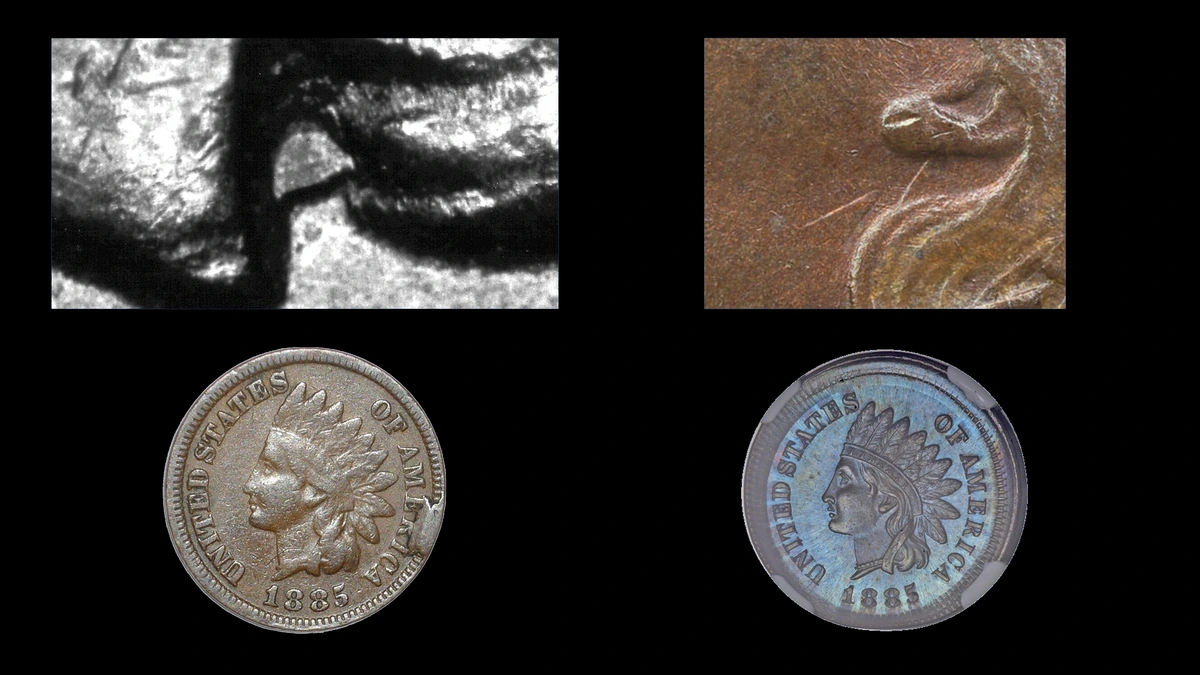
Finish matters when comparing 1885 penny errors: specially prepared Proofs can be valuable even before a mint-made defect is considered. An 1885 Proof broadstrike sold for $7,475, while the highest supplied comparison is $8,700 for a different-year 1901 repunched-date Proof.
Estimates across the 1885 categories span $10–$10,000. Check the date and reverse detail first, then distinguish surface separation, obstructed striking, and changes to the coin’s outline.
| Observation | What to check | Estimated range |
|---|---|---|
| Extra date strokes | Repunched date, ordinary or Proof | $20–$10,000 |
| Digit fragments away from the date | Misplaced date | $25–$1,500 |
| Repeated right-wreath detail | Proof doubled reverse | $300–$5,000 |
| Transferred outlines or raised breaks | Clash, crack, or cud | $10–$1,000 |
| Peeling front or blurred reverse | Lamination or struck-through flake | $15–$750 |
| Displaced design or widened border | Off-center strike or broadstrike | $75–$10,000 |
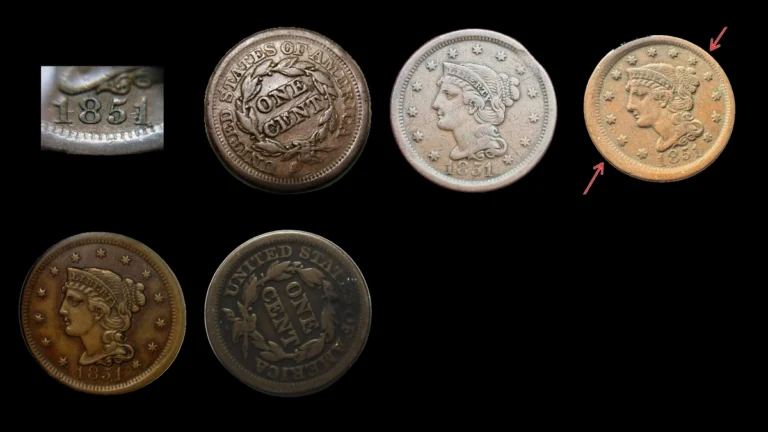
1. 1885 Penny Extra Strokes Inside the Date: Repunched Date Error
Identify which 8 carries the extra detail before choosing a variety photograph. Ordinary 1885 examples and the listed Proof pattern do not have the same date remnants.
Repunching occurred when the date punch entered the die more than once in slightly different positions. The die could then transfer both surviving impressions in a normal coin strike.
How to Identify
The ordinary pattern has upward remnants around the lower loops of the second 8 and the 5. The Proof pattern places extra detail inside the first 8’s lower loop and at the base of the 5.
Match the coin’s finish as well as its digit shapes, without rotating a photograph to force one pattern into another. A Proof is a specially prepared collector coin, and an extra date stroke cannot turn a circulation strike into one.
What It’s Worth
$20–$1,000 is the estimate for ordinary examples, while suitable Proofs span roughly $300–$10,000 as complete coins. Proof quality and preservation can account for much of the difference.
An 1885 PR67 Red appears in a 2019 catalog without a realized price used here. The $8,700 August 2019 comparison belongs to a 1901 repunched-date Proof graded PR67 Red, an exceptionally preserved different-year coin.
2. 1885 Penny A Stray Fragment Below the Date or Near the Hair: Misplaced Date Error
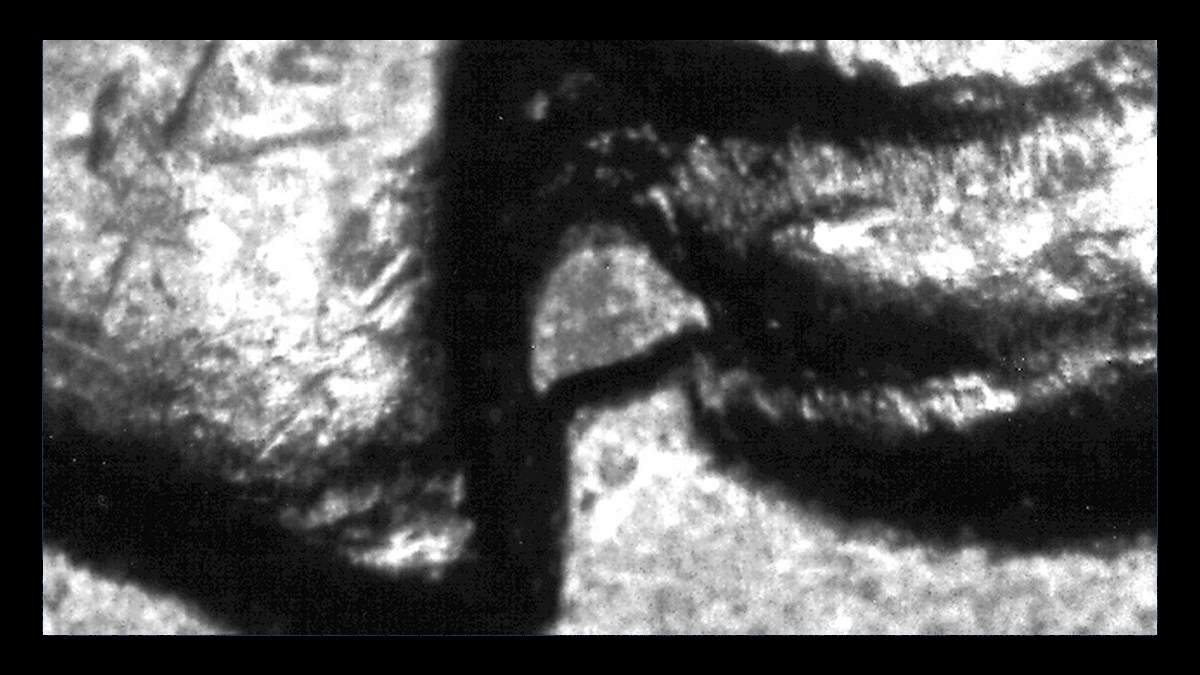
A misplaced 5 beneath the second 8 is one recorded 1885 pattern. An unintended date-punch impression in the die left a numeral fragment outside the normal date.
How to Identify
Compare the raised fragment among the border teeth with its exact documented position. Irregular teeth, scratches, and small chips can imitate part of a number.
A separate variety has the bottom of an 8 or 5 between the ribbon end and a hair curl. Preserve that uncertainty when describing the incomplete fragment rather than forcing it into a definite digit.
What It’s Worth
$25–$1,500 is the estimated range for identified misplaced dates. Clear fragments and attractive surfaces provide stronger comparisons than a possible curve under heavy wear.
A 1908 misplaced-date cent graded MS65 Red and Brown has a recorded $1,187 eBay result from 2021. It is a different-year comparison and does not establish a sale for either 1885 location.
3. 1885 Penny Repeated Right-Wreath Veins and Arrow Tips: Proof Doubled Die Reverse Error
Inspect the right wreath and arrow tips for extra raised outlines directed inward. The documented 1885 pattern belongs to a Proof reverse die whose design was already doubled before the coin was struck.
How to Identify
Confirm the Proof identity before comparing the leaf veins and arrow tips with the proper reference. A polished ordinary cent can be shiny without having the original preparation of a Proof.
Follow consistent repeated outlines in both diagnostic areas as the lighting changes. A doubled-looking front letter does not identify this reverse variety, and reflections alone move with the light.
What It’s Worth
$300–$5,000 is the estimated whole-coin range for a matched Proof with reverse doubling. Surface color, finish, and preservation matter alongside the variety.
The $8,700 1901 PR67 Red sale mentioned earlier concerns a repunched date in another year, not this reverse pattern. It supplies high-quality Proof context without creating an 1885 auction record or an added doubling premium.
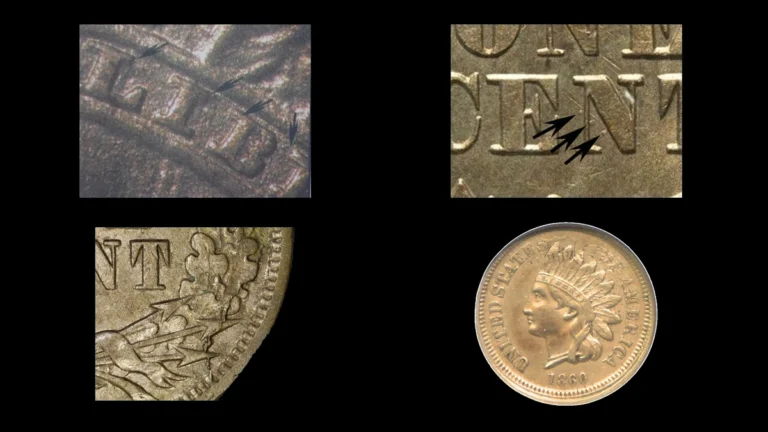
4. 1885 Penny Opposite-Face Shapes Appear in the Design: Die Clash Error
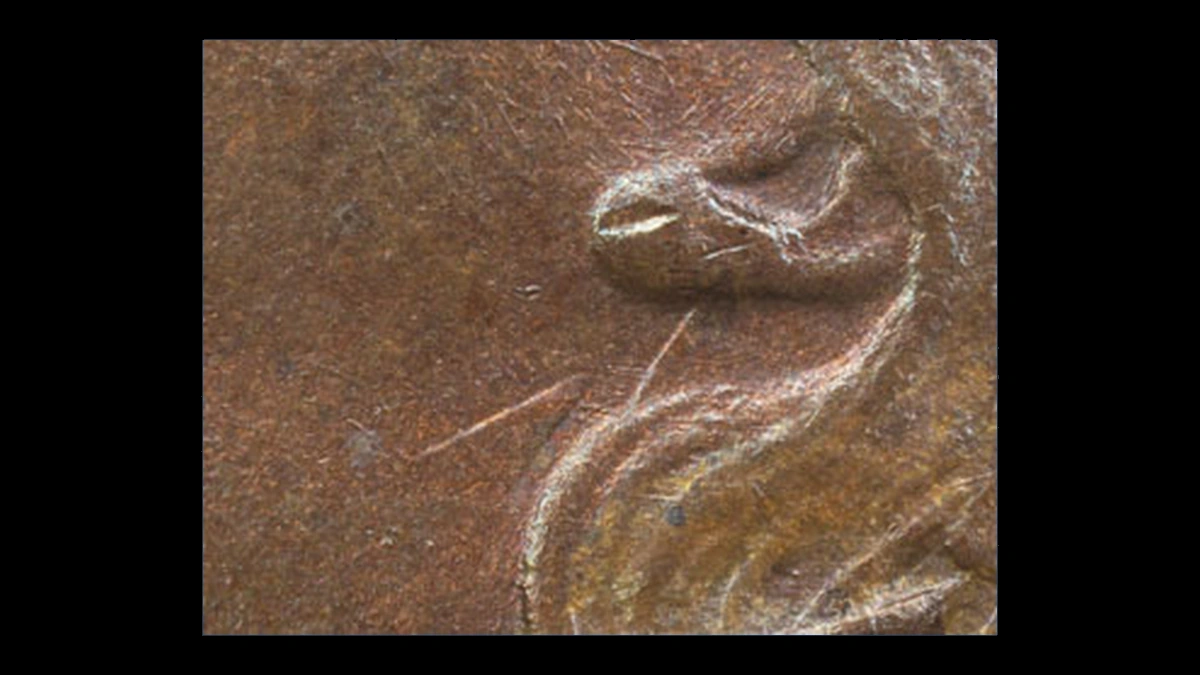
The illustrated MS64 Brown 1885 clash has a front trace associated with the N of CENT and portrait traces on the reverse. These marks arose when the dies touched without a blank between them and copied portions of the opposing design.
How to Identify
Locate the N on a normal reverse image, then compare its transferred shape with the documented front mark. It will not necessarily appear as a normally positioned readable N on the portrait side.
Use the reverse portrait traces as another part of the match. A random scratch or unrelated die crack cannot establish a clash merely because it forms an extra line.
What It’s Worth
$15–$500 is the estimate for examples with a recognizable clash. Wear can remove the small connecting details that make the transferred design identifiable.
No completed price is supplied for the illustrated MS64 Brown coin. Any repunched date or accompanying crack belongs to the same whole-coin assessment.
5. 1885 Penny A Raised Line or Rim-Connected Lump: Die Cracks and Cuds Error
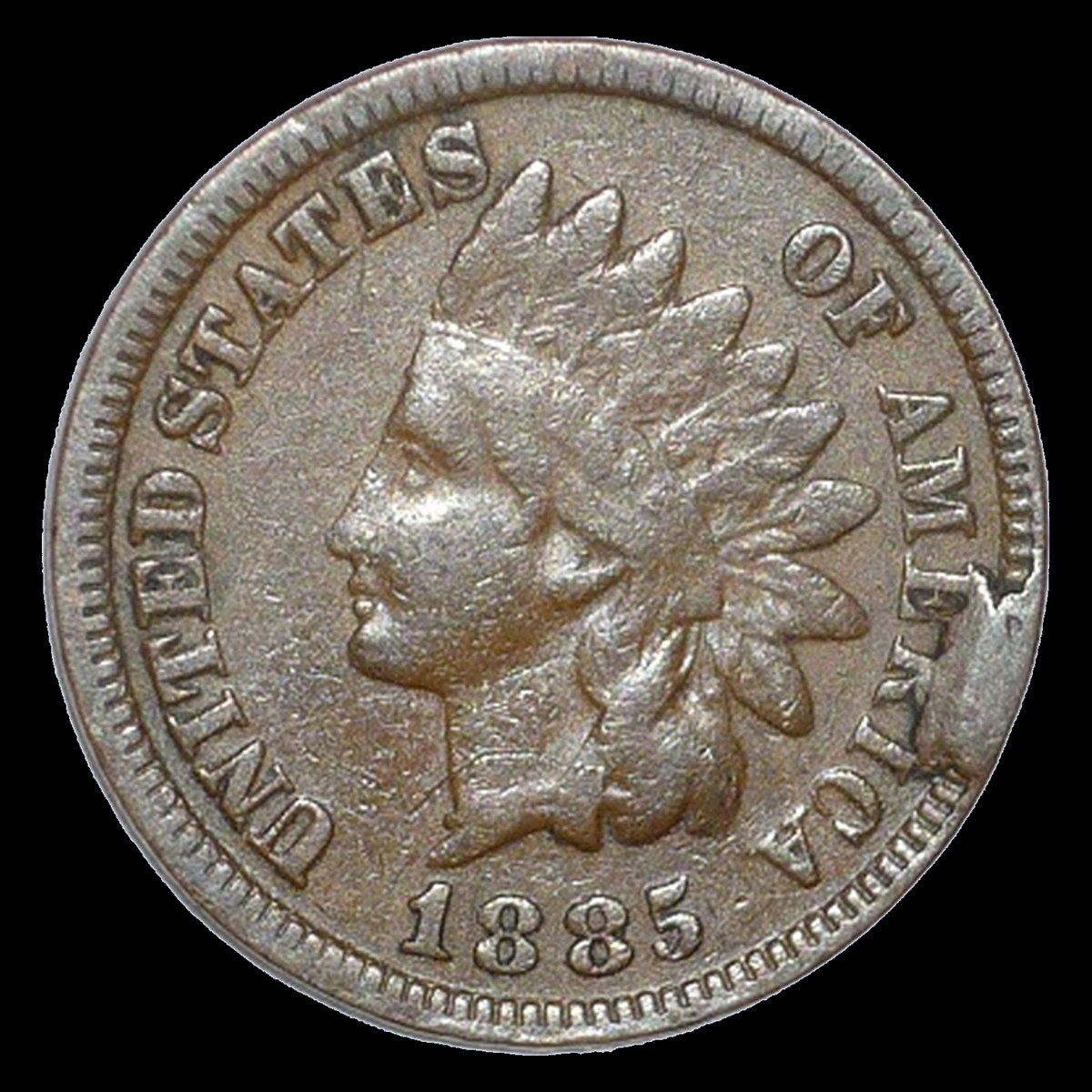
A narrow raised line records metal entering a die crack. A broad patch reaching the rim can be a cud, formed where a larger edge piece of the die was missing.
How to Identify
One recorded front cud lies around 3–4 o’clock, and another occupies about 10:15–11 o’clock. They are separate specimens, while other 1885 coins have thinner cracks through letters or near the wreath.
Check whether the mark replaces design and connects naturally to the rim. A scratch may have raised sides around a central groove, and a folded edge or added solder can imitate a lump without being a cud.
What It’s Worth
$10–$100 is the estimate for minor cracks, with clear cuds around $50–$1,000. Size and visibility must be considered with the coin’s condition.
A 1946-S Lincoln cent with a cud sold for $288 in March 2021. That later bronze-cent transaction is a general comparison, not a price for either specific 1885 break.
6. 1885 Penny A Thin Front Layer Begins to Lift: Lamination Error
The coin’s own bronze can separate into a thin flap or leave a rough patch when the layer detaches. This lamination differs from an outside object that blocked the strike.
How to Identify
Use angled light to follow an existing opening without pulling the flap or pressing it flat. A genuine separating layer offers more evidence than a stain, while a gouge may push solid metal aside.
The supplied 1885 report does not fix one front location for every example. Photograph how the layer relates to the surrounding portrait and preserve any remaining attachment.
What It’s Worth
$15–$500 is the estimated whole-coin range for ordinary 1885 front laminations. A small flaw may add little, while a clear attached layer can be more appealing.
No completed sale is supplied for a particular front-flap specimen. Its price should not be taken from the separate struck-through-flake category merely because both involve thin metal.
7. 1885 Penny Reverse Detail Continues Through a Blurred Patch: Struck-Through Flake Error
Richard Snow described an 1885 cent in the Robert Lutzel error collection whose reverse was struck through a thin lamination fragment. The flake acted as an outside barrier during striking, allowing some design pressure through while reducing clarity.
How to Identify
Trace a reverse letter from a sharp area into the softened patch. The reported effect concerns detail that formed less clearly beneath a thin obstruction, not a later scrape through an already completed design.
Do not identify an attached flap from this coin as the obstructing fragment without examining its relationship to the surface. The report does not establish one clock position for every such struck-through mark.
What It’s Worth
$50–$750 is the estimate for genuine examples with recognizable struck-through-flake evidence. Remaining design and the condition of the complete coin affect the comparison.
A 1920 Lincoln cent struck through a metal fragment sold for $134 in March 2025. It illustrates a related mechanism, but it is not a sale of the Lutzel 1885 cent.
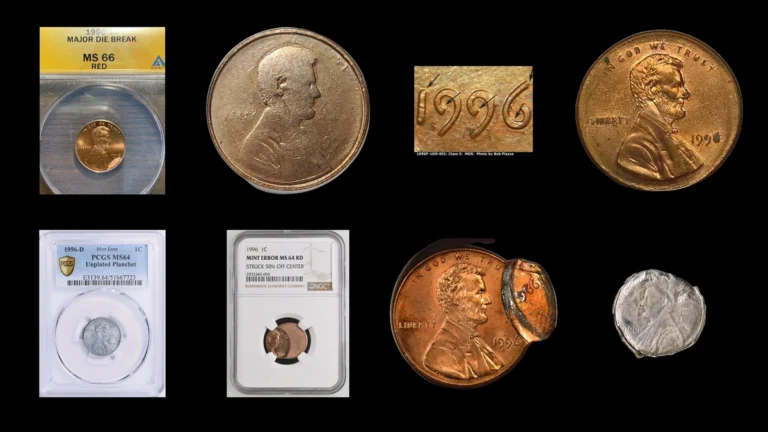
8. 1885 Penny Half the Blank Misses the Design: Off-Center Strike Error
The documented 1885 cent is about 50% off-center toward 12:30, with its date and portrait profile still visible. PCGS graded it XF40, indicating noticeable wear with substantial detail remaining.
How to Identify
Read the date before judging the blank crescent, then compare both faces’ boundaries with the same displaced strike. A similar undated Indian Head cent cannot supply the missing year.
A normal loose bronze cent weighs 3.11 g and measures about 19 mm across, useful references when recording altered outlines rather than strict expectations for every span. Avoid fragile surfaces during measurements and leave encapsulated specimens sealed.
What It’s Worth
$150–$2,500 is the estimated range for genuine dated off-center examples. A larger blank crescent does not necessarily outweigh a lost date, cleaning, or edge damage.
The dated 50% off-center PCGS XF40 coin sold for $920 at Heritage in August 2004. That result belongs to this specimen, not an undated neighboring auction lot.
9. 1885 Penny A Complete Design Sits Within a Wide Border: Broadstrike Error
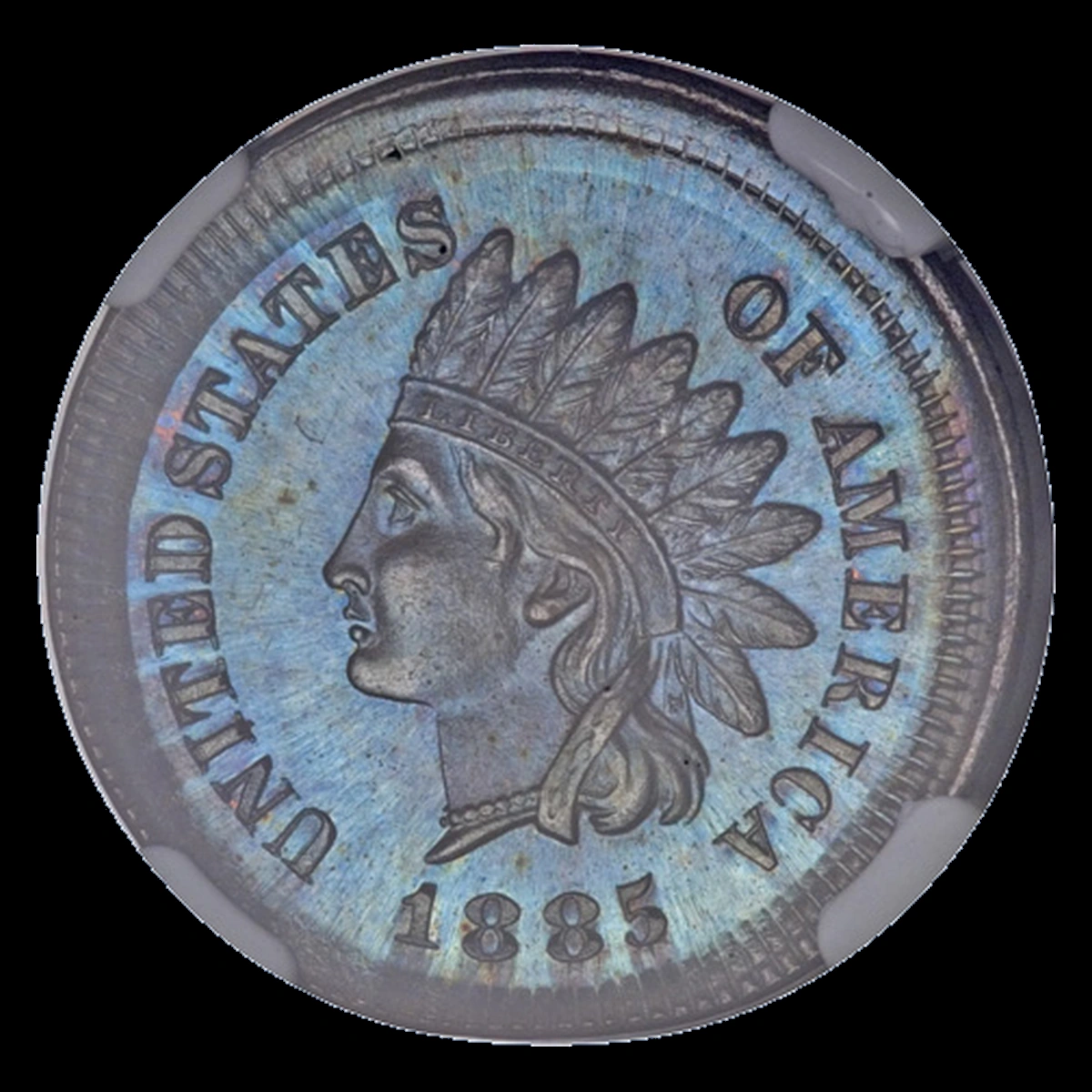
A broadstrike spreads beyond the intended outline when the collar fails to contain the metal. Unlike an off-center strike, it retains the complete intended design.
The recorded 1885 examples include an ordinary ANACS MS63 Brown cent and an NGC PR66 Brown Proof. Their shared mechanism does not erase the difference in finish and collector value.
How to Identify
Inspect the outer lettering on both sides and the naturally expanded margin. Crushed portrait detail, edge hammering, or an added ring can indicate a later attempt to widen a finished penny.
Compare ordinary strikes with ordinary strikes and Proofs with Proofs. Normal repeated blows used in making a Proof do not automatically constitute a double-strike error.
What It’s Worth
$75–$1,500 is the estimate for ordinary broadstrikes, while suitable Proofs have a separate range of $3,000–$10,000. Preservation and the amount of original spreading matter within each group.
Mint Error News reports $7,475 for the NGC PR66 Brown broadstrike at the 2009 FUN auction. That Proof result is not a sale price for the ordinary MS63 Brown example.
Conclusion
The most useful first distinction for an 1885 cent is whether its feature belongs to the date, surface, or entire strike. A peeling front layer and a reverse struck through an outside flake may look related but describe different events.
Proof identity is equally important when using the $10–$10,000 estimates. Match the finish and visible diagnostics before comparing an ordinary worn cent with an exceptional collector coin.