Rare 1851 Penny Errors (List & Pictures)
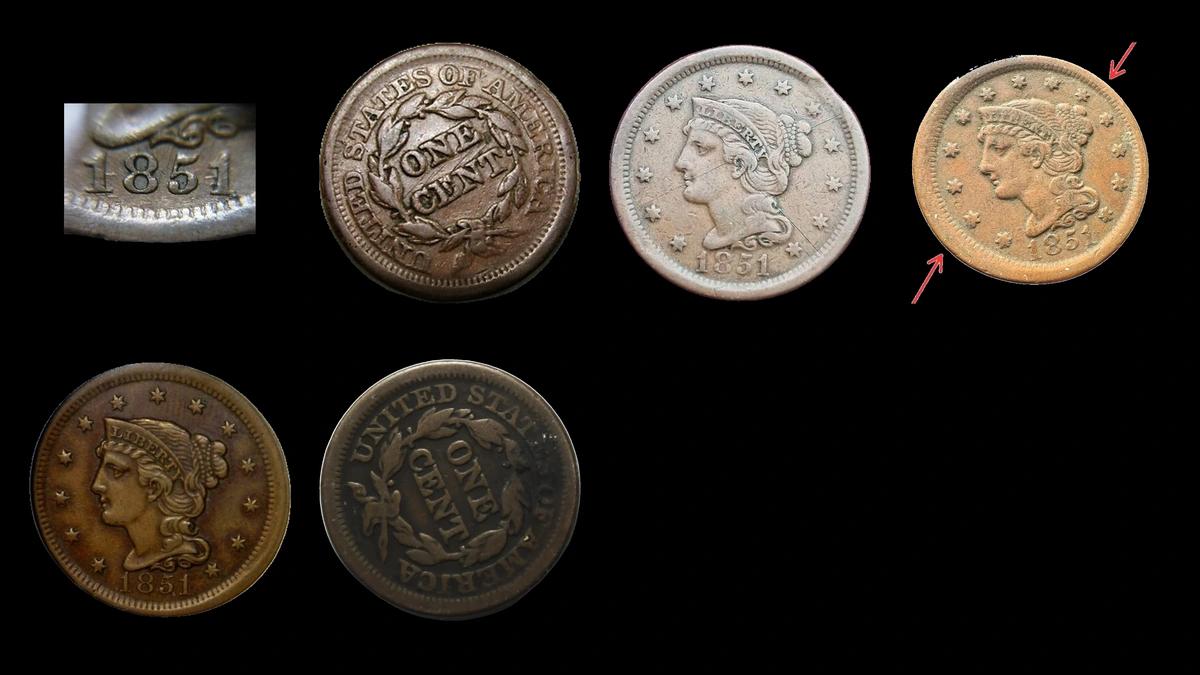
A penny dated 1851 is a large copper coin, so even small details have room to tell a story. The date is a useful first stop: one famous variety has parts of an upside-down number beneath the normal digits.
This guide covers seven groups of 1851 penny errors, with estimated whole-coin values of $15–$6,000. A documented 1851/81 example sold for $823 in February 2018; that result belongs to the particular coin, rather than every cent with an extra mark.
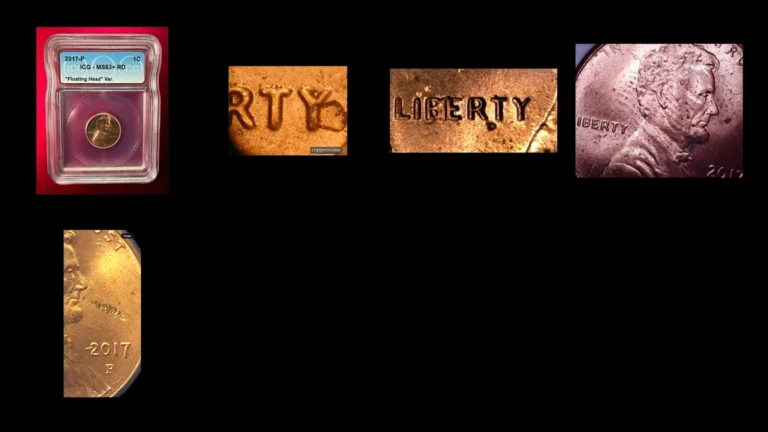
1. 1851 Penny Repunched and Inverted Date Error
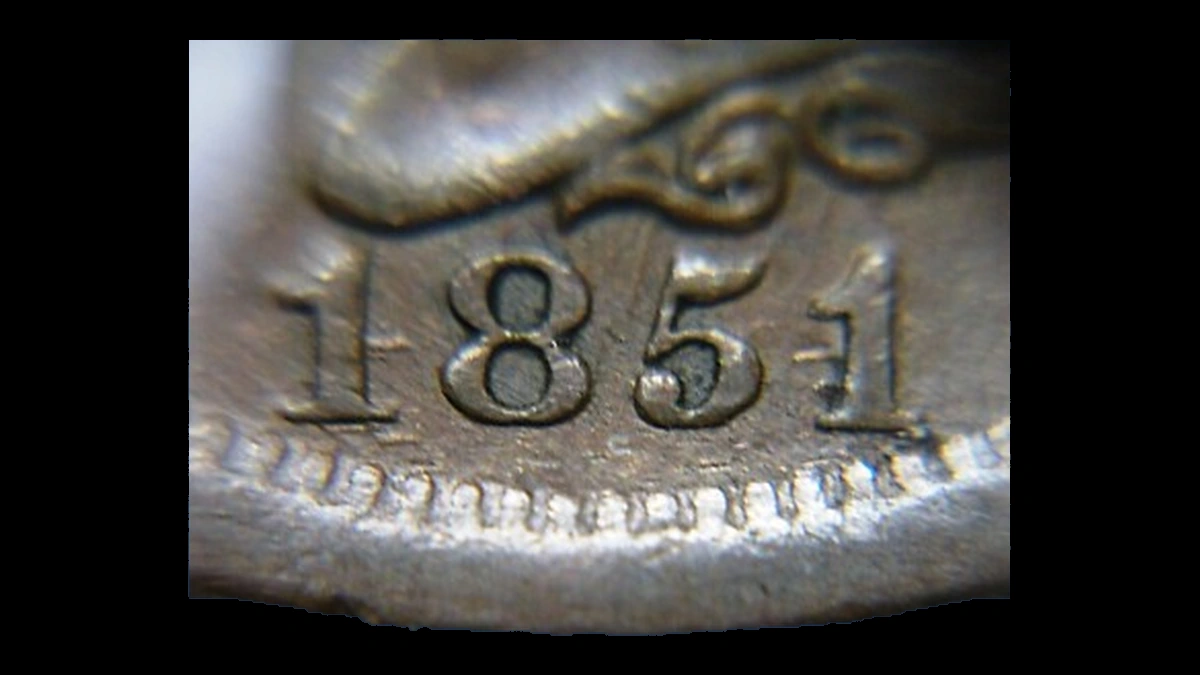
The name 1851/81 can be misleading until you look below the last two digits. It describes traces of an upside-down 18 left in the stamping tool before the date was corrected.
Other repunched dates have smaller repeated strokes around the two 1s. These belong in the same broad group, but they do not all show the inverted-date pattern.
How to Identify
Use a magnifier to search beneath 51 for the inverted strokes. They may be faint, so change the light rather than rubbing the date.
For the other patterns, examine the lower-left side of the first 1 and the base and middle of the last 1. A random scratch beside a number is not enough to identify a repunched date.
What It’s Worth
$30–$6,000 covers this group, with ordinary repunched dates estimated at $30–$1,500 and the inverted-date variety at $75–$6,000. Condition remains a large part of either value.
The recorded February 2018 sale was $823 for an 1851/81 cent in a PCGS MS62 Brown holder. The auctioneer described slight wear and rated it AU58+, showing why the coin’s surface matters as well as its label.
2. 1851 Penny Die Cracks and Cuds Error
A raised line coming away from the hair bun can be a copy of a crack in the die, the tool that stamps the coin. A bigger break at the die’s edge can leave a raised lump joined to the rim, called a cud.
Separate 1851 cents show breaks above MER in AMERICA, below the ribbon and stems, or near the upper-left side of E. These are alternative examples, not a checklist of marks that must appear together.
How to Identify
Shine light across the suspected line from both sides. A die crack stands above the surface; a scratch usually cuts into it.
For a cud, follow the raised patch to the rim and check whether nearby design detail is missing. Folded metal, a join, or fresh tool marks can point to damage instead.
What It’s Worth
$15–$3,000 spans small cracks through stronger cuds on coins in different conditions. The working ranges are $15–$1,000 for cracks and $75–$3,000 for cuds.
A dealer listing asks $949 for a CACG MS64+ Brown cent with the hair-bun crack. That is an asking price for a well-preserved coin, not a completed sale or a standard price for the crack itself.
3. 1851 Penny Lamination Error
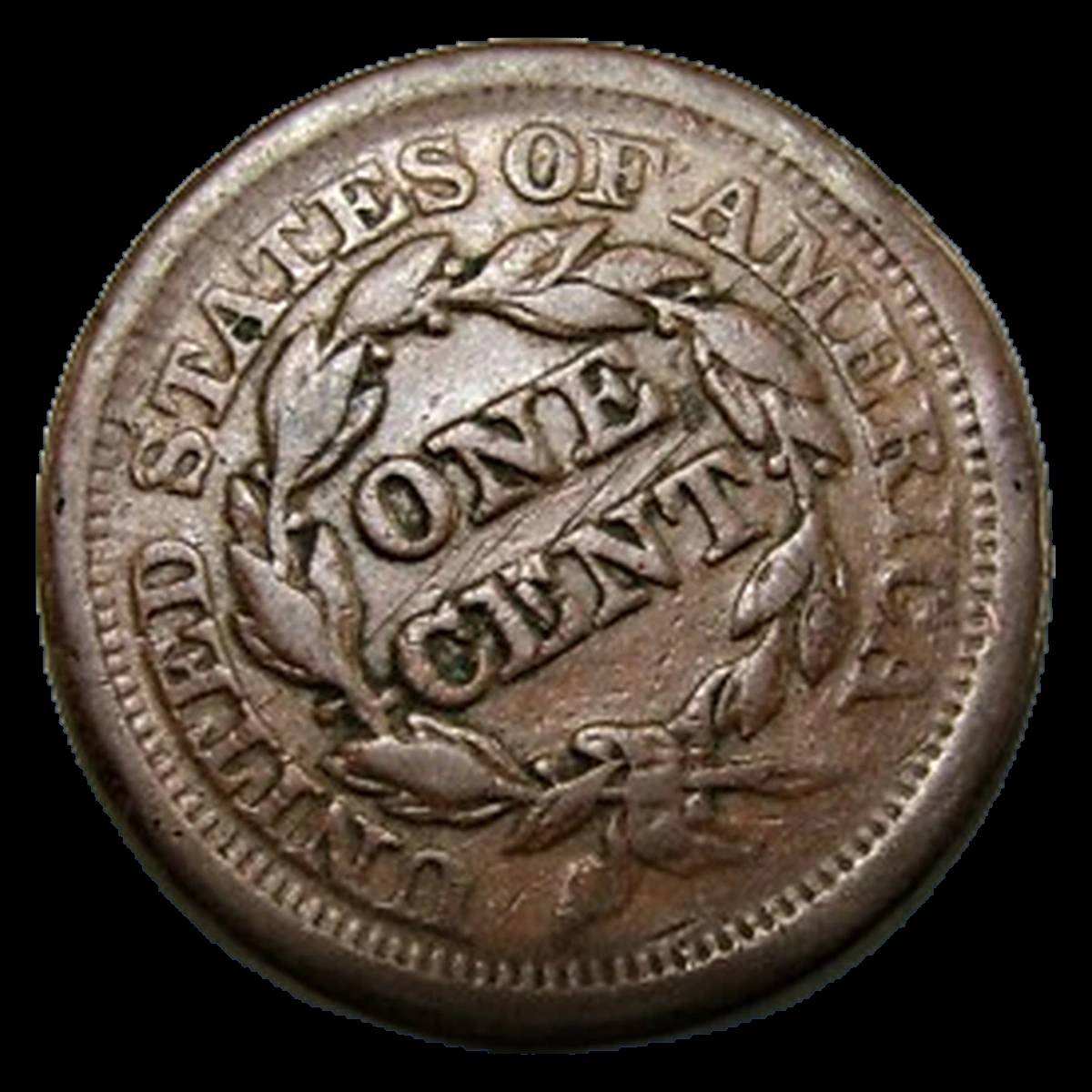
A copper layer that lifts or flakes away can expose an uneven patch beneath it. This happens when a weak area in the original metal separates, and collectors call it lamination.
An 1851 example is described as having lamination on the back and an AU55 grade, meaning light wear. Its description does not give an exact letter or leaf beside the patch.
How to Identify
Look along the edge of the patch for a thin layer or a peeling lip. Side lighting helps distinguish a layer from a dent with metal pushed up around it.
Do not lift a loose piece to see underneath. A small flake also need not change the weight enough for an ordinary scale to detect it.
What It’s Worth
$20–$1,500 is the estimated range for an 1851 cent with lamination. A small patch may add little, while the condition of the rest of the coin can account for much of its price.
For context, an 1855 large cent cataloged as MS62 with both lamination and a rim cud brought $460 before the buyer’s fee in January 2011. That combined-error result is not a sale record for the reported 1851 AU55 coin.
4. 1851 Penny Clipped Planchet Error
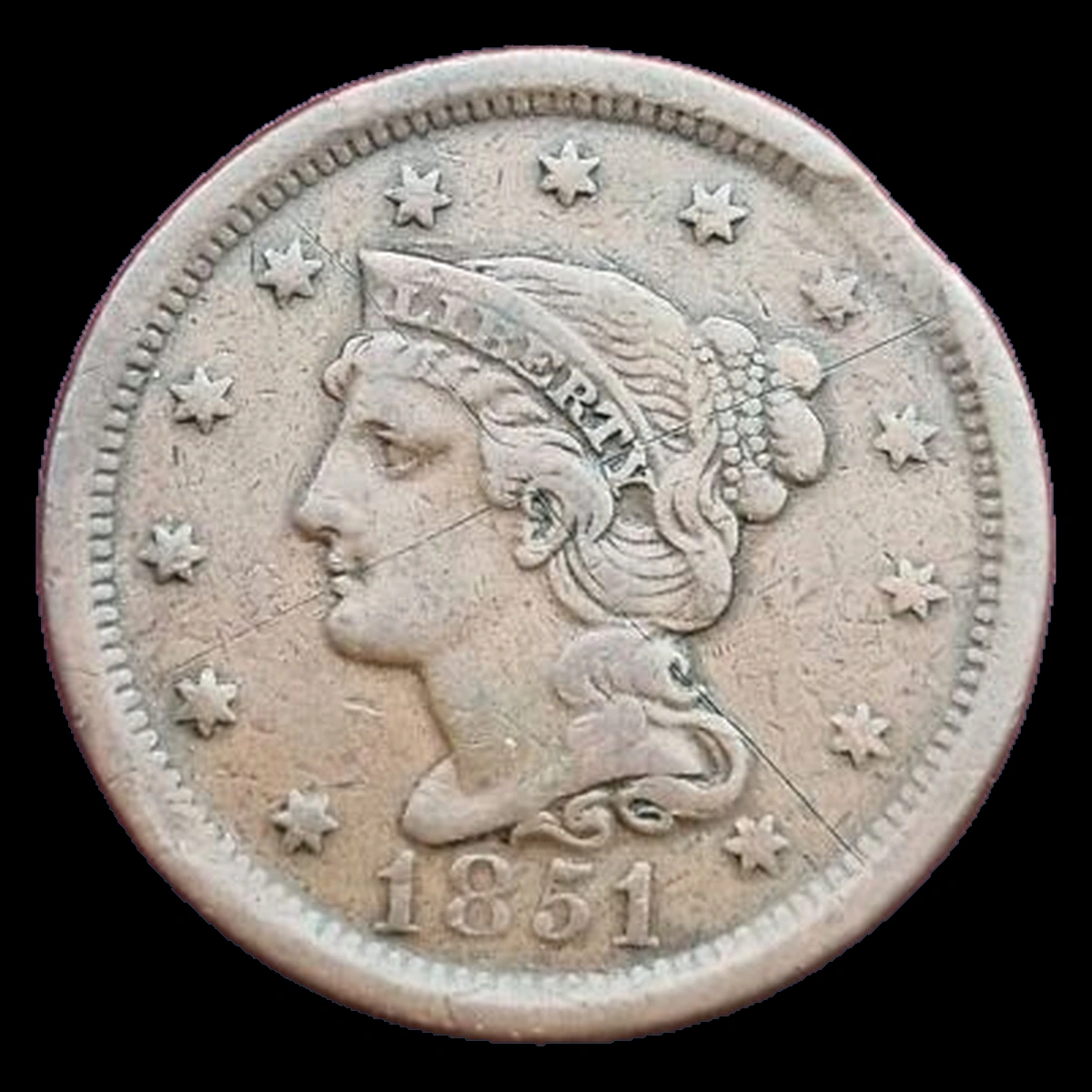
A planchet is the blank disc used to make a coin. If part of that disc was missing before the strike, the finished cent can have a gap in its edge and design formed around the opening.
A dealer inventory reports an 1851 clipped cent without specifying the gap’s shape or position. Those details need to come from the coin being examined.
How to Identify
Study where the struck rim approaches the gap. Gradual weakness can support an original clip, while saw marks cutting through finished details suggest later alteration.
A normal 1851 large cent weighs about 10.89 grams and measures 27.5 mm across, with a plain edge. Measure intact parts of a clipped coin’s outline; measuring across the missing section does not show its original diameter.
Lower weight supports missing metal but cannot establish when it disappeared. On a curved clip, also look for possible rim weakness across from the opening.
What It’s Worth
$40–$1,000 is an estimated range for a genuine 1851 clip. The opening, remaining surface quality, and strength of the identification affect the price.
An 1852 large cent with a clip, graded NGC MS63 Brown, sold for $384 in June 2024. It provides a same-series comparison, rather than a known sale price for the 1851 inventory coin.
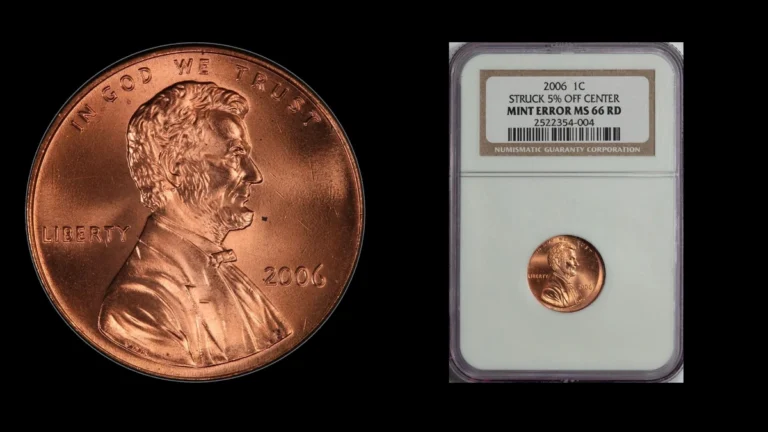
5. 1851 Penny Off-Center Strike Error
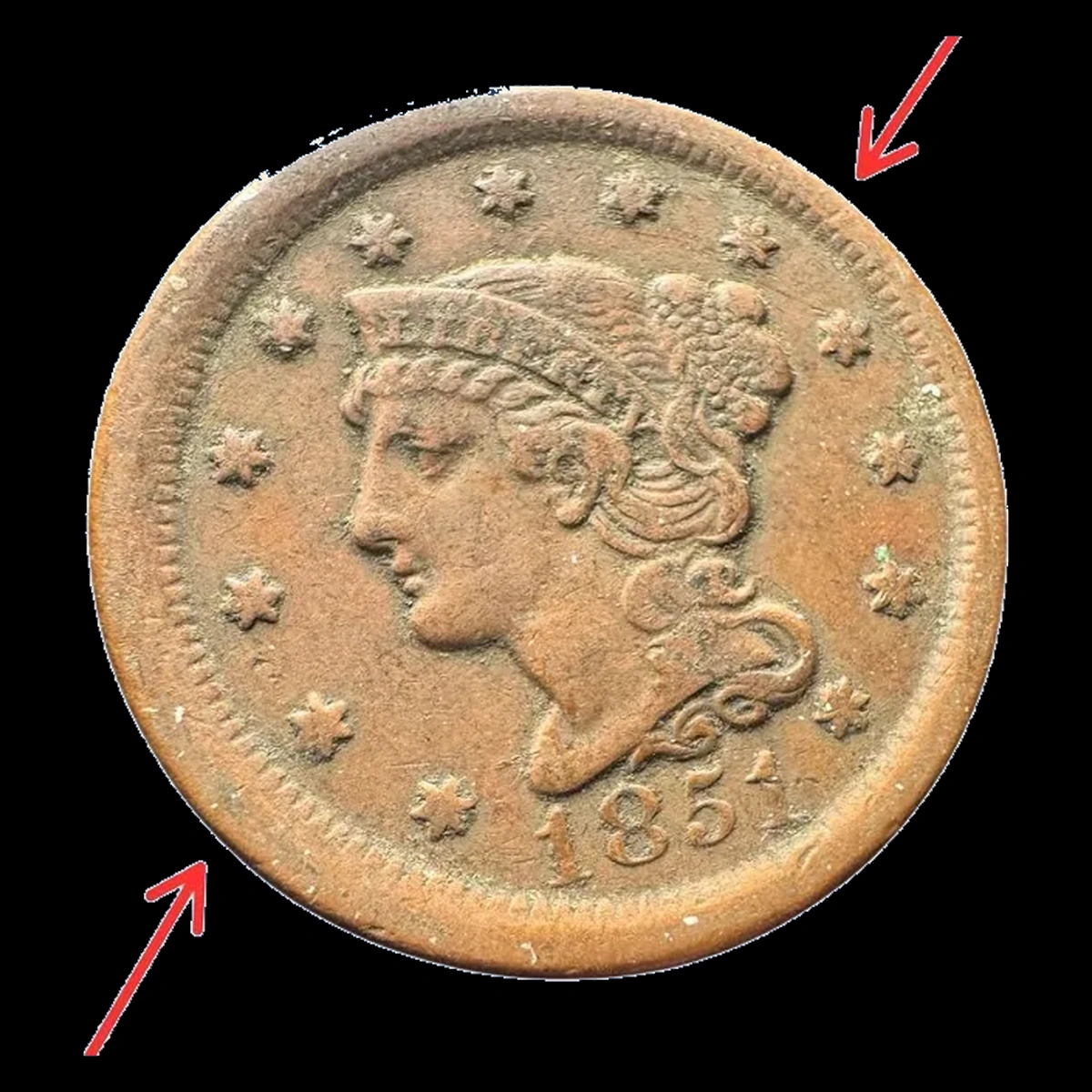
If the blank sits too far to one side in the press, part of the design misses it. The result can pair an empty crescent with letters or other details cut off on the opposite side.
A year guide reports an 1851 cent struck 35% off center and described as AU Details. That description indicates relatively little wear plus a condition problem, but the report does not name the problem or the grading service.
How to Identify
Check both faces for the shifted design, then make sure enough of the date remains to identify 1851. A wide margin alone is not sufficient if all the intended design still fits.
Inspect the blank area and outer edge for grinding or filing. For the reported 35% example, use its actual photograph to establish direction instead of assuming where the empty crescent lies.
What It’s Worth
$150–$5,000 is the estimated range for dated 1851 off-center cents. A readable date and appealing offset help, while surface problems can reduce the result.
An 1855 Upright 5s cent struck 70% off center sold for $1,092.50 in January 2009, graded PCGS Fine 15. Its date, amount of offset, and condition differ from the reported 1851 example.
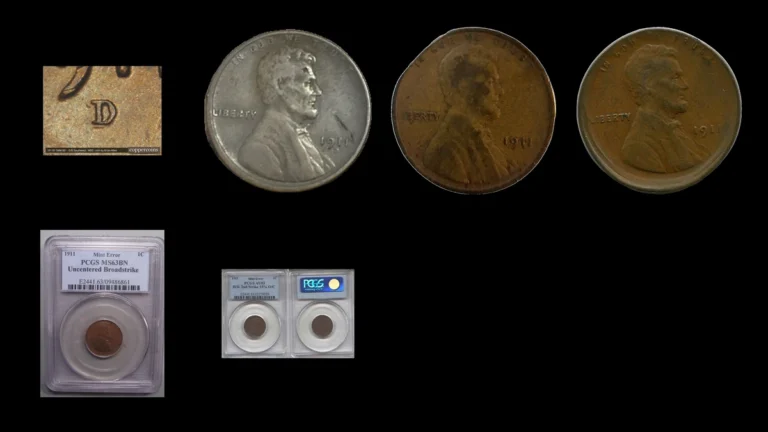
6. 1851 Penny Broadstrike Error
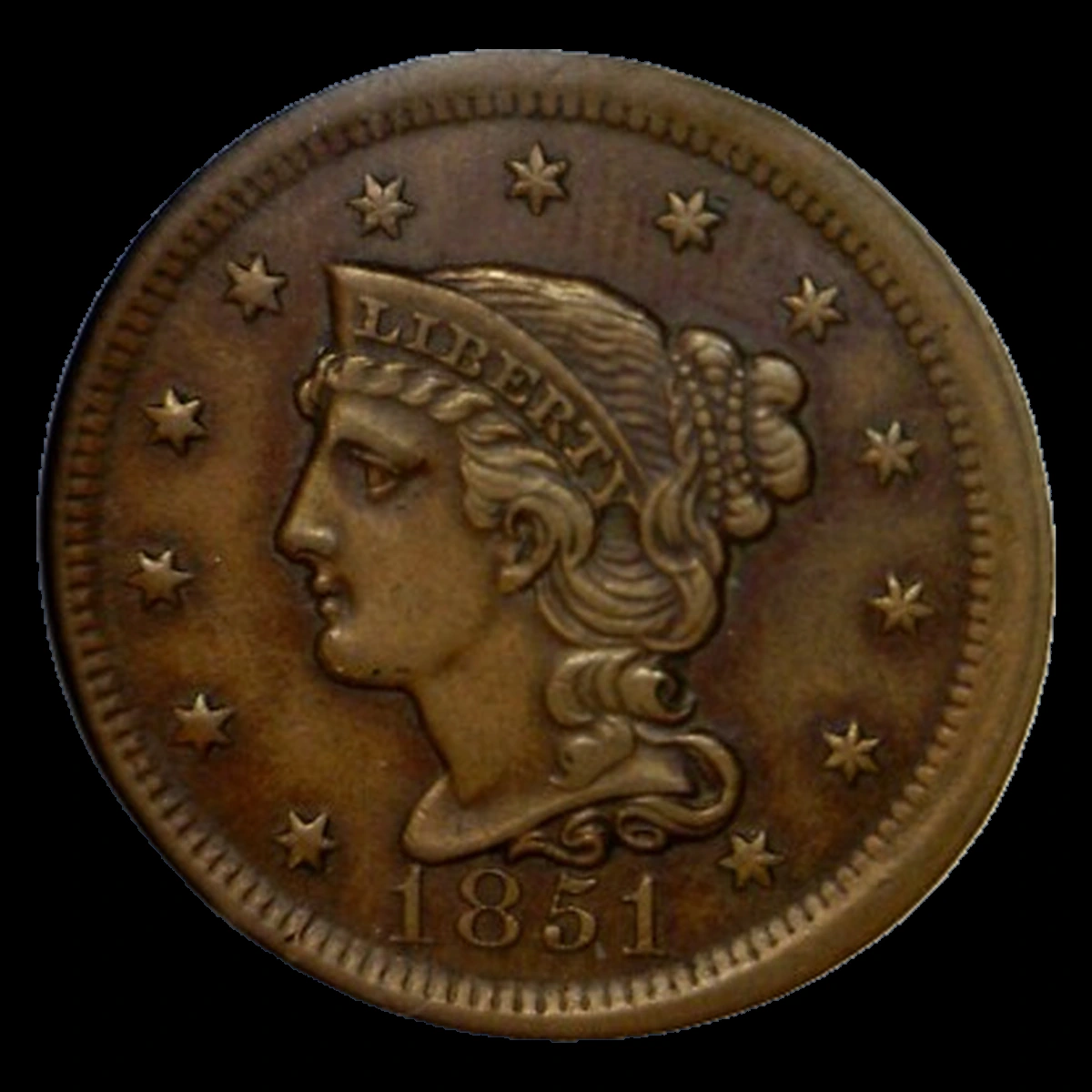
A broadstrike can look wider than a normal penny while still showing its complete design. The blank spread outward because it was not properly contained by the collar, the ring around it during striking.
An 1851 broadstrike is reported as unworn, without a certified numeric grade in the description. The expanded outline is the feature to examine first.
How to Identify
Follow the outer lettering on both sides to see whether the whole design remains on the coin. This helps separate a broadstrike from an off-center strike that loses part of the design.
Compare the width with the normal 27.5 mm, then inspect the portrait and wreath for crushing. Squeezing a finished coin can also widen it, but may flatten its raised details.
A stepped edge can indicate partial collar contact and needs separate assessment. It is not a required sign of a broadstrike.
What It’s Worth
$75–$2,000 is the estimated range across worn and attractive unworn 1851 broadstrikes. The reported unworn example has no individual sale price assigned here.
A nearly unworn 1893 Indian cent broadstrike sold for $414.80 in March 2026. That is a later, smaller bronze cent and offers only a general comparison for the same striking problem.
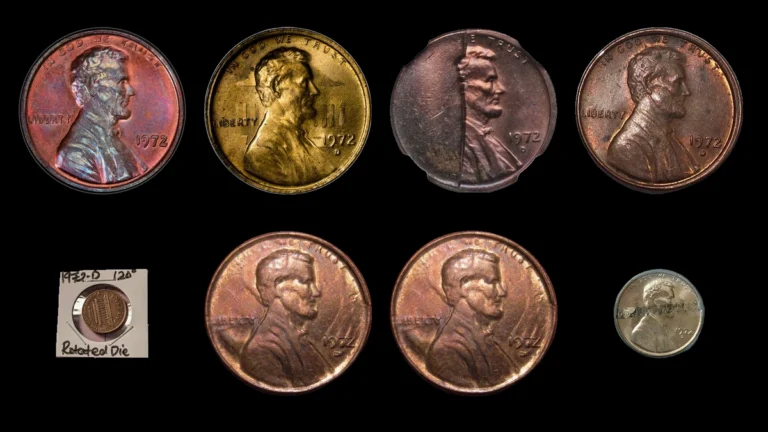
7. 1851 Penny Rotated Dies Error
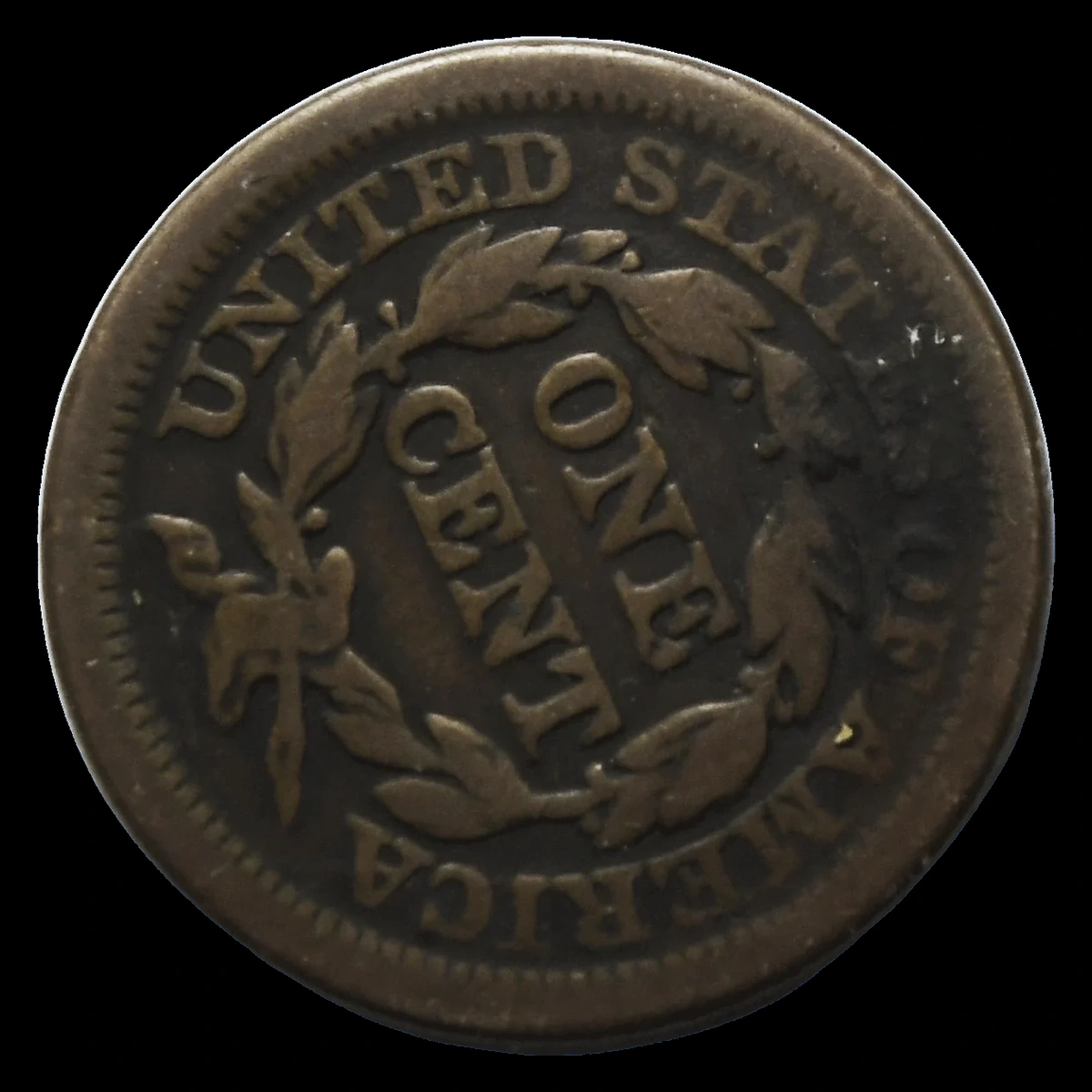
A coin can have a normal-looking portrait and wreath but still have an alignment error. One stamping die turned away from its intended position, leaving the back tilted relative to the front.
An ungraded 1851 cent has been offered with a reported 60-degree rotation. The listing does not establish the direction of the turn.
How to Identify
Hold Liberty upright, then flip the coin from top to bottom without turning it sideways. The back of a normally aligned United States coin should now be upright.
Repeat beside a vertical guide before estimating the angle. Two separate photos with each face straightened cannot prove the relationship between them; a continuous turning video is more useful.
What It’s Worth
$25–$500 is an estimated range for a demonstrated 1851 rotation of roughly this size, depending on condition and other features. A slight photographic lean does not qualify.
The seller’s page showed $39.99 for the circulated 60-degree example. A sold-out notice does not establish the final price paid.
Conclusion
Start with the date, then work out whether an unusual feature rises above the surface, removes metal, or changes the design’s position. Each answer leads to a different comparison.
The estimated $15–$6,000 span covers whole coins of very different quality. Keep clear photos of both faces and the relevant detail so a variety name or a dramatic edge does not take the place of evidence.