Rare 1876 Quarter Errors (List & Pictures)
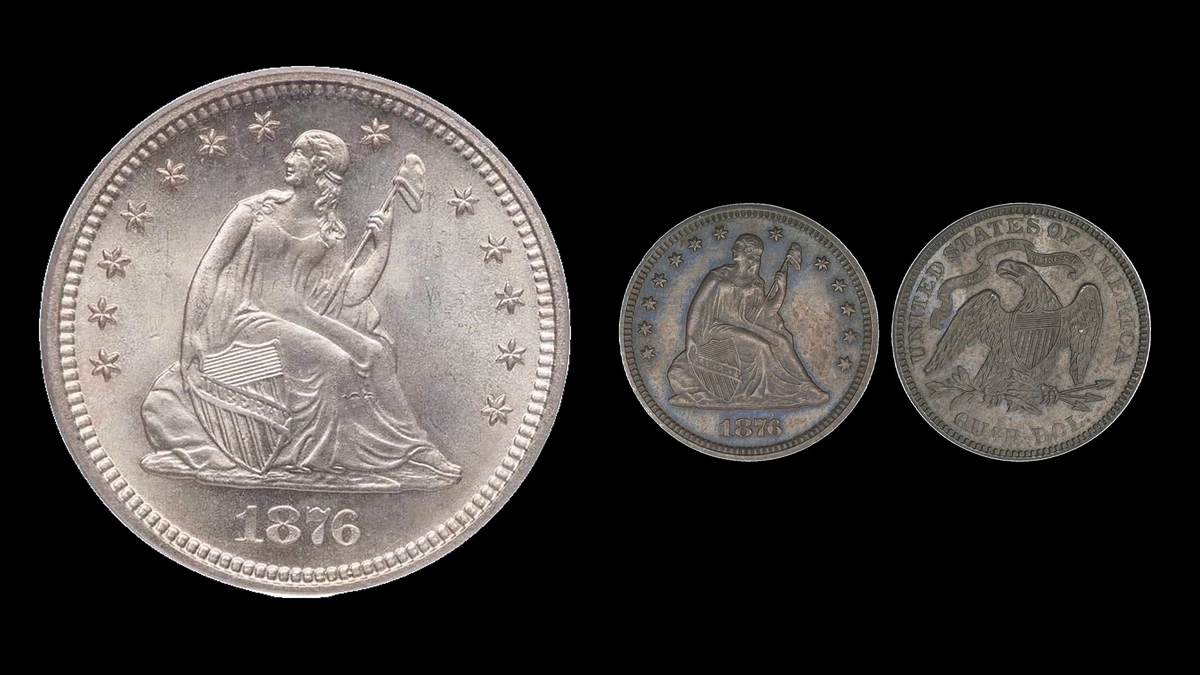
A missing piece, a displaced design, and an extra numeral lead to different kinds of 1876 quarter errors. Estimated whole-coin values range from $25–$5,000, with a documented 30% off-center quarter selling for $2,160 on December 21, 2022.
Inspect the outline first, then the date, mintmark, and finer design details; several unusual features can belong to one coin without carrying separate prices.
| Visible feature | What to examine | Estimated value |
|---|---|---|
| Curved gap | Missing metal and original edge | $75–$700 |
| Design shifted sideways | Date and missing stars | $500–$5,000 |
| Extra numeral strokes | Date and mint-specific pattern | $50–$2,000 |
| Extra C-shaped stroke | Reported mintmark repetition | $75–$1,200, if authenticated |
| Repeated front details | Cataloged doubled die | $100–$2,500 |
| Raised line | Crack path on the reverse | $25–$400 |
1. 1876 Quarter A Curved Bite from the Outline: Curved Clip Error
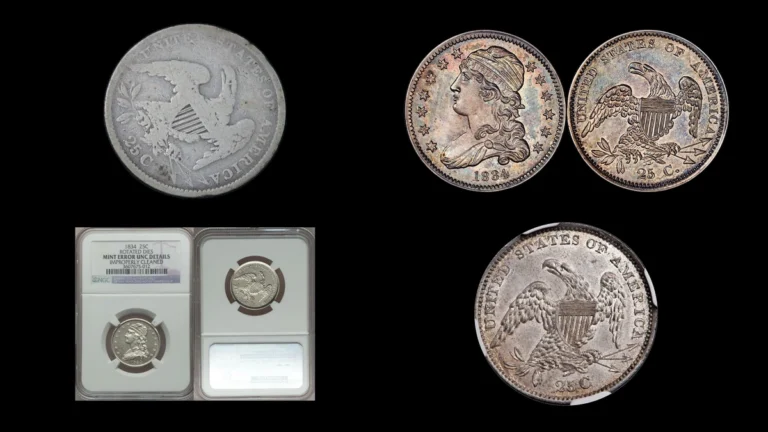
A genuine clip removes part of the metal blank before the design is struck. One recorded Philadelphia quarter has an inward curve near seven o’clock, giving a useful example of where the outline can be interrupted.
The blanking punch can overlap a hole left by an earlier cut in the metal strip. If the resulting incomplete disc reaches the press, the design and rim form around the missing section.
How to Identify
Inspect both ends of the gap for the way the struck rim approaches it. Nearby lettering may spread or weaken, and a weak rim on the opposite side can support a clip attribution without being essential in every case.
Later cutting may imitate the same curved outline but leave tool grooves through completed details. A bend or freshly worked surface also deserves attention before calling the missing silver a Mint error.
The normal weight is 6.25 grams, so missing metal should make a loose coin lighter, although circulation wear also reduces weight. Seven o’clock identifies the recorded example’s position; it is not a required location for every genuine clip.
What It’s Worth
$75–$700 is the supplied estimate for circulated examples with an authentic curved clip. The missing area’s size, a readable date, and the condition of the remaining surfaces all matter.
GreatCollections listed an NGC VF30 example in January 2025. VF30 indicates a circulated coin with substantial detail, but the supplied record does not disclose its realized price.
2. 1876 Quarter Stars Cut Off by the Edge: Off-Center Strike with Clash Marks Error
Count the stars on the front of the documented off-center quarter: the first five are absent, and only part of the sixth appears. Its blank was intact, but the strike landed about 30% off-center toward eight o’clock.
The same coin carries a crack near the reverse border and a clash mark below WE. Clashing occurs when the two dies meet without a blank and transfer traces of their designs onto each other.
How to Identify
Compare the full outlines of both faces before studying the small marks. The recorded coin retains its date while losing UNITED and much of STATES from the reverse.
Because the A in STATES is missing, this particular example cannot confidently be assigned to either normal reverse design. Do not fill that gap in the evidence by choosing whichever back looks closest.
A clip removes metal from the blank, whereas this off-center strike leaves an intact blank with part of the design outside its boundary. Keep the date and the unstruck area visible together in photographs.
To match the documented specimen, locate its reverse border crack from roughly three to six o’clock and the clash below WE. Those details identify accompanying features on the same coin.
What It’s Worth
$500–$5,000 is the supplied estimate for genuine dated quarters with comparable displacement. Greater visual impact and better surfaces can influence the result within that broad guide.
The 30% off-center example sold for $2,160 on December 21, 2022. NGC assigned XF Details with cleaning, meaning considerable design survived but the altered surface prevented a normal numerical grade.
The crack and clash are included in that one transaction. Their separate guide ranges must not be added to its sale price.
3. 1876 Quarter Extra Curves Among the Numerals: Repunched and Misplaced Dates Error
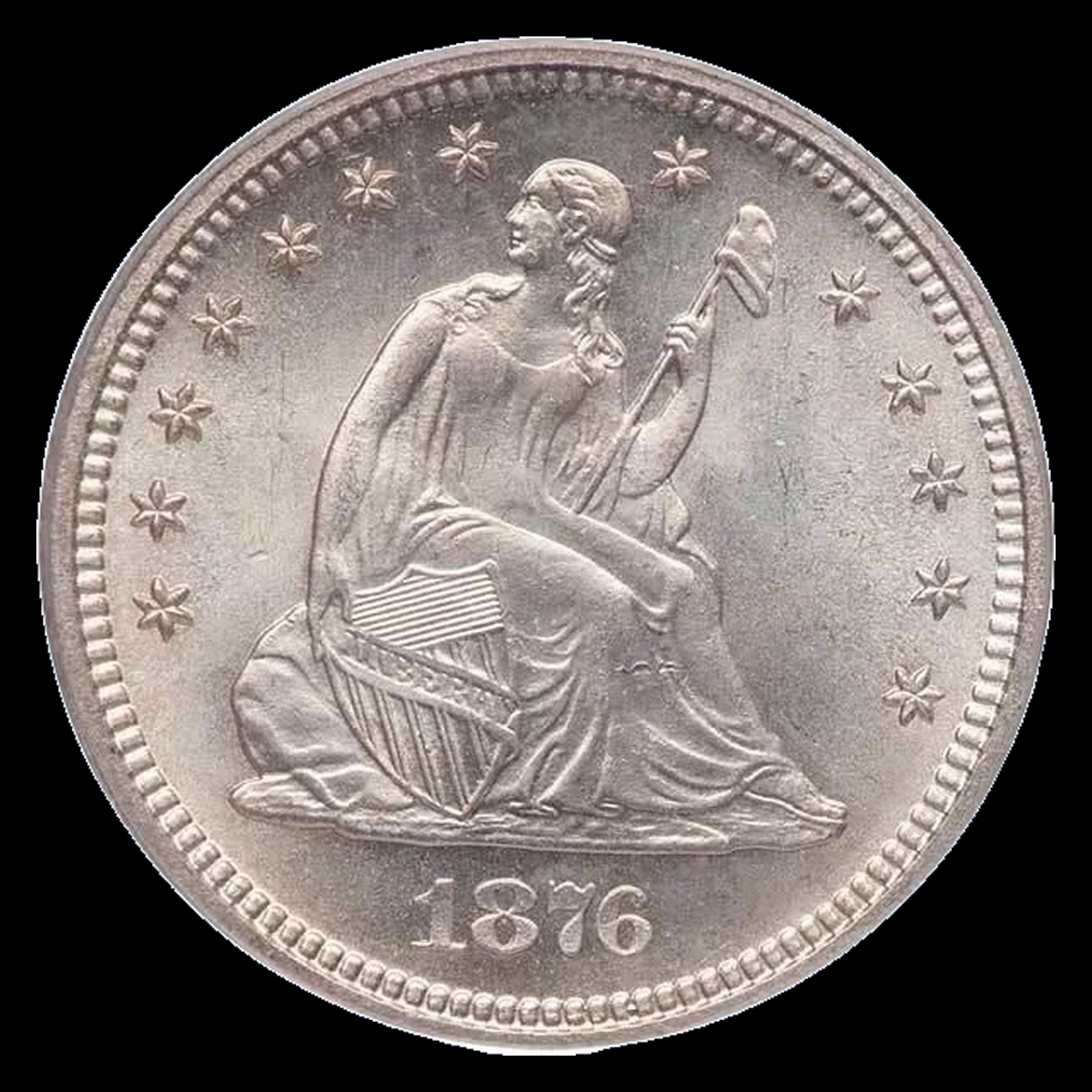
The date offers several distinct patterns on Philadelphia quarters: lower remnants at 76, a heavily repeated 6, and an extra 6 between the last two normal digits. These are separate patterns to match, not three features required on one coin.
A repunched date retains an earlier impression close to the intended date. A misplaced digit lies farther away because a date punch first landed in the wrong position in the die.
How to Identify
Locate the mintmark beneath the eagle before choosing a reference photograph. Philadelphia, Carson City, and San Francisco date varieties require their own comparisons.
Write down which numeral has the extra stroke and where that stroke sits. A lower curve beneath 76 should not be identified as the separate extra 6 between those digits.
Look for raised metal shaped like part of a numeral, then compare the normal digits’ spacing as well. Incuse scratches or worn edges can resemble fragments when viewed without the surrounding date.
Greg Johnson’s discussion of date-punch varieties covers these problems and related Carson City examples. San Francisco misplaced-date varieties are also cataloged, but their exact positions should not be inferred from a Philadelphia photograph.
What It’s Worth
$50–$2,000 is the supplied estimate for circulated through ordinary unworn date-punch varieties. These are total coin values, with mint and preservation contributing alongside the extra date detail.
A cataloged Carson City example has an MS62 grade, indicating an unworn coin with noticeable marks. That condition is a different comparison from a heavily circulated quarter whose extra numeral is nearly lost.
4. 1876 Quarter An Additional Stroke Beside CC: Reported Repunched Mintmark Error
CC is the normal two-letter mintmark for Carson City. A claim of repunching needs something beyond those two complete C letters: a recognizable remnant of an earlier punch impression.
If the mintmark punch moved between impressions in the die, part of its earlier placement could survive beside the final letters. The supplied 1876 report does not establish a specific direction or position for such a remnant.
How to Identify
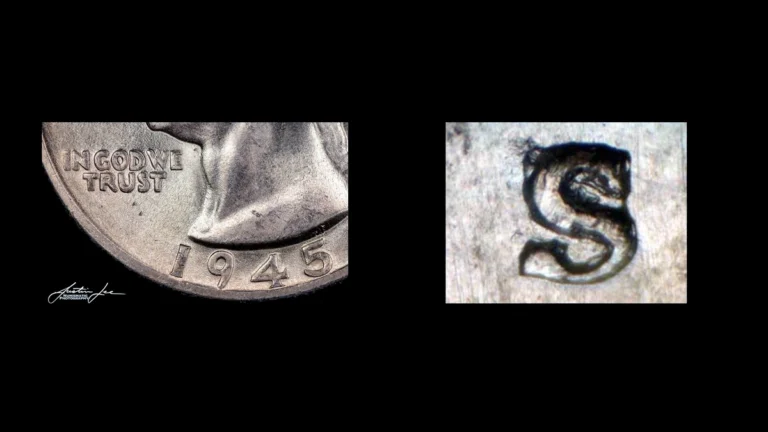
Read any variety label carefully before enlarging the mintmark. RPD means repunched date, while RPM means repunched mintmark; the familiar FS-301 date attribution does not prove a repeated CC.
Study each C with about 10× magnification and look for an actual curved letter fragment. A stain, thick border, scratch, or patch of flattened silver cannot establish the earlier impression by itself.
Require an authenticated 1876 quarter comparison showing the same claimed letter shape. Evidence confined to the date belongs with the date varieties, regardless of how a seller abbreviates it.
What It’s Worth
$75–$1,200 is the supplied conditional estimate if a repeated mintmark is independently authenticated. It covers circulated through ordinary lightly worn examples and includes the Carson City coin’s underlying value.
No confirmed mintmark-specific sale is supplied for this report. Cleaning, heavy wear, or uncertain extra strokes can make the proposed attribution less persuasive rather than establish a premium.
5. 1876 Quarter Repeated Details Around Liberty: Doubled Die Obverse Error
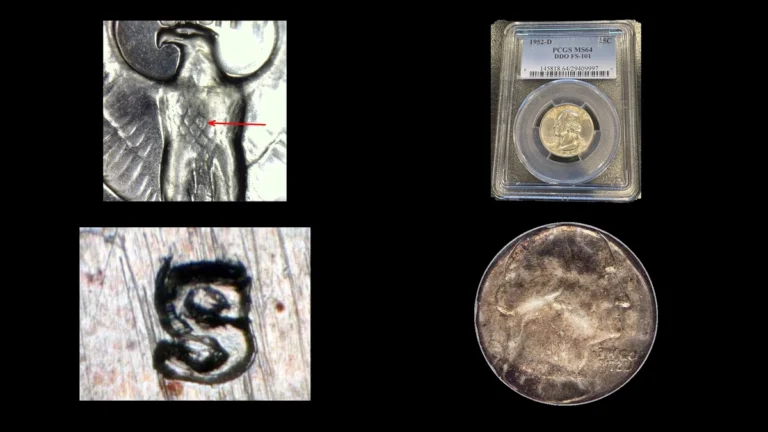
Catalogs recognize a doubled front die for the 1876-CC quarter. The obverse is the face with seated Liberty, and its repeated design comes from separated impressions during manufacture of the die itself.
This category concerns matching duplicated contours on the front design. Extra strokes produced by punching the date require a separate identification.
How to Identify
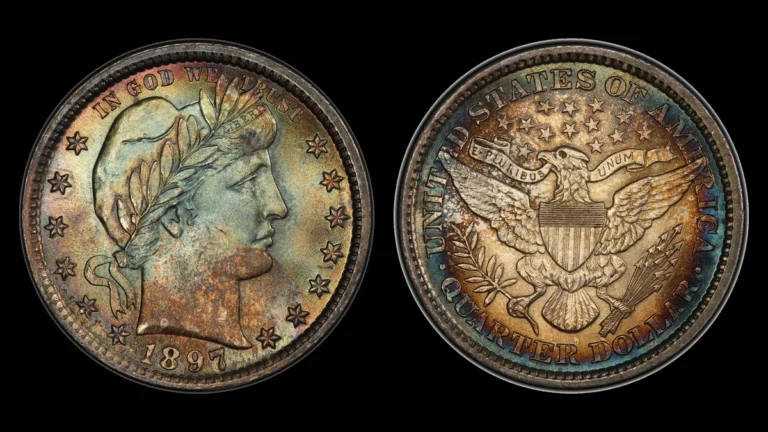
Use photographs of the cataloged 1876-CC quarter and compare several corresponding areas. An 1876 twenty-cent piece has a different design and its own varieties, so it is not a substitute reference.
Rounded repeated shapes are more useful evidence than a single wide letter or star. Flat ledges may result from movement during striking instead of a doubled die.
The supplied material does not establish precise diagnostic locations, so an attribution needs a verified variety match. Photograph the strongest suspected areas together with the whole coin.
A reflective Carson City quarter may be described as prooflike. That surface appearance does not make it a specially manufactured Proof or establish doubling.
What It’s Worth
$100–$2,500 is the supplied estimate for identified circulated through ordinary unworn examples. Compare coins of the same mint and similar condition before deciding how much the doubled design contributes.
Clear separation and attractive original surfaces improve the usefulness of a specimen for study. Polishing can damage those surfaces even if it makes the coin look brighter.
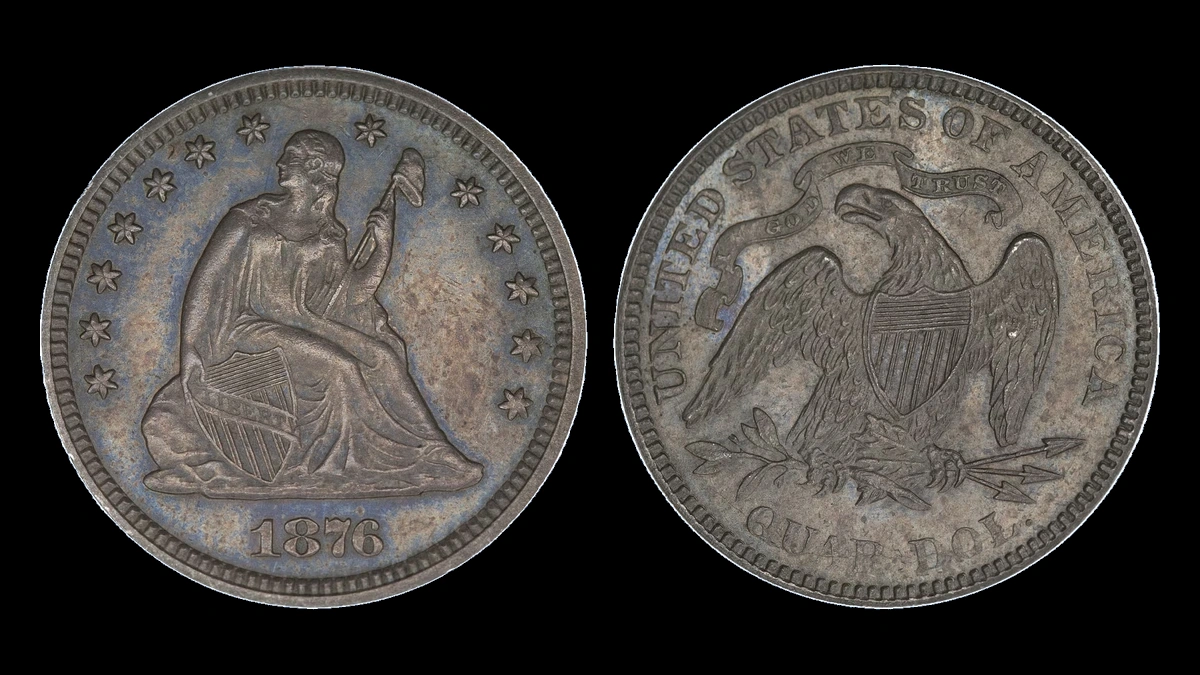
6. 1876 Quarter A Ridge Crossing the Reverse: Die Cracks Error
A narrow raised line through QUAR DOL is reported on a Philadelphia quarter. It should be distinguished from the reverse border crack on the off-center specimen discussed above.
A crack opens in the steel die, allowing coin metal to enter the opening during a strike. The resulting ridge is on the coin’s surface; the coin itself need not be split.
How to Identify
Use low side lighting to determine whether the line rises above the silver or cuts into it. A scratch can push up small edges beside its groove, so inspect the center of the mark too.
Trace the entire route across the letters and compare both endpoints with a documented example. A line joining the denomination is not automatically the three-to-six-o’clock border crack on the off-center coin.
What It’s Worth
$25–$400 is the supplied whole-coin estimate for ordinary circulated Philadelphia examples. A thin or hard-to-see crack may contribute little beyond the quarter’s normal value.
The $2,160 off-center sale also includes a crack, but its dramatic displaced strike dominates the comparison. That transaction does not establish a four-figure value for a small crack alone.
Conclusion
Identify the visible feature before attaching a variety name to an 1876 quarter. An intact blank with a displaced design calls for different evidence from a clipped blank, an extra date curve, or a repeated mintmark.
Match references to the correct mint and denomination, and leave reported claims conditional until their diagnostics are established. When a coin combines a strike error, crack, and clash, evaluate its condition and appeal as one complete object.