Rare 1935 Dollar Errors (List & Pictures)
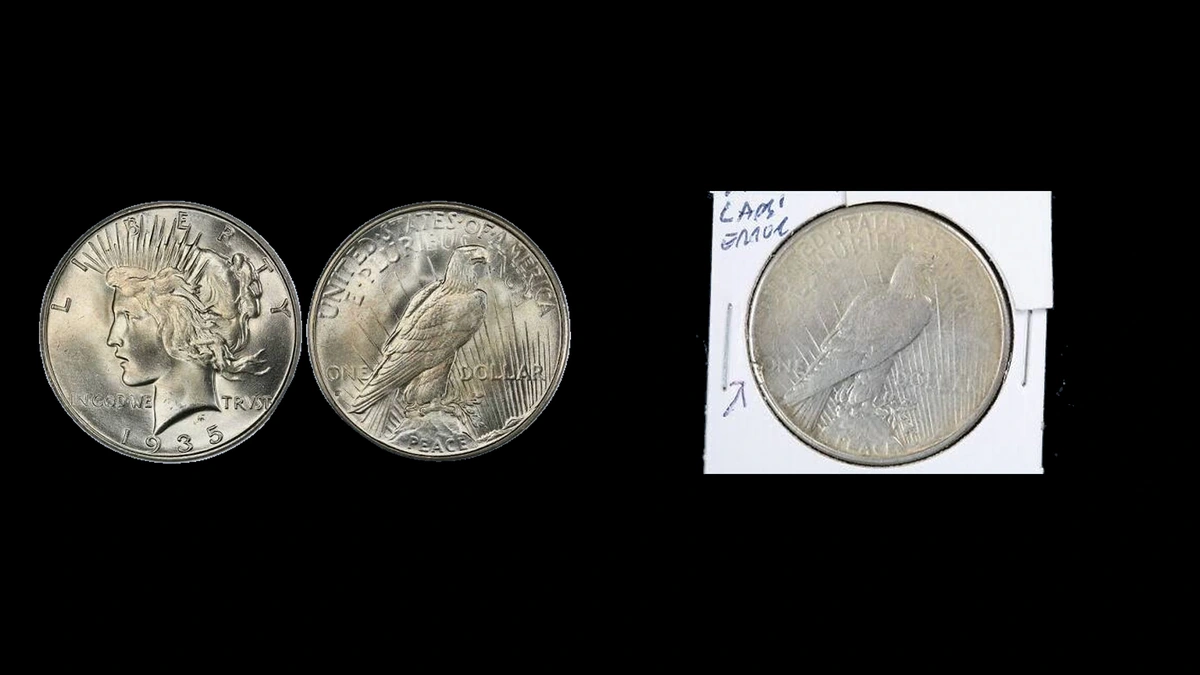
Estimated values for 1935 Peace dollar errors range from $75–$35,000, with large striking mistakes far above most minor surface flaws. The highest supplied transaction is $32,200 for a 1922-S dollar struck 15% off-center at the 2003 ANA auction, a different-year comparison.
Inspect the reverse for the named doubled-die variety, then distinguish raised die damage, separating metal, and changes to the original outline.
| Observation | Possible identification | Estimated value |
|---|---|---|
| Repeated reverse contours | 1935-S VAM-4 | $150–$5,000 |
| Raised line or rim blob | Die crack or cud | $100–$2,000 |
| Thin peeling metal | Lamination | $75–$850 |
| Missing edge section | Clipped blank | $150–$1,500 |
| Full design on widened metal | Broadstrike | $2,500–$10,000 |
| Lost design beside blank crescent | Off-center strike | $3,000–$35,000 |
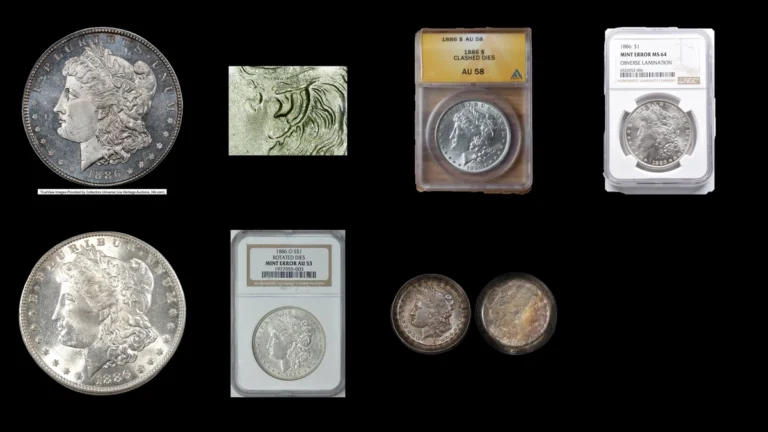
1. 1935 Dollar Repeated Details Around the Eagle and Branch: Doubled Reverse Error
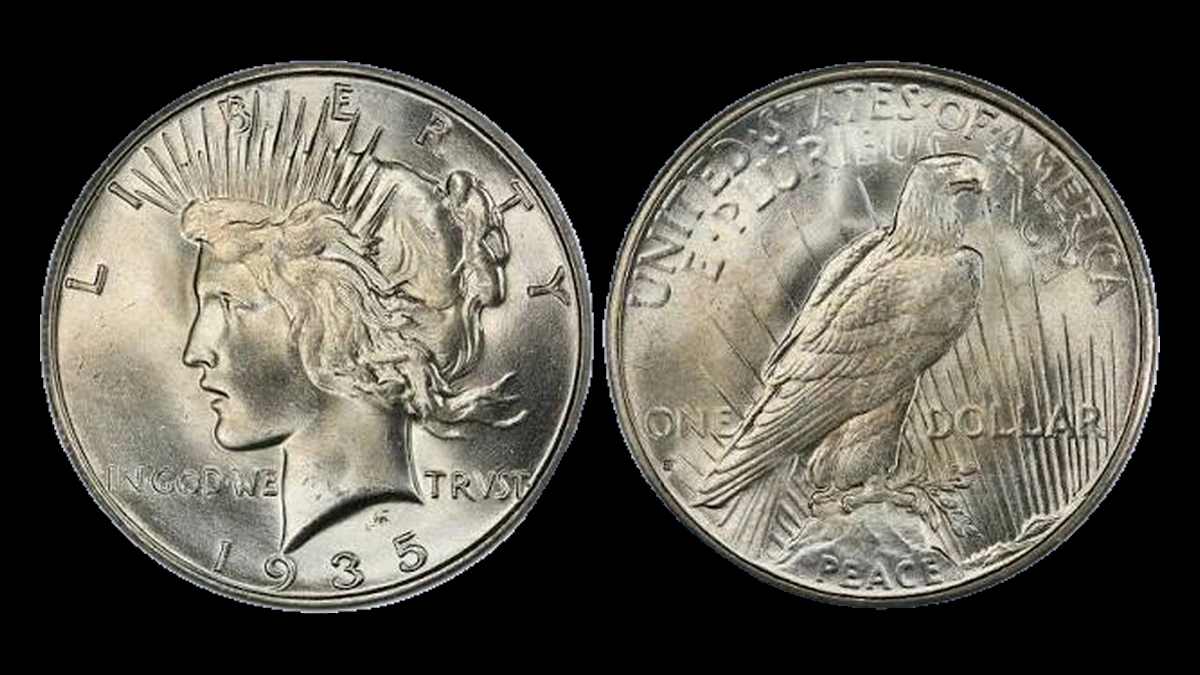
VAM-4 identifies a particular doubled reverse on the 1935-S Peace dollar. Its extra raised contours belong to the die, the steel stamping tool, and can recur on coins struck from that tool.
PCGS includes the variety among the Top 50 Peace dollar varieties. The name requires a match to the particular pattern rather than a general impression of thick lettering.
How to Identify
Locate the reverse S before opening a VAM-4 comparison. A Philadelphia dollar without a mintmark cannot acquire this San Francisco attribution from one apparently doubled letter.
Compare the lower eagle area, branch, and adjoining lettering with a confirmed VAM-4 under magnification. Match several raised contours in their actual positions.
Move the light to separate fixed metal detail from reflections that shift across the surface. Flat shelves from movement during striking also need to be distinguished from the repeated die pattern.
What It’s Worth
$150–$5,000 is the supplied estimate for identified VAM-4 examples from circulated through well-preserved unworn condition. Wear can obscure the small features needed for a secure attribution.
PCGS records an MS66 VAM-4 at $4,200 in December 2016. Much of that whole-coin result reflects the high preservation of the 1935-S dollar, rather than a fixed doubling premium.
2. 1935 Dollar A Raised Line or Blob Joined to the Rim: Die Cracks and Cuds Error
A crack in a die can admit metal during striking and leave a ridge on the coin. If a piece of the tool breaks away at its edge, the missing design can be replaced by a raised rim-connected blob called a cud.
For a proposed 1935 example, the actual position and extent must come from the coin. The supplied material does not establish a named cud with a fixed diagnostic location.
How to Identify
Use angled light to check whether a line rises above the surface. A scratch commonly has an incuse center with pushed-up sides, so the presence of a small raised edge alone is not enough.
Trace a suspected blob all the way to the rim. An isolated interior lump does not become a cud simply because it is large.
Inspect the outside edge for a hit that pushed ordinary rim metal inward and compare the opposite face for squeezing damage. A useful photograph includes the raised area, its rim connection, and the design it replaced.
What It’s Worth
$100–$2,000 is the supplied whole-coin estimate for confirmed cracks or rim cuds. Small lines may contribute little beyond the dollar’s usual date-and-condition value.
The higher portion assumes a substantial original rim-connected break with clear design loss. It is conditional guidance, not a supplied auction result for a named 1935 cud.
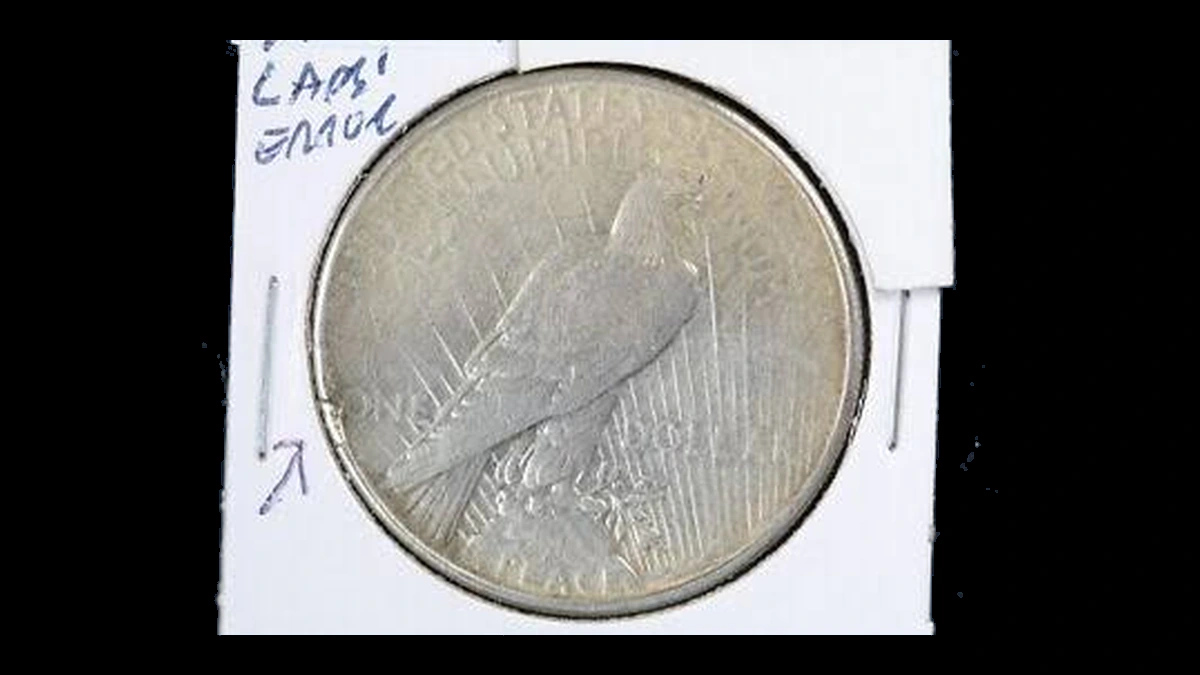
3. 1935 Dollar A Flap or Shallow Loss in the Surface: Lamination Error
A weakness within the silver-copper alloy can let a thin piece peel away or remain partly attached. This lamination interrupts the metal locally instead of necessarily splitting the coin through its full thickness.
Examine Liberty and the nearby field for a layered boundary, while allowing the affected area to vary by specimen. A deep gouge or an entire through-thickness separation requires a different assessment from a small surface peel.
How to Identify
Leave attached metal in place and follow its boundary with side lighting. Look for a thin separation continuing into the alloy rather than metal pushed aside by a cutting tool.
Compare nearby portrait detail with the interrupted patch. General wear smooths high points more broadly, whereas a lamination can occur beside relatively clear struck detail.
The coin is not modern clad metal with a copper-colored core. If the separation reaches the rim, photograph that edge without bending or prying the coin.
What It’s Worth
$75–$850 is the supplied estimate for genuine surface lamination on a 1935 Peace dollar. Mint, wear, and original surfaces still contribute substantially to the total.
A 1923 Peace dollar with front lamination in NGC MS64 sold for $84 in March 2024. That different-year example shows that a real metal flaw can carry a modest whole-coin price rather than an automatic large premium.
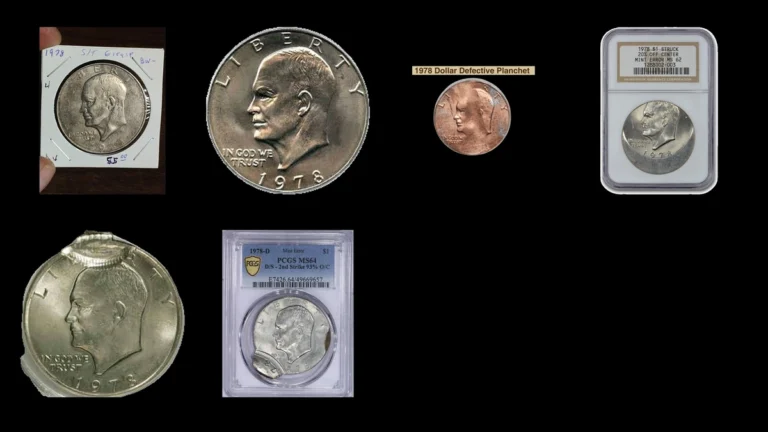
4. 1935 Dollar A Missing Portion of the Original Disc: Clipped Blank Error
A blank punched from an incomplete section of strip can reach the press with part of its edge already absent. Overlapping an earlier blank hole can create a curved gap, while a strip boundary can leave another shape.
The remaining metal receives the design afterward. That sequence must be demonstrated because cutting a finished dollar can produce a similar outline.
How to Identify
Inspect the lettering nearest the gap for stretching or weakness from metal flowing toward the missing section. Then examine the gap’s inner wall for cutting lines, burrs, or filing.
Old damage can darken to match the surrounding coin, so uniform color does not establish an original clip. Weakness at the opposite rim can support the identification without replacing the edge examination.
A complete Peace dollar normally weighs 26.73 grams. Reduced weight on a loose candidate supports missing metal but cannot determine whether that loss occurred before or after striking.
What It’s Worth
$150–$1,500 is the supplied estimate for genuine clipped 1935 Peace dollars. Compare the missing-metal size and condition with similar silver-dollar examples.
A dramatic gap with naturally formed struck borders differs from a shallow notch on a worn coin. The supplied estimate includes the underlying dollar and does not apply to a sawed or filed gap.
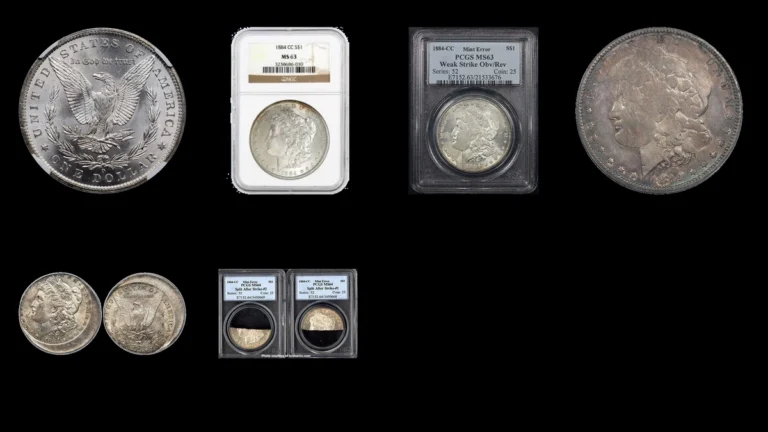
5. 1935 Dollar Complete Designs on an Expanded Disc: Broadstrike Error
A broadstrike occurs when the collar fails to contain the blank’s outward spread. Both complete designs remain on the widened metal, even if the expanded border is uneven.
The edge may lack grooves normally formed by the collar, but smoothness alone is insufficient. Grinding and flattening can also change a finished dollar’s shape.
How to Identify
Check that LIBERTY, the date, and the reverse inscriptions all remain on the disc. If part of the intended design misses the metal, consider an off-center strike instead.
A loose normal Peace dollar measures about 38.1 millimeters across. Measure in several directions because uncontrolled expansion need not be even.
Assess the widened edge together with the faces for natural spreading rather than grinding or flattened lettering. Weight near 26.73 grams supports an intact blank, but a normal dollar flattened later can retain its weight too.
What It’s Worth
$2,500–$10,000 is the supplied estimate for an authenticated 1935 broadstrike. It concerns a scarce major error type rather than a routine premium for a smooth edge.
A 1921 broadstrike in NGC AU58 sold for $7,762.50 in January 2009. That issue has a different raised design profile, making the record a qualified different-year comparison.
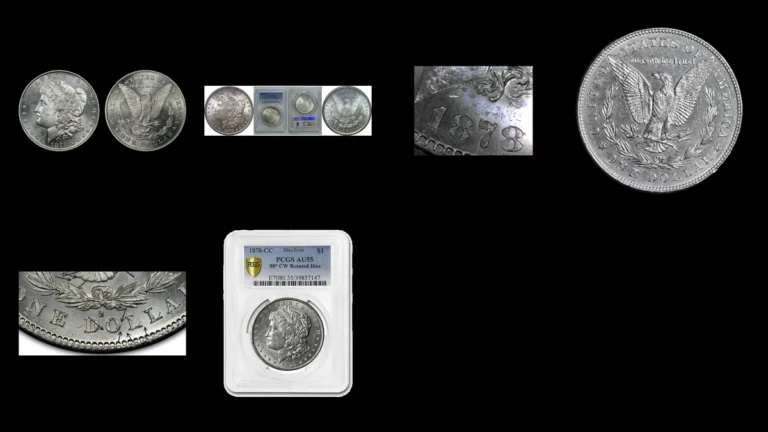
6. 1935 Dollar An Untouched Crescent Opposite Missing Design: Off-Center Strike Error
A blank placed away from the striking center can receive only part of the intended picture. The opposite portion remains unstruck, while both faces show the effect of the same misplaced disc.
The date must establish 1935 independently of the error’s appearance. A Peace dollar whose date is lost cannot be assigned to the year from its general design.
How to Identify
Read the surviving date, then track the unstruck crescent while turning the coin over. Both designs should agree with its position relative to the original metal.
A one-sided uneven border may indicate a shifted die instead. A broadstrike can be uneven too, but retains the entire design.
Inspect where blank metal meets struck detail for filing, attached extensions, or flattening. Edge grooves can assist comparison, although struck and unstruck sections need not have identical appearances.
What It’s Worth
$3,000–$35,000 is the supplied estimate for authenticated off-center 1935 dollars, depending on the surviving date, displacement, and condition. It is guidance for a major striking error.
A 1922-S Peace dollar struck 15% off-center in PCGS MS65 brought $32,200 at the 2003 ANA auction. That exceptional different-year result does not establish a routine price for a slight offset or one-sided die misalignment.
Conclusion
The useful question on a 1935 Peace dollar is what physical change explains the feature. Repeated contours require a die-variety match, raised blobs need a genuine broken-tool explanation, and missing or expanded metal needs original boundary evidence.
Keep the 1935-S VAM-4 attribution tied to its mint and pattern, and major-strike comparisons tied to their actual years and grades. Preserve loose flakes and original surfaces while assessing the complete coin’s condition and identity.