Rare 2013 Sacagawea Dollar Errors (List & Pictures)
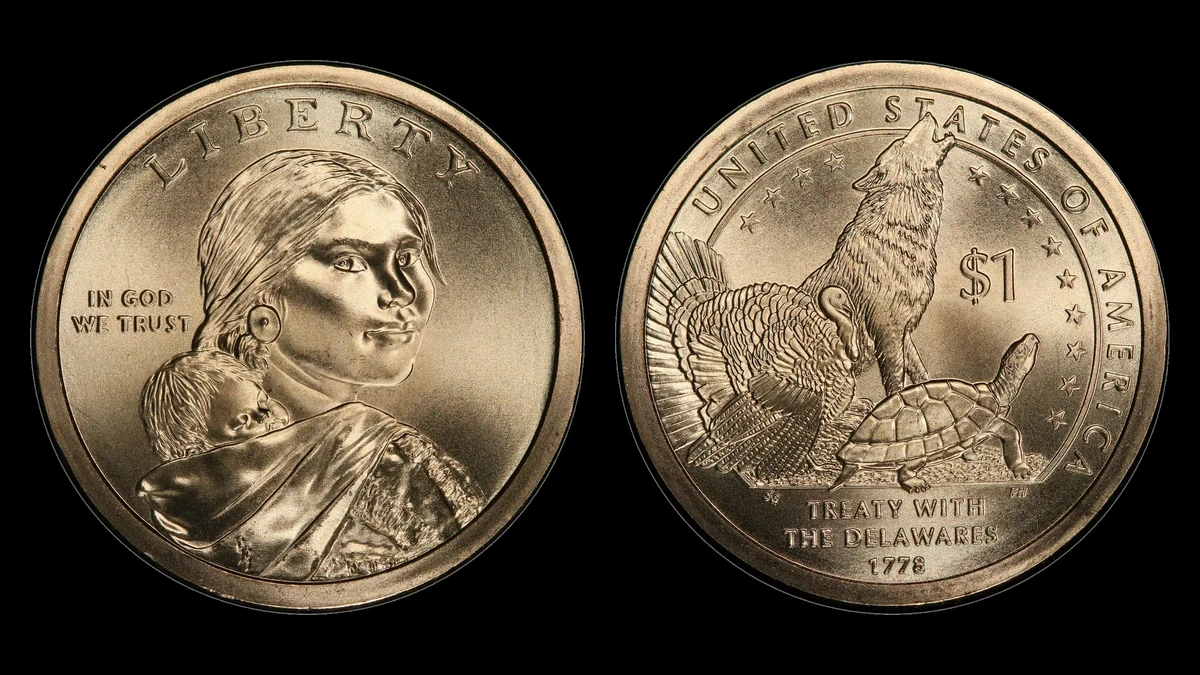
For 2013 Sacagawea dollar errors, the narrow edge deserves a closer look than either face. Weak or repeated inscriptions give these two groups a working range of $25–$750, with a documented overlapping-letter example selling for $315 in November 2019.
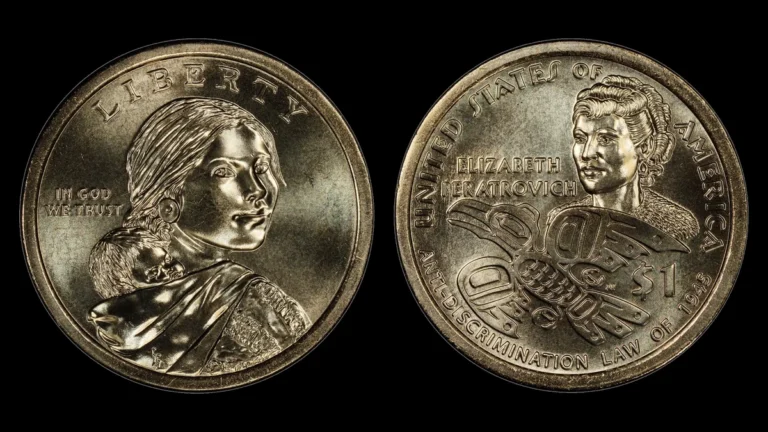
The wolf, turkey, and turtle identify the Delaware Treaty design. Read the edge for the coin’s date: 1778 on the back is the treaty year, not a wrong-date error.
2013 Dollar Shallow Words around the Edge: Weak Edge Lettering Error
Some letters may look faint while nearby strokes remain much deeper. Ordinary dollars receive their edge inscriptions in a separate operation, so poor contact there can leave both flat faces looking normal.
PCGS recognizes a 2013-P weak-edge variety in Position A. The position describes which way the inscription faces; it is not an error on its own.
How to Identify
Stand the dollar beside an ordinary example and use the same light on both edges. Slowly turn each coin, because glare can hide a shallow groove that becomes obvious from another angle.
Follow complete words instead of judging one blank-looking spot. A transition from deep strokes to shallow strokes provides more useful evidence than a single letter that is hard to see.
Check the surface beside the weak areas for polishing, rubbing, or rounding from wear. A worn-down edge has lost metal after minting, unlike one that received a weak original inscription.
Include the readable 2013 date and P in your inspection. They connect the feature to this issue rather than to another golden dollar with similar edge words.
What It’s Worth
$25–$300 is the comparison range for confirmed weak edge lettering. Ordinary differences in depth do not automatically add value.
For context, the supplied PCGS guide figures for 2012-P weak-edge dollars run about $40–$285 across several unworn grades. Those figures concern a different date and are guide values, not a 2013 auction record.
A clean, original edge with a clear change in depth is easier to collect and display. Heavy wear that obscures how the letters formed makes the comparison less useful.
2013 Dollar Two Runs of Words: Overlapping Edge Lettering Error
Crowded words may hide a second complete inscription. A dollar that passes through the edge-lettering operation twice can receive another run of letters over or beside the first.
In the overlapping type, both inscriptions run in the same direction. Position A and Position B describe their orientation relative to the faces, rather than two separate kinds of doubling.
How to Identify
Pick an easy word and trace its letters in order. Then find the offset copy and follow that run without jumping between the two.
The date and stars can help you keep track of the spacing. Random edge dents will not continue as a second readable inscription.
Flipping a normal dollar can make its single inscription look upside down; that does not create another set of words. Actual overlapping lettering needs two distinct runs.
Take a sequence of edge views with a little overlap between photographs. Include the Delaware Treaty reverse and the readable P so the coin’s identity stays attached to the lettering evidence.
What It’s Worth
$75–$750 covers identified overlapping-edge examples. Clear repetition and well-preserved surfaces support stronger prices.
A 2013-P Position B dollar graded PCGS MS66 sold for $315 in November 2019. MS66 describes an unworn coin with relatively few marks.
The supplied PCGS price guide also lists $350 for an unworn Position B overlap example. That is a guide figure, and the price applies to the whole coin rather than to each repeated word.
Conclusion
One shallow inscription and two overlapping inscriptions need different evidence. Compare letter depth for the first, and follow two complete runs of words for the second.
Keep the edge untouched while making those checks. The historical 1778 date and normal inscription direction are part of the design and production process, so neither alone identifies a valuable error.