Rare 1831 Penny Errors (List & Pictures)
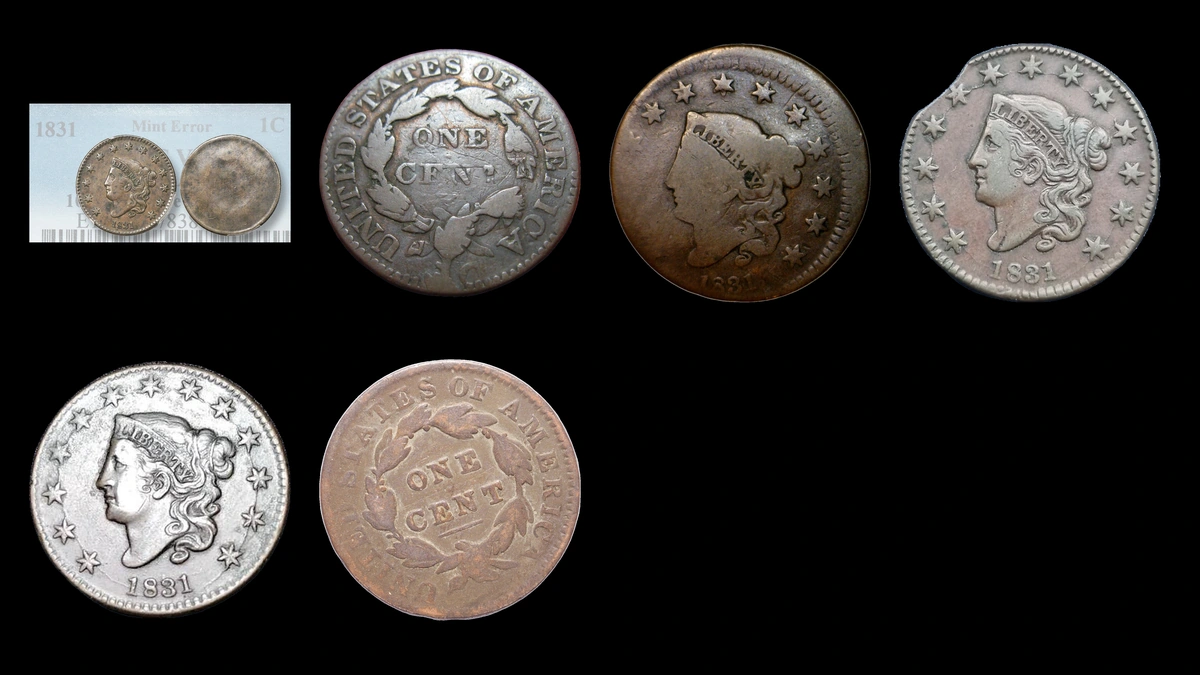
A reverse without design and a reverse carrying sunken mirror-image detail are different minting outcomes. That distinction is especially useful when examining 1831 penny errors, estimated at $25–$20,000.
A same-year rim-cud cent sold for $2,340 in 2020; the highest supplied completed comparison is $16,200 for an 1811 double strike. Begin with the kind of design that survives, then inspect surface defects, rim features, and alignment.
| What survives | Possible error | Estimated range |
|---|---|---|
| Front design and a blank reverse | Uniface strike | $500–$4,000 |
| Sunken mirror-image detail | Partial brockage | $150–$3,000 |
| Two overlapping designs | Double strike | $500–$20,000 |
| One displaced image and unused copper | Off-center strike | $400–$6,000 |
| Small surface or edge defects | Struck-through, lamination, clip, or die damage | $30–$3,000 |
| Faint transferred trace or mild tilt | Clash or rotation | $25–$2,000 |
1. 1831 Penny The Entire Reverse Lacks Its Design: Uniface Strike Error
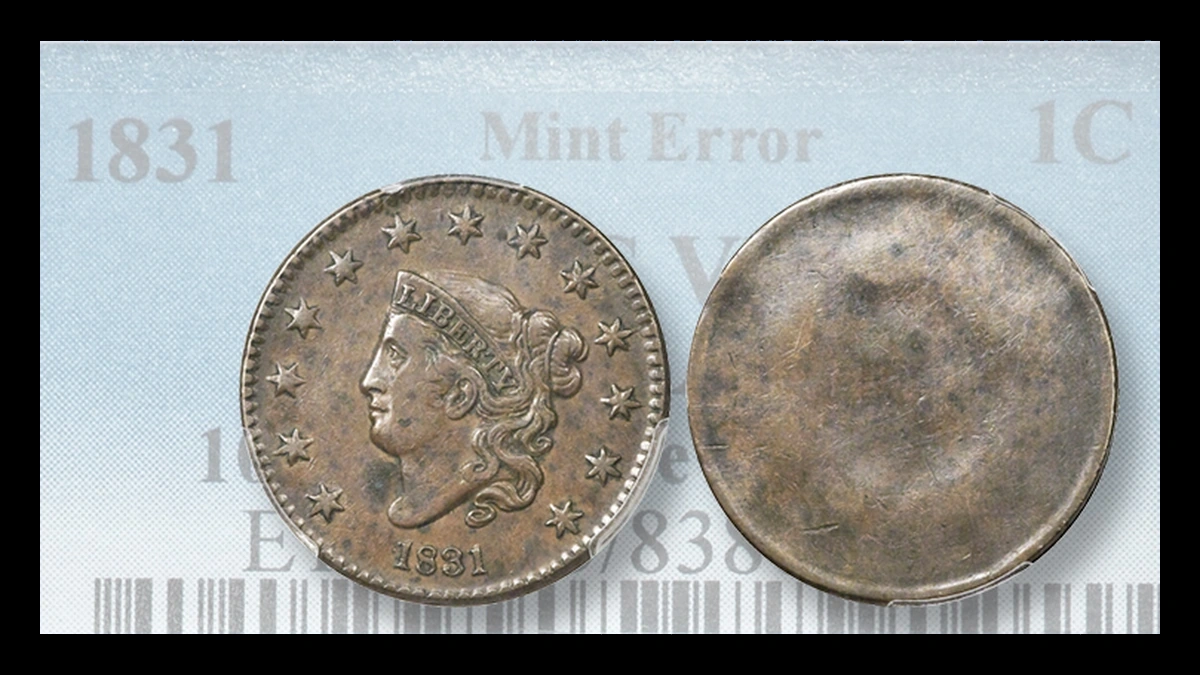
The documented PCGS VF35 one-sided cent has a readable dated front and a blank reverse. With two blanks stacked during striking, only the outer exposed face of each can receive the die’s design.
How to Identify
Inspect the blank side for its original surface and border, since grinding can remove a normal reverse while altering thickness and leaving polishing lines. Check the edge for a join or other alteration as well.
The recorded front die matches N-2 and N-3. A holder’s lettering label cannot make Medium or Large Letters visible on a back that has no reverse design.
What It’s Worth
$500–$4,000 is the estimated range for a genuine circulated uniface 1831 cent. Convincing original blank-side surfaces are essential to the comparison.
A published auction record reports about $646 for the PCGS VF35 example in August 2017. That historical amount concerns one circulated specimen, not every coin with a blank-looking reverse.
2. 1831 Penny Reversed Detail Sinks Into the Copper: Partial Brockage Error
A brockage is a mirror-image impression made when an already-struck coin presses into a fresh blank during striking. Its raised design creates corresponding sunken detail in the receiving coin.
How to Identify
Check both the depth and direction of the unusual design under changing light. The recorded 1831 Large Letters ANACS Good 6 example has only a partial effect, not a completely mirrored face.
Later squeezing against another coin can also make an impression, so examine surrounding copper and the edge for crushing. Naturally struck surfaces around recognizable reversed detail support the minting explanation.
What It’s Worth
$150–$3,000 is the estimated range for genuine partial brockages in varied condition. Size and readability of the impression matter alongside the date and surfaces.
The ANACS Good 6 example sold for $159 on December 18, 2023. Its heavy wear makes it a different comparison from a strong complete brockage on an unworn coin.
3. 1831 Penny Additional Lettering Belongs to Another Impression: Double Strike Error
A reported PCGS F12 cent has a second strike about 90% off-center, leaving only a small surviving overlap. The coin stayed in the press and moved before another blow.
How to Identify
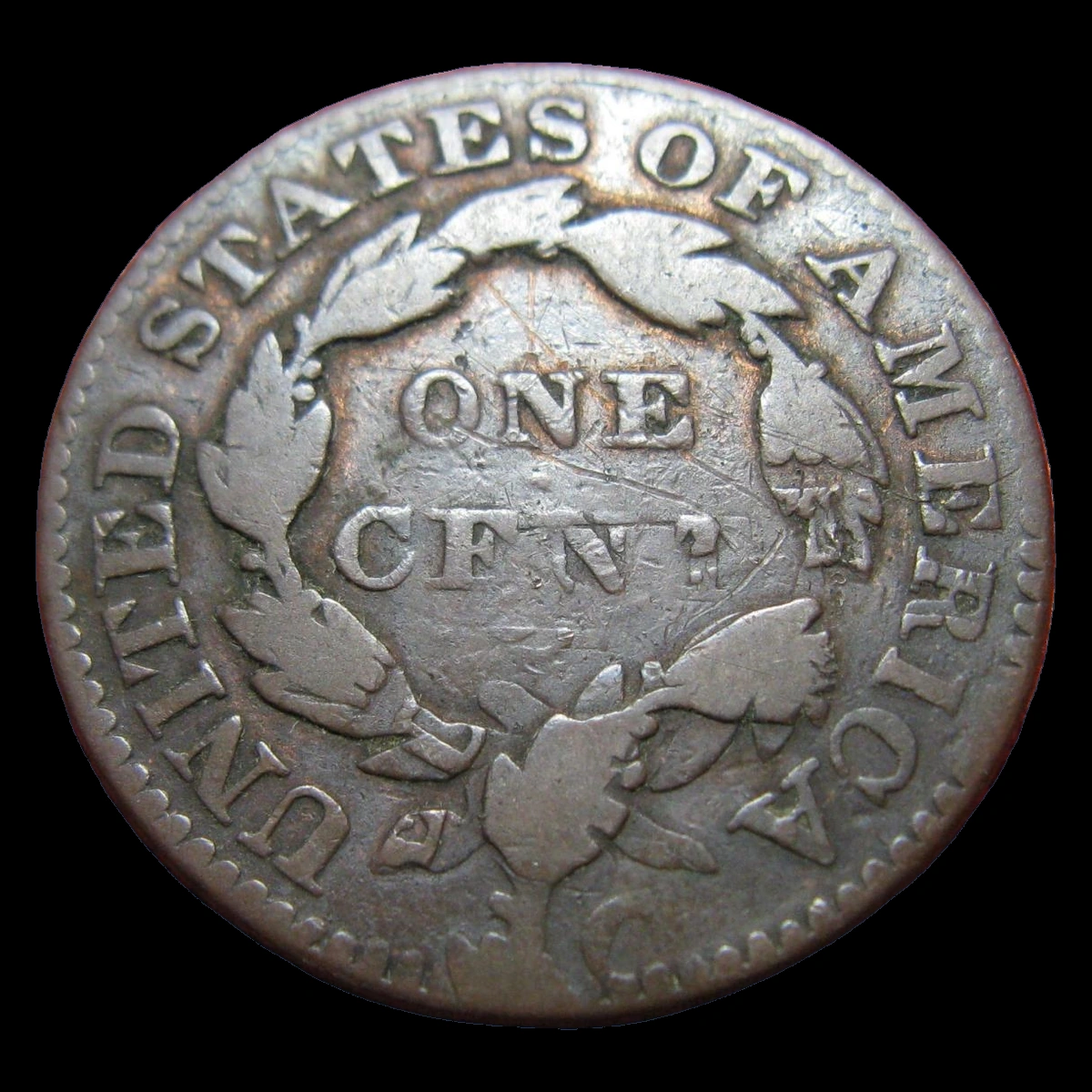
Locate recognizable design in both impressions rather than counting a featureless lump as another strike. A separate photographed 1831 coin has ED inside the wreath and a C near 6 o’clock, which must remain distinct from the F12 specimen.
Trace repeated lettering and curves through their overlaps without inventing the strike order for the second example. Local die doubling and solid rim breaks do not explain a separate displaced set of design fragments.
What It’s Worth
$500–$20,000 is the estimated range for authenticated 1831 double strikes. The clarity of both impressions, displacement, and surface quality create a wide spread.
An 1811 large cent with a second strike 50% off-center, graded PCGS VF30, sold for $16,200 in September 2025. That dramatic different-year comparison is not a completed price for the reported 1831 F12 coin.
4. 1831 Penny A Single Design Misses Part of the Disc: Off-Center Strike Error
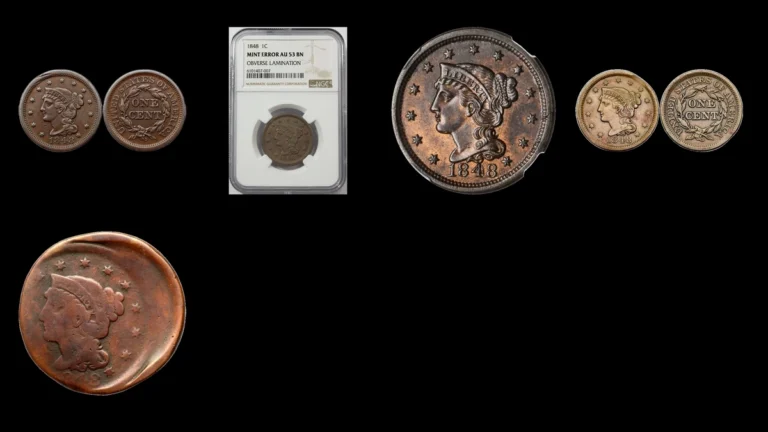
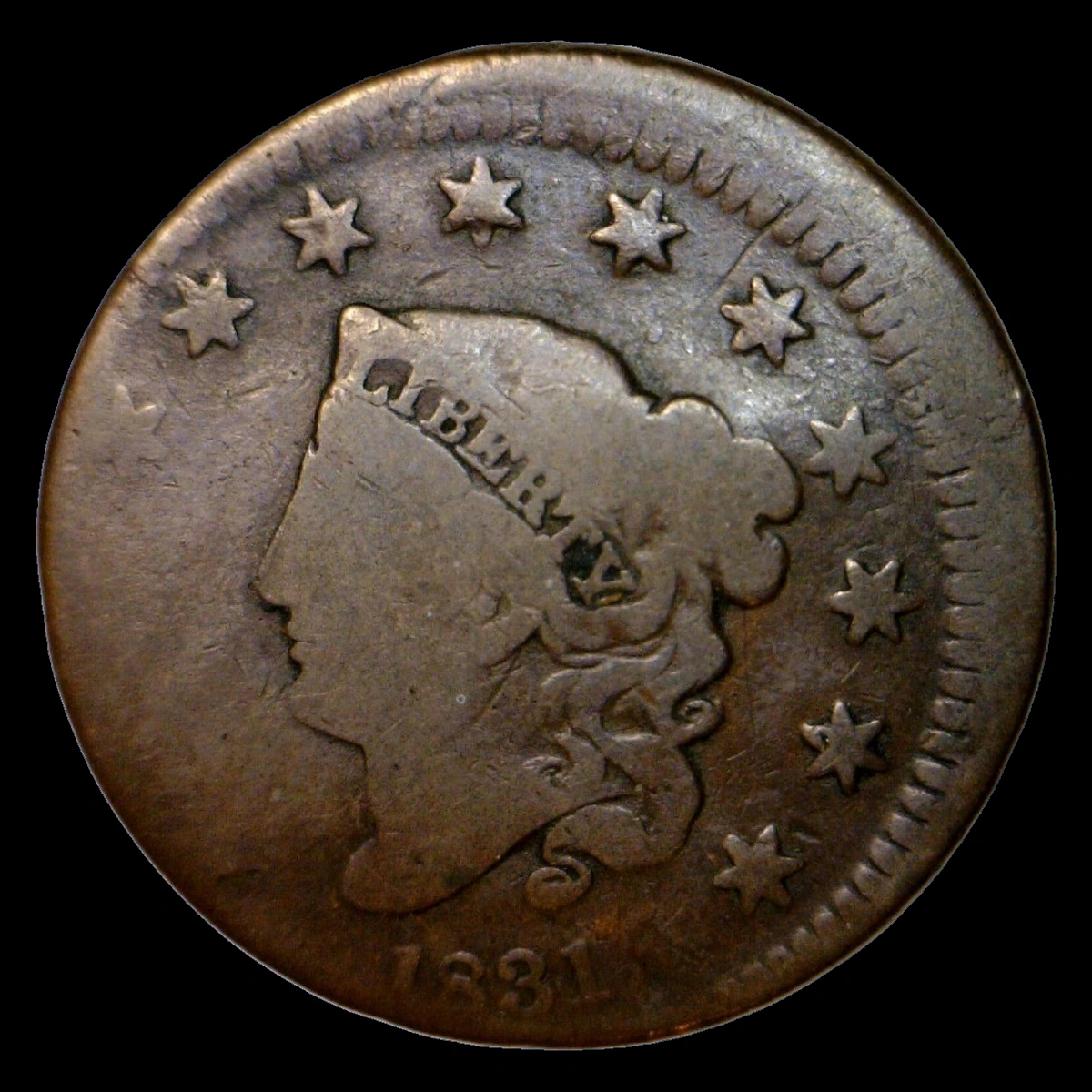
The Smithsonian collection includes an 1831 large cent identified as struck off-center. A misplaced blank leaves unused copper beside an incomplete intended design.
How to Identify
Find the surviving date and compare both faces for design running beyond the metal. A complete image with only an uneven border requires another explanation.
Inspect the unused crescent for cutting, filing, or later flattening. If another portrait or set of letters survives, consider a double strike rather than assuming a single displaced impression.
What It’s Worth
$400–$6,000 is the estimated range for genuine readable-date off-center cents. The museum specimen establishes an example, not an auction value.
An 1848 large cent struck 30% off-center, graded PCGS XF40, sold for $1,980 in December 2023. Its date, condition, and displacement describe that comparison coin rather than the 1831 museum piece.
5. 1831 Penny A Small Patch Lacks Normally Struck Detail: Struck-Through Error
Material between the copper and a die can leave a recessed area or interrupt local detail during striking. Minor struck-through errors are reported for 1831 without one identified material or universal location.
How to Identify
Compare the affected area with normal 1831 design to establish exactly what is missing. A vague outline alone cannot identify the object that caused it.
Follow intact struck surface into the interruption and check for fresh cuts, corrosion, or a pushed-up lip from a later impact. Preserve any retained material rather than removing it to improve the view.
What It’s Worth
$30–$800 is the estimate for authenticated minor struck-through examples. A faint feature may add little, while a clear interruption in otherwise original copper is easier to demonstrate.
A 1947 cent with retained scrap and ANACS XF40 detail sold for $324 in March 2023. That later coin preserves the obstruction itself, unlike a small impression with no material remaining.
6. 1831 Penny A Copper Layer Lifts or Leaves an Opening: Lamination Error
The reported 1831 Medium Letters example has a surface-layer flaw. The lettering size is an ordinary design distinction and does not cause the copper to separate.
How to Identify
Look for an actual thin-layer boundary or exposed interior rather than a color change. A local peel should not be described as an entire split coin without evidence of that much larger separation.
Do not lift loose copper or place measuring tools against it. Scraping can cut across surrounding design, while corrosion can roughen a surface without forming the continuous layer boundary needed here.
What It’s Worth
$30–$1,500 is the estimated range for genuine laminations. Retained copper can clarify the cause, although extensive loss may reduce the coin’s appeal.
An 1842 large cent with unworn detail and a small border-layer flaw noted on its label brought $750 in September 2021. It is a nearby-series comparison, not a sale of the reported 1831 Medium Letters coin.
7. 1831 Penny Two Small Gaps Interrupt the Edge: Clipped Planchet Error
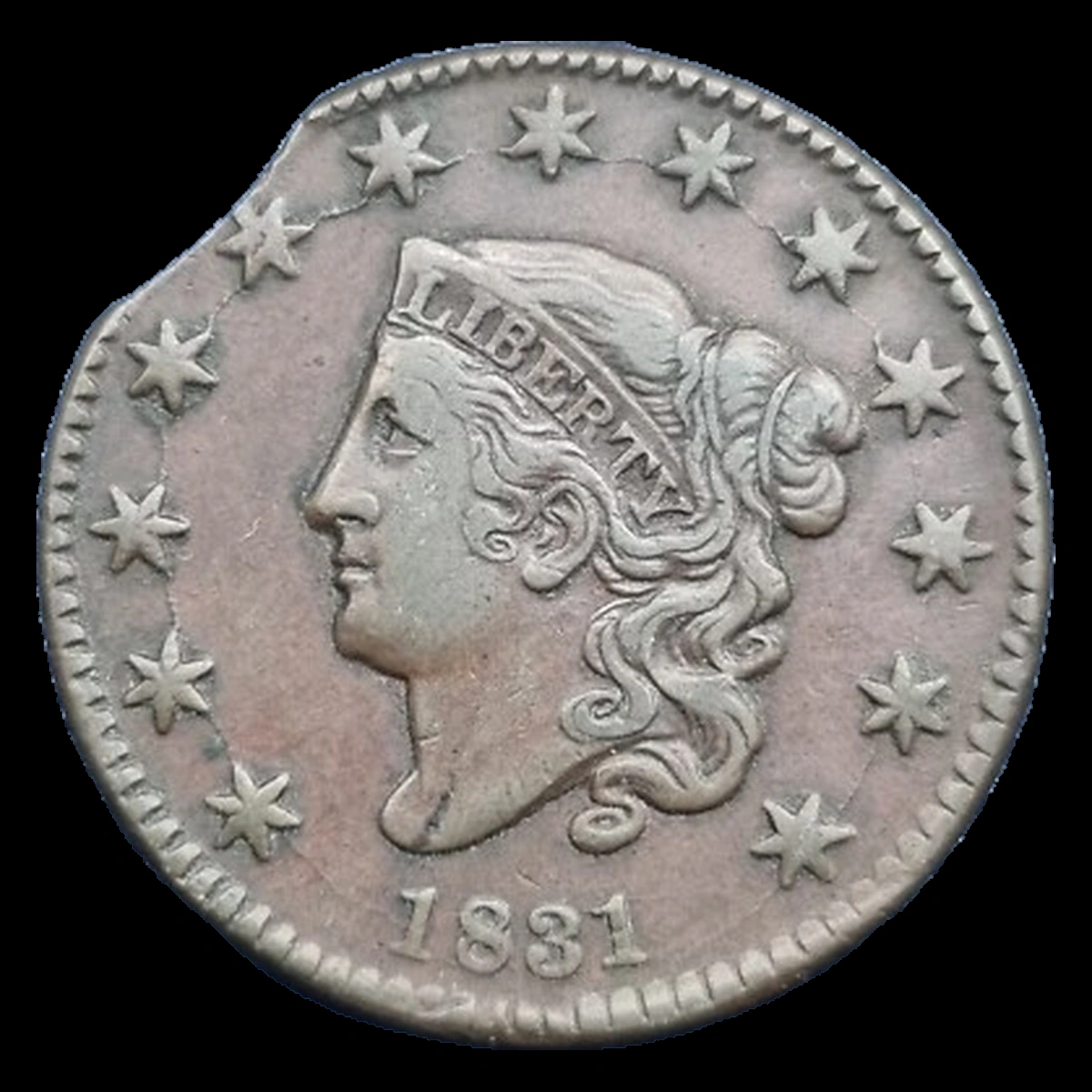
The supplied 1831 report describes two small clips without establishing their positions or shapes. Each gap should reflect metal missing before the blank received its design.
How to Identify
Examine both ends of each gap for natural struck-rim transitions. File marks, fresh cut surfaces, or later edge damage may explain an incomplete outline without a mint-made clip.
Normal large-cent reference measurements here are 10.89 g and approximately 28 mm; record intact spans and allow for wear or missing copper on safely handled loose coins. Keep fragile layers untouched and certified coins sealed when assessing any of these categories.
What It’s Worth
$80–$1,000 is the estimate for genuine small double clips. Two tiny gaps need not have the same visual appeal as one larger clear clip.
A clipped 1939 cent graded MS64 Brown sold for $180 in January 2023. That later small cent provides a basic mechanism comparison, not a completed price for the reported 1831 two-gap specimen.
8. 1831 Penny Raised Copper Connects Stars or Letters to the Rim: Cracks and Cuds Error
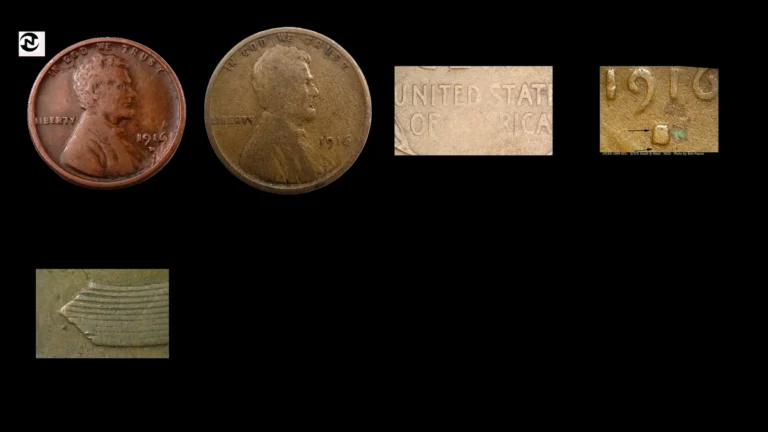
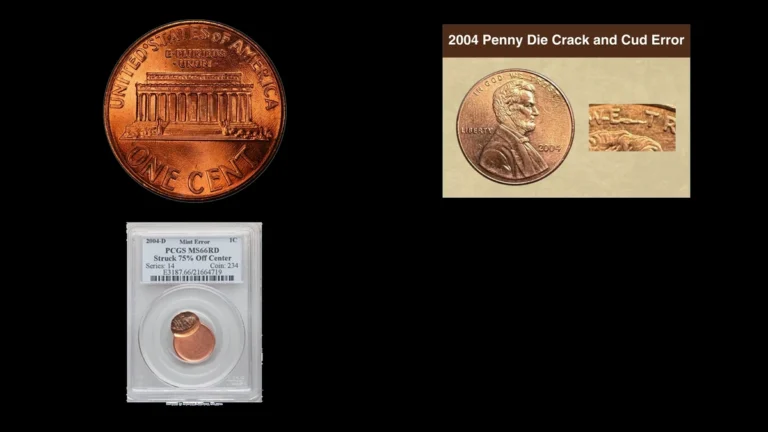
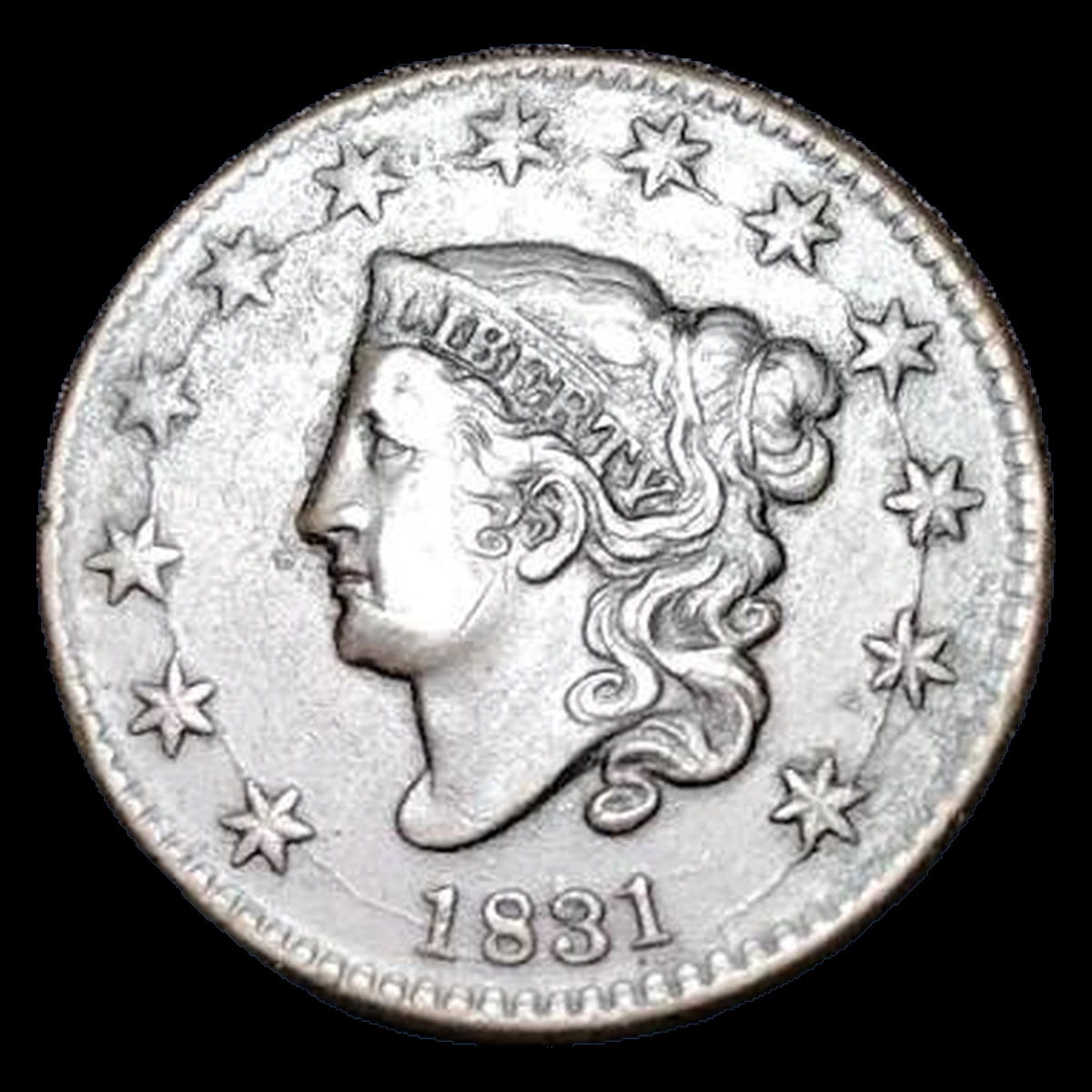
N-12 develops a front rim break near 5 o’clock around stars twelve and thirteen, with cracks through the date and stars toward the border. N-11 instead has a reverse break from TES toward the rim.
How to Identify
Choose the correct face and die variety before comparing the raised feature. A cud connects to the rim where a die-edge piece was missing, while a thin crack records a narrower opening.
Check the patch and edge for added metal, folding, or dents that could imitate a struck lump. The separate N-2 cud near star eleven must not be used as the diagnostic photograph for N-11 or N-12.
What It’s Worth
$30–$3,000 is the estimated range for small cracks through pronounced cuds. Fine ridges on worn cents may contribute little beyond the ordinary coin’s value.
An 1831 N-2 graded PCGS MS63 Brown brought $2,340 in September 2020. Its strong preservation and cud near star eleven belong to that specific coin rather than either of the other described varieties.
9. 1831 Penny A Faint Trace Matches the Opposing Design: Die Clash Error
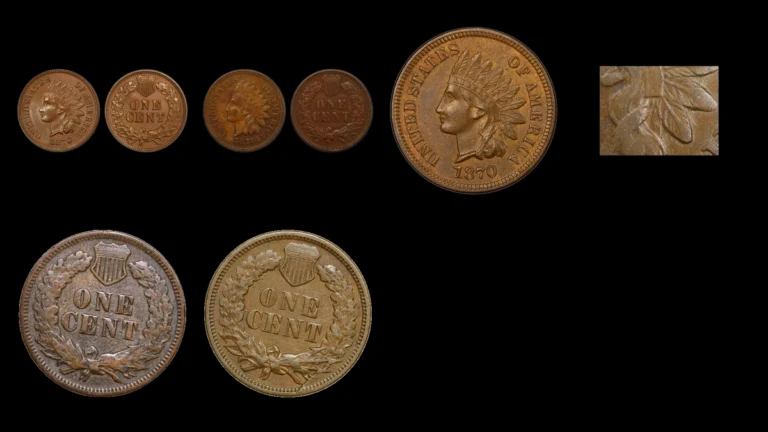
A clash is reported for N-6. Die contact without an intervening blank can transfer parts of the opposing design that later appear as additional traces on struck cents.
How to Identify
Compare both designs at a consistent scale and proper alignment, then check the suspected outline against an identified N-6 example. A random copper streak or short raised line is not sufficient.
Use changing light to distinguish actual transferred detail from scratches and shadows. The match needs a recognizable part of the opposite design in the appropriate position.
What It’s Worth
$25–$600 is the estimated range for ordinary circulated 1831 cents with clear clashes. Condition and the quality of the design match matter more than the number of faint marks.
An 1857 Flying Eagle cent with a quarter-dollar clash, graded NGC MS62, sold for $1,380 in 2006. That cross-denomination variety is much more distinctive and is only a broad comparison for an ordinary 1831 clash.
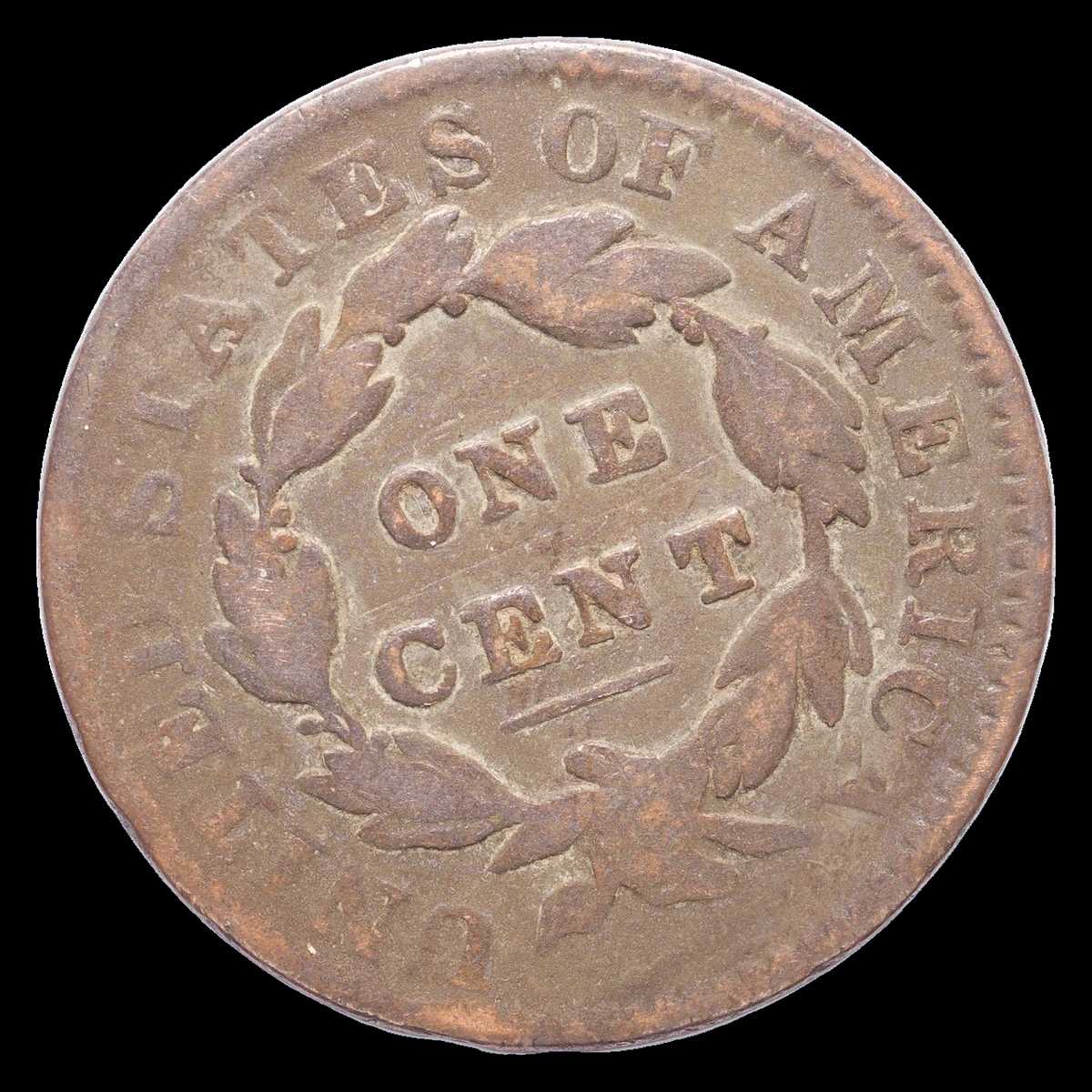
10. 1831 Penny The Reverse Finishes Slightly Left of Upright: Rotated Dies Error
The recorded N-3 has about 15 degrees of counterclockwise rotation. Its PCGS MS64 Brown grade and the auctioneer’s more conservative AU55 assessment concern the same well-preserved coin.
How to Identify
Set the portrait upright and flip from top to bottom along a fixed axis without a sideways twist. The reverse should return to the same small leftward tilt on each controlled flip.
Use the design to establish upright rather than assuming the coin sits straight in its holder. Independently rotated photographs or a crooked holder can create an apparent angle that does not belong to the dies.
What It’s Worth
$30–$300 is the estimate for ordinary circulated cents with a similar mild tilt, with better-preserved examples roughly $500–$2,000. Much of the difference concerns the coin itself.
The documented N-3 sold for $920 in 2010. That is its complete price, not a $920 premium attached solely to fifteen degrees of rotation.
Conclusion
Describe what the copper actually preserves before naming an 1831 error: blank surface, reversed sunken design, another raised impression, missing metal, or a rim-connected patch. Those observations separate mechanisms that can otherwise sound similar.
The $25–$20,000 estimates include ordinary worn pieces and dramatic rarities. Die variety, condition, and the relationship between the pictured specimen and its sale record are essential to a useful whole-coin comparison.