Rare 1836 Dollar Errors (List & Pictures)
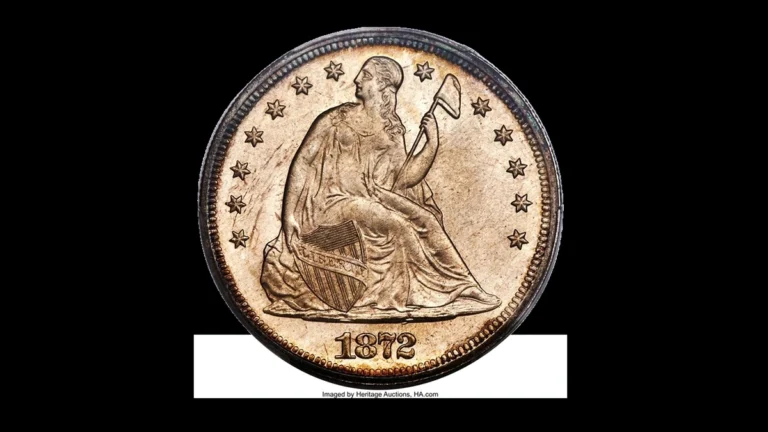
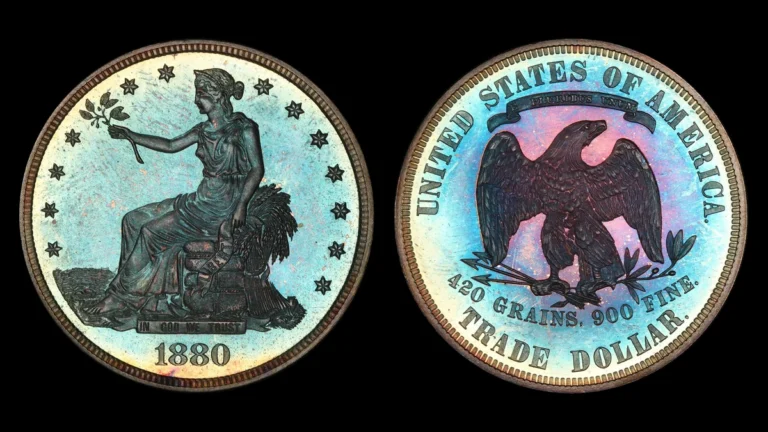
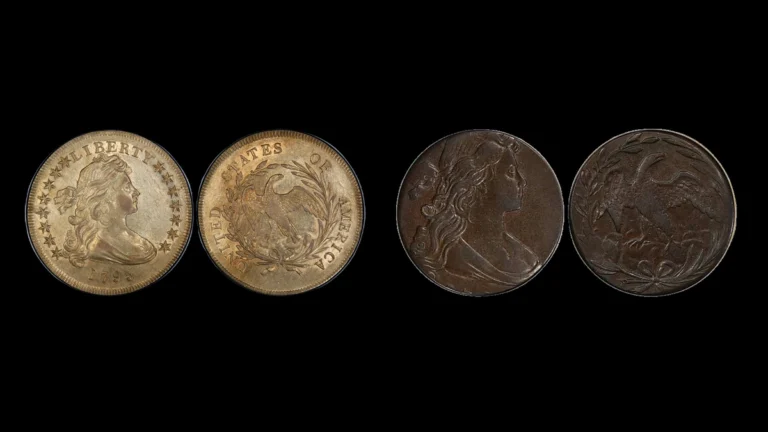
A later collector striking dated 1836 sold for $99,000 in October 2025 with documented reverse cracks. This 1836 Gobrecht dollar errors guide covers estimated whole-coin values of $8,000–$150,000.
Identify the design version and signature position before comparing raised lines, surface roughness, or the angle between the two faces.
| What to record | Feature | Estimated whole-coin range |
|---|---|---|
| Starry reverse lettering and border | Die cracks and breaks | $12,000–$120,000 |
| A in STATES and space before Liberty | Die rust or flaking damage | $15,000–$150,000 |
| Eagle angle after a specified flip | Alignment requiring attribution review | $8,000–$60,000 for Name on Base examples |
1. 1836 Dollar Raised lines cross the starry reverse: die cracks and border breaks Error
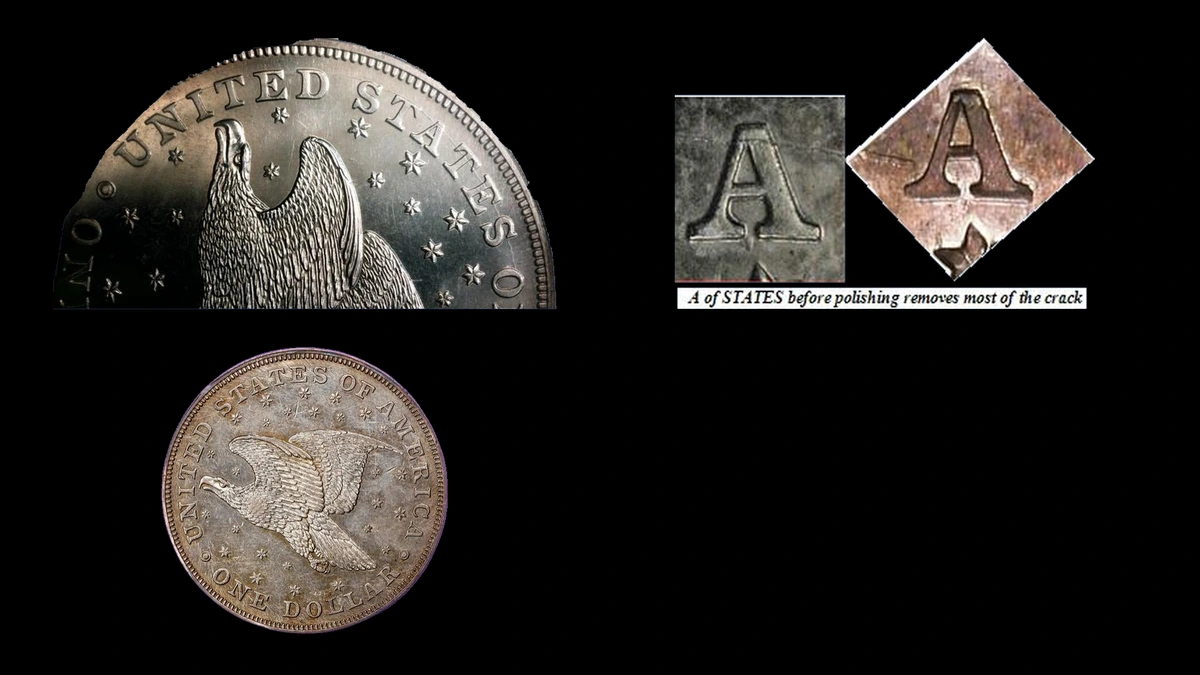
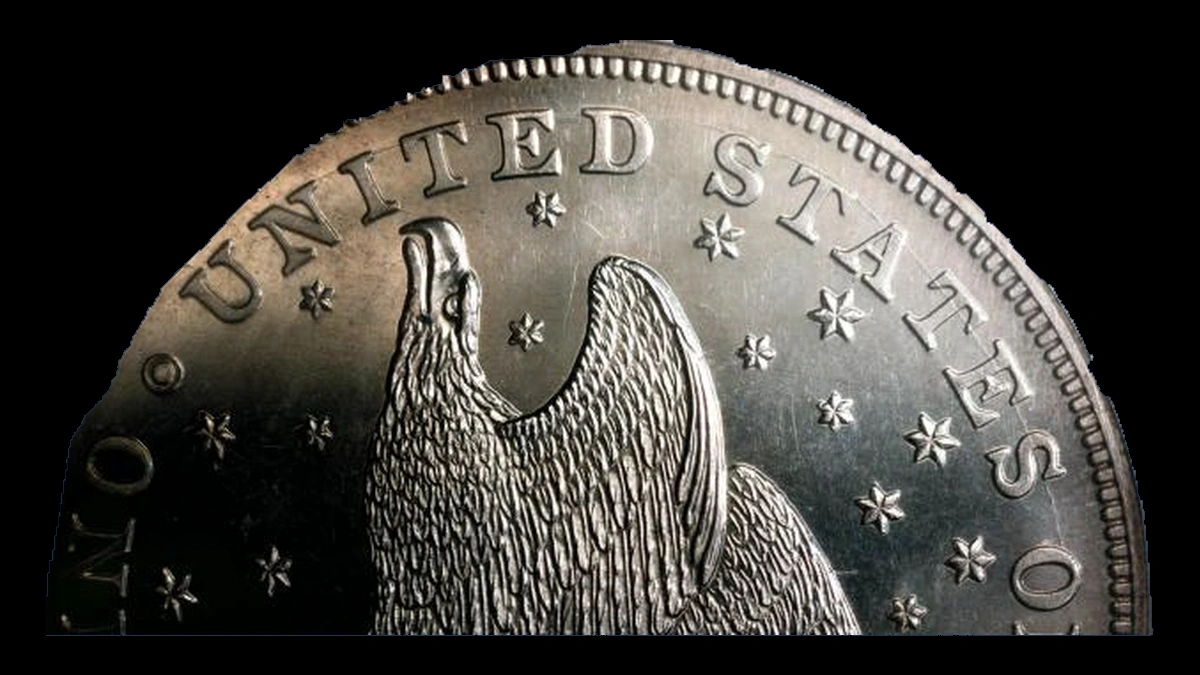
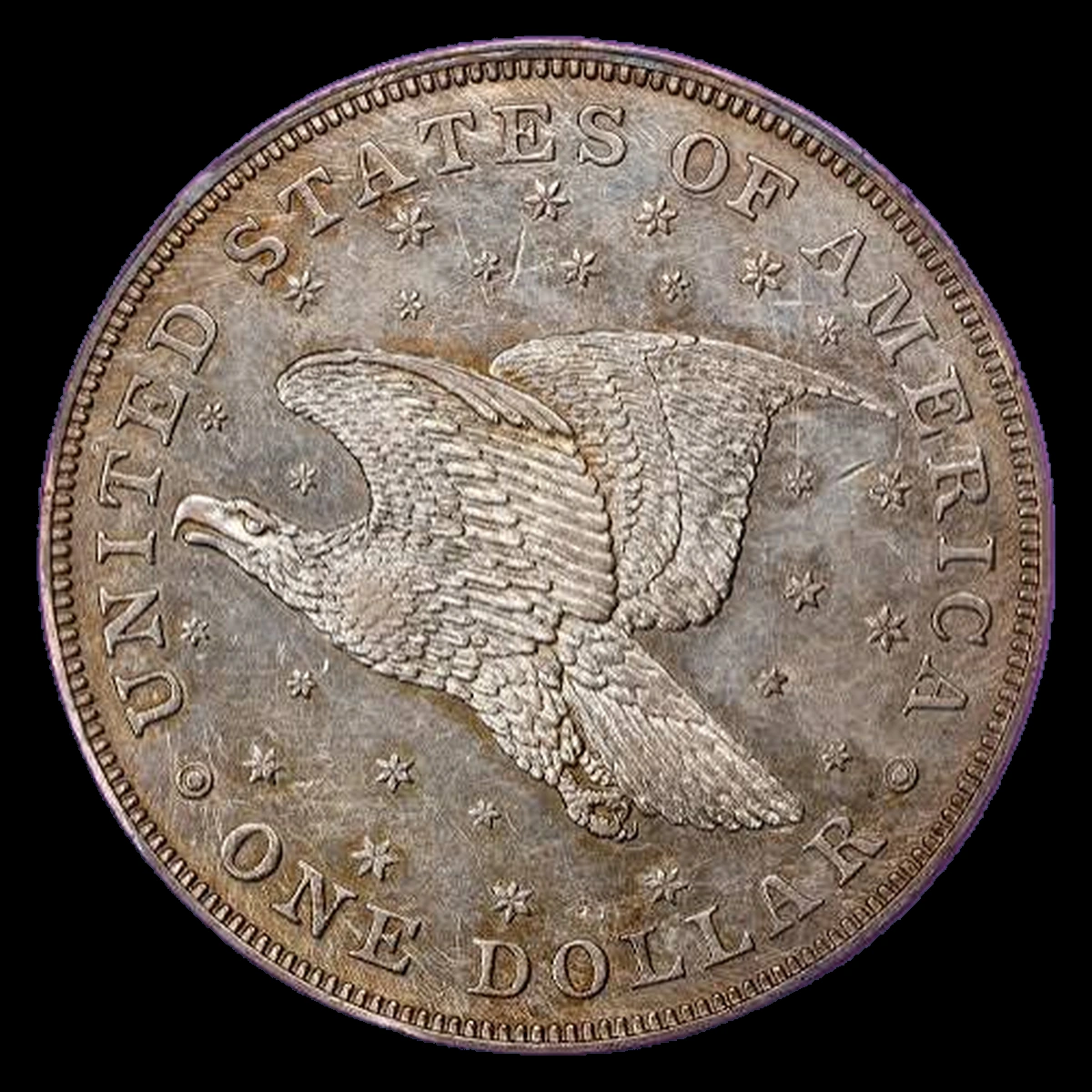
Later 1836-dated dollars with stars around the eagle show recorded cracks through NITED STATES O. Later examples also have a path through OLLAR and a line rising from the upper wing.
Small raised bridges connect border teeth above AMERICA’s final A and nearby, with another below the right-hand border dot. These features reproduce openings or broken areas in the die.
Polishing could weaken the lines and border connections. A fainter feature therefore does not automatically indicate an earlier striking.
How to Identify
Confirm the stars around the eagle before selecting a reference. A starless reverse has different patterns and belongs in a separate comparison.
Trace the specified letters and upper-wing route under side lighting. Look for raised paths that cross or connect the design rather than scratches recessed into it.
Inspect the gaps between border teeth above the last A and below the right dot. Match several features and the designer’s signature position instead of relying on one short line.
What It’s Worth
Comparable cracked-die silver versions are estimated at $12,000–$120,000 across differing grades and signature placements.
A Name Below Base restrike graded PCGS PR64 with CAC approval brought $99,000 on October 2, 2025. Its catalog specifically describes the reverse lettering cracks.
The transaction prices the complete rare collector dollar. Individual border bridges are not separate additions to that amount.
2. 1836 Dollar Small raised spots replace smooth silver: die rust or flaking Error
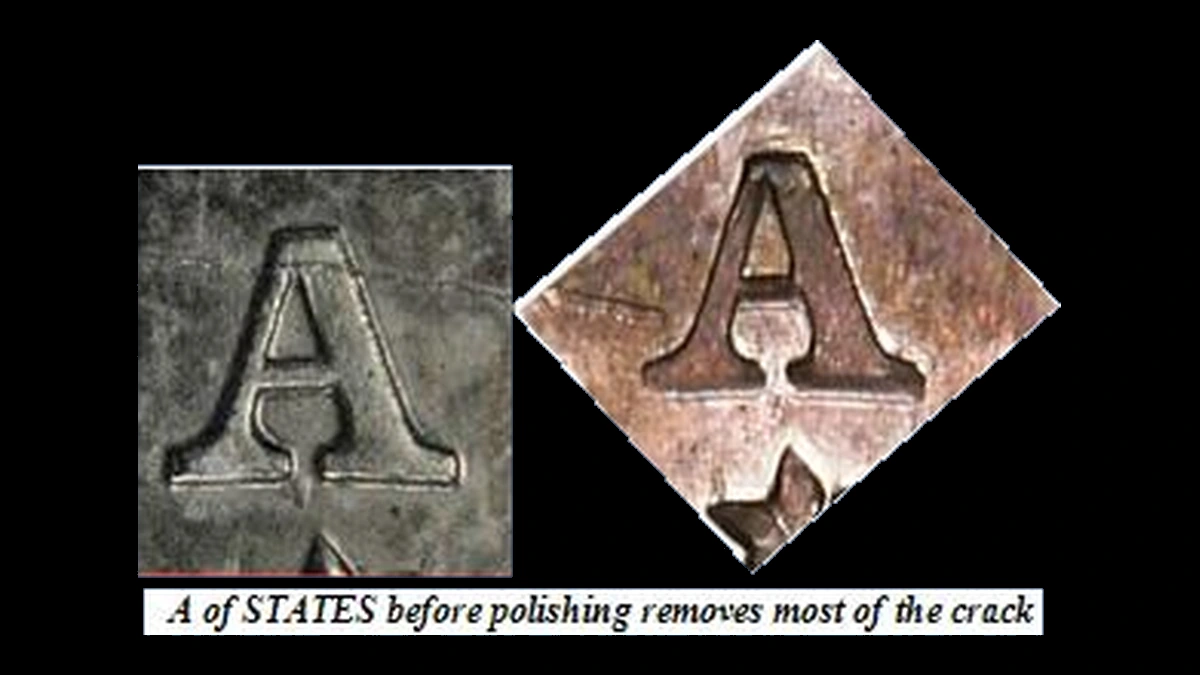
A lump between the feet of A in STATES is recorded on late uses of the starry reverse. Researchers associate it with rust or flaking damage in the die.
Silver entering a hollow in the tool can create a raised spot on a coin. Corrosion attacking the finished dollar instead removes metal and can leave pits.
Some later Name on Base and Name Below Base examples also have roughness in front of Liberty’s face. Those locations require their own version-specific photographs.
How to Identify
Light the narrow space between the feet of STATES’ A from the side. Determine whether the spot rises above the surface, forms a hollow, or could be accumulated dirt.
Compare its outline with the same starry-reverse version. For front roughness, establish whether the designer’s name sits on or below the base before matching the area ahead of Liberty’s face.
Keep the texture untouched and inspect it under several lighting angles. Tool polishing could reduce these marks without changing the date on later coins.
What It’s Worth
Identified silver collector strikings with the described die texture are estimated at $15,000–$150,000.
The $99,000 Name Below Base sale offers broad market context. Its documented cracks do not prove that it carried every rust feature discussed here.
Matching original texture can help attribution, while corrosion on the coin itself may lower value. The estimate is for the complete version and condition.
3. 1836 Dollar The eagle takes a different angle: alignment attribution Error
The eagle can appear level, rising, or between those positions depending on the coin’s alignment and how it is flipped. A sideways turn and a top-to-bottom turn are different tests.
Intermediate positions are reported among later issues of 1836-dated dollars. Proposed explanations include accidental die movement and deliberate changes in the press setup.
The angle can be measured even when its cause remains disputed. It does not independently prove an accidental error or the production year.
How to Identify
Photograph the upright front, then document a top-to-bottom flip. Make a separate sideways-flip comparison and label which movement produced each view.
Keep the camera square and use border dots as fixed reference points. Measure the eagle’s angle with a protractor or image overlay instead of relying on a loose photograph’s tilt.
A specialist should compare signature position, both designs, and die features together. A level eagle alone cannot distinguish an original issue from a later collector striking.
What It’s Worth
Genuine Name on Base dollars with documented alignment are estimated at $8,000–$60,000 across worn through well-preserved examples.
No automatic rotation bonus is included. Original issues and later collector strikings can occupy different markets even when their front dates agree.
Conclusion
The date 1836 is only one part of a Gobrecht dollar’s identity. Compare the signature, starry or starless reverse, raised crack routes, and die texture within the correct version.
Record the exact flip used to measure alignment and retain uncertainty about its cause where appropriate. The $99,000 sale belongs to a documented later collector striking, while no single faint feature settles production history by itself.