Rare 1851 Quarter Errors (List & Pictures)
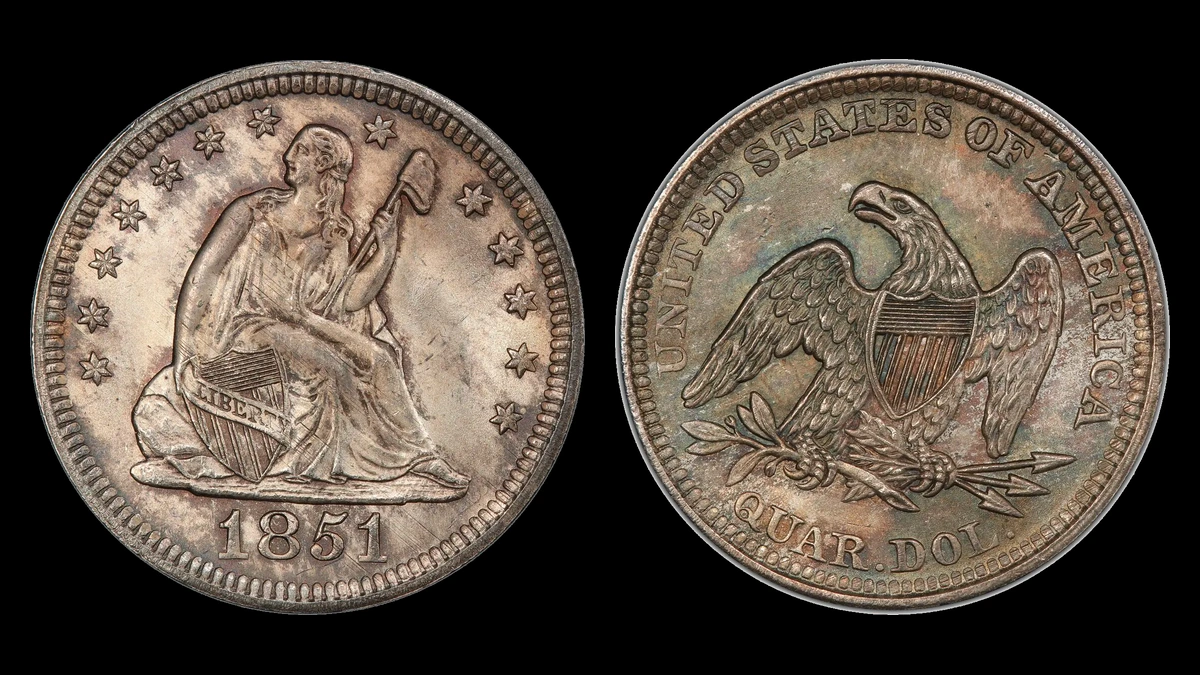
A smooth edge on an old silver quarter deserves a closer look, but it needs more than missing grooves to explain it. The 1851 quarter errors below have an overall estimated range of $300–$10,000 for identified whole coins.
One is a recorded New Orleans broadstrike. The other is a misplaced-digit report with a conflicting year reference, so begin with the outline and then read the complete date.
1851 Quarter A Wider Coin without Normal Edge Grooves: Broadstrike Error
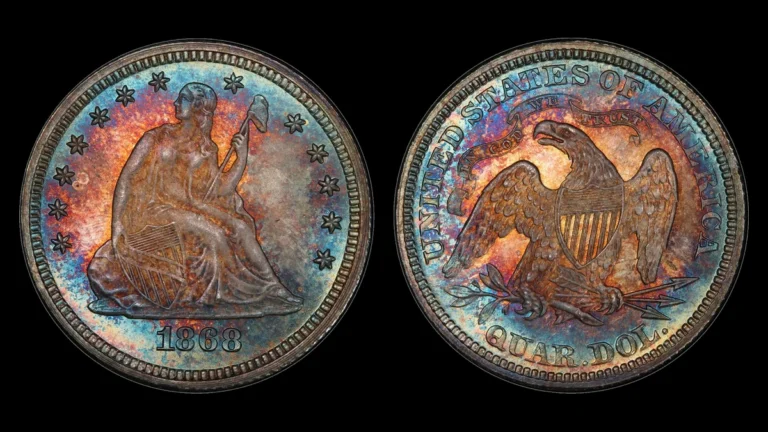
The recorded 1851-O quarter has an unevenly placed design and an edge without the usual grooves. Stack’s described it as a broadstrike in VF35 condition.
VF35 means a circulated coin with clear remaining detail. The off-center-looking border does not by itself make it an off-center strike.
The edge grooves, called reeds, normally come from the collar around the blank. That ring also limits how far the metal can spread.
If the collar fails to restrain the blank, extra metal can extend around a complete design. This relationship between the edge and the picture is the useful broadstrike clue.
How to Identify
Inspect the edge from the side and compare it with a normal grooved quarter. Look closely for file tracks or cuts through a finished rim.
Removing grooves after minting can create a smooth edge without a broadstrike. The surface must fit the original striking process.
Now trace the portrait, eagle, and outer lettering on both faces. They should remain on the metal even where the border is uneven.
A blank crescent opposite missing design points toward an off-center strike instead. A wider outline around the full design supports a broadstrike.
For a loose coin, compare several widths with the normal diameter of roughly 24.3 millimeters. Keep the actual measurements with its photographs.
What It’s Worth
$1,000–$10,000 is the estimated whole-coin range for comparable genuine 1851-O broadstrikes. The scarce issue, readable detail, and preservation of the original edge all contribute.
The VF35 example appears as lot 4962 in Stack’s October 2007 catalog. The supplied record provides a catalog description, not a completed sale figure.
Compare its wear with similarly circulated examples. Filing or later flattening changes the assessment even when the coin looks wider.
1851 Quarter An Extra 1 in the Border: Reported Misplaced Date Error
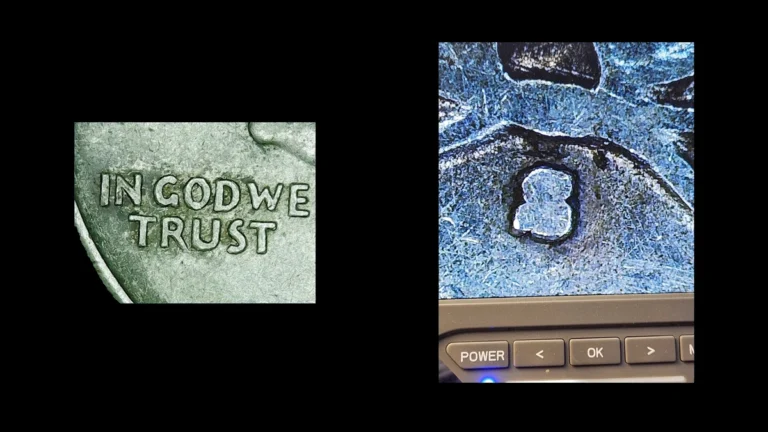
A date punch placed too low on the stamping tool can leave a raised digit fragment among the small border teeth. An entry headed 1851-O describes an extra 1 below a normal 1.
However, the variety reference conflicts with an 1850 listing. The complete coin’s date must resolve that mismatch before this becomes an identified 1851 variety.
How to Identify
Read 1851 in full and confirm the O below the eagle. An 1850 reference image cannot establish the year simply because the border feature looks similar.
Under magnification, inspect below the 1 for a raised shape that fits part of that digit. A damaged border tooth or stray line is not enough.
Change the light angle to separate raised metal from a scratch. Include the whole date and fragment together in the photograph.
A Seated-quarter specialist can compare that complete evidence with the conflicting reference. Do not transfer a variety name from the wrong year.
What It’s Worth
$300–$6,000 is the conditional whole-coin estimate if an 1851-O misplaced 1 is authenticated. Year, mint, and the original raised digit must all agree.
The catalog’s PCGS F15 description indicates a visibly worn coin. It supplies neither a confirmed sale nor a resolution of the date conflict.
Cleaning and worn border detail would also affect the value of the actual identified specimen.
Conclusion
The broadstrike needs a complete design, expanded metal, and an original smooth edge to tell one consistent story. The misplaced-digit report needs the full 1851 date confirmed before its variety claim can be accepted.
Keep those two checks separate. A wider outline or an extra line can start an examination, but neither replaces a clear match of the whole coin.