Rare 1852 Dime Errors (List & Pictures)
A controlled flip, a close look at the date, and an examination of raised metal reveal different 1852 dime errors. Estimated whole-coin values span $25–$6,000, with an MS65 F-112 carrying a reverse crack selling for $5,040 in January 2025.
Test alignment first, then inspect numeral remnants, crack routes, and any larger rim-connected patches.
| Check | Feature | Estimated whole-coin range |
|---|---|---|
| Reverse leans after a controlled flip | Mild die rotation | $25–$1,000 |
| Extra parts of date numerals | Repunched date | $50–$3,000 |
| Raised lines through the design | Die cracks and shattered dies | $50–$6,000 |
| A bounded raised area joins the rim | Cud or retained break | $100–$6,000 |
1. 1852 Dime The reverse keeps a small rightward lean: Mild Die Rotation Error
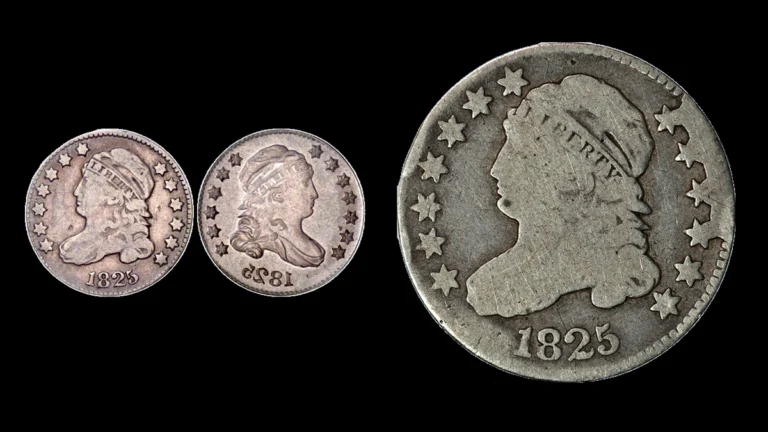
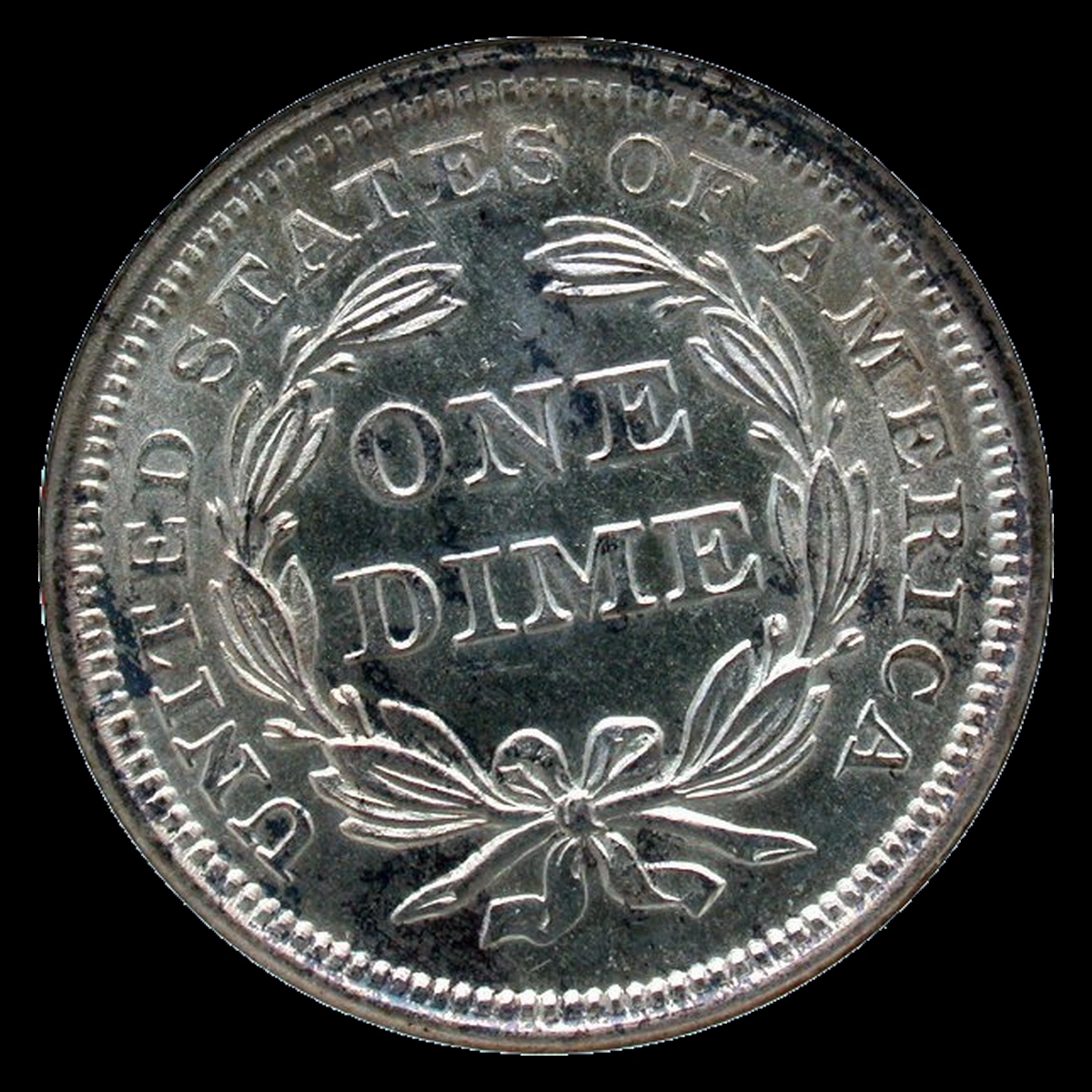
The F-109 reverse is described as rotated about eight degrees to the right. Its design is turned relative to the obverse, rather than shifted sideways within the coin’s outline.
The two dies are the tools that stamp the opposing faces. A change in their angular alignment can leave the resulting designs facing slightly different directions.
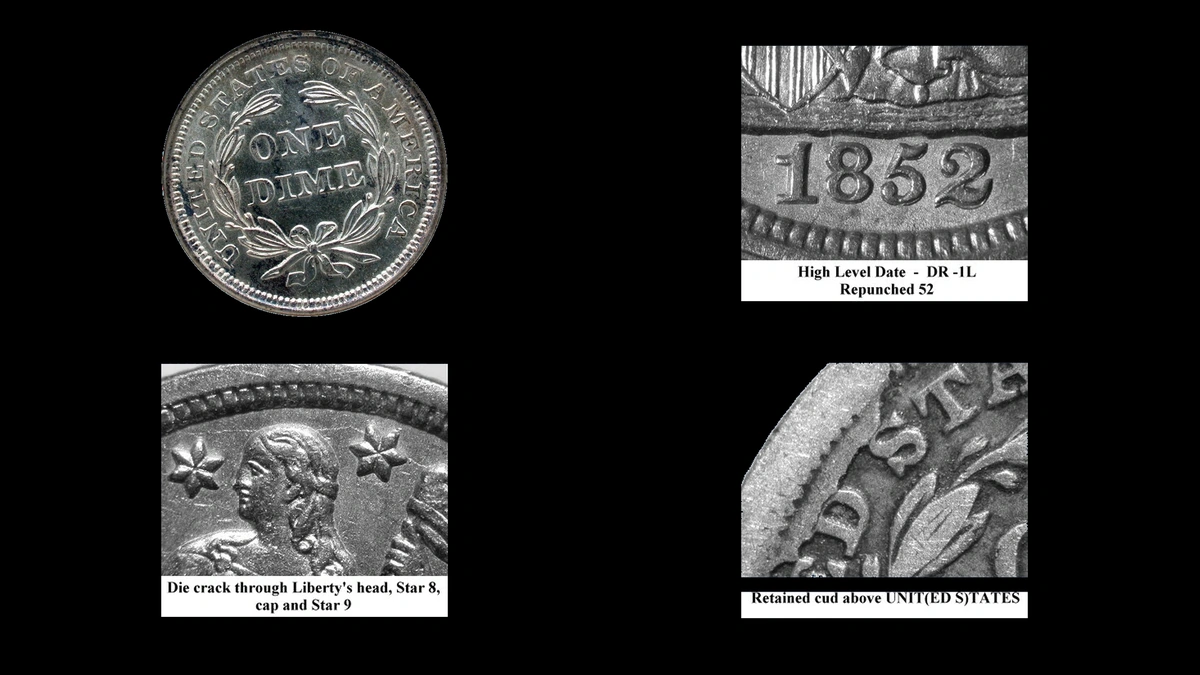
The matching obverse has a high, level date. Those landmarks help connect a measured lean to the reported variety.
How to Identify
Hold the coin with Liberty upright and flip it from top to bottom without adding a sideways twist. A normally aligned United States coin should show its reverse upright after that movement.
Repeat the same flip and check whether the slight rightward lean returns. An unbroken video or a fixed holder preserves the relationship better than two photographs that have been straightened independently.
Compare the high, level date with an F-109 reference. A tilted photograph alone cannot prove an eight-degree die rotation.
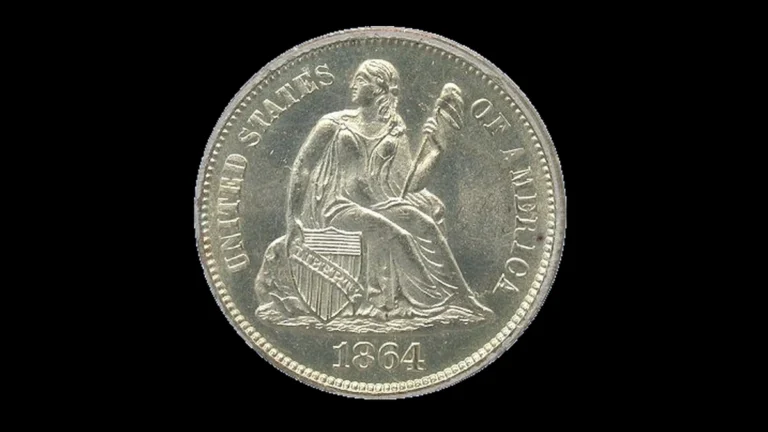
The Philadelphia dime has no O mintmark, has stars and drapery, and lacks arrows beside the date. Its 90% silver composition, original 2.67-gram weight, approximately 17.9-millimeter diameter, and grooved edge provide general checks for an accessible coin.
What It’s Worth
The estimate is $25–$1,000 for worn through lower-grade unworn whole coins. An eight-degree turn is a modest feature compared with a dramatic rotation.
Greysheet reports $149 for an ordinary PCGS EF40 in June 2026. That worn coin retained much detail but was not identified as F-109.
The sale offers condition context, not an auction record for this rotation. It does not support a large fixed bonus for the small lean.
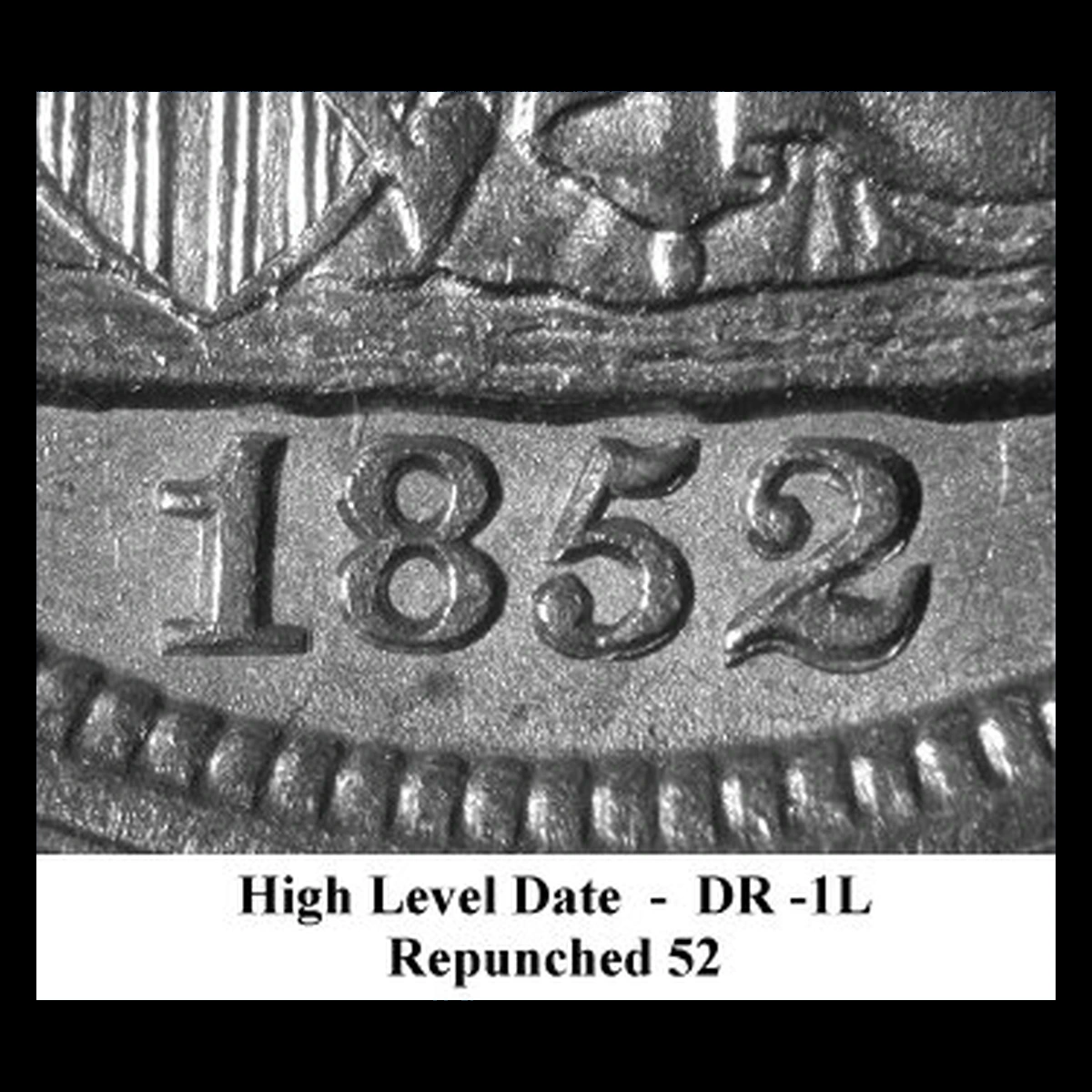
2. 1852 Dime Earlier strokes sit beside the numerals: Repunched Date Error
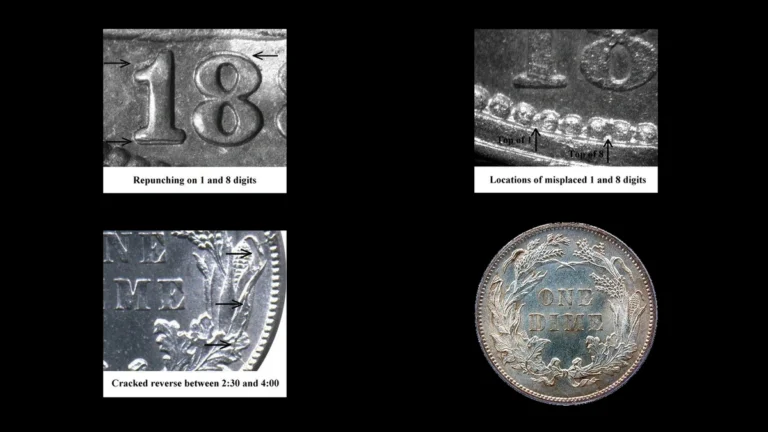
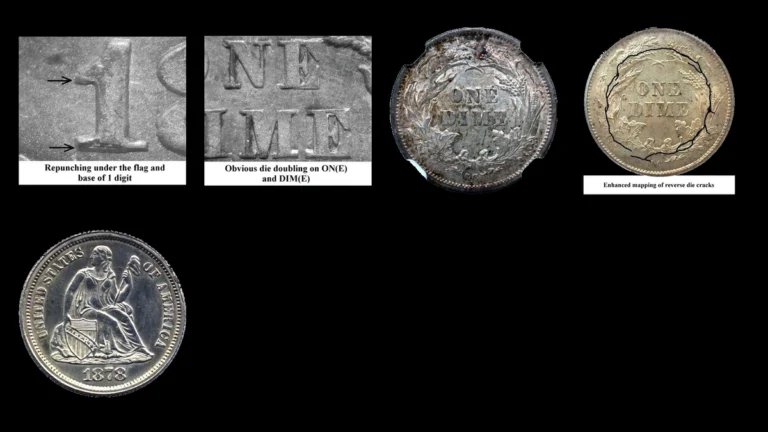
One reported date variety has remnants of both 5 and 2, with the stroke below 2 particularly helpful. A separate obverse has a repeated 1 instead.
The remnants arose when a date punch entered the die more than once. Parts of the earlier impression remained in the tool and appeared on later coins.
Some repeated-52 examples also show die cracks. Date repunching occurred during tool preparation, while those cracks developed during use.
How to Identify
For the 52 pattern, inspect below 2 and then compare the additional shape at 5. Each raised fragment should correspond to a piece of a numeral in the known variety.
For the separate repeated-1 variety, use its own reference and keep the rest of the date in view. Do not demand marks on 5 and 2 that belong to a different obverse.
Move the light while viewing the date under a 10× magnifier. An engraved line or uniform flat shelf differs from a matching raised remnant of an earlier numeral.
What It’s Worth
Estimates are $50–$500 for worn examples and approximately $600–$3,000 for attractive unworn coins. Clear date remnants and original surfaces help establish a useful comparison.
Greysheet reports ordinary 1852 sales of $630 for NGC MS63 and $2,640 for PCGS MS65 with CAC approval, both in May 2025. Both coins were unworn, with MS65 indicating better overall preservation.
Neither sale was identified as a repunched date. They illustrate the underlying issue’s condition values, not confirmed premiums for the numeral remnants.
3. 1852 Dime A ridge crosses DIME and the wreath: Die Cracks and Shattered Dies Error
The F-112 reverse has a long raised route from the UNITED side through the wreath and DIME toward the opposite wreath. Its relationship to those landmarks makes it more useful than a general report of a line across the back.
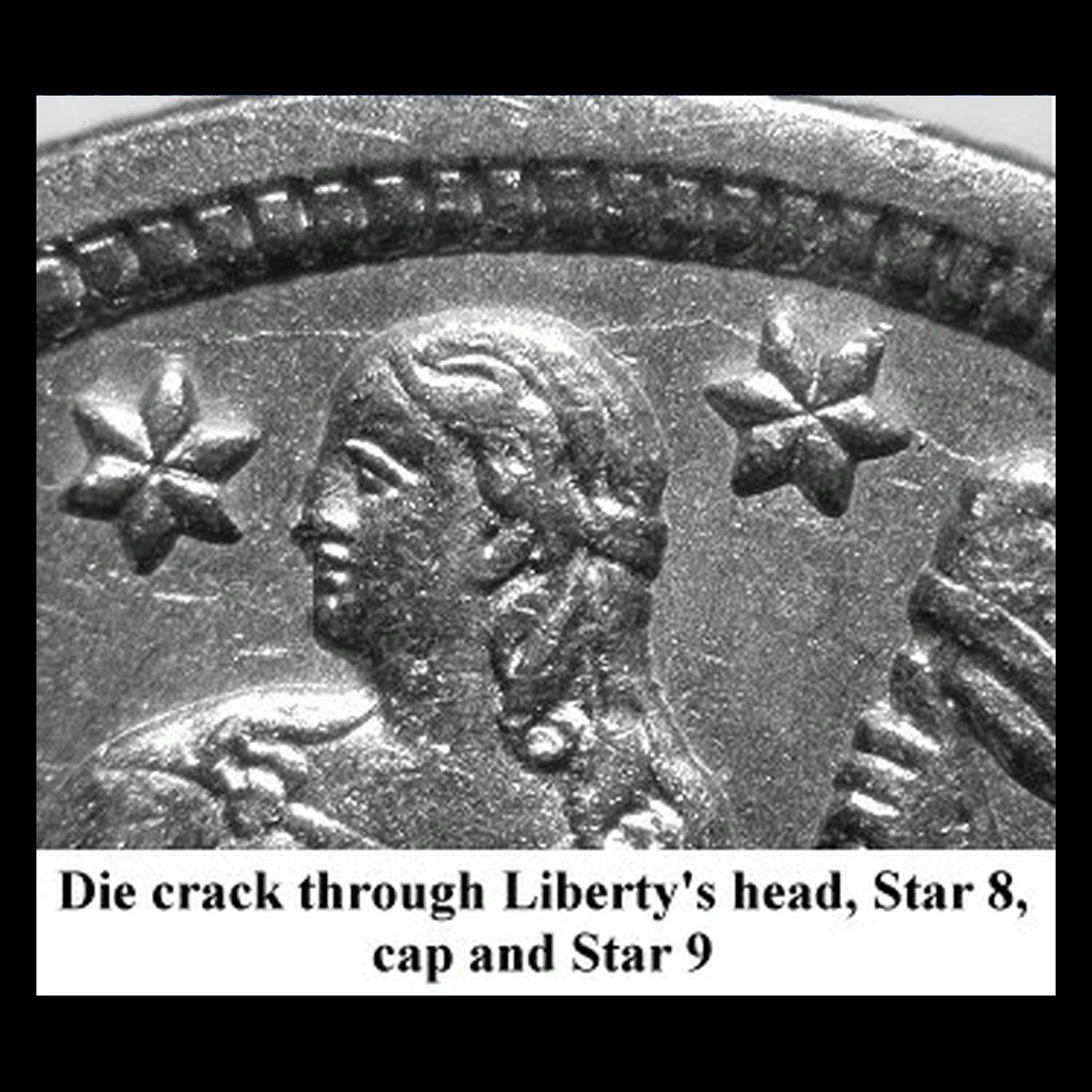
Other Philadelphia examples have cracks below the date or around obverse stars. These are separate tools or stages, not compulsory branches of the F-112 reverse pattern.
Silver entered openings in the damaged dies and formed raised ridges. Even a long crack does not by itself establish that a larger piece of the tool had broken away at the rim.
How to Identify
Follow the F-112 line across the complete reverse, using DIME and the wreath as landmarks. Side lighting should reveal a ridge above the surface rather than a cut or split into the metal.
When examining an obverse crack, switch to a reference for that particular date or star pattern. Borrowing the reverse route cannot identify a different feature on the front.
Note where the line reaches the border and inspect the adjacent edge. A large rim break requires its own visible boundary beyond the evidence of a thin crack.
What It’s Worth
Estimated values are $50–$600 for worn cracked-die coins and about $800–$6,000 for attractive unworn examples. The PCGS F-112 record lists an MS65 at $5,040 in January 2025.
That result prices a well-preserved complete dime. A heavily worn coin with a similar line does not inherit the MS65 comparison.
Consider the visibility of the route alongside the surrounding detail and surface quality. Crack length alone does not explain the difference between the lower and upper estimates.
4. 1852 Dime A raised patch connects to the rim: Cuds and Retained Die Breaks Error
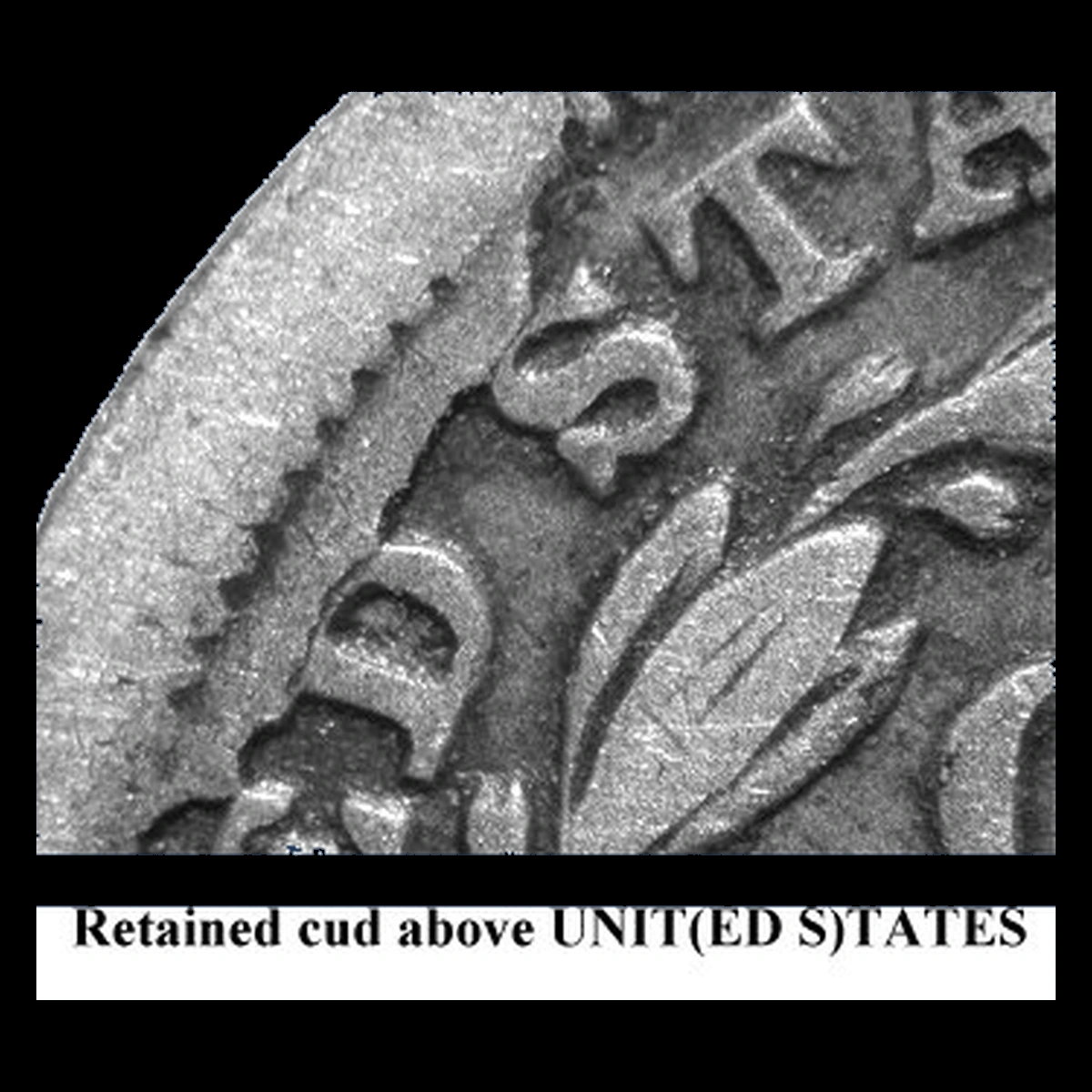
A cud forms when a missing rim-side piece of a die leaves an opening that coin metal fills during striking. If the fragment remains in the tool, some design may survive inside the resulting retained break.
Reported locations on 1852 examples include beside star one, below the date, and near ED S or the UNITED side of the reverse. They describe separate examples rather than one required arrangement.
A narrow crack at one of those locations may precede the larger failure. Its presence does not prove that the rim-connected patch had already developed.
How to Identify
Trace the patch’s boundary and its connection to the rim. Check for displaced but surviving design within it, which is compatible with a retained die fragment.
Use the matching 1852 variety photograph for the location actually present. Avoid assembling a supposed diagnostic from several different coins.
Inspect the adjoining edge grooves for a later blow that pushed finished metal inward. A cud redistributes silver during striking; it does not cut a section out of the coin.
What It’s Worth
Worn examples with a clear rim break have an estimated $100–$1,000 range, while attractive unworn coins may fall around $1,000–$6,000. These are whole-coin estimates.
The $5,040 F-112 result is a related cracked-die comparison. The supplied record does not establish the later partial rim break on that auction coin.
Value the larger feature only when it is visible on the actual specimen. A catalog number cannot convert a thin crack or a rim dent into a confirmed cud.
Conclusion
A repeatable tilt tests alignment, numeral remnants identify repunching, and raised boundaries distinguish cracks from larger breaks. Each check answers a different question about the tools and their condition.
Use the $25–$6,000 span as whole-coin guidance across several varieties and grades. Keep separate specimens and die stages distinct, and do not assign an unconfirmed rim break to a coin solely from its variety label.