Rare 1864 Penny Errors (List & Pictures)
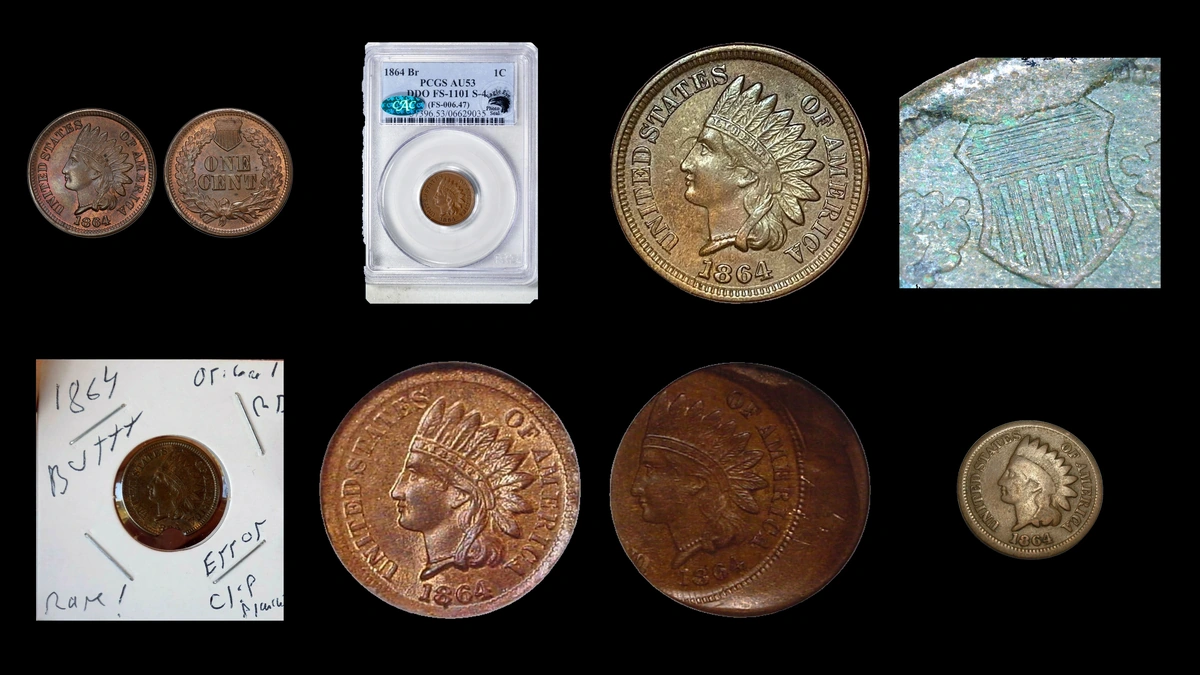
An 1864 L repunched date brought $1,560 in July 2024; a later 1908 double strike supplies a separate comparison at $4,080 in June 2024. The tiny L is the designer’s initial, not a mintmark.
Estimated whole-coin values for 1864 Indian Head penny errors span $10–$5,000. Identify the normal metal and design version first, then inspect small marks, edge shape, and displaced impressions.
| First clue | Possible category | Estimated value |
|---|---|---|
| Extra date or headband strokes | Repunched date or doubled die | $40–$2,500 |
| Opposite-face outlines or weak patch | Clash or struck-through | $20–$600 |
| Raised rim patch | Die break | $10–$800 |
| Gap or uneven thickness | Clip or reported taper | $30–$1,500 |
| Expanded or flawed blank | Broadstrike or defective planchet | $125–$2,500 |
| Turned reverse or displaced image | Rotation or off-center strike | $75–$2,500 |
| Two design impressions | Double strike | $150–$5,000 |
Two normal alloys were used in 1864: copper-nickel cents weigh 4.67 grams, while bronze cents weigh 3.11 grams. Both are roughly 19 millimeters across with plain edges, so choose the appropriate weight before interpreting a suspected blank error.
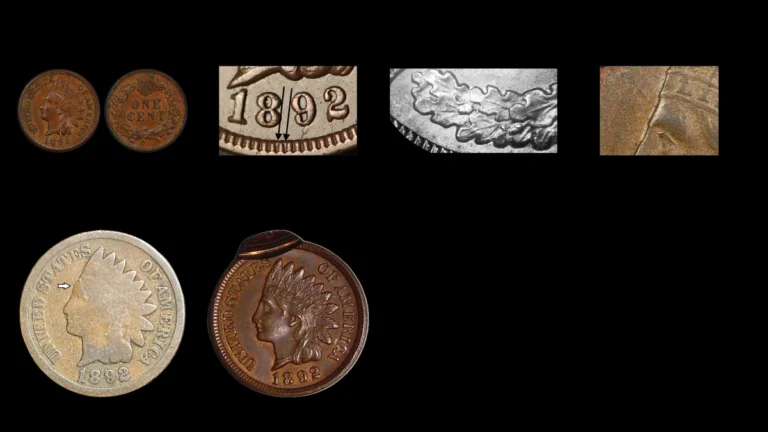
1. 1864 Penny Extra Curves beside the Date: Repunched Date Error
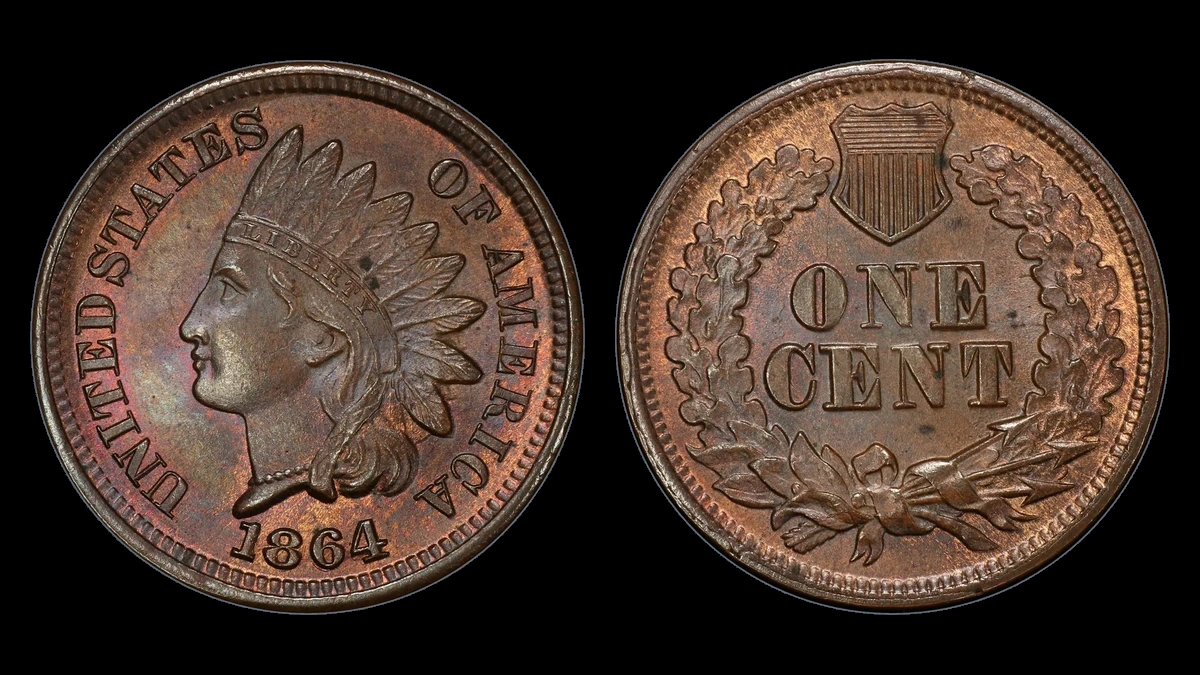
A date punch entering the die in slightly different positions can leave remnants of the earlier digits. Both copper-nickel and L bronze 1864 cents have reported repunches.
How to Identify
Select the correct metal and design version before comparing the extra strokes. A true remnant should follow part of an earlier numeral, rather than merely be displaced metal from damage.
The common mark beneath the crossbar of 4 can come from a flaw in the original number punch. Use the 1864 variety photographs to avoid treating that ordinary punch feature as a repunched date.
What It’s Worth
Matched repunched dates are estimated at $40–$2,500 as whole coins. Exact attribution and preservation matter alongside the strength of the added stroke.
A bronze L Snow-3, FS-2302 graded MS65 Brown sold for $1,560 in July 2024. That specific unworn variety is not a price for every doubled-looking 1864 numeral.
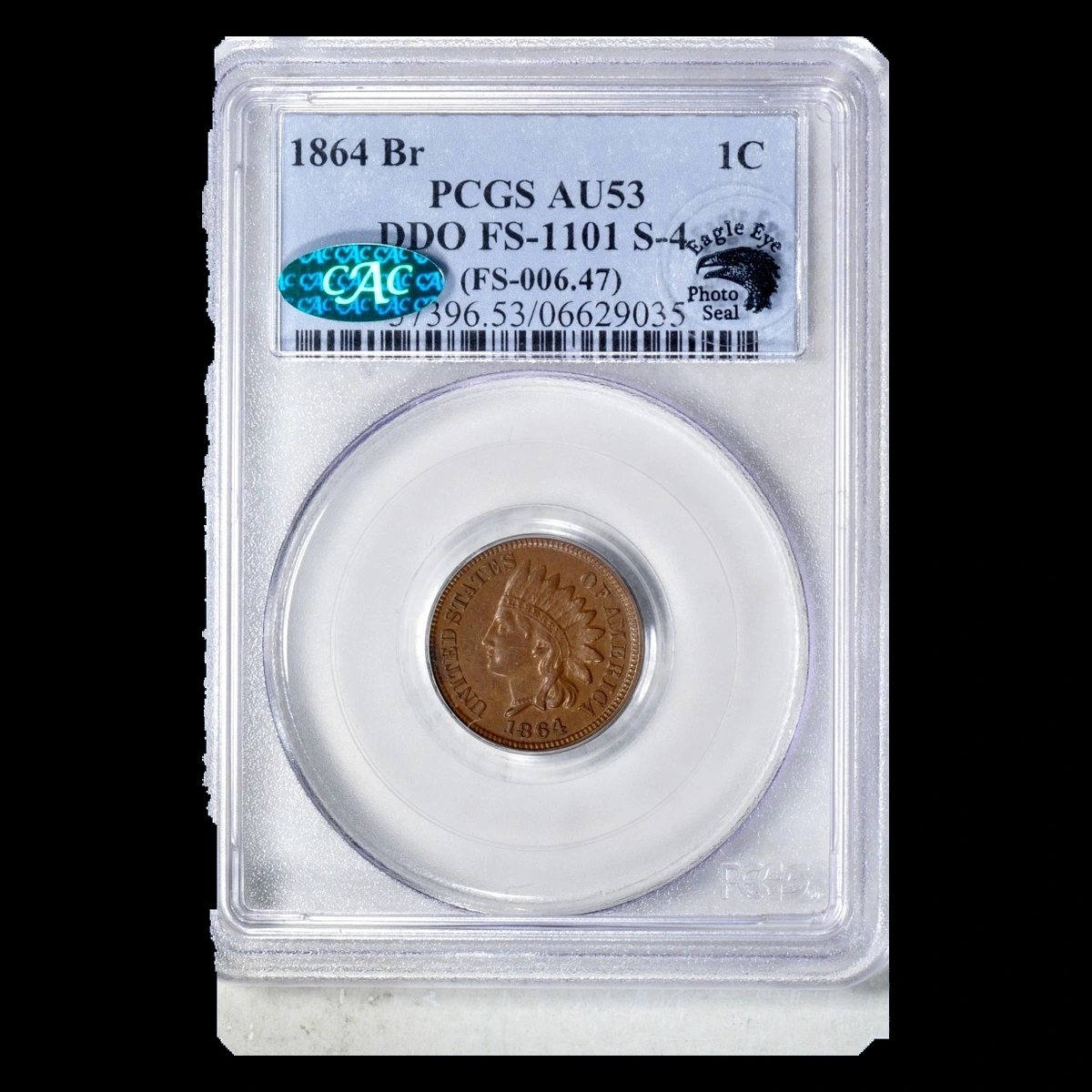
2. 1864 Penny Repeated Raised Letters in LIBERTY: Doubled Die Error
The reported bronze No L doubled die has extra outlines in the headband lettering. These were present in the die before a single strike transferred the design to the coin.
How to Identify
Confirm bronze and No L status, then compare the actual LIBERTY outlines with the attributed variety. A flat shelf beside a letter or a worn thick edge is insufficient.
This front die was paired with three reverse dies. A different reverse therefore does not automatically rule out a correct front-side match.
What It’s Worth
Identified examples are estimated at $75–$2,000. Clear doubling and stronger remaining headband detail support better comparisons.
An 1887 FS-101 doubled-front cent graded MS63 Brown sold for $1,380 in June 2025. It is a later-date variety with a different pattern, not a recorded sale of the 1864 die.
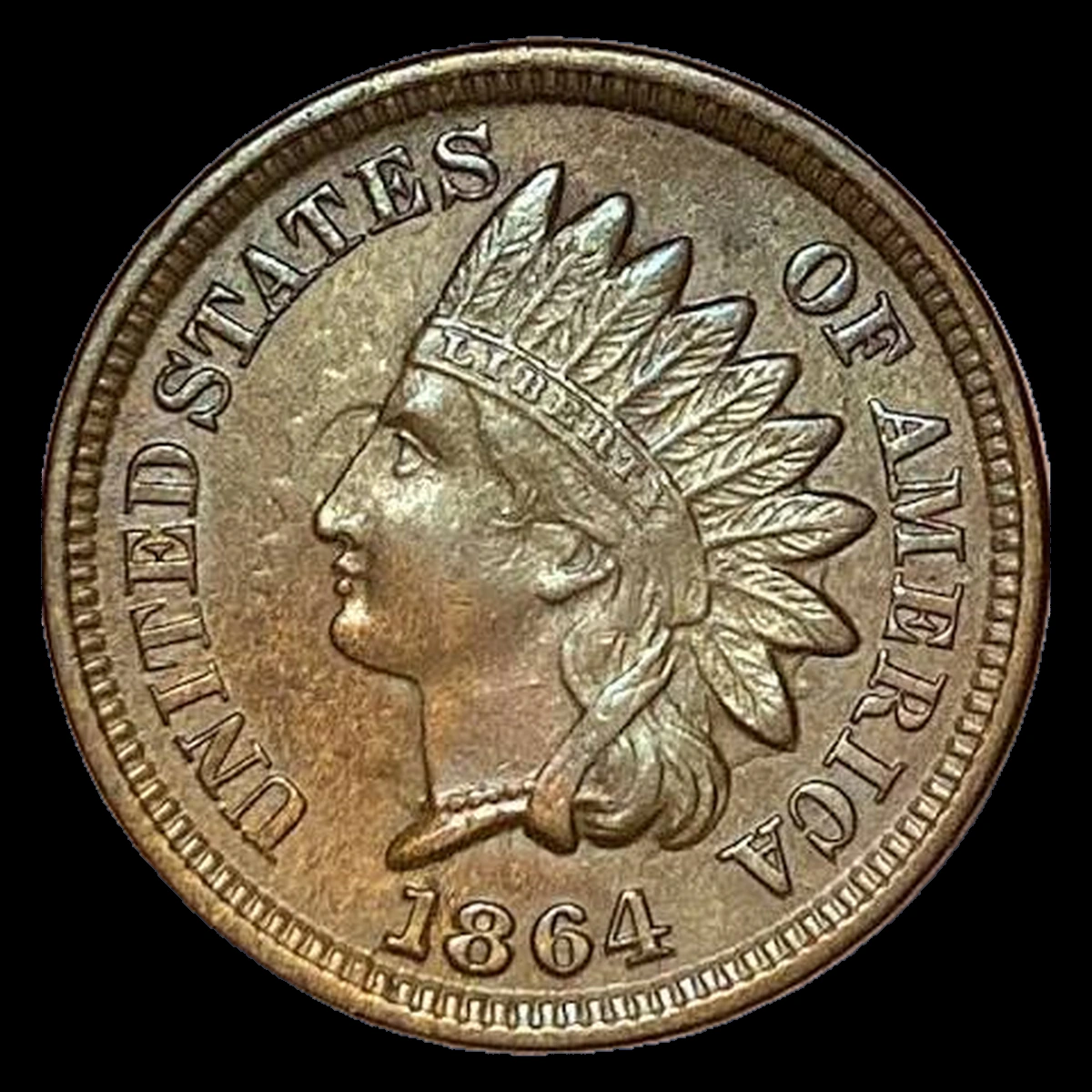
3. 1864 Penny Faint Shapes Belong to the Opposite Face: Clashed Dies Error
Dies striking each other without a blank can pick up traces of their opposite designs. Later coins reproduce those unwanted outlines during otherwise ordinary strikes.
How to Identify
On the reported L bronze examples, inspect open areas near ONE CENT and the wreath, or compare traces among the feathers. Each proposed line should fit an opposite-side design feature.
Sharp grooves crossing unrelated detail suggest scratches instead. Different clashed tools need not leave identical marks on both faces.
What It’s Worth
Clear clash examples are estimated at $20–$400. Much of the whole-coin price may come from the ordinary value of an L cent.
A bronze No L broadstrike with rotation sold for $164.70 in June 2026. That different error is only a broad same-year price comparison, not a clash realization.
4. 1864 Penny A Local Patch Is Weak beside Sharp Detail: Struck Through Material Error
Material obstructing the die can prevent a small area from forming normally. A reported L bronze example graded XF40 was described as struck through grease.
How to Identify
Compare the weak patch with surrounding letters and the wear on exposed portrait detail. Local blocked design differs from broad, even circulation wear.
Inspect the surface for scraping lines or pushed-aside metal. The general category can involve different obstructions, so the grease description belongs to the particular reported coin.
What It’s Worth
Visible genuine struck-through areas are estimated at $25–$600 for the whole collectible coin. Slight weakness belongs below a large clear interruption.
The $164.70 bronze broadstrike-and-rotation sale in June 2026 provides general context only. It is not a transaction for the XF40 grease example.
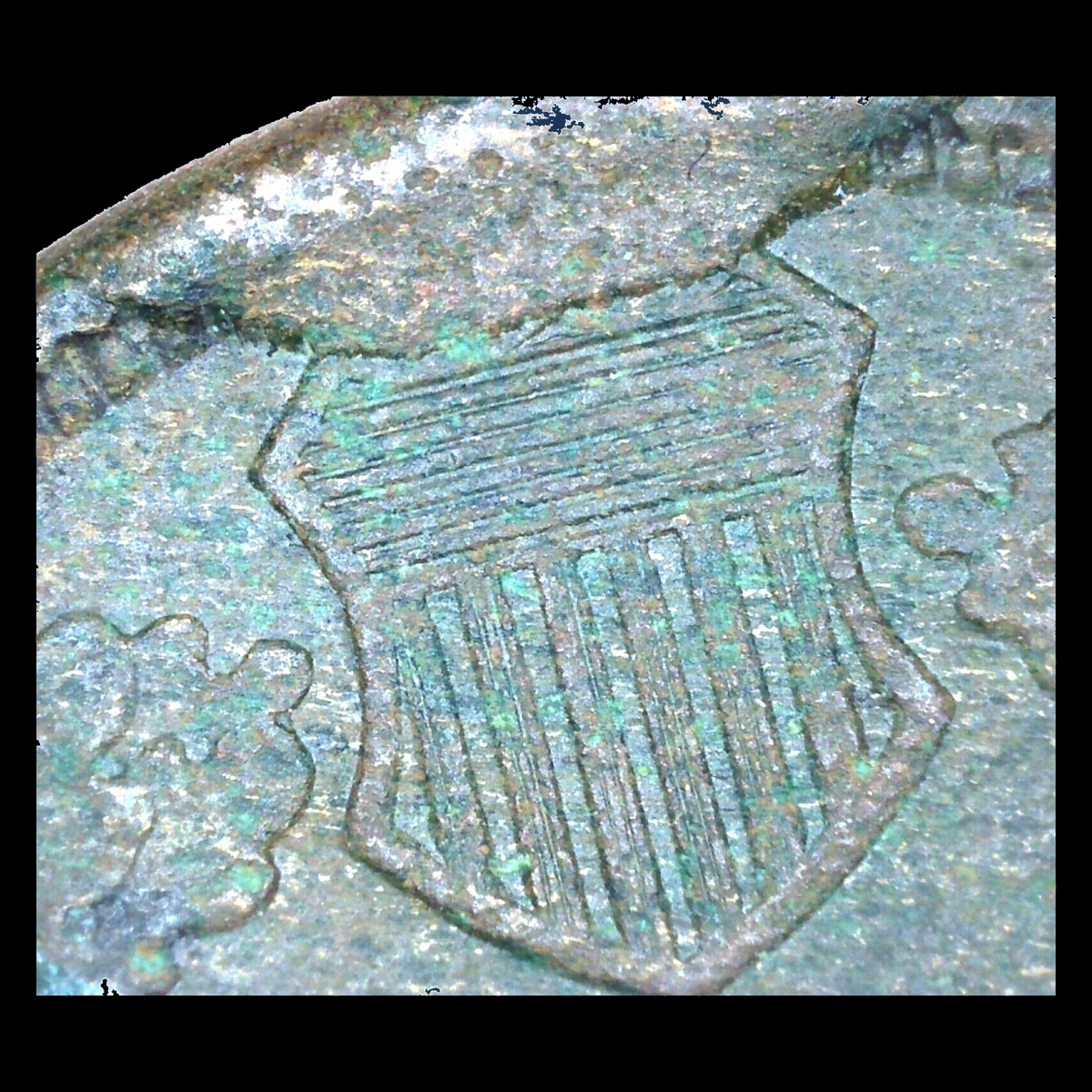
5. 1864 Penny Raised Lines and Rim Patches: Die Cracks and Breaks Error
A narrow die crack leaves a raised ridge, while a larger missing edge section can produce a cud. A retained broken section may continue to stamp some design inside its boundary.
How to Identify
Compare the actual metal and design version with its matching break photograph. Copper-nickel reports include upper and right reverse breaks and left-edge lines, while L bronze coins have other wreath-crack patterns.
Check whether a suspected patch joins the rim and merges with original struck metal. Solder, a folded edge, or a later impact can produce raised material with a different boundary.
What It’s Worth
The estimated range is $10–$800, including the underlying 1864 version’s value. Thin cracks may add little, while larger clear breaks can draw more interest.
An MS64 copper-nickel broadstrike with a retained rim break sold for $646.25 in August 2016. That combination cannot price a small crack in isolation.
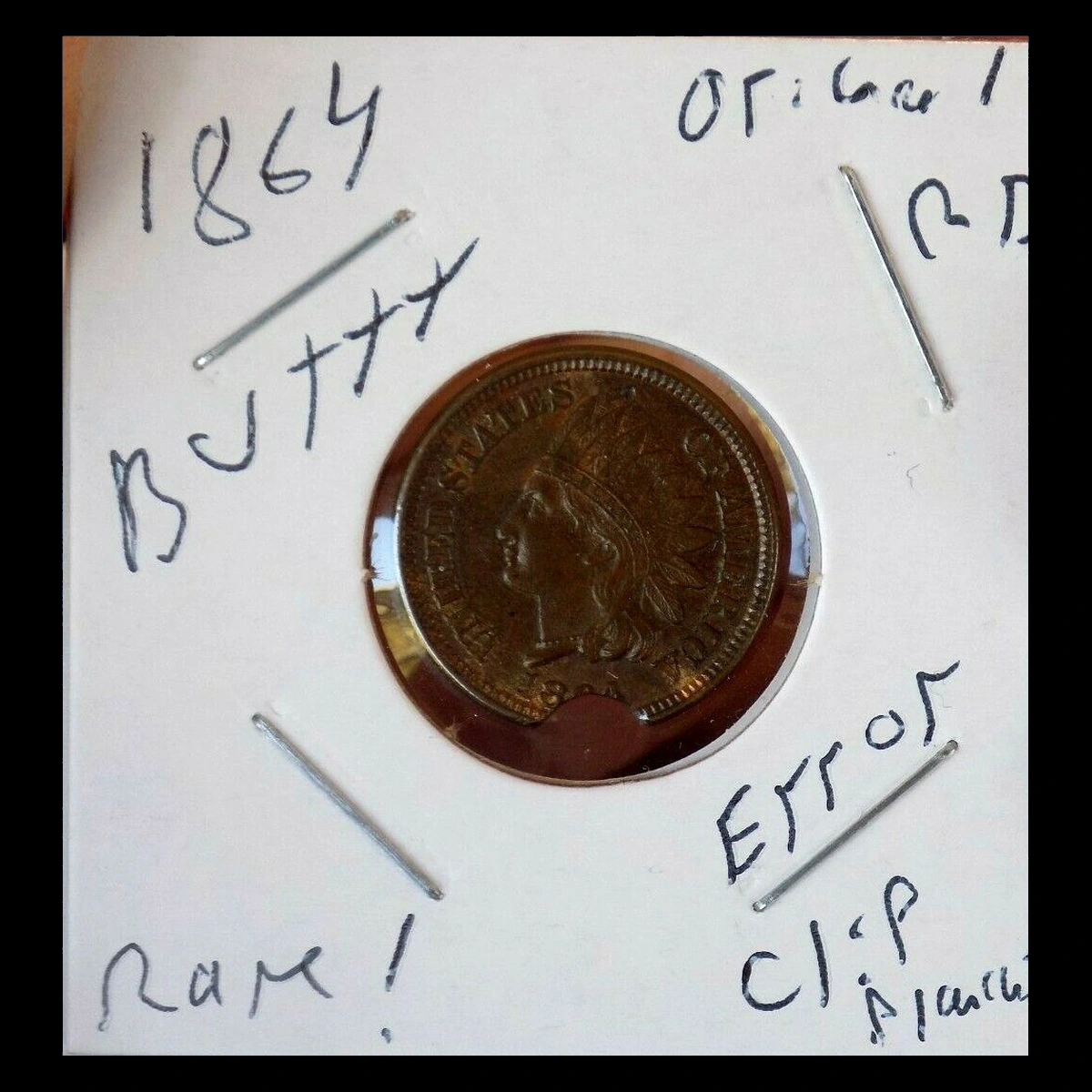
6. 1864 Penny A Curved Piece Was Missing before Striking: Clipped Blank Error
A blanking punch overlapping a prior hole can cut an incomplete disc. The gap remains when the rest of the metal receives the cent design.
How to Identify
Inspect the gap’s ends for natural rim transitions rather than saw marks, burrs, or cuts through finished detail. Possible opposite-rim weakness supports the examination without being decisive on every coin.
Establish the coin’s alloy and L status before interpreting its weight. A rounded notch alone cannot distinguish a genuine mint clip from later cutting.
What It’s Worth
Genuine 1864 clips are estimated at $30–$600. Metal version, clip size, date legibility, and condition contribute to the total.
A 1939 Lincoln clip graded MS64 Brown sold for $180 in January 2023. That different design and date provide a mechanism comparison rather than a fixed clip premium.
7. 1864 Penny Opposite Edges Have Different Thickness: Reported Tapered Blank Error
The reported copper-nickel coin appears thick at one edge and thin at the other. A tapered starting blank could explain this, but weak detail alone does not prove that cause.
How to Identify
Measure thickness around undamaged areas, comparing equivalent points rather than a high rim with a dent. A gradual, repeatable thickness change is more useful than one isolated low spot.
Inspect for grinding and compare weakness on both faces with the thin end. A tilted die can also produce uneven sharpness without establishing a tapered blank.
What It’s Worth
An authenticated copper-nickel taper is conditionally estimated at $100–$1,500. The reported example has no measured, certified sale supplied here.
The $646.25 copper-nickel broadstrike with retained break in 2016 offers general price context only. Its known combination does not verify the taper claim.
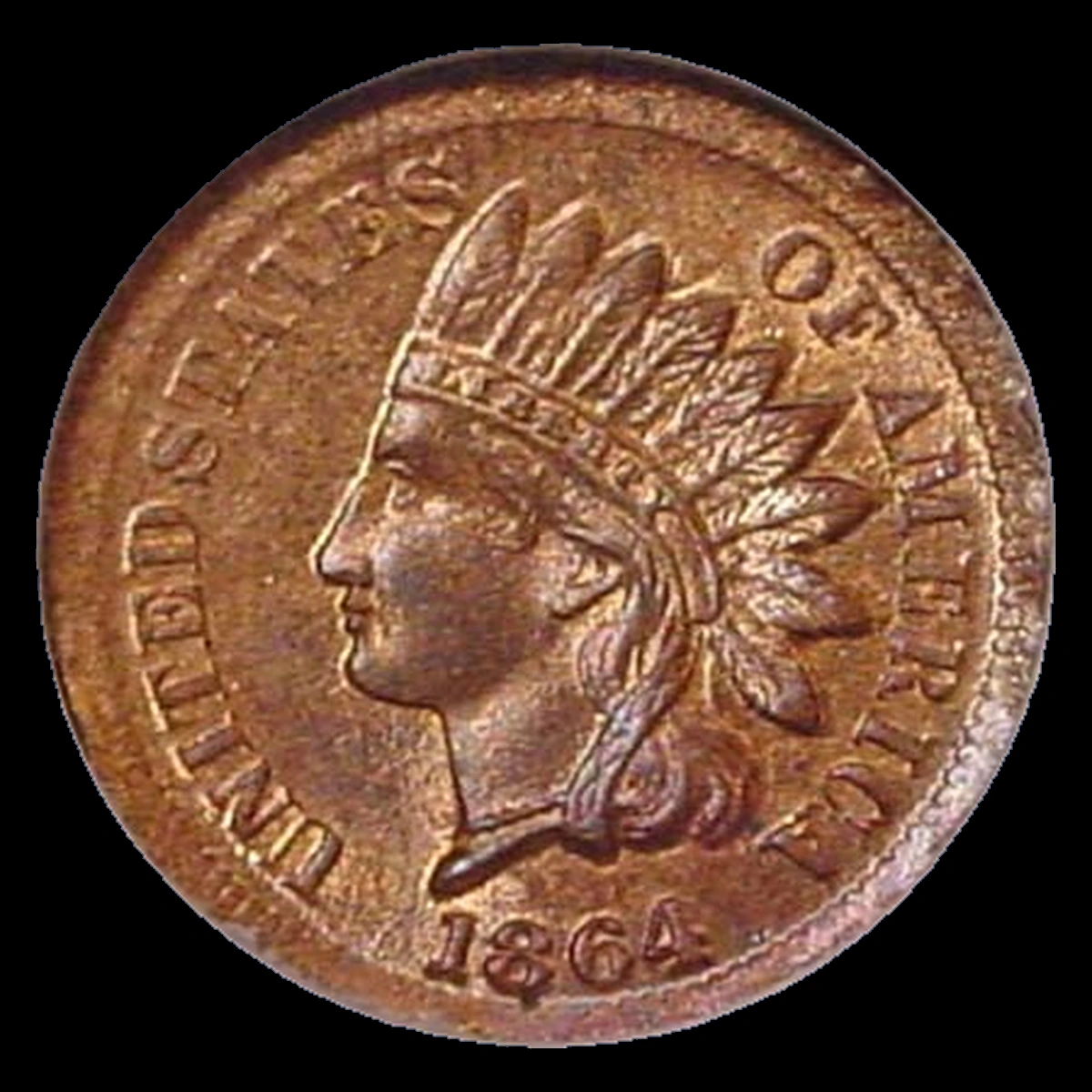
8. 1864 Penny Complete Designs Spread beyond Normal Width: Broadstrike Error
The reported bronze MS64 Red and Brown example was broadstruck on a Type 1 blank. Here Type 1 means the disc had not received its raised edge before striking, not that it was the heavier copper-nickel issue.
How to Identify
Read the full outer design and confirm that it remains within the expanded metal. An off-center strike instead lets some intended design fall beyond the disc.
Inspect for later flattening or grinding. A flat-looking rim alone does not establish that the blank skipped the rim-forming step.
What It’s Worth
Genuine examples of this broadstrike category are estimated at $125–$1,500. A clear unprepared-blank attribution can add interest within a whole-coin assessment.
A bronze No L MS60 Brown broadstrike with a rotated reverse sold for $164.70 in June 2026. The $646.25 copper-nickel broadstrike-and-break sale from 2016 concerns a different alloy and combination.
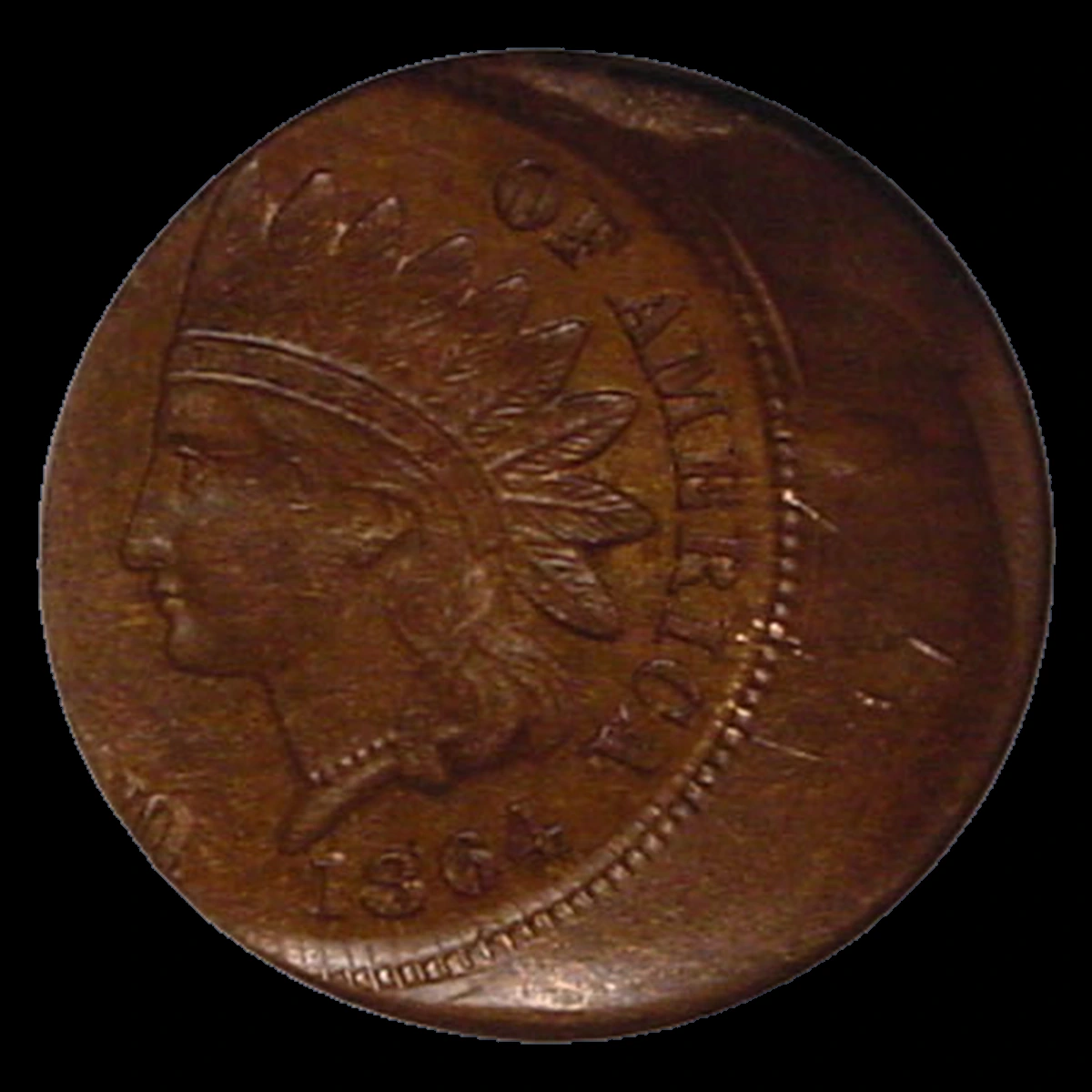
9. 1864 Penny A Metal Flaw Accompanies a Displaced Design: Defective Blank Error
The documented bronze MS64 Brown cent was struck 25% off center toward the upper left on a blank described as defective. That label does not establish whether the flaw was a split layer, hollow, or another metal irregularity.
How to Identify
Study the flaw separately from the unused crescent. Unstruck metal is not automatically defective metal.
Inspect how surviving design meets the irregularity and whether the strike affected its surface. A fresh gouge through finished detail requires a later-damage explanation instead of a more specific blank-defect label.
What It’s Worth
The combined whole-coin estimate is $300–$2,500. It already includes the displaced strike and should not be added to a second full off-center range.
An MS63 Brown bronze No L 20% off-center cent sold for $492 in October 2021. That comparison helps assess the strike component, while the actual additional flaw needs its own examination.
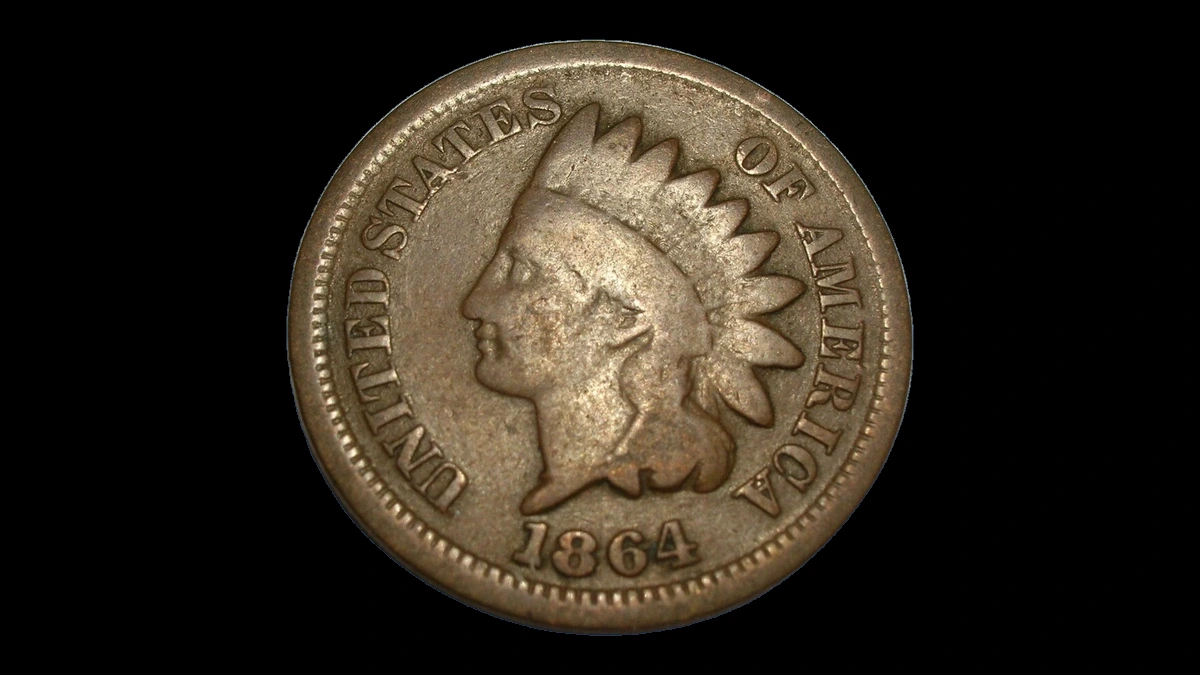
10. 1864 Penny The Reverse Tilts after a Straight Flip: Rotated Dies Error
Two dies turned out of their intended relationship can leave the reverse tilted when the front starts upright and the coin is flipped top to bottom. One L example has about 100 degrees of clockwise rotation.
How to Identify
Keep a fixed turning axis and repeat the flip, using a normal U.S. coin to check the method. The observed angle should stay consistent rather than change with your grip.
The 100-degree coin is also 25% off center toward the upper right. A separate L variety has an 83-degree counterclockwise turn, which is a different arrangement.
What It’s Worth
Visible rotation on collectible 1864 cents is estimated at $75–$2,000. The underlying version and any other striking errors remain part of that total.
The PCGS AU58 L bronze combination sold for $1,035 on May 6, 2005. That sale cannot isolate what the 100-degree rotation alone contributed.
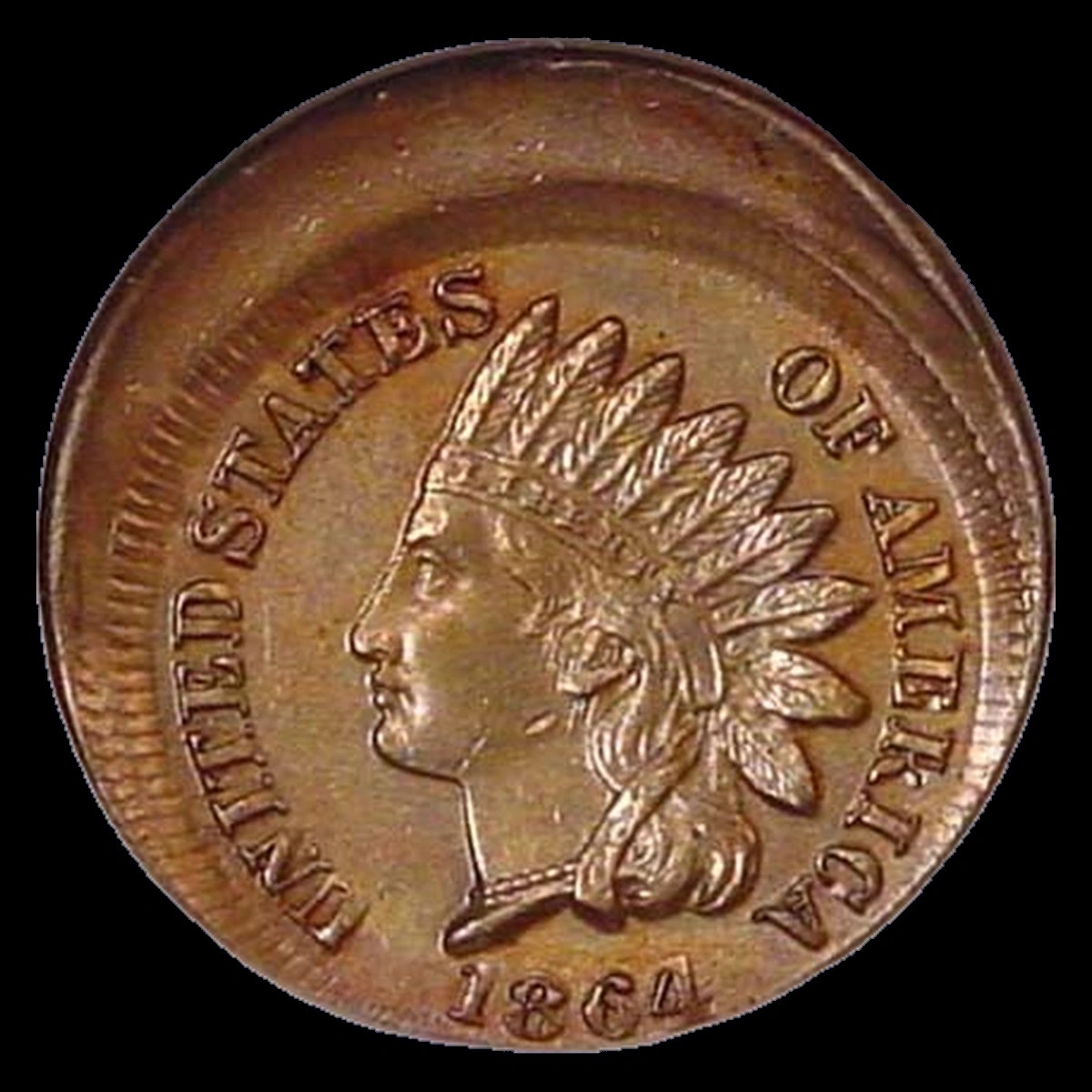
11. 1864 Penny An Incomplete Image Meets a Blank Crescent: Off-Center Strike Error
The planchet can land partly outside the dies’ center, leaving intended design off the metal. Reported 1864 examples occur in both normal alloys and different directions.
How to Identify
Read the actual date and compare both faces with the same displaced disc. No L status alone does not establish the year when the numerals are absent.
A copper-nickel report shifts 15% toward the lower right; bronze reports include upper-left, bottom, and an L example toward the lower left. Preserve each coin’s own direction rather than expecting one universal pattern.
What It’s Worth
Estimated values span $150–$2,500 across genuine dated examples. The alloy, L status, preservation, and readable design influence the comparison.
The bronze No L MS63 Brown 20% example sold for $492 in October 2021. It is a same-year result for that specific coin, not every off-center version.
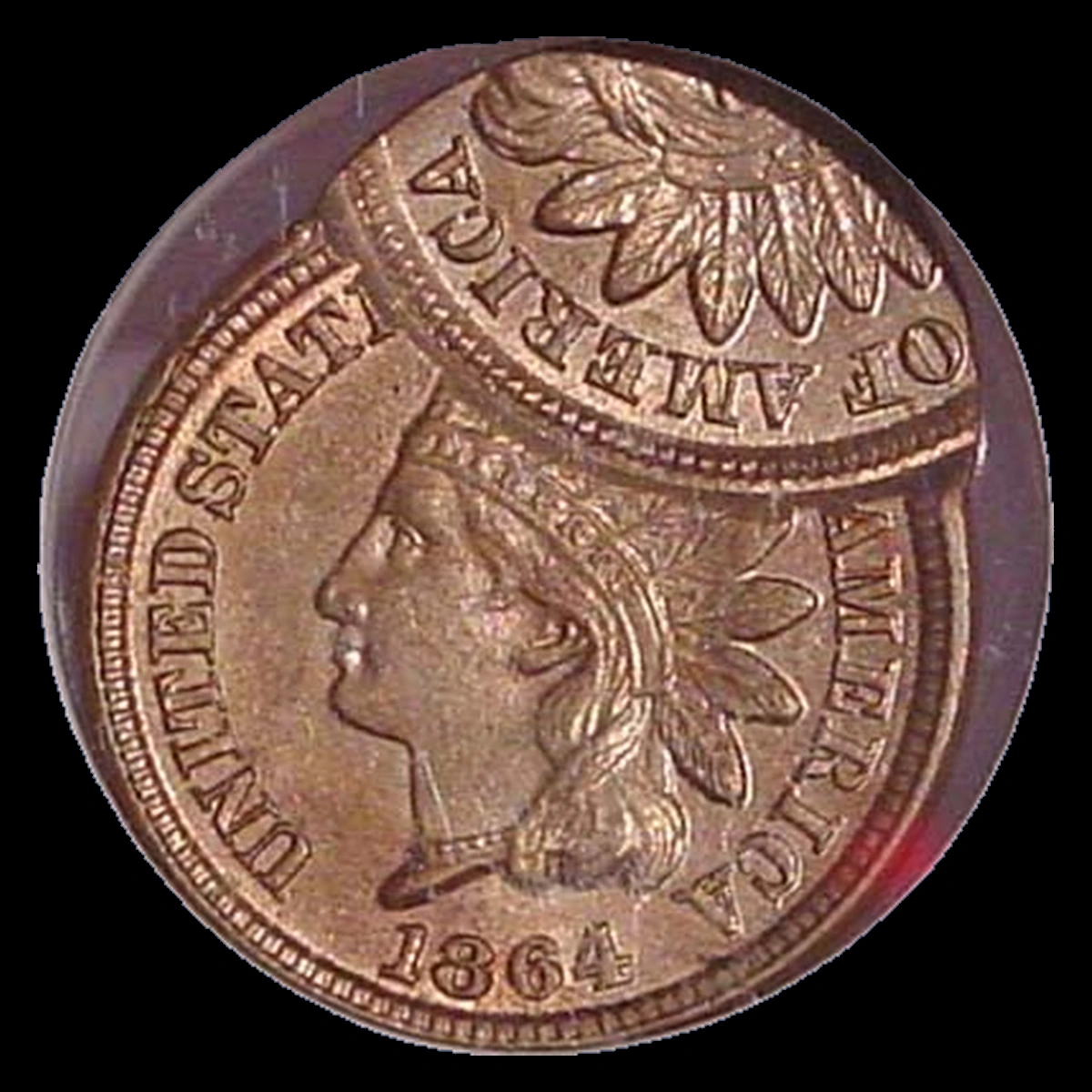
12. 1864 Penny The Design Appears in Two Positions: Double Strike Error
A coin remaining in the press can move and receive another blow. A flipover version turns before the second strike, mixing front and reverse details on the same face.
How to Identify
Trace repeated portrait and lettering into coherent design positions. The copper-nickel report has a second strike 65% toward the upper right, while separate bronze examples have 25% and 50% second strikes toward the lower right.
The bronze No L flipover needs recognizable opposite-face remnants together. Check the edge for joins or later pressing, and use surviving date digits rather than L absence to establish 1864.
What It’s Worth
Estimated whole-coin values run $150–$5,000 for genuine 1864 double strikes. Visible overlap, the particular version, and preservation account for much of the difference.
A heavily worn bronze No L double strike sold for $156 in October 2021, while a separate 95% second-strike coin brought $189.75 in 2010. A 1908 double strike sold for $4,080 in June 2024, offering a stronger but different-year comparison.
Conclusion
Identify the normal 1864 version before interpreting its weight, design, or price. Copper-nickel and bronze were both legitimate issues, and the L is a designer initial rather than a mintmark.
Within the $10–$5,000 estimates, match the actual physical feature and any combination on the same coin. A weak patch cannot establish a taper, and a large blank crescent cannot establish an internal metal defect by itself.