Rare 1891 Penny Errors (List & Pictures)
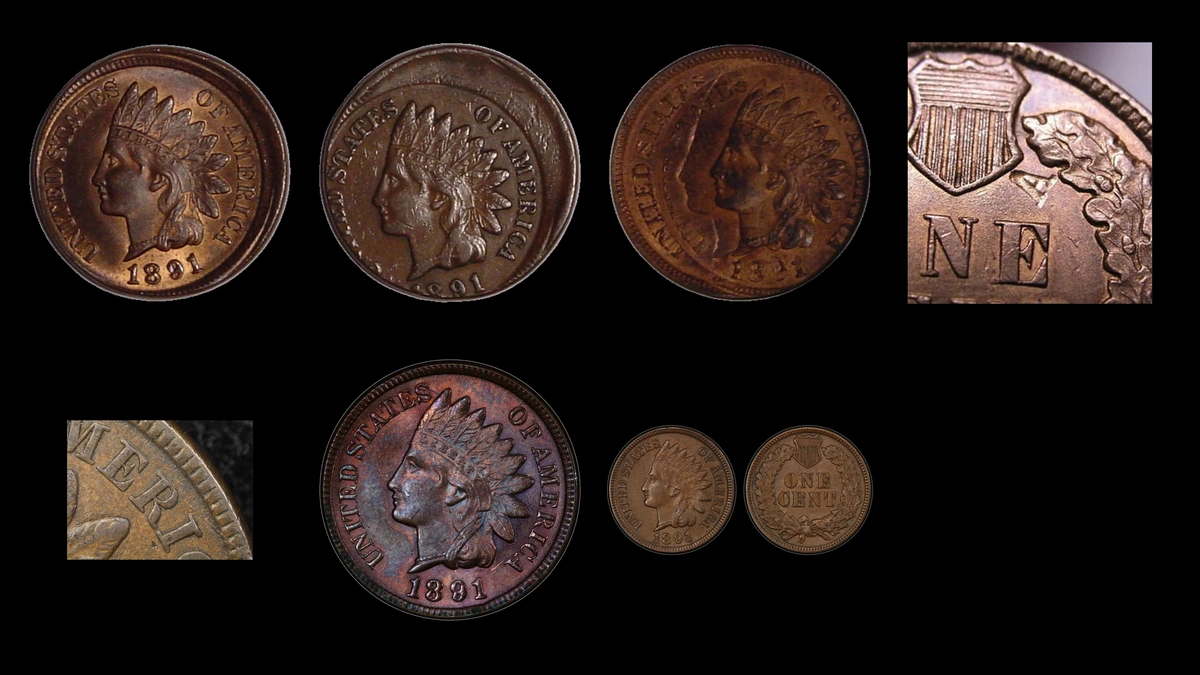
A heavily worn flip-over double strike sold for $528 on November 6, 2020, the leading supplied result among 1891 penny errors. Estimated whole-coin ranges cover $5–$5,000, from fine die traces to repeated strikes.
Compare the outline and design positions first, then examine unusual impressions, raised defects, and date details. A normal bronze cent weighs 3.11 grams and measures 19.05 mm, with a plain edge.
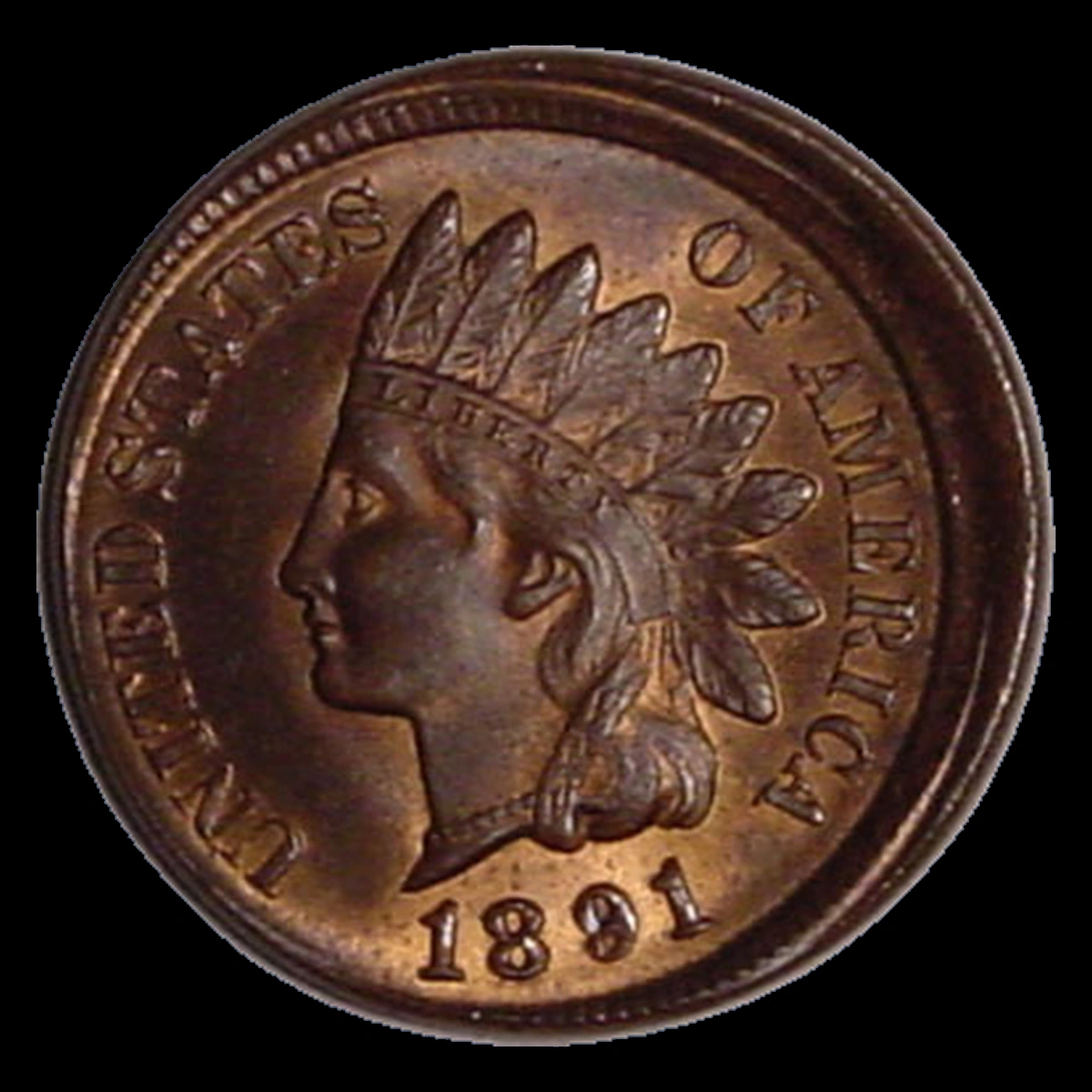
1. 1891 Penny An Uneven Border Surrounds the Complete Design: Broadstrike Error
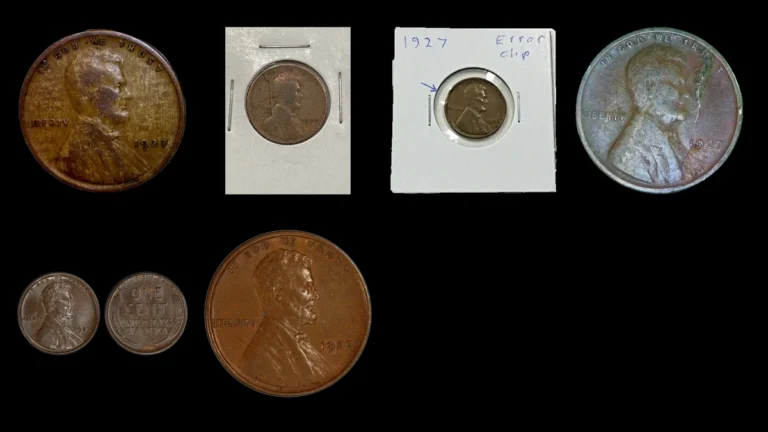
The collection’s uncentered broadstrike has metal spread unevenly around the design. The collar, the ring that normally confines the blank, failed to contain the outward flow.
Despite the uneven border, the intended design remains on the metal. That distinguishes broadstriking from the separate off-center example that loses some design beyond the blank.
How to Identify
Measure several spans, then follow the outer lettering around both faces. Its completeness is more informative than one unusually wide border.
Inspect the edge and central details for later squeezing or hammering. General crushing can widen a finished penny without producing the natural strike seen in the collection example.
What It’s Worth
Estimated values run $100–$4,000 for genuine examples. The collection illustration has no supplied completed sale price.
A very lightly worn 1893 broadstrike sold for $414.80 in March 2026. That nearby-year comparison concerns outward spread around complete design, with its own preservation.
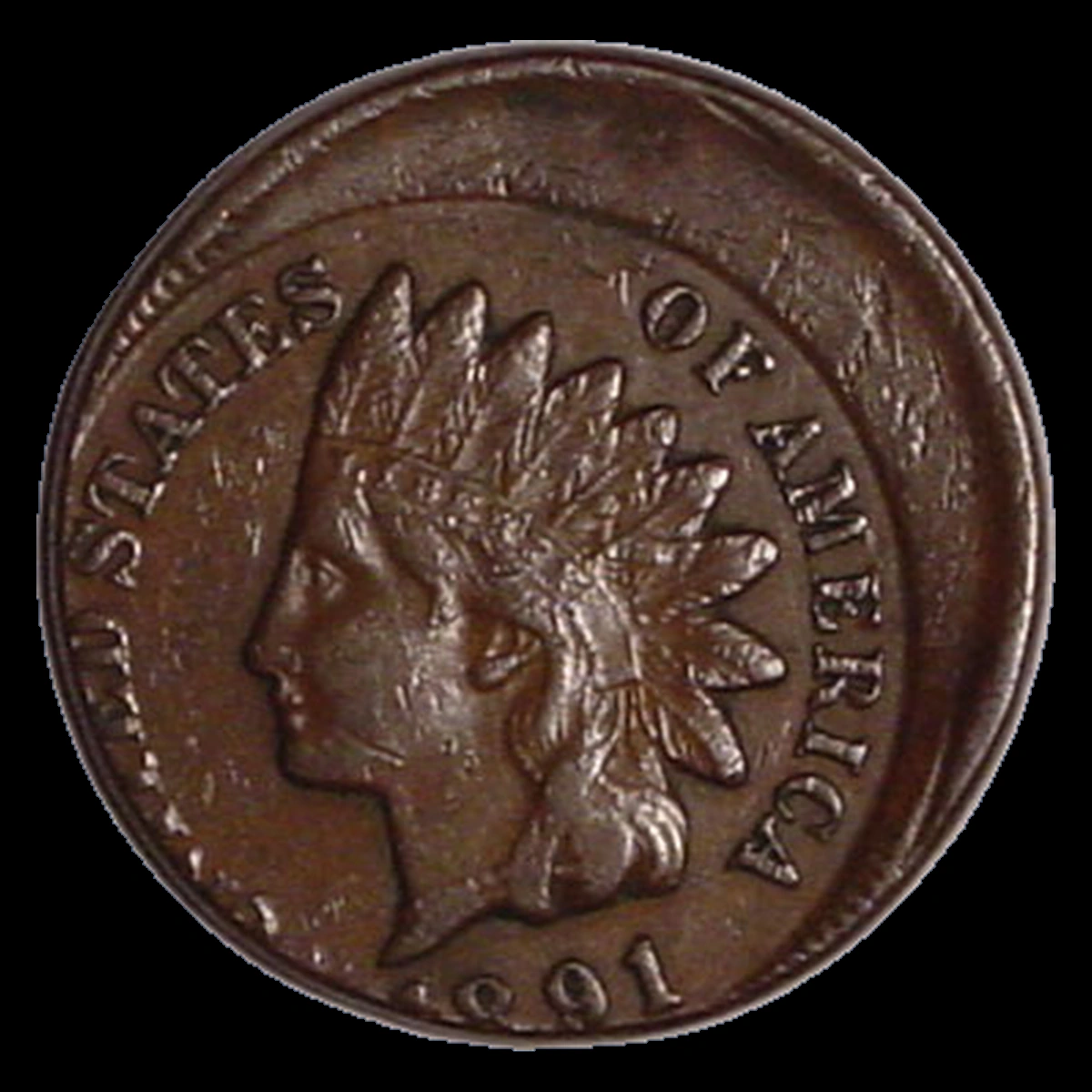
2. 1891 Penny A Blank Crescent Opposes Missing Design: Off-Center Strike Error
The recorded collection coin is 15% off center toward 8 o’clock. Its blank was misplaced when the dies came together, so part of the design missed the metal.
This is a single displaced strike. The collection’s multistruck coin is a different object.
How to Identify
Set the date upright and locate the lower-left displacement with the unused crescent opposite. Both faces should agree with the same misplaced blank.
Check the bare area for grinding and the edge for flattening. A centered reverse with only the front shifted suggests a different die-alignment problem.
What It’s Worth
The estimated range is $100–$2,500 for dated examples. The 15% collection description establishes a specimen, not a transaction used here.
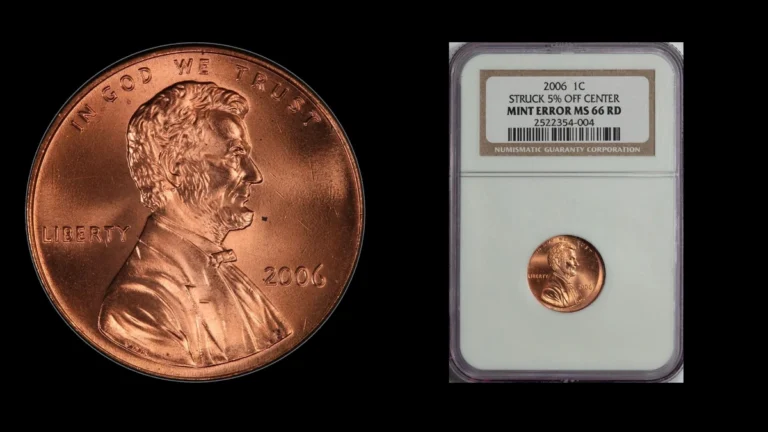
A very lightly worn 1895 cent struck 10% off center sold for $231.80 in March 2026. Its date, smaller displacement, and condition remain separate from the 1891 illustration.
3. 1891 Penny Portrait and Wreath Details Overlap: Double, Flip-Over, and Multiple Strikes Error
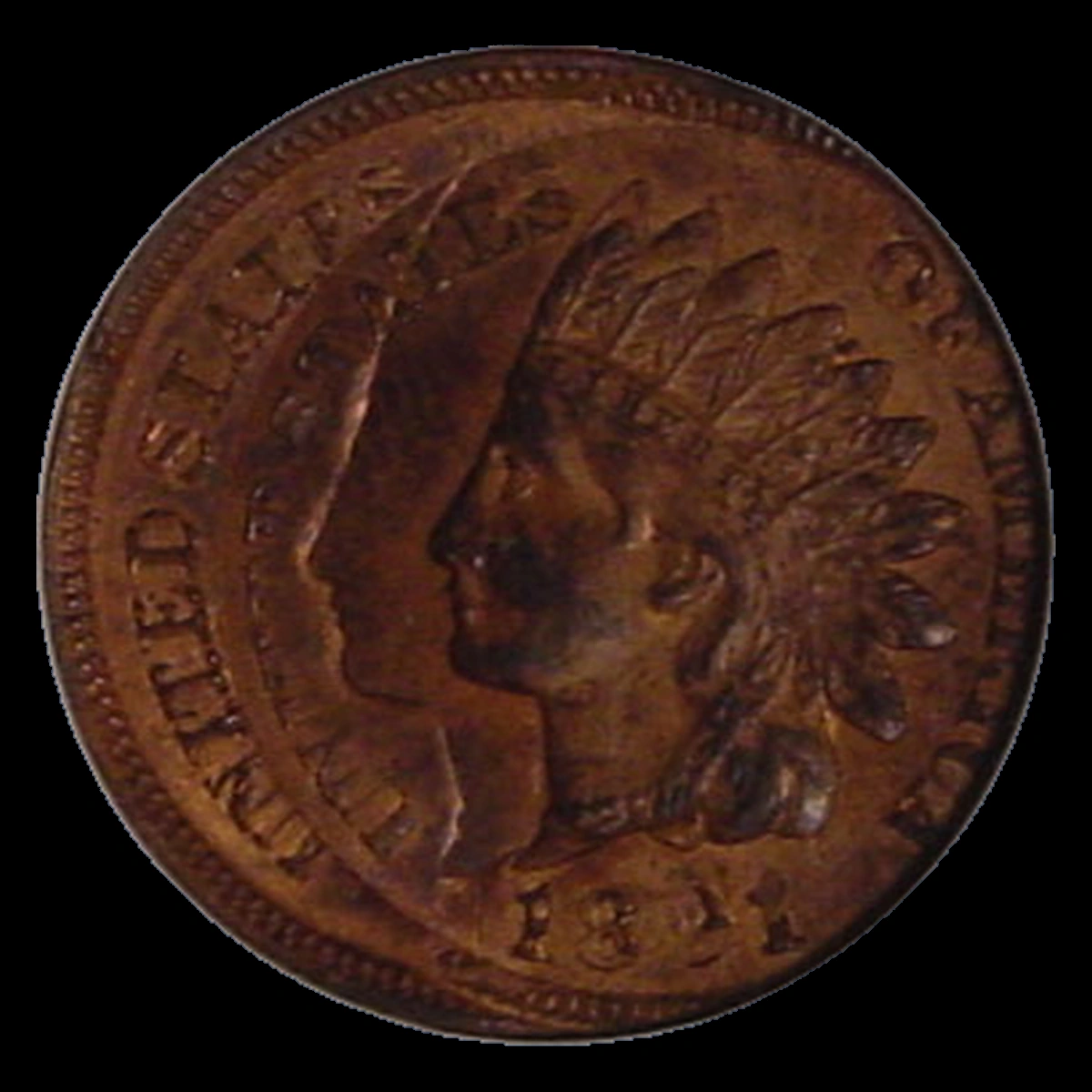
Another blow can leave repeated design when a cent moves instead of leaving the press. If it turns over first, parts of the front and back can appear on the same face.
The sold 1891 flip-over example has an off-center second strike without a supplied percentage or direction. A separate collection coin began centered and received multiple impressions 20% off center toward 3 o’clock.
How to Identify
For a flip-over, connect a recognizable wreath or other opposite-face fragment with the older design. One unexplained ridge is insufficient.
For the multistruck example, trace the repeated right-side groups and places where later strikes flattened earlier details. Keep the 20% and 3 o’clock measurements with that coin rather than adding them to the flip-over sequence.
What It’s Worth
The estimated whole-coin range is $200–$5,000. Clear separation and preservation matter more than merely claiming a large number of blows.
The NGC Good 6 flip-over double strike brought $528 on November 6, 2020. Good 6 indicates heavy wear, while no supplied price belongs to the separate multistruck collection coin.
4. 1891 Penny A Recessed A Appears on the Reverse: Dropped Filling Error
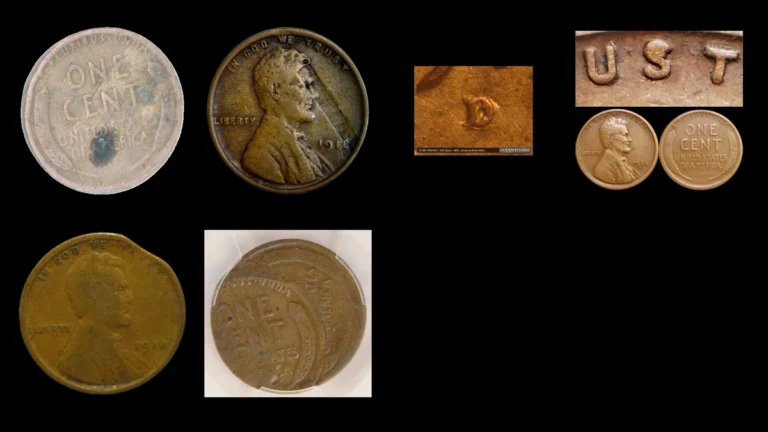
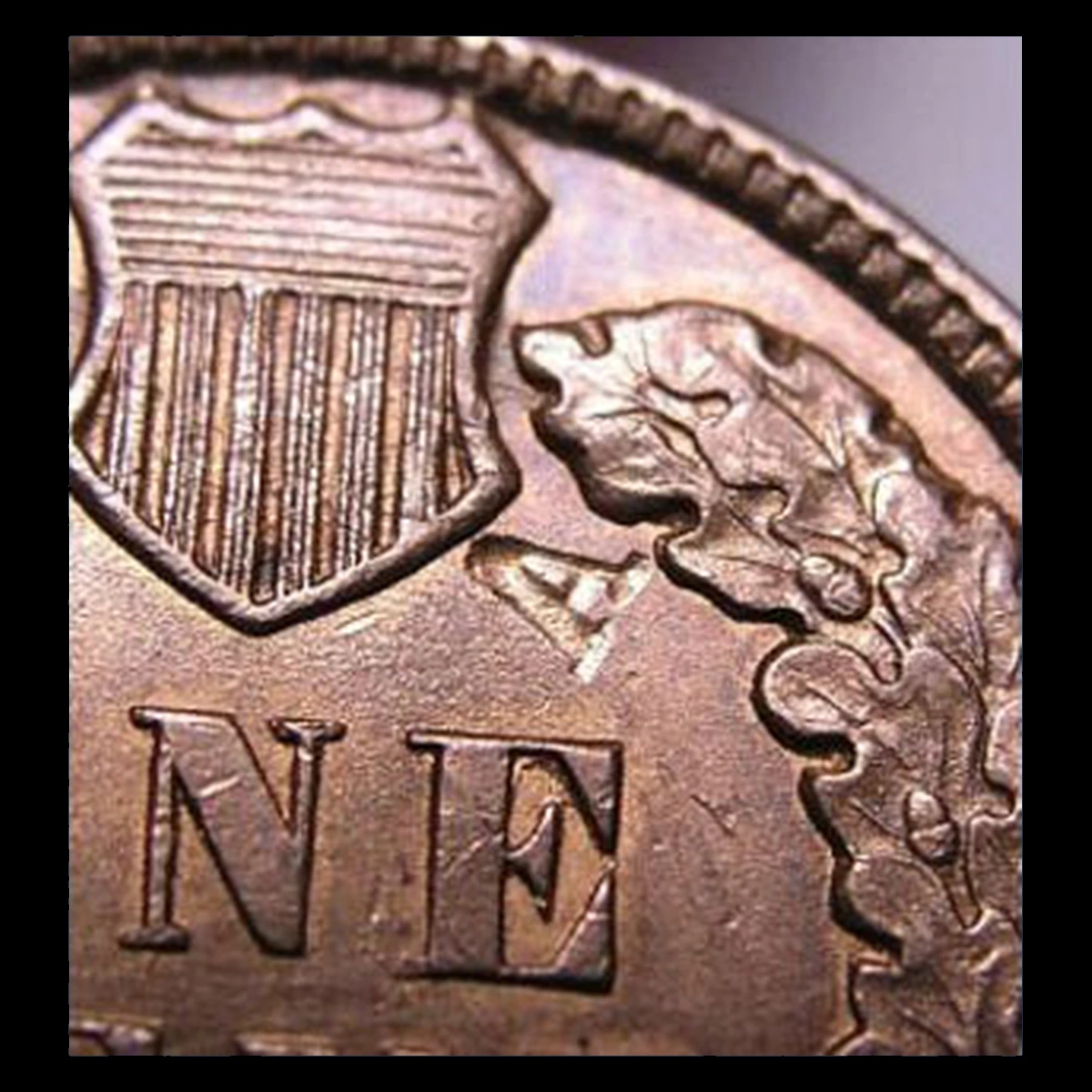
A plug of compacted material can take the shape of a recessed letter in a die, fall onto a blank, and be pressed into it. CONECA illustrates an 1891 example with a sunken A attributed to an A in AMERICA.
This is a dropped filling. It produces an impressed shape rather than another raised letter copied from a doubled die.
How to Identify
Follow the legs and crossbar where visible and confirm that the letter sinks into the surface. Compare with the documented dropped-A example rather than assigning a location from another struck-through coin.
Check for a sharp displaced lip, opposite-face crushing, or edge damage that could indicate a letter punched into the finished cent. A triangular dent without the letter structure cannot establish the same cause.
What It’s Worth
The estimated range is $100–$1,500 for an identifiable dropped A. No auction result is assigned to the illustrated coin here.
A 1920 cent struck through a metal fragment sold for $134 in March 2025. It offers broad context for material impressed during striking, but does not price this recognizable letter shape directly.
5. 1891 Penny A Thin Layer Separates from the Front: Lamination Error
A GreatCollections archive identifies an 1891 front lamination graded PCGS Good 4, a heavily worn coin. Its description gives no specific route through the portrait or lettering.
Lamination is separation within the bronze that can leave a loose layer or irregular opening. A local peel does not mean the entire disc split apart.
How to Identify
Use side lighting to find a thin boundary where the layer meets intact metal, keeping any flap undisturbed. Look for design meeting that boundary rather than fresh scratches crossing the surface.
On a heavily worn coin, broad pitting alone does not establish lamination. Keep calipers on intact edges because the surviving separation surface supplies more useful evidence than a tiny possible weight change.
What It’s Worth
The estimated range is $10–$600. The recorded Good 4 example requires a heavily worn comparison rather than an unworn one.
An 1890 lamination graded NGC MS62 Brown sold for $104 in April 2010. Its much stronger remaining detail limits a direct comparison, and a larger unstable opening need not add value.
6. 1891 Penny Raised Patches or Lines Meet the Border: Cracks, Cuds, and Retained Breaks Error
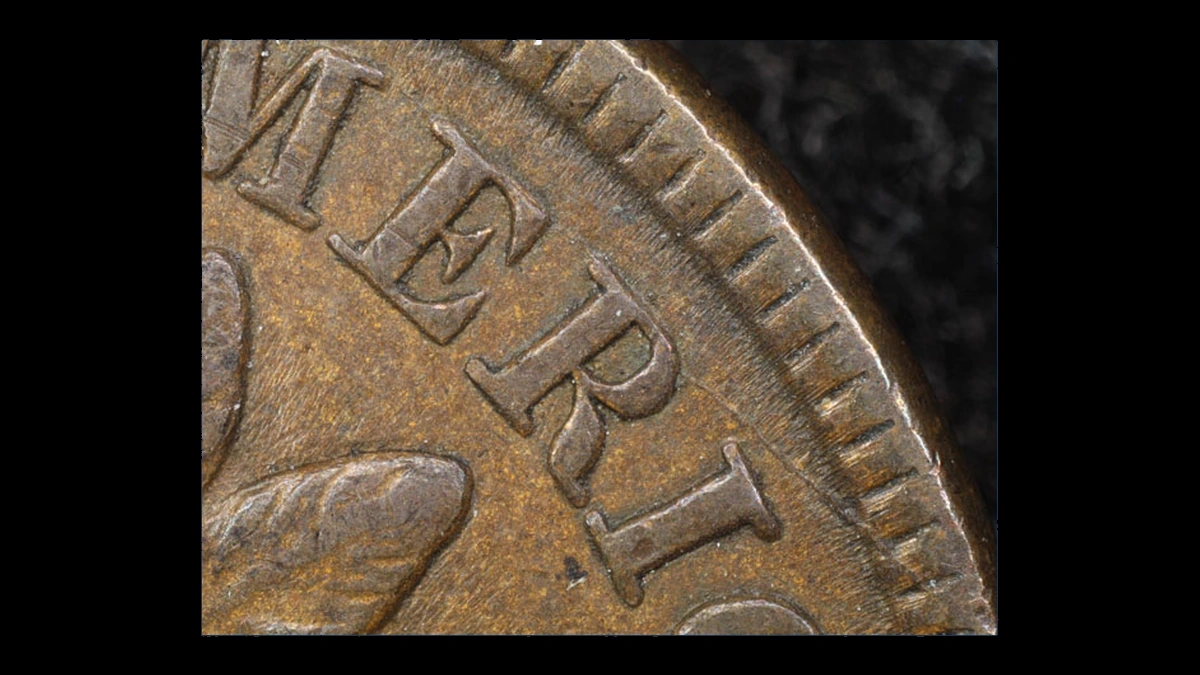
One front cud spans about 11 to 11:30. A separate reverse retained break covers roughly 11:15–12:45, with some design preserved because the broken die piece stayed in place.
Thin cracks occur on other reverse dies. They leave raised lines as metal fills openings in the steel, but do not imply that every coin carries both large patches.
How to Identify
Inspect the actual edge for folded bronze, solder, or impact damage beside a suspected patch. A retained section can preserve design within its boundary, unlike a fully missing piece.
Trace thin ridges along their own routes into the wreath under changing light. A scratched groove is not a crack simply because it occupies a similar location.
What It’s Worth
Small cracks are estimated at $5–$150, with clear cuds or retained breaks around $50–$1,000. Both ranges include the coin’s wear and surfaces.
An 1866 cent with a reverse cud sold for $504 in March 2021 at unworn MS62 Brown. It illustrates substantial die failure, not a price for every faint 1891 line.
7. 1891 Penny A Shape from the Other Face Appears: Clashed Dies Error
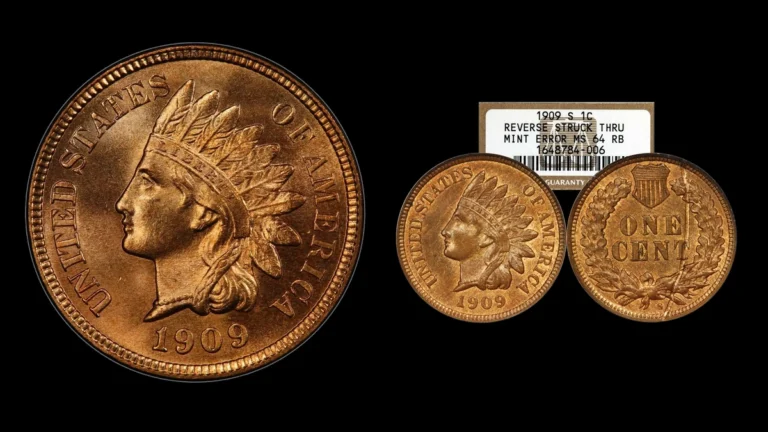
An auction listing records clashed dies on an 1891 cent without naming the mark’s exact position. The dies had contacted each other without a blank, leaving traces that later coins reproduced.
How to Identify
Compare full photographs of both faces at the same scale and follow a recognizable part of the opposite design. Different enlargement can make an unrelated curve seem to match.
The supplied listing does not justify importing a location from another year. A short line without a recognizable transferred shape remains insufficient.
What It’s Worth
A matched clash has an estimated range of $5–$400. The listing supplies no completed sale amount here, and faint traces on a worn cent may add little to its ordinary collector value.
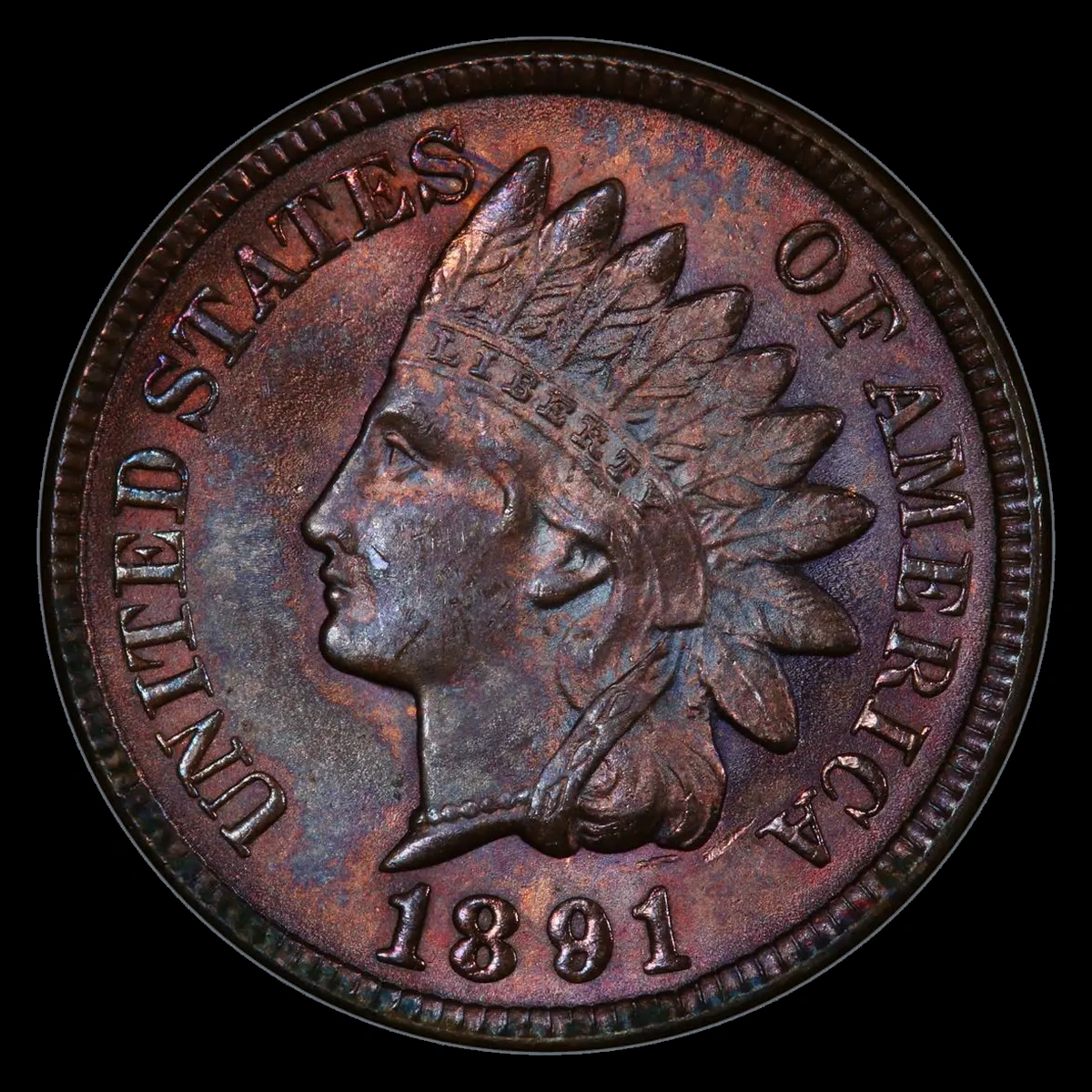
8. 1891 Penny Letters or Wreath Details Have Repeated Edges: Doubled Designs Error
The reported front pattern affects parts of TATES OF AMER and LIBERTY, including useful detail in OF and the headband. Separate reverse patterns repeat left oak leaves, C in CENT, ribbon details, or right-wreath veins.
These designs were doubled in the die before the coins were struck. Some reverse varieties also carry date repunching, which remains a separately identified feature on the same coin.
How to Identify
Choose the face and pattern first, then compare several adjacent details. A repeated leaf vein and an extra headband-letter edge need different reference photographs.
Change the light to verify a stable physical outline. Flat shelf-like doubling that narrows a letter can arise during striking rather than in the prepared die.
What It’s Worth
The estimated whole-coin range is $20–$3,000 for identified patterns. Clarity, variety, and preservation determine the relevant comparison.
An 1889 reverse doubled die graded AU55 sold for $240 in July 2025. That lightly worn different-year coin is not a sale assigned to any 1891 pattern.
9. 1891 Penny Numeral Tops Hide among the Border Teeth: Misplaced Date Error
One pattern leaves misplaced 18 tops below the intended date. Another has two sets of 891 tops beneath the normal 8, 9, and final 1.
The date punch touched a lower position while the die was prepared. The two-set front appears with more than one reverse die, so its correct front match need not carry every reverse line seen in another pairing.
How to Identify
Keep the whole date and nearby teeth visible while tracing only the raised tops that survive. Compare against an ordinary border to exclude worn or damaged tooth corners.
Select the 18 or two-set 891 pattern before evaluating the reverse. Record both faces to establish the actual pairing instead of requiring a line from a different reverse.
What It’s Worth
The estimated range is $25–$2,000 for matched examples. Two groups on one die do not generate two separate prices.
An 1878 Snow-2 with misplaced 78 fragments brought $1,920 in October 2019 at MS65 Red. Its unworn surfaces and original color belong with that different-year result.
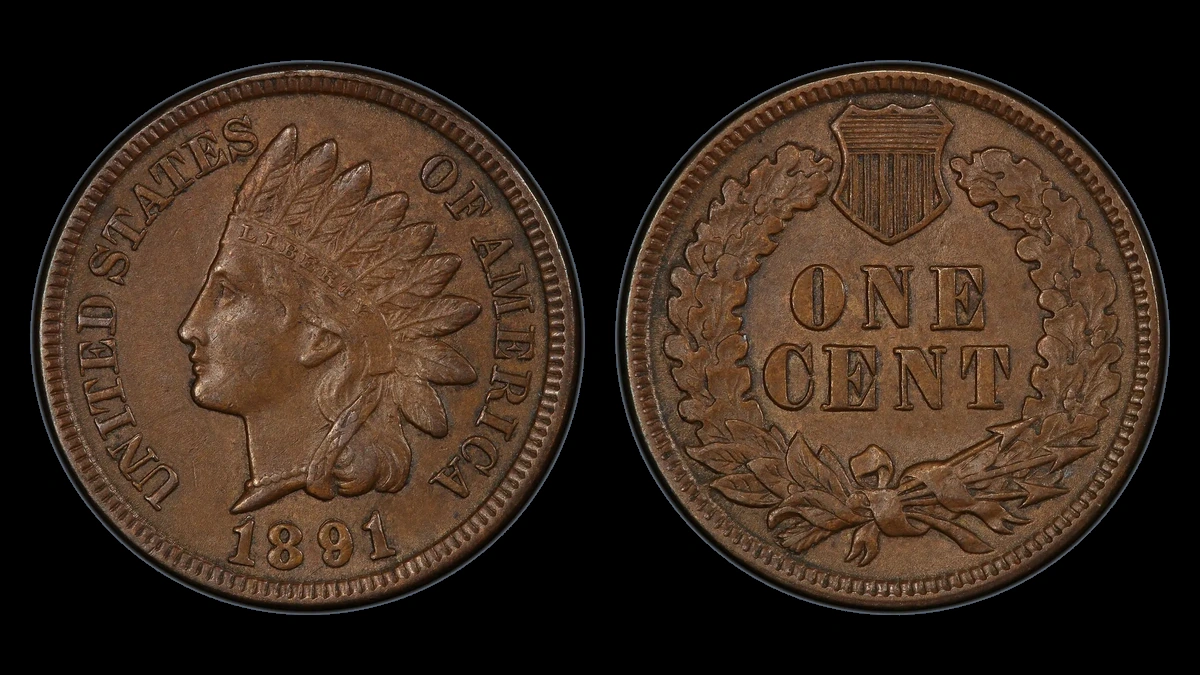
10. 1891 Penny Earlier Strokes Border the Date Digits: Repunched Date Error
One 1891 repunch leaves an earlier stroke below the first 1’s base. Other varieties repeat parts of 8, 9, or the final 1, including patterns above several digits or both above and below 9.
The punch entered the die again without completely covering its earlier impression. The date still reads 1891; this process does not establish an older year underneath.
How to Identify
Compare all four numerals at once and trace the extra strokes through recognizable shapes. A lower remnant at the first 1 cannot substitute for a different variety’s marks above 891.
Check the date surface for alteration and distinguish flat shelves from earlier punched numerals. Do not assemble differently directed marks from several references into an imaginary single pattern.
What It’s Worth
Identified repunched dates have an estimated range of $15–$2,000. Strong readable remnants on attractive surfaces provide better comparisons than isolated lumps.
An 1895 Snow-1 graded MS64 Brown sold for $264 in November 2022. That unworn same-series coin is a different-date comparison, not an 1891 transaction.
Conclusion
Start with whether the design is complete, displaced, repeated, or locally interrupted, then examine the smaller shapes. The recessed A, a lamination boundary, and raised die detail each need a different physical explanation.
Keep the collection specimens distinct and preserve their actual percentages and directions. Once the pattern is identified, compare the complete coin’s wear and surfaces; multiple marks on one cent do not create independent maximum prices to combine.