Rare 1874 Quarter Errors (List & Pictures)
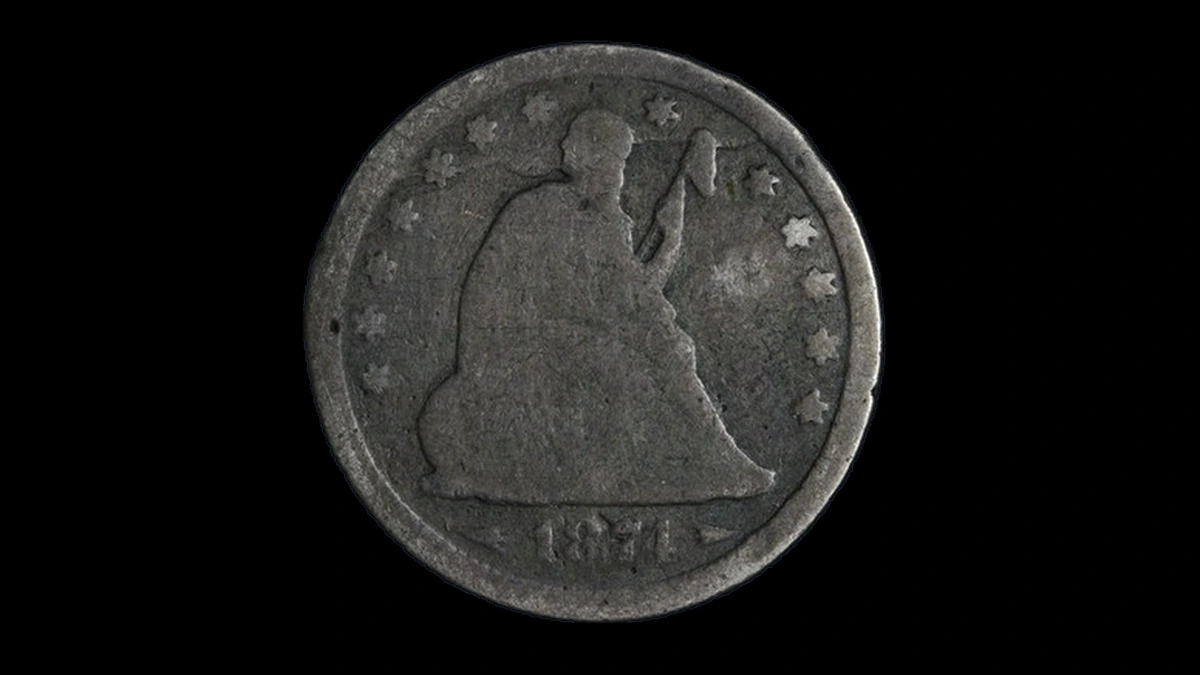
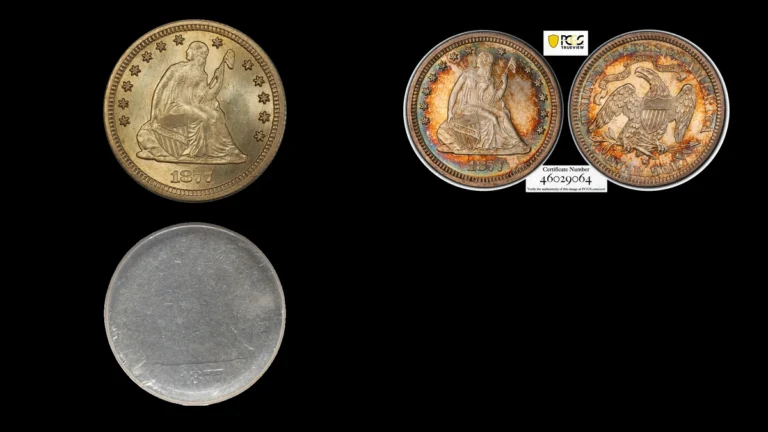
A different-year Proof with a documented die crack sold for $1,762.50 in January 2017. This 1874 Liberty Seated quarter errors guide concerns a reported shield mark, with estimated whole-coin values of $1,000–$8,000.
Locate the mark below the shield’s horizontal stripes, then compare its shape and height before deciding what caused it.
1874 Quarter A small raised mark on the shield’s left edge: reported die crack or break Error
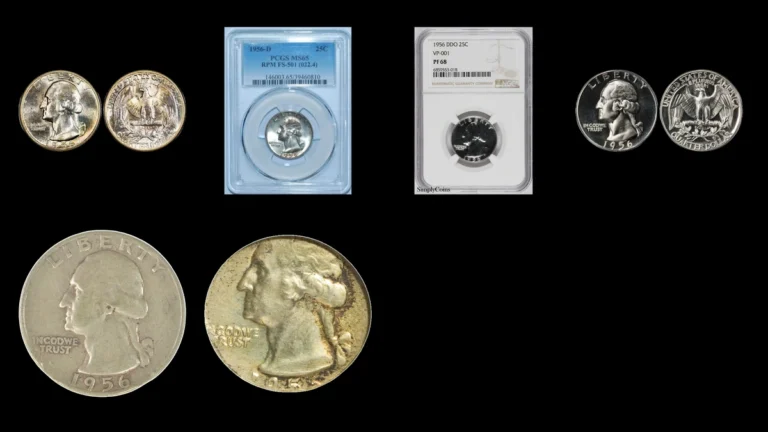
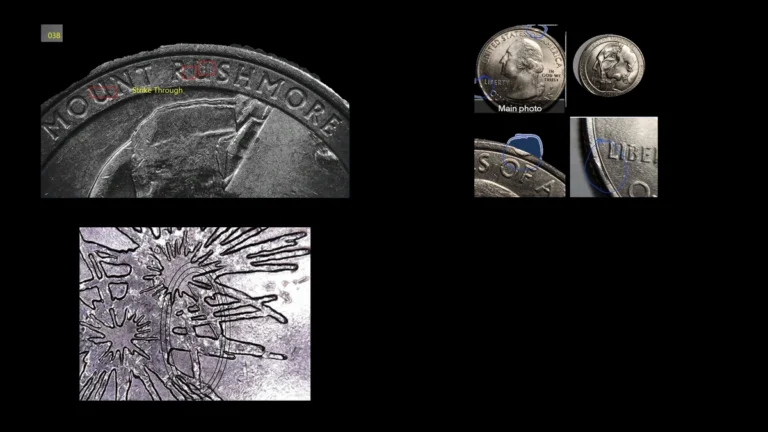
The eagle’s chest provides the starting point for this inspection. Along the left edge of its shield, slightly below the horizontal stripes, collectors noticed a small raised-looking fault on photographed 1874 Proof quarters.
The discussion included an owner’s NGC PR66 example. A Proof is a specially prepared collector coin, and PR66 describes a high level of preservation.
Similar marks on other photographed examples suggested a shared die feature. A die is the steel tool that carries the design and transfers it to the coin.
A crack or missing piece in that tool can leave raised metal on later coins. The reported shape was described as a possible crack or break, rather than conclusively establishing the mechanism from every photograph.
This is a small shield-area feature, separate from the normal arrows beside the date. Its exact location matters more than the amount of magnification used to display it.
How to Identify
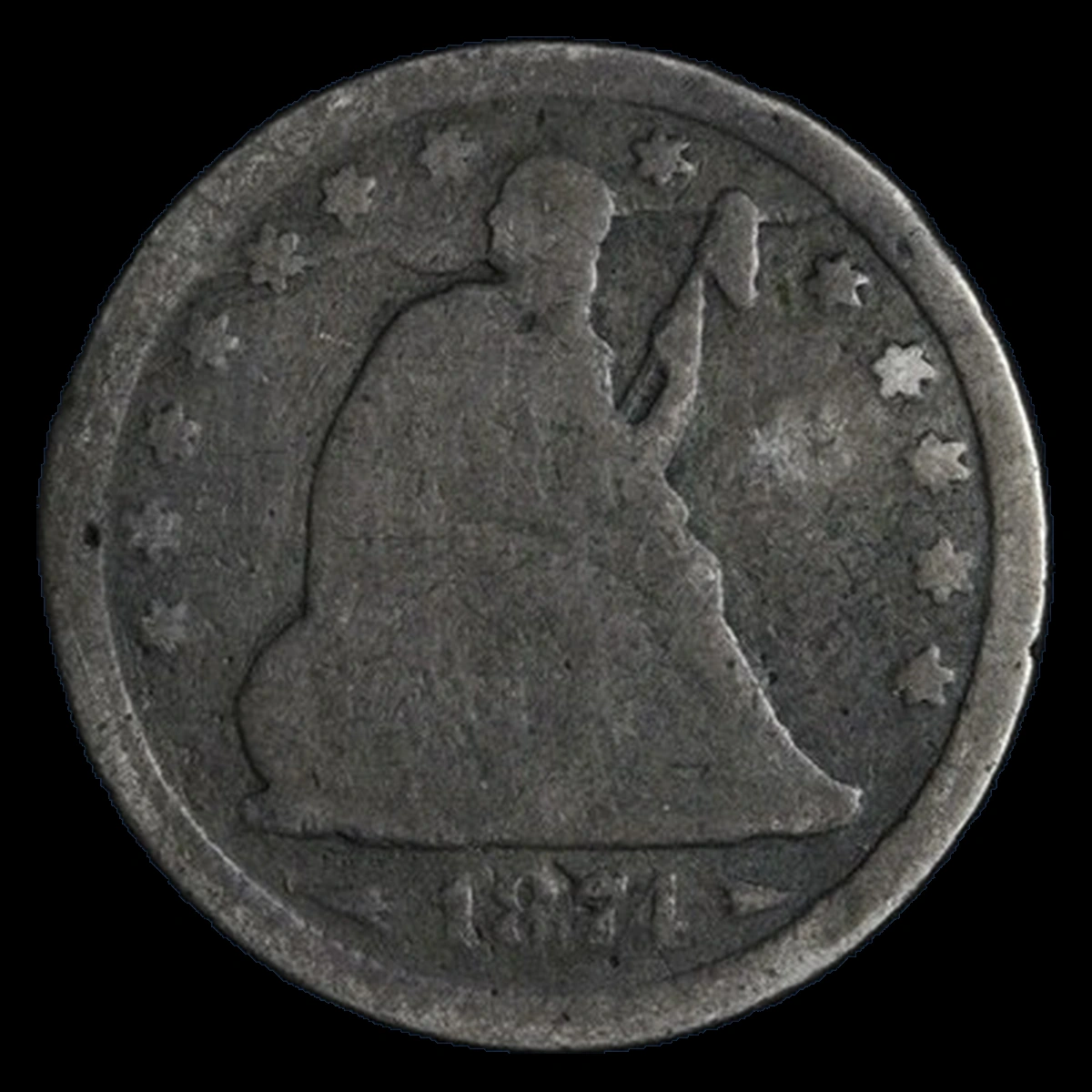
Set the reverse upright and find the horizontal lines across the top of the shield. Move just below them to the left border, around nine o’clock if the shield were a clock face.
Use changing side light to determine whether the mark rises above the silver. A dark spot or recessed cut may appear similar in a single straight-on image.
Compare the surrounding shield border as well as the mark itself. Normal border detail should not be counted as additional metal from a broken die.
The photographed collector discussion provides the reported comparison. Keep the shield upright at a similar scale so the location remains clear.
Agreement across multiple coins can support a shared tool origin. It still requires matching the same shape at the same point rather than finding any irregularity near the shield.
Examine the complete coin’s finish separately. Reflective surfaces alone do not establish Proof manufacture, and the small shield mark should not be used as the sole Proof diagnostic.
A specialist can assess the finish and original surfaces together with the feature. Preserve those surfaces by avoiding rubbing, scraping, or attempts to brighten the area.
What It’s Worth
Genuine 1874 Proof examples across differing preservation levels have an estimated whole-coin range of $1,000–$8,000.
An 1878 NGC PR66+ Proof with a documented star-area crack brought $1,762.50 in January 2017. Both its year and its crack location differ from the reported 1874 shield feature.
No confirmed sale of the exact 1874 shield-mark example was supplied. The estimate prices the collector coin, not an independently priced tiny break.
Original reflective fields and limited scratches can contribute more to the total than the small mark. Cleaning or wear can make a high-grade Proof comparison inappropriate.
Conclusion
The useful inspection area is the shield’s left border just below its horizontal stripes. Compare the reported raised shape with matching photographs while keeping the normal shield design and possible surface damage in view.
Confirm Proof status independently and value the complete quarter by its preservation. The documented 1878 sale offers context from another year, not a recorded price for the 1874 feature.