Rare 2024 Quarter Errors (List & Pictures)
A different-year cloth strike-through quarter sold for $881.25 in January 2017; it was dated 1776–1976. Estimated values for 2024 quarter errors span $2–$3,000 across small die flaws and authenticated major strikes.
This guide uses each woman’s reverse design to explain the reported features and the evidence still needed to identify them.
| Category | Estimated value | Useful starting point |
|---|---|---|
| Clash | $10–$100 | Opposite-design traces |
| Crack, chip, or cud | $2–$250 | Raised metal and its boundary |
| Doubled die | $10–$300 | Philadelphia Walker’s large medal |
| Strike-through | $10–$500 | Confirm whether the mark is recessed |
| Reported missing layer | $50–$700 | Mink candidate’s actual metal structure |
| Off-center strike | $25–$1,000 | Both designs displaced on one blank |
| Reported repeated strike | $200–$3,000 | Coherent second image on Zitkala-Ša |
1. 2024 Quarter Clashed Designs Error
An L-like trace before Washington’s eye is reported on Murray quarters, while Mink reports concern head or hair outlines on the reverse. Walker and Zitkala-Ša have their own reported clash features.
Contact between the dies without a blank can transfer marks from their opposing designs. Later coins may reproduce those traces in otherwise unexpected places.
How to Identify
Match the correct artwork before comparing the mark. Inspect Murray’s eye-area trace or Mink’s reverse outline against the corresponding opposite face.
For Zitkala-Ša, examine the spaces among the sun rays; for Walker, compare a suspected reverse trace with Washington’s portrait. Several connected matching shapes are more persuasive than one arbitrary line.
What It’s Worth
Identified clashes have estimated values of $10–$100. Clear transferred detail and original surfaces provide stronger comparisons than faint traces obscured by scratches.
A Murray mark cannot identify a different reverse design’s clash. Normal design lines and unrelated damage do not receive the same premium.
2. 2024 Quarter Cracks, Chips, and Rim Breaks Error
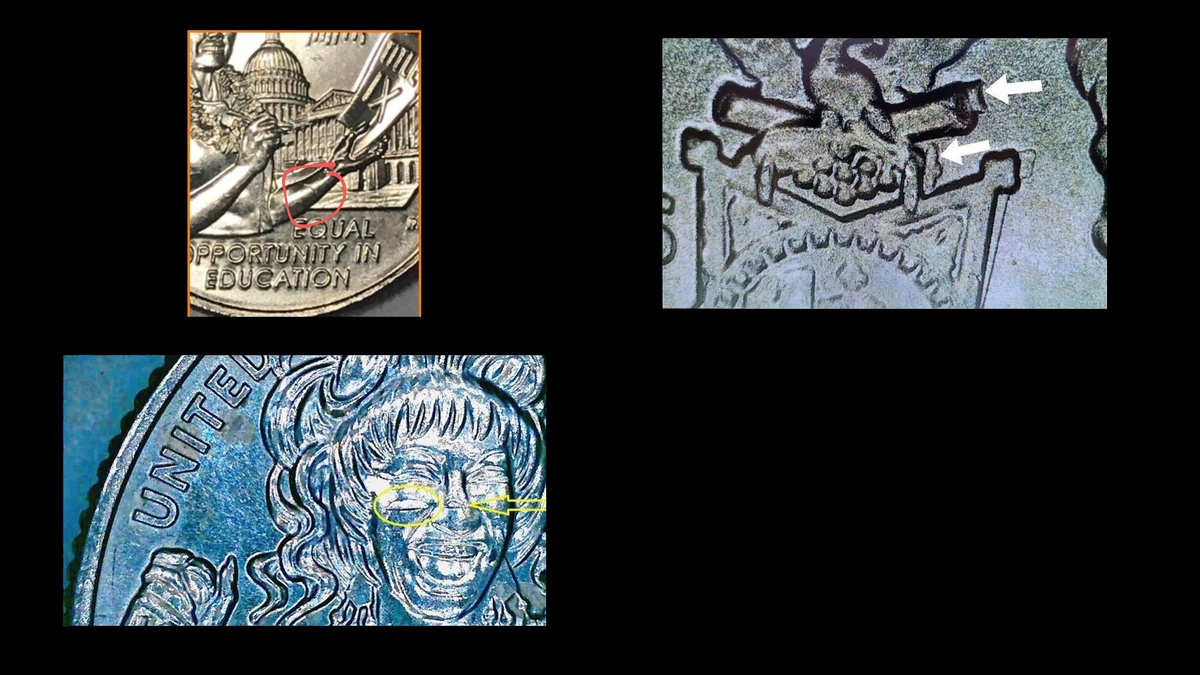
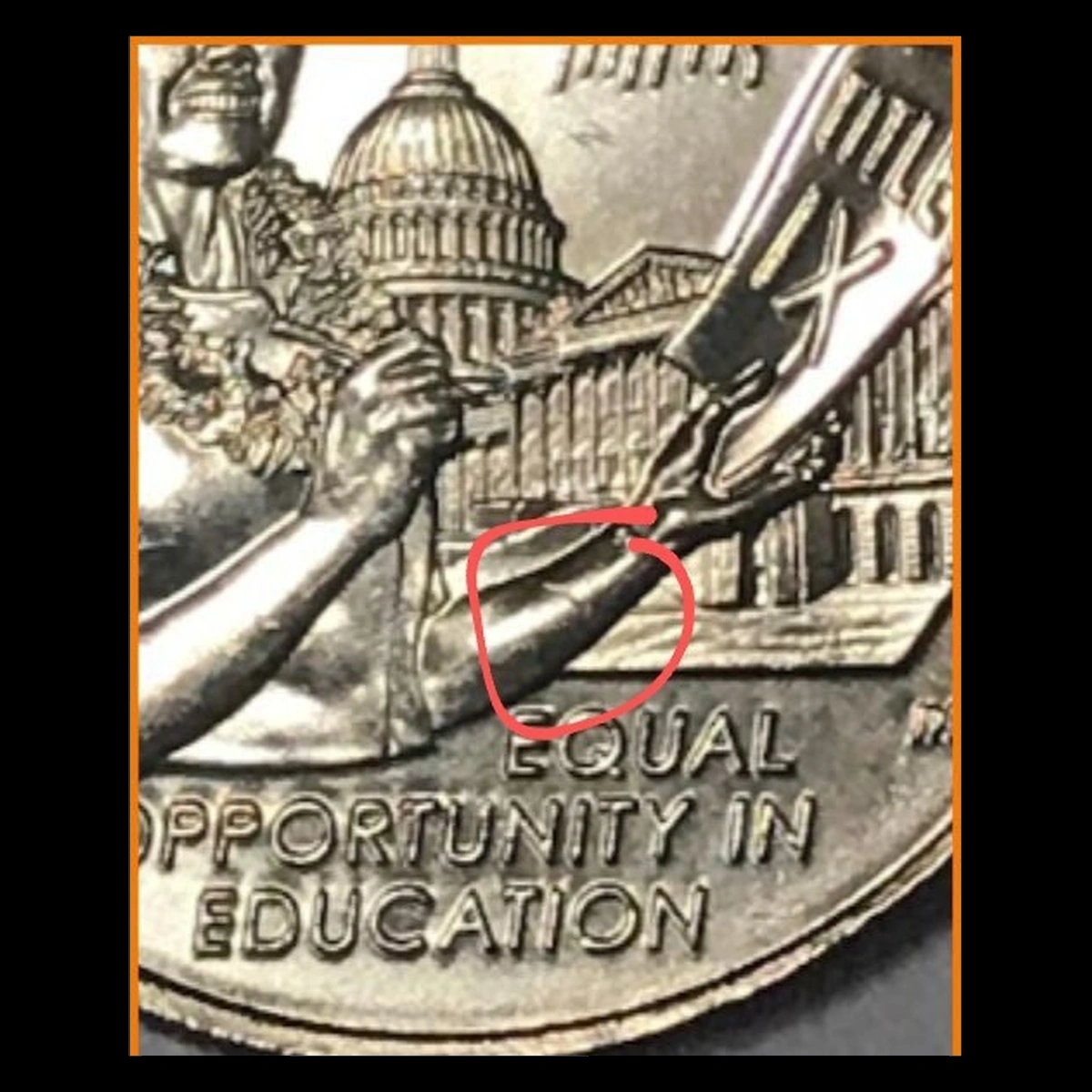
Reports include Mink’s wrist, Walker’s medal or lettering, Murray’s E in HOPE, and Zitkala-Ša’s bird. Cruz reports describe portrait-area cracks, rim breaks, and chips on Washington’s nose.
A crack in a die leaves a ridge, while a missing tool fragment can leave a raised lump. Cruz’s mouth-area feature needs separate care because it has been described as either a chip or folded metal.
How to Identify
Use side lighting to inspect the feature’s height and complete boundary. A scratch may have a recessed center beside pushed-up metal.
A cud must connect to the rim; an internal bump is not a cud simply because it is large. At Cruz’s mouth, look for an attached flap or separation boundary without touching it, since a layer differs from a solid chip.
What It’s Worth
Small genuine cracks and chips have estimated values of $2–$50. Substantial original rim-connected breaks have an estimated range of $50–$250.
Price the identified feature rather than a nickname. A peeling mouth-area layer would need a different explanation from a die chip.
3. 2024 Quarter Doubled Front and Reverse Designs Error
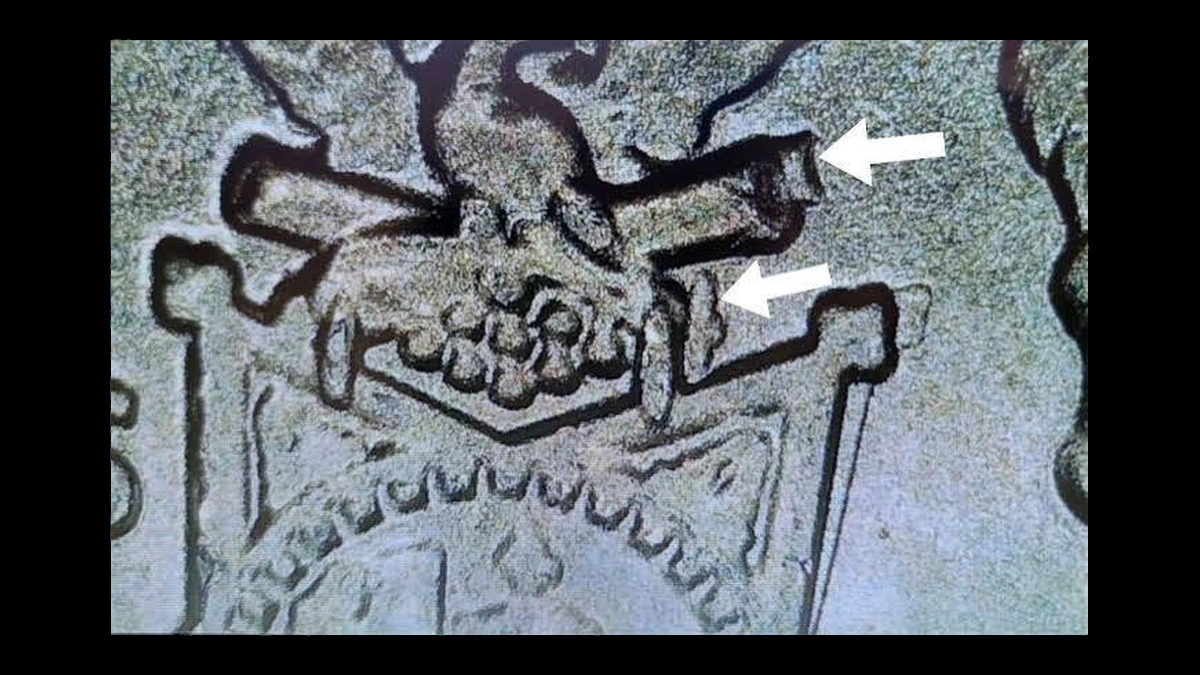
Ken Potter reported Philadelphia Walker doubling on the large medal and hair to the right of her portrait. This provides a specific pattern to compare among the year’s doubled-die reports.
Other reports concern Washington-side features on Murray, Mink, Cruz, or Zitkala-Ša issues and separate reverse details on Mink, Cruz, and Zitkala-Ša. Each belongs to its own design, face, and pattern.
How to Identify
On the Philadelphia Walker example, examine the separate large medal at upper right, not the small decoration near her neck. Compare the cannon muzzle, star’s right hanger and edge, and nearby hair.
For Cruz, distinguish her reverse ear and earring from Washington’s front ear. Mink and Zitkala-Ša candidates need their own matched images, including the reported braid or chin features where applicable.
Rounded secondary outlines differ from flat strike-related shelves. Keep the mintmark visible and check several related details before accepting an attribution.
What It’s Worth
Identified doubled-design varieties have estimated values of $10–$300. Strength, clear separation, and original preservation guide the comparison.
A seller’s doubled-die title does not substitute for a matched pattern. The Walker medal example cannot automatically identify the other reported designs.
4. 2024 Quarter Reported Strike-Through Marks Error
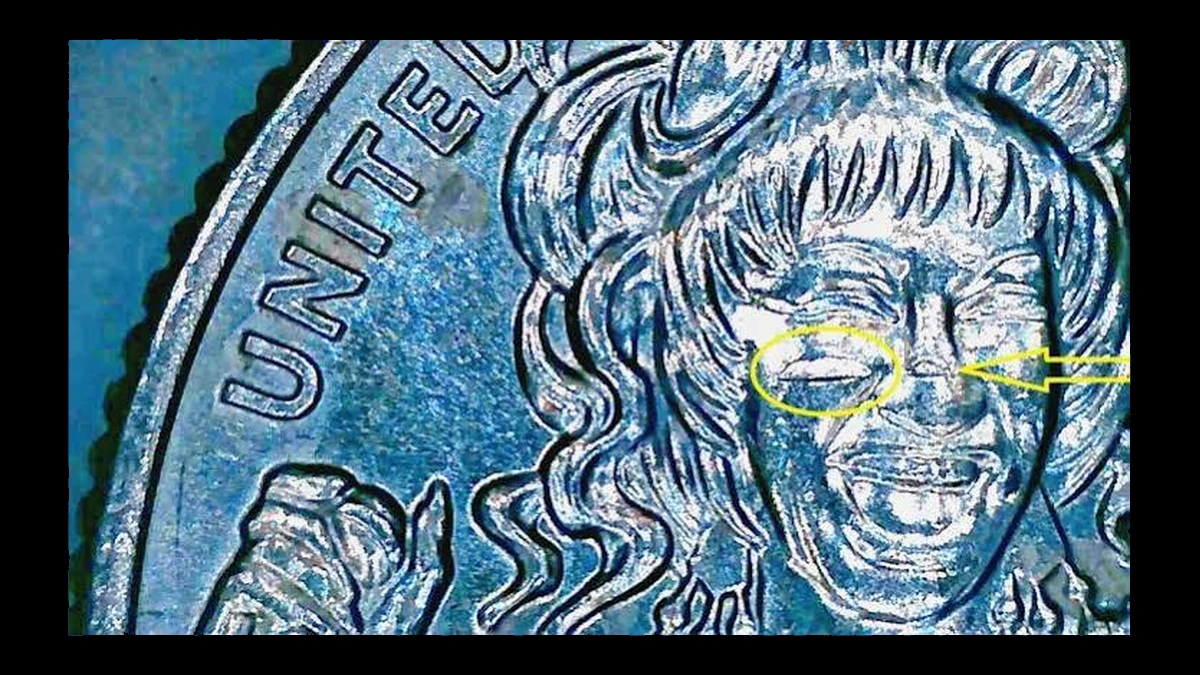
Cruz’s forehead feature is sometimes called a “third eye,” but accounts disagree about whether it is sunken or raised. The height must be established before choosing a mechanism.
Other reports suggest an obstruction near Walker’s large medal and a Mink strike-through without a fixed location. No particular material is established for these reports.
How to Identify
Inspect the mark from opposite lighting directions and follow its boundary into normal design. A recessed interruption differs from a solid raised chip or later scraping.
A die chip has also been proposed for Walker’s medal feature, so its height needs the same check. For Mink, document the actual weak area and leave any attached material in place.
What It’s Worth
Confirmed strike-throughs have estimated values of $10–$500. A recognizable original impression provides a stronger comparison than an unexplained weak patch.
A 1776–1976 quarter struck through cloth, graded NGC MS66, sold for $881.25 in January 2017. Its identified fabric impression does not make a raised Cruz forehead feature a cloth error.
5. 2024 Quarter Reported Missing Clad Layer on a Mink Quarter Error
The Mink missing-layer report gives neither an actual weight nor the affected face. Genuine loss of an outer sheet would expose the copper center and alter the layered construction.
Brown staining can change color without removing metal. A silver Proof also has a different intended composition and should not be treated as a missing-layer clad coin.
How to Identify
Establish finish and composition before interpreting the edge. An S can also appear on ordinary collector-roll quarters and does not prove Proof manufacture by itself.
A normal clad quarter weighs 5.67 grams; compare a loose candidate’s actual weight with its exposed surface and remaining layer boundary. Grinding and corrosion can also remove metal, so look for preserved original design rather than color alone.
What It’s Worth
An authenticated Mink missing-layer example has an estimated range of $50–$700. Its own measurements and surface evidence must support the claim.
A different 1988-D missing-front-layer quarter graded NGC MS62 sold for $156 in November 2020. The recorded 4.8 grams belongs to that comparison coin, not to the unmeasured Mink report.
6. 2024 Quarter Reported Off-Center Strikes Error
Year reports include all five designs but do not establish a shared mint, direction, or percentage. Each candidate must show that part of its intended design missed the blank.
Original unstruck metal remains elsewhere on the disc. A Mink description combining displacement with other features still concerns one coin.
How to Identify
Read the date and identify the woman, then compare both faces with the metal’s complete outline. If only Washington’s face shifts while the reverse stays centered, investigate die alignment instead.
Inspect the unstruck area for scraping or removed letters and follow the opposite edge for design lost beyond the metal. An uneven rim or crescent width alone cannot establish the claimed percentage.
What It’s Worth
Genuine identifiable off-center quarters have estimated values of $25–$1,000. Clear displacement and an intact year support the comparison.
A different 1988-P quarter struck thirty percent off center, graded ANACS MS63, sold for $109 in January 2022. It does not establish a particular 2024 specimen or its features.
7. 2024 Quarter Reported Repeated Strike on a Zitkala-Ša Quarter Error
A seller uses multiple-strike wording alongside doubled-die claims for a Zitkala-Ša quarter. Those terms describe different mechanisms, and the title alone proves neither.
A repeated strike requires another coherent impression after movement. A doubled die can create small repeated outlines with a single blow.
How to Identify
Connect a repeated portrait or letter with neighboring details that fit the same shift or turn. Examine the other face and places where a later image may have flattened the earlier one.
Check for sunken mirror marks or damage from contact with another finished coin. The seller’s copper material field also does not authenticate a pure-copper blank.
What It’s Worth
An authenticated Zitkala-Ša quarter with distinct repeated strikes has a conditional estimated range of $200–$3,000. No recorded sale of the seller-listed piece is supplied.
A small doubled-looking letter does not justify that comparison. The evidence must show connected parts of another strike and original surfaces.
Conclusion
The reverse design tells you which landmarks belong in a 2024 comparison, while the height of a mark often determines the next question. A solid chip, thin flap, and recessed interruption have different physical evidence.
Keep each coin’s mint, finish, and recorded measurements separate. A nickname, brown surface, or long seller title cannot establish the manufacturing sequence, but complete photographs and undisturbed original details can help a specialist assess it.