Rare 1891 Quarter Errors (List & Pictures)
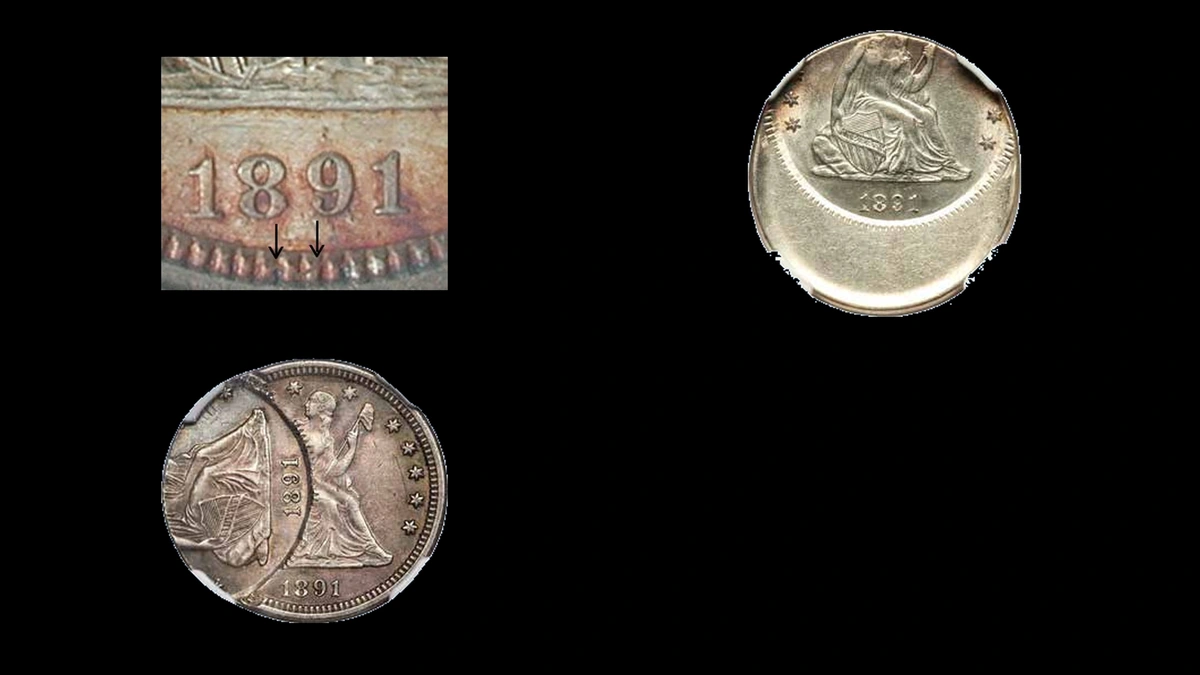
Look below the main date as well as at the date itself when checking 1891 quarter errors. Some coins have tiny misplaced numeral tops in the border, while a spectacular double strike preserves two full design positions.
The latter brought $31,200 in August 2020. Estimated whole-coin values in this guide span $35–$35,000; start with the small date variety, then compare raised metal and the larger shifts of the design.
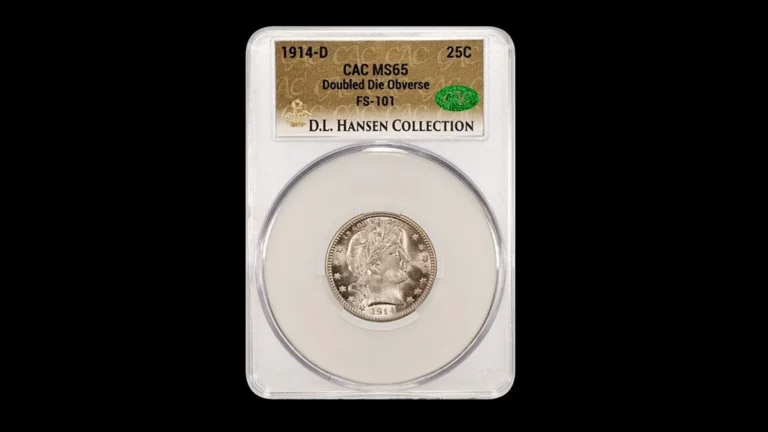
1. 1891 Quarter Extra Numeral Tops below the Date: Misplaced Date Error
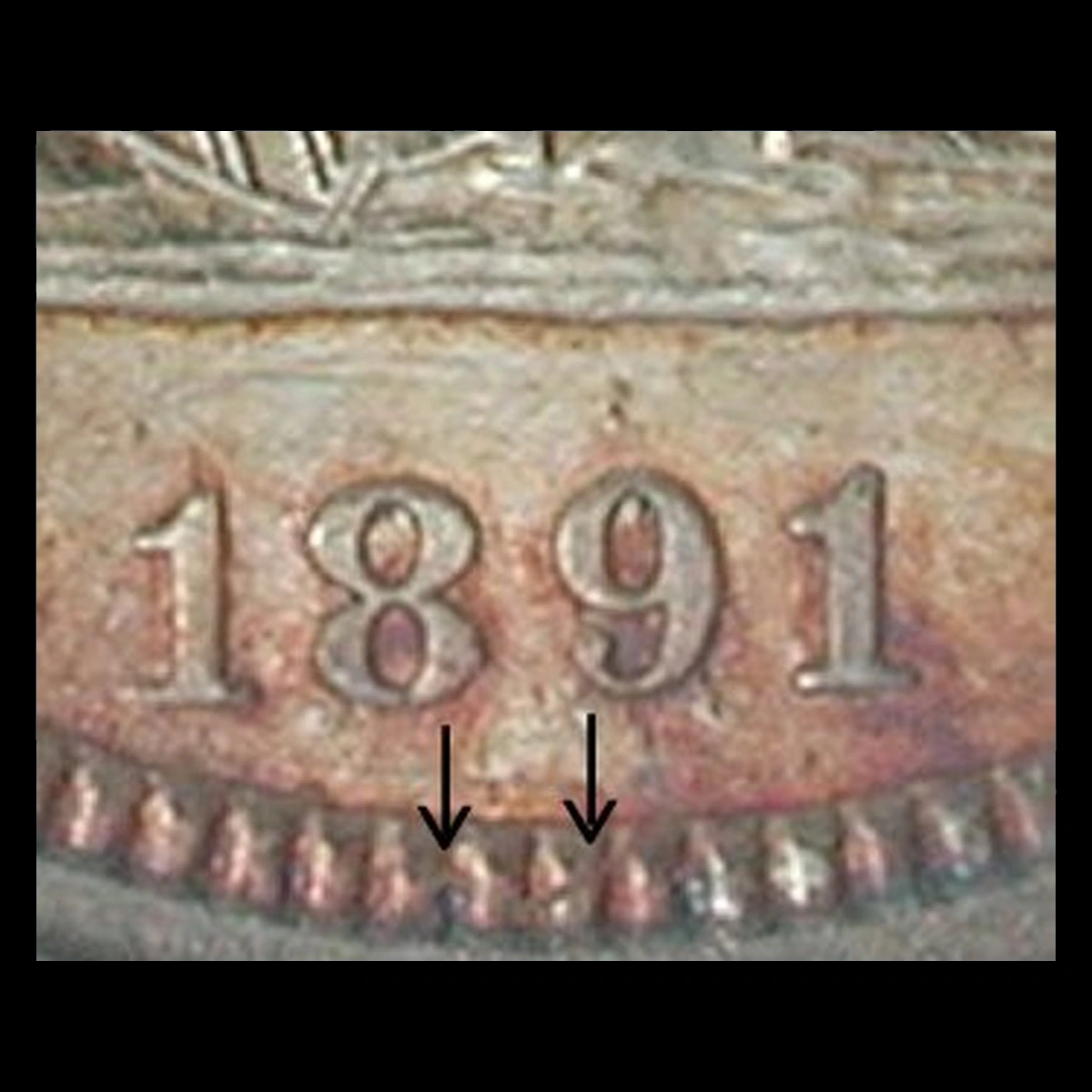
The Philadelphia FS-301, also called Briggs 7-G, has portions of an extra 8 and 9 among the teeth below the regular date. Those small border teeth are known as dentils.
The misplaced impression occurred while the die was being prepared with a date punch. It left local numeral remnants rather than moving Liberty and the rest of the design.
How to Identify
Keep 1891 upright and examine the dentils directly beneath the main 89. Include both the normal date and the extra raised traces in a close photograph so their relative positions remain clear.
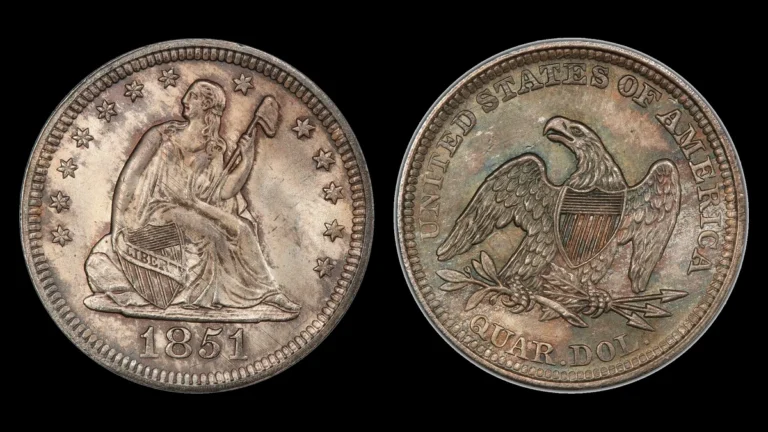
Compare the tops with an attributed FS-301 quarter under light from several directions. A Seated dime’s date variety is not interchangeable, even if it carries the same year.
Inspect for raised numeral shapes rather than cuts or ordinary irregularities in the border. Do not scrape between the dentils to reveal a suspected trace.
What It’s Worth
$100–$1,500 is an estimated range for identified FS-301 quarters. A PCGS MS64, an unworn example with relatively few marks, sold for $1,057.50 in August 2017.
Wear can hide these tiny details even while the main date remains readable. A faint circulated example needs a different comparison from that MS64 sale.
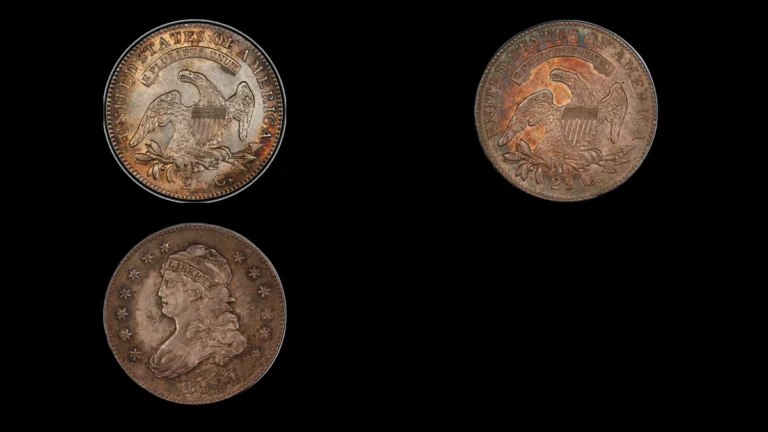
2. 1891 Quarter A Raised Reverse Patch: Broken Die Error
GreatCollections cataloged an 1891 quarter with a broken reverse die and an ICG F12 grade. That grade indicates substantial circulation wear while major details remain.
When part of a die breaks away, metal can enter the opening during striking and form a raised patch. The supplied description does not establish this patch’s exact position or connection to the rim.
How to Identify
Compare the whole reverse with a normal quarter to determine which intended detail the extra metal replaces. Use side lighting to inspect its boundary for deposits or an adjacent dent that could have pushed metal upward.
A cud is a die break connected to the rim, so that connection needs to be visible before using the name. Keep the mintmark area below the eagle in view and leave the mint unassigned if it cannot be read reliably.
What It’s Worth
$35–$750 is an estimate for comparable worn quarters with a genuine reverse die break. The size of the feature, readable identity, and original surfaces matter; added metal or impact damage does not receive that premium.
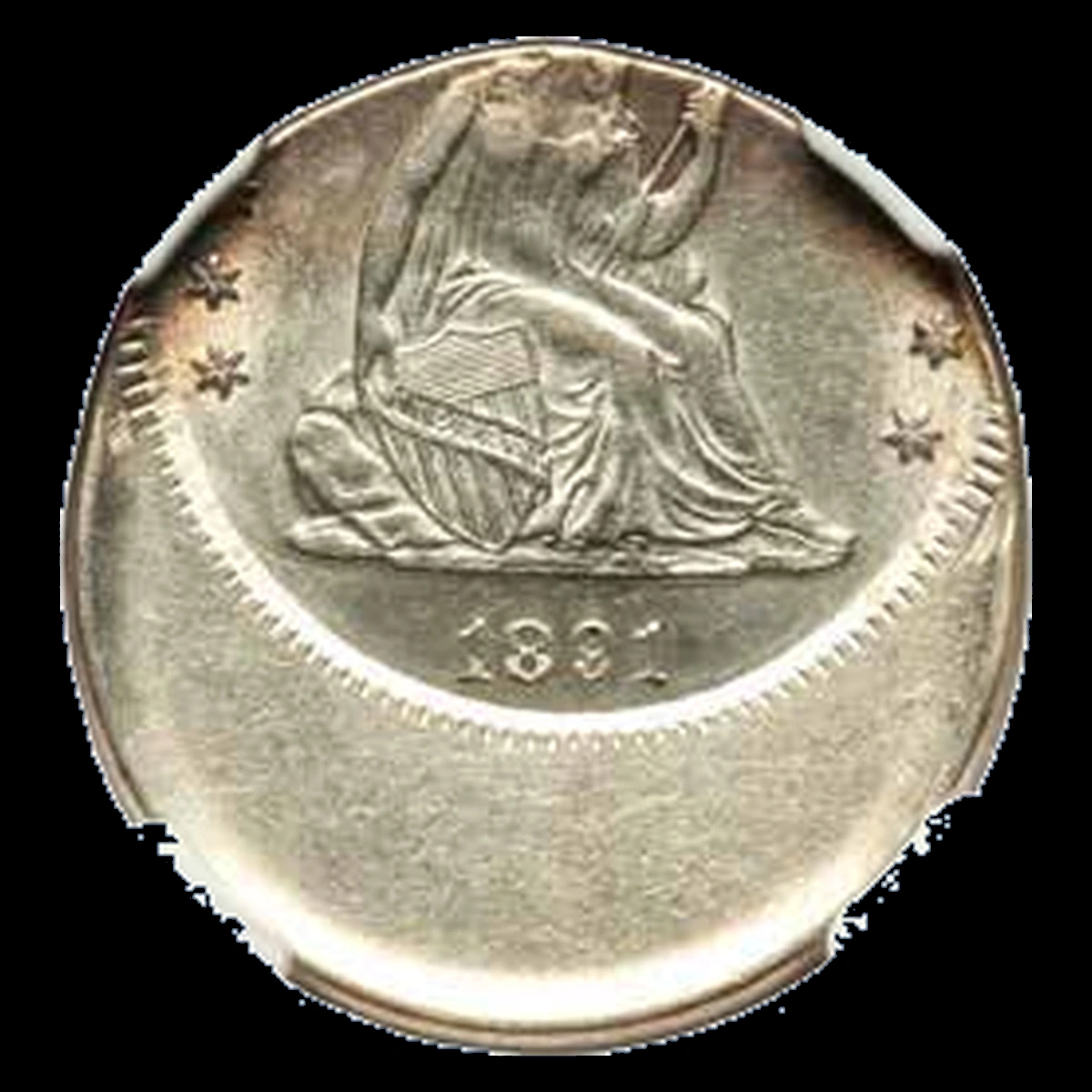
3. 1891 Quarter One Shifted Design and a Blank Crescent: Off-Center Strike Error
A blank that misses the center of the dies receives only part of the intended image. Original unstruck metal remains beside the design, while another portion of the image falls beyond the blank.
Recorded Philadelphia examples include an NGC MS61 struck 35% off center and a separate PCGS AU58 struck 40% off center. MS61 is unworn with noticeable marks, while AU58 has slight wear.
How to Identify
Read the surviving date and compare the displacement on both faces against the same outline. The 35% and 40% specimens have different grades and should retain their separate descriptions.
Inspect the blank crescent for grinding or erased detail. If the reverse remains centered behind a shifted front, a die-alignment problem may explain the appearance better than an off-center blank.
An absent mintmark cannot settle the mint when its normal position was never struck onto the metal. Preserve the whole outline in photographs rather than cropping to the remaining portrait.
What It’s Worth
$3,000–$15,000 is an estimated range for comparable authenticated 1891 off-center quarters. Published auction summaries list $10,200 for the 35% NGC MS61 and $8,625 for the 40% PCGS AU58.
Those results show that a larger shift does not automatically produce a larger price. Condition and the presentation of surviving design remain important.
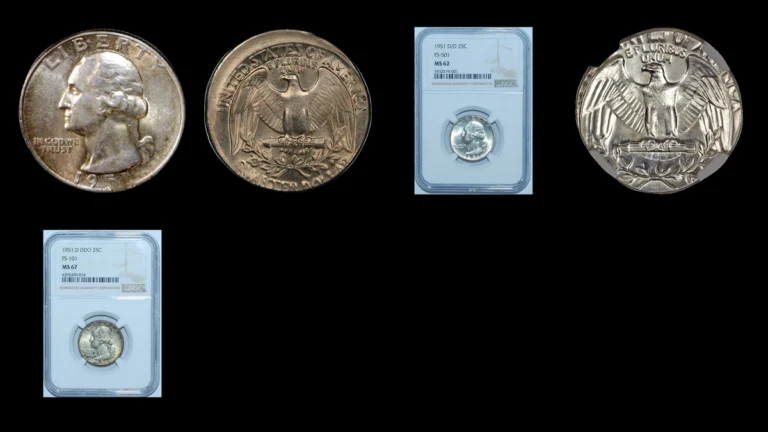
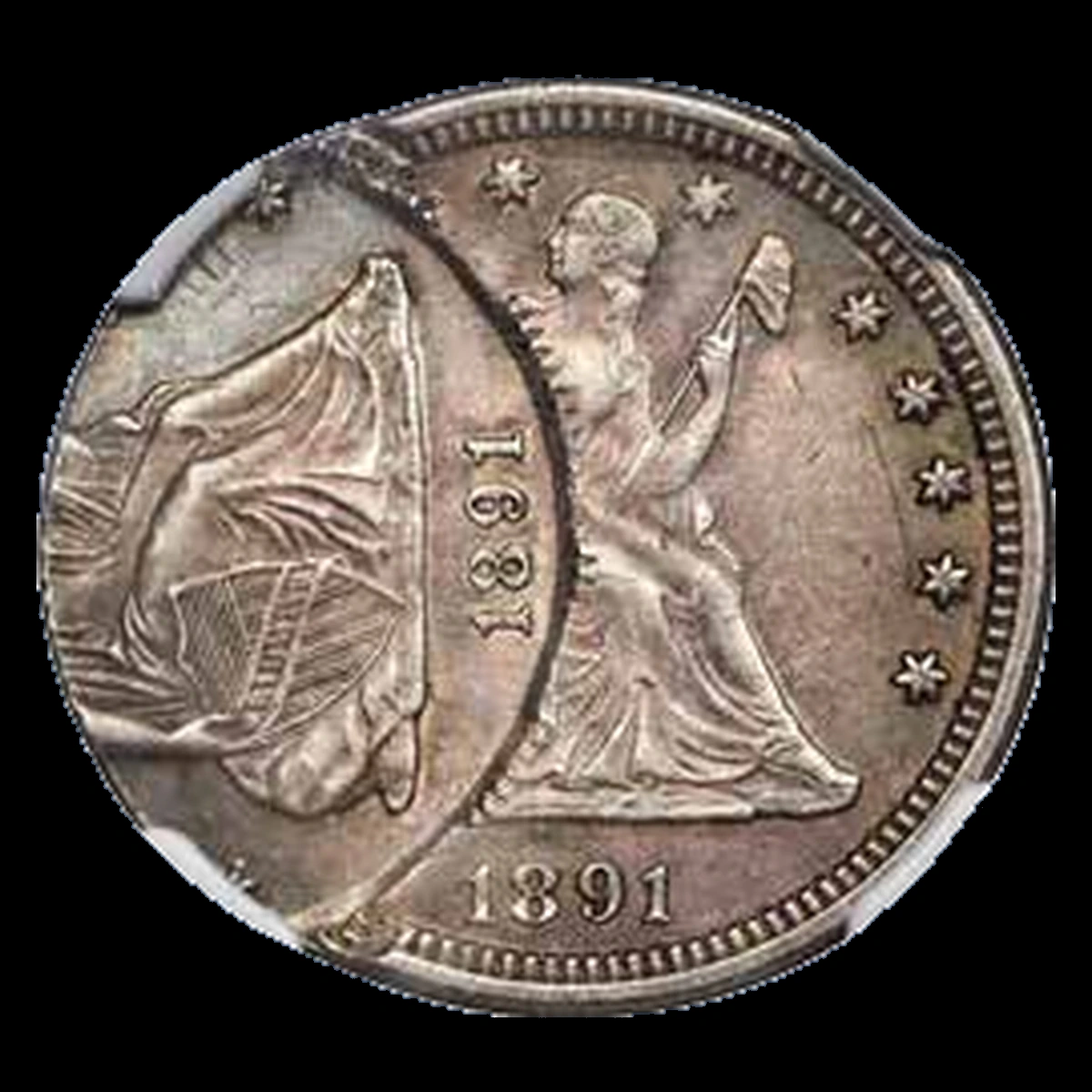
4. 1891 Quarter Two Dates and Rotated Designs: Double Strike Error
The NGC MS62 example first received a normal strike, then turned 90 degrees clockwise before a second blow landed about 50% off center. Two visible dates and widely separated design groups record the movement.
Both faces received the later image because neither side was blocked by another blank. This is a second strike of the coin rather than a small duplicated feature built into a die.
How to Identify
Trace one portrait, date, and group of stars as a connected image, then locate the corresponding elements from the other strike. The quarter-turn relationship is between the impressions and remains the same however the photograph is oriented.
Check the reverse for the matching pair of eagle designs. Low-angle light across the overlap can help show where later detail affected the earlier image.
What It’s Worth
$15,000–$35,000 is a working estimate for a similarly clear, well-preserved 1891 double strike. The NGC MS62 example realized $31,200 in August 2020.
A November 2022 record with the same grade and description lists $20,400. These results do not establish a fixed price or necessarily document two distinct specimens.
Conclusion
A tiny misplaced date trace and a second portrait are different records of production. The first belongs to preparation of a die, while the second shows movement between strikes of one coin.
Keep the mint, grade, and displacement attached to each photographed example. For a reverse break, establish the actual rim connection before calling it a cud, and preserve original surfaces so that small raised details remain available for comparison.