Rare 1912 Quarter Errors (List & Pictures)
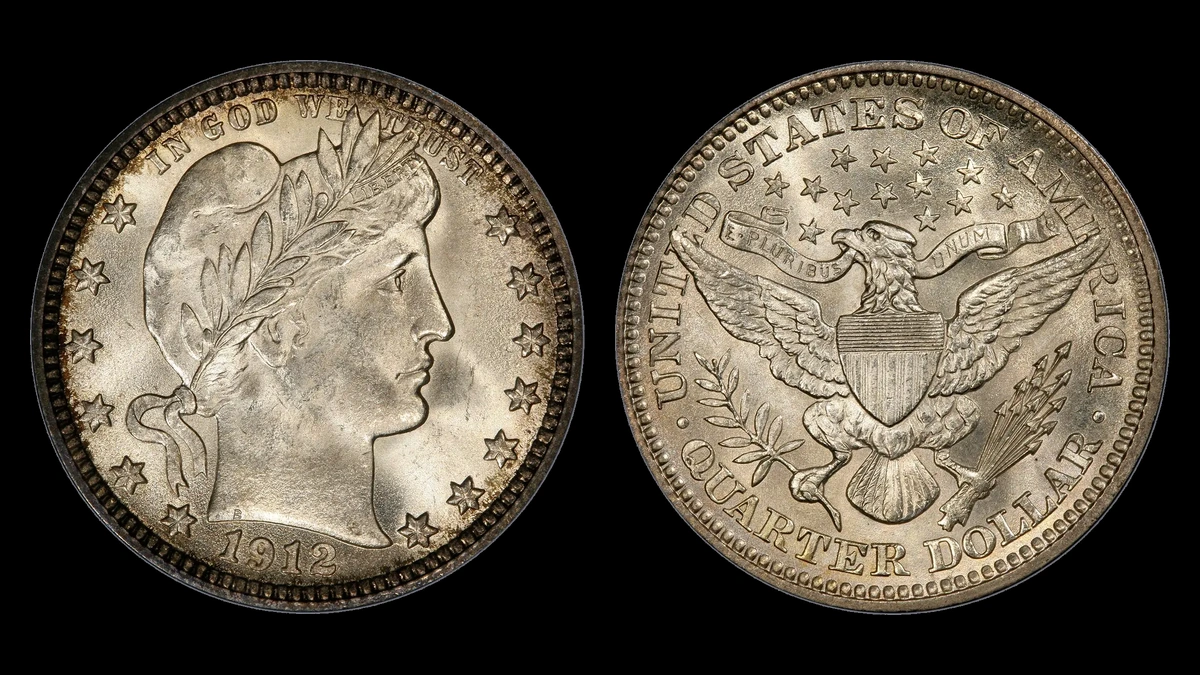
An opening in the metal is different from a raised line on top of it. The documented 1912 quarter error in this guide is a San Francisco Barber quarter with a cracked planchet, with an estimated range of $100–$750 for circulated examples.
A supplied comparison sold for $139 in September 2024, but that coin was a 1917-S Standing Liberty quarter. Begin by confirming the kind of break before applying any price comparison.
1912 Quarter An Opening in the Silver: Cracked Planchet Error
A planchet is the blank disk that receives a coin’s design. A weakness within that disk can open under the pressure of striking, leaving a crack in the quarter’s own metal.
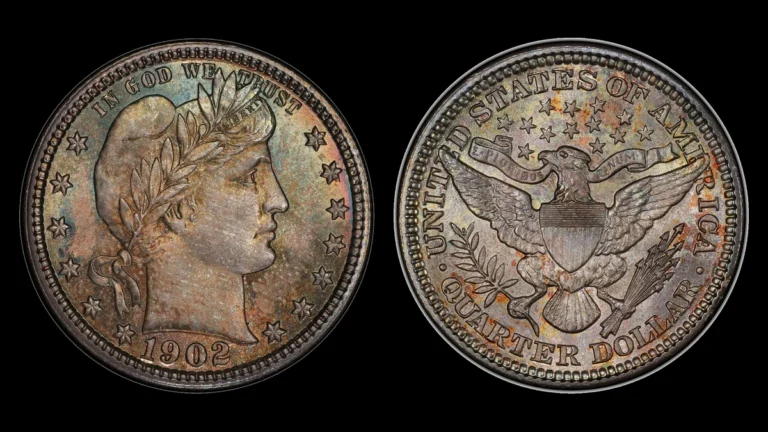
The documented 1912-S was listed in the Rippere collection by GreatCollections with an ANACS XF40 Details assessment. XF40 indicates circulation wear with much of the design still present, while Details flags a separate condition problem.
The catalog description identifies a cracked blank. It does not give a specific crack direction, explain the condition problem, or describe a curved piece missing from the edge.
A die crack is another mechanism: a crack in the steel striking tool can leave extra metal as a raised line on a solid coin. That surface ridge should not be substituted for the opening described here.
How to Identify
Keep a loose coin supported and avoid any pressure that could flex it. An encapsulated specimen should remain in its holder during the initial examination.
Use light from the side to inspect whether the feature opens the coin’s metal or simply rises above its surface. Photograph the whole affected face before following the suspected fracture toward the edge.
Examine the edge and opposite face as well, without inserting a tool into the opening. Those views can reveal more about a break than a single face-on image.
Look for fresh cutting edges, tool grooves, or bending that could indicate damage after minting. Reaching the rim alone does not prove that a crack began in the original blank.
Record the 1912 date and the S below the eagle on the reverse. Keep the XF40 Details qualification with the documented example, leaving its unspecified condition issue open rather than naming cleaning or another cause without evidence.
What It’s Worth
$100–$750 is an estimated range for circulated 1912-S quarters with an authenticated original planchet crack. Remaining detail, surface problems, and the clarity of the break all affect the whole-coin assessment.
The GreatCollections collection listing establishes the described Barber-quarter example, but no sale amount for it is supplied here. Its grade is not a substitute for a recorded transaction.
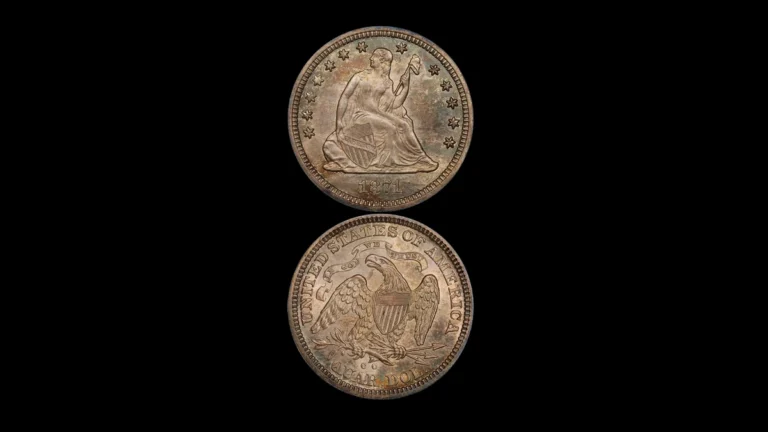
The $139 Heritage sale on September 16, 2024, concerned a cracked-planchet 1917-S Standing Liberty quarter in VF20. It is a same-metal comparison with a different design, date, and degree of wear.
Conclusion
The key observation is a crack in the coin’s silver, rather than a ridge copied from a cracked die. Document both faces and the edge while leaving the opening exactly as found.
Keep the 1912-S Barber example, its unresolved Details problem, and the later Standing Liberty sale separate. A specialist can assess the fracture without widening it, while the estimated range remains a whole-coin comparison for circulated pieces.