Rare 1979 Quarter Errors (List & Pictures)
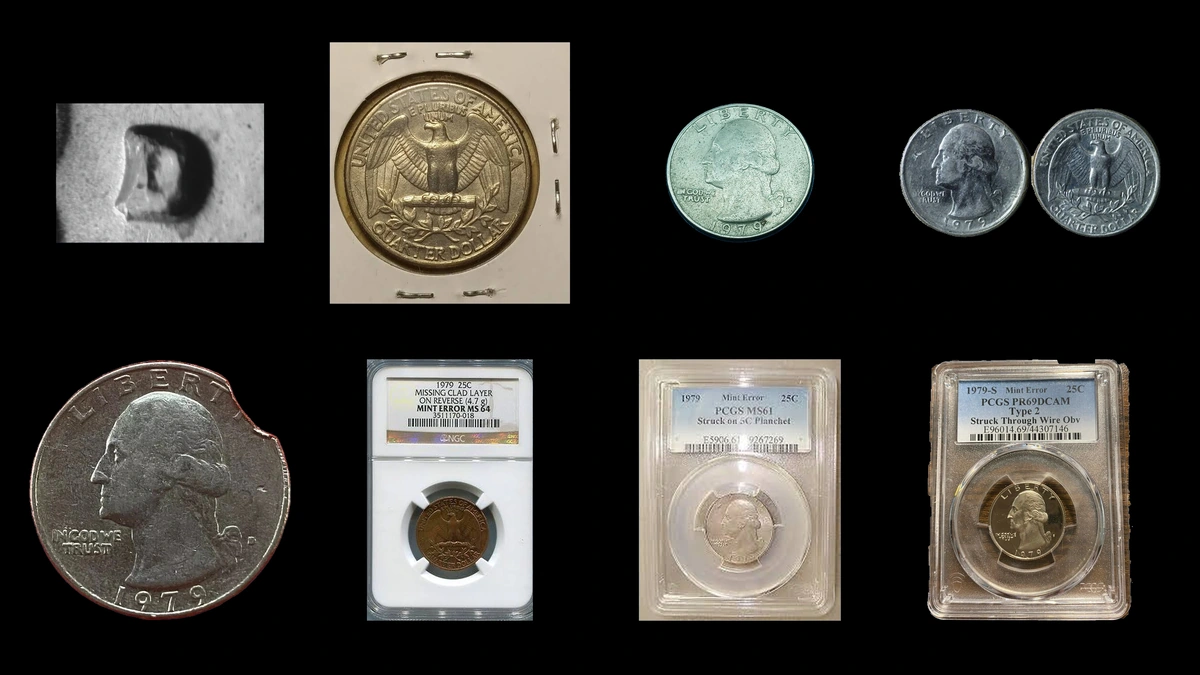
A triple-struck quarter sold for $747.50 in June 2006, but many 1979 quarter errors are far more modest. Estimated values across this guide range from $1–$3,000.
Learn to distinguish altered mintmark shapes, missing metal, and repeated images; the Filled S and Clear S on collector Proofs are normal mintmark styles.
| Feature group | Estimated value | Important distinction |
|---|---|---|
| Small mintmark or die features | $1–$150 | Split punch versus a repeated letter |
| Color or unprepared quarter blank | $20–$200 | Cause needs confirmation |
| Collar, clip, or off-center errors | $10–$500 | Expanded, absent, and unstruck metal differ |
| Missing front layer | $50–$500 | Full copper center remains |
| Nickel blank | $175–$1,200 | No earlier nickel design |
| Struck-through material | $5–$1,500 | Retained object versus empty impression |
| Repeated strikes or nickel overstrike | $100–$2,500 | Follow complete overlapping images |
| Separate clad shell | $300–$3,000 | Only a thin outer sheet was struck |
1. 1979 Quarter Split D from a Damaged Mintmark Punch Error
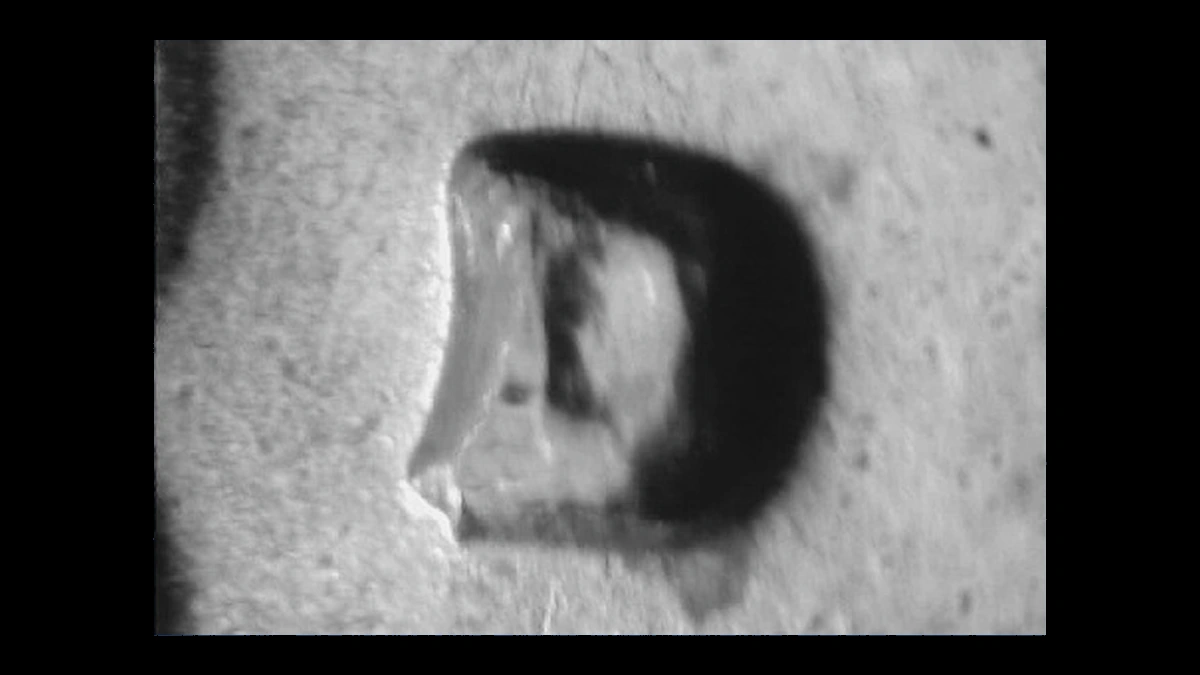
The foot at the bottom of one recorded D shape divides into two points. It can resemble a repunched mintmark in a highly enlarged photograph.
Wexler identifies the feature as damage to the punch used to place the letter into a die. The split shape therefore does not require two separate mintmark impressions.
How to Identify
Examine the little foot at the base of the D beside Washington’s lower hair. Keep the comparison pictures upright and inspect the rest of the letter as well.
The recorded defect does not require a second full curve or upright. A fixed split should remain visible when the light changes, unlike a moving reflection.
What It’s Worth
An identifiable example has an estimated range of $1–$20. A sharp, undamaged letter is easier to display than one flattened by wear.
The split alone does not support the much higher claims sometimes attached to supposed double or triple mintmarks.
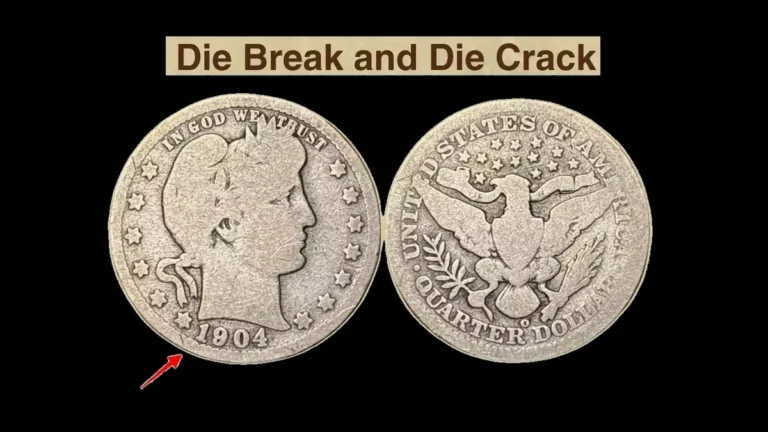
2. 1979 Quarter Rim Cuds and Small Die Chips Error
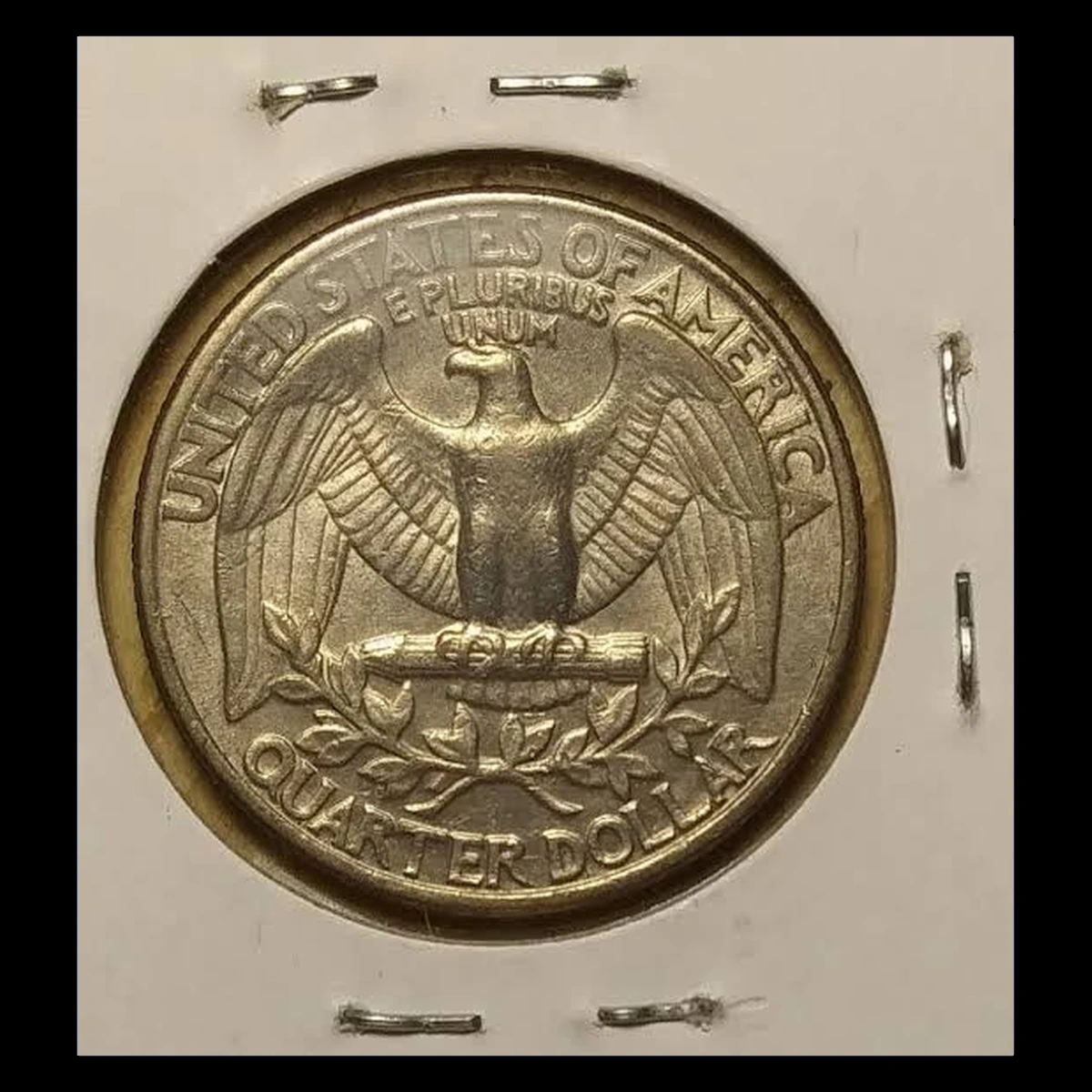
Two Denver rim-break patterns have been documented in different locations. One lies outside UNITED on the reverse; another consists of two raised steps along the front’s right edge.
A die losing metal at its edge can leave a raised rim cud on the coin. Smaller reports include a filled D and a seller-described “tear” below Washington’s eye, whose actual causes need examination.
How to Identify
Inspect the reverse rim outside UNITED around nine to nine-thirty for one pattern. The separate front example has its two steps around three to four o’clock.
Do not expect both breaks on the same coin. Check for a nearby dent that could have pushed metal upward, and distinguish raised metal inside D from a deposit filling its center.
What It’s Worth
Confirmed small chips and rim breaks have estimated values of $2–$100. Size, clear original boundaries, and preservation guide the comparison.
A filled letter or eye-tear nickname does not independently establish an error or a large premium. The modest reports belong near the lower end unless the actual defect supports more.
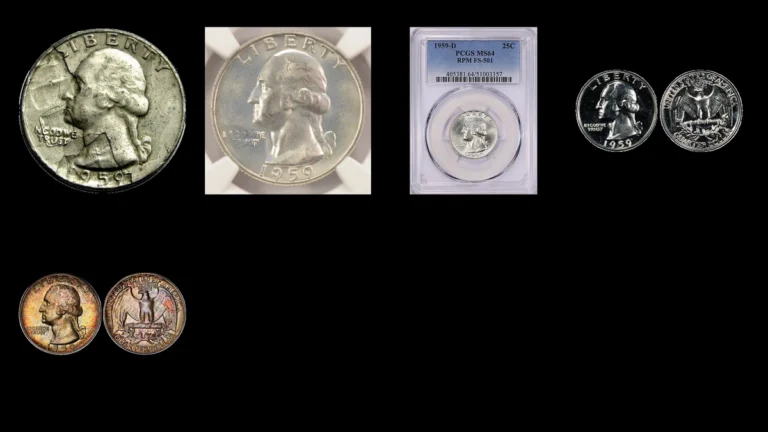
3. 1979 Quarter Reported Double or Triple D Error
Some sellers describe smaller D-like shapes above and to the right of the main mintmark. The available examples do not establish a secure catalog match for that reported appearance.
A true repunched mintmark requires remnants from separate punch positions in the die. Extra-looking edges can have other causes, including the distinct split-foot punch defect described earlier.
How to Identify
Trace the proposed extra letter from an upright into a curve under light from several directions. An isolated shelf, bright line, or shadow is not a sufficient match.
Photograph the entire D with nearby hair for orientation. If additional letter parts remain after comparison with the known split foot, seek a specific attribution rather than accepting the seller’s count.
What It’s Worth
A confirmed minor repunched D would have an estimated range of $5–$150. This is conditional on identifying the feature, with clearer unworn examples supporting stronger comparisons.
Large asking prices do not establish actual sales. An unexplained outline should not be priced as a cataloged variety.
4. 1979 Quarter Reported Doubled Dies Error
Front-doubling reports mention LIBERTY and the date, while reverse reports mention eagle feathers and lettering. They do not identify one coin carrying every listed feature.
A doubled die has repeated detail in the stamping tool itself. Flat shelves caused by movement during striking belong to a different explanation.
How to Identify
Match the actual side and mint before comparing letters. Inspect corners, tips, and rounded secondary edges rather than judging the whole coin from a blurred photograph.
For a reverse candidate, follow the proposed pattern through its lettering or feathers. Wear and impacts must not be mistaken for the specific repeated design being claimed.
What It’s Worth
Confirmed minor doubled dies have an estimated range of $5–$150. Clear original details make attribution and price comparison more useful.
Records for major doubled dies from other years do not establish the value of these reported 1979 features.
5. 1979 Quarter Reported Improper Annealing Error
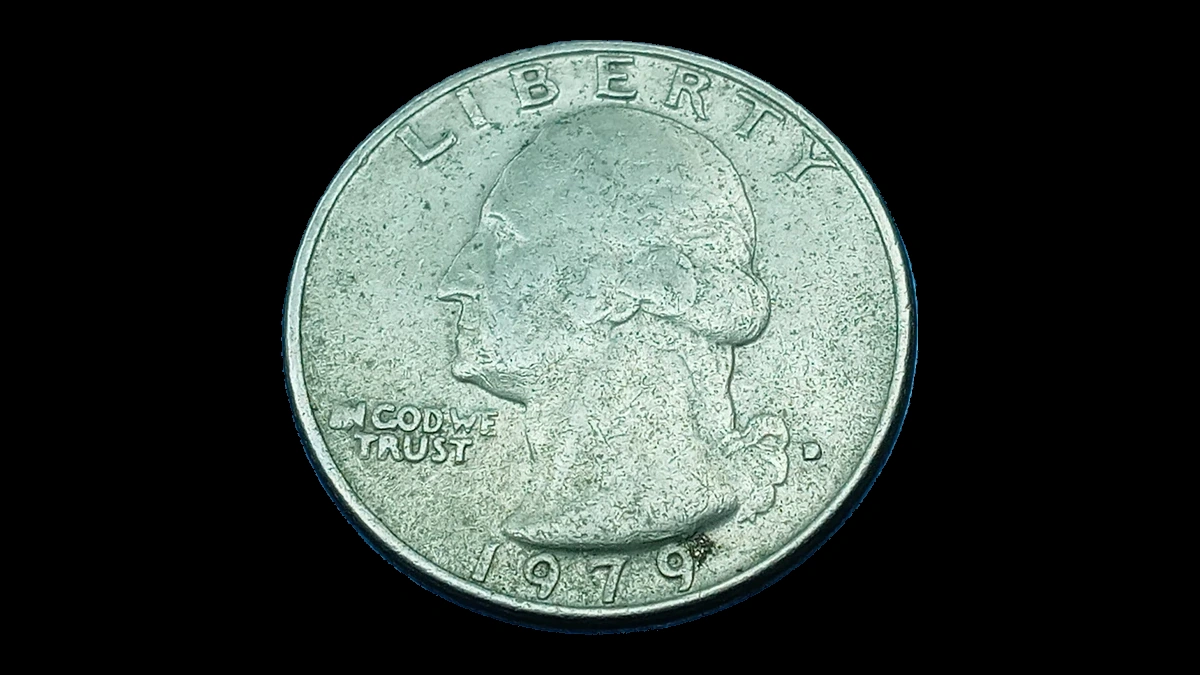
Uneven copper-brown, blue, or orange areas appear in reports of possible annealing errors. Annealing is the heating stage that softens blanks before striking.
The timing of the color change matters. Later heating, chemical treatment, and environmental exposure can create similar shades without a manufacturing error.
How to Identify
Use neutral lighting to compare both faces and the protected areas around letters. Rough pits, bubbles, deposits, or destroyed original texture may indicate later damage.
An ordinary quarter weighs 5.67 grams and measures about 24.3 millimeters across. Inspect its pale outer layers and copper center as well, since a brown face alone does not establish missing metal.
What It’s Worth
An authenticated manufacturing-related heating error has an estimated range of $20–$200. The comparison assumes original surfaces and a supported cause for the color.
A seller’s color description is not authentication or an auction result. Preserve the surface for examination instead of polishing it.
6. 1979 Quarter Strike on a Type One Quarter Blank Error
The recorded Denver example used a quarter blank whose outer edge had not been raised before striking. That uncompleted preparation stage is what “Type One” means here.
It does not identify a nickel blank or the Filled S style on Proofs. Surface residue on the documented coin is a condition issue, not another blank-making error.
How to Identify
Compare the rim formation around both faces with a normal quarter of similar wear and read the full holder description. A low rim alone can also result from wear, weak striking, or damage.
The claim concerns an unprepared quarter blank. Do not assume that an unusually small coin belongs to this same category.
What It’s Worth
Type One quarter-blank strikes have estimated values of $25–$200. The recorded 1979-D example, assessed AU50 Details with surface residue, sold for $38 in January 2023.
The Details assessment flags a condition problem, while AU50 describes its remaining lightly worn detail. A cleaner example still needs a well-supported blank attribution.
7. 1979 Quarter Broadstrikes Error
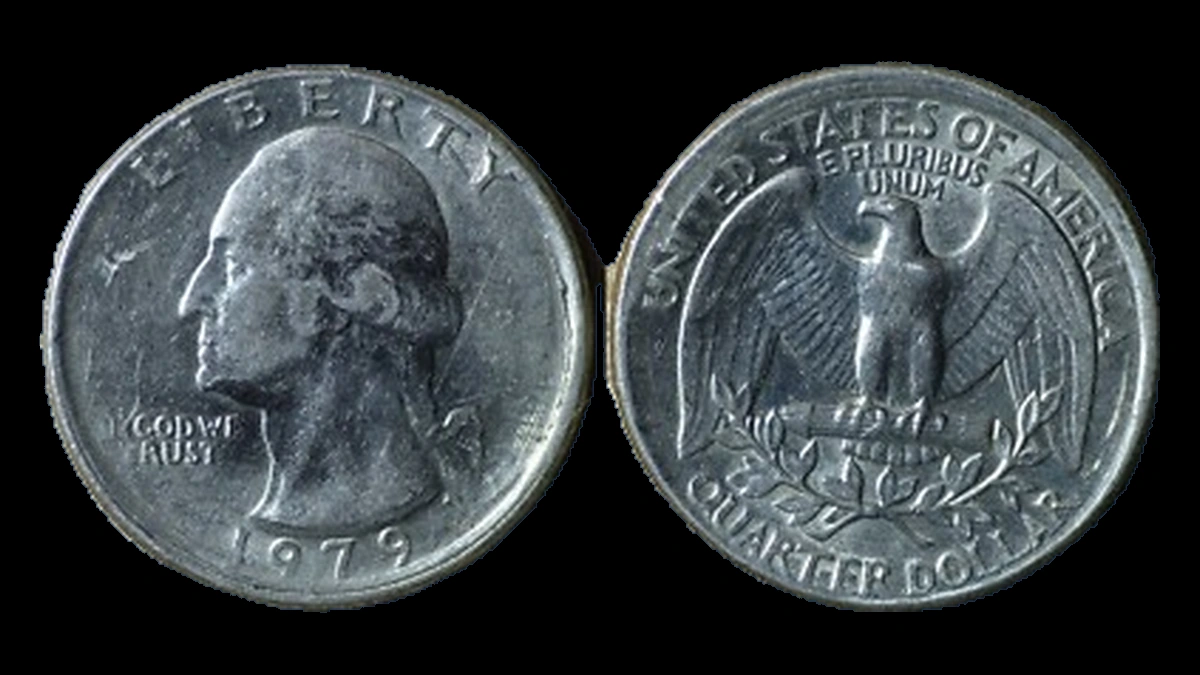
The MS63 example shows an expanded quarter with the main design retained on the metal. Without normal collar restraint, the blank spread farther outward during the strike.
A separate MS66 broadstrike appeared in a two-coin auction lot. Its group price cannot be treated as an individual record for the MS63 coin.
How to Identify
Follow the outermost lettering on both faces to confirm that the design remains complete. Examine edge formation and outward flow rather than treating any wide coin as a broadstrike.
A design that falls beyond the blank needs an off-center comparison. Later hammering can widen a coin while crushing already formed details.
What It’s Worth
Typical broadstrikes have estimated values of $20–$200. The MS63 example sold for $49 in July 2022.
A mixed-year two-coin lot containing the other example does not supply its separate price. Compare expansion and surfaces along with grade.
8. 1979 Quarter Reported Rotated Die Error
An upside-down eagle can be normal if the coin was turned from left to right. The reported 1979 appearance does not record the turning method or a measured angle.
A genuine rotation concerns the angle between the dies. It needs a controlled comparison of both faces rather than a single sideways image.
How to Identify
Start with Washington upright and flip the coin from top to bottom without twisting it sideways. The eagle should then be upright on a normally aligned coin.
Repeat the movement with a fixed reference and measure any consistent departure. A holder can keep the coin from slipping within the fingers.
What It’s Worth
A clearly measured genuine rotation has an estimated range of $20–$250. Larger angles are generally easier to demonstrate than a slight tilt.
The original upside-down-eagle report remains a candidate. A normal coin turned sideways receives no error premium for that appearance.
9. 1979 Quarter Reported Tilted Partial Collar Strike Error
A seller described a no-mintmark quarter as a tilted partial collar strike. The relevant feature is a stepped edge created when part of the blank remained outside normal collar confinement.
The restrained band stays narrower while the exposed metal spreads. Tilt can make the boundary between those bands change height around the coin.
How to Identify
Use side photographs around the full edge to follow the step and any preserved grooves. A front-only picture cannot establish the three-dimensional collar relationship.
Gradual changes in the band differ from abrupt dents or flattened patches. Compare both faces and the edge before accepting the seller’s description.
What It’s Worth
Genuine partial collar strikes have estimated values of $15–$250. A clear original step is more useful than a faint uneven rim.
No measured tilt angle or confirmed auction price is supplied for this report. Ordinary rim damage does not qualify for the estimate.
10. 1979 Quarter Clipped Blanks Error
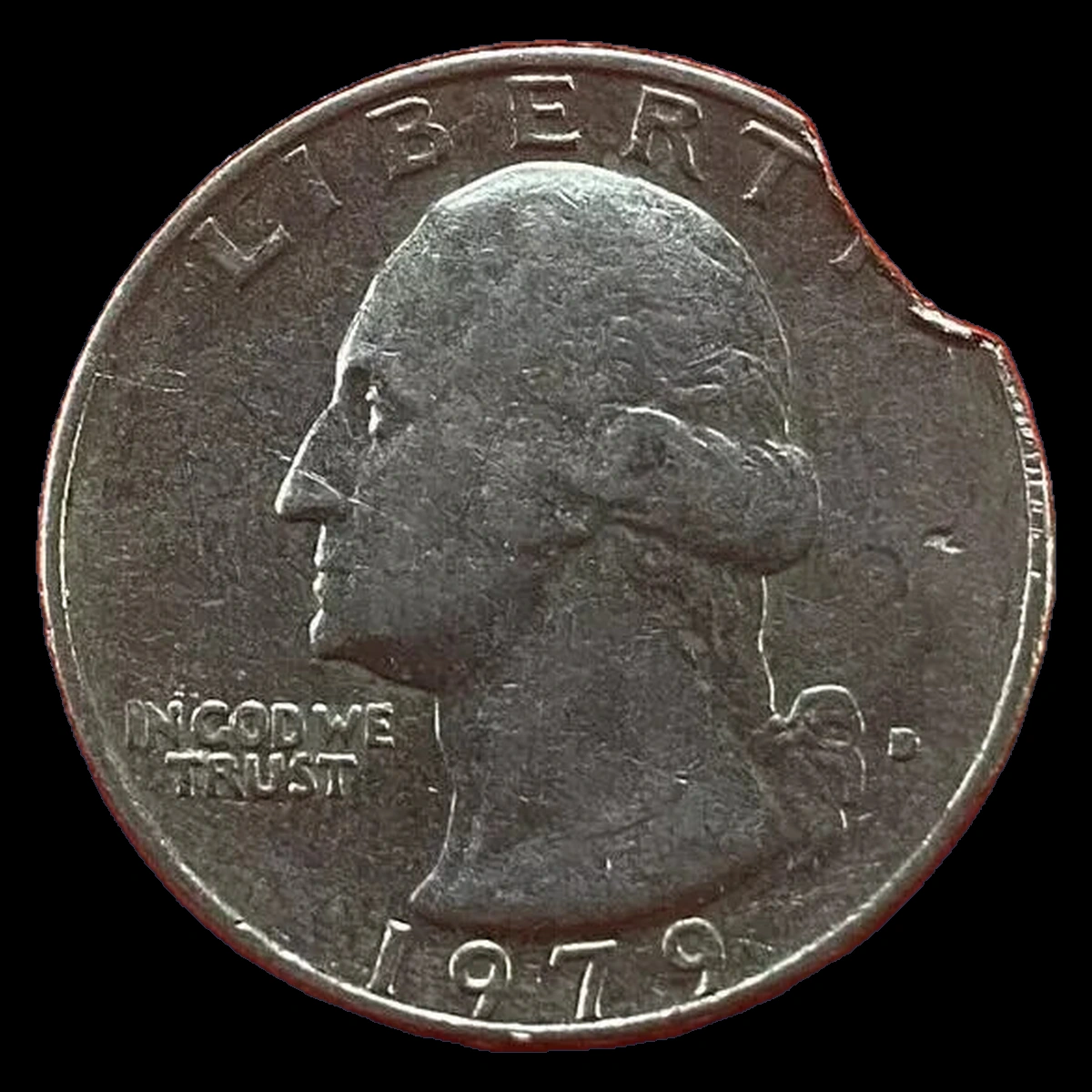
The 1979 examples include a single curved gap, two curved gaps, and a Denver straight clip. Each represents an incomplete blank rather than metal removed from a finished quarter.
One coin combines a thirty-seven-percent clip with a twenty-percent off-center strike. Its gap is absent metal, while the unstruck crescent is metal still present.
How to Identify
Trace the actual outline of the remaining blank and inspect each gap separately. Check adjacent rim and lettering for formation beside an existing opening rather than a later saw cut.
Weakness opposite a clip can support identification, although it does not appear on every genuine example. On a straight clip, examine both transitions into the round edge.
What It’s Worth
Clipped examples have estimated values of $10–$500. An MS65 double-curved clip sold for $21 in December 2008, and a Denver straight clip brought $15 in September 2006.
The thirty-seven-percent clip with a twenty-percent off-center strike sold for $288 in July 2021. That single price includes the complete combination of features.
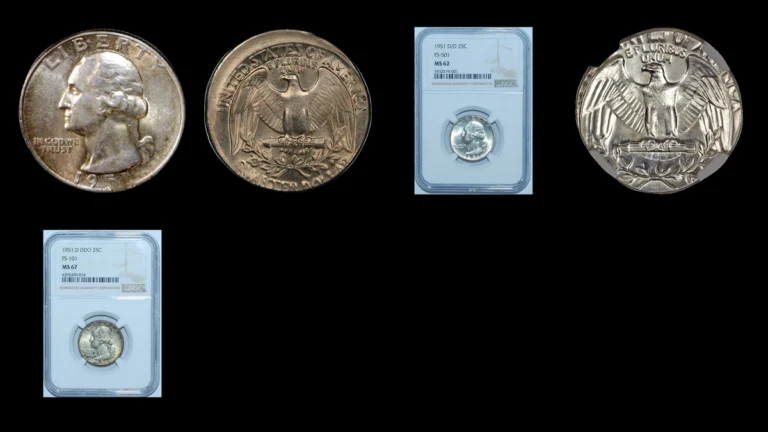
11. 1979 Quarter Off-Center Strikes Error
A recorded MS63 quarter is thirty percent off center toward two o’clock. Another example is described as forty percent off center and has a different condition history.
These figures concern design displacement, not a percentage of metal removed. No-mintmark quarters should not automatically be assigned to Philadelphia, since West Point also made quarters without a mintmark during this period.
How to Identify
Locate the date and follow the two designs into the available metal. An unstruck crescent should remain opposite the area where intended details run beyond the blank.
The thirty-percent example’s two-o’clock direction belongs to that coin alone. Do not borrow a direction from a neighboring auction photograph or complete a partial date by guesswork.
What It’s Worth
Collectible dated off-center quarters have an estimated range of $50–$500. Readable identity, clear displacement, and original surfaces affect the comparison.
The thirty-percent MS63 example appeared in a $408 two-coin lot in January 2022. The second quarter was from another year, so $408 is not a single-coin result for 1979.
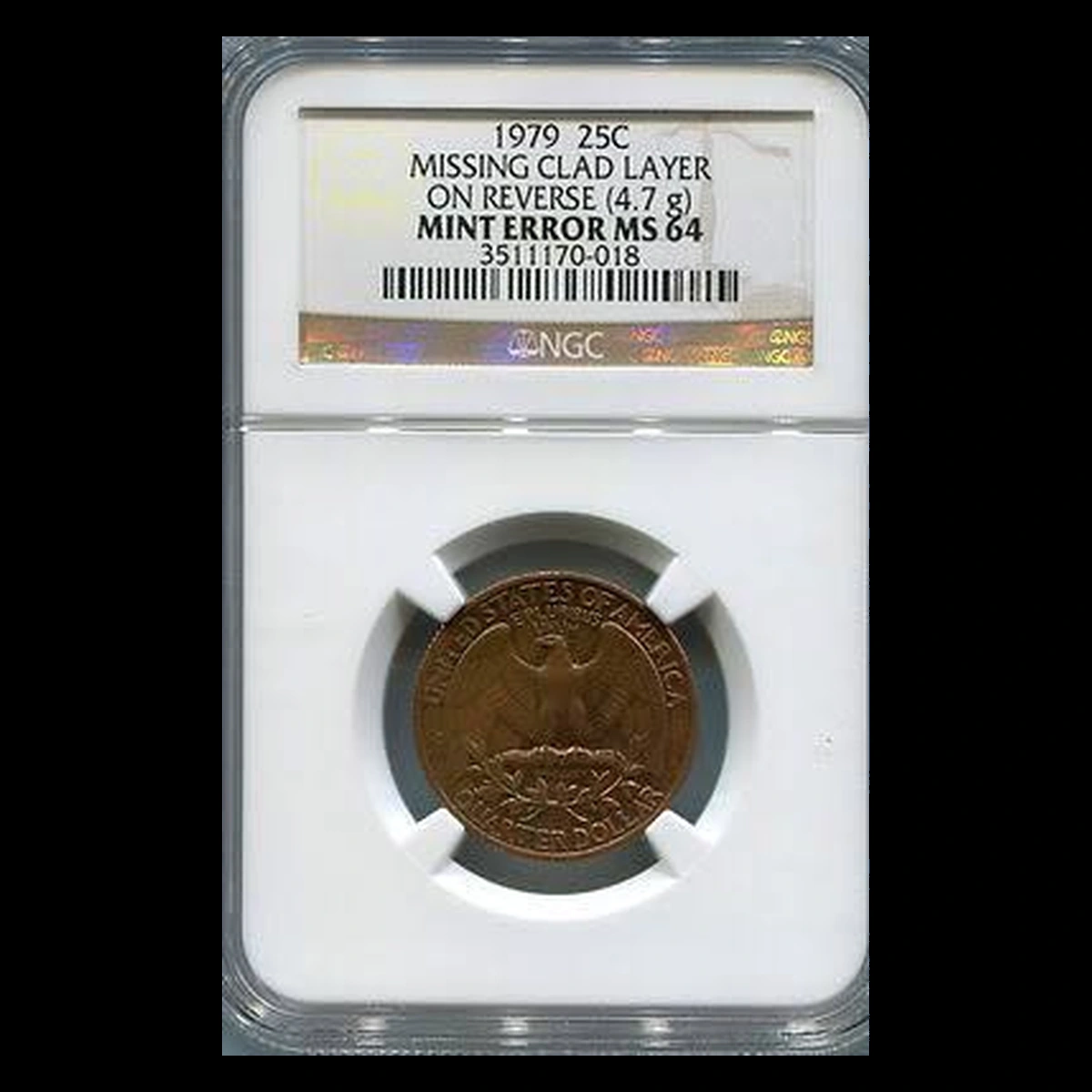
12. 1979 Quarter Missing Front Clad Layer Error
Recorded no-mintmark examples lack the front outer layer and weigh 4.7 grams. Separate Denver examples weigh 4.6 grams.
The exposed copper front still carries Washington’s design, while the reverse retains its pale covering. These coins keep the copper center and differ from a thin detached sheet struck by itself.
How to Identify
Compare the two faces under the same light and inspect the remaining layers at the edge. Original struck design across exposed copper supports a different explanation from grinding or chemical removal.
Keep each recorded weight tied to its own specimen. The figures are comparisons, not universal target weights for every missing-layer candidate.
What It’s Worth
Confirmed missing-front-layer quarters have estimated values of $50–$500. No-mintmark 4.7-gram examples sold for $66 in March 2014 and $84 in December 2015.
A Denver MS64 coin weighing 4.6 grams brought $69 in July 2011. A separate Denver MS63 example at the same weight sold for $264 in November 2020.
Those results show why grade alone does not determine the market. Appearance and buyer interest also influence a particular sale.
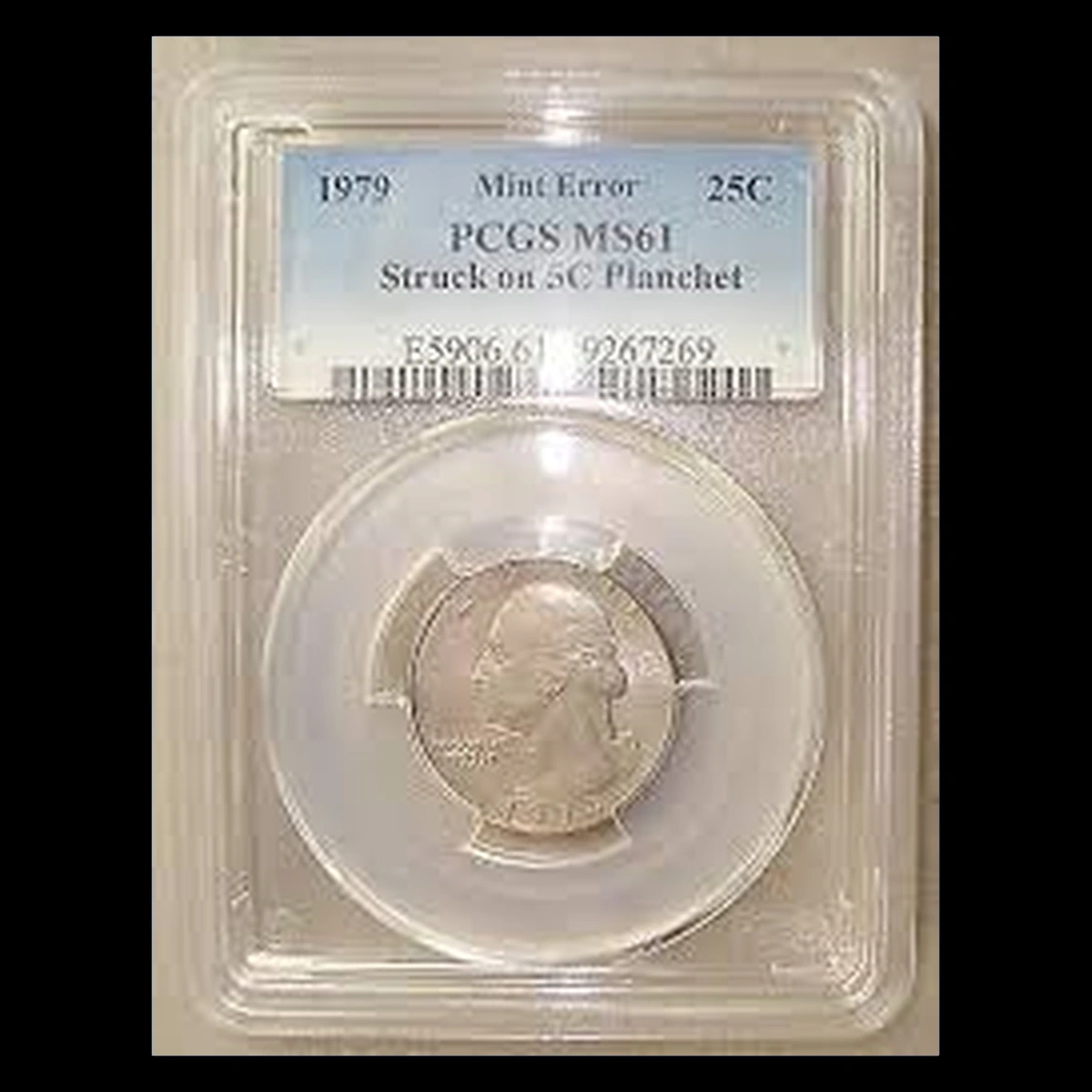
13. 1979 Quarter Strike on a Nickel Blank Error
A nickel blank is smaller and has a different metal structure from an ordinary quarter blank. Several recorded 1979 examples carry quarter designs on pieces weighing around five grams.
One specifically used a Type One nickel blank, whose rim had not been raised before striking. That combines the wrong denomination’s metal with an unfinished preparation step.
How to Identify
A nickel blank normally starts at 5.0 grams and about 21.2 millimeters across, although striking can spread it. Its solid copper-nickel alloy lacks the copper-center stripe of a clad quarter.
Check the date and any outer design lost at the smaller blank’s edge. Search for an earlier nickel image too, since surviving host design would indicate an already struck coin rather than an unused blank.
What It’s Worth
Wrong-blank examples have estimated values of $175–$1,200. A 5.0-gram MS64 coin sold for $199.75 in June 2013, while an MS66 example brought $600 in January 2022.
The 5.0-gram MS65 Type One nickel-blank coin sold for $186 in March 2021. A separate 5.04-gram AU58 example brought $192 in March 2025.
Surviving date and design affect appeal alongside the condition grade. The records concern different specimens and blank histories.
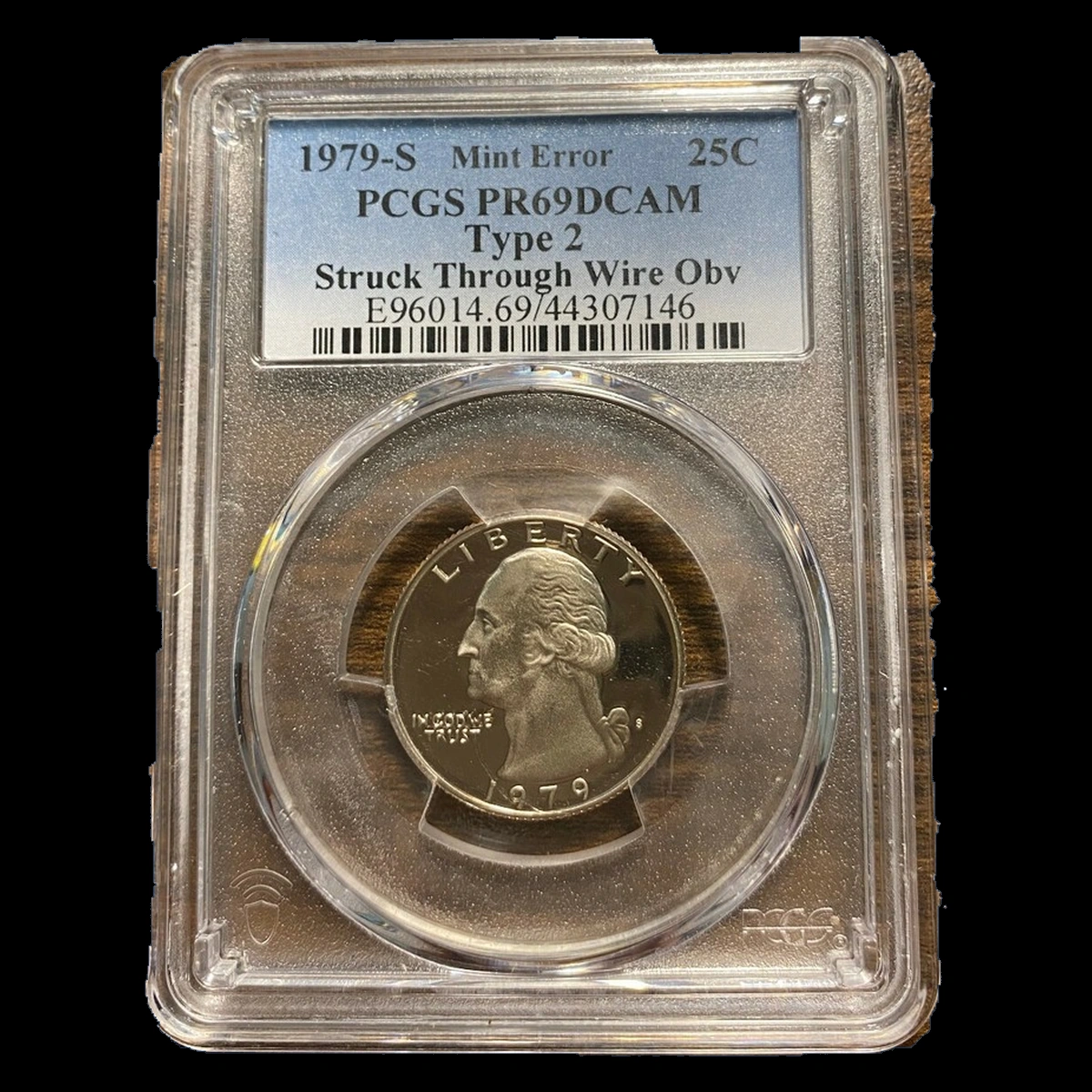
14. 1979 Quarter Struck-Through Foreign Material Error
A Denver quarter retains a staple pressed into its front. Separate no-mintmark examples have a metal impression or interruptions on both faces.
These formed when material obstructed the normal strike. Denver grease-related reports concern weak details and should not be confused with raised metal filling the center of D.
How to Identify
Examine where the design meets the retained object or depression. Keep any attached material untouched; removing the staple would damage the evidence.
The separate metal-impression description does not mean an object remains on that coin. A both-faces report also needs examination of each side without inventing the obstructing material.
What It’s Worth
This broad category has estimated values of $5–$1,500, from mild filled details to identifiable retained objects. The Denver staple coin brought $660 in October 2021.
A separate metal-impression example sold for $39 in December 2024, and a both-faces example brought $59 in September 2025. Their different forms explain why one typical price would be misleading.
15. 1979 Quarter Double and Triple Strikes Error
The recorded triple strike has two nearly overlapping early impressions followed by a third forty percent off center toward the upper right. That third image also turns slightly counterclockwise.
Separate double strikes have second impressions sixty-five or eighty percent off center. The sixty-five-percent example additionally has later damage, which is distinct from its manufacturing error.
How to Identify
On the triple strike, follow LIBERTY and the date through the close early overlap and inspect the accompanying small edge fins. Then trace the more widely displaced third design.
For any candidate, connected portrait and lettering features should establish each image. Check the reverse for a compatible sequence while keeping later scratches separate from the strike count.
What It’s Worth
Collectible repeated strikes have estimated values of $100–$2,000. The MS66 triple strike sold for $747.50 in June 2006, and a matching-grade, matching-description record brought $411.25 in June 2014.
Those records may concern the same coin and must not be counted as two distinct specimens. The MS63 eighty-percent second-strike example sold for $252 in July 2022.
16. 1979 Quarter Quarter Design over a Finished Jefferson Nickel Error
The recorded overstrike used an already made Jefferson nickel rather than an unused blank. Parts of the nickel’s earlier design survive beneath the quarter impression.
The host nickel’s date has not been established. The visible 1979 quarter date cannot supply missing digits from the underlying coin.
How to Identify
Trace recognizable nickel lettering, portrait details, or Monticello features through the overlapping quarter design. Several related remnants are stronger evidence than one ambiguous line.
The later strike can flatten some old detail while preserving other portions between its new features. Metal identification supports the attribution, but the earlier design distinguishes a finished host from a blank.
What It’s Worth
Estimated values are $300–$2,500 for genuine examples with differing preservation and host visibility. The recorded XF Details specimen with scratches sold for $408 in March 2023.
Its wear and scratches affect comparisons with cleaner coins. Do not transfer the result to a plain nickel-blank quarter lacking any earlier image.
17. 1979 Quarter Strike on a Separate Clad Shell Error
The Mint Error News example consists only of a separated front outer layer struck seventy percent off center. The thin sheet was separate when it received the quarter design.
This is neither a complete quarter missing one layer nor a flap still attached to a full coin. The unusual metal and displaced strike form one combined error.
How to Identify
Use side views to establish that the piece is a separate sheet without a full copper-centered body. Compare the struck region with the untouched portion without flexing or pressing the fragile metal.
The sequence must show a strike after separation, not a skin peeled from a finished coin. No exact weight or thickness is supplied, and the 4.6- or 4.7-gram missing-layer coins are not appropriate weight targets.
What It’s Worth
An authenticated separate-shell strike of this kind has an estimated range of $300–$3,000. Readable identity, intact shape, and a clear manufacturing sequence support the comparison.
This is not a reported sale price for the illustrated 1979 piece. Thin metal is vulnerable to bending and should remain protected during examination.
Conclusion
Start by identifying what changed: a tiny mintmark shape, the amount of metal, the blank’s position, or the number of complete images. These observations separate inexpensive local features from more substantial striking errors.
Keep weights, directions, and auction results attached to their individual coins. Group totals, repeat appearances, and combination errors need careful treatment, while a no-mintmark 1979 quarter should not automatically be assigned to Philadelphia.