Rare 1913 Buffalo Nickel Errors (List & Pictures)
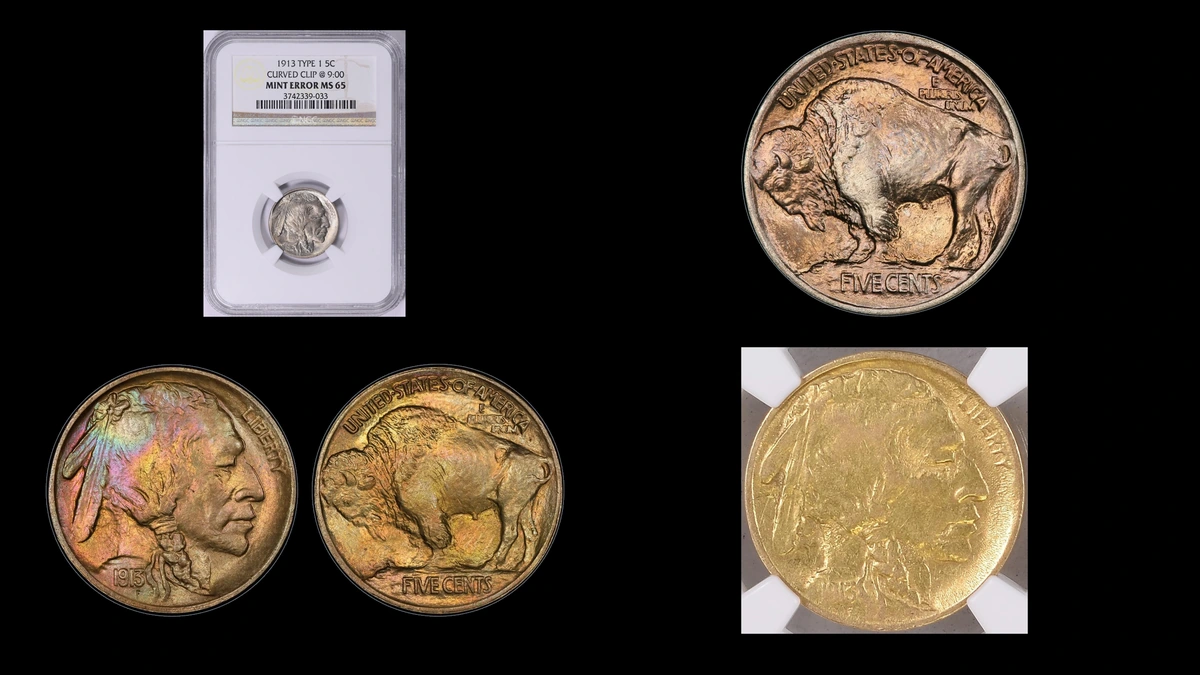
A Buffalo nickel design struck on a gold five-dollar blank brought $78,000 at auction in January 2021. Its metal and uncertain origin place it far beyond most ordinary 1913 Buffalo nickel errors.
The supplied estimates span $50–$500,000. First distinguish the normal raised-mound Type 1 from the flatter-ground Type 2, then examine the coin’s mint, outline, and unusual details before choosing a comparison.
1. 1913 Nickel Full Designs Sit on an Expanded Disc: Broadstrike Error
The recorded Philadelphia Type 1 broadstrike was graded AU58, indicating slight wear. Its blank spread because the collar did not confine the metal normally during striking.
The buffalo’s raised mound belongs to the ordinary Type 1 design. The error is the wider shape surrounding a complete impression, not the mound beneath the animal.
How to Identify
Follow the outer letters on both faces to confirm that the design remains complete. A broadstrike may have an uneven border, but an off-center strike loses intended detail beyond the blank.
A normal Buffalo nickel weighs 5 grams, measures about 21.2 millimeters, and has a plain edge. Compare width and original surface flow, watching for crushing or scraping that could explain later flattening.
What It’s Worth
$100–$1,000 is the estimate across circulated to attractive unworn Type 1 broadstrikes. No realized price is supplied for the Philadelphia AU58 example.
Bold natural expansion with clear design is more informative than a barely widened rim. A coin flattened after minting does not qualify for the same range.
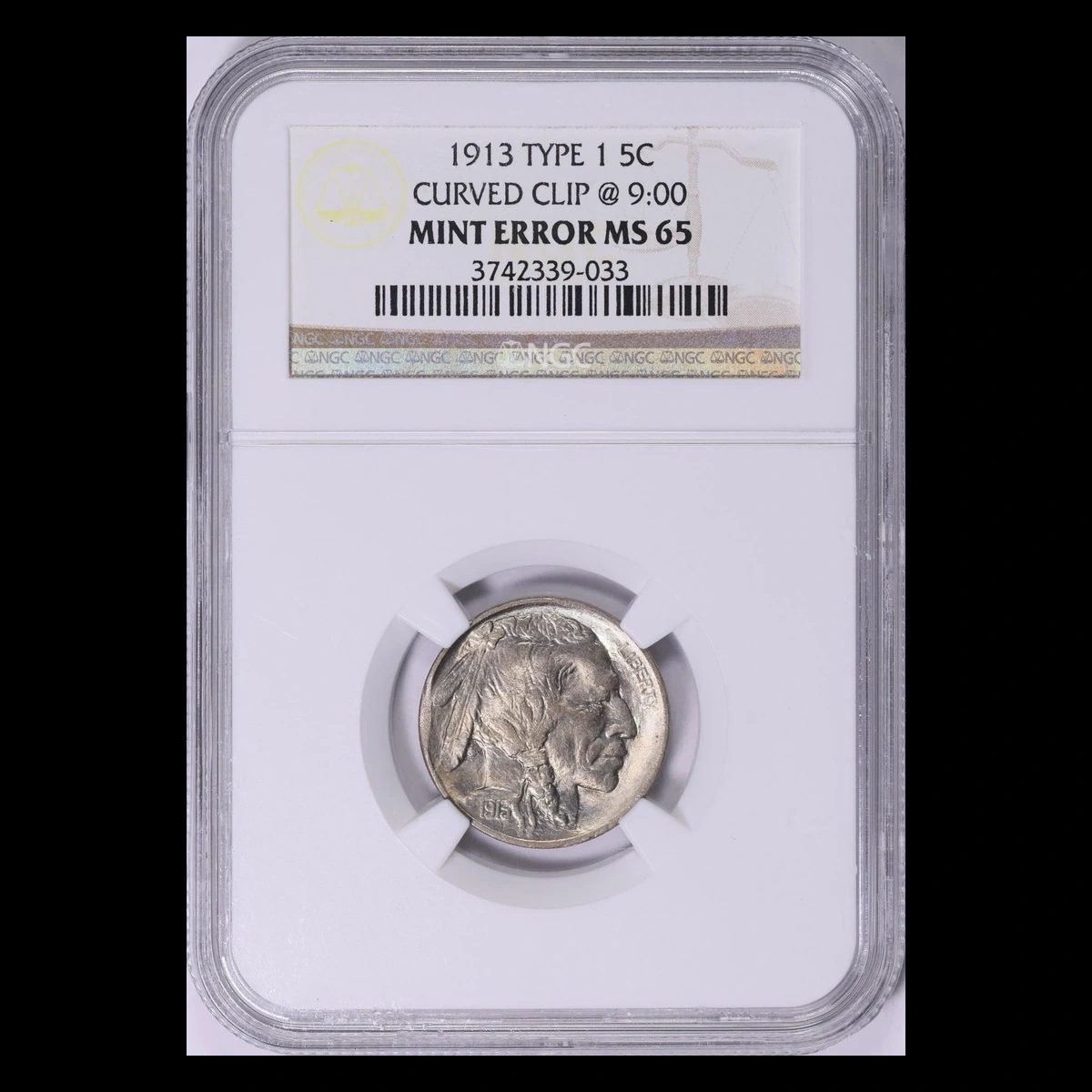
2. 1913 Nickel A Straight Lower Gap Accompanies a Tilted Reverse: Clip and Rotation Error
The recorded Type 1 ANACS MS62 has a straight clip around the lower edge near 6 to 7 o’clock. Its reverse is also rotated about 20 degrees from the normal relationship.
The incomplete blank and die rotation arose at different stages of production. They are separate features preserved on the same coin.
How to Identify
Inspect the straight opening for original boundary texture and neighboring struck detail rather than saw marks or crushed metal. A missing section usually reduces weight, but the edge evidence must distinguish it from a later cut.
Test the rotation separately by flipping an upright portrait top to bottom without twisting sideways. Repeat the same movement before measuring the reverse’s tilt; independently rotated photographs cannot establish it.
What It’s Worth
$150–$1,200 is a whole-coin estimate for a genuine Type 1 straight clip with a similar modest rotation. The historical Jim’s Coins catalog gave the MS62 example a $189 minimum bid.
That was a starting requirement rather than a verified realized price. The clip and rotation should not receive two separate full valuations.
3. 1913 Nickel Part of the Design Misses the Blank: Off-Center Strike Error
The two recorded San Francisco examples use different normal designs: a Type 1 is about 20% off center, while a Type 2 is roughly 10% off center toward the left. Both retain unstruck metal beside a partial impression.
The smaller displacement need not mean lower value. A 1913-S Type 2 is already a scarce collectible before its striking error is considered.
How to Identify
Confirm S below FIVE CENTS and the mound or flat-ground design where it survives. Read all four date digits before assigning the coin to 1913.
Compare both faces for the same displaced blank and inspect the transition into unused metal for scraping or grinding. Keep the Type 1 percentage separate from the Type 2’s leftward shift.
What It’s Worth
$500–$6,000 is the supplied estimate for these dated San Francisco examples, allowing for type, preservation, and error clarity. No completed sales are supplied for the two collector specimens.
A 1921 nickel struck 45% off center and graded MS63 sold for $2,300 in 2009. Its mint was unknown, so it supplies only a different-year comparison.
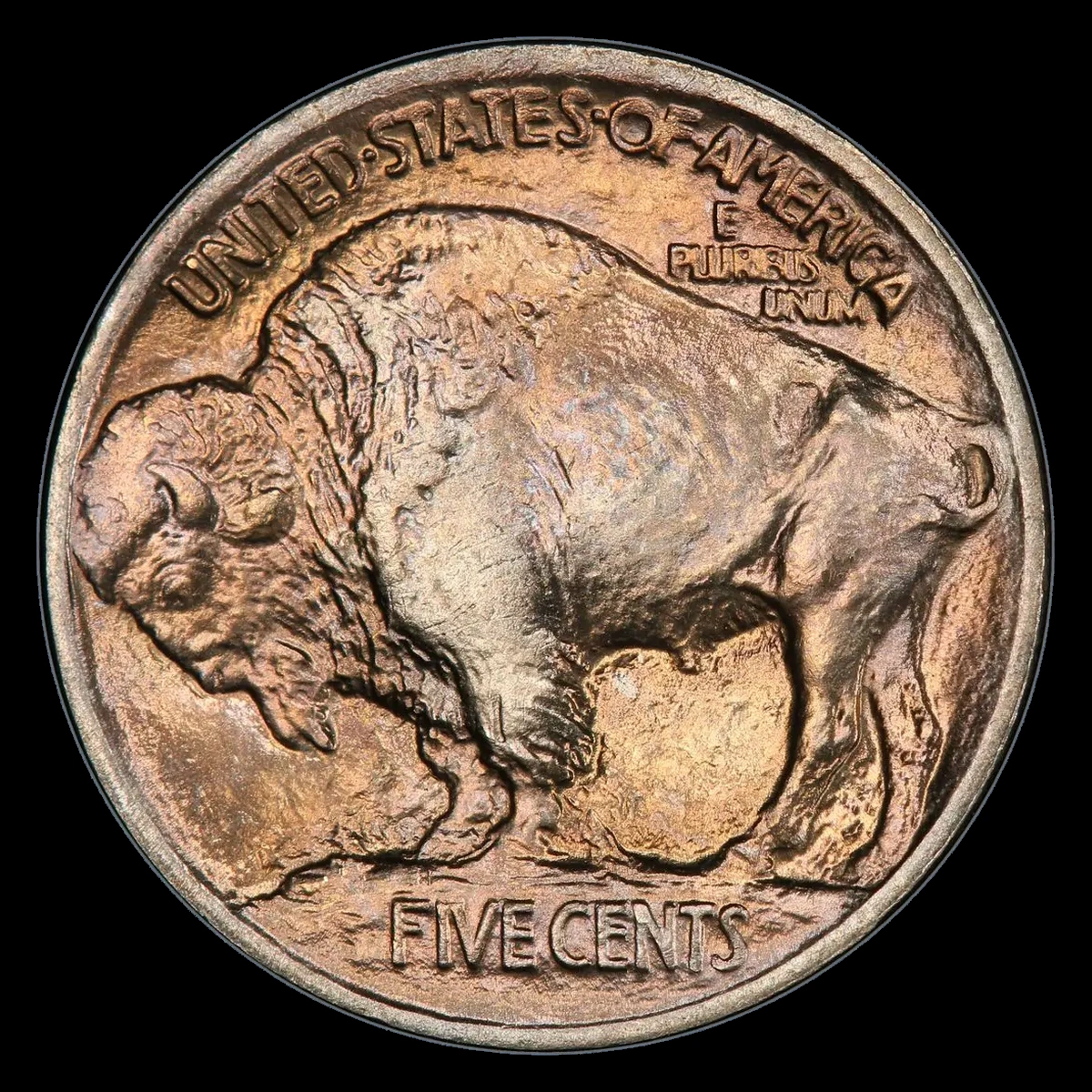
4. 1913 Nickel Reverse Lettering Has Repeated Outlines: Doubled Die Error
A die made with repeated design details can reproduce extra raised outlines on every coin it strikes. This is different from a finished nickel receiving another impression or developing flat shelves from movement during a strike.
The named Type 2 reverse variety is FS-1801. A doubled-looking Type 1 cannot borrow that number simply because its lettering also appears unusual.
How to Identify
Identify the buffalo’s ground style before comparing the reverse words and contours. Look for the same repeated rounded outlines across several details of the correct type.
Move the light to separate fixed relief from reflections. Wear can blur genuine features, but it cannot justify inventing details needed to complete a variety match.
What It’s Worth
$50–$2,000 is the estimate across matching doubled-reverse varieties in different conditions. Exact design type and pattern matter more than a general doubled-letter label.
A Type 2 FS-1801 graded MS64 brought about $588 at Heritage in October 2014. That is a same-year comparison for the named flat-ground variety, not every thick letter on a 1913 nickel.
5. 1913 Nickel A Second Outline Surrounds D or S: Repunched Mintmark Error
The supplied examples are a Denver Type 1 and a San Francisco Type 2. A repeated mintmark punch into the working die left remnants that could appear on coins struck afterward.
Neither a particular direction nor an incidental scratch is established here for all examples. The whole repeated letter shape must match its own mint and design type.
How to Identify
Find D or S below FIVE CENTS, then confirm the raised mound or flatter ground. Inspect the inner spaces and outside curves alongside a normal mintmark in the same lighting.
A rounded remnant of another punch is stronger evidence than general thickness. Corrosion, a chip, and flat strike doubling can each imitate part of an extra outline.
What It’s Worth
$75–$3,000 is the broad whole-coin estimate across these two different mints, design types, and conditions. Much of a strong 1913-S Type 2 price may come from the scarce underlying coin.
A 1930-S repunched mintmark graded MS62 sold for about $431 in 2011. That later-year transaction does not establish a sale for either 1913 variety.
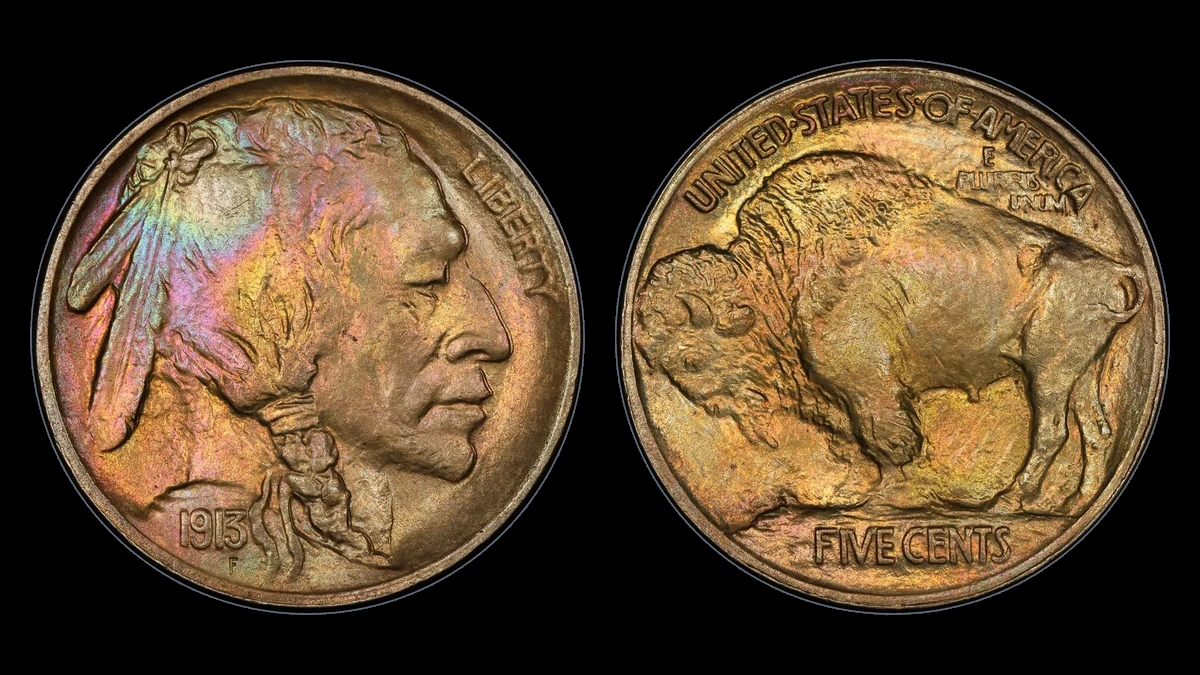
6. 1913 Nickel A Leg Segment, Small Feather, or Initial Is Missing: Die Polishing Error
Polishing a die too heavily can remove shallow design elements before later coins are struck. The Philadelphia Type 1 Three-and-a-Half Legs loses much of a front leg while retaining the hoof.
A separate San Francisco Type 1 combines Two Feathers with a missing F below the date. The F is the designer’s initial, and those two omissions can belong to the same polished die.
How to Identify
Assess overall wear before interpreting an absent small feature. Smooth hair, date, and animal detail can make a feather or leg hard to see without die polishing.
For Philadelphia, match the missing leg segment and surviving hoof to the recognized variety. For the San Francisco combination, inspect the inner feather behind the neck and the F location separately for scraping or a depressed altered patch.
Both comparisons require Type 1, but they are different varieties. One coin’s missing features should not be required on the other.
What It’s Worth
$50–$50,000 is the broad range across these polishing varieties, with the rare Philadelphia Three-and-a-Half Legs responsible for the high end. The separate San Francisco Two Feathers/No F combination has an estimated range of $50–$2,000.
PCGS records $47,437.50 in August 2004 for an NGC MS65 Three-and-a-Half Legs and $4,230 in September 2016 for a PCGS MS63. Those results concern complete, specifically attributed coins, not any weak buffalo leg.
7. 1913 Nickel A Reverse Depression Interrupts the Strike: Struck Through Error
The recorded 1913-D Type 2, graded NGC MS62, has a struck-through area on the reverse. Something between the die and blank prevented the normal design from fully reaching the affected metal.
The supplied description does not identify that object. A depressed area still requires examination with its surrounding original surface to separate it from later damage.
How to Identify
Confirm D below FIVE CENTS and the flat-ground Type 2 before comparing the depression with a normal coin. A Philadelphia piece or raised-mound design is not the same reference.
Inspect how struck detail enters the affected area and look for a later sharp cut or pushed-up boundary. The useful evidence is an original interruption of the strike, not merely a low spot.
What It’s Worth
$150–$750 is the estimated whole-coin range from modest to prominent examples of this reported type. The GreatCollections NGC MS62 listing establishes an unworn example without a supplied selling price.
The ordinary value of the date and mint remains part of the amount. A distinctive visible impression generally contributes more interest than a shallow feature barely affecting the design.
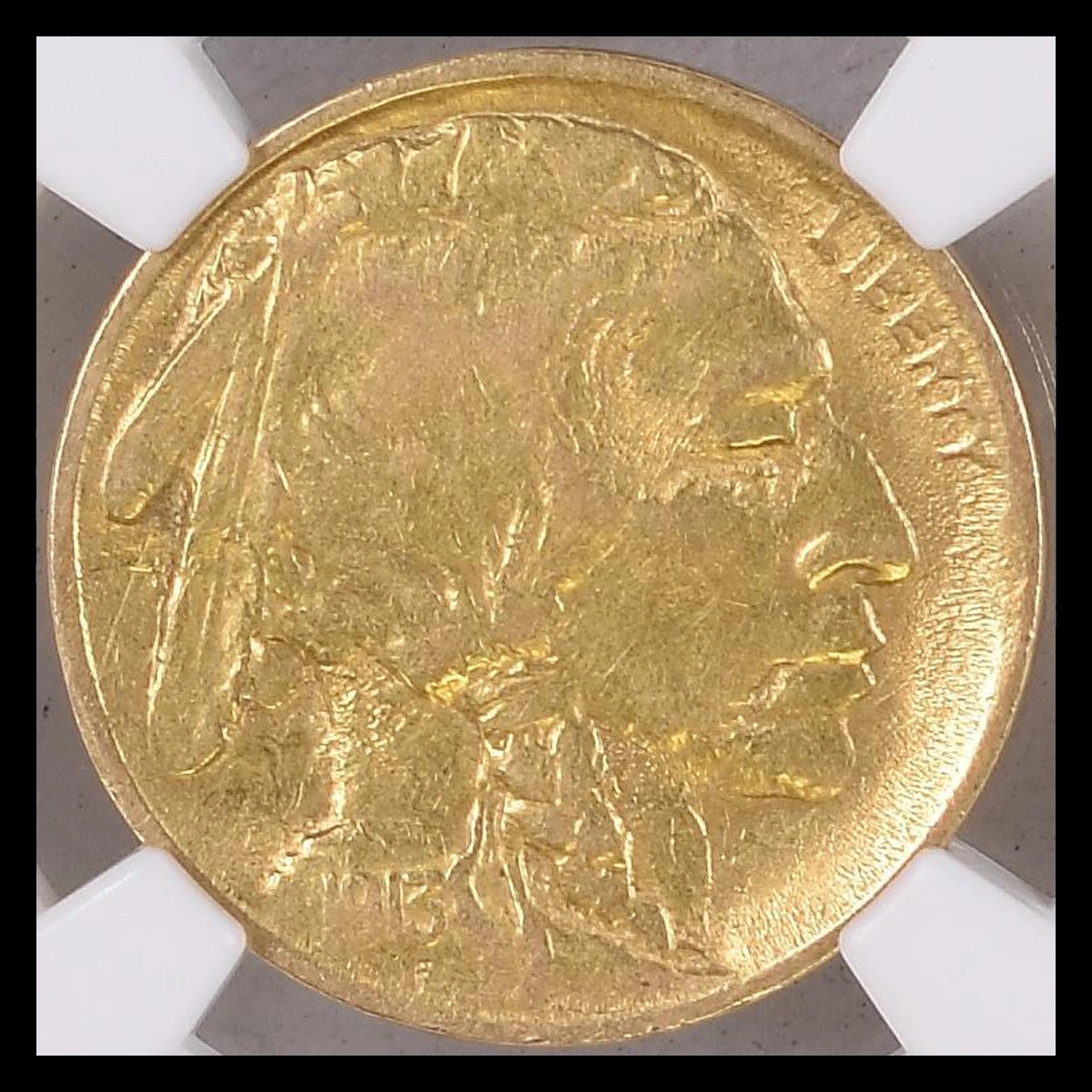
8. 1913 Nickel A Heavy Gold Disc Bears the Buffalo Design: Wrong Planchet Error
The known Type 2 piece was struck on a gold blank intended for a five-dollar coin and weighs 8.33 grams. It has an old test cut on the reverse rim and later received an AU53 grade for light wear.
The gold blank is established, but its route to the nickel dies is not. An accidental event and deliberate special manufacture remain possibilities rather than proven explanations.
How to Identify
Compare the documented weight with an ordinary 5-gram nickel; a thin gold coating does not explain the difference. Specialist metal testing should be non-damaging, with certified pieces left in their holders.
Examine the Type 2 design and existing reverse-rim cut near 7:30 against the authenticated specimen. Do not make a new cut or scratch, and do not treat gold color or edge appearance alone as proof.
What It’s Worth
$100,000–$500,000 is the supplied estimate for this exceptional authenticated gold piece, rather than ordinary plated nickels. Its earlier Heritage result was $78,000 on January 21, 2021, below that range, when described as genuine with wear and a test cut.
Dealer Mike Byers later reported selling it for $400,000 after numerical grading. That is a dealer-reported transaction rather than a second auction result, and the differing descriptions belong with their respective prices.
Conclusion
The normal mound and flat-ground designs provide the starting point for 1913 Buffalo nickel comparisons. Mint, type, and preservation can explain large price differences even before a striking error or die variety is considered.
Match missing features and repeated outlines to the correct specimen, and preserve original boundaries and surfaces. The gold piece belongs to an exceptional market whose authenticated metal does not settle whether its manufacture was accidental.