Rare 1922 Penny Errors (List & Pictures)
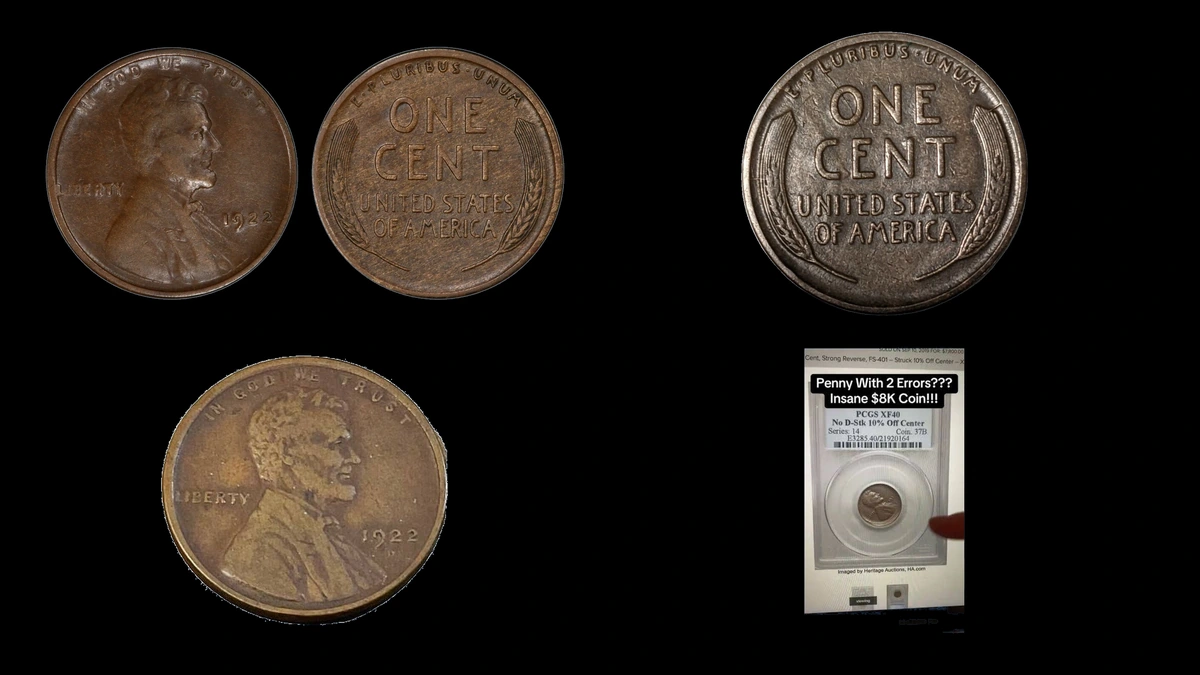
A No D Strong Reverse cent sold for $82,250 in April 2013. Every genuine 1922 cent came from Denver, so the absence of a visible mintmark does not indicate Philadelphia.
Estimated whole-coin values for 1922 penny errors span $30–$85,000. Establish the date and mintmark variety first, then examine any raised line, missing metal, or surface separation as a separate feature of the same coin.
| Visible feature | What needs checking | Estimated value |
|---|---|---|
| Weak D | Ordinary worn weak-mintmark forms | $30–$300 |
| No D with sharp reverse | No D Strong Reverse attribution | $500–$85,000 |
| Raised reverse line | Die crack | $30–$200 on ordinary worn D coins |
| Repeated detail or depression | Doubled die or struck-through | $40–$500 on ordinary D coins |
| Chest layer on No D coin | Lamination plus variety identity | $500–$3,500 for the described worn form |
| Gap or shifted design | Clip or off-center strike | $50–$1,500 |
The normal cent weighs about 3.11 grams and measures roughly 19 millimeters across, with a plain edge. Measurements support an examination but cannot establish No D identity or explain a faint letter by themselves.
1. 1922 Penny The D Is Weak or Absent: Weak D and No D Varieties Error
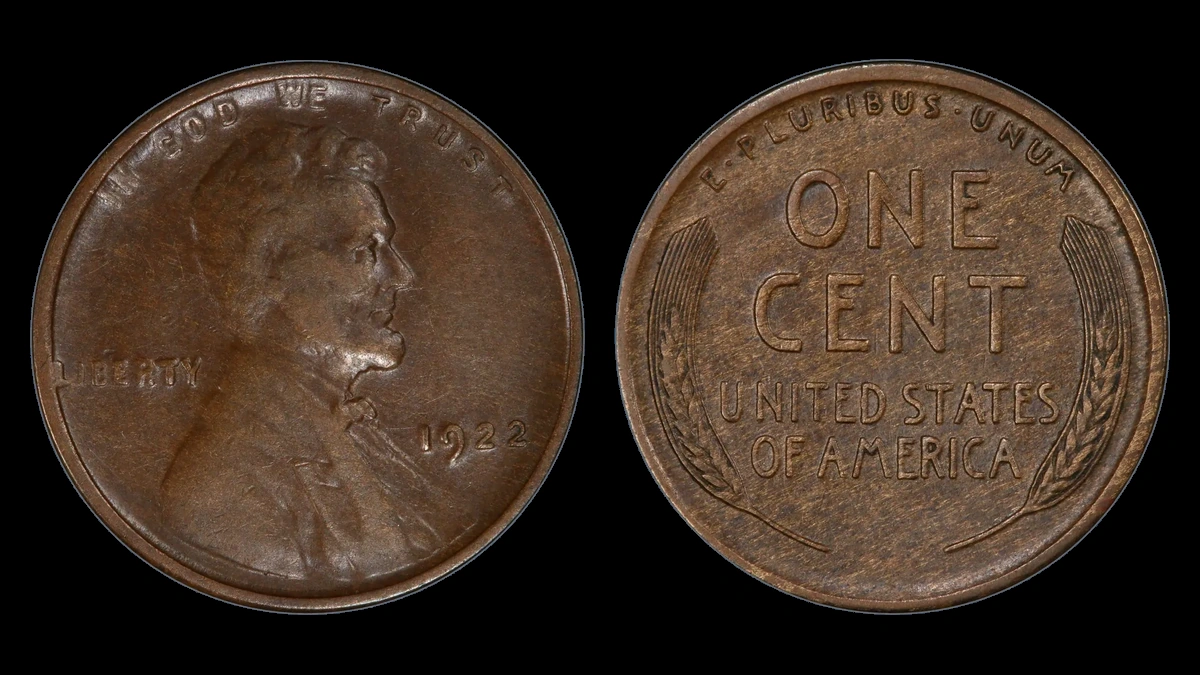
The best-known No D variety combines an absent mintmark with a sharply detailed reverse. Its front die is believed to have lost the D during repair and polishing.
Other weak or missing-D appearances occur with softer reverse detail. They require separate attribution and do not automatically share the Strong Reverse variety’s value.
How to Identify
Compare the two 2s: the final 2 should be sharper on the Strong Reverse variety. TRUST should be clear, with strong reverse wheat lines despite the softer front.
Inspect beneath the date for a D remnant, scraping, or disturbed metal. These clues must agree; an empty-looking space alone cannot distinguish an altered mintmark from the recognized variety.
Use both faces and the certification details when available, leaving holders sealed. A promising loose specimen needs professional authentication before comparison with expensive certified examples.
What It’s Worth
Estimated whole-coin values span $30–$85,000: ordinary worn weak-D forms about $30–$300 and genuine No D Strong Reverse coins about $500–$85,000 across a much broader condition range. A weak reverse does not inherit the higher comparison.
PCGS records an MS65 Brown example at $82,250 from Heritage in April 2013. That exceptional unworn coin is far removed in preservation from a typical circulated penny.
2. 1922 Penny A Raised Line Joins Reverse Letters: Die Cracks Error
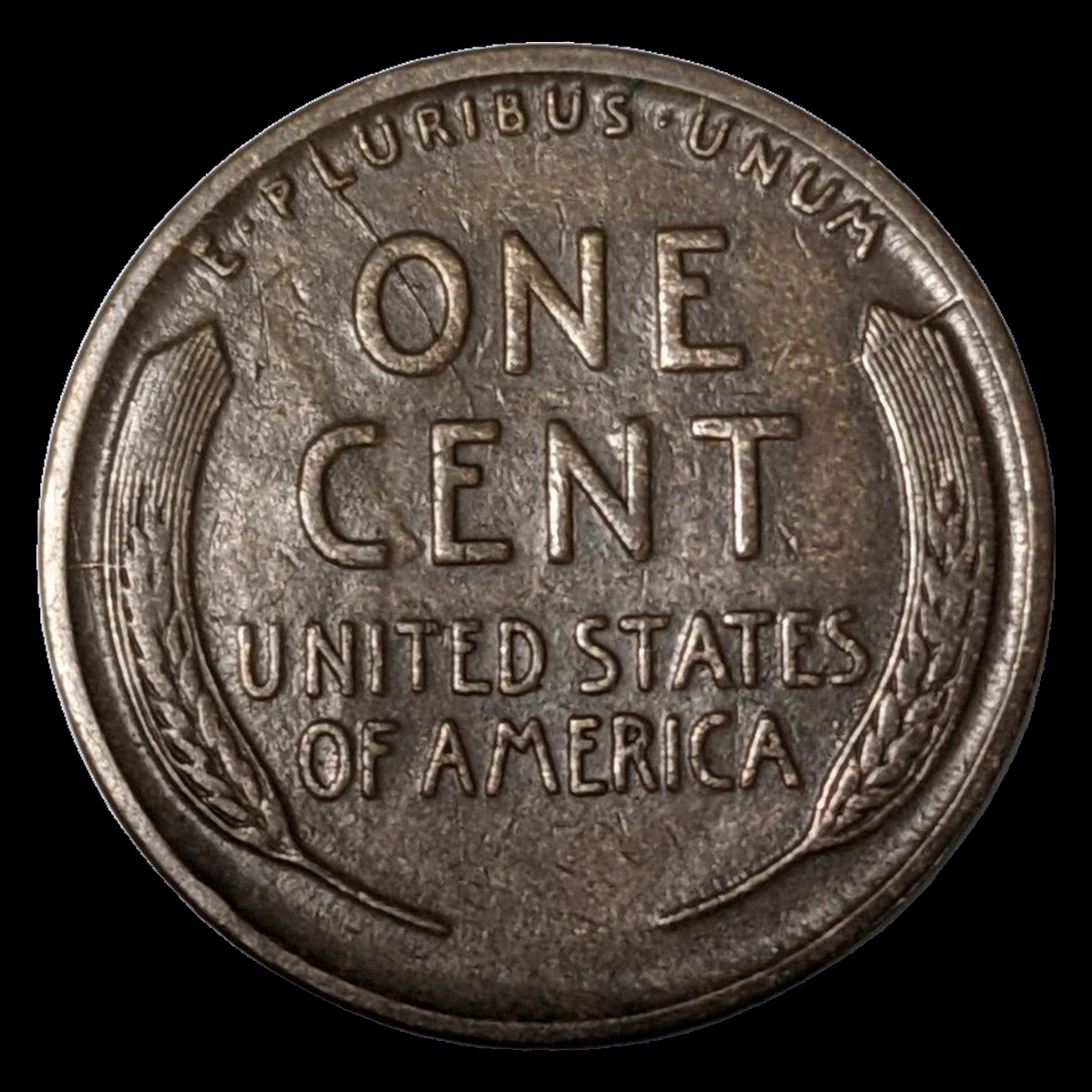
A crack in the reverse die can leave a raised line from L in PLURIBUS toward O in ONE. Copper entered the opening in the tool during striking.
How to Identify
Follow the whole line under changing light rather than judging an isolated segment. A scratch is recessed, even when its edges push a little metal upward.
The documented reverse cracks include bent and straight paths in this area. They identify different tools, while a certified clipped example combines a crack with a separate missing edge.
What It’s Worth
A worn 1922-D with a visible D and a modest crack is estimated at $30–$200. Much of this whole-coin figure comes from the ordinary date itself.
A 1934 major-break cent sold for $41 in August 2021, illustrating that tool damage alone need not be expensive. A 1922 No D or a combined clip requires its own full-coin assessment.
3. 1922 Penny Repeated Raised Design Detail: Doubled Die Error
A doubled die already carries repeated design before it strikes a blank. The supplied 1922 report includes front and reverse forms without establishing a universal diagnostic location.
How to Identify
Compare the suspected letter or design feature with an attributed 1922 cent of similar wear. Keep the surrounding design visible so an extra outline remains tied to the correct location.
A flat shelf trimming a letter can come from movement during striking, while thick softened detail can come from wear. Neither is sufficient evidence of a doubled die.
What It’s Worth
An identified minor doubled die on an ordinary 1922-D is estimated at $40–$500. Apply that range only after the raised repetition matches the actual variety.
A minor 1936 doubled-die cent sold for $70 in June 2024. Its separate date and pattern supply context without proving the identity of a 1922 coin.
4. 1922 Penny A Local Patch Failed to Receive Detail: Struck Through Material Error
An obstruction between die and blank can leave weak detail or an impression of its texture. The general year report does not identify the particular object.
How to Identify
Compare the patch with nearby detail and the wear on Lincoln’s high points. Inspect where lettering meets the interruption for evidence of blocked formation rather than later crushing or cutting.
Leave any embedded material undisturbed and examine the nearby edge for impact damage. A faint D still needs the separate No D variety checks; it does not identify an obstruction by itself.
What It’s Worth
Confirmed modest struck-through features on otherwise ordinary 1922-D cents are estimated at $40–$300. The underlying date, impression clarity, and condition all matter.
A 1933-D struck-through bronze cent sold for $30 in October 2022. That later-date result is not a sale for a 1922 example or a replacement for an established No D value.
5. 1922 Penny A Thin Layer Separates at Lincoln’s Chest: Lamination Error
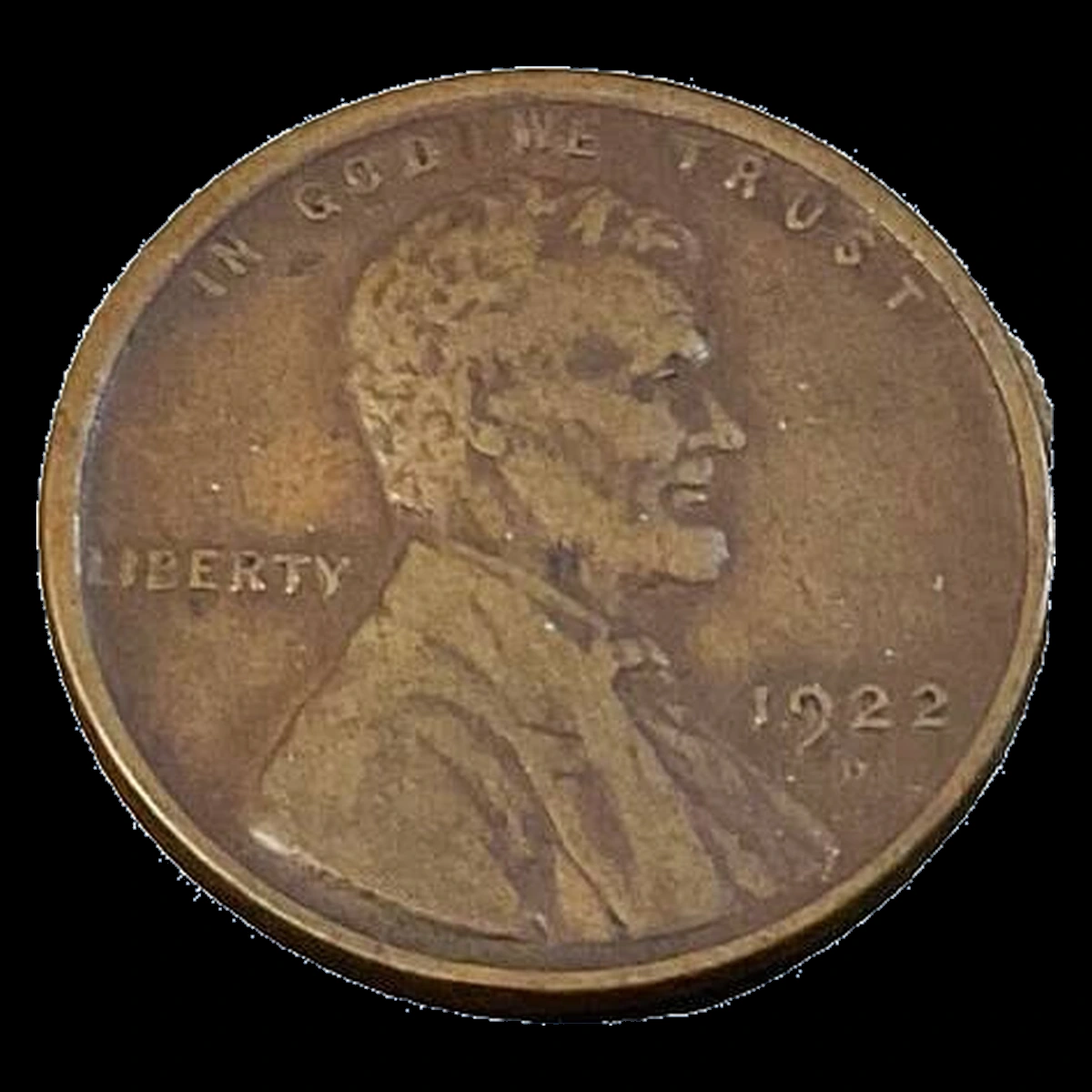
A 2002 Stack’s catalog describes a short chest lamination on a No D Strong Reverse penny in Very Fine condition. The layer separated within the bronze; it did not cause the missing mintmark.
How to Identify
Use low side lighting to follow the existing layer boundary without lifting it. The dark spots also mentioned in the listing are not automatically part of the lamination.
Inspect the final 2, TRUST, and strong wheat detail independently to establish the valuable variety. A chest peel alone cannot prove No D Strong Reverse identity.
What It’s Worth
The described worn No D Strong Reverse with modest chest lamination is estimated at $500–$3,500 as one coin. Its variety explains much of the value.
No realized price from the 2002 listing is used here. Peeling can reduce appeal to some buyers, so an error label does not guarantee an added premium over an intact No D coin.
6. 1922 Penny Part of the Blank Is Missing: Clipped Planchet Error
The prepared disc can begin incomplete and retain its gap after striking. One ANACS AU53 1922-D has a rim clip with reverse cracks, while a separate weak-D listing describes two clips and later scratches.
How to Identify
Count the gaps and inspect each junction with the struck rim. Original metal flow must be distinguished from filing or cuts through completed detail.
Use the correct full-coin comparison for the single-clip and double-clip reports. Reverse cracks or a weak D help describe a specimen but cannot authenticate every notch in its edge.
What It’s Worth
Identified 1922-D clips are estimated at $50–$750, depending on the missing area, preservation, and any damage. The cracks and mintmark appearance remain parts of one whole-coin valuation.
A curved clip on a worn 1925 cent sold for $56 in March 2023. It is a nearby-year comparison rather than the realized price of either 1922 example.
7. 1922 Penny A Shifted Design Leaves Unused Metal: Off-Center Strike Error
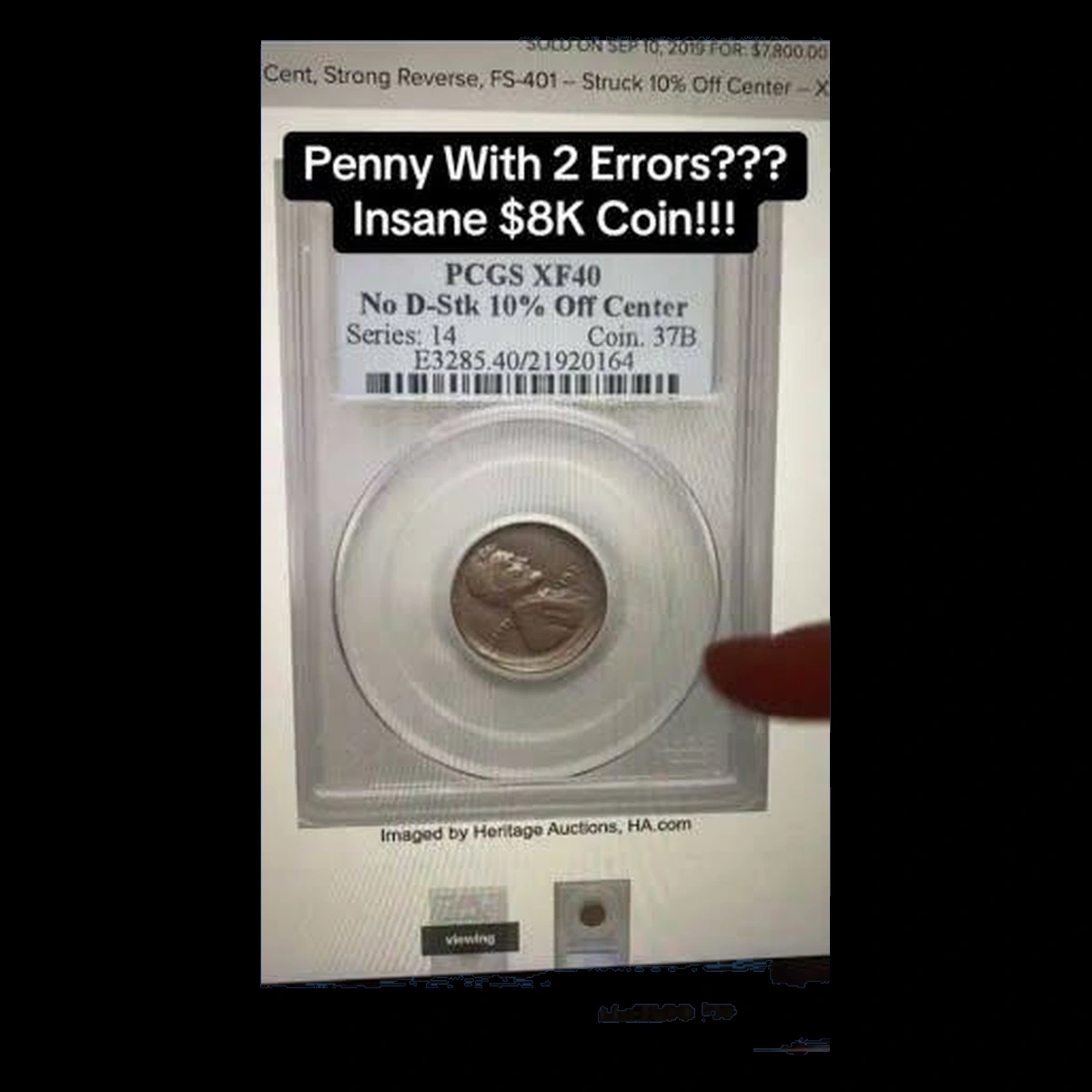
A blank sitting partly outside the dies’ striking area receives an incomplete image. The supplied 1922 report gives no single amount or direction for every example.
How to Identify
Compare both faces with the same physical blank position and confirm enough date survives to read 1922. Examine the unused area and edge for grinding or filing.
Check whether the normal D location received a design at all. An off-center strike omitting that area does not establish No D Strong Reverse, and the coin still originated in Denver.
What It’s Worth
Genuine dated 1922 off-center cents are estimated at $100–$1,500. Displacement and preservation guide the comparison, with no specific same-year realized price supplied.
A 1930-D cent shifted 20% and graded AU58 sold for $109 in January 2022. Do not add a No D premium merely because an unstruck portion omitted the mintmark.
Conclusion
On a 1922 cent, the mintmark’s absence needs to agree with the rest of the variety’s design. A clip, chest lamination, or displaced strike can coexist with other features without explaining the valuable No D identity.
The $30–$85,000 estimates cover ordinary circulated Denver coins through exceptionally preserved Strong Reverse specimens. Keep each comparison attached to its actual variety, condition, and complete combination of features.