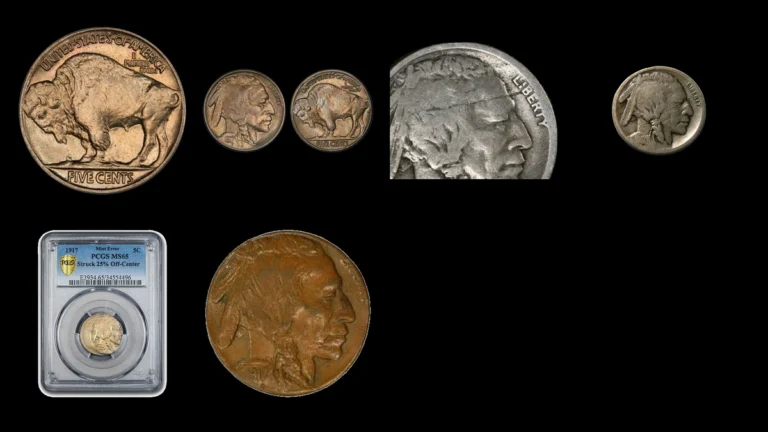
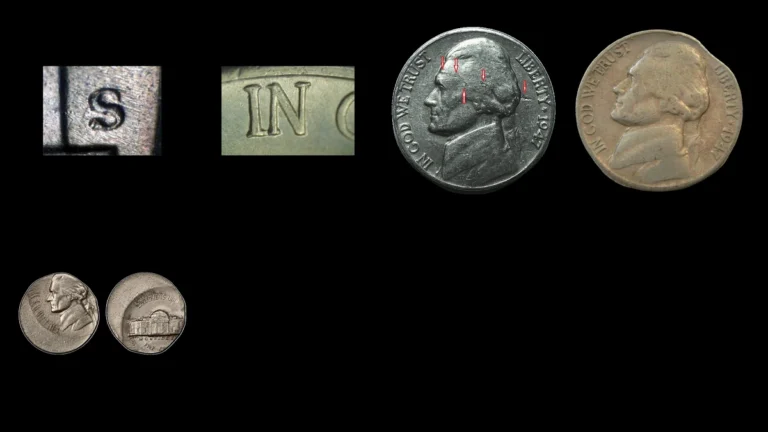
Rare 1925 Nickel Errors (List & Pictures)
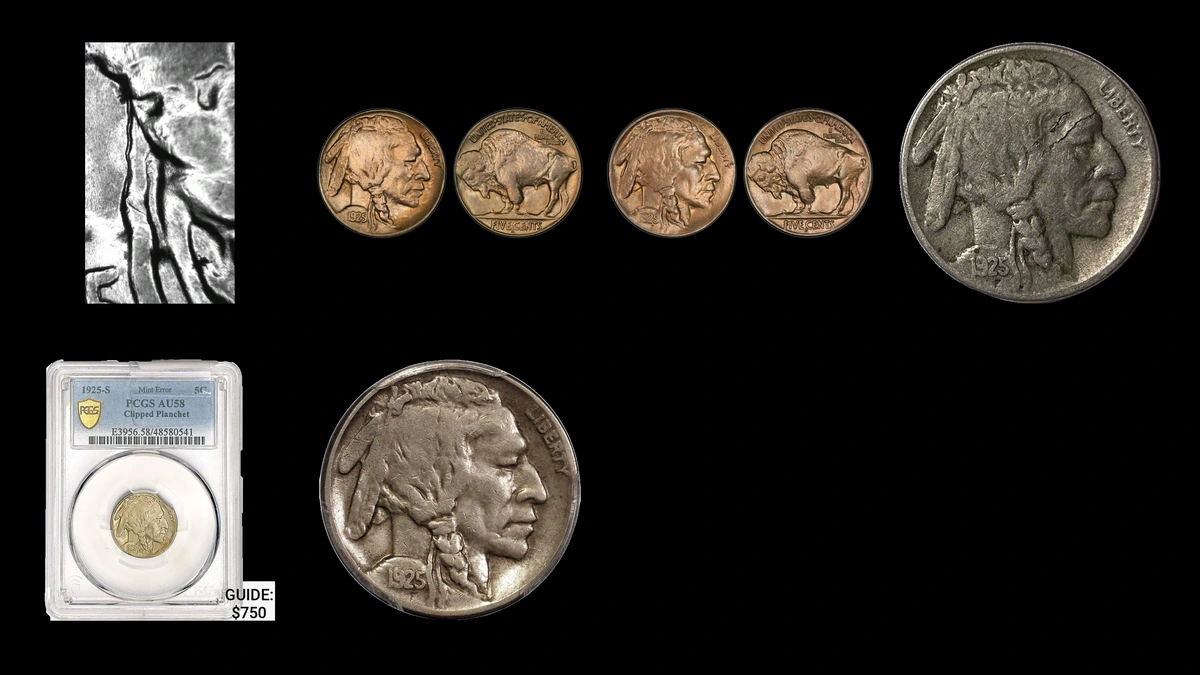
Some extra outlines on a 1925 nickel are common to the date, while a different metal blank can make an exceptional coin. A silver-dime-blank specimen sold for $4,800 in January 2018.
These 1925 Buffalo nickel errors span estimated whole-coin values of $2–$10,000. Inspect the portrait details and mintmark before moving to missing metal, shifted designs, and unusual blanks.
| Area to examine | Possible finding | Estimated value |
|---|---|---|
| Lower braid and ribbon | Common master-design doubling | $2–$100 for ordinary circulated coins; no extra premium |
| Small third feather | Two-feather variety | $50–$5,000 |
| S below FIVE CENTS | Repunched mintmark | $50–$1,200 |
| Metal and incomplete design | Dime or cent blank | $2,000–$10,000 |
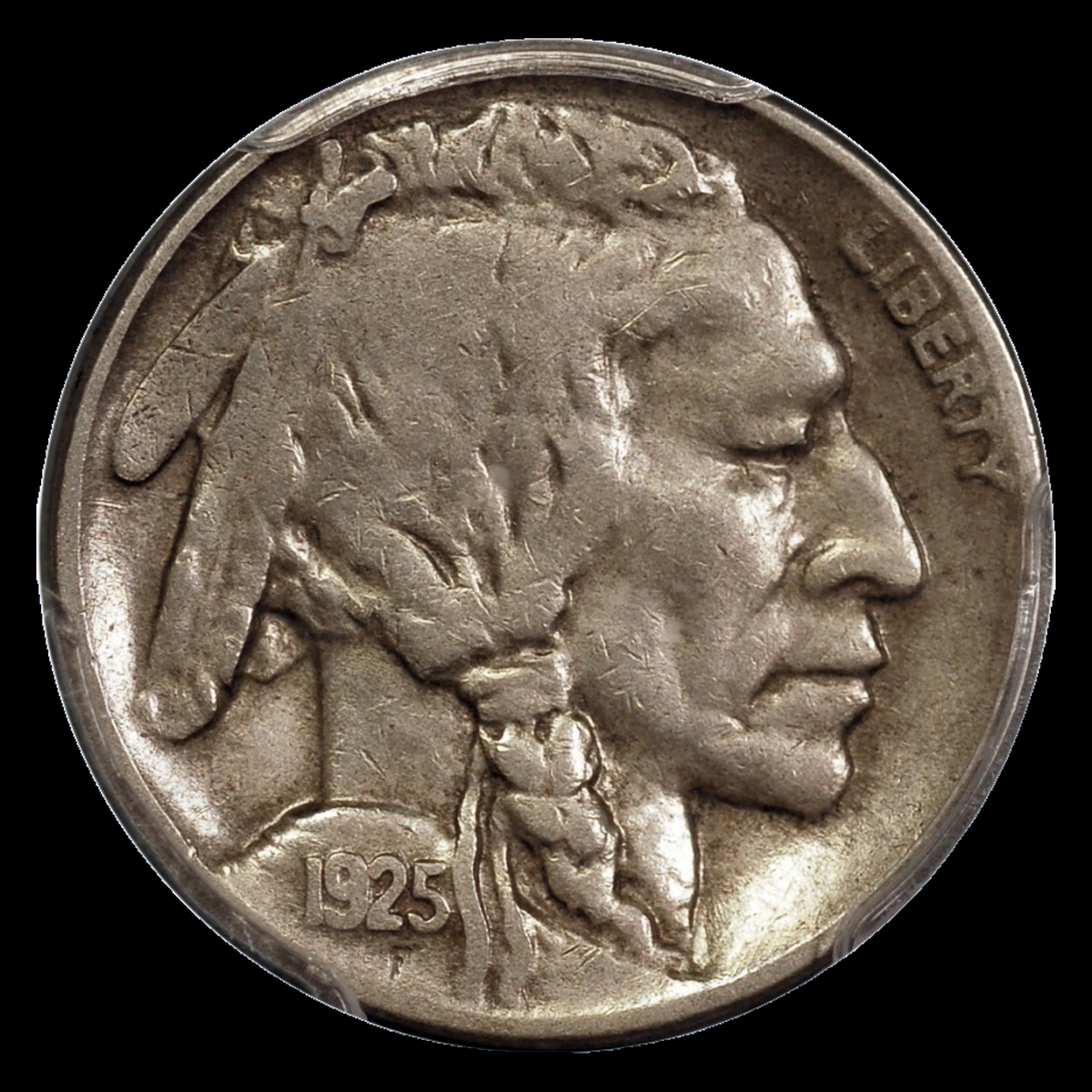
A normal Buffalo nickel weighs 5 grams, measures 21.21 millimeters, and has a plain edge. Philadelphia normally has no mintmark, while D or S appears below FIVE CENTS on Denver or San Francisco coins.
1. 1925 Nickel Extra Outline by the Braid: Common Master-Design Doubling Error
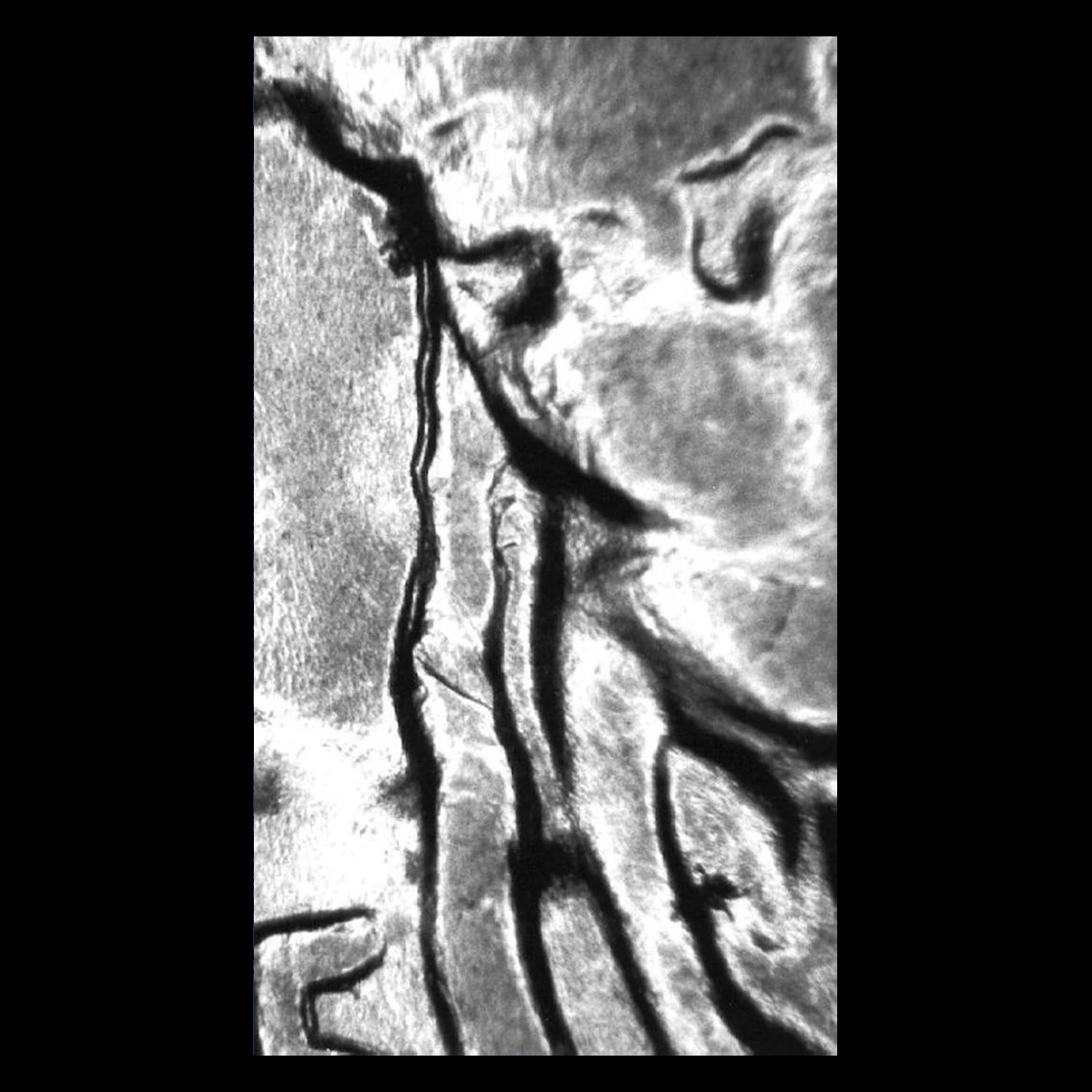
Wexler describes repeated detail along the left side of the lower braid and ribbon. It originated in the master tool used to make the later stamping tools for all three mints.
This shared starting design makes the feature common to 1925. Different amounts of wear or die polishing can change its visibility without creating a separate rare variety.
How to Identify
Compare the lower braid and ribbon together with another 1925 example. Keep the extra outline connected to its actual design location in photographs.
A faint version does not require a different explanation from a clear one. Do not substitute an unrelated doubled date or assume separate scarce varieties for P, D, and S.
What It’s Worth
An ordinary circulated whole-coin range is $2–$100 across the three mints and different conditions. This is not an added doubling premium.
Mint and preservation determine the useful comparison when this is the only unusual feature. Attractive unworn coins need separate grading and may exceed the circulated range.
2. 1925 Nickel The Small Third Feather Is Absent: Two Feathers Error
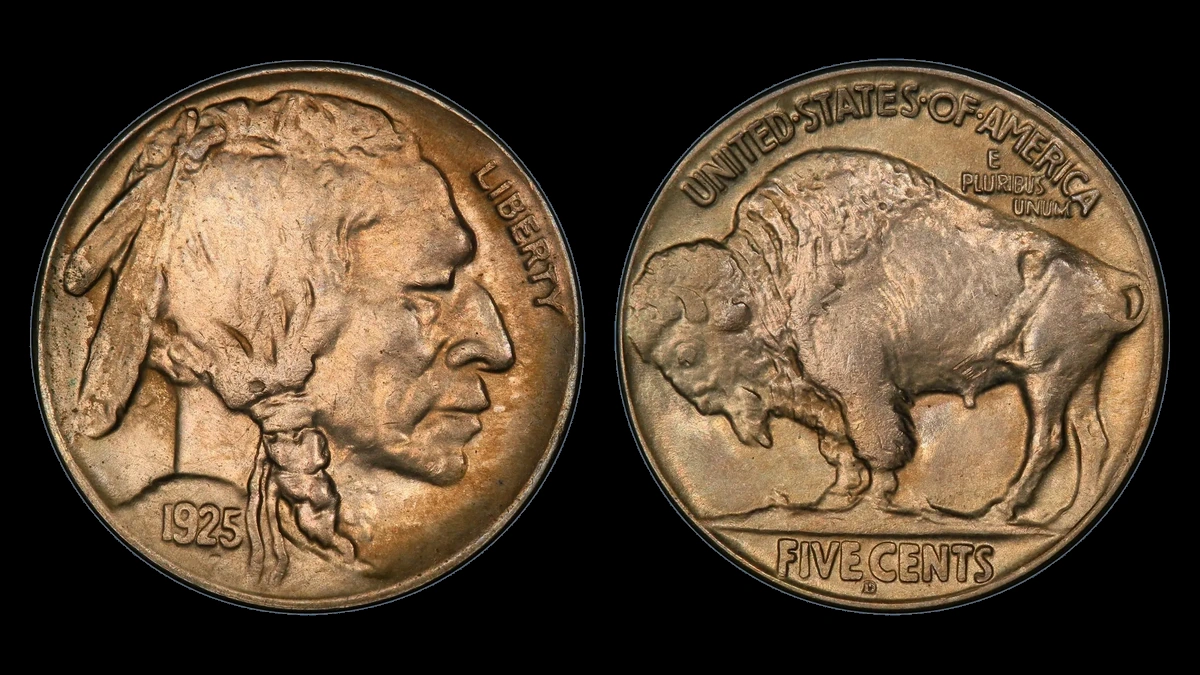
Look behind the portrait for the smallest feather near the hair and neck. Both Denver and San Francisco have cataloged 1925 two-feather varieties, each designated FS-401 within its own issue.
A Denver MS63 example retains a tiny isolated remnant detached from the hair and neck. That surviving speck does not automatically disqualify the variety.
How to Identify
Confirm the mintmark before selecting the exact comparison. A Denver specimen cannot supply every marker of the San Francisco variety.
Check whether nearby hair and large feathers remain distinct, then inspect the missing area for scraping. General wear can erase a small feather without producing the attributed pattern.
What It’s Worth
Matched two-feather nickels have an estimated range of $50–$5,000. Mint, grade, and clear variety detail account for much of that spread.
PCGS records an approximately $4,406 result for a San Francisco MS64 at Heritage in April 2014. It is not a sale of the Denver MS63 with the isolated remnant.
3. 1925 Nickel The Designer’s Initial Disappears: No F Error
The small F beneath the date identifies designer James Earle Fraser. A collector’s gallery shows a 1925-S AU55 described as No F.
That initial is unrelated to the reverse S mintmark. Its absence must be judged with the nearby date and portrait, because wear and later smoothing can also remove tiny details.
How to Identify
Locate the F’s expected position using an ordinary coin, then compare the actual surface on the candidate. Sharp neighboring detail helps demonstrate a localized omission.
Fine scrapes, changed texture, or an unnatural hollow suggest later alteration. A blank spot without a matching pattern does not establish the collector’s reported variety.
What It’s Worth
A clearly matched No F coin in worn to lightly worn condition suggests $40–$250. The San Francisco issue’s own value remains part of that total.
No selling price is supplied for the gallery’s AU55 specimen. An initial lost through ordinary wear does not receive the same variety premium.
4. 1925 Nickel The S Has a Filled Upper Opening: Damaged Mintmark Punch Error
A documented 1925-S pattern has metal filling the upper opening of the S. Wexler attributes it to a damaged punch used to enter the letter into the die.
The punch’s altered shape was passed into the stamping tool and then onto coins. This differs from entering an S twice in separate positions.
How to Identify
Examine the whole S under side lighting, including both curves. Check whether the filled opening is continuous with the letter rather than a deposit resting on it.
Leave suspected dirt untouched while documenting the boundary. Look outside the letter for actual extra strokes before making any separate repunched-mintmark claim.
What It’s Worth
A matched damaged-punch S has a modest estimated whole-coin range of $20–$150 in worn to lightly worn condition.
Much of that amount can come from the underlying 1925-S nickel. The filled opening alone does not justify the premium of a scarce overlapping-letter variety.
5. 1925 Nickel Extra Curves Outside the S: Repunched Mintmark Error
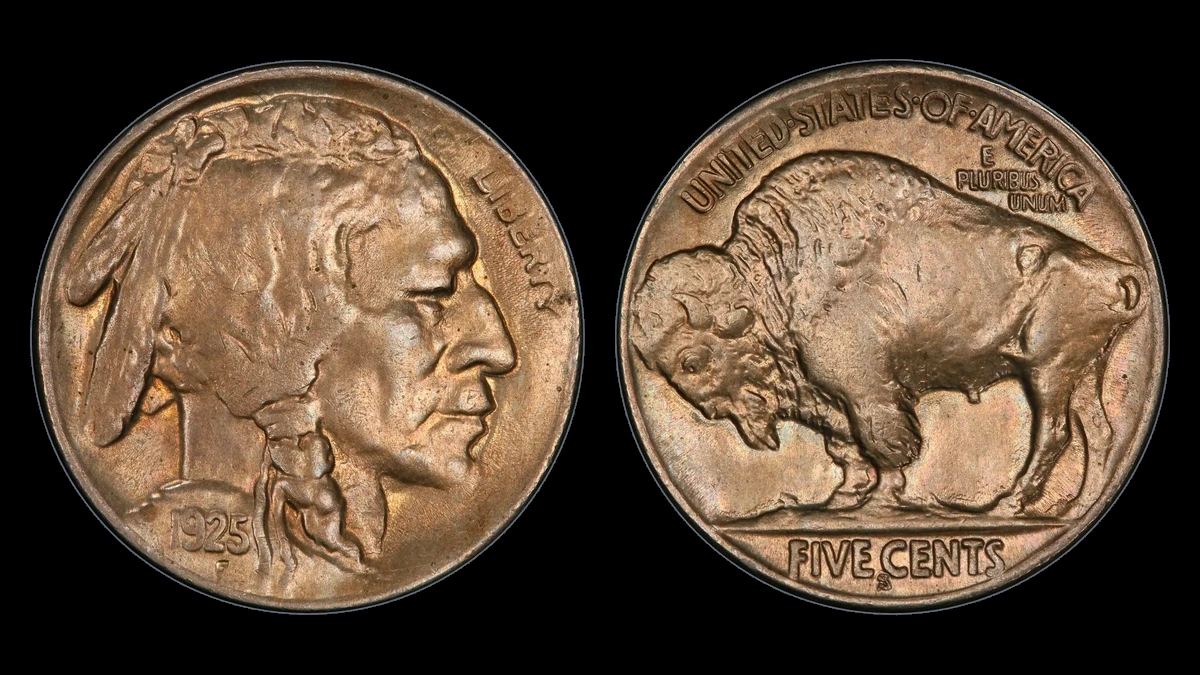
A shifted repeat entry of the mintmark punch could leave earlier S strokes visible. Wexler lists five 1925-S patterns, with the first also known as FS-501.
The first three show remnants mainly rightward, another has upper-right remnants, and the fifth combines upper-right and leftward traces from three punches. These descriptions belong to separate dies.
How to Identify
Match the entire S outline before using direction as a shortcut. For the second pattern, compare the fine line below the middle of AMERICA’s M.
The fourth pattern instead has a horizontal line inside UNITED’s D. Use each supporting mark only with its corresponding mintmark, rather than combining them into one checklist.
What It’s Worth
Identified repunched S examples suggest $50–$1,200 across worn and attractive unworn grades. Strong earlier-letter detail makes a better comparison than a damaged indistinct curve.
The coin’s San Francisco date and grade contribute to the whole value. Three punch impressions still describe one coin, not three premiums to add.
6. 1925 Nickel A Surface Layer Lifts Away: Lamination Error
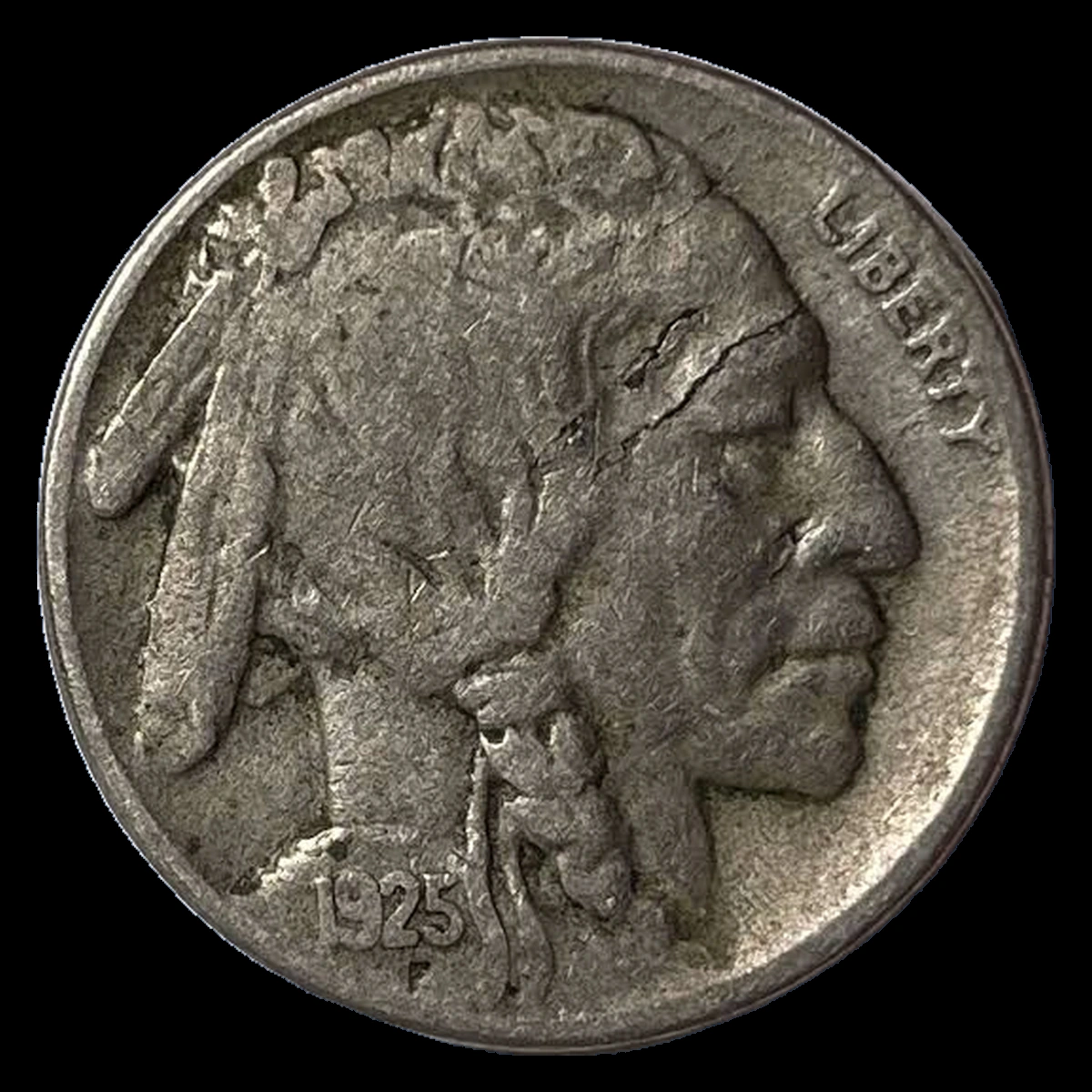
The year guide reports a San Francisco lamination without identifying its precise location or when it separated. A weak seam in the alloy can let a shallow layer lift or fall away.
The nickel’s copper-nickel alloy has no plated outer skin. This is separation within the metal rather than a coating peeling off.
How to Identify
Find the natural boundary and any point where an attached flap remains joined. Inspect rough exposed metal without lifting the flap.
Determine the affected face from the actual specimen. Scraping and corrosion can imitate roughness, while a retained flap may leave the coin’s weight nearly unchanged.
What It’s Worth
Genuine 1925-S laminations suggest approximately $20–$400, depending on size, clarity, and the coin’s condition.
A different 1929-S MS64 with an attached reverse flap sold for $149.50 in April 2010. Its grade and reverse location should not be assigned to the less specifically described 1925 report.
7. 1925 Nickel A Gap Interrupts the Round Outline: Clipped Planchet Error
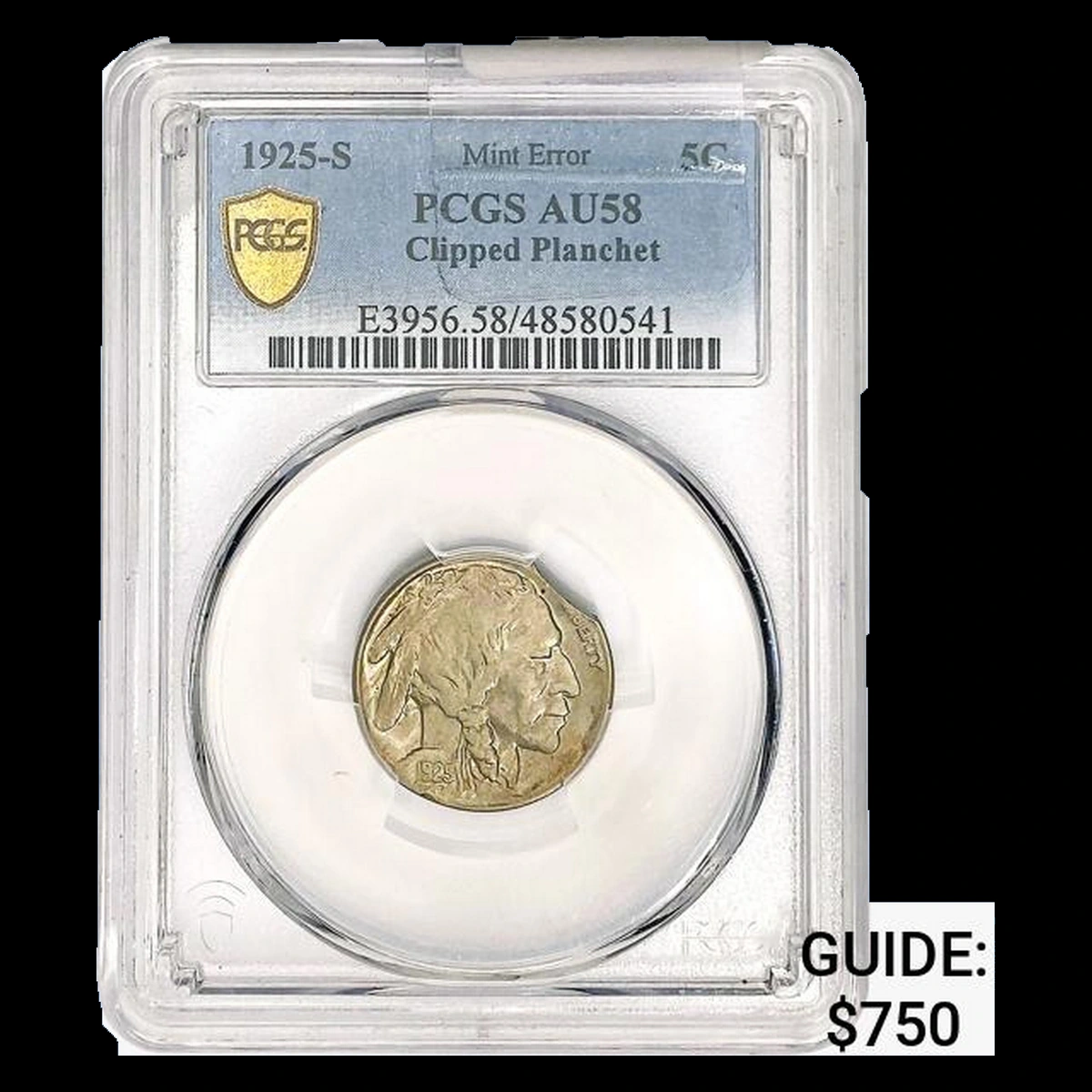
A PCGS AU58 1925-S clipped-blank nickel appears in a Gold Standard Auctions listing. Its title does not establish the gap’s shape, location, or percentage.
The defining shortage existed before striking. Curved gaps can begin at overlapping blank-cutting holes, while straight shortages can come from the metal strip’s edge.
How to Identify
Follow the plain edge into the missing area’s two ends. Look for design formed around an existing shortage and inspect the opposite rim for possible weakness.
Check the boundary for sawing or filing and record a loose coin’s actual weight. Reduced weight alone cannot distinguish an incomplete blank from later cutting.
What It’s Worth
A genuine clipped 1925 nickel has an estimated range of $150–$600. Its mint, condition, and original boundary all affect the comparison.
No sale total is supplied for the PCGS AU58 listing. A missing proportion should not be invented to place it near one end of the range.
8. 1925 Nickel The Design Slides Toward the Bottom: Off-Center Strike Error
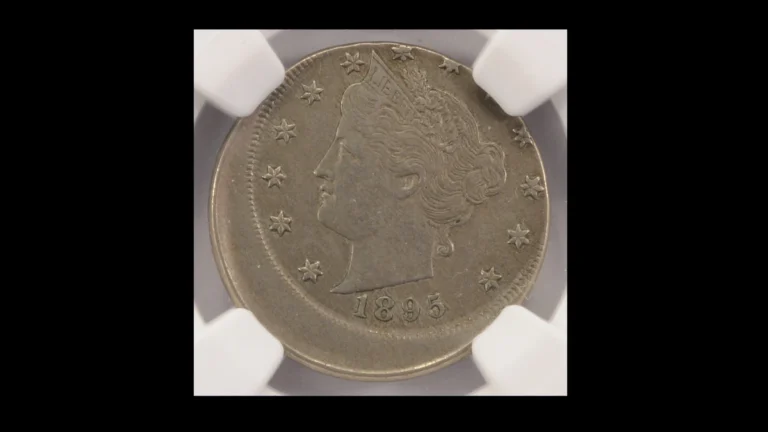
A collector’s gallery describes an AU58 example about 15% off center toward the bottom and lower right. A misplaced blank left part of its metal unstruck while other design fell outside it.
The gallery places the coin under Philadelphia. On an off-center specimen, however, an absent mintmark cannot establish Philadelphia if the mark’s expected location missed the blank.
How to Identify
Read the date, then determine whether the mintmark area actually received a design. Keep the mint unresolved when that evidence is absent.
Compare both faces for the same displaced blank and original untouched area. A shift on only one face may instead concern one misaligned die.
What It’s Worth
Dated examples suggest a broad $100–$1,200 estimate, with modest shifts around 10–20% often compared within $100–$300.
The gallery coin provides an appearance and grade comparison without a recorded sale. Wear, cleaning, and lost identifying detail matter alongside the percentage.
9. 1925 Nickel An Earlier Strike Survives Inside the Rim: Double Strike Error
A coin cataloged as double struck within the collar has extra motto detail above the portrait and additional detail beneath the buffalo. The collar is the ring that normally contains the coin’s edge.
NGC graded the heavily worn piece VG08, and the catalog identifies it as (1925). Those parentheses reflect an attributed date rather than a claim that all four digits remain readable.
How to Identify
Separate the surviving impressions and trace whether the unexpected fragments fit an earlier strike. Small flat ledges beside letters do not show this complete repeated-strike event.
The supplied description gives neither a mint nor an exact movement angle. Preserve the date’s qualification and inspect for later squeezing that could create misleading contact impressions.
What It’s Worth
An authenticated identifiable coin of this type suggests $800–$3,500. Stronger surviving overlaps can command more than difficult-to-read worn designs.
Jim’s Coins listed the attributed (1925) piece with a $1,700 minimum bid. That starting requirement does not document a completed sale.
10. 1925 Nickel The Buffalo Finishes Tilted: Rotated Dies Error
A Denver report describes the reverse turned about 35 degrees relative to the front. It does not state whether the turn is clockwise or counterclockwise.
Each face can retain a single complete design while the dies’ relative positions are wrong. This changes alignment without creating extra letters.
How to Identify
Hold the portrait upright and flip the coin top to bottom without a sideways twist. Normally the buffalo then finishes upright.
Record the uninterrupted movement and repeat it with the same grip. Separately rotated photographs or a coin sitting crookedly in a holder cannot establish a die rotation.
What It’s Worth
A genuine turn around the reported size has an estimated whole-coin range of $30–$500. Condition and a clearly demonstrated angle shape the comparison.
No sale is supplied for the approximately 35-degree Denver example. Its unreported direction should remain unspecified.
11. 1925 Nickel Nickel Designs on Smaller, Different Metal: Wrong Planchet Error
A nickel design will not fully fit a smaller cent or dime blank. The silver-dime-blank PCGS AU50 example has a complete date but no surviving mintmark area, plus a bar-shaped struck-through mark across the buffalo’s head.
A separate Denver cent-blank coin weighs 3.09 grams and has light wear, cleaning lines, and green corrosion near the buffalo’s chin and chest. Other census examples have their own grades and histories.
How to Identify
A contemporary cent blank starts near 3.11 grams and 19.05 millimeters, while a silver dime blank starts near 2.5 grams and 17.91 millimeters. Those standards are not actual measurements of every struck error, and no weight is supplied for the silver example.
Confirm the metal and inspect cropped design for trimming or coatings. A missing mintmark area must remain unidentified rather than being automatically labeled Philadelphia.
What It’s Worth
Silver-dime-blank examples suggest $3,000–$10,000; cent-blank pieces suggest $2,000–$8,000. Condition and confirmed blank identity are central to both estimates.
The silver-blank AU50 specimen sold for $4,800 on January 5, 2018. Its additional blocked-strike mark is included in that price.
The cleaned Denver cent-blank coin brought $3,737.50 at Heritage on September 18, 2008. It is a different metal and specimen with its own surface limitations.
Conclusion
The small features on a 1925 nickel do not all deserve the same kind of premium. Common braid doubling, a damaged mintmark punch, and a matched repunched S require different comparisons even when they appear on the same issue.
For major shape or metal changes, preserve the coin’s actual date and mint evidence in the description. Missing identification should remain missing, while historical prices stay tied to the individual coins that produced them.