Rare 1931 Penny Errors (List & Pictures)
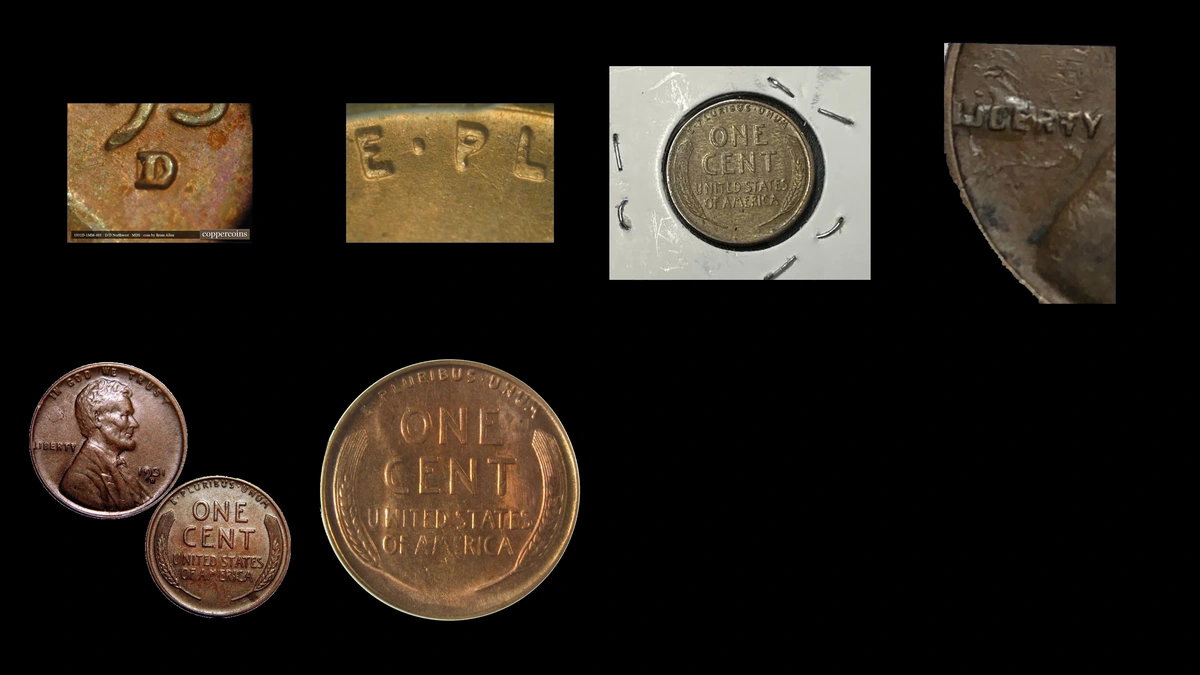
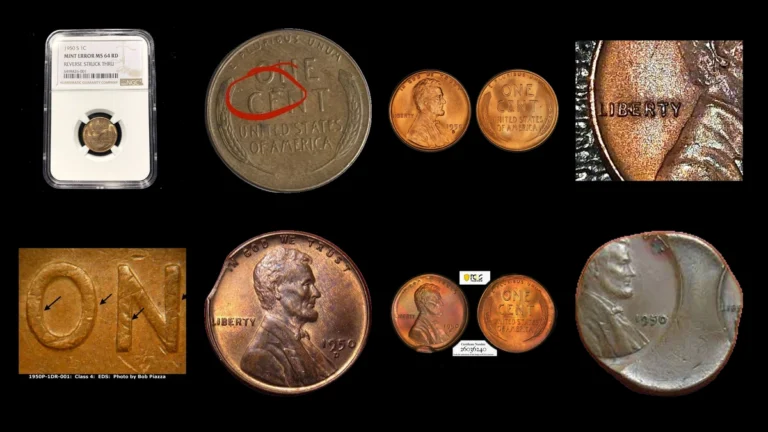
For 1931 penny errors, the mintmark can influence value before the unusual feature is considered. Whole-coin estimates below range from $2 to $1,500, including the underlying scarcity of genuine 1931-S cents.
The highest supplied completed-sale comparison is $180 for a clipped 1939 Wheat cent in January 2023, rather than a sale of a 1931 example. Check the date and mintmark, then use the surface, lettering, and outline to choose the appropriate comparison.
| Visible feature | Type to investigate | Estimated whole-coin range |
|---|---|---|
| Extra mintmark or reverse detail | Repunched mintmark or doubled reverse | $10–$600 |
| Color bands, raised lines, or flakes | Woodgrain alloy, die break, or lamination | $2–$500 |
| Missing edge | Clipped planchet | $20–$750 |
| Interrupted or displaced design | Struck-through or off-center strike | $40–$1,500 |
An ordinary 1931 cent weighs about 3.11 grams, measures 19.05 millimeters across, and has a plain edge. These measurements help investigate altered or incomplete coins, but do not by themselves authenticate an S mintmark or a small die variety.
Inspect the date and mintmark with a magnifier before evaluating a scarce-issue price. Leave surface color and attached flakes untouched.
1. 1931 Penny Another letter outline surrounds D or S: Repunched Mintmark Error
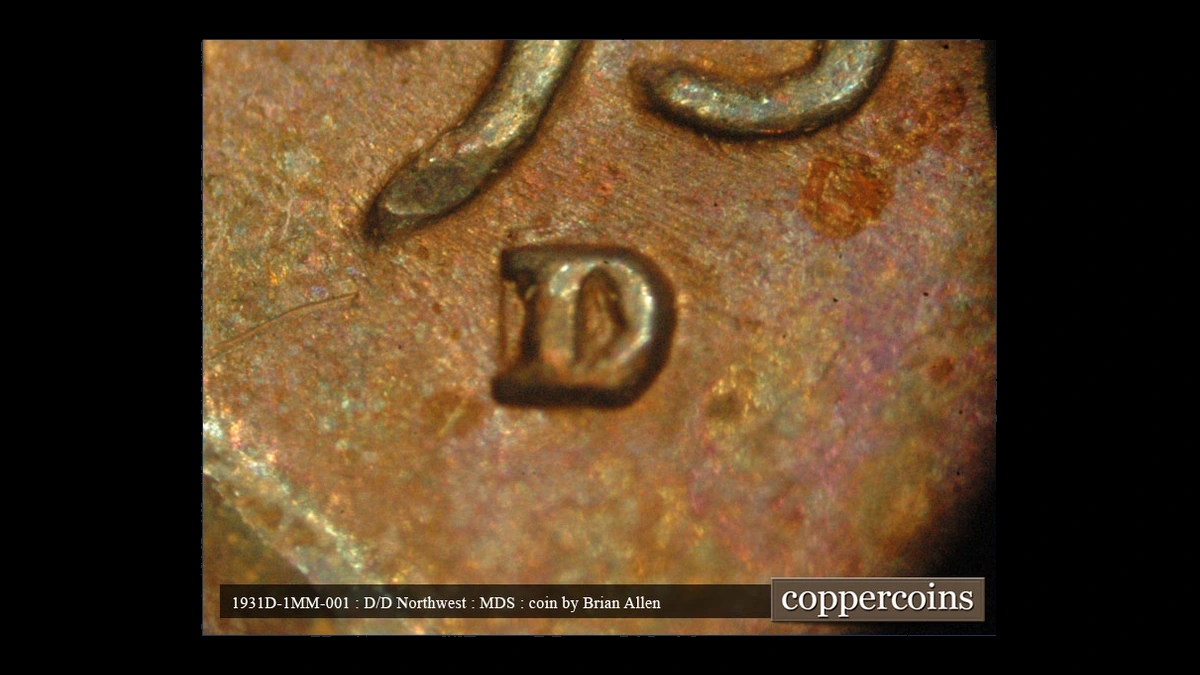
A genuine repunched mintmark preserves part of another placement of the same hand-applied letter punch. Because the repeated impression was on the die, coins made from it share the overlap.
The 1931 reports include both Denver and San Francisco varieties. Their specific extra-stroke directions must come from an actual variety match.
How to Identify
First inspect the base and surrounding surface of the mintmark for a seam or added metal. An added S would undermine the scarce coin’s identity, regardless of any apparent doubling.
Trace the full D or S and look for recognizable earlier letter structure. A different mintmark position alone is normal variation, not evidence of repunching.
Compare the claimed variety’s exact overlap and also check the last date digit for alteration. A normal-weight coin can still have an altered date or added letter.
What It’s Worth
Minor genuine Denver repunches are estimated at $25–$200; San Francisco examples at $125–$600. These figures describe the entire coin, with much of the S issue’s starting value coming from its scarcity.
The supplied ranges compare related Wheat cent varieties and condition, rather than recorded sales of specific 1931 catalog entries. Strong overlap helps only after the coin and mintmark are authentic.
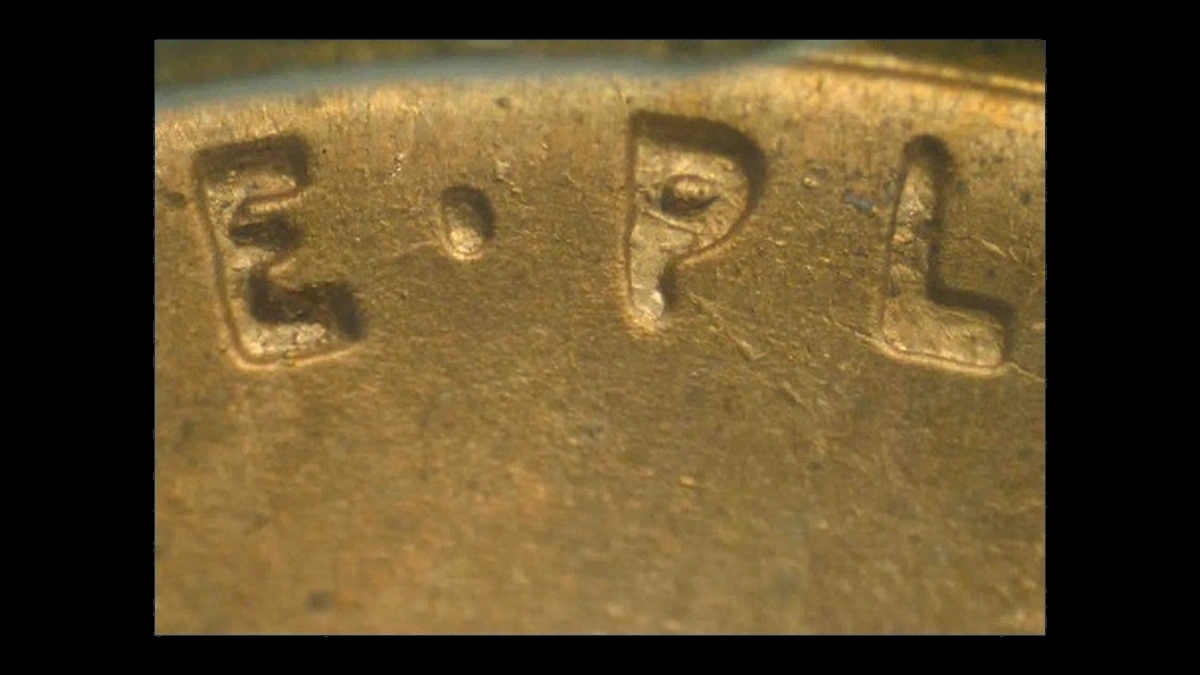
2. 1931 Penny Repeated detail appears on the Wheat reverse: Doubled Die Error
The reported Philadelphia reverse variety involves extra design inherited from the die, the steel tool that strikes the coin. A single strike can therefore produce the repeated detail.
The supplied report does not establish one precise letter or wheat feature as a universal diagnostic. A generic thick-looking edge is not enough to name the variety.
How to Identify
Compare complete enlarged photographs of a documented 1931 Philadelphia example and the candidate under similar lighting. Confirm the front date and normal absence of a mintmark.
Look for the actual matching repeated features instead of choosing a random thick letter. Flat ledges from movement during striking and changing reflections can imitate an extra outline.
What It’s Worth
An identified Philadelphia doubled reverse is estimated at $10–$300. Visibility of the repeated detail and the coin’s preservation determine the useful comparison.
This is a minor-variety estimate without a verified 1931 auction result in the supplied evidence. A seller’s label does not establish the match.
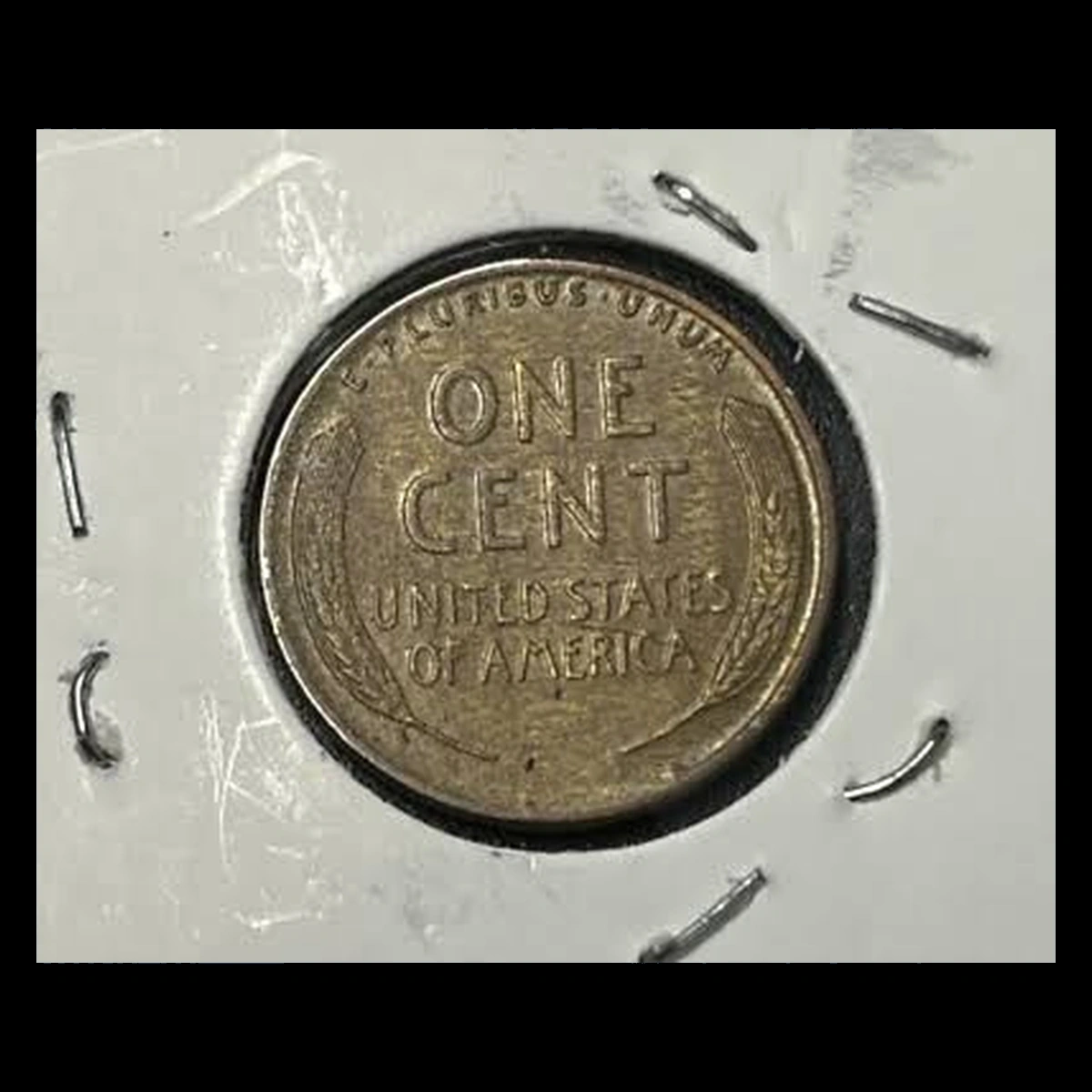
3. 1931 Penny Parallel color bands resemble grain: Woodgrain Alloy Pattern Error
Collectors sometimes call a striped copper cent a woody. Uneven alloy mixing can allow different areas to tone differently, with bands following the direction in which the metal was rolled.
The resulting appearance is a surface characteristic rather than a second struck design. Brushing, chemical treatment, and environmental staining can also create stripes.
How to Identify
Tilt the coin and follow the color through open areas and protected spaces beside letters. The pattern should lie within an intact original surface rather than consist of parallel cuts.
Check for brush lines, scratches, or signs of artificial coloring along the edge. Do not rub a band to test it.
The mintmark still matters because attractive color on an ordinary Philadelphia cent does not supply the underlying value of a genuine 1931-S.
What It’s Worth
Appealing original Philadelphia or Denver examples have a working estimate of $3–$75; genuine 1931-S examples around $100–$400. These are whole-coin ranges, not automatic premiums added for stripes.
Specialist interest may favor strong natural bands. Artificial color or cleaning can reduce the coin’s appeal despite a conspicuous pattern.
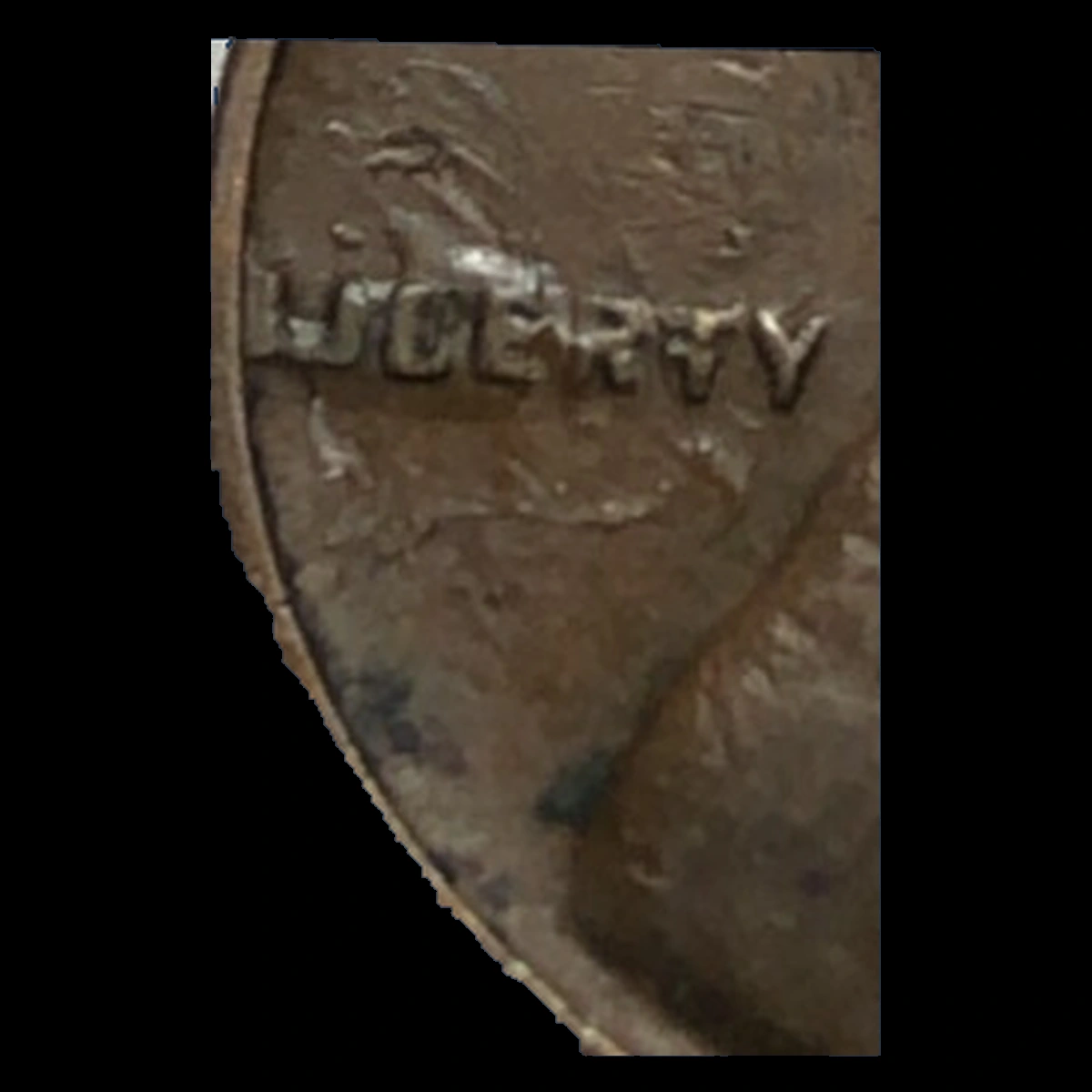
4. 1931 Penny A raised line or lump crosses the design: Die Cracks, Chips, and Reported Cud Error
A damaged die can leave raised metal where a crack or missing piece interrupted its surface. Reports include small 1931 cracks and chips, with their actual positions depending on the coin.
A collector also reported a large Philadelphia cud. That claim remains conditional without a matching authenticated specimen.
How to Identify
Establish that the feature rises above the surface, then trace whether it reaches the rim. A cud connects to the rim and replaces part of the normal design; an interior chip does not become a cud merely by being large.
Inspect the edge and nearby surfaces for squeezing that could push up a false lump. A die break changes the impression rather than cutting a large section out of the blank.
For the reported large cud, require evidence from the actual 1931 coin. A different-year photograph cannot authenticate its claimed size or position.
What It’s Worth
Small genuine Philadelphia cracks or chips are estimated at $2–$50. An authenticated large 1931 cud has a conditional working estimate of $100–$500.
The latter is not a sale price for the collector’s reported coin. A minor break on a genuine 1931-S also retains that issue’s underlying value, which the small Philadelphia range does not replace.
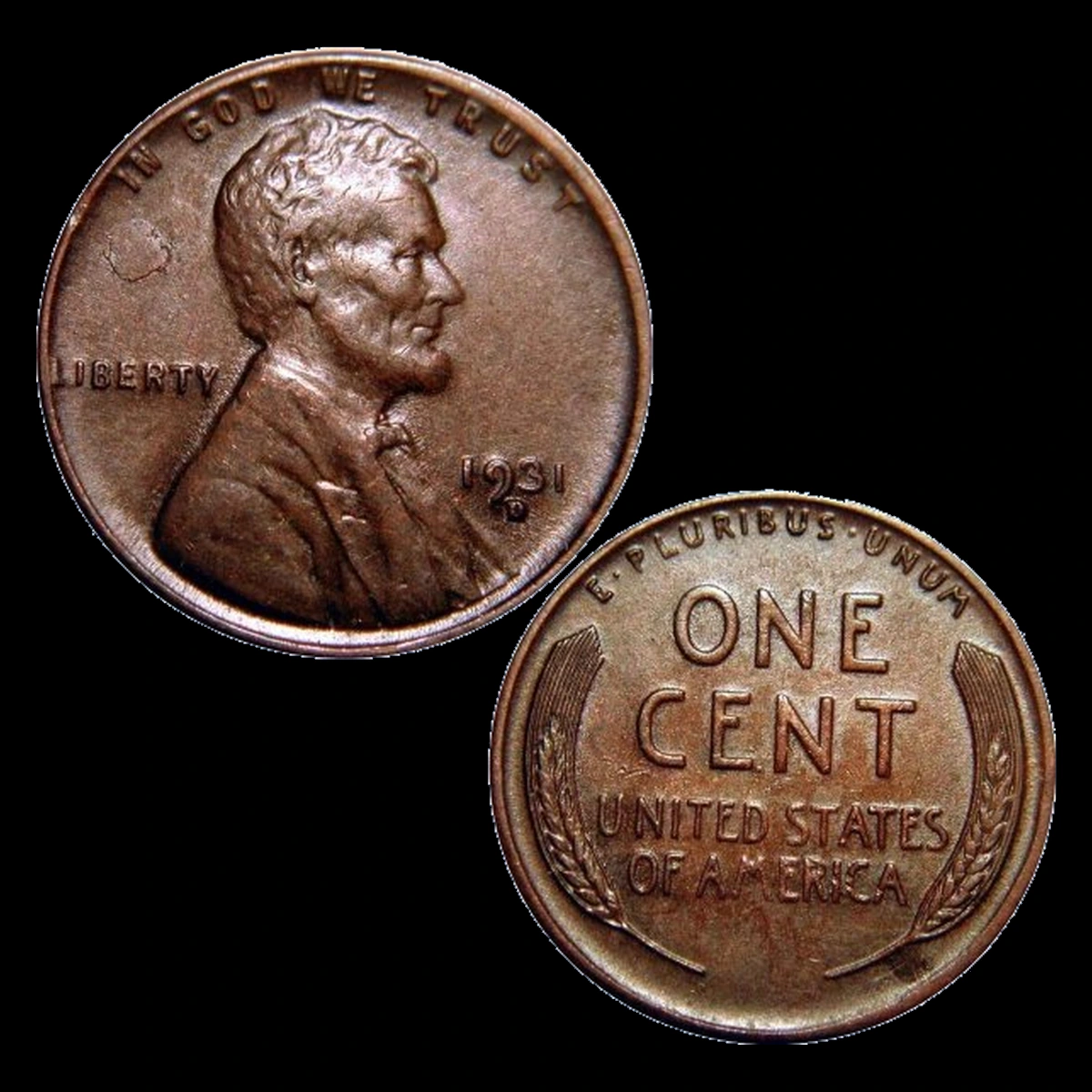
5. 1931 Penny A thin layer lifts or leaves a rough patch: Lamination Error
Weakness within the copper alloy can allow a surface layer to separate. It may remain as a flap or detach and expose rougher internal metal.
A recorded 1931-S coin combines reverse lamination with an irregular clip near one o’clock. NGC graded this particular combination MS61 Brown, meaning unworn brown surfaces with noticeable imperfections.
How to Identify
Follow the layer’s boundary into the original metal without pulling it upward. Scraped grooves and corrosion pits can produce roughness without a true layered separation.
On the documented S coin, examine the reverse lamination separately from the clip. The clip also removes metal, so any weight loss cannot be assigned entirely to the peeling surface.
A surface flap does not by itself show that the whole blank split into two halves. Describe only the separation actually visible.
What It’s Worth
Minor lamination on ordinary Philadelphia or Denver cents is estimated at $5–$100; attractive genuine S examples at $150–$500. The latter includes the scarce issue’s value.
A 1966 cent with obverse lamination sold for $61 in July 2021. That later copper-alloy example is a type comparison, not a transaction for the 1931-S combination.
The recorded clipped and laminated coin receives one overall assessment. Adding separate maximum estimates would count the same coin twice.
6. 1931 Penny The outline has an original missing section: Clipped Planchet Error
A clipped planchet is a prepared blank with metal missing before the design is struck. Overlapping cuts in a strip can create a curved gap, while its edge can produce a straight boundary.
The documented 1931-S MS61 Brown example instead has an irregular clip near one o’clock and the reverse lamination described above. Its shape is one example, not a requirement for every 1931 clip.
How to Identify
Orient the date upright and inspect the rim as it approaches both sides of the gap. Natural striking around an incomplete blank differs from a notch cut through a finished coin.
A weak opposite rim can support a clip identification, but should not be used alone. Look for file marks or cutting along the missing boundary and check the authenticity of any S.
For a very small clip, the weight difference may be difficult to separate from ordinary wear. Use the boundary’s structure together with the measurements.
What It’s Worth
Many genuine Philadelphia or Denver clips are estimated at $20–$250; confirmed S examples at $200–$750. Size, surfaces, and the scarce issue all contribute to the complete coin’s value.
Two 1939 Wheat cent clips sold for $180 and $114 in January 2023. Those earlier-series comparisons do not give a completed sale price for the specific 1931-S clipped and laminated coin.
7. 1931 Penny Front detail is interrupted by an impression: Struck Through Error
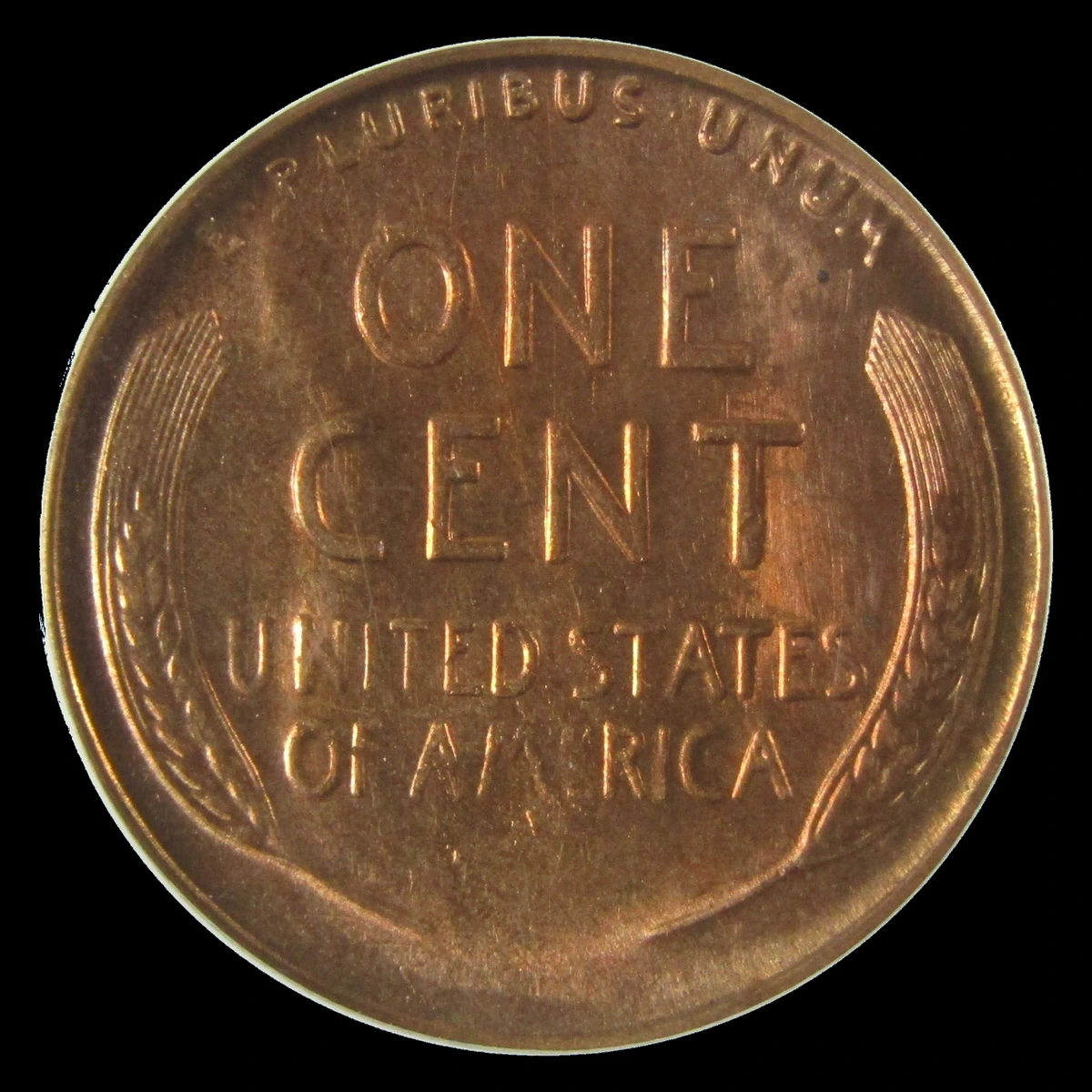
An obstruction between die and blank can leave a weak or recessed area instead of the full design. A recorded 1931-S example was offered with an ICG MS62 Red label identifying an obverse struck-through error.
The label establishes the affected face but does not name the material. An unworn red-copper grade is not evidence that the obstruction was wire, cloth, or any other specific substance.
How to Identify
Match the actual affected area with the auction and certification photographs. Examine where normal struck design meets the interruption.
A later dent can push up metal at its borders, while scraping can remove already-struck detail. Those mechanisms need to be excluded before calling the patch struck through.
Authenticate the S and date independently. The error attribution and the scarce issue’s identity both matter to the comparison.
What It’s Worth
A genuine 1931-S obverse strike-through of this general quality is estimated at $250–$750. The range includes the issue’s scarcity and the error together.
The GreatCollections listing ended in August 2024, but its public page does not disclose the price. The estimate must not be presented as that auction’s result.
A 1939 fragment strike sold for $36 in April 2003. That different-date example shows why the obstruction alone does not account for the 1931-S range.
8. 1931 Penny Incomplete design sits beside unused metal: Off-Center Strike Error
If the blank is displaced during striking, part of the design falls beyond the available metal. A naturally unstruck area remains beside the incomplete portrait or lettering.
The 1931 reports include a seller-described S example also said to be struck through material. Both effects are possible on one coin, but each needs independent visible evidence.
How to Identify
Read the surviving date and any claimed mintmark before judging the blank area’s size. A missing S cannot be supplied from a seller’s assumption.
Inspect both faces for the design ending beyond the blank and untouched original metal elsewhere. Polishing that erased lettering can create a misleading blank area.
A complete design inside a spread outline may indicate a broadstrike instead. For a claimed combination, the struck-through impression must be distinct from the unstruck crescent rather than counting the same feature twice.
What It’s Worth
Genuine Philadelphia or Denver off-center cents are estimated at $40–$500. Authenticated 1931-S examples with readable date and mintmark have a working estimate of $200–$1,500.
A Philadelphia 1939 cent struck 25% off center sold for $105 in March 2023. It is a different-year strike comparison, not confirmation of the seller’s 1931-S combination claim.
Conclusion
The date and mintmark are part of the evidence on every 1931 cent, especially one presented as a scarce S issue. Once that identity is secure, describe whether the unusual feature changes the design, color, surface layers, or amount of metal.
Use the ranges as whole-coin estimates and keep reported claims distinct from authenticated examples. An original surface and clear photographs make those distinctions easier to preserve.