Rare 1956 Penny Errors (List & Pictures)
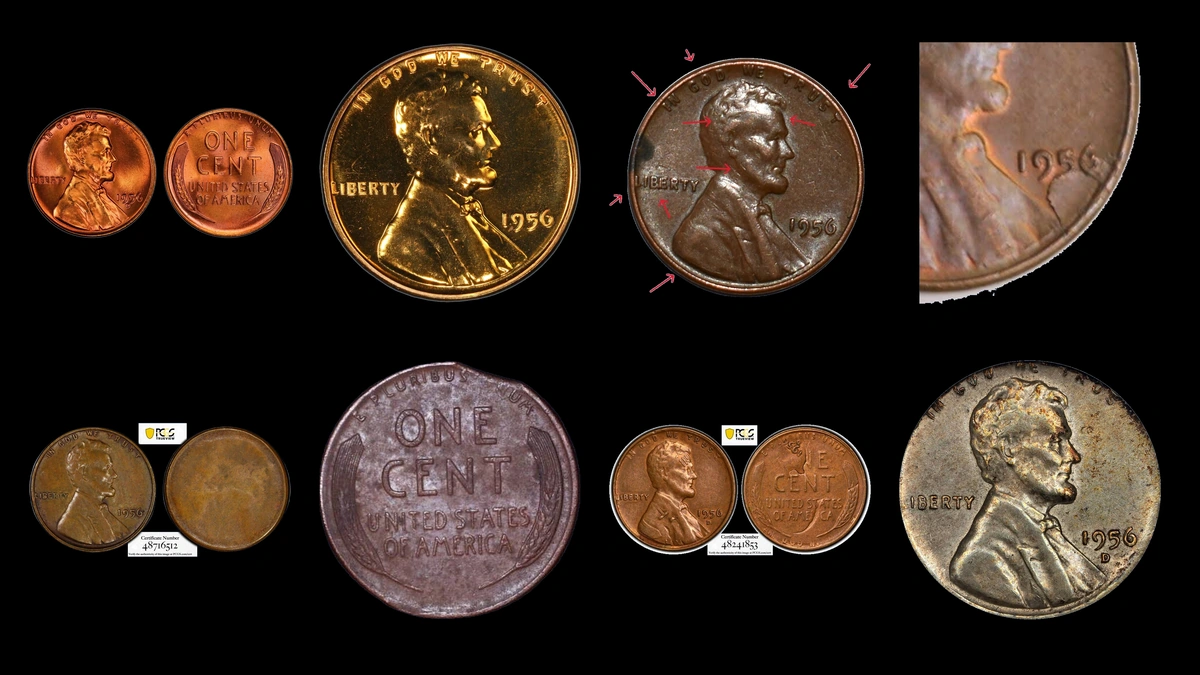
A cent struck over a finished dime, also bearing a scrap-metal impression, sold for $6,660 in May 2022. Estimated values for 1956 penny errors range from $2–$10,000.
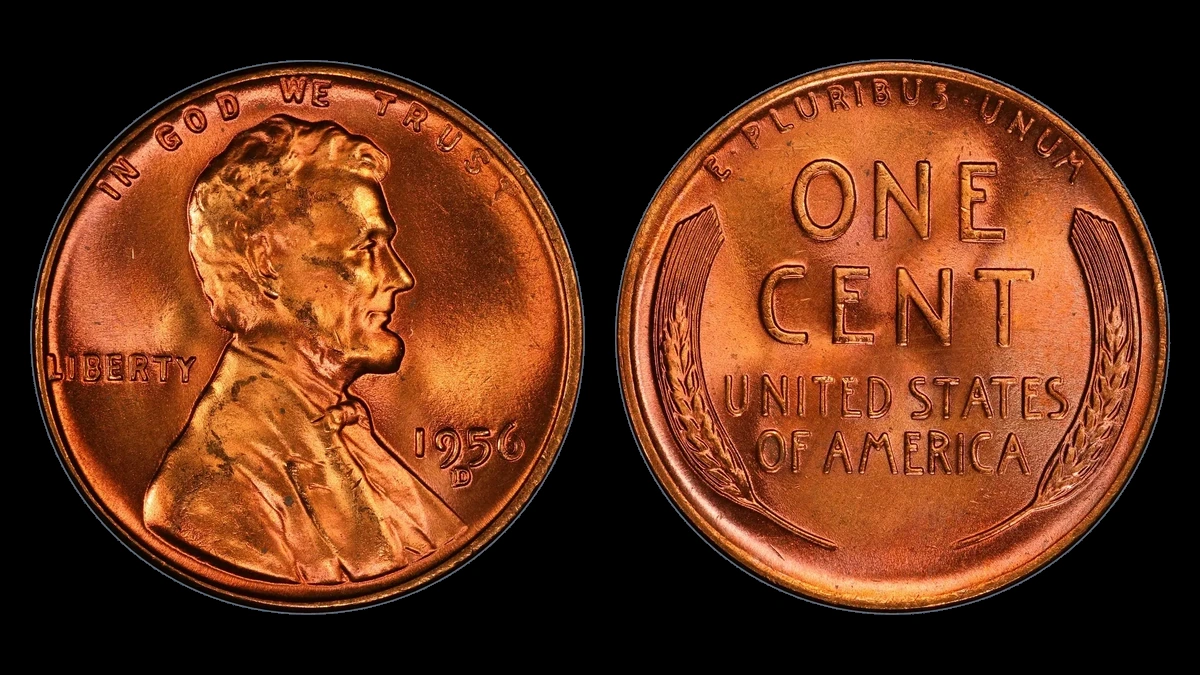
Look at the mintmark and lettering before examining raised breaks, missing detail, and unusual metal. A normal Wheat cent uses copper alloy throughout, weighs 3.11 grams, measures 19.05 mm, and has a smooth edge.
| What appears unusual | Error group | Estimated value |
|---|---|---|
| Extra mint-letter strokes | Repunched or disputed tool marks | $5–$300 |
| Repeated portrait or letters | Doubled die | $5–$1,500 |
| Raised bar or bounded patch | BIE, retained break, or cud | $2–$600 |
| Peeling alloy | Lamination | $5–$250 |
| Softened front design | Late-cap strike-through | $30–$650 |
| Back lacks normal design | Uniface strike | $75–$1,000 |
| Wide complete design | Broadstrike | $10–$350 |
| Partial design and plain area | Off-center strike | $25–$750 |
| Missing sections or narrow oval | Clipped blank | $10–$900 |
| Opposite designs overlap | In-collar flipover | $250–$1,200 |
| Cent design on silver blank | Dime-planchet error | $500–$3,500 |
| Very small identified foreign blank | Honduran planchet | $1,500–$5,000 |
| Dime design plus scrap impression | Double-denomination combination | $4,000–$10,000 |
1. 1956 Penny Extra D Strokes or a Disputed S Shape: Mint-Letter Marks Error
A repunched D can preserve an earlier letter placement in the die. One Denver report places another D high enough to extend toward the date’s 5.
A different mark below 19 and left of D has been called S, but specialists disagree and one catalog withdrew that identification. It does not establish a regular 1956-S issue.
How to Identify
Find the normal D, then compare the suspected extra letter with photographs of the exact pattern. The high second-D report and the disputed lower-left mark occupy different places.
A curved bump is insufficient to prove an S punch. Inspect for squeezed or added metal and keep the withdrawn attribution separate from confirmed D repunches.
What It’s Worth
The estimated overall range is $5–$300 for identified D repunches and related marked-tool examples. The disputed S-shaped mark is more cautiously compared around $5–$50, without assuming a genuine second mint letter.
No recorded sale is supplied here. A seller’s D-over-S label cannot establish either the cause or the broader confirmed-D premium.
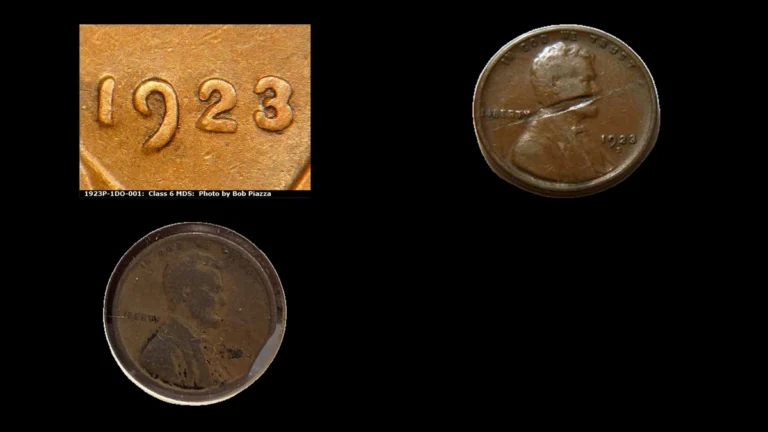
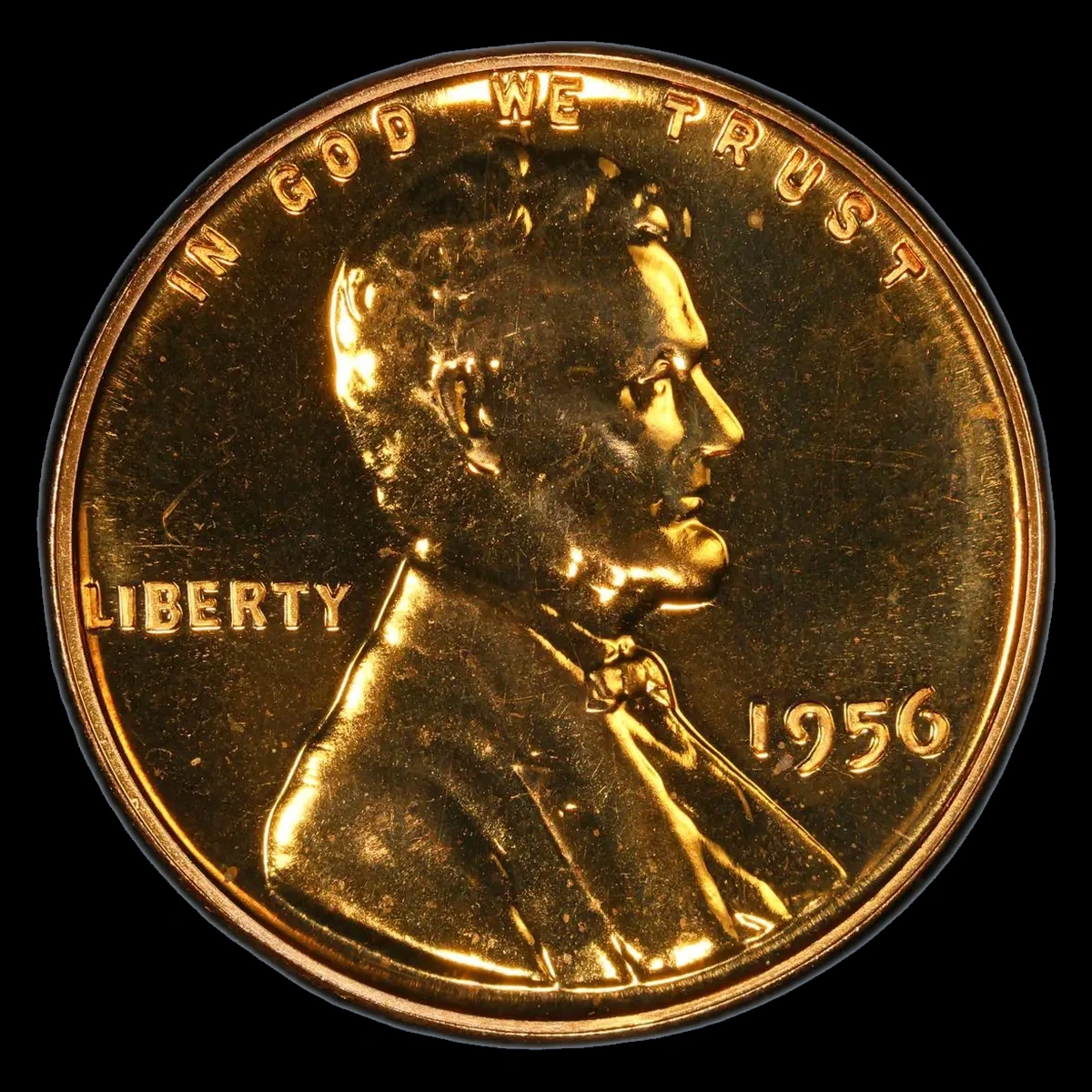
2. 1956 Penny Extra Eyelid, Numeral, or Letter Detail: Doubled Die Error
Repeated design can be copied into a die before any coin is struck. Reported 1956 varieties include ordinary Philadelphia and Denver fronts, Philadelphia Proof fronts, and separate reverse patterns.
How to Identify
Establish mint and finish before choosing a comparison. A Proof reverse FS-801 image cannot identify an ordinary front variety simply because the year matches.
Follow the exact extra contour in the eyelid, date, inscriptions, or Wheat-side details appropriate to the variety. Change the light to exclude glare and flat strike-doubling shelves.
What It’s Worth
The estimated overall range is $5–$1,500, separating minor ordinary varieties around $5–$300 from clearer Proof examples around $50–$1,500. The actual pattern and preservation determine the relevant comparison.
PCGS records a $995 eBay sale in November 2022 for Proof FS-801 graded PR68 Red. That marketplace result belongs to a highly preserved collector coin, not every thick-looking letter.
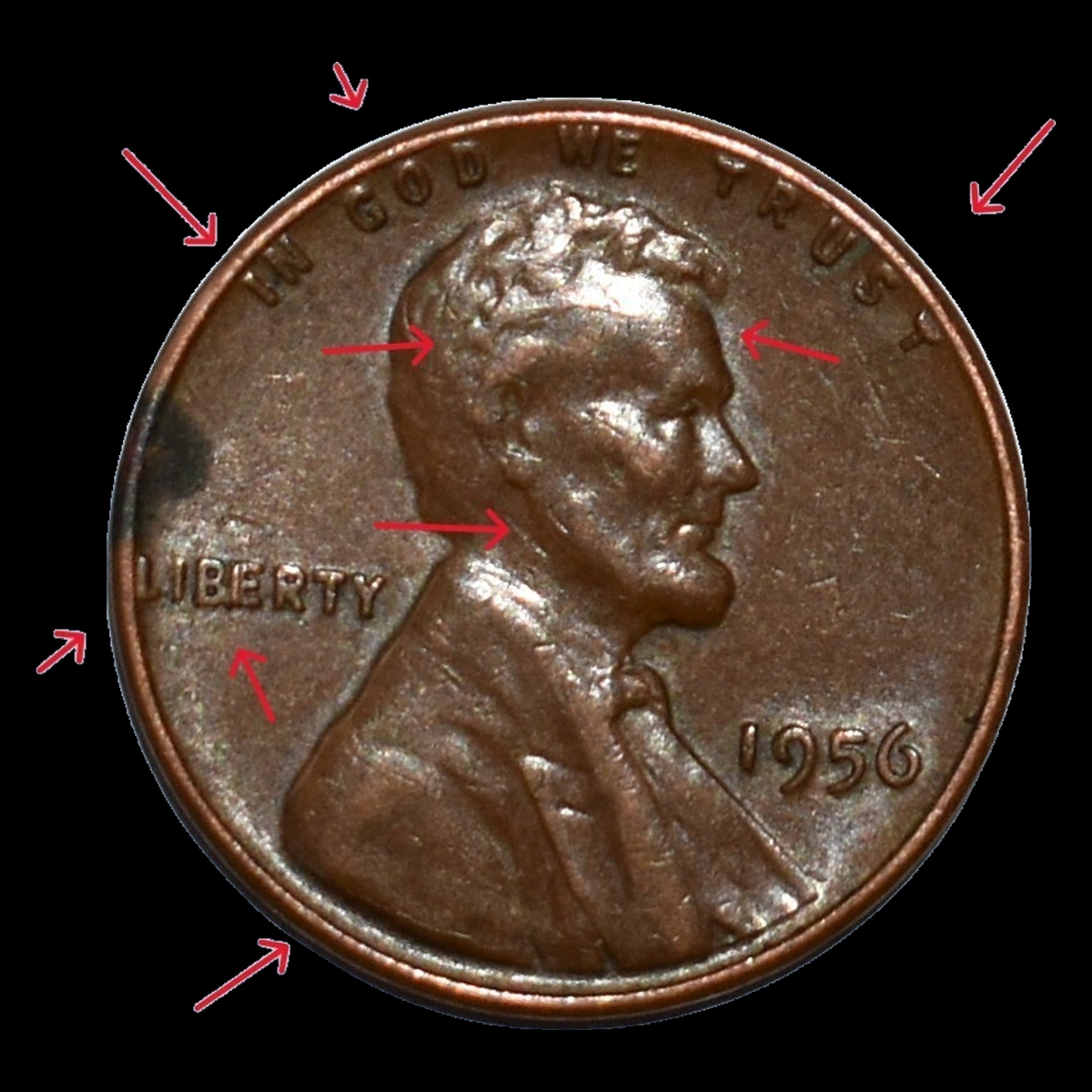
3. 1956 Penny A Letter Bar or Larger Raised Area: BIE and Die Breaks Error
A small die chip can create an I-like bar between B and E in LIBERTY. A separate reported head break involves a cracked piece that remained in the tool, allowing some design to survive within the raised area.
How to Identify
Inspect the B–E gap for a solid raised bar and the head-break example for a defined boundary with retained detail. Neither should be confused with a scratch or attached material.
A true cud results from a missing rim-connected tool section and therefore reaches the edge. An internal retained break does not need that rim connection.
What It’s Worth
The estimated overall range is $2–$600, with small BIE chips around $2–$40 and larger clear retained breaks or cuds around $30–$600. Size and disrupted design matter.
A 2021-D retained cud sold for $186 in September 2025. That later zinc-centered piece is a related comparison, not the sale of the reported 1956 head break.
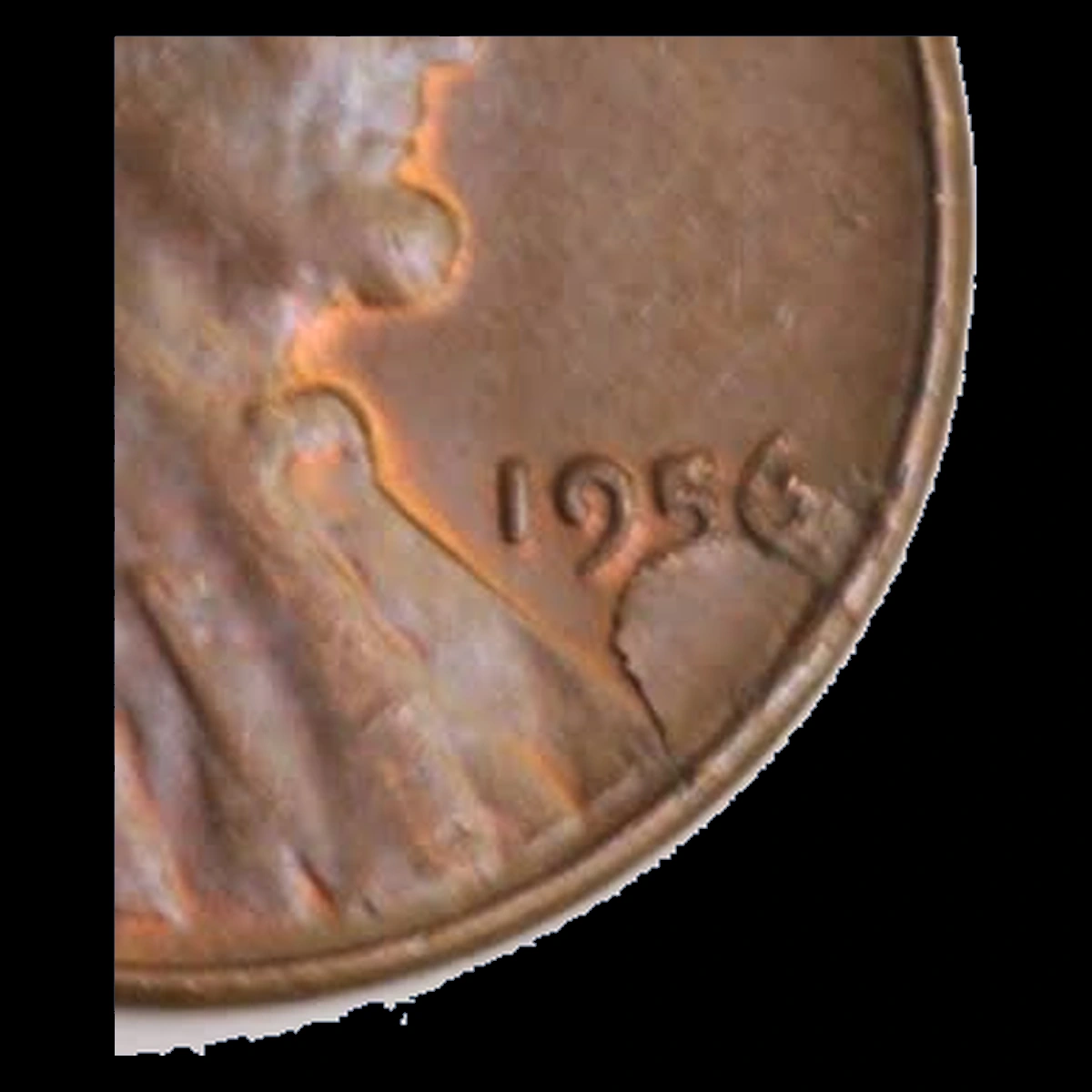
4. 1956 Penny A Layer of Alloy Lifts Away: Lamination Error
An internal weakness can let metal separate from the coin’s surface. A documented Denver AU50 example has a reverse lamination, while a separate no-mint-letter report concerns a detached front layer.
How to Identify
Follow the original separation boundary without pulling a flap. Look for layered alloy rather than scraping lines, corrosion pits, or material attached later.
The reported front loss does not mean the entire face detached. Keep it distinct from the Denver reverse example, and do not describe either as thin copper coating peeling from a zinc core.
What It’s Worth
A genuine 1956 lamination has an estimated value of $5–$250. Size, remaining design, and a clear original boundary determine the comparison.
A 1966 front lamination sold for $61 in July 2021. That later copper-alloy transaction is not a sale of either reported 1956 specimen.
5. 1956 Penny A Covered Die Softens Lincoln: Late-Cap Strike Error
A previously struck coin can remain over the front die and become a thin cap. Later blanks receive a softened or distorted design through it, as on the documented 1956-D late-stage receiving coin.
How to Identify
Compare the affected front with the clearer opposite design and examine the complete pattern of transmitted detail. The PCGS AU50 example also has circulation wear, which must not be confused with the mint-made effect.
This coin received the strike through the cap. It does not need the tall cup walls of the object actually attached to the tool.
What It’s Worth
Confirmed 1956 late-cap receiving coins have an estimated value of $30–$650. Clearer distortion and better preservation can support stronger interest.
The Denver PCGS AU50 example sold for $54 in December 2024. Its wear remains part of that actual comparison rather than an unrelated mint error.
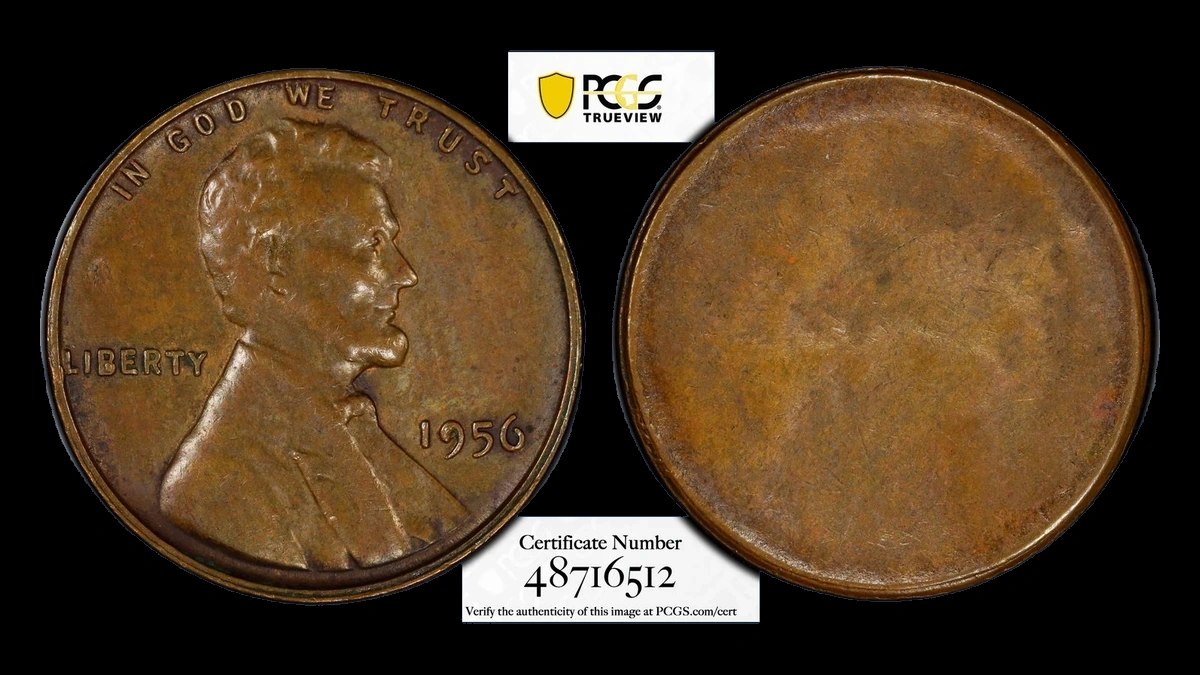
6. 1956 Penny Lincoln Is Present but the Back Is Blank: Uniface Strike Error
Another blank can block one side from contacting its die, leaving only one normally designed face. A collector display identifies a 1956 blank-back example described as AU53 Brown.
How to Identify
Compare the empty reverse surface with its border, edge, and thickness. Grinding off the Wheat design can leave circular lines, unusual thinness, or an abrupt boundary.
Check for seams or an attached face as well as original front detail. Having no readable reverse design is not enough without evidence that the surface was blocked during striking.
What It’s Worth
An authenticated 1956 uniface strike has an estimated value of $75–$1,000. A clear date and naturally preserved blocked surface improve comparison.
The displayed AU53 Brown example supplies no verified sale here. Its stated grade does not establish an auction result, and a ground-off reverse does not qualify.
7. 1956 Penny Complete Designs Spread Outward: Broadstrike Error
The collar normally limits the blank’s width while the dies press it. A broadstrike forms when that restraint fails and metal spreads around the complete design.
How to Identify
Measure across several directions and follow the outer wording on both faces. The reported 1956 category supplies no fixed mint or amount of expansion.
Look for crushed high points or fresh edge marks from later pressing. A larger diameter alone cannot distinguish original spreading from a hammered cent.
What It’s Worth
A genuine 1956 broadstrike has an estimated value of $10–$350. Visible natural expansion with clear lettering is easier to appreciate.
A 1946-S Wheat-cent broadstrike sold for $89 in December 2024. That earlier copper-alloy coin is a same-design-family comparison, not a 1956 transaction.
8. 1956 Penny Design Falls beyond the Blank: Off-Center Strike Error
A Denver example is described as 55% off center toward ten o’clock with its date and D visible. Separate no-mint-letter pieces have shifts of 20% toward eight and 15% toward one o’clock.
How to Identify
Read the surviving identity and compare both faces at the transition from struck to plain metal. Their incomplete designs should fit the same misplaced blank.
Keep each example’s percentage and direction separate. A large unstruck area is remaining metal, not the same percentage of metal lost, and grinding can create a false plain patch.
What It’s Worth
Dated 1956 off-center cents have an estimated value of $25–$750. Readable identity, preserved surface, and visual appeal guide comparison.
A 1964-D cent struck 50% off center sold for $114 in March 2025. Its later Memorial reverse differs, though the copper-alloy striking mechanism is related.
9. 1956 Penny A Gap or Narrow Oval Remains: Clipped Blank Error
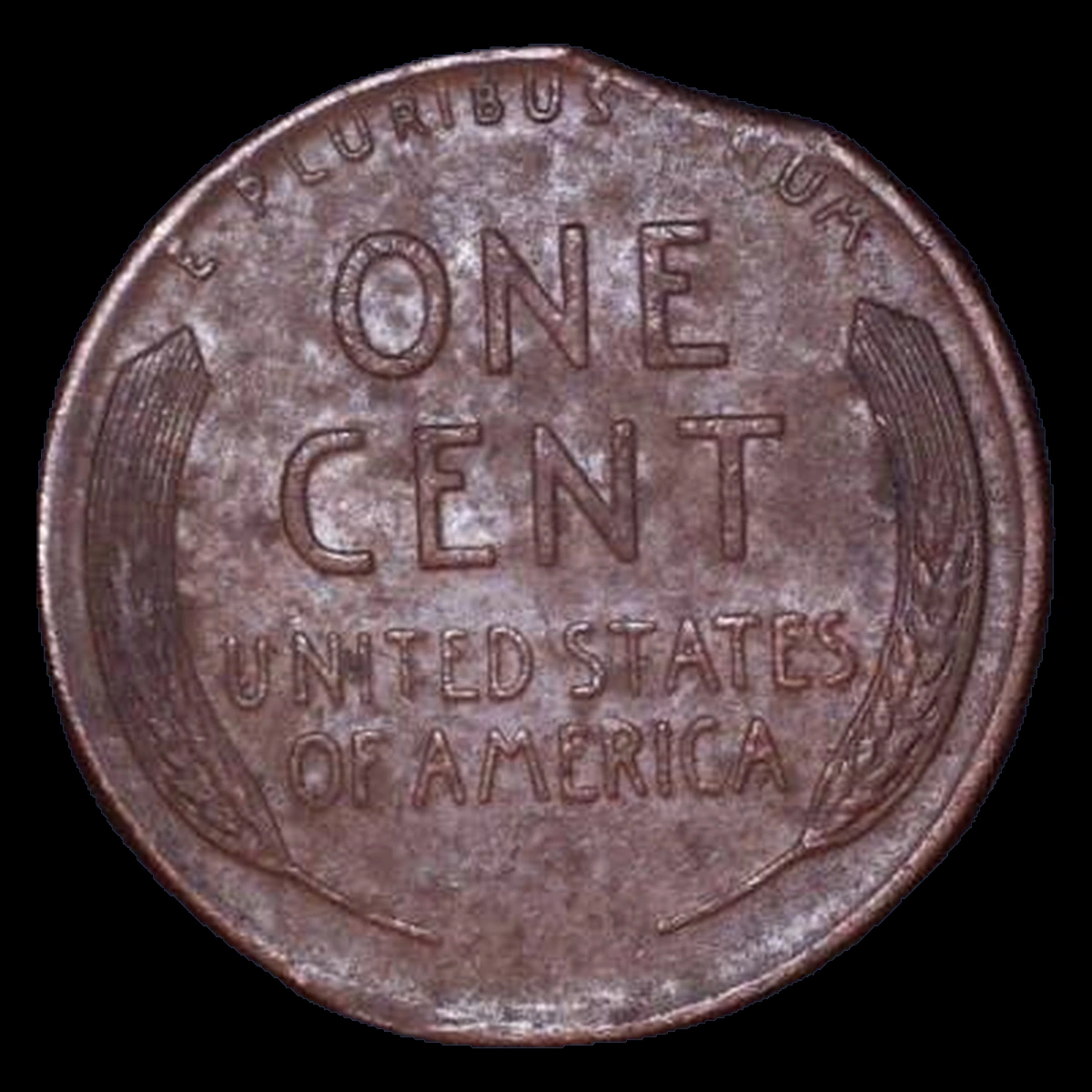
Some incomplete blanks retain most of a round outline, while an elliptical clip can leave a narrow football-like piece. The documented 1956 oval example weighs 1.3 grams and is graded NGC MS63.
How to Identify
Examine both curved boundaries of the oval for original design and rim formation. Do not measure its narrow middle as though it were the diameter of a smaller complete round blank.
Other 1956 clips have straight or curved gaps of their own. Low weight also fits later cutting, so check for filing and fresh cut surfaces before attributing the outline to blank production.
What It’s Worth
The overall estimated range is $10–$900, with ordinary original clips around $10–$200 and clear elliptical remnants around $150–$900. Shape and readable identity determine the relevant group.
A 1960 Large Date cent with a 0.9-gram elliptical clip sold for $660 in April 2022. That different-year coin supplies neither the price nor weight of the 1.3-gram 1956 example.
10. 1956 Penny Opposite Designs Overlap within the Collar: Flipover Double Strike Error
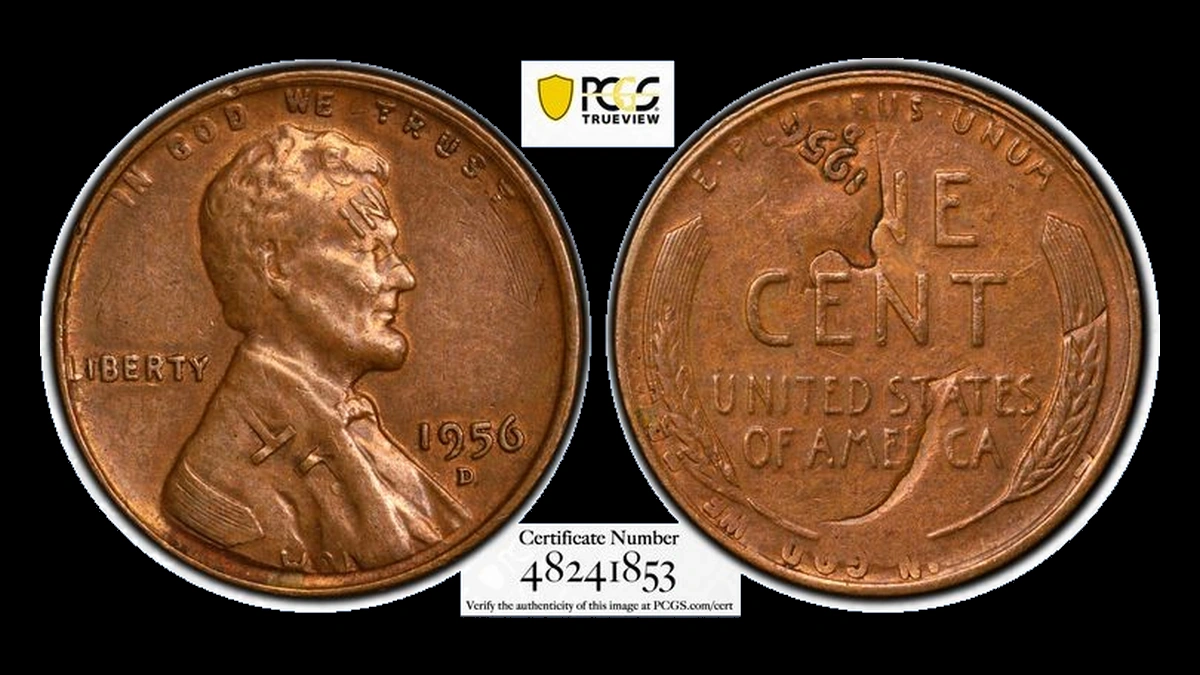
The documented 1956-D cent turned over before being struck again inside the retaining collar. Lincoln and Wheat-side remnants can therefore share a face without a large unstruck crescent.
How to Identify
Trace a Wheat or inscription fragment where only front design belongs, then compare the matching mixture on the other side. Both faces should explain the same flip sequence.
A near-normal outline does not rule out this in-collar error. Inspect for seams or later pressed copies, and distinguish surface cleaning from the original overlapping strikes.
What It’s Worth
Confirmed 1956 in-collar flipovers have an estimated value of $250–$1,200. Readable overlap and condition guide the whole-coin comparison.
The Denver PCGS AU Details example with cleaning sold for $456 through Stack’s Bowers in June 2024. Its altered surface is part of the result, not another mint error or a basis for a fixed markup on a cleaner coin.
11. 1956 Penny A Silver Blank Carries the Cent Design: Dime Planchet Error
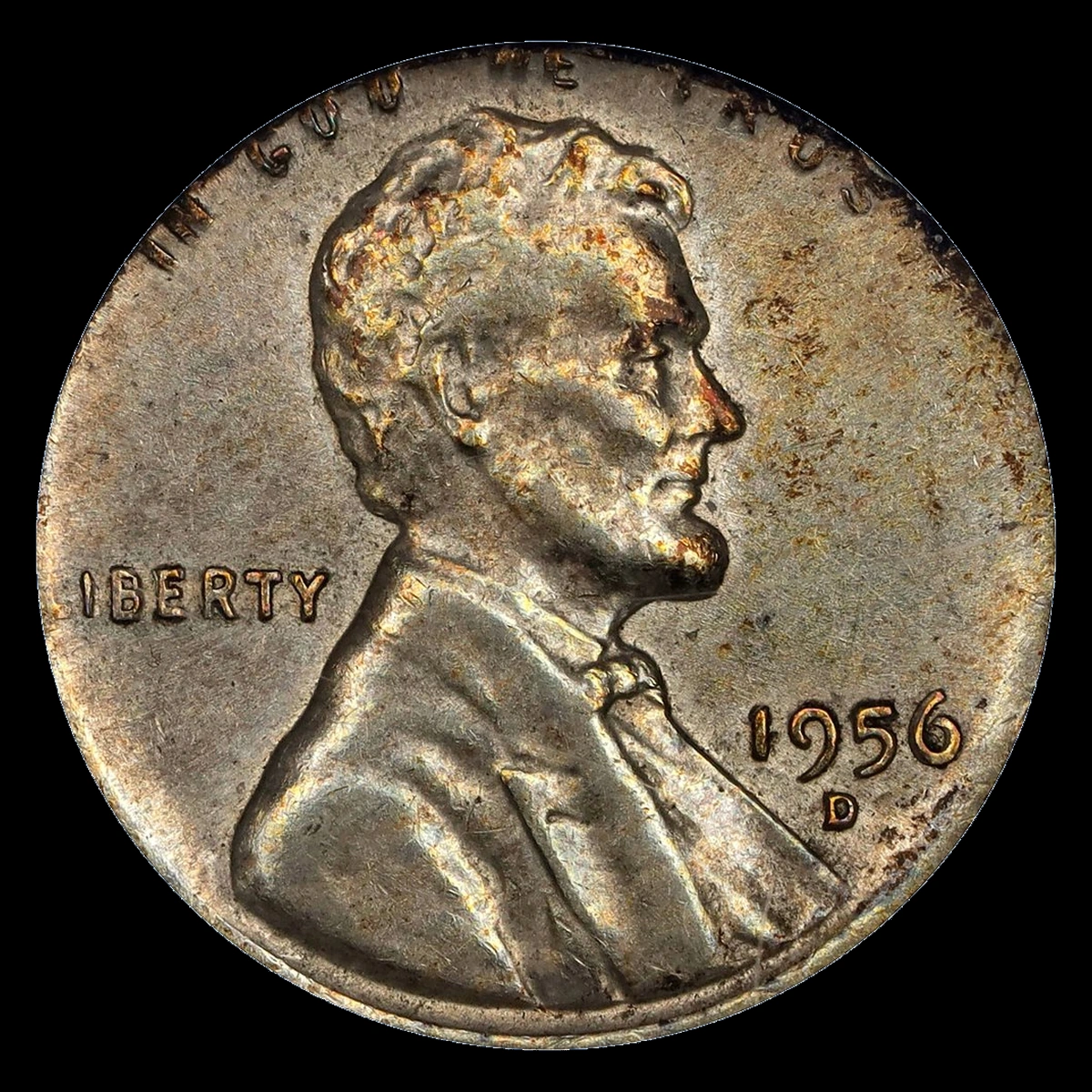
Philadelphia and Denver 1956 cents are reported on smaller silver dime blanks. Outer design can run beyond the metal even when the portrait sits near the center.
How to Identify
Compare the silver-dime starting standard of 2.50 grams with the normal cent’s 3.11 grams. Allow for expansion during striking and inspect the metal without scratching or filing it.
An unused silver blank has no earlier Roosevelt or torch design. A pale coating on a normal cent, or an older dime image beneath Lincoln, calls for a different identification.
What It’s Worth
An authenticated 1956 cent on a silver dime blank has an estimated value of $500–$3,500. Confirmed silver composition and readable coin identity are essential.
A no-mint-letter 1964 example graded PCGS MS64 sold for $1,260 in May 2022. Its later Memorial design makes it a same-metal comparison rather than a 1956 sale.
12. 1956 Penny The Blank Is Too Small for the Full Date: Honduran Planchet Error
The documented cent on a Honduran one-centavo blank measures 15 mm and weighs 1.5 grams. Only 195 fits comfortably, with most of the final 6, L in LIBERTY, and the upper motto beyond the metal.
How to Identify
Compare the partial date and lost peripheral details with the actual example. Its thin blank also left weak outer detail and missing lower portions of the Wheat ears.
The blank had no earlier Honduran design, and its recorded measurements are specimen-specific. A trimmed or clipped ordinary penny can also be light, so the original blank identity and striking boundaries must agree.
What It’s Worth
A comparable authenticated foreign-blank cent has an estimated value of $1,500–$5,000. The identified Honduran blank and surviving design support the comparison.
The NGC MS64 Brown example sold for $2,070 in April 2010. Its incomplete date should not be described as four fully visible digits simply because the coin is attributed to 1956.
13. 1956 Penny Dime Words Cross the Wheat Ears: Overstrike with Scrap Impression Error
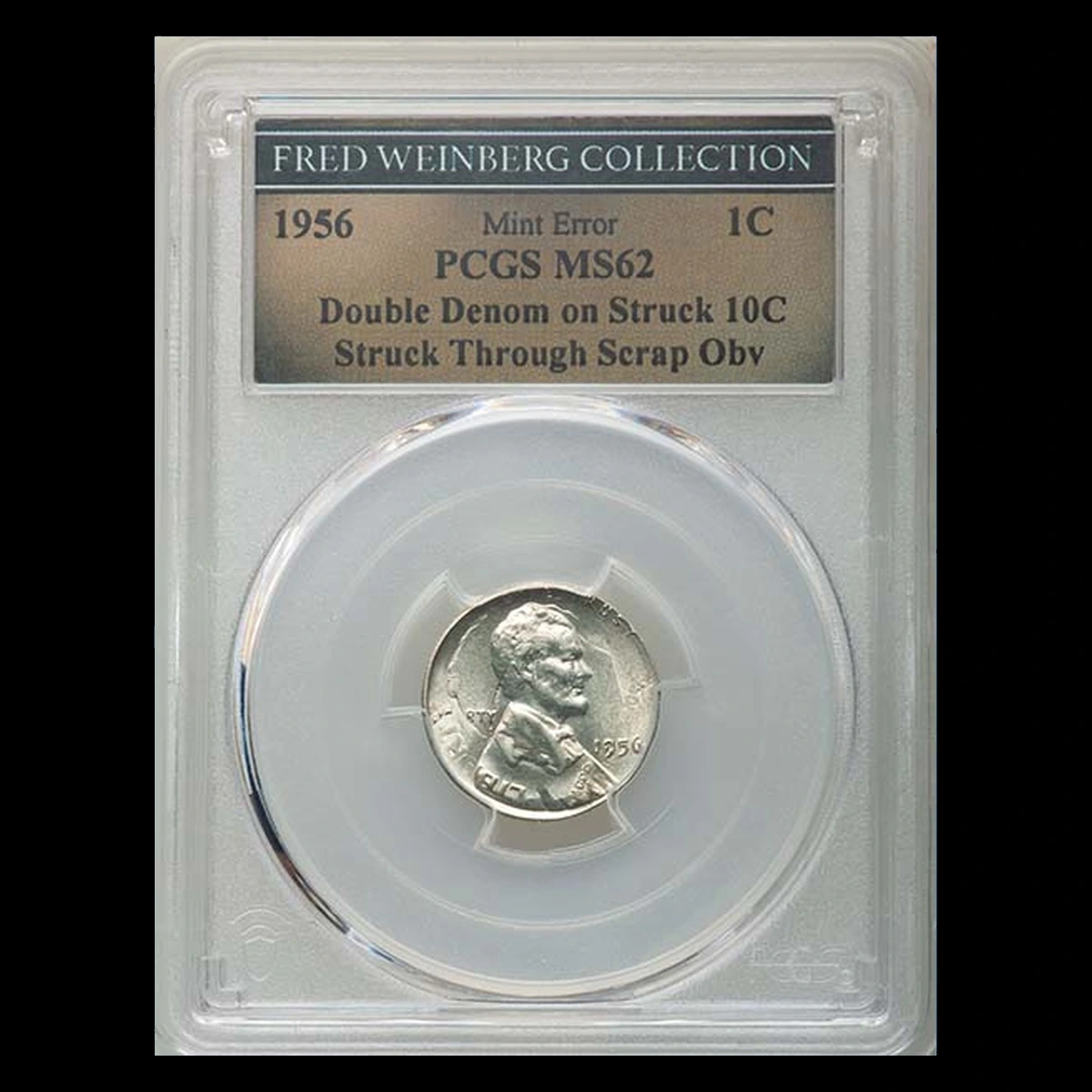
On the documented combination, ONE DIME crosses the left Wheat ear and AMERICA the right. A finished Roosevelt dime received a cent strike while a slender scrap also interrupted the front die through Y in LIBERTY.
How to Identify
Begin with the older dime words, then locate its downward and slightly left-pointing portrait relative to Lincoln. The dime date lies near the cent’s three-o’clock area, separate from the bold 1956 cent date.
Trace the narrow Y-crossing impression independently of the older design. An impression does not prove the scrap remains attached, and both effects belong to the same piece.
What It’s Worth
The estimated whole-coin value is $4,000–$10,000 for a comparable authenticated dime overstrike with an original scrap impression. Readable older design and the obstruction mark are assessed together.
The complete PCGS MS62 coin sold for $6,660 in May 2022. That amount should neither be divided between the two descriptions nor increased by adding another full strike-through estimate.
Conclusion
The Wheat reverse gives useful evidence on 1956 errors, from peeling alloy to dime lettering crossing the ears. Check it alongside Lincoln’s side so an isolated mark does not receive the wrong explanation.
Keep disputed mint-letter interpretations distinct from confirmed varieties, and preserve the actual visibility of dates on undersized blanks. The most dramatic combination has one price for one coin, while ordinary chips and small repunches remain much more modest comparisons.