Rare 1913 Penny Errors (List & Pictures)
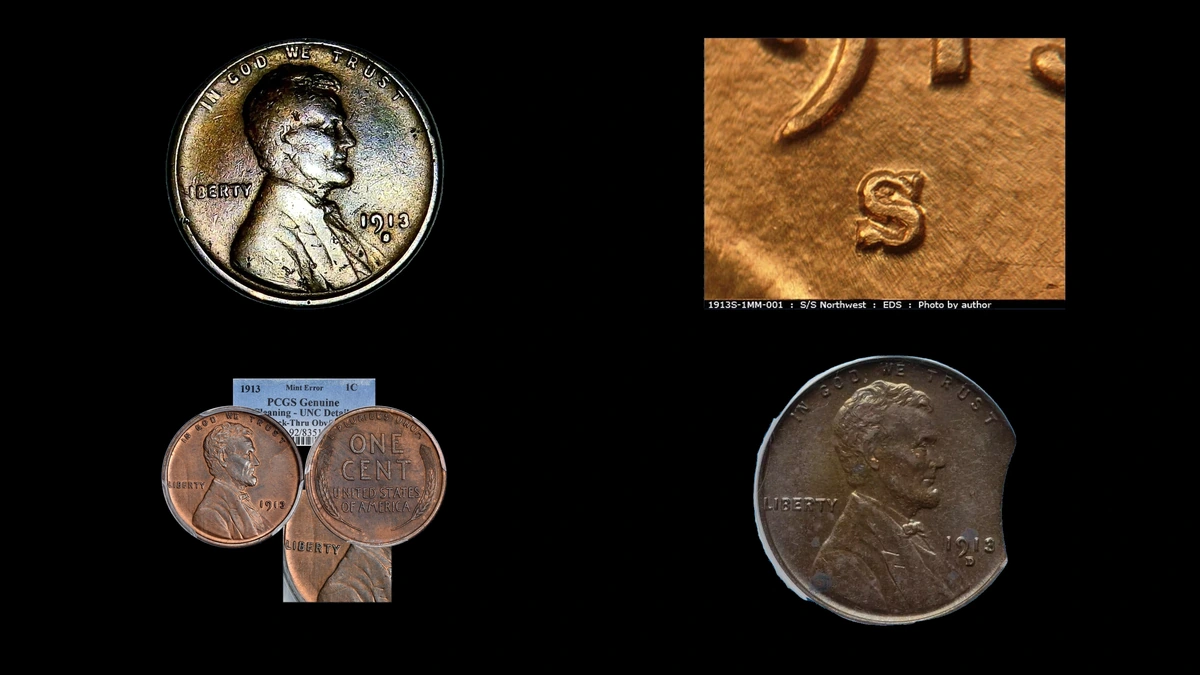
A 1913 off-center cent sold for $276 in September 2019. The supplied comparisons also include a later 1946-S major die break at $288 in March 2021; it is a different-year example.
Estimated whole-coin values for 1913 penny errors range from $3 to $1,800. When a letter looks faint or crowded, inspect the surrounding surface and both faces before choosing an error name.
| Visible clue | Possible category | Estimated value |
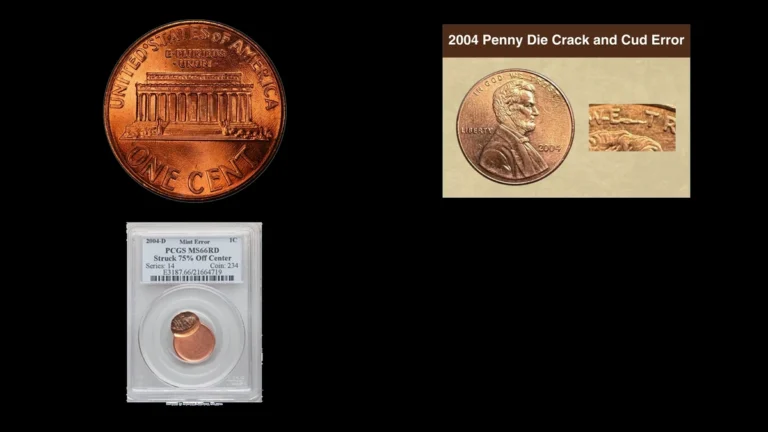
|---|---|---|
| Weak or missing letters | Mint-made weakness, if confirmed | $3–$150 |
| Repeated front detail or D | Doubled die or repunched mintmark | $10–$300 |
| Raised line or rim lump | Die crack or cud | $3–$500 |
| Local recessed area | Struck-through | $10–$500 |
| Missing edge section | Clipped blank | $15–$300 |
| UNUM crowds the rim | Reported misalignment | $25–$1,800, conditional |
| Design runs off the disc | Off-center strike | $40–$1,500 |
A normal bronze 1913 cent weighs about 3.11 grams and measures 19.05 millimeters across, with a plain edge. Record measurements if accessible, but use the actual surface and design relationships to explain the suspected error.
1. 1913 Penny A Letter Is Faint or Missing: Weak Design Error
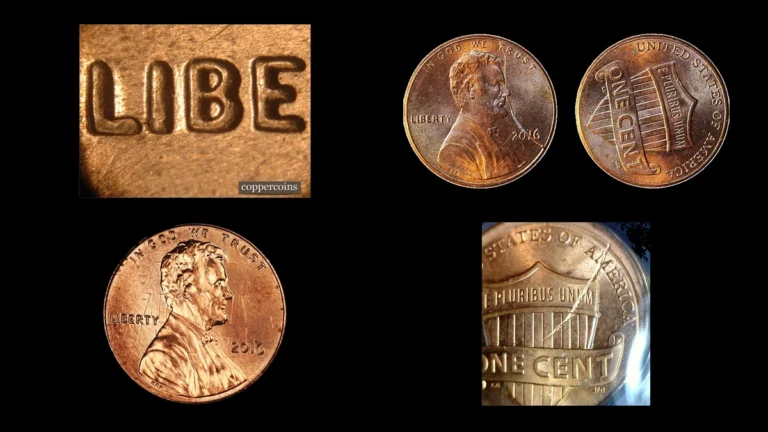
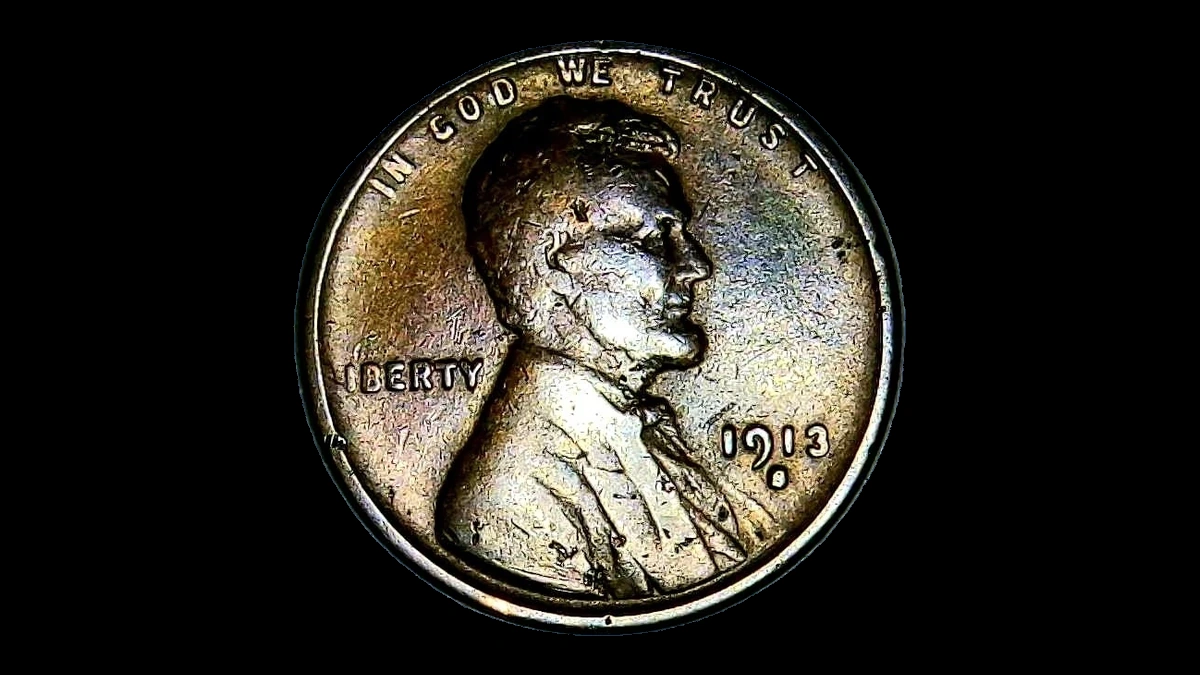
Reported 1913-S features include weak portions of OF AMERICA on the reverse and a separate missing-L observation in LIBERTY. These are different reports, not a pair of required features on one coin.
How to Identify
Compare the affected letter with nearby detail and with wear across Lincoln and the wheat. Ordinary circulation, weak striking, a blocked die, and later removal can all reduce a letter.
Inspect the surface for sanding or grooves crossing the place where the letter should be. A photograph should include the surrounding word rather than isolate the empty-looking spot.
What It’s Worth
Modest genuine mint-made weak-letter features on circulated 1913 cents are estimated at $3–$150. Normal wear does not justify an error premium.
A year guide reports $497 for a missing-L example without a usable grade or dated auction comparison. That poorly specified figure should not become the expected price for a faint L.
2. 1913 Penny The Date or LIBERTY Has Extra Edges: Doubled Die Obverse Error
The supplied 1913-D report concerns mild repeated detail on the date or LIBERTY. A doubled die carries that repeated design before it strikes the blank.
How to Identify
Compare a normal Denver cent and the candidate under matching light. Look for coherent raised repetitions or split corners across the relevant characters rather than a bright line on one letter.
A low flat shelf can result from movement during striking. It does not establish the same cause as repeated detail built into the die.
What It’s Worth
An identified minor 1913-D doubled front is estimated at $10–$300. Preservation and a clear variety match are central to that range.
No specific sale is supplied for this mild report. Prices for famous strongly doubled 1917 or 1955 cents are not suitable substitutes.
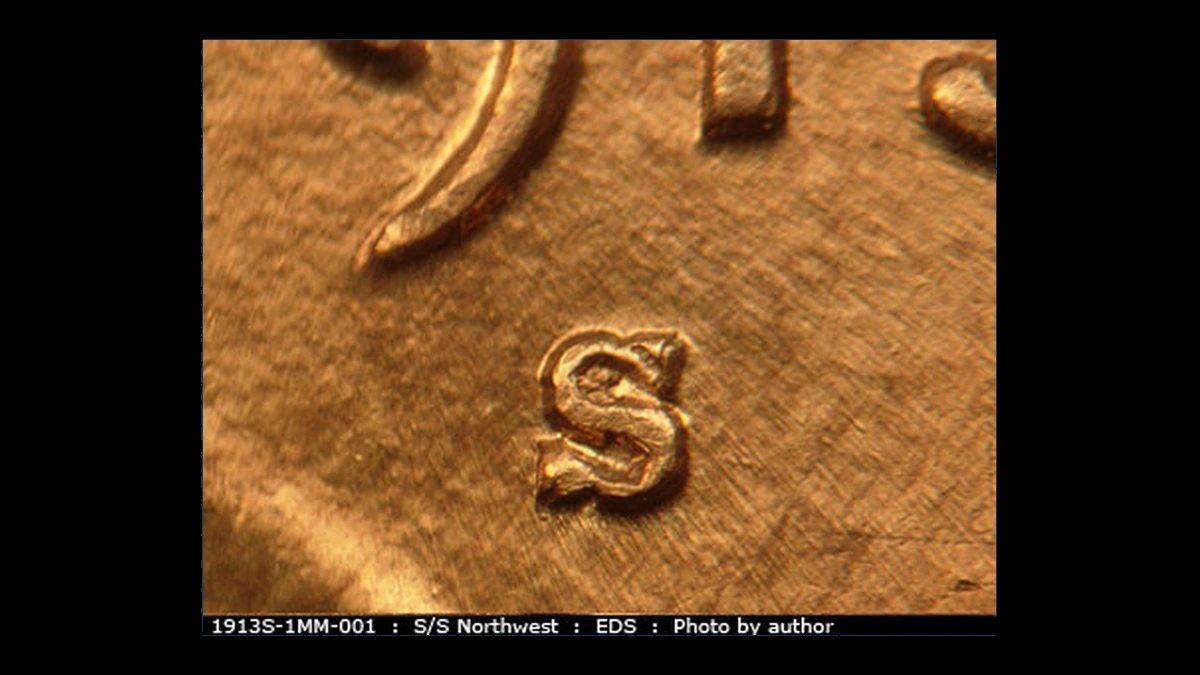
3. 1913 Penny An Extra Curve Follows D: Repunched Mintmark Error
An earlier hand-punched D can remain partly visible beside the final mintmark. The die then repeats those extra strokes on coins struck from it.
How to Identify
Keep the complete D and lower date in the magnified view. Trace the extra curve far enough to determine whether it fits another D rather than a shadow or damaged edge.
The supplied Denver report specifies no universal direction. Inspect the mintmark’s base for cuts, seams, or added metal before accepting an apparent second outline.
What It’s Worth
Clear, identified 1913-D repunched mintmarks are estimated at $10–$250. Stronger remaining letter detail can support more than a tiny worn trace.
This is a comparison range, not a documented transaction for a numbered 1913 variety.
4. 1913 Penny Raised Cracks or a Rim-Connected Patch: Die Damage Error
Copper entering a crack in the die forms a raised line on the coin. A larger piece missing at the die’s edge can produce a cud, a raised rim-connected patch replacing design.
How to Identify
Use moving side light to determine whether a line rises or cuts into the surface. For a suspected cud, follow its rim connection and inspect where normal detail disappears.
Check for solder, a join, or edge squeezing that could imitate a raised patch. The general 1913 report gives no fixed crack route or cud location.
What It’s Worth
Estimated values span $3–$500, with small circulated die cracks around $3–$50 and larger genuine cuds around $40–$500. A faint line and a substantial loss of design require different comparisons.
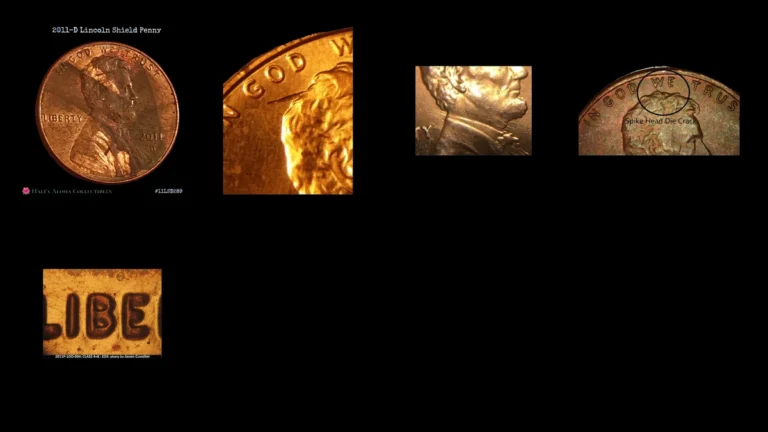
A 1946-S Wheat cent with a major break sold for $288 in March 2021. That later-date result concerns a larger break rather than every raised speck on a 1913 cent.
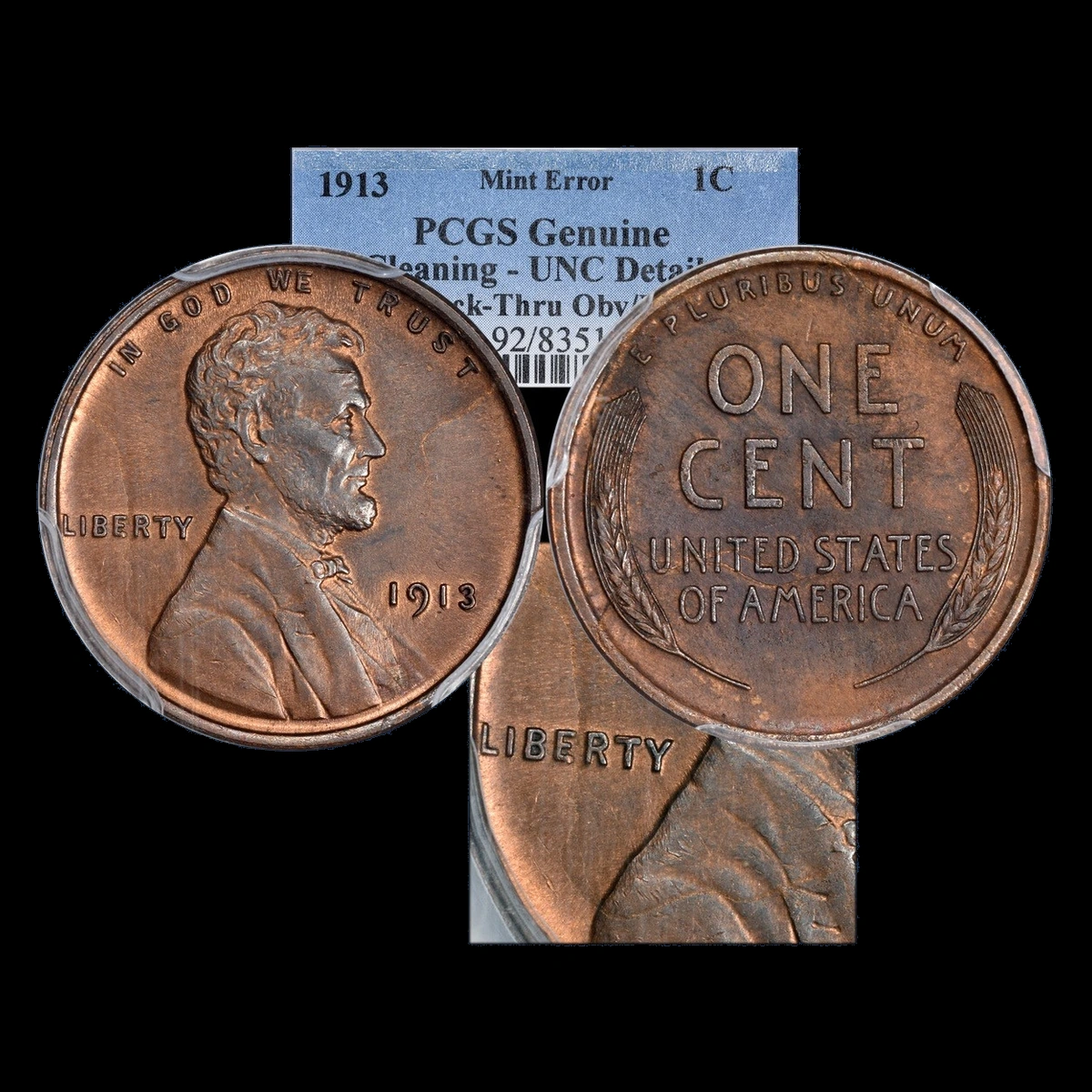
5. 1913 Penny An Obstruction Left a Local Impression: Struck Through Material Error
Material between die and blank can block part of the design or press its texture into the surface. The supplied year guide reports this type on a 1913-D without identifying a fixed location or object.
How to Identify
Follow a normal letter or portrait line into the affected area. Design interrupted as it formed differs from a later gouge crossing completed detail and pushing metal aside.
Photograph the nearby rim as well, since a related impact may explain an ordinary dent. A thin sheet lifting from the coin instead suggests an internal metal separation.
What It’s Worth
Confirmed 1913 struck-through examples are estimated at $10–$500. The original impression’s size, texture, clarity, and preservation affect the result.
The guide reports a $50 eBay sale for a Denver example but gives neither grade nor sale date. It is limited marketplace evidence rather than a fully described auction comparison.
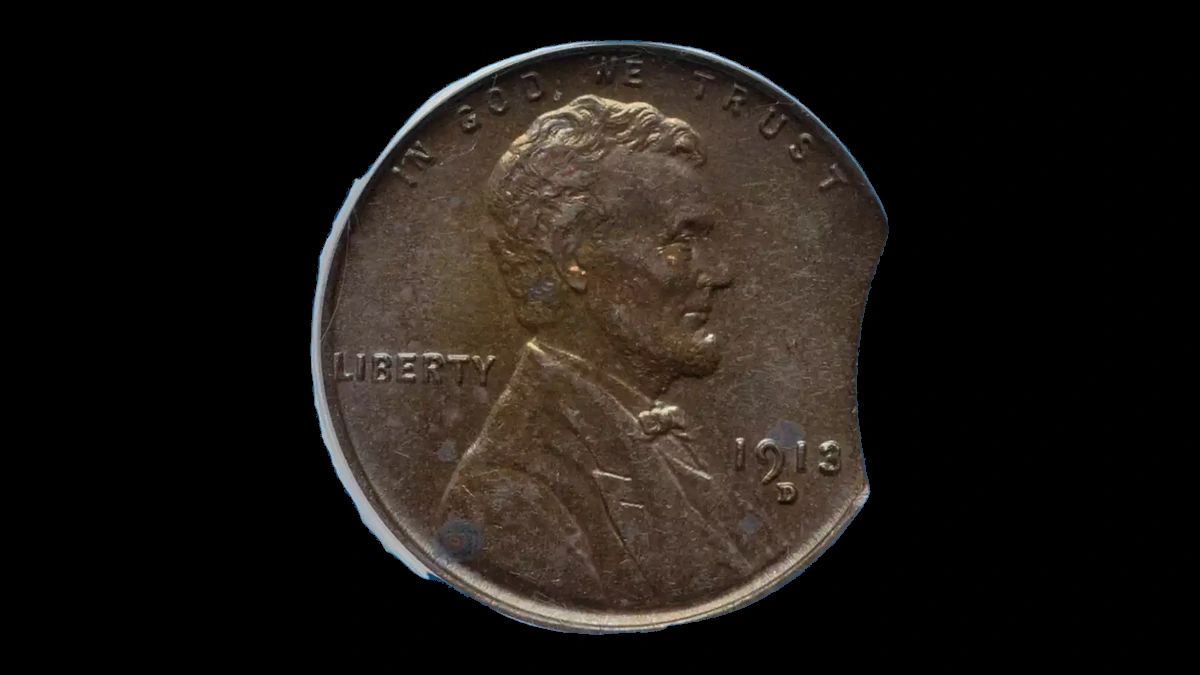
6. 1913 Penny A Gap in the Original Disc: Clipped Blank Error
A blank can enter production with part of its outline already missing. A curved clip may result when the cutting punch overlaps a hole left by an earlier blank.
How to Identify
Inspect the transitions between the missing area and the struck rim on both faces. Natural rim weakness, sometimes also opposite the gap, can support a pre-strike defect.
Saw marks, filing, and cuts through finished lettering suggest later removal. The 1913 report does not establish one specific shape, mint, or clock position.
What It’s Worth
Authenticated 1913 clips are estimated at $15–$300. The remaining date, size, and original edge evidence help determine the useful comparison.
A Philadelphia 1925 curved clip graded ANACS VF20 and weighing 2.92 grams sold for $56 in March 2023. Those measurements and that worn grade describe the comparison coin rather than a generic 1913 clip.
7. 1913 Penny UNUM Meets the Rim: Reported Die Misalignment Error
A 1913 year report describes the reverse word UNUM running into the rim and attributes it to die misalignment. That would mean a stamping tool sat away from its intended position.
How to Identify
Compare straight-on images of both faces at the same size, then examine spacing around the entire reverse. Crowded letters at one side should be considered alongside the design position at the opposite edge.
Inspect UNUM for cuts, wear, or flattening and view it without an angled rim hiding the tops. The crowded word identifies an area to examine, but does not by itself establish the mechanism.
What It’s Worth
The conditional estimate is $25–$1,800 for genuine misalignment of differing strength and condition. The upper portion requires convincing, conspicuous mint-made displacement.
The guide reports an $1,800 auction result without a dated lot or grade. Treat that as an unverified reported figure, not a fully documented comparison for any crowded UNUM.
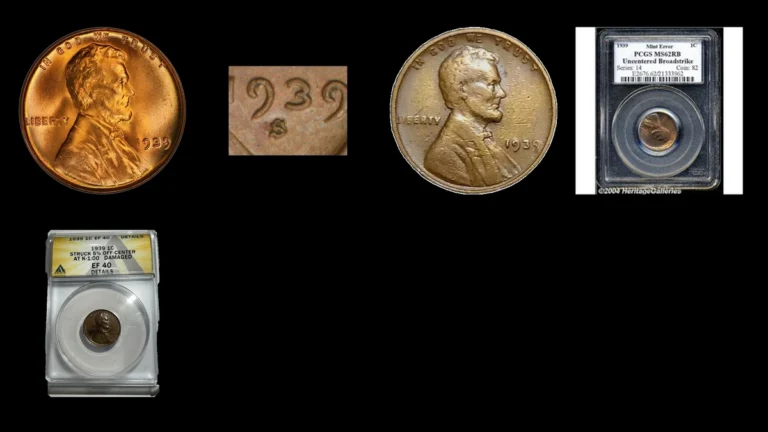
8. 1913 Penny The Front Motto Runs off the Blank: Off-Center Strike Error
The documented Philadelphia cent loses much of IN GOD WE TRUST toward the top. Heritage cataloged it as 15% off center toward one o’clock, with a complete reverse design and stretched E PLURIBUS UNUM.
How to Identify
Keep that particular front-and-back relationship visible when comparing photographs. The recorded specimen does not lose identical portions of both designs.
Inspect where the front design ends beside unused metal, checking for grinding or erased lettering. The complete date, weak portrait detail, and stretched reverse motto belong together in the description.
What It’s Worth
Authenticated dated 1913 off-center cents are estimated at $40–$1,500. Mint, displacement, original surfaces, and the amount of readable design affect the comparison.
The PCGS MS63 Brown Philadelphia example sold for $276 in September 2019. Its specific combination of a displaced front and complete but stretched reverse is more useful than assuming a universal off-center appearance.
Conclusion
For a 1913 penny, a weak letter is the start of an examination rather than a complete diagnosis. Compare nearby detail, the whole border, and the opposite face to establish what happened.
The $3–$1,800 estimates include several cautiously reported categories. Give greater weight to an attributed coin with a stated grade and dated sale than to a high figure attached to an incomplete description.