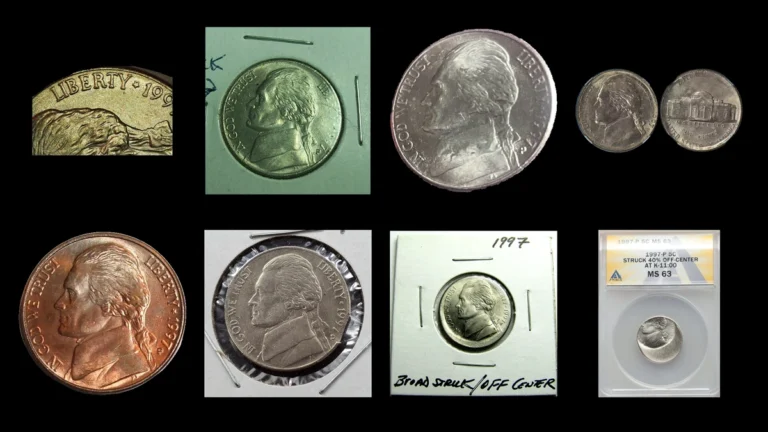
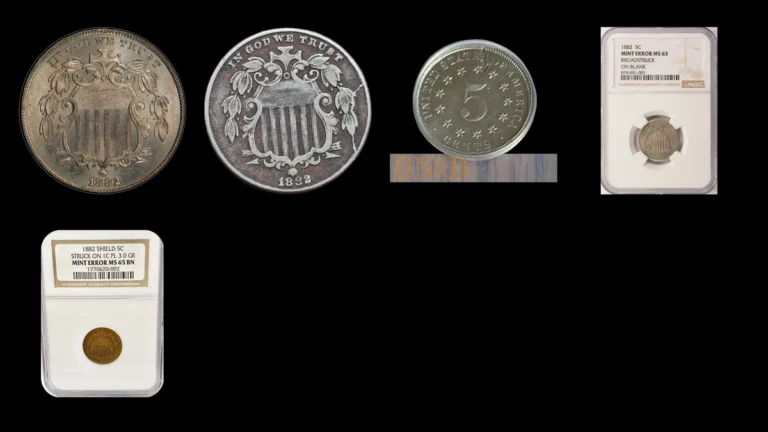
Rare 1964 Nickel Errors (List & Pictures)
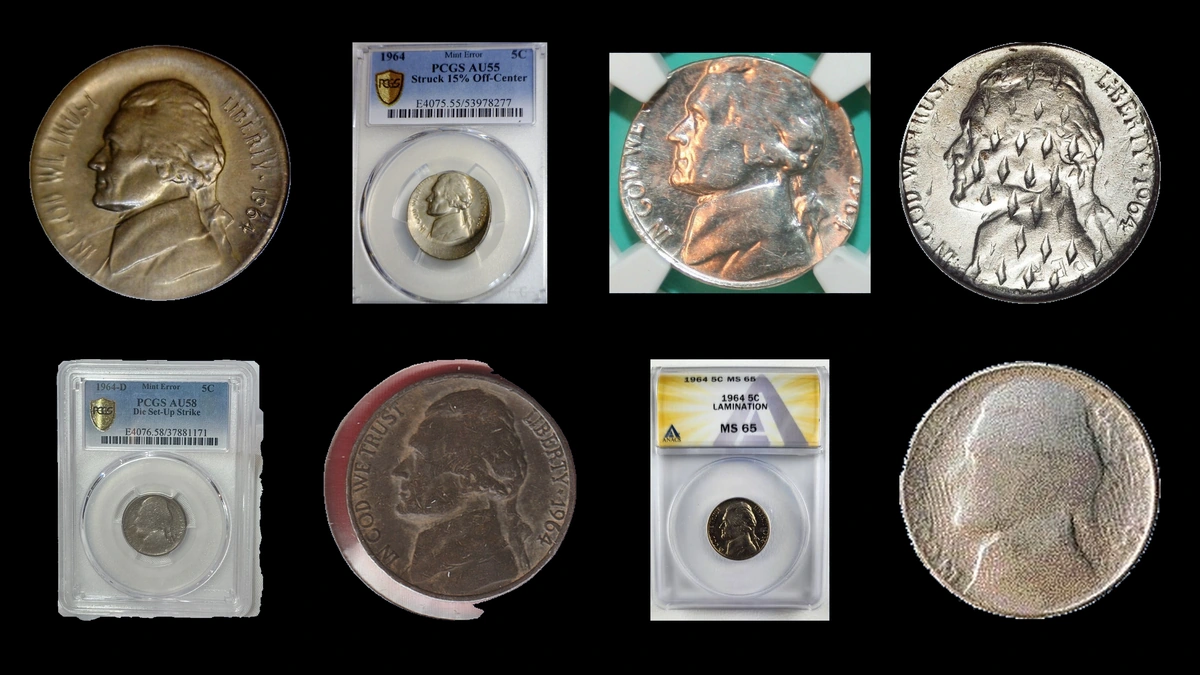
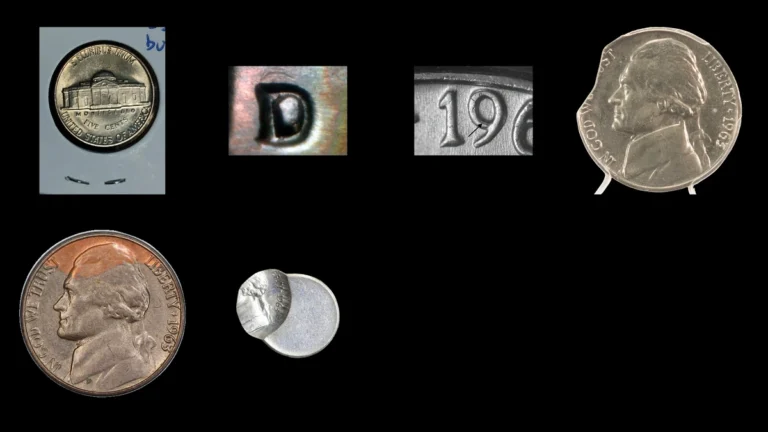
An exceptional repunched-mintmark nickel brought $19,800 in July 2022. Estimated values for 1964 Jefferson nickel errors extend from $5–$19,800, with separate whole-pair estimates for matching coins.
Check the outline and metal first, then study interrupted designs and small die details; an unusual shape and a doubled D require very different evidence.
| Inspection area | Examples to distinguish | Estimated values |
|---|---|---|
| Outline | Clips, incomplete punch, broadstrike, offset | $25–$700 |
| Metal | Cent, silver dime or foreign blank | $200–$4,000 |
| Surface | Weak strike, annealing, lamination | $5–$200 |
| Interrupted design | Strike-through, indent, brockage, capped die | $5–$1,500 |
| Multiple impressions or unusual shape | Repeated strikes, saddle strike, die cap | $100–$2,500 |
| Fine raised detail | Cracks, doubled dies, repunched D | $5–$19,800 |
| Two connected pieces of evidence | Matched error pair | $2,000–$8,000 per pair |
A normal 1964 nickel is a 5-gram copper-nickel coin about 21.2 millimeters across, with a plain edge and no silver. Denver’s D appears beside Monticello; Philadelphia has no mintmark, but a missing mintmark area leaves the mint uncertain.
1. 1964 Nickel Gaps in the Edge: Clipped Blank Error
A clip removes part of the blank before the design arrives. Recorded shapes include a Denver straight clip of about 25% near 8:30, a separate Denver 50% curved clip, and coins with several gaps.
A five-clip example also broadstruck, spreading beyond its usual outline. The three-clip coin’s date was cataloged as “(1964),” indicating an assigned rather than fully visible year.
How to Identify
Count the openings and examine how the struck rim and letters approach each one. Natural metal flow differs from fresh cuts through a finished design.
Weight loss supports missing metal, but later cutting also reduces weight. Photograph the full outline and preserve parentheses for an assigned date.
What It’s Worth
Genuine clips are estimated at $25–$600. Shape, preservation and remaining identification all influence the comparison.
July 2021 results were $132 for the Denver 50% clip, $104 for the three-clip coin and $450 for the five-clip broadstrike. The last result covers one coin with both features.
2. 1964 Nickel An Arc Without Missing Metal: Incomplete Punch Error
A curved cut can survive even though the blank remains connected. The cutting punch began its work but failed to separate the metal completely before striking.
A Denver example is reported at NGC AU58, indicating slight wear. A separate AU55 price report should not be treated as that same coin.
How to Identify
Trace the arc on both faces and toward the edge without flexing it. Look for design formed over an existing cut rather than a sharp groove sliced through finished detail.
An open missing section is a completed clip. An attached section may leave the weight close to normal.
What It’s Worth
An original incomplete punch is estimated at $75–$350. A clearly preserved arc is more useful than an unexplained faint line.
A secondary table reports $180 for an AU55 example without a confirmed sale date. It is not a documented auction result for the separate AU58 Denver piece.
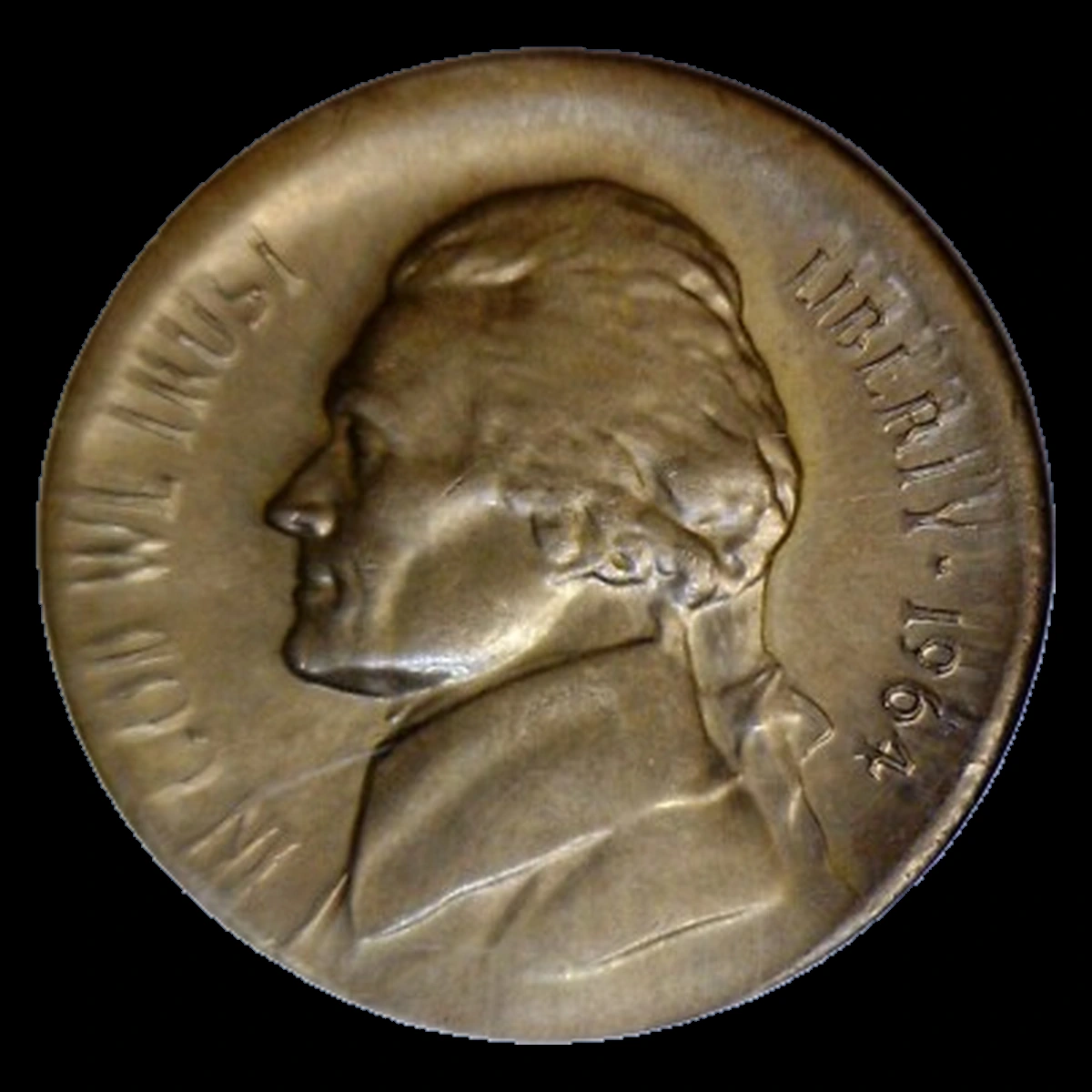
3. 1964 Nickel A Wide Coin with Complete Lettering: Broadstrike Error
A broadstrike can keep Jefferson centered while outer letters spread toward an enlarged border. The collar, the ring that usually contains the blank, failed to restrain the metal.
How to Identify
Follow the outside words on both faces before measuring the width. A full design within expanded metal differs from an off-center strike that loses detail beyond an edge.
Look for crushed lettering and hammer marks from later flattening. The nickel’s normally plain edge is not evidence of collar failure by itself.
What It’s Worth
Estimated values run $30–$250, depending on spreading and preservation. Added errors must be evaluated as part of the same whole coin.
A centered PCGS-graded 1964 broadstrike sold for $31 in May 2004. A different-year 1999-P example brought $89 in March 2025.
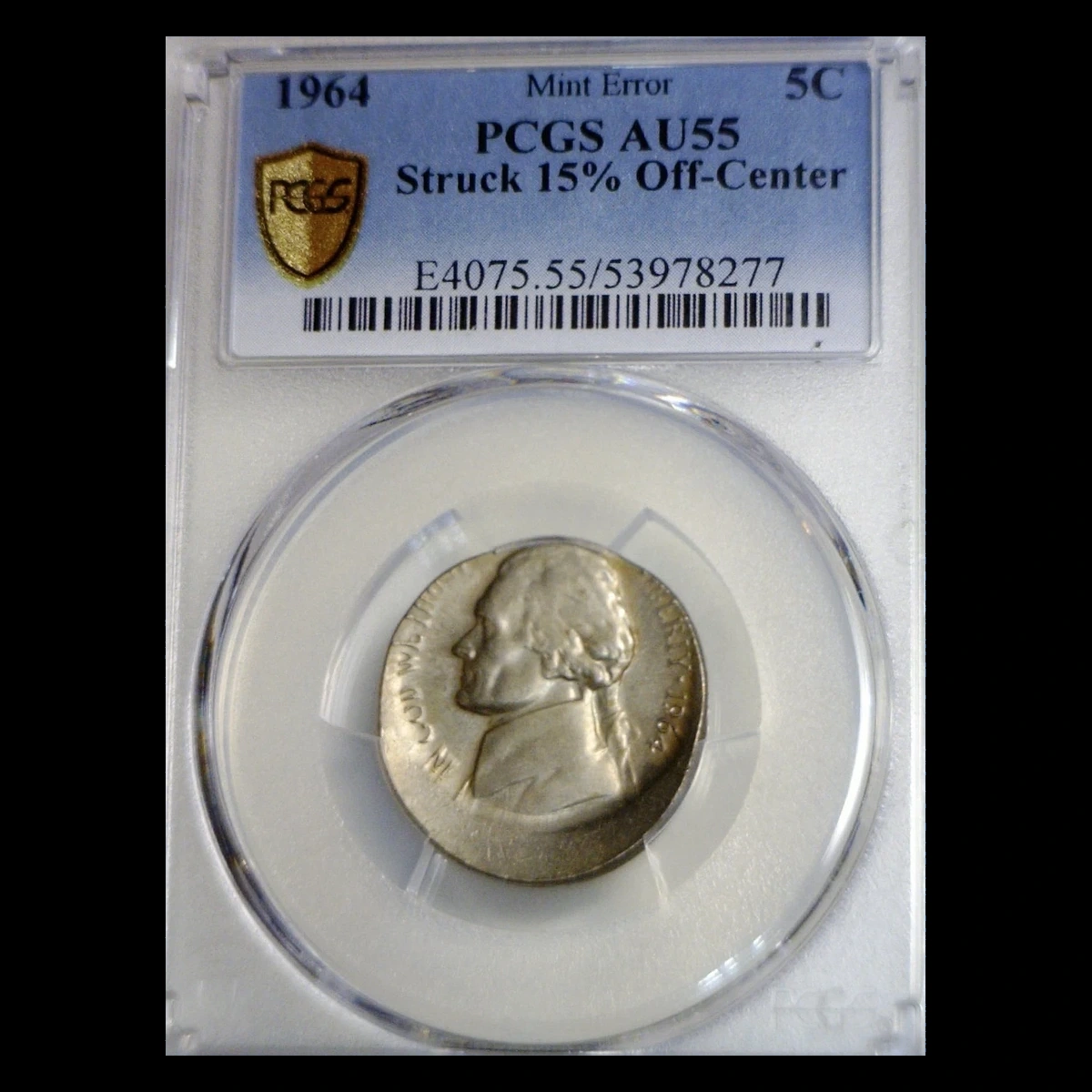
4. 1964 Nickel Solid Blank Metal Beside the Design: Off-Center Strike Error
An unused crescent shows where a misplaced blank lay outside the striking tools. On the other side of the coin, part of the intended design missed the metal.
One Philadelphia example was described as 30% off center. A separate Denver piece was 75% off center toward 8 o’clock.
How to Identify
Compare both faces to see whether one blank position explains the lost detail. A shift on just one face may instead involve a misaligned die.
Inspect the unused area for grinding and retain the date in photographs. If Monticello’s mintmark area lies beyond the blank, do not infer Philadelphia from the absent D.
What It’s Worth
Normal-metal 1964 off-center nickels are estimated at $50–$700. A readable year and undamaged surfaces can matter as much as a dramatic percentage.
The 30% Philadelphia coin brought $99 in July 2021. That result is not the sale of the separate 75% Denver example.
5. 1964 Nickel A Small Copper Disk: Cent-Blank Strike Error
A cent blank struck by nickel dies receives Jefferson instead of Lincoln. Recorded Philadelphia and Denver pieces include 3.06- and 3.08-gram examples.
A separate Denver coin received two strikes on a 3.1-gram cent blank. Another report concerns a blank damaged before striking, a different condition from later injury.
How to Identify
A 1964 copper cent blank starts near 3.11 grams and 19.05 millimeters, unlike today’s lighter copper-plated zinc cent. Compare metal, weight and naturally cropped lettering together.
An unused blank has no earlier Lincoln design. On a reportedly damaged blank, nickel detail formed over the injury helps establish that damage came first.
What It’s Worth
Authenticated examples are estimated at $200–$1,500. Remaining date, condition and additional strikes influence the whole-coin value.
The twice-struck Denver piece sold for $411.25 in August 2013. A 1981-P copper-cent-blank nickel brought $372 in September 2025 as a different-year comparison.
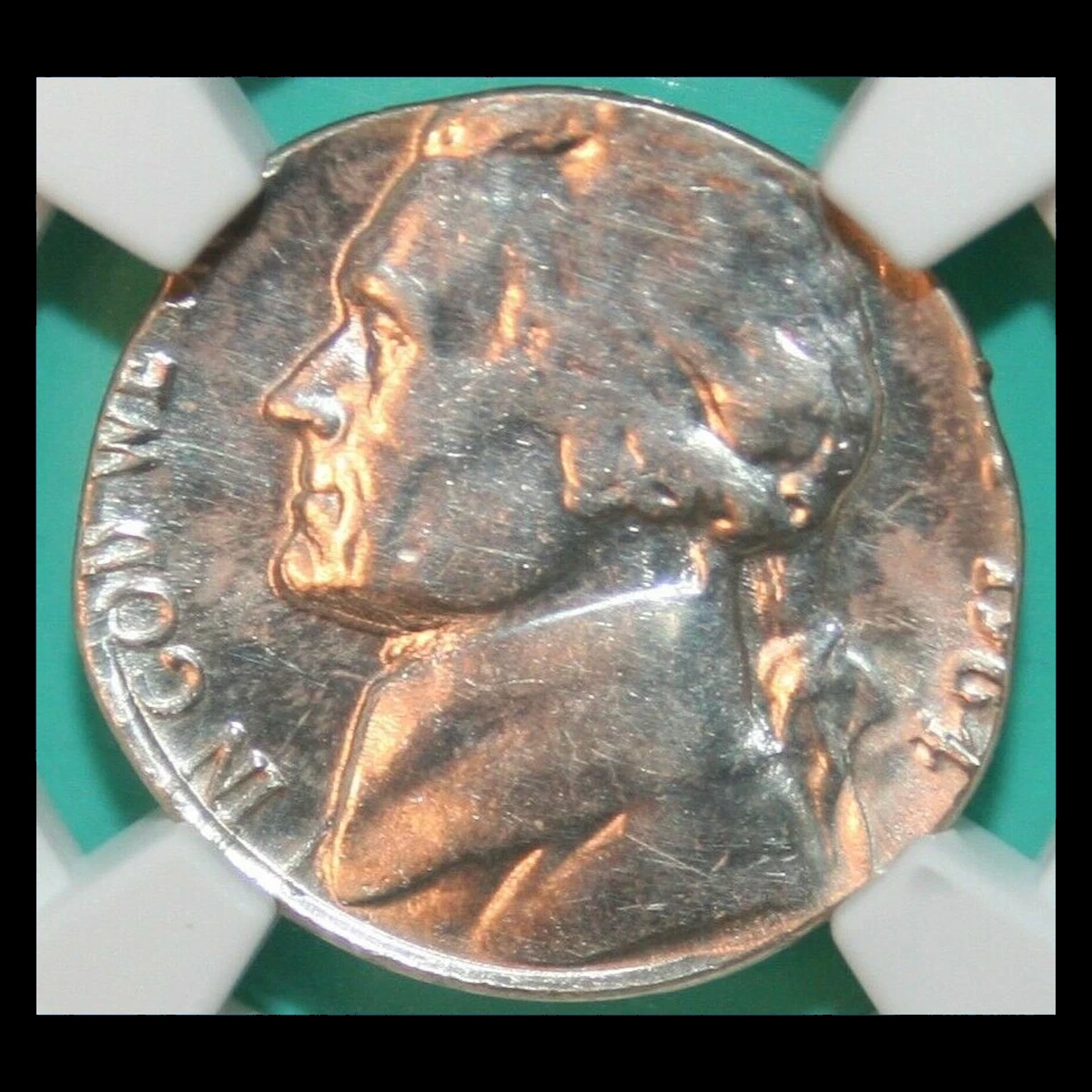
6. 1964 Nickel A Light Silver-Colored Disk: Silver Dime Blank Error
A silver dime blank can receive only part of the larger nickel design. One PCGS MS62 specimen is slightly displaced toward 6 o’clock, with its mintmark area outside the metal.
A different NGC MS63 coin weighs 2.5 grams and is 35% off center. Neither should be confused with an ordinary silver-colored nickel.
How to Identify
A 1964 silver dime blank starts near 2.5 grams and 17.9 millimeters. The nickel strike can spread it, so assess dimensions alongside metal and original design boundaries.
Search the edge for cutting or plating rather than assuming the color proves silver. A dime blank struck in nickel equipment need not have a finished dime’s reeded edge.
What It’s Worth
Comparable authenticated silver-blank errors are estimated at $750–$4,000. The range includes differences in grade and design placement.
The 35% off-center piece sold for $900 in July 2021, while another MS63 silver-blank nickel appears at $3,450 in a January 2006 results table. Neither result is established as the sale of the nearly centered MS62 coin.
7. 1964 Nickel A 3.7-Gram Copper Blank: Unidentified Wrong Blank Error
The recorded Denver piece weighs more than a normal copper cent blank but less than a nickel. Its auction description noted copper appearance and weak Monticello detail.
A foreign origin was suggested, not established. The defensible identification remains an unusual 3.7-gram copper blank.
How to Identify
Record weight and dimensions, then inspect both faces and the edge for an added coating. Include the D beside Monticello and the weak building in photographs.
Alloy examination can help narrow the origin. Color alone cannot assign a country or denomination.
What It’s Worth
A comparable authenticated copper-blank error is estimated at $250–$1,200. A worn specimen and an attractive unworn one need different condition comparisons.
The recorded PCGS AU50 Denver coin sold for $299 in January 2005. It was not identified conclusively as a Philippine blank.
8. 1964 Nickel A Very Light Foreign Blank: Philippine Ten Centavos Error
An auctioned 1964 nickel on a Philippine ten-centavo blank weighs 2.06 grams. The larger nickel design crowds the smaller disk.
NGC graded this example MS65, an unworn grade with relatively few marks. It was struck on an unused blank, so no earlier Philippine picture is required.
How to Identify
Match the physical measurements and metal to the claimed blank. A low weight alone could also result from a clip, trimming or another wrong blank.
Inspect the cropped design and actual edge for a genuine smaller strike. Do not substitute MS64 for the documented MS65 grade.
What It’s Worth
Comparable authenticated examples are estimated at $750–$2,000. The specific blank attribution is essential to that comparison.
The 2.06-gram NGC MS65 coin sold for $998.75 in March 2014. Another small nickel needs its own identification before inheriting this description.
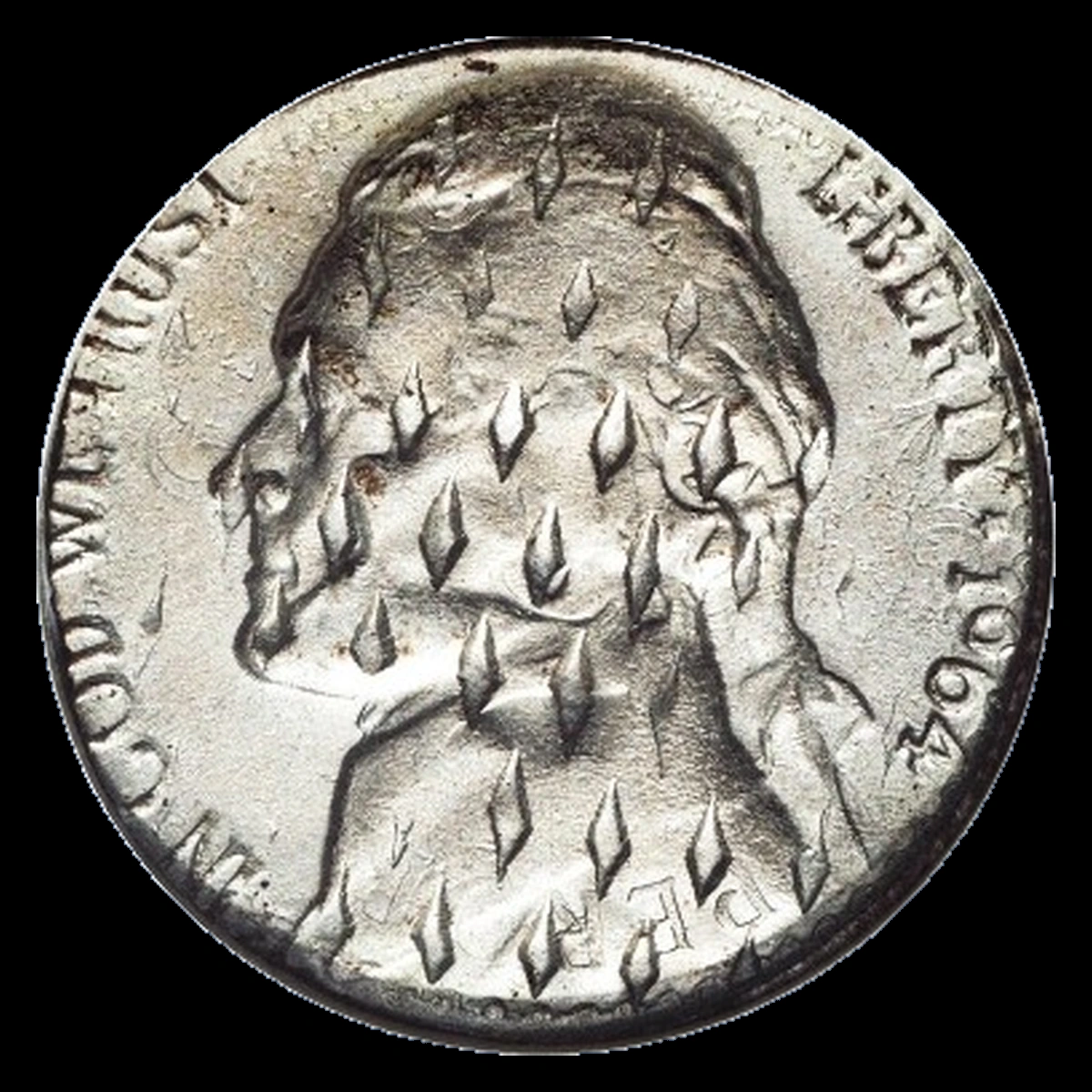
9. 1964 Nickel Older Designs and Diamond Dents: Indian Quarter-Rupee Overstrike Error
This Denver nickel began as an already struck 1940 Indian quarter rupee. Diamond-shaped dents were present before the nickel design was impressed over it.
The surviving sequence is unusual and differs from a foreign blank accidentally entering the press. It does not establish how the damaged host coin reached the nickel dies.
How to Identify
Compare the old Indian detail, patterned dents and newer nickel impression. The illustrated foreign-coin overstrike helps separate these layers.
Record the actual host’s measurements and edge rather than requiring normal nickel specifications. A proposed story about its maker cannot replace visible evidence of the striking order.
What It’s Worth
This authenticated overstrike type has a working estimate of $1,000–$3,000. The earlier damage is already part of the unusual object being valued.
The ANACS MS60 example sold for $1,610 in May 2008. That whole-coin result does not need the host’s ordinary value added to it.
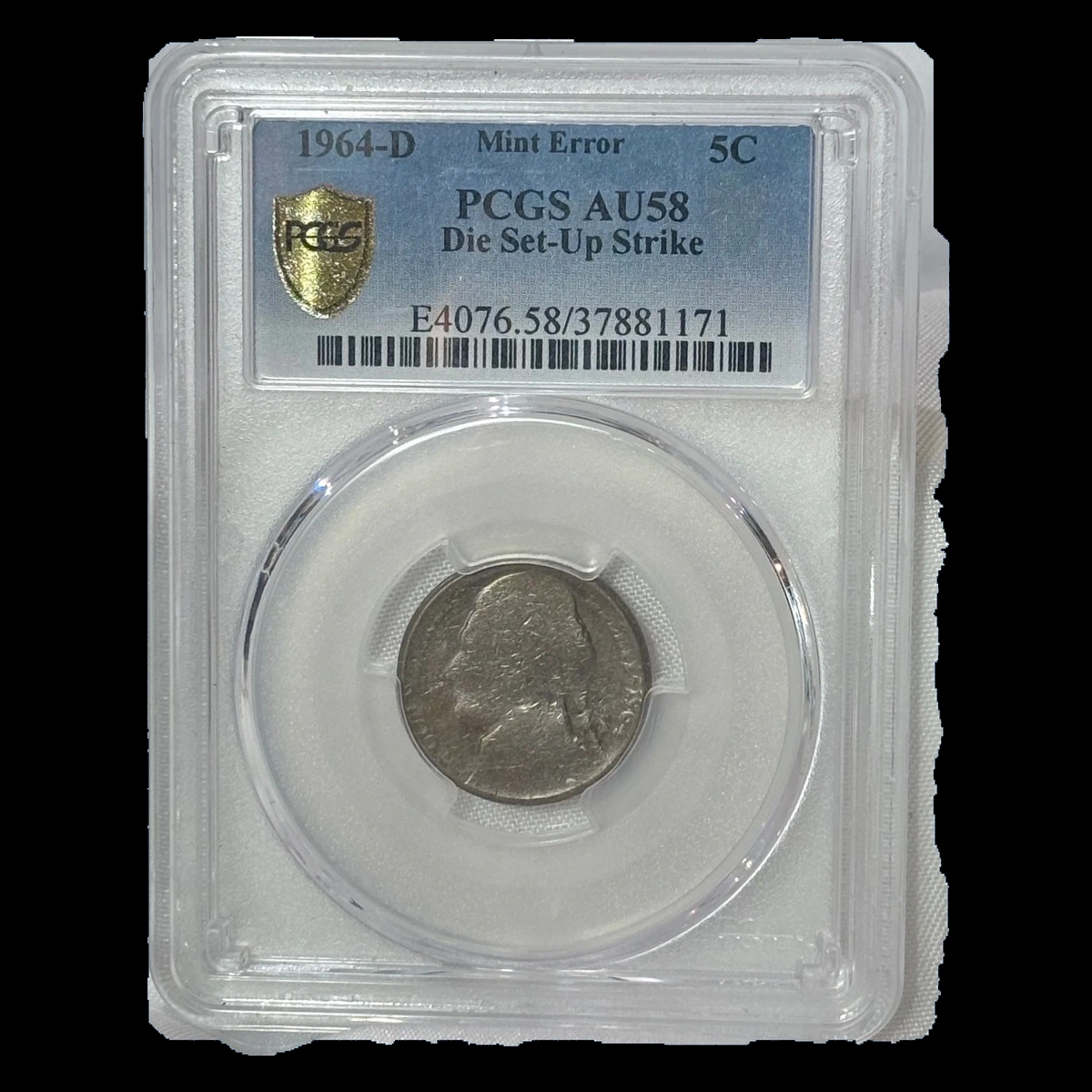
10. 1964 Nickel Soft Hair and Steps: Weak Strike Error
Unformed detail can remain on an otherwise original surface when striking pressure or die condition fails to bring up the full design. Jefferson’s hair and Monticello’s steps are useful inspection areas.
Soft steps are common enough that their absence alone does not establish a special error. Nor does this appearance identify an experimental strike.
How to Identify
Compare high points with protected spaces as the coin turns under a lamp. Wear, polishing and squeezing can flatten detail after minting.
Examine hair, lettering and both faces instead of judging only the stair lines. A distinctly weak original impression should be supported by the surrounding surface.
What It’s Worth
Convincing weak-strike errors are estimated at $5–$50. An ordinary worn coin or routinely soft steps do not automatically receive that premium.
The supplied report establishes no individual auction for this range. Preserved surface quality helps demonstrate why the weak detail is unusual.
11. 1964 Nickel Dark Original Color: Improper Annealing Error
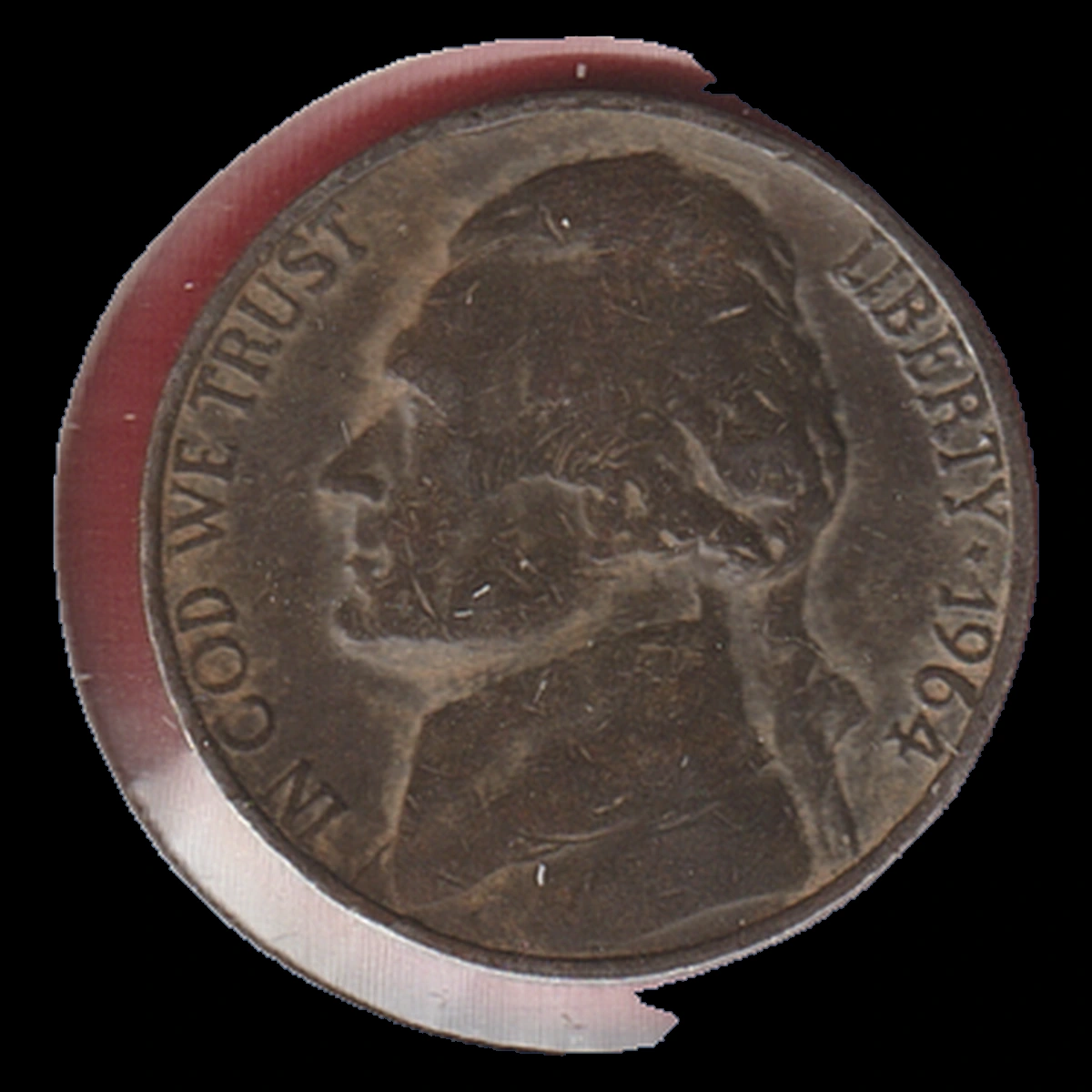
Blanks are heated to soften them before striking, a process called annealing. Problems during heating can change the surface color.
A Philadelphia example was auctioned as improperly annealed, while Denver examples are also reported. The nickname Black Beauty describes appearance rather than proving when the color developed.
How to Identify
Compare the coin with a normal nickel under neutral light and inspect protected detail for coatings, pits or crusts. Later heating and chemicals can also darken metal.
Do not rub away a test patch. Normal dimensions and weight cannot authenticate the origin of a dark surface.
What It’s Worth
Authenticated heating errors are estimated at $20–$150. The estimate requires a Mint-related surface, not simply a black coin.
The Philadelphia example sold for $39 in September 2008. A 2005-D comparison brought $119 in December 2022, without establishing a sale for a 1964-D piece.
12. 1964 Nickel Loose Surface Metal: Lamination Error
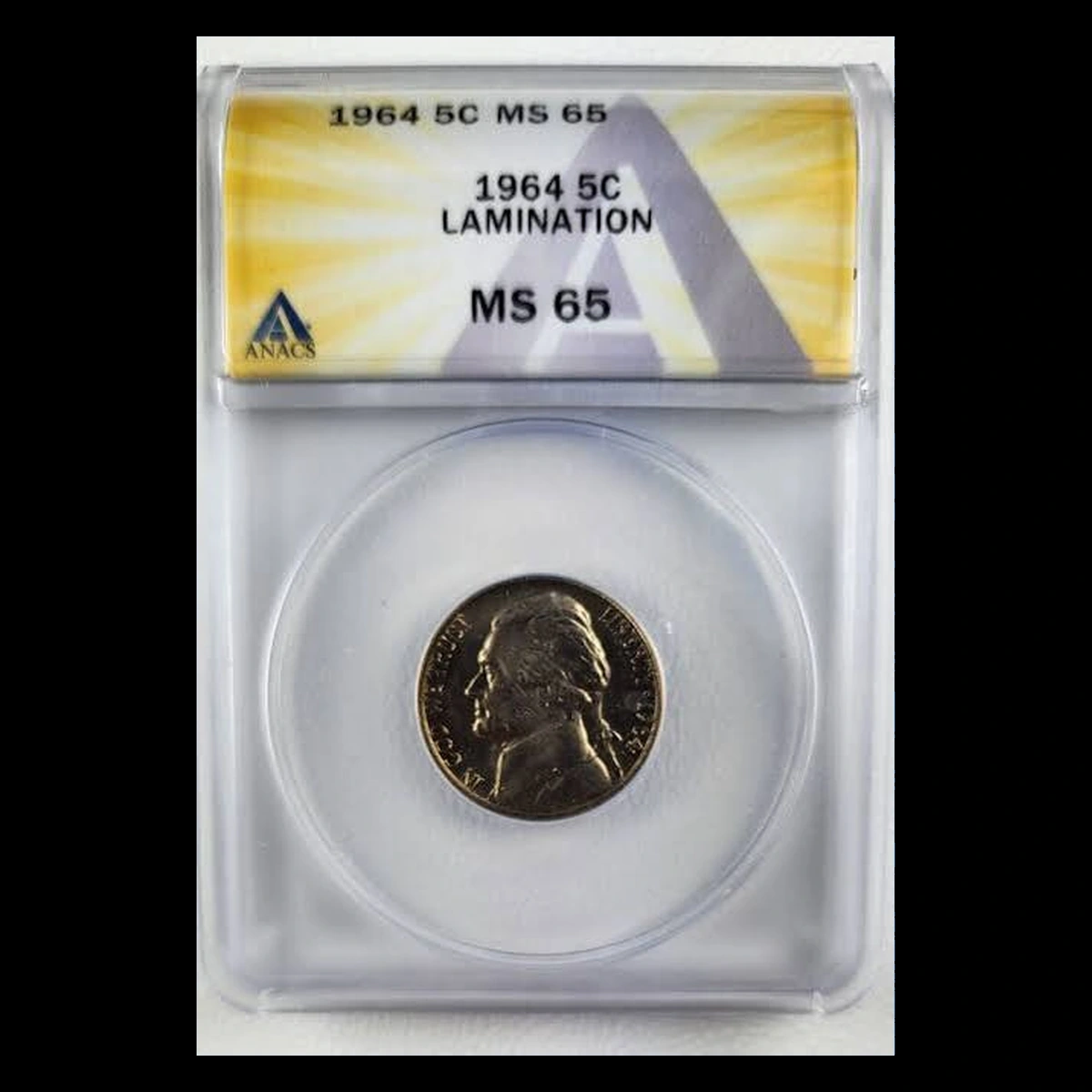
A weakness within the copper-nickel alloy can leave an attached flap or a rough opening where metal separated. This is called a lamination.
The reported 1964 type has no fixed mint or location. It is not the loss of a normal outer nickel coating.
How to Identify
Use side lighting to show the flap without lifting it. Follow the opening into the original metal and inspect any connection to the edge.
A coating peeling above finished letters and a trench scraped into the face have different origins. Attached metal can leave the weight nearly unchanged.
What It’s Worth
Original laminations are estimated at $10–$200. A large visible flap can be appealing, but lost or damaged design also affects condition.
No specific 1964 sale establishes the full range. Pulling off a retained flap removes useful evidence and can reduce appeal.
13. 1964 Nickel A Woven Face or Missing Detail: Strike-Through Error
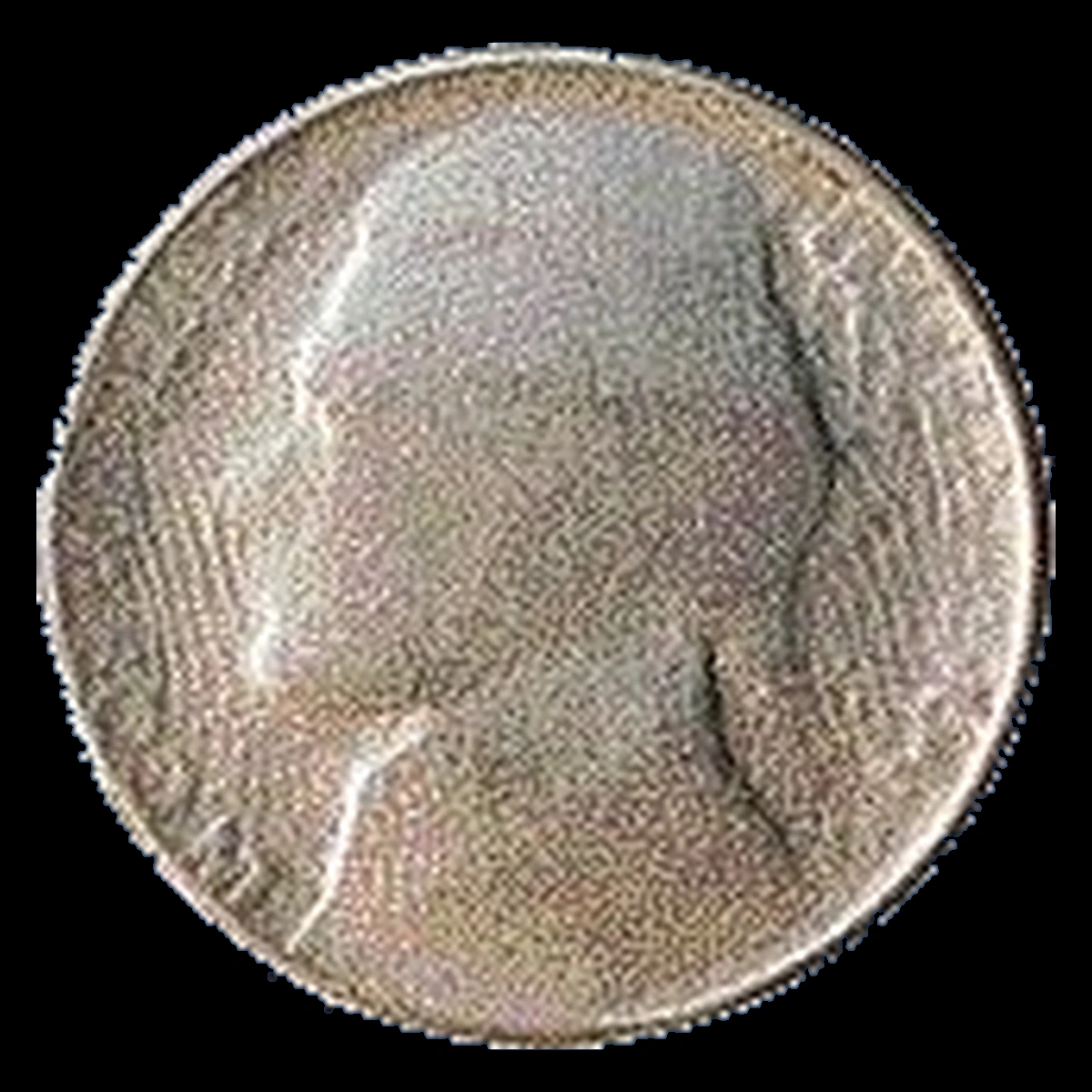
The front of one 1964 nickel carries an extensive cloth impression instead of a normal portrait. Its reverse retains ordinary shine and a slightly soft strike.
Other reports concern grease-filled dies or different obstructions. Smooth missing detail does not establish the same cloth mechanism.
How to Identify
Look for crossing thread impressions within the metal rather than loose fibers resting on it. The whole-face example needs its authenticated identification because the affected front may hide the date.
Compare the reverse and edge without rubbing the surface. A small smooth blocked area should not borrow the woven texture or coverage of this specimen.
What It’s Worth
Extensive convincing cloth strike-throughs are estimated at $400–$1,500, while minor blocked details fall around $5–$100. These are distinct levels of severity.
The NGC MS64 full-front cloth example sold for $862.50 in December 2009. It was accompanied by an older Error Trends certificate.
14. 1964 Nickel A Smooth Overlap Depression: Indent Error
An overlapping blank can prevent part of a nickel from meeting the die. Its boundary leaves a depression without requiring any transferred design.
Reports include a 90% front indent with a cupped shape, a separate broadstrike with a 25% front indent, and combinations with off-center striking. Some dates are assigned as “(1964).”
How to Identify
Trace the rounded boundary where normal detail stops. Sunken backward letters would indicate contact with a struck coin rather than a plain blank.
Show cups from the side without bending them. Keep each specimen’s percentage, affected face and date certainty separate.
What It’s Worth
Combined indent errors are estimated at $100–$1,000. Their depth, shape and condition should be judged together.
Three broadstruck indents brought $150, $216 and $312 in July 2021; an off-center coin with a reverse indent brought $288. None automatically establishes the value of the reported 90% cupped example.
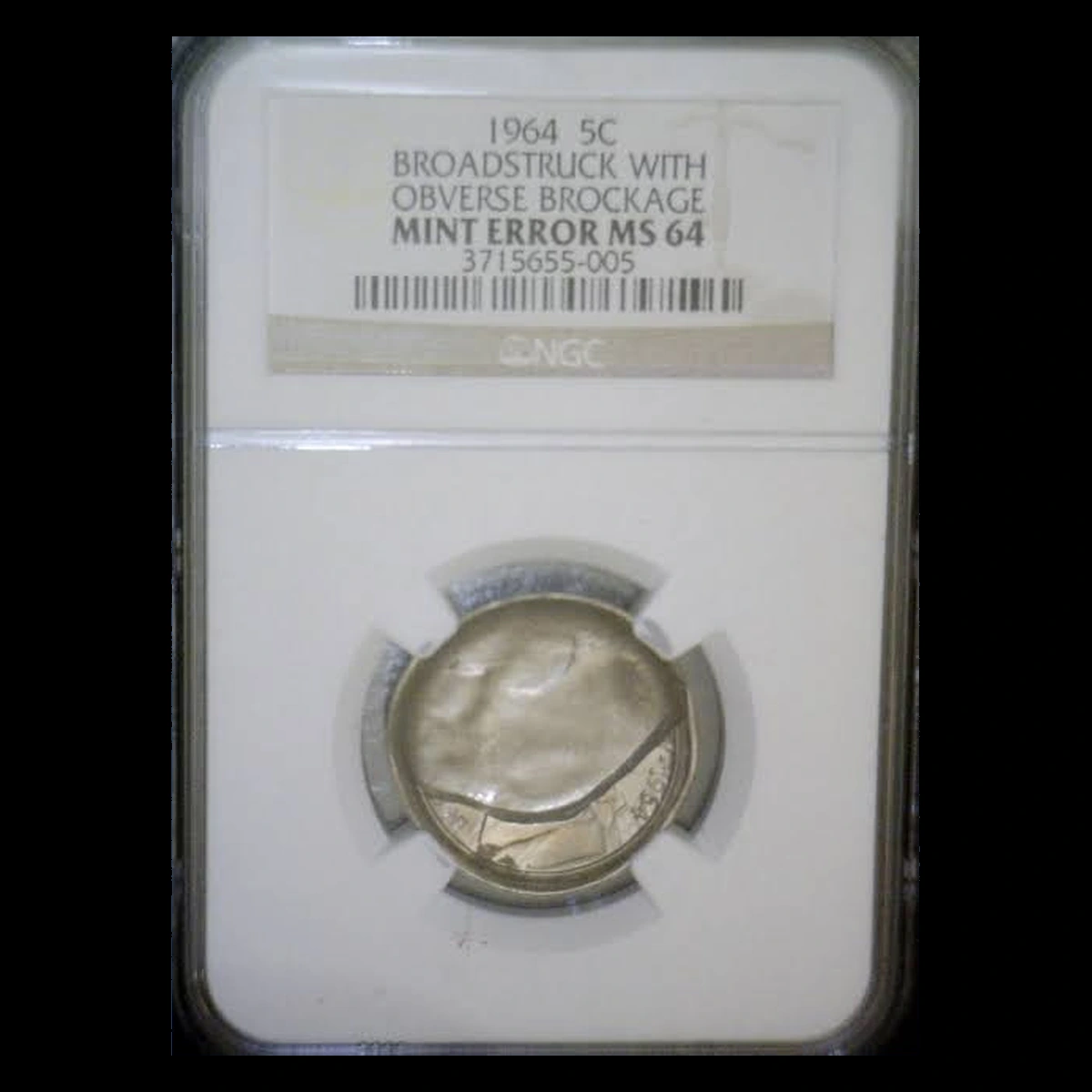
15. 1964 Nickel Backward Detail on an Expanded Coin: Brockage Error
A previously struck coin can press its raised design into another blank, leaving a sunken mirror image called brockage. The reported 1964 examples also broadstruck.
Separate NGC MS64 and MS66 listings describe front brockage. These grades belong to different coins.
How to Identify
Confirm that the unusual letters are both backward and below the surrounding surface. An empty depression without transferred detail is not enough.
Match the impression to the design that produced it and photograph both faces unchanged. A mirrored editing copy can aid comparison only if the original view is also retained.
What It’s Worth
This broadstrike-and-brockage combination is estimated at $200–$1,000. Clear transferred detail usually makes the event easier to demonstrate.
The MS64 coin sold for $319.20 in July 2021. The result covers the whole combination and is not a documented price for the separate MS66 piece.
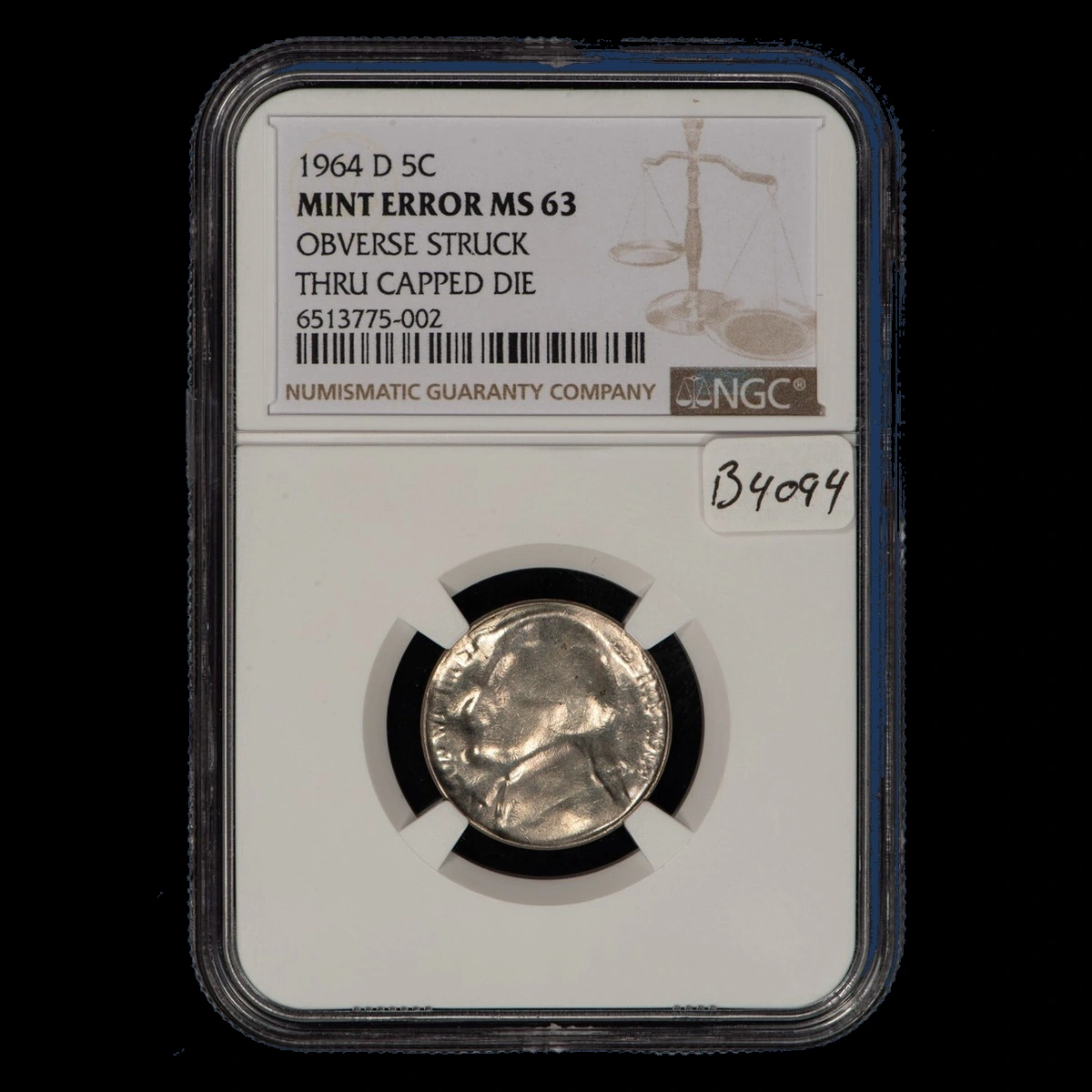
16. 1964 Nickel A Reverse Blocked by a Stuck Coin: Capped-Die Strike Error
If a previously struck coin stays attached to a die, the next blank receives pressure through it. That later coin is a capped-die receiver.
The auctioned 1964-D specimen has its reverse affected. It is distinct from the cup-shaped coin that served as the cap.
How to Identify
Compare the affected back with the more normally impressed front and preserve the D in photographs. A side view helps distinguish a receiver from a tall cap.
The supplied description does not establish a complete mirror image or a particular thinning stage. Do not borrow those features from a different capped-die coin.
What It’s Worth
Comparable receivers are estimated at $150–$750. Surviving design and surface quality affect the comparison.
The NGC MS64 Full Steps Denver coin sold for $360 in July 2021. Full Steps describes surviving stair detail, not proof of an unseen mirrored design.
17. 1964 Nickel Distinct Impressions Across One Coin: Multiple Strikes Error
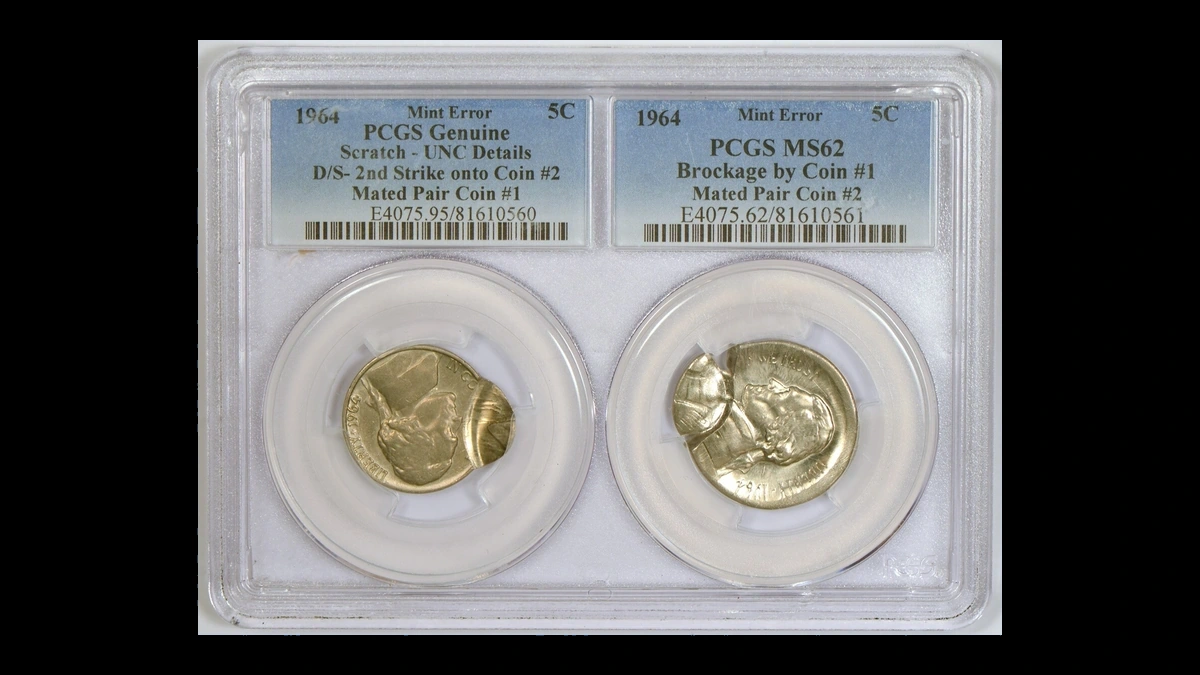
A separate date or portrait at another angle can reveal movement between strikes. Recorded 1964 pieces include two off-center impressions, a second strike 90% off center and a four-strike coin.
The four-strike piece rotated between blows, with other blanks blocking its back during the final three. Another triple strike has an assigned “(1964)” date.
How to Identify
Locate separate centers of design and trace which impression overlaps another. Slightly thick letters alone do not demonstrate repeated strikes.
When one face lacks matching impressions, examine evidence of an obstruction on that coin. Keep uncertain date digits unfilled rather than completing them from expectation.
What It’s Worth
Estimated values run $100–$2,000 across simpler doubles and more elaborate sequences. Extra strikes do not multiply the price mechanically.
The 90% second strike brought $144 in July 2021, and the four-strike coin brought $1,200 in May 2018. A multiply struck indent sold for $168 in July 2021, while the assigned-date triple strike brought $499.38 in July 2014.
18. 1964 Nickel Separate Struck Areas and a Bridge: Reported Saddle Strike Error
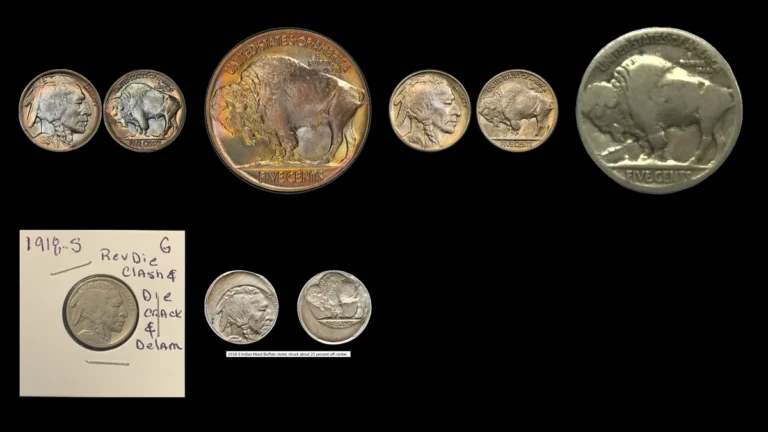
A saddle strike can leave struck areas connected by a bent bridge. The relevant auction title says both 1964 and Buffalo nickel, an incompatible year-and-series combination.
That conflict prevents the listing from establishing a 1964 Jefferson example by itself. The actual designs and date must resolve its identity.
How to Identify
Identify Jefferson and Monticello before interpreting the shape. An Indigenous portrait and buffalo belong to another series.
Examine the struck areas and bridge without flattening them. Random folds or vise marks cannot establish a saddle strike.
What It’s Worth
A genuine 1964 Jefferson triple saddle strike carries a conditional estimate of $500–$2,000. Confirming its year and design comes first.
The title-conflicted lot sold for $1,140 in July 2021. This actual lot result does not settle which year and series the coin belongs to.
19. 1964 Nickel A Coin Wrapped into a Cup: Die Cap Error
A coin that sticks to a die can curl around it as more blanks enter the press. The resulting cup is the die cap itself.
A 1964 obverse cap is cataloged at NGC MS65. A separate report calls a piece a reverse cap while describing a blocked later strike, leaving its role uncertain.
How to Identify
Photograph the side wall, inside and outside without pressing the coin flat. Original design should remain consistent with metal wrapping around a tool.
Look for later cutting or squeezing marks. A nearly flat blocked receiver must not be priced as a tall cap merely because its label uses similar language.
What It’s Worth
Genuine comparable caps are estimated at $750–$2,500. Shape, condition and surviving detail drive the comparison.
The MS65 obverse cap sold for $1,500 in July 2021. The ambiguous reverse-cap report gives $270 without a confirmed sale date or a settled cap-versus-receiver identity.
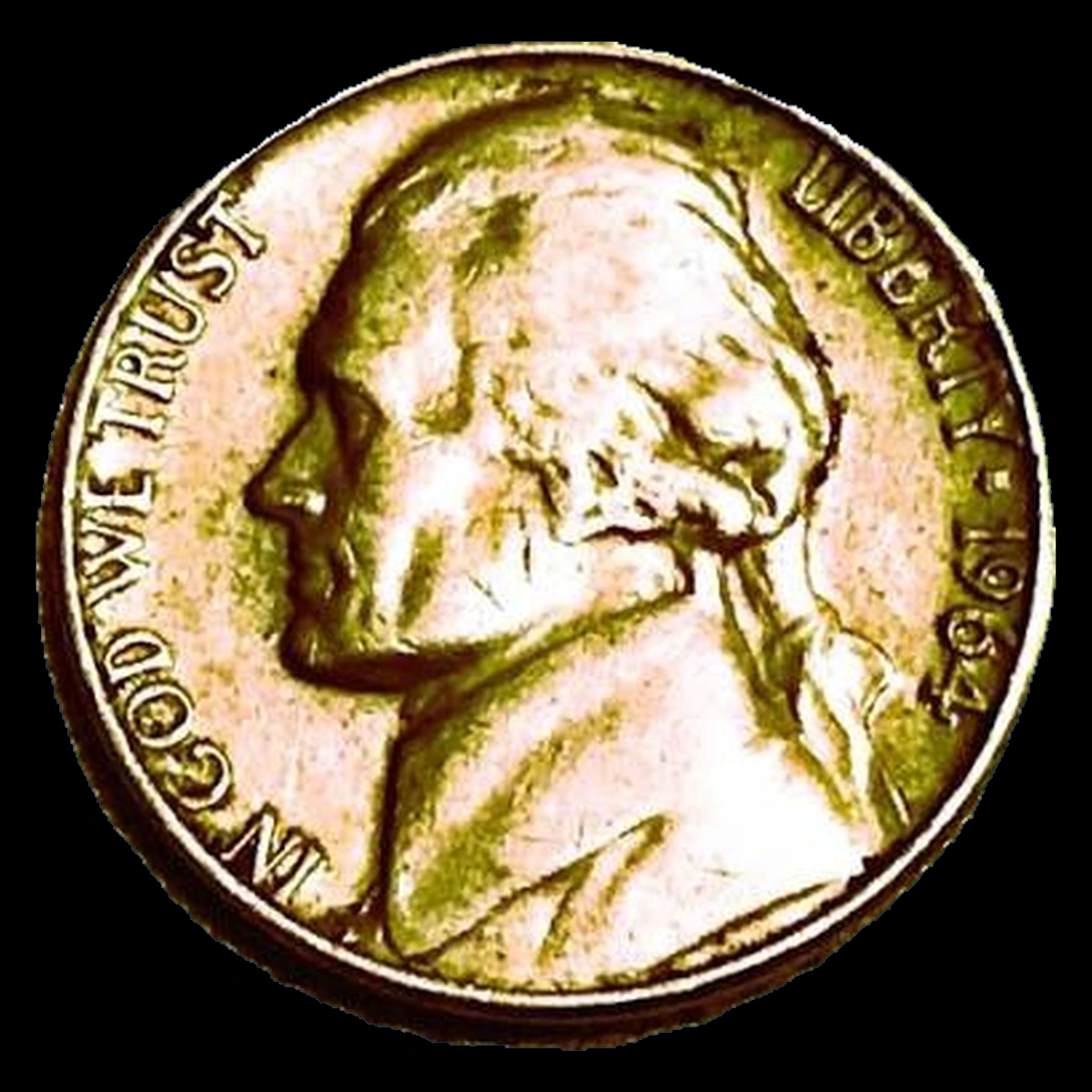
20. 1964 Nickel Raised Ridges and Rim Patches: Die Cracks and Breaks Error
Metal entering a crack in a die forms an extra raised line. Missing die steel can leave a larger patch; when that missing section reaches the rim, the result is called a cud.
A broken section that stays in place may retain some shifted design. General 1964 reports establish no universal mint, location or outline.
How to Identify
Establish the rim connection before naming a cud. Surviving letters on a displaced patch can help distinguish a retained fragment from completely missing die steel.
For a thin line, use side lighting to separate a ridge from a cut-centered scratch. Examine the edge for a later blow that pushed metal upward.
What It’s Worth
Small cracks are estimated at $5–$40 and substantial rim-connected breaks at $40–$400. The actual visible break matters more than a dramatic nickname.
A worn 1983-P cud sold for $63 in July 2022. That different-year result is not a 1964 auction record.
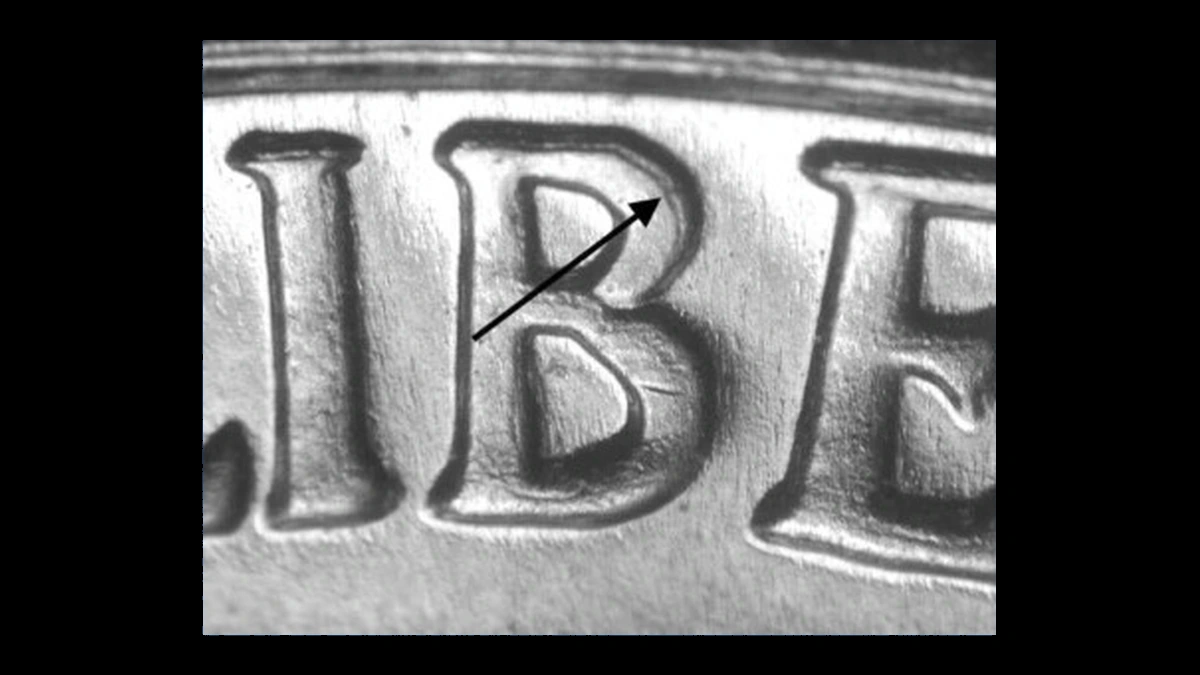
21. 1964 Nickel Extra Letter Outlines: Doubled Die Error
Repeated lettering can be part of the die itself. Denver examples include front motto doubling and inward reverse-letter outlines, while Philadelphia has many separate patterns, often on specially prepared Proofs.
Some repeated features came from a parent tool used to make several dies. A shared outline therefore may not identify one particular working die.
How to Identify
Choose the correct mint and finish in the 1964 variety photographs. Follow complete raised separation rather than flat shelves from movement during striking.
Compare smaller identifying marks before assigning a catalog number. Front and back doubling, when present together, still belong to one coin.
What It’s Worth
Minor matched patterns are estimated at $10–$100, with stronger identified varieties around $100–$1,500. Attractive Proofs can occupy a different market from ordinary Denver strikes.
These are estimates rather than one sale applied to every listing. Finish, exact pattern and condition must agree with the comparison.
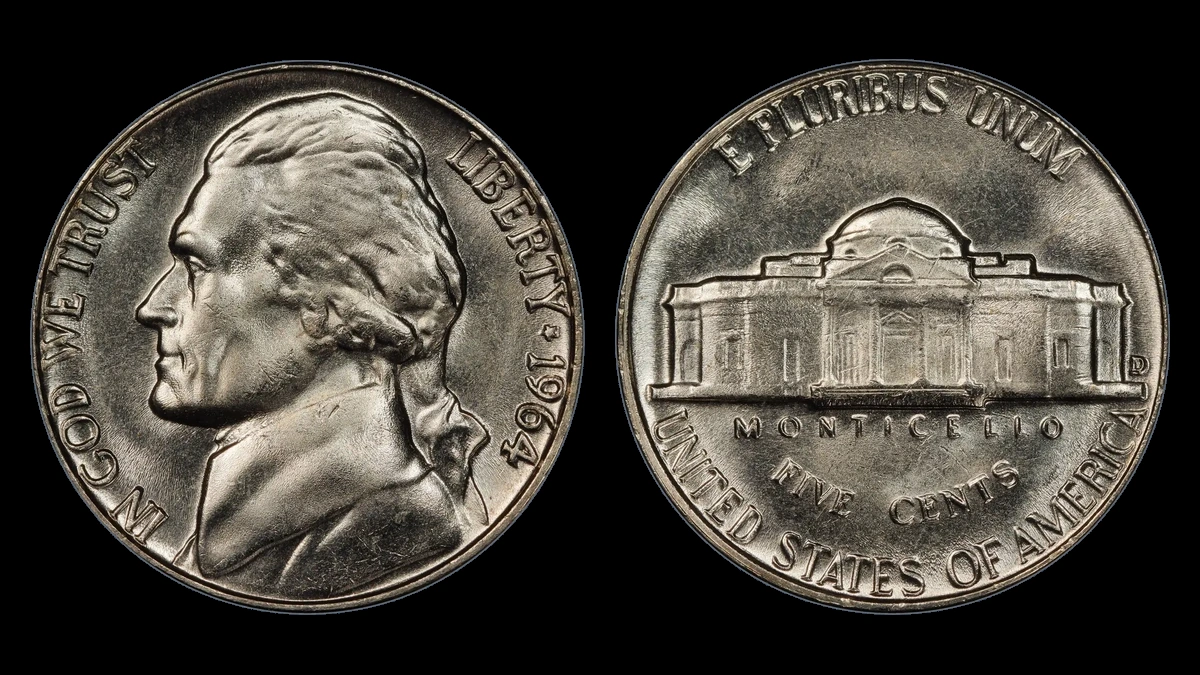
22. 1964 Nickel A Second Outline Under the D: Repunched Mintmark Error
The small Denver D was punched into the die separately. More than one placement can leave a partial extra outline, creating a repunched mintmark.
FS-501 shows the extra outline below the main D. Other varieties include eastward traces and should not be assigned the same identity.
How to Identify
Inspect the D beside Monticello, not beneath the obverse date. Match the whole letter and nearby markers with a labeled variety photograph.
A flat shelf from striking movement is a lookalike. Philadelphia’s blank mintmark area is normal rather than a missing-letter error.
What It’s Worth
Minor matched repunched mintmarks are estimated at $25–$300. Exceptional preserved FS-501 coins can occupy a much higher $1,000–$19,800 range.
An FS-501 graded PCGS MS66 sold for $19,800 in July 2022. That result values an exceptional unworn whole coin, not every doubled D or an assumed Full Steps designation.
23. 1964 Nickel Two Coins That Explain Each Other: Matched Pair Error
Matching contact surfaces can connect two surviving coins to one press accident. Recorded types include a repeated-strike pair, a reported 75% indent matched with a 25% off-center coin, and a separate pair of Proof caps.
The Proof pair has curled edges with small projecting points. These three pairs are separate objects, not successive stages of one accident.
How to Identify
Compare both members in photographs without pushing them together. The outline or transferred design on one should correspond to the contacting part of the other.
The repeated-strike pair has a surviving date beside a backward impression on its second coin, with cracks near 12 and 4 o’clock. Those details should not be transferred to the Proof pair.
What It’s Worth
Complete convincing pairs are estimated at $2,000–$8,000 for both coins together. Neither member automatically carries the full pair price on its own.
The repeated-strike pair brought $3,000 in July 2021, and the Proof cap pair brought $6,000 that month. The reported indent pair needs its own price evidence.
Conclusion
1964 nickel errors cover both dramatic press accidents and details small enough to need magnification. Preserve the whole-coin view while recording the feature that makes a candidate unusual.
Use the right comparison: a copper blank differs from a silver dime blank, a cap differs from its receiver, and a pair price covers two matching coins. The exceptional FS-501 result also requires the correct variety and preservation, not merely an extra-looking D.