Rare 1956 Nickel Errors (List & Pictures)
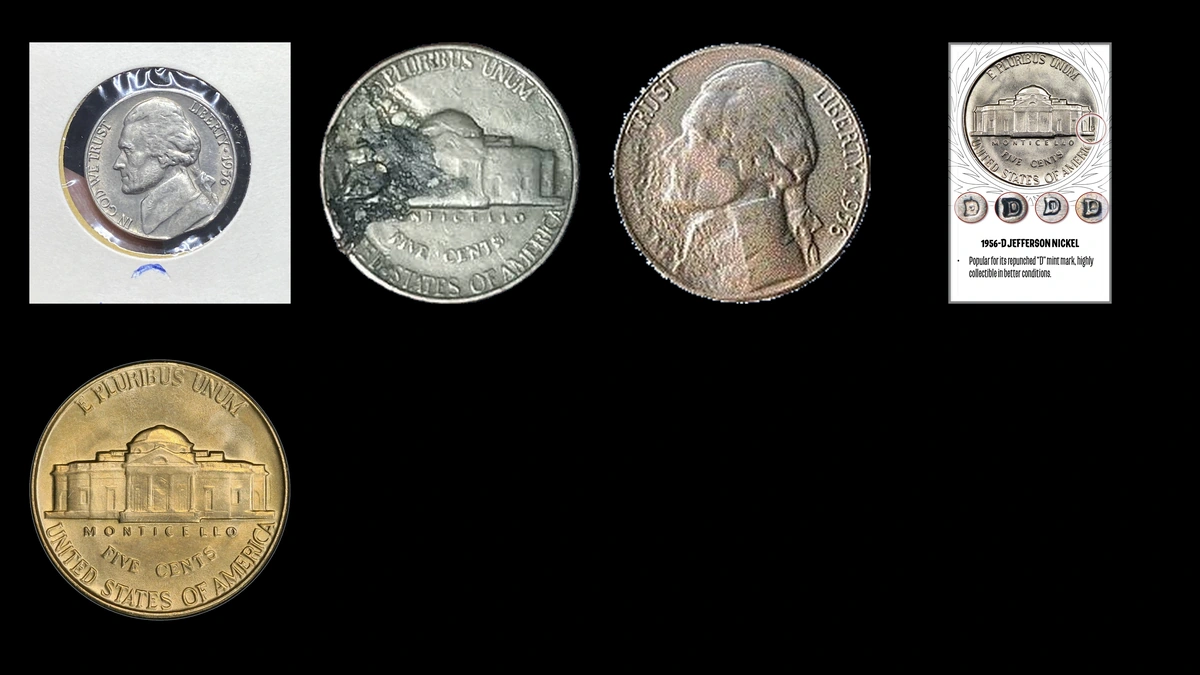
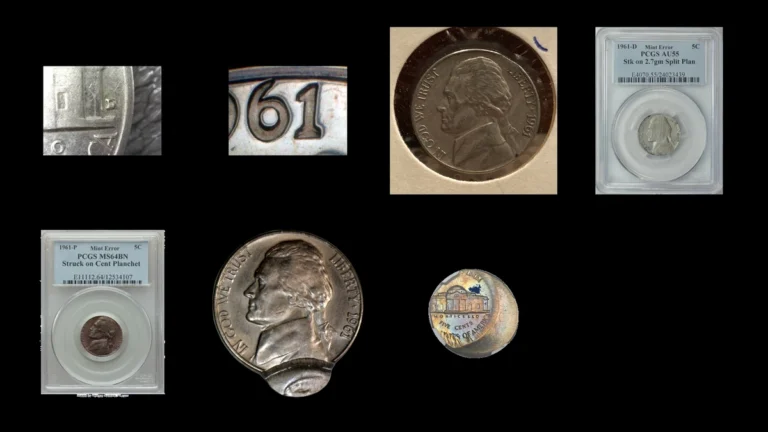
A 1956 nickel struck on a copper cent blank sold for $1,495 in August 2010. Estimated values for 1956 Jefferson nickel errors range from $5–$1,500, covering much more than copper-colored coins.
Start by comparing the coin’s outline and thickness, then use its surface and repeated design details to narrow the explanation.
| Visible clue | Possible error | Estimated range |
|---|---|---|
| Missing edge section | Clipped blank | $20–$700 |
| Unused crescent beside design | Off-center strike | $25–$500 |
| Reduced thickness | Rolled-thin blank | $75–$350 |
| Small copper disk | Cent-blank strike | $300–$1,500 |
| Dark original surface | Improper annealing | $15–$150 |
| Peeling coin metal | Lamination | $10–$200 |
| Interrupted or textured design | Strike-through | $5–$600 |
| Raised ridge or edge patch | Die crack or break | $5–$300 |
| Additional D outline | Repunched mintmark | $10–$250 |
| Repeated lettering | Doubled or multiple die design | $25–$1,500 |
A normal nickel weighs 5 grams and measures about 21.2 millimeters across its plain edge. On this date, Denver’s D is beside Monticello; ordinary Philadelphia coins have no mintmark there.
1. 1956 Nickel An Incomplete Outline: Clipped Blank Error
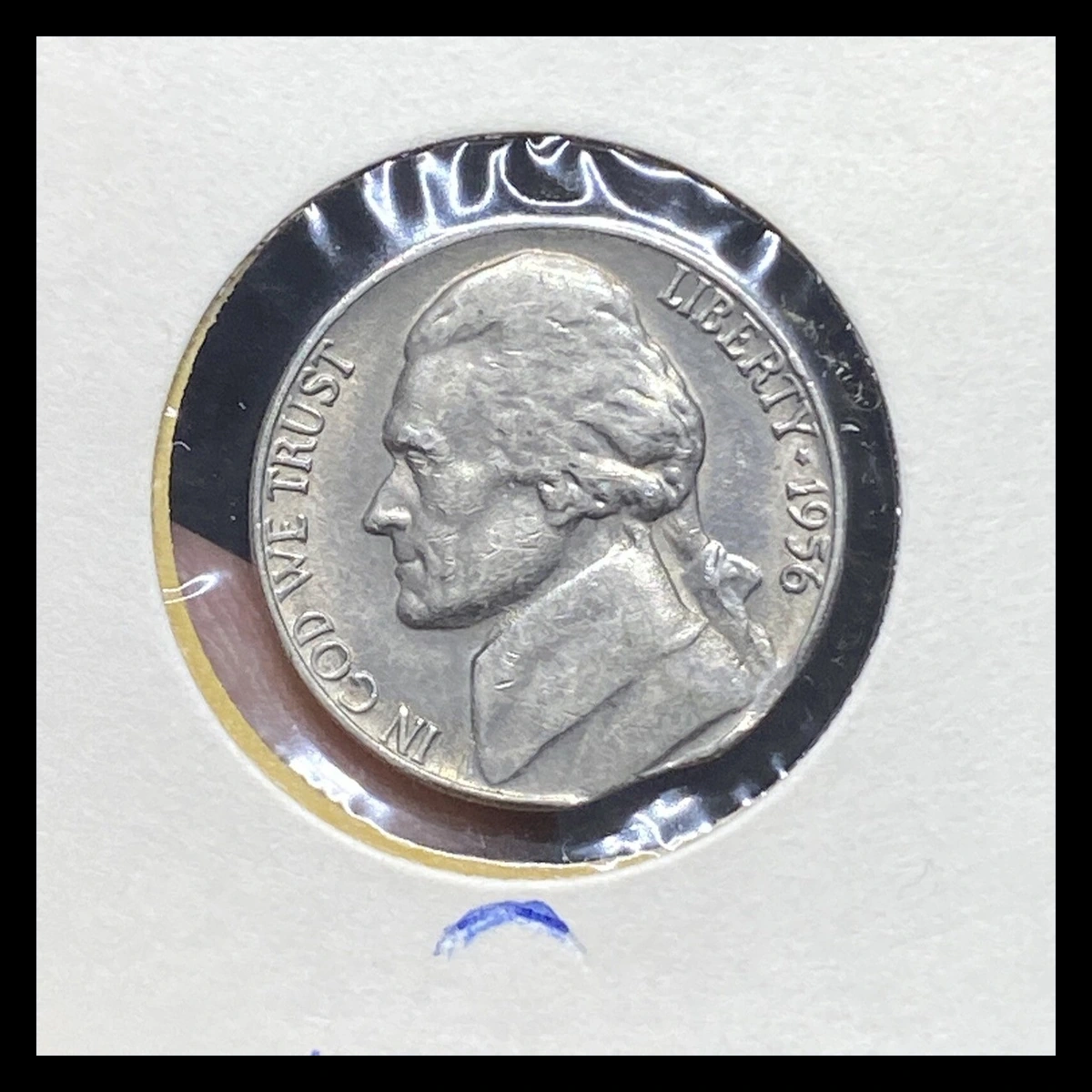
A curved or ragged opening can date from before the strike. The press formed its design around a blank that was already missing metal.
Recorded Philadelphia examples include a 15% curved clip and a separate 1% ragged clip. They are distinct specimens with very different auction contexts.
How to Identify
Photograph the complete outline and inspect the opening under magnification. Natural metal flow at its ends differs from a cut made through finished letters.
Weight loss can support missing metal, but it cannot prove when removal happened. Check the remaining edge for filing and keep the actual date visible.
What It’s Worth
Estimated values span $20–$700 for genuine examples of these reported shapes. Clip percentage alone cannot rank their prices.
An auction-price index records $630 for the 1% ragged clip in March 2026. The 15% curved clip belonged to a five-nickel lot that sold for $69 in August 2010, so $69 is not its individual price.
2. 1956 Nickel A Shifted Design with Solid Unused Metal: Off-Center Strike Error
A blank that sits partly outside the dies can receive only part of the design. The unused crescent remains solid metal, unlike the open gap of a clip.
Guides report 1956 examples from Philadelphia and Denver. They do not establish one certified percentage or clock direction for the type.
How to Identify
Compare both faces to see whether one misplaced blank explains the lost detail. If the other design is centered, investigate die alignment instead.
Examine the boundary for scraping or grinding that might have erased detail later. Photograph the date and surviving mintmark area before estimating the shift.
What It’s Worth
Genuine dated examples are estimated at $25–$500. Readable identification and attractive surfaces can be as important as the amount of unused metal.
A 1999-P nickel struck 15% off center brought $64 in March 2025. This different-year comparison does not provide an auction history for a 1956 report.
3. 1956 Nickel A Thin Coin with Incomplete Detail: Rolled-Thin Blank Error
Metal strip rolled too thin can produce a blank that does not fully fill the dies during striking. The auctioned 1956 Philadelphia example was described as 10% rolled thin and graded PCGS MS64.
Its exact measured weight was not supplied. This error concerns the coin’s own blank, not a second thin piece that blocked its design.
How to Identify
Record the candidate’s actual weight, width and accessible edge thickness. Do not turn the reported 10% figure into an assumed 4.5-gram measurement for the auctioned coin.
Inspect for grinding lines, filed edges or detail removed after striking. Weak design alone cannot establish original reduced thickness.
What It’s Worth
Comparable authenticated thin-blank nickels are estimated at $75–$350. Preservation and a measurable original difference support the comparison.
The PCGS MS64 10% rolled-thin example sold for $111 in July 2021. MS64 describes an unworn coin with some marks.
4. 1956 Nickel A Small Copper-Colored Coin: Cent-Blank Strike Error
Jefferson can appear on a blank intended for Lincoln when a cent blank enters the nickel press. The smaller disk cannot receive the full nickel design.
A Philadelphia NGC MS64 Red and Brown example weighs 3.1 grams, and a separate Denver report gives 3.12 grams. Another Philadelphia PCGS MS62 Brown specimen has no measured weight supplied here.
How to Identify
A copper cent blank of this era starts near 3.11 grams and 19.05 millimeters. Use the candidate’s own measurements and metal evidence, allowing for spreading during its nickel strike.
Inspect the cropped design and edge for filing or a coating. An unused cent blank needs no earlier Lincoln impression beneath Jefferson.
What It’s Worth
Authenticated examples are estimated at $300–$1,500. Mint, remaining design, copper color designation and grade belong to the individual coin being compared.
The 3.1-gram MS64 Red and Brown Philadelphia piece sold for $1,495 in August 2010. A different-year 1981-P example brought $372 in September 2025; neither result belongs to the separate brown MS62 coin.
5. 1956 Nickel A Dark or Coppery Surface: Improper Annealing Error
Annealing is the heating that softens a blank before striking. Poor conditions during that step can change its color or texture.
The 1956 report does not establish one mint or finish. A normal nickel is one copper-nickel mixture throughout, so brown color is not evidence of a missing nickel coating over copper.
How to Identify
A much smaller or lighter copper-colored piece needs a wrong-blank examination first. On a normal-sized candidate, compare protected lettering with open areas for coatings and corrosion.
Use neutral light and leave the surface untouched. Later heating, chemicals and stains can imitate the appearance, even when measurements are normal.
What It’s Worth
A genuine original heating error is estimated at $15–$150. The range is not a recorded sale of a particular 1956 specimen.
A lightly worn 1960 Philadelphia improperly annealed nickel sold for $89 in June 2026. Its different year and authenticated surface remain part of the comparison.
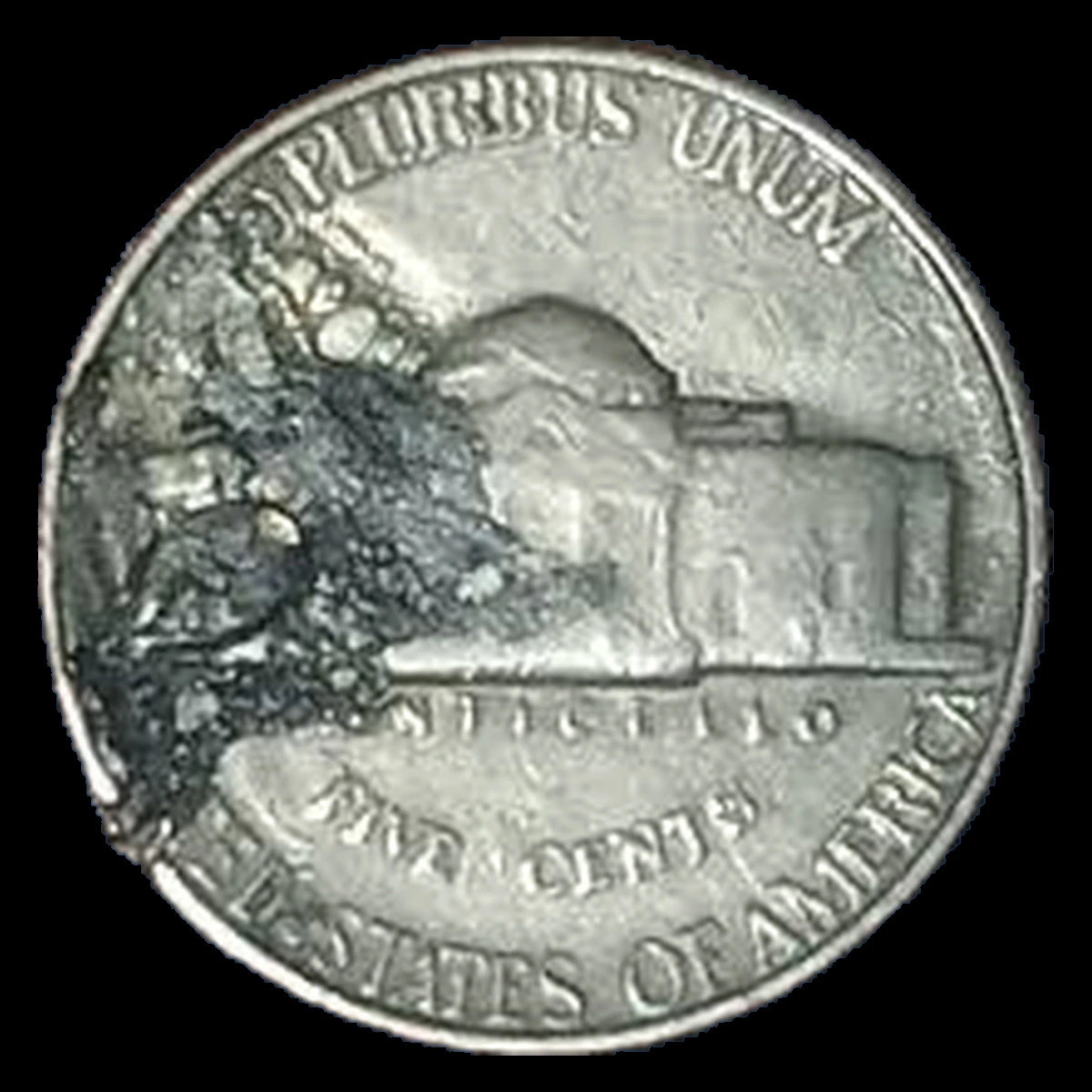
6. 1956 Nickel A Flap in the Original Metal: Lamination Error
A thin separation can leave an attached flap or an opening where metal fell away. The weakness is inside the alloy, rather than between a normal outer coating and a core.
The reported 1956-D lamination has no verified location on Jefferson or Monticello. Follow the candidate’s actual split instead of expecting one standard mark.
How to Identify
Light the opening from the side without lifting loose metal. Trace the split into the surrounding surface and inspect the edge if it reaches the outline.
A coating on top of finished detail, corrosion or a scraped trench can have a similar appearance at first. An attached flap may leave the weight nearly normal.
What It’s Worth
Original laminations are estimated at $10–$200. Their size, remaining design and overall condition determine the better comparison.
No individual Denver sale establishes this report’s range. Preserve any attached flap, which may be the clearest evidence of the separation.
7. 1956 Nickel Faint or Textured Designs: Strike-Through Error
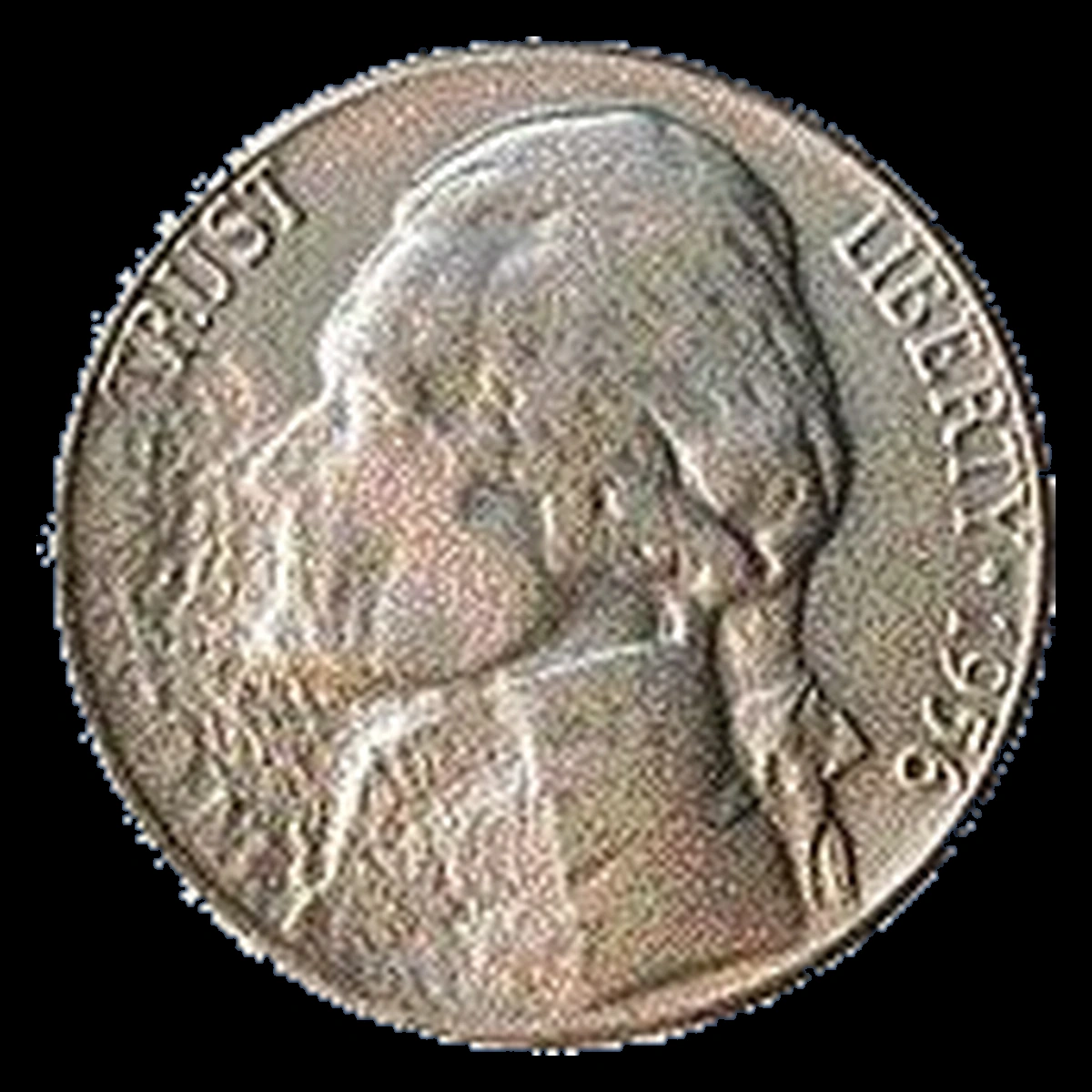
A thin piece of metal between the blank and reverse die left a faint raised Monticello on an illustrated Philadelphia example. The obstruction could have been rolled thin or split from another blank.
A separate Denver coin has irregular texture on the left obverse without a cloth weave. Grease-filled dies are also reported, but these effects do not share one identified material.
How to Identify
The illustrated thin-blank obstruction explains weakened transferred design. It does not establish that the receiving nickel itself is thin or underweight.
For the Denver type, inspect the texture and its boundary beside normal detail. A rough impression without crossing thread lines should not be called cloth.
What It’s Worth
Minor grease-related weakness is estimated at $5–$50, while clear texture or extensive blocked design can fall around $75–$600. Identify the visible effect before choosing the range.
Neither illustrated 1956 case has a stated sale in the supplied reports. A different-year 2000-P obverse strike-through sold for $84 in February 2015.
8. 1956 Nickel Raised Lines and Edge Patches: Die Cracks and Breaks Error
A crack in a die, the steel tool that stamps the coin, can leave a ridge. A missing piece of steel leaves a larger raised area, called a cud when it connects to the rim.
Denver reports include front cracks without one fixed route or rim position. An impact after minting can also push metal upward.
How to Identify
Follow a narrow line under side lighting to distinguish its raised center from a scratch. A scratch can have raised edges beside a sunken cut.
For a broad patch, establish the rim connection and inspect the nearby edge for a dent. Compare the area with an ordinary nickel to avoid mistaking normal design for extra metal.
What It’s Worth
Modest original cracks are estimated at $5–$40, and substantial rim-connected breaks at $40–$300. Visibility and preserved surrounding detail affect appeal.
A worn 1983-P cud nickel sold for $63 in July 2022. This different-year result does not establish the price of a particular 1956-D break.
9. 1956 Nickel Another Outline Above the D: Repunched Mintmark Error
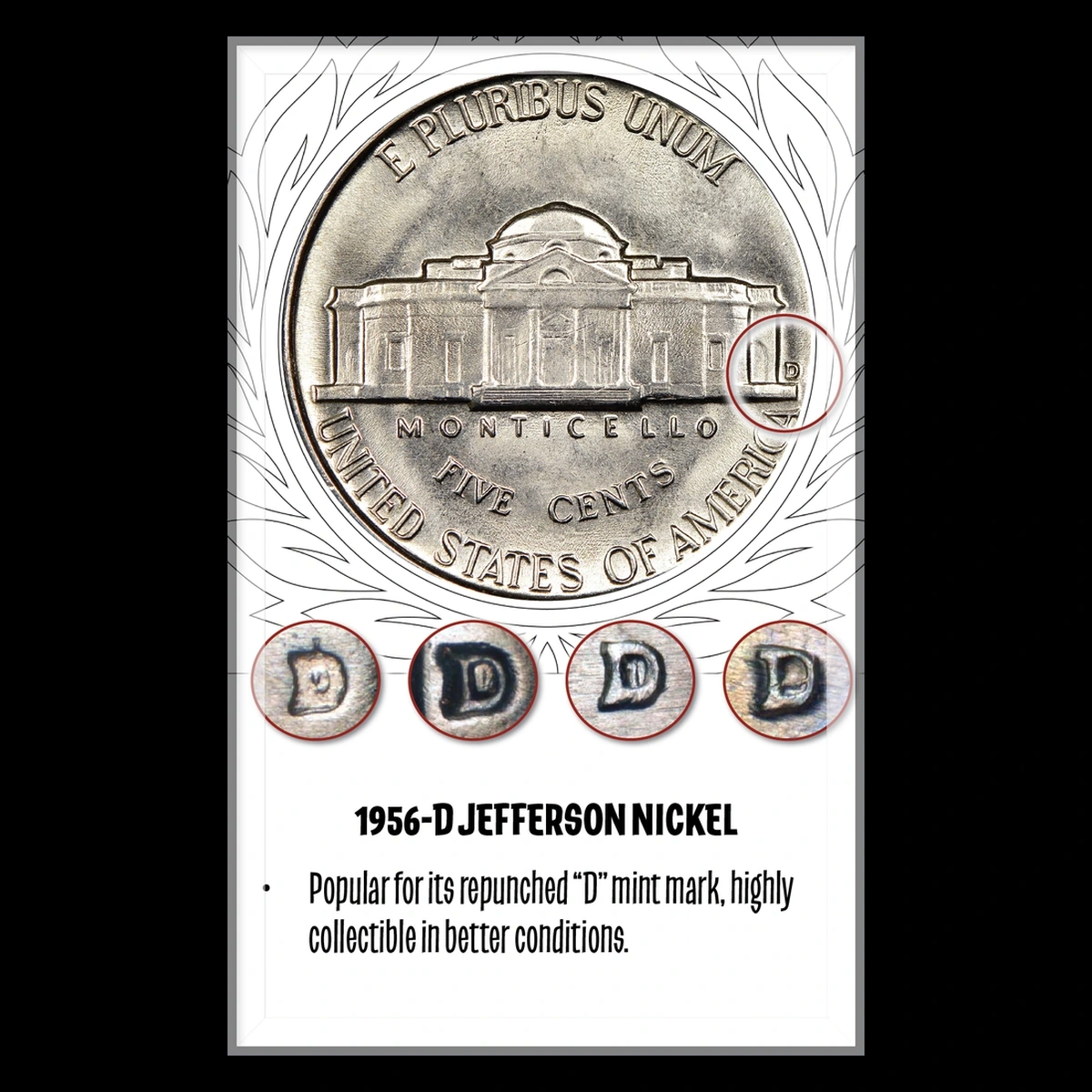
A partial second D can show where the mintmark punch entered the die in a different position. The reported 1956-D example has an extra northward outline.
That direction describes one pattern, not every repunched mintmark. Thick or shelf-like lettering may have another cause.
How to Identify
Find the small D to the right of Monticello and inspect its upper edge. A distinct rounded secondary letter shape is stronger evidence than an isolated bright reflection.
Keep a full reverse image beside the close-up. Do not force a northward attribution onto an outline projecting elsewhere.
What It’s Worth
Matched 1956-D repunched mintmarks are estimated at $10–$250. A worn minor example and a sharp attractive unworn one need different comparisons.
No known sale is assigned to the northward report here. Full stair detail can affect the whole nickel’s price, but it is not an additional mintmark error.
10. 1956 Nickel Several Outlines Around Letters: Doubled and Multiple Die Designs Error
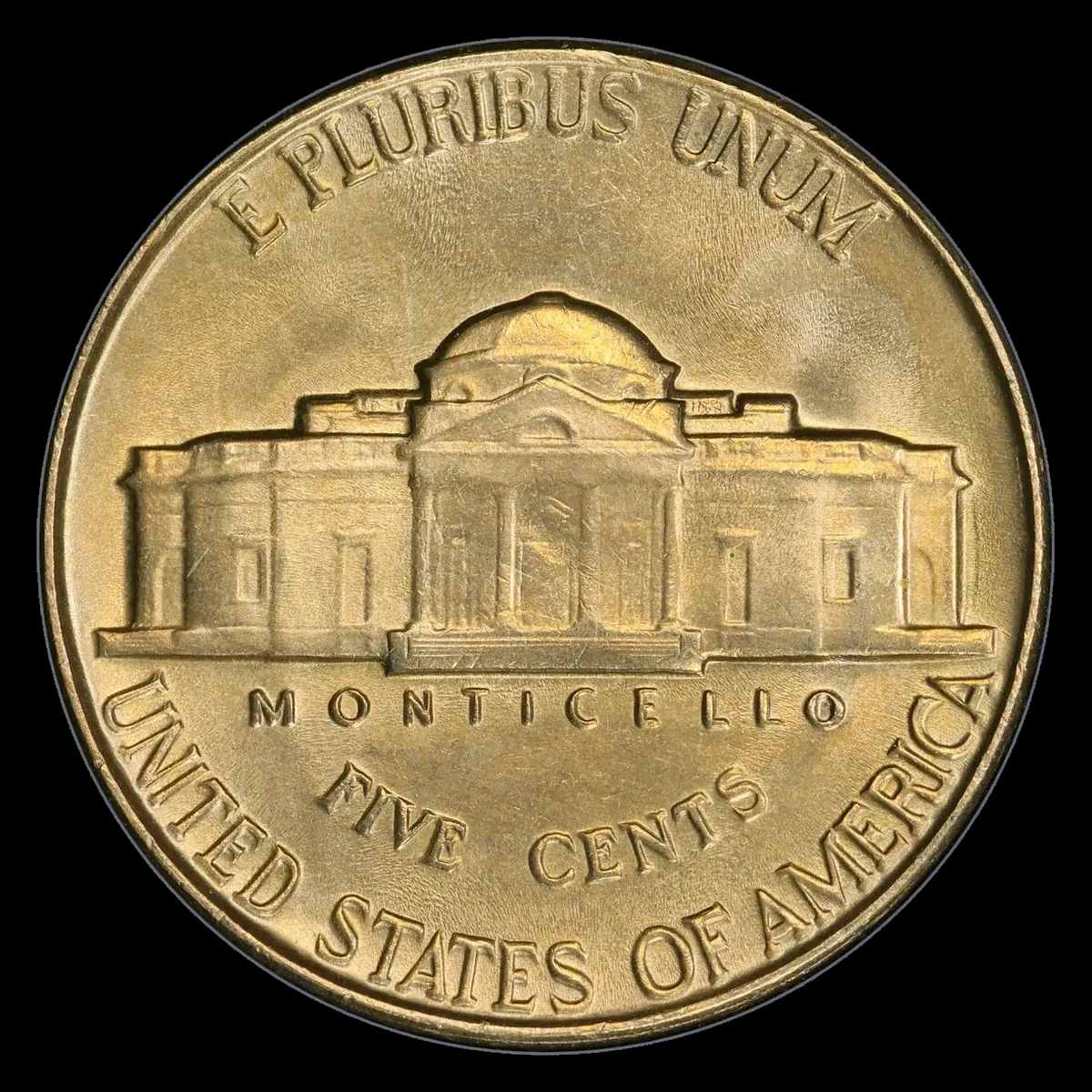
Some ordinary Philadelphia reverses show tripled or quadrupled detail around words and Monticello. Those repeated shapes were already in the die before the coin received its strike.
Separate Proof obverse varieties affect the motto, LIBERTY, date or portrait. Proofs are specially prepared collector coins and must be compared with the correct finish.
How to Identify
Trace rounded extra outlines in several letters against the same variety photograph. Flat shelves from movement during striking have a different appearance.
The ordinary Philadelphia quadrupled reverse and Proof obverse FS-102 are separate varieties. Sharp Monticello steps do not create another doubled design.
What It’s Worth
Ordinary reverse varieties are estimated at $25–$1,500, while Proof obverse varieties are estimated at $50–$500 pending an exact match. Condition and strength of the identified pattern matter.
PCGS records $1,320 in May 2022 for the ordinary Philadelphia QDR graded MS65. That unworn reverse variety does not establish a Proof obverse price.
Conclusion
A 1956 nickel’s color, shape and lettering each answer a different question. Measurements can help separate a cent blank from a dark normal nickel, while careful surface views can distinguish peeling metal from an obstruction during striking.
Keep the coin and any intervening thin blank separate in your explanation. For varieties, match the correct mint, finish and feature before applying a price, and retain the five-coin context of the curved-clip auction.