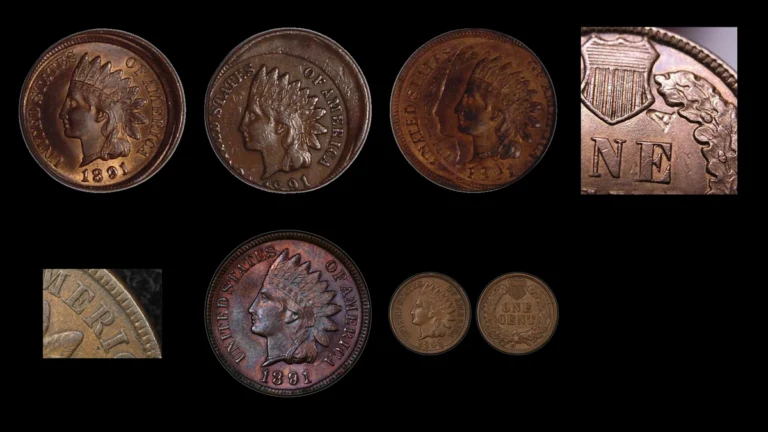
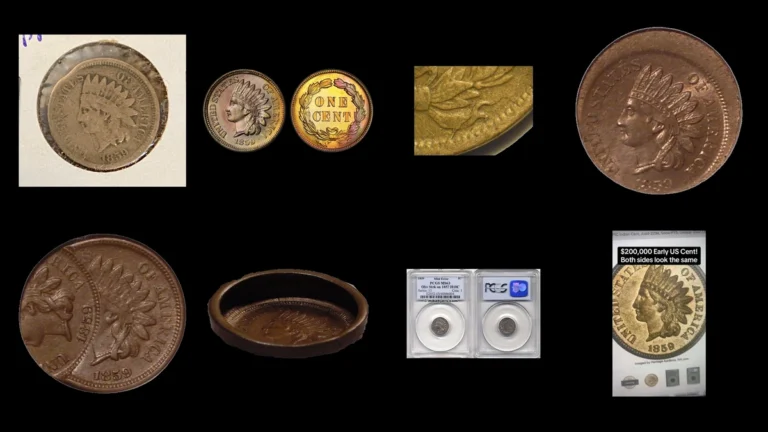
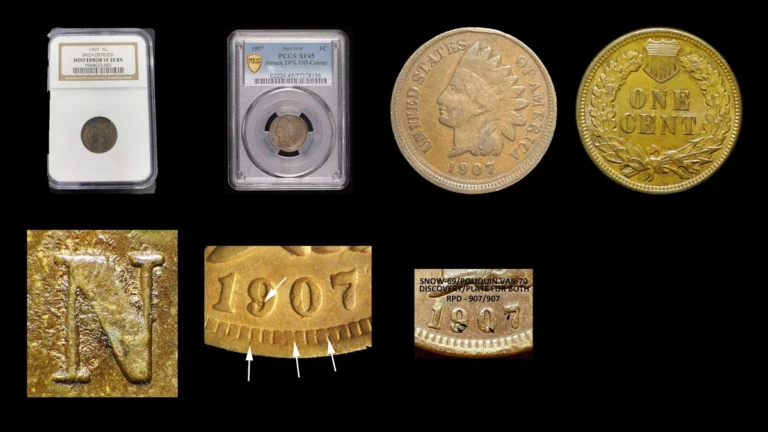
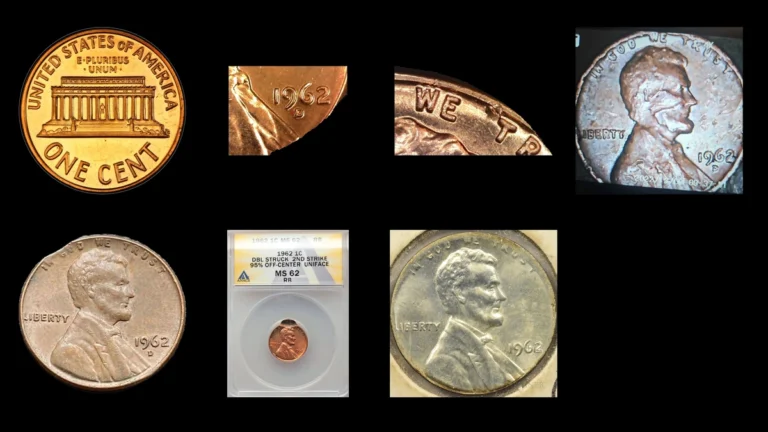
Rare 1989 Penny Errors (List & Pictures)
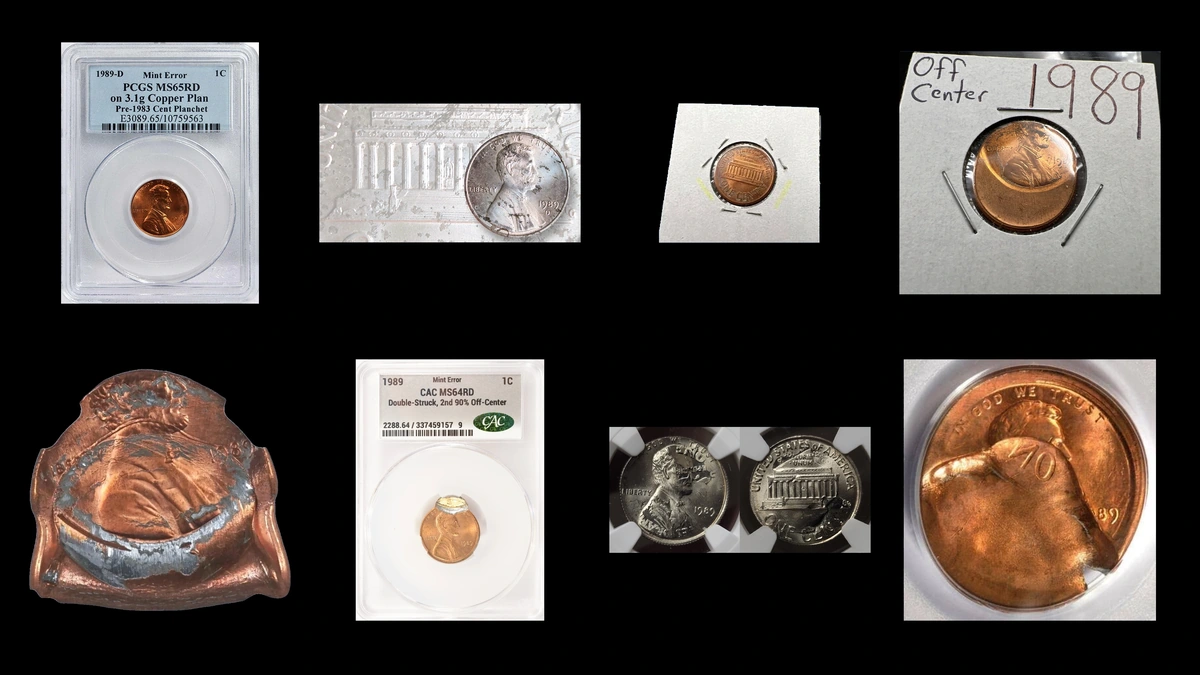
A heavy 1989-D penny can carry older copper alloy even when its design looks ordinary. One documented example brought $3,525 in August 2016.
Across these fifteen groups of 1989 penny errors, estimated values run from $0.01–$15,000. Begin with metal and coating, inspect the outline, and then trace any extra designs to understand which comparison belongs with your coin.
| First observation | Possible category | Estimated value |
|---|---|---|
| Weight around 3.1 g | Older copper-alloy blank | $2,000–$15,000 |
| Dark or streaked color alone | Unresolved surface report | $0.01–$10 |
| Rounded raised copper skin | Plating bubbles | $1–$75 |
| Gray zinc with absent copper | Missing or partial plating | $75–$1,500 |
| Cent designs on layered dime metal | Unused dime blank | $200–$2,000 |
| Full design within a broad border | Centered broadstrike | $10–$125 |
| Incomplete designs beside plain metal | Off-center strike | $15–$450 |
| Struck detail fits a folded shape | Fold-over off-center error | $300–$2,500 |
| Two sets of cent impressions | Repeated strikes | $40–$750 ordinarily |
| Older dime design under a cent | Cent over dime | $700–$4,000 |
| Nickel design over cent detail | Nickel over cent | $1,000–$8,000 |
| Backward recessed impression | Partial brockage | $40–$600 |
| Raised patch replacing front detail | Die break | $10–$400 |
| Extra front contours | Reported doubled die obverse | $5–$150 |
| Repeated Memorial detail | Reported doubled die reverse | $5–$150 |
A normal 1989 cent has copper plating over zinc, weighs 2.50 g, and measures 19.05 mm across a smooth edge. The older copper-alloy blank weighs about 3.1 g, while a clad dime starts near 2.268 g and 17.9 mm.
Measure accessible coins gently and use a 10× magnifier for original surface detail. Sealed coins should remain in their holders, and delicate bubbles or folds should remain untouched.
1. 1989 Penny A Heavy Cent with Older Metal: 1989-D Copper-Alloy Blank Error
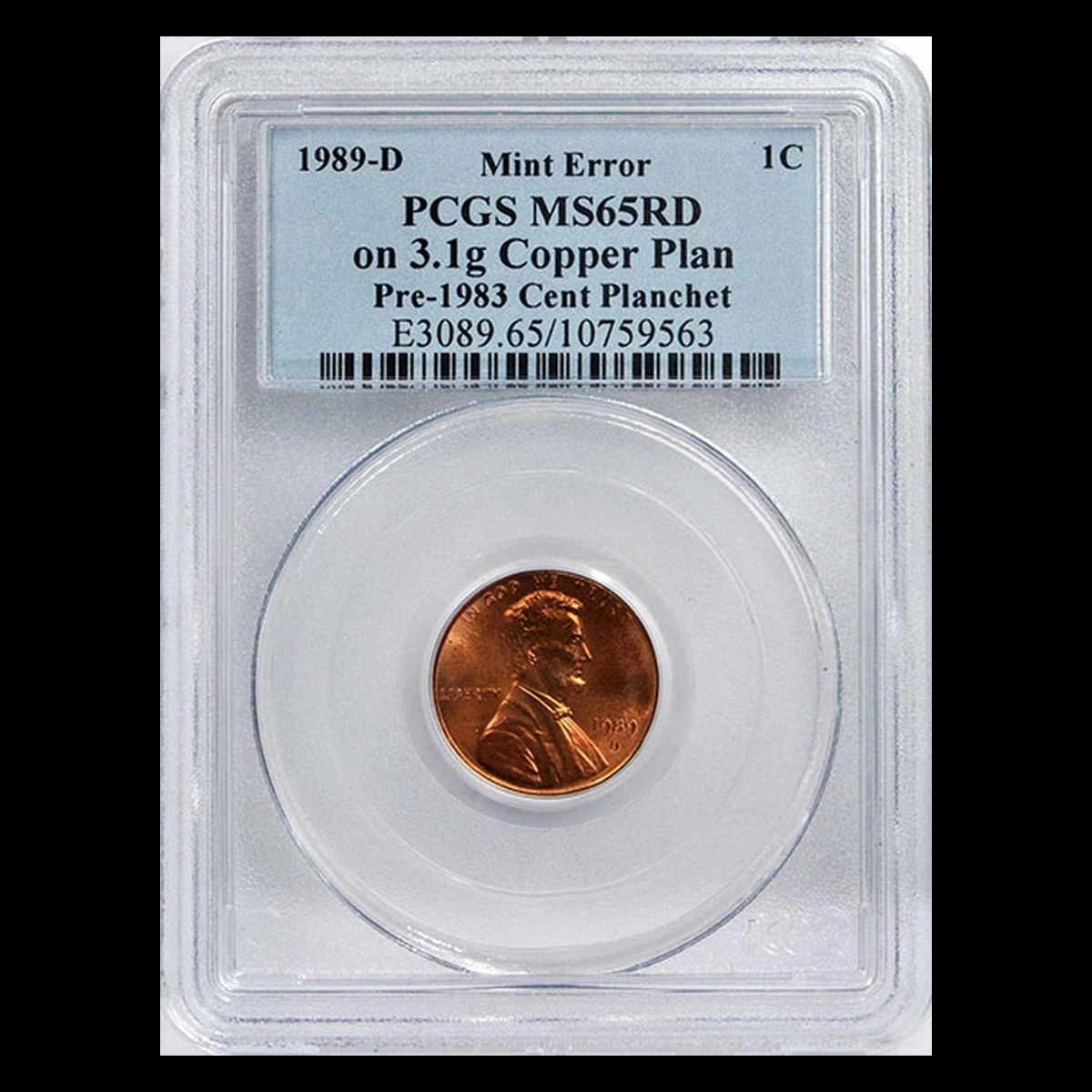
The documented Denver coin has a copper-rich alloy throughout instead of the normal copper-coated zinc center. Its roughly 3.1 g weight is a useful clue to that older-style blank.
The date, mass, and composition must agree. A dark reverse patch mentioned for one auction specimen is an individual mark rather than a required diagnostic.
How to Identify
Verify scale calibration before interpreting a reading near 3.1 g. Examine the date and D for alteration and the edge for added metal without cutting into it.
Both blank types are similar in width, and copper color cannot reveal the core. Professional nondestructive testing can distinguish copper alloy from copper-plated zinc.
What It’s Worth
An identified later-date copper-alloy blank has an estimated $2,000–$15,000 range. Condition and confidence in the metal and date control the comparison.
Coin World reported $3,525 in August 2016 for a PCGS MS65 Red example. A May 2007 offering of a 3.1 g specimen went unsold and is not another completed sale.
2. 1989 Penny Dark Patches or Streaks: The 1989 Surface-Color Report Error
A year guide calls a dark or streaked Denver cent an annealing error. Annealing means heating metal to soften it, but specialist Mike Diamond explains that copper-plated zinc blanks are not annealed in the usual production process.
The reported appearance therefore needs examination without accepting that proposed cause. Coating changes, corrosion, or later heat can create other surface effects.
How to Identify
Use neutral white light and inspect whether streaks cross original design or follow damaged areas. Look for lifted copper, rough corrosion, or scratches.
Normal measurements cannot tell when the color developed. Do not heat, polish, or chemically clean the coin in an attempt to test the label.
What It’s Worth
A coin identified only by dark or streaked color has an estimated $0.01–$10 range. Ordinary discoloration may add nothing to face value.
The upper allowance reflects modest visual or teaching interest, not a confirmed annealing premium. A separately established plating defect belongs with its own mechanism.
3. 1989 Penny Rounded Bumps in the Copper Skin: 1989 Plating Bubbles Error
Local separation between copper and zinc can lift the surface into small blisters. The Don Bonser collection included a heavily bubbled 1989 example graded ANACS MS63 Red.
Those bumps do not repeat letters or a portrait. Their positions need not match another bubbled coin, and later corrosion or heating must be excluded as the cause.
How to Identify
View several bumps at a low angle to see where thin copper rises above the surrounding surface. A cluster of rounded blisters differs from a recognizable duplicate design.
Inspect neighboring metal for corrosion and scratches without pressing a bubble. Puncturing or flattening it destroys both appearance and evidence.
What It’s Worth
Identified plating bubbles have an estimated $1–$75 range. Visible clusters on intact copper can interest collectors more than a tiny isolated dot.
The auction-history listing records $30 in August 2021 for the heavily bubbled MS63 Red example. That modest result is more useful than treating every blister as a major rarity.
4. 1989 Penny Bare Zinc or Incomplete Copper Coverage: 1989 Plating Error
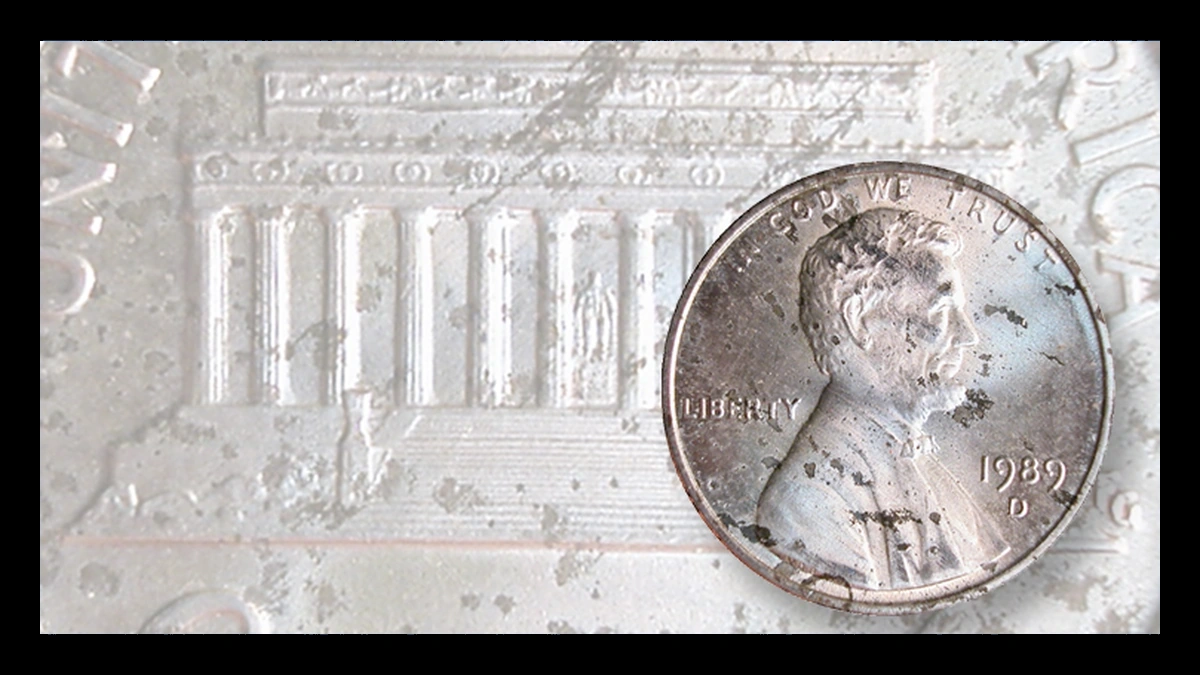
Mike Diamond described an unplated Denver cent preserving original shine and fine texture in its zinc surface. A separate Philadelphia coin in the PCGS gallery retains partial copper coverage.
These are different specimens with different coating patterns. Gray metal or a dark spot alone cannot separate original missing plating from chemicals stripping a finished coin.
How to Identify
Compare smooth struck zinc, surviving copper, and their boundary across both faces and the edge. Rough corrosion and scraping can explain later copper loss.
A slight weight reduction can fit either original missing coating or later removal. Preserve the exposed surface for professional examination rather than rubbing it brighter.
What It’s Worth
Identified partially or fully unplated examples have an estimated $75–$1,500 range. The pattern of coverage and preservation guide the comparison.
A 1993-D partially plated cent in NGC MS66 Red brought $750 in September 2024. It is not a sale of the unplated 1989-D or the separate PCGS MS63 Red Philadelphia gallery coin.
5. 1989 Penny A Smaller Disc with Dime Metal: 1989 Cent on a Dime Blank Error
A blank intended for a dime can leave little space around a cent’s outer design. The reported 1989 example is on a clad dime planchet and was graded PCGS MS62.
A planchet is the prepared blank before striking. Because this one had not been made into a dime, it should not carry an earlier Roosevelt portrait or torch.
How to Identify
Compare weight and bonded metal layers with a dime rather than using pale color alone. Striking with cent dies can expand the blank beyond a normal dime’s original diameter.
Search both faces for older dime detail. Its presence would indicate a finished-dime overstrike instead of an unused wrong blank.
What It’s Worth
Identified examples have an estimated $200–$2,000 range. Readable date and strong surviving design make the blank mix-up easier to demonstrate.
The PCGS MS62 listing supplies no realized price adopted here. A 2001 dime-blank cent in MS66 brought $446.20 in January 2009 as a different-year comparison.
6. 1989 Penny A Complete Centered Design with Extra Border: 1989 Broadstrike Error
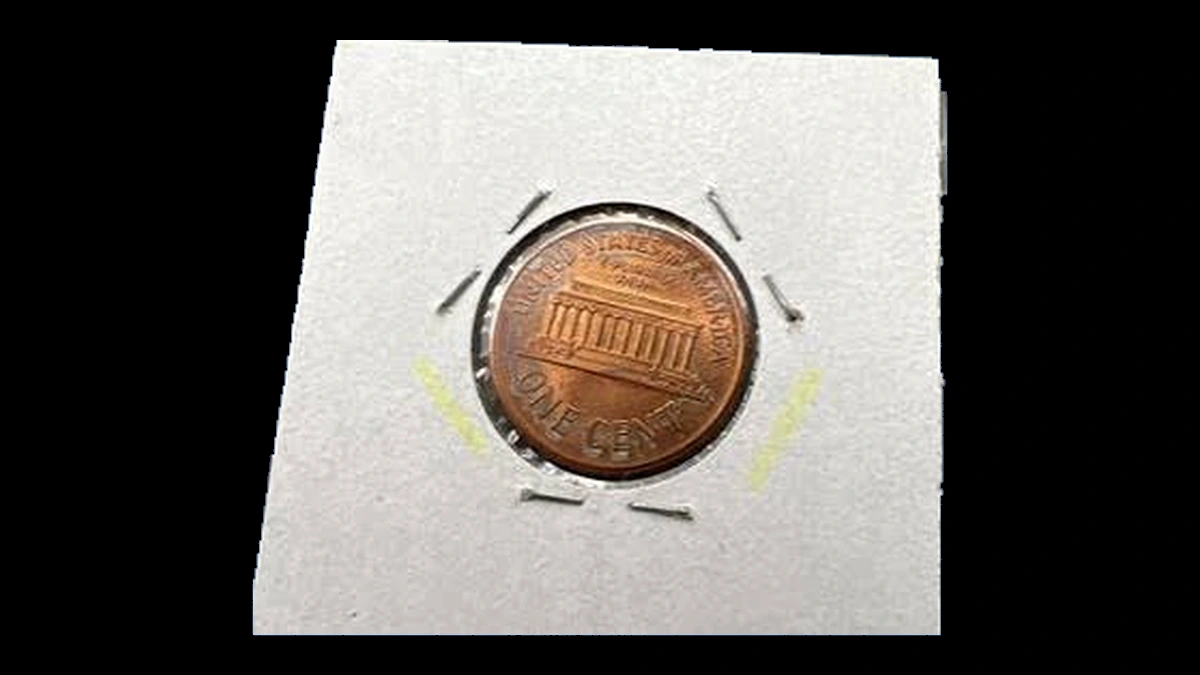
The collar normally confines the blank’s edge while the design forms. Without that restraint, metal can spread into a wider outline around complete designs.
A historical dealer listing describes a centered 1989 example in brilliant uncirculated condition. That wording means unworn, with centering part of this specific coin’s appearance.
How to Identify
Measure the expanded outline and read every outer letter on both faces. The added margin should surround original complete detail.
Inspect for crushed lettering and worked metal from later flattening. Widening redistributes the normal blank; it does not require a heavier starting disc.
What It’s Worth
A centered broadstrike has an estimated $10–$125 range. Clear expansion and undamaged lettering help support the stronger comparisons.
The dealer description establishes an offered example, not a realized auction result used here. A thick-looking rim or a slightly shifted portrait alone is a weaker match.
7. 1989 Penny A Wide Plain Crescent: 1989 Off-Center Strike Error
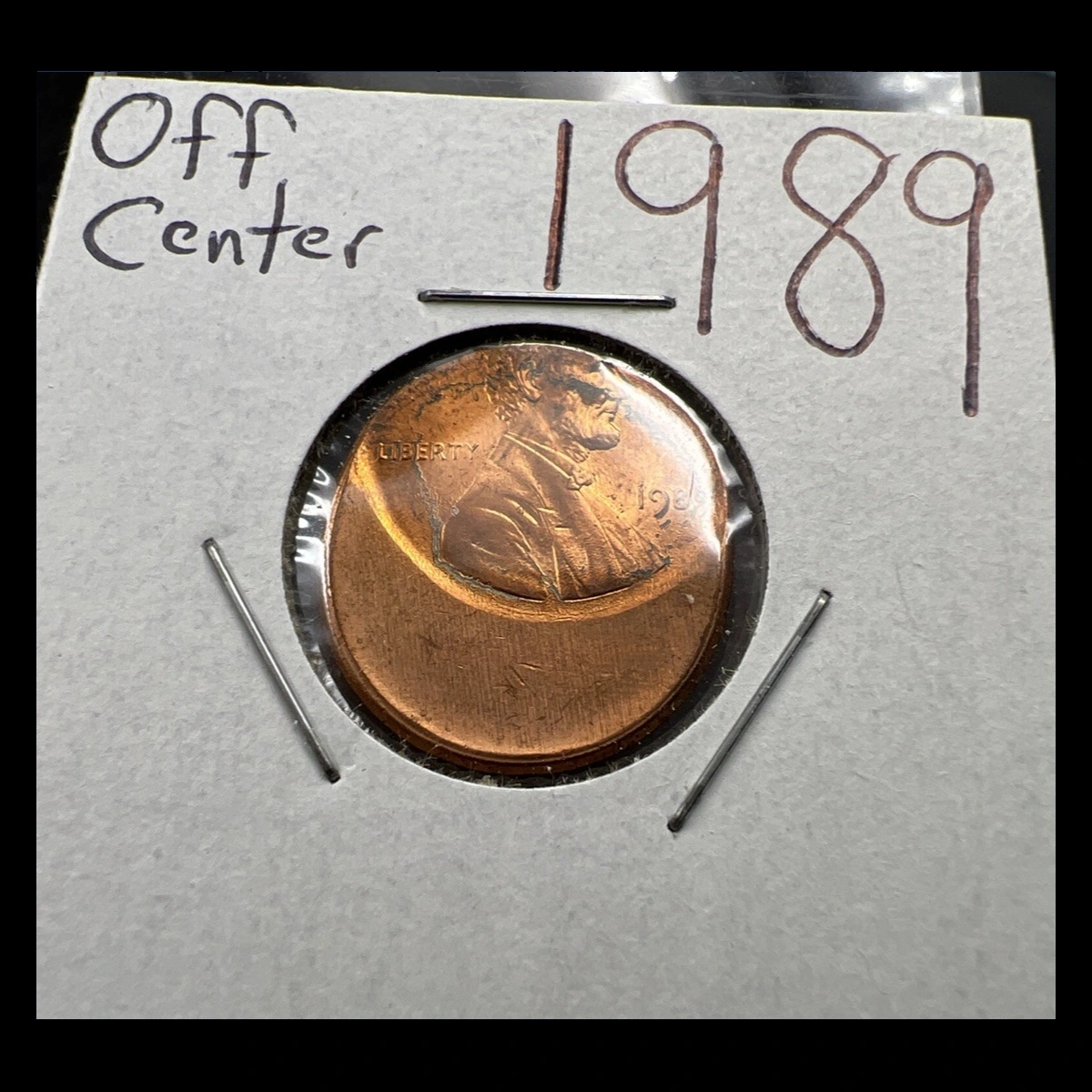
Separate Philadelphia and Denver examples are reported at 45% off center. Another no-mint-letter listing specifies a shift toward eight o’clock.
Each blank received only the part of the design caught between the tools. Those directions and percentages must remain with their own coins.
How to Identify
Follow the boundary where incomplete design meets original blank metal on both faces. Check for grinding that might have erased a previously complete impression.
Read the date and any D wherever they survive. A Philadelphia cent normally has no P, so its empty mintmark position is not an additional error.
What It’s Worth
The estimated range is $15–$450 across identified examples. Surface quality, readable identity, and the arrangement of the design matter alongside percentage.
The no-mint-letter 45% specimen in NGC MS65 Red brought $53 in September 2019. That result should not be transferred automatically to the separate Denver coin.
8. 1989 Penny Struck Detail Follows a Fold: 1989 Fold-Over Off-Center Error
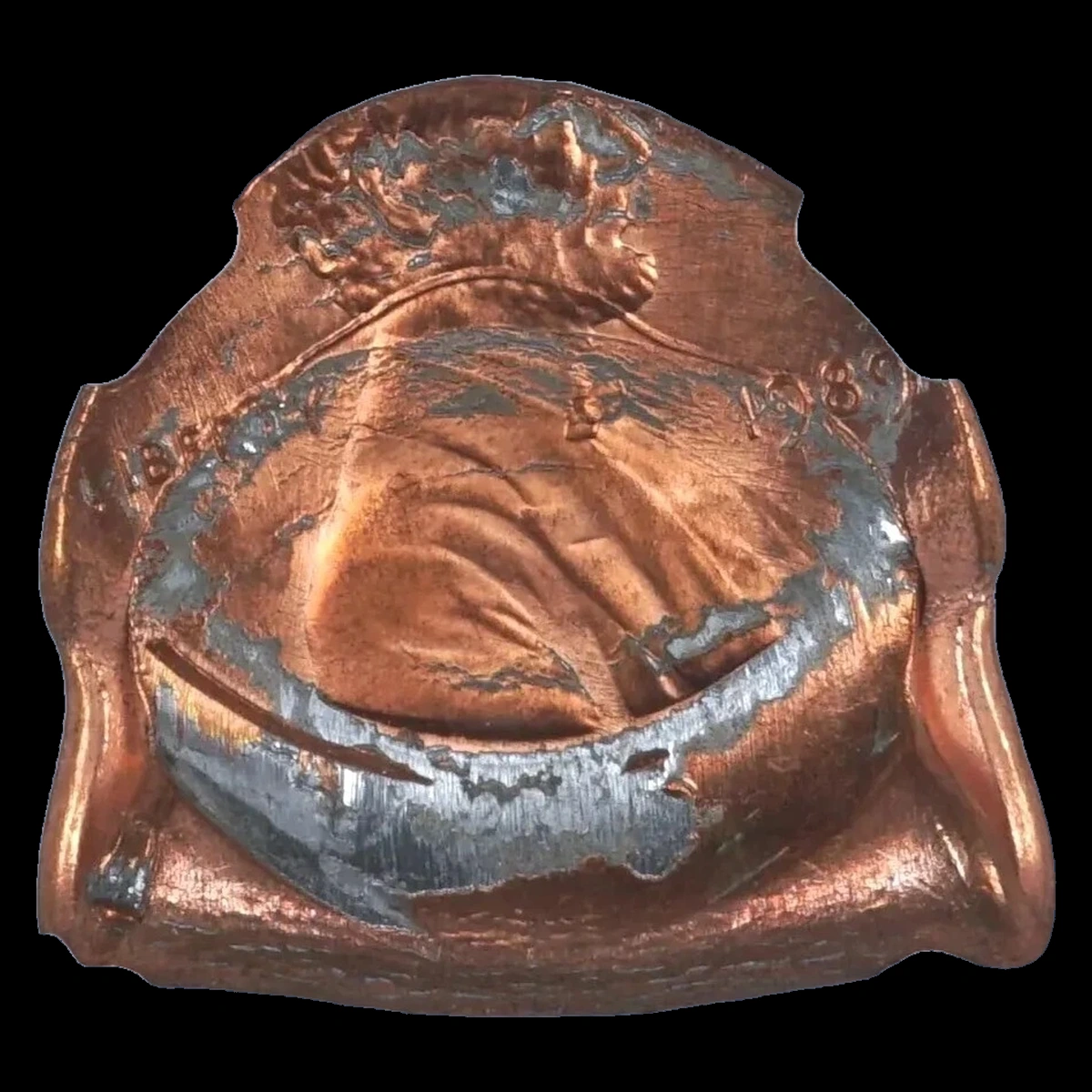
A blank folded during the minting event can receive cent detail across its doubled thickness and bend. The folded shape and off-center impression are parts of one event.
NGC uses a 1989 MS65 Red example to illustrate the type, and Heritage cataloged an example with the same broad description. A penny bent after minting has a different relationship between design and bend.
How to Identify
Examine the side profile without opening the fold. Compare how the design fits the bent metal with NGC’s illustrated fold-over strike.
Later vise bending distorts already finished details, whereas the genuine error’s struck pattern reflects its folded position. Do not try to straighten the piece to measure it like a flat cent.
What It’s Worth
Identified fold-over strikes have an estimated $300–$2,500 range. A readable design and an undamaged original fold make the sequence easier to understand.
The Heritage NGC MS65 Red example sold for $960 in September 2018. That prices the complete combined error, including its shape and displaced strike.
9. 1989 Penny More than One Cent Impression: 1989 Repeated Strikes Error
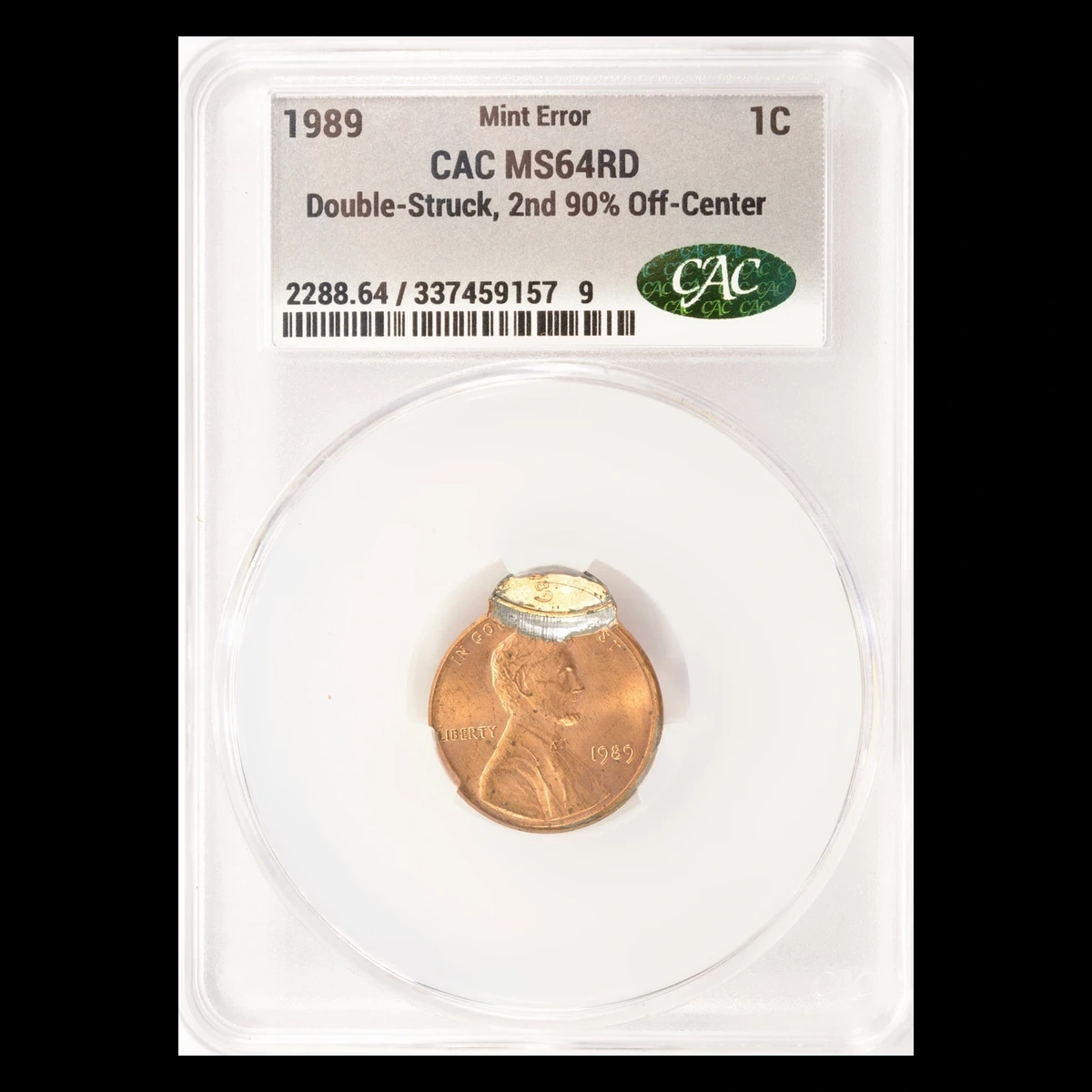
One recorded cent has a second strike about 65% off center. Another listing combines that displacement with a blocked, blank-looking face in the second-strike area.
A separate Denver record concerns rotated repeated strikes within the collar on an older copper-alloy blank. Its rare metal and striking sequence belong to one combined coin.
How to Identify
Trace the first portrait or date and then the second position to establish how the coin moved. Compare both faces where another blank may have blocked direct die contact.
The copper-alloy combination needs the rotated designs plus weight and metal evidence near 3.1 g. Do not apply the separate 65% displacement to that in-collar example.
What It’s Worth
Ordinary plated-zinc double strikes have an estimated $40–$750 range. The NGC MS66 Red example with a 65% off-center second blow brought $70 in January 2016.
The reported older-copper-blank combination has a separate whole-coin estimate of $2,000–$15,000. That estimate is not a sale result and must not be added to the copper-blank range above.
10. 1989 Penny A Dime Date under the Cent Date: 1989 Double Denomination Error
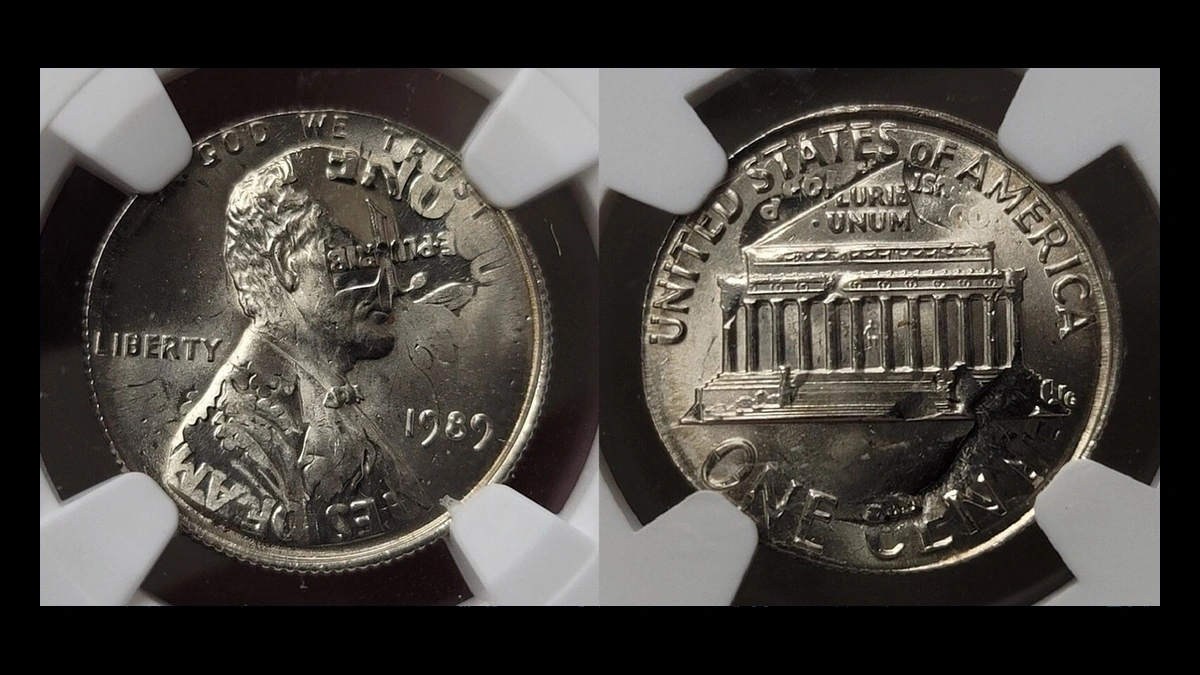
The documented 1989 cent over a 1988 dime preserves Roosevelt beneath Lincoln at about 45 degrees clockwise. The earlier dime had already been struck before entering the cent press.
A separate listing records a 1989 cent over a 1989-P dime. It is another specimen with a different underlying year.
How to Identify
Find a recognizable dime portrait, branch, or torch and follow it through the cent design. Read each date and mintmark from its own impression.
The forty-five-degree relationship belongs to the documented 1988 host only. Dime weight and layered metal support the explanation while expansion from the cent strike can alter the outline.
What It’s Worth
Identified cent-over-dime combinations have an estimated $700–$4,000 range. Readable older designs and dates strengthen their appeal.
The cent over a 1988 dime brought $2,530 in September 2008 in NGC MS65. That amount is not the sale price of the separate 1989-P host example.
11. 1989 Penny Jefferson and Monticello Cover a Penny: 1989 Nickel over Cent Error
Here the cent came first and later entered a nickel press. The recorded 1989-D nickel over a 1989-D cent retains both dates, with Lincoln under Monticello and the Memorial beneath Jefferson.
A separate 1989-P nickel-over-cent listing does not specify the underlying cent’s mint. Its copper color reflects the cent host rather than a normal nickel merely colored red.
How to Identify
Trace actual cent remnants under nickel detail on both sides. Connect each mint letter to the correct denomination, especially where overlapping dates are displaced.
Use the starting cent’s 2.50 g standard rather than a nickel’s normal 5.00 g. Do not infer the host’s mint from the later Philadelphia nickel impression.
What It’s Worth
Identified nickel-over-cent examples have an estimated $1,000–$8,000 range. The visibility of both designs and preservation guide comparison.
The Denver specimen was NGC MS64 Red and the separate Philadelphia-nickel example MS65 Red, but neither listing supplies an adopted realized price. High prices for a different nickel design should not automatically apply to these Jefferson-and-Monticello combinations.
12. 1989 Penny Backward Detail in a Recessed Patch: 1989 Partial Brockage Error
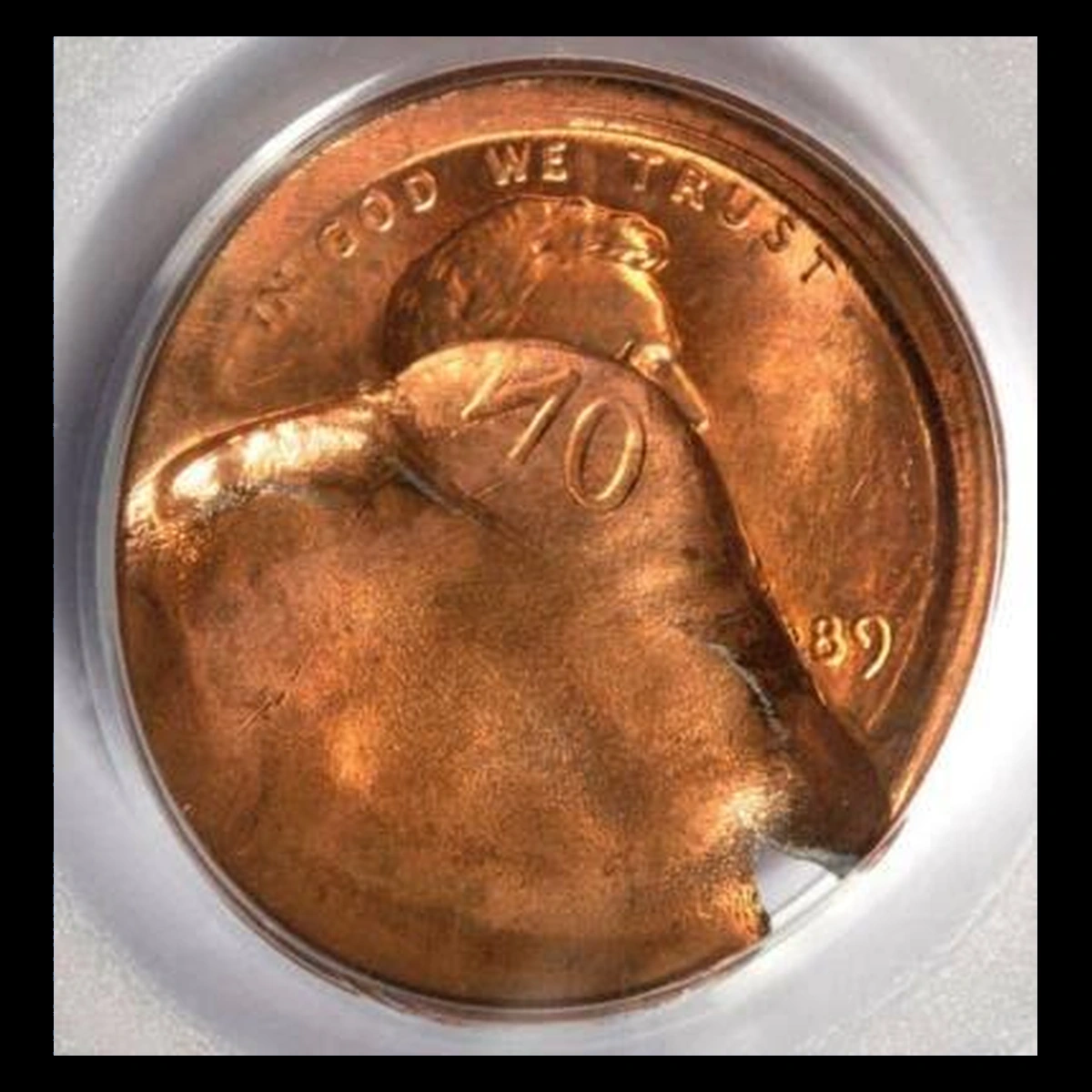
A previously struck coin can press its raised design into a fresh blank, leaving a sunken mirror image. The listed 1989 partial brockage was graded ANACS MS63 Red.
Partial describes limited coverage without establishing the face or percentage. Normal raised design may survive beside the reversed impression.
How to Identify
Check that the transferred details are backward and below the surface. Follow their boundary into the normally struck portion and compare the other face.
Squeezing finished coins together can create false mirror marks while crushing existing design. The full surface relationship needs to fit an original striking event.
What It’s Worth
An identified partial brockage has an estimated $40–$600 range. Readable mirror detail usually supports a stronger comparison than an indistinct hollow.
No realized price is adopted for the listed MS63 Red coin. A 2001 partial-front brockage in MS64 Red brought $79 in March 2025 as a different-year comparison.
13. 1989 Penny A Raised Patch Replaces Front Detail: 1989 Die Break Error
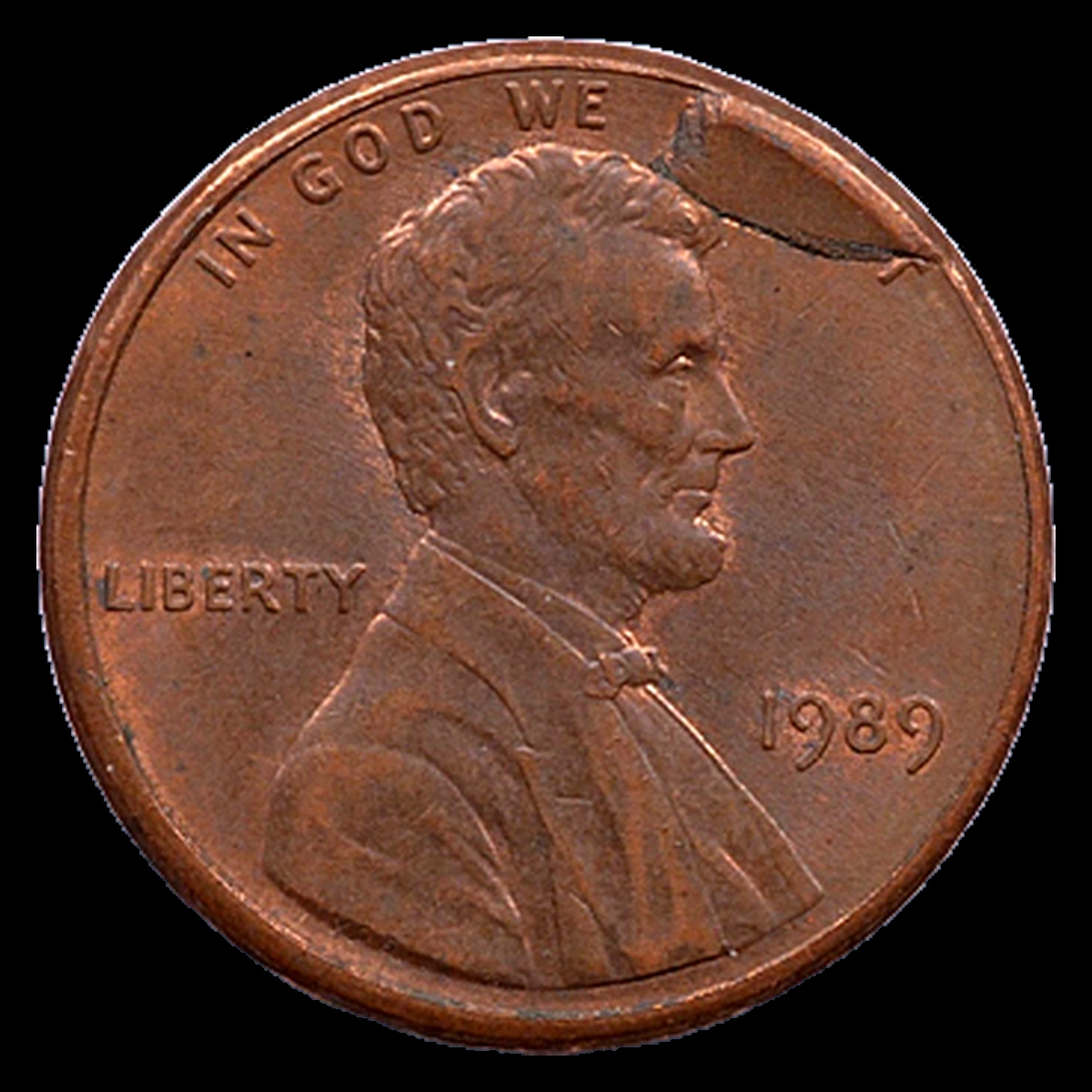
A missing section of the die leaves room for metal to rise where ordinary detail should form. The cataloged 1989 front-side die-break example was NGC MS67 Red.
The brief record does not establish a clock position or a rim connection. Only a break that actually reaches the edge should be called a cud.
How to Identify
Follow the patch’s boundary and identify the detail it replaces. Solid struck metal differs from a thin copper blister or an attached lump.
Check the opposite face for related weakness without requiring a dramatic matching hollow. Leave the patch untouched rather than testing its hardness.
What It’s Worth
Identified front breaks have an estimated $10–$400 range, from small features to larger clear patches. Their effect on recognizable design influences appeal.
The MS67 Red grade describes fine unworn preservation, not a realized sale. It should not be transferred to another raised patch simply because the shape looks similar.
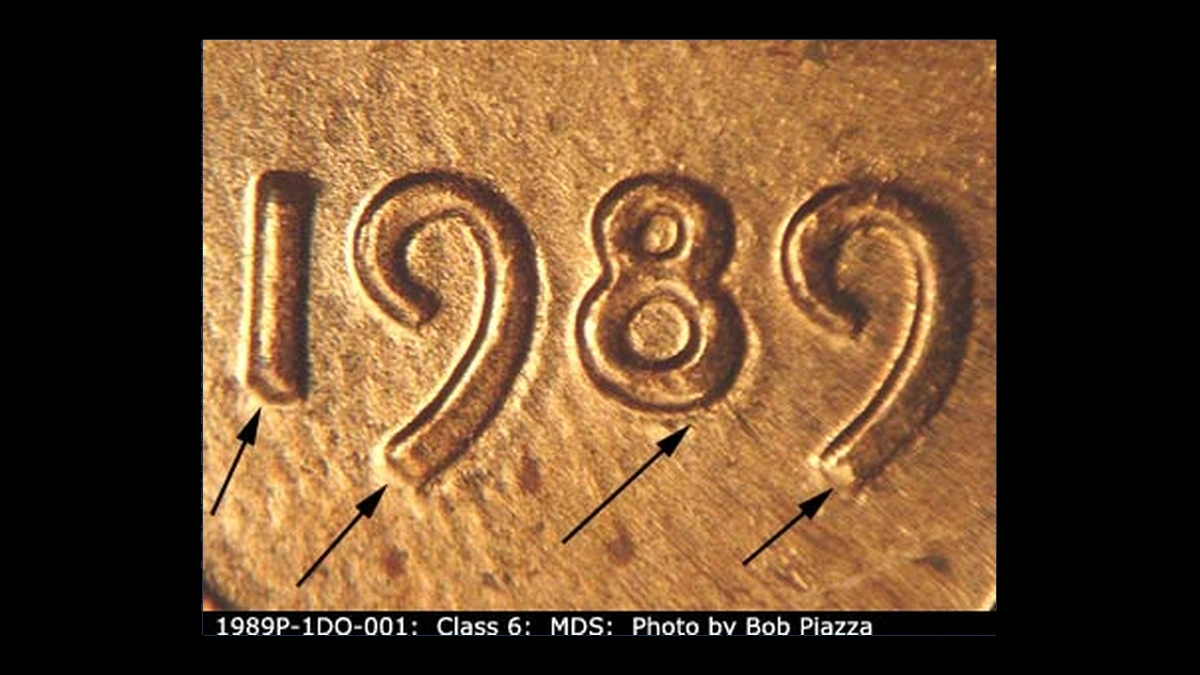
14. 1989 Penny Extra Front Contours: Reported 1989 Doubled Die Error
A doubled front die carries repeated portrait, date, or lettering detail before striking a blank. The year guide reports this category without a specific cataloged pattern.
No fixed ear or letter marker is established by that general report. Copper ridges and flat strike shelves can imitate doubled-looking edges.
How to Identify
Keep the full date and mint area connected to the close-up. Look for rounded repeated detail that can be matched to an identified pattern.
Check for lifted plating beside a normal contour and low shelves that shave the design’s side. Do not borrow another year’s doubled-ear diagnostic.
What It’s Worth
An identified minor front doubled die has an estimated $5–$150 range. A clear repeated outline is more persuasive than thickness alone.
This is a mechanism-based comparison estimate, not a documented sale for a named 1989 variety. Identification comes before choosing a price within the range.
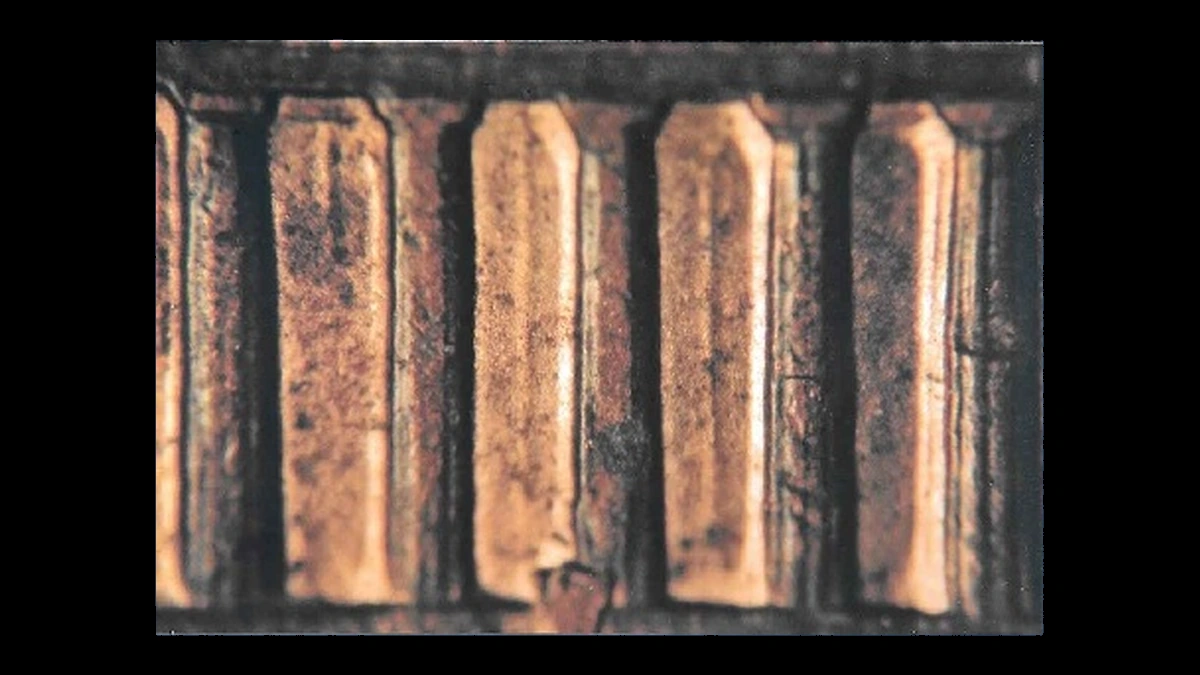
15. 1989 Penny Another Column or Letter Outline: Reported 1989 Doubled Memorial Error
A genuine doubled reverse has extra architectural or lettering detail carried by the die. The supplied year report does not identify a particular column opening or cataloged pattern.
The Memorial’s closely spaced lines can be misleading under uneven light. A random lump in an opening is not necessarily another column.
How to Identify
Keep the building in view while following the suspected extra outline. The shape should repeat an actual piece of design and remain visible under changing light.
Inspect for copper bumps, wear-related ridges, and reflections. Ordinary blank measurements establish the coin’s size but cannot establish a doubled tool.
What It’s Worth
Identified minor reverse doubled dies have an estimated $5–$150 range. The clarity and size of the repeated feature matter more than a count of suspicious marks.
No realized price is attached to the general report. Unrelated raised metal should not inherit a doubled-die premium.
Conclusion
Begin with what remains physically present: copper skin, exposed zinc, a folded blank, or an older design. Those observations lead to different checks even when two coins share a similar color or silhouette.
The estimated $0.01–$15,000 range includes ordinary surface effects and major combinations. Keep every recorded weight, date, and strike direction attached to its specimen, and assess combined errors as complete coins rather than adding separate maximum prices.