Rare 2011 Penny Errors (List & Pictures)
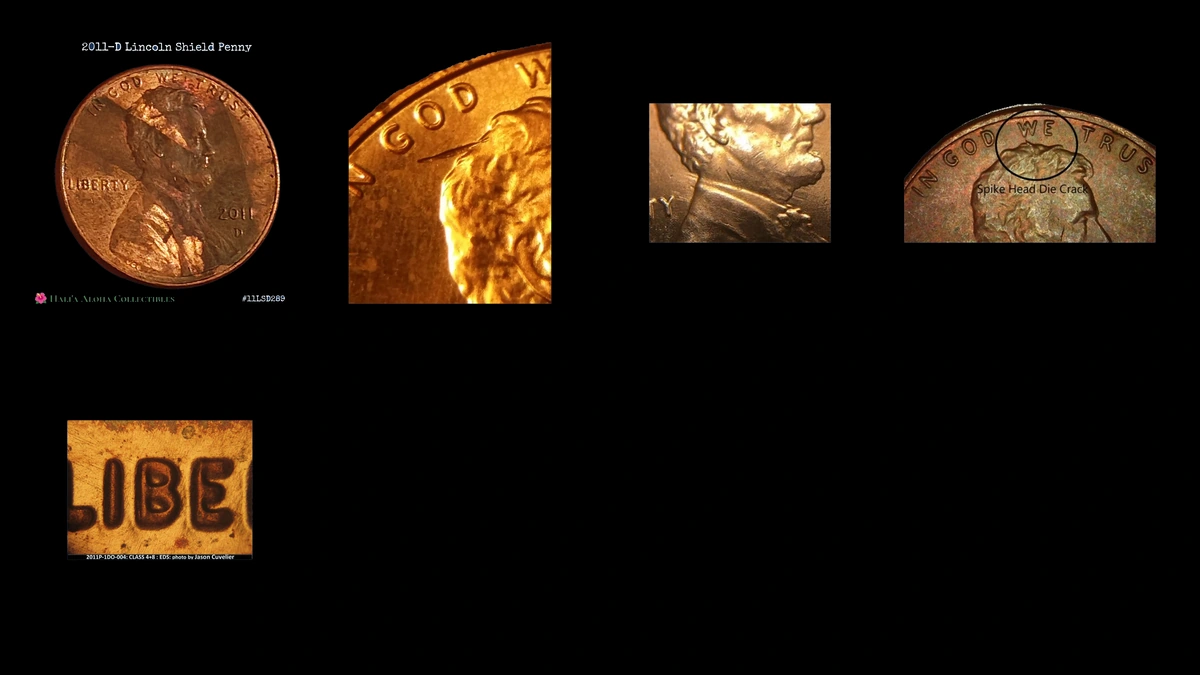
The outline, orientation, and surface of a cent tell different parts of its production history. Eleven groups of 2011 penny errors below span estimated values from $2–$1,000.
A different-year 2000 die cap sold for $312 in June 2025, the highest supplied completed comparison. Begin with a whole-coin inspection, then work through missing metal, design placement, color, and small raised details.
| Start with this observation | Possible category | Estimated value |
|---|---|---|
| Upturned wall or cap-blocked design | Die cap or capped-die strike | $50–$1,000 |
| Missing segment | Clipped planchet | $25–$250 |
| Plain crescent beside incomplete designs | Off-center strike | $15–$500 |
| Shield tilted after a controlled flip | Rotated die | $10–$200 |
| Dark or yellow color | Unconfirmed surface or plating claim | $10–$300 if confirmed |
| Copper coating lifting | Plating separation | $10–$400 |
| Weak design over a smooth surface | Struck-through | $5–$300 |
| Parallel raised lines | Feeder-finger die marks | $2–$50 |
| Raised bars, ridges, or lumps | Die cracks and BIE chips | $2–$150 |
| Recognizable opposite-design trace | Clashed dies | $10–$150 |
| Repeated letter contours | Doubled die | $5–$200 |
A standard 2011 cent is copper-plated zinc with a smooth edge, a 2.50 g weight, and a 19.05 mm diameter. Record measurements for a loose accessible coin, allowing for the feature being examined; use existing records when it is sealed in a holder.
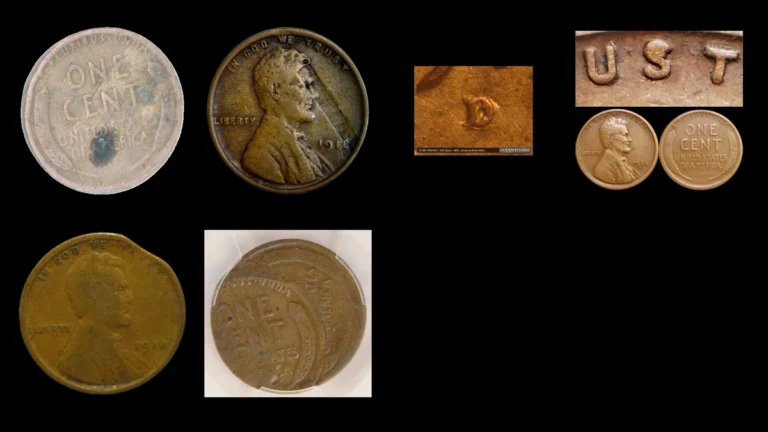
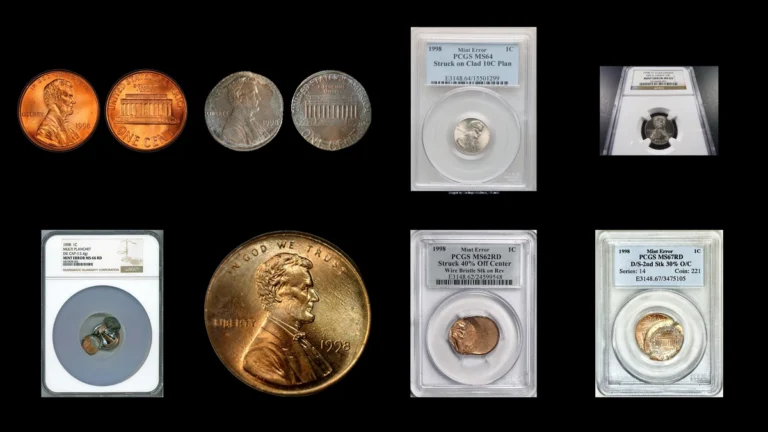
1. 2011 Penny A cup-shaped coin or a blocked design: Die Cap and Capped-Die Strike Error
View the cent from the side before inspecting small marks. A coin that sticks to a die, the steel stamping tool, can stretch and develop an upturned wall as further strikes act on it.
That coin is the die cap; a separate coin struck beneath it may instead have weak or distorted detail where the cap intervened. The reported 2011-D cap-related error needs its actual shape examined before choosing between these descriptions.
How to Identify
A cap should show evidence of stretching and metal flow consistent with repeated striking, not simply a bent outline. Sharp folds, tool marks, and crushed letters can reveal later shaping.
A capped-die strike need not be cup-shaped because it is the coin beneath the cap. Compare the blocked or distorted area with a confirmed example of that particular effect.
Leave the shape intact and record width and height gently if accessible. Flattening a candidate would destroy evidence needed to interpret it.
What It’s Worth
$50–$1,000 is estimated for 2011 cap-related errors, from less dramatic blocked strikes to substantial authenticated caps. Depth, distortion, and condition influence where a genuine example fits.
A 2000 die cap graded PCGS MS64 Red brought $312 in June 2025. A 1995 late capped-die strike graded PCGS MS65 Red sold for $180 that March; both comparisons have different dates and reverse designs.
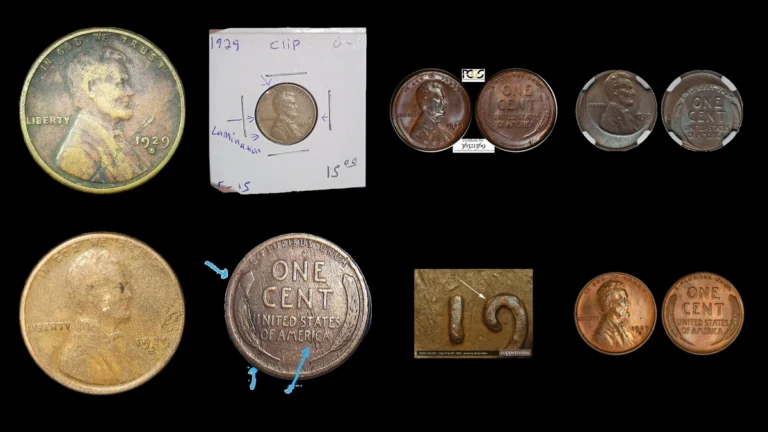
2. 2011 Penny A gap interrupting the round outline: Clipped Planchet Error
A clipped planchet is a prepared blank that was already incomplete before striking. The reported 2011-D example therefore received its design on metal with a missing segment.
Copper can coat the gap’s boundary, so gray zinc does not have to be visible there. A weak rim opposite the gap may provide additional evidence, although it is not always obvious.
How to Identify
Inspect both ends of the opening and the opposite rim for natural transitions in the metal. Saw marks, filing, or newly crushed metal can explain a missing piece as later damage.
Measure surviving round spans instead of only the distance across the gap. Reduced weight supports metal loss but cannot distinguish a genuine clip from a later cut by itself.
What It’s Worth
$25–$250 is the estimate for 2011 clips across different sizes and conditions. An original boundary is more important than the simple fact that a large portion is absent.
A 2021 Shield cent with a five-percent straight clip sold for $114 in September 2025, graded PCGS MS64 Red. That unworn, copper-red coin is a later-date comparison rather than a sale of the reported Denver example.
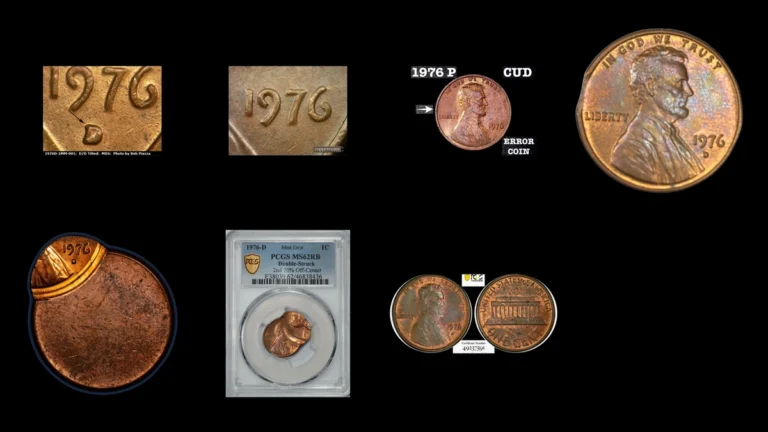
3. 2011 Penny A plain crescent beside missing design: Off-Center Strike Error
If the unusual crescent still contains metal, examine whether the blank missed part of the dies instead of losing a piece. Both designs should reflect the same displaced blank.
The untouched portion can retain copper coating. An area that received no design does not automatically expose the zinc beneath it.
How to Identify
Find the date at the lower right of Lincoln’s portrait and confirm that 2011 remains readable. Then compare the end of each design with the original plain metal on both faces.
A centered reverse with only the front shifted indicates a different alignment problem. Grinding, cuts, and scraped-away details also differ from an original unstamped area.
What It’s Worth
$15–$500 is estimated for date-visible 2011 examples. Degree of displacement, surviving details, and condition all affect the comparison.
A 2006 cent struck four percent off center, graded PCGS MS64 Red, sold for $39 in March 2025. That modest different-year shift is not a price or percentage assigned to the reported 2011 category.
4. 2011 Penny A shield that remains tilted: Rotated Die Error
Designs can be centered yet have the wrong relative angle. A rotated die has turned from its intended orientation, changing how the front and back line up.
The 2011-D report does not establish a particular angle. Sideways displacement and rotation are different observations even though both involve alignment.
How to Identify
Practice with an ordinary cent: hold Lincoln upright at the left and right edges, then flip the top downward without twisting sideways. The shield should finish upright.
Repeat with the candidate using exactly the same grip and photograph the positions. A consistent tilt supplies an angle to investigate, whereas casually rotating the coin or a photograph can create a false appearance.
Inspect both faces and the entire edge for seams or alterations. Normal size and weight support general examination but do not measure the rotation.
What It’s Worth
$10–$200 is estimated for a noticeable confirmed rotation. Larger departures from normal orientation generally make the feature easier to display.
The range compares modern cents with varying rotations, not a supplied transaction for a measured 2011-D. A slight tilt should not receive the same appraisal as a dramatic angle on a well-preserved coin.
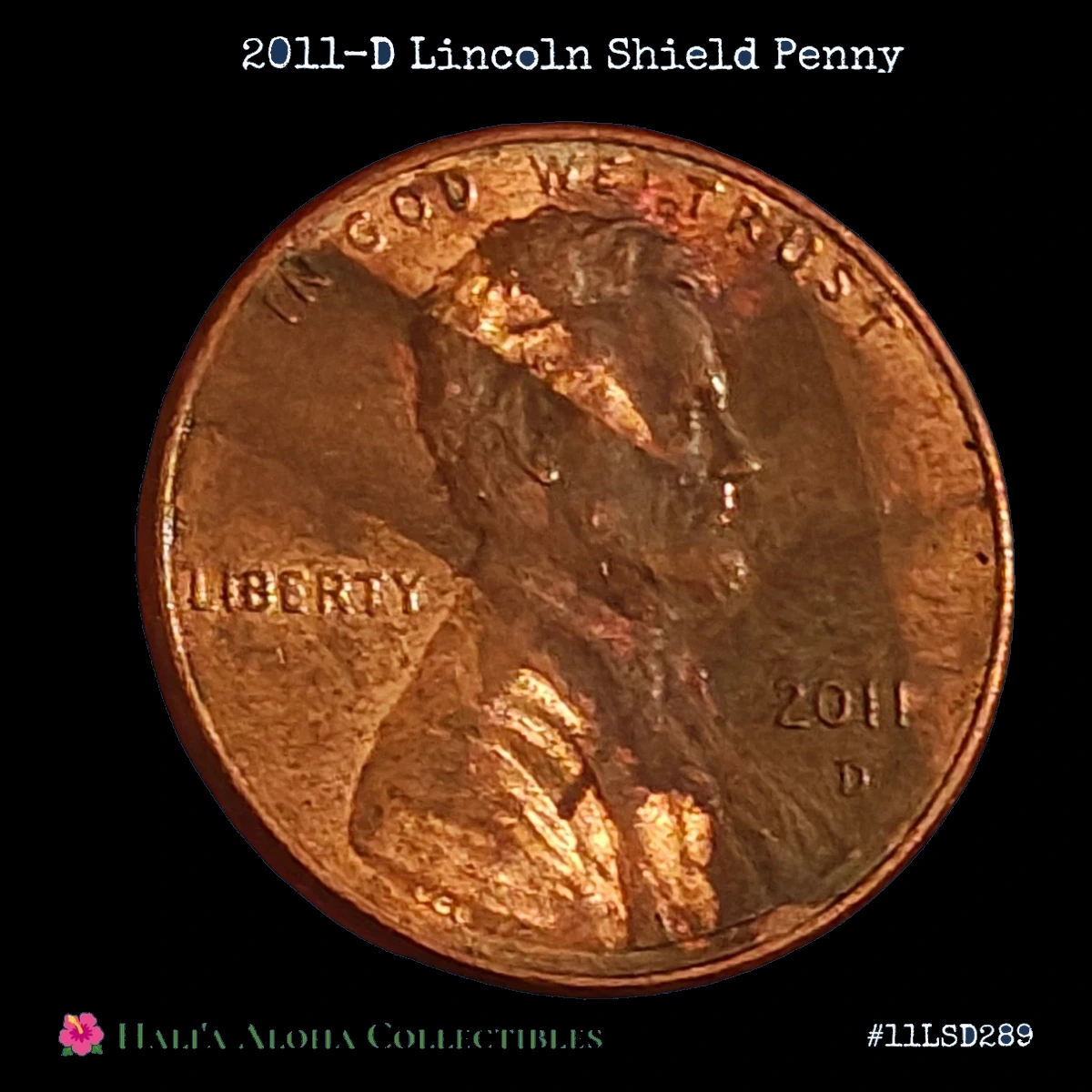
5. 2011 Penny An unusually dark or yellow surface: Color and Plating Claims Error
Color requires a separate evidentiary step before it becomes an error attribution. One dark 2011 report invokes annealing, a heating process in metal preparation, while a yellow Denver listing claims a plating-mix error.
Neither appearance establishes its proposed cause. Lighting, later coatings, chemical treatment, and other surface changes can produce similar colors.
How to Identify
Photograph the cent beside an ordinary example under neutral white light without filters. This establishes the visible difference more reliably than an isolated yellow-toned photograph.
Inspect for added coating, corrosion, and heat damage across both faces and the edge. Normal measurements cannot determine the chemistry or origin of a thin surface layer.
A specialist may need nondestructive metal analysis and surface examination to establish a specific defect. Acid, heating, or scratching would change the very evidence under investigation.
What It’s Worth
$10–$300 is a provisional estimate only if a mint-made coating or metal defect is established. No completed sale is supplied for either reported color claim.
An ordinary darkened or yellow-looking cent does not automatically enter this range. Its value cannot be derived from color alone.
6. 2011 Penny A bubble or flap on the shield side: Copper-Plating Separation Error
Actual separation provides more physical evidence than color by itself. A reported 2011-D reverse feature has been called a lamination, but the relevant material is its thin copper coating over zinc.
Poor original bonding could allow the coating to lift. Corrosion after minting can also raise it, so a bubble’s origin remains part of the identification.
How to Identify
Leave the loose copper in place and inspect its attachment to the surrounding surface. A visible layer boundary can help establish what separated, while corrosion or scraping may explain why.
Check the front and edge for related effects because chemical treatment can extend beyond one conspicuous patch. Losing a small amount of thin copper may barely change the weight.
What It’s Worth
$10–$400 is the estimate when original mint-made plating separation is confirmed. Small defects generally fall lower than larger, well-preserved examples.
The range uses comparable plated cents rather than a recorded 2011-D transaction. Extensive corrosion can look dramatic without creating a collectible production error.
7. 2011 Penny Smooth weak design with earlier surface lines: Struck Through Grease or Other Material Error
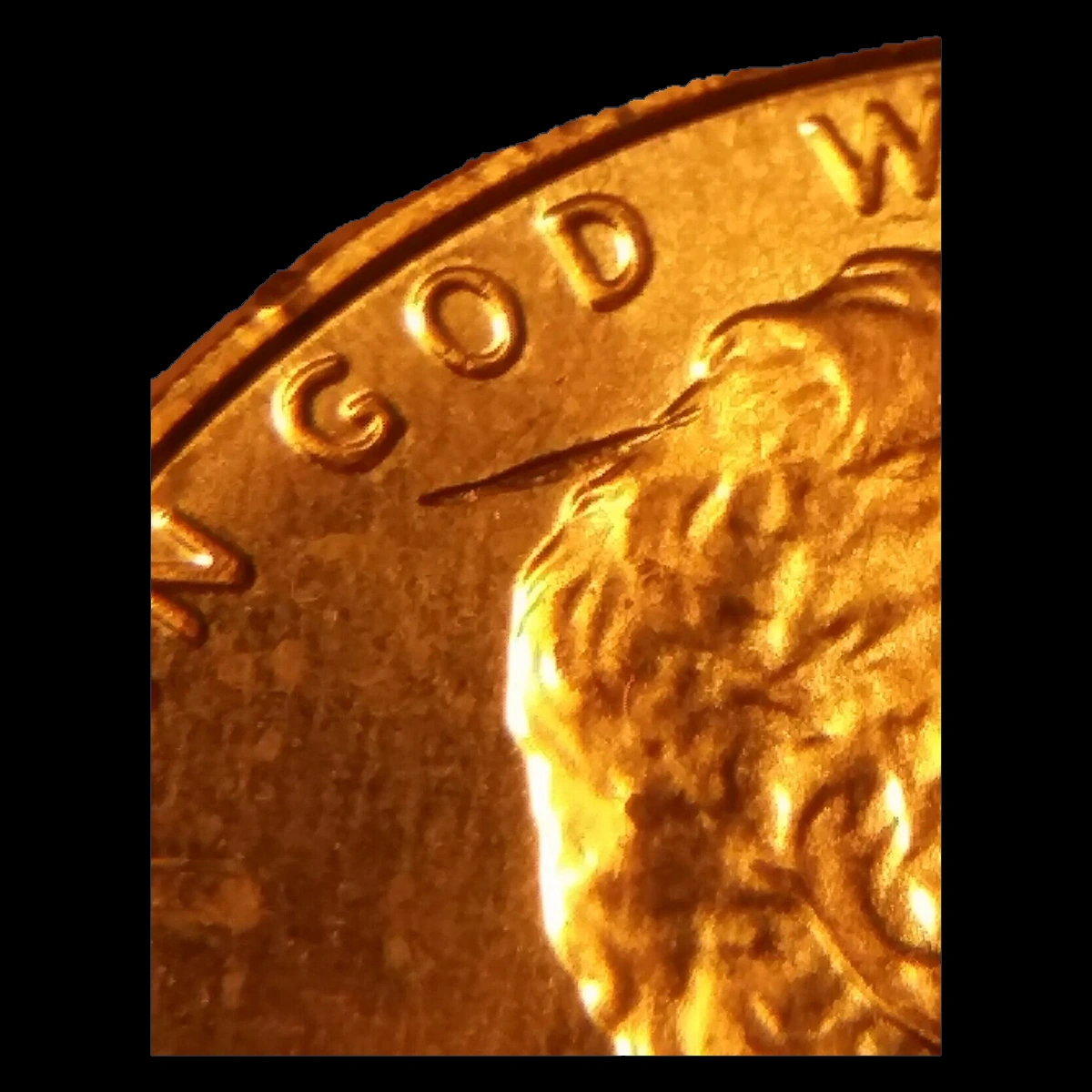
Faint streaks within a weakly struck area are not necessarily fresh scratches. In a reported Philadelphia 2011 example, error specialist Mike Diamond identified lubricant between the blank and the dies.
The smooth obstruction allowed earlier lines on the blank to survive where the design did not fully form. A more solid trapped object could instead leave a distinct impression, requiring its own explanation.
How to Identify
Compare the smooth weak area with adjacent struck detail and inspect how the fine lines relate to it. The collector discussion of the 2011 coin specifically distinguishes surviving blank texture from new damage.
Grinding disrupts the finished surface, while ordinary wear tends to affect high points in a different pattern. Examine both faces because an obstruction need not affect only one side.
What It’s Worth
$5–$300 covers estimated values from small blocked details to larger confirmed struck-through areas. The size and clarity of the affected region matter alongside condition.
A 2021-D grease error graded PCGS MS64 Red brought $84 in September 2025. It is a different-year comparison, not the price of the Philadelphia coin discussed in 2012.
8. 2011 Penny Parallel raised lines across the front: Feeder-Finger Die Marks Error
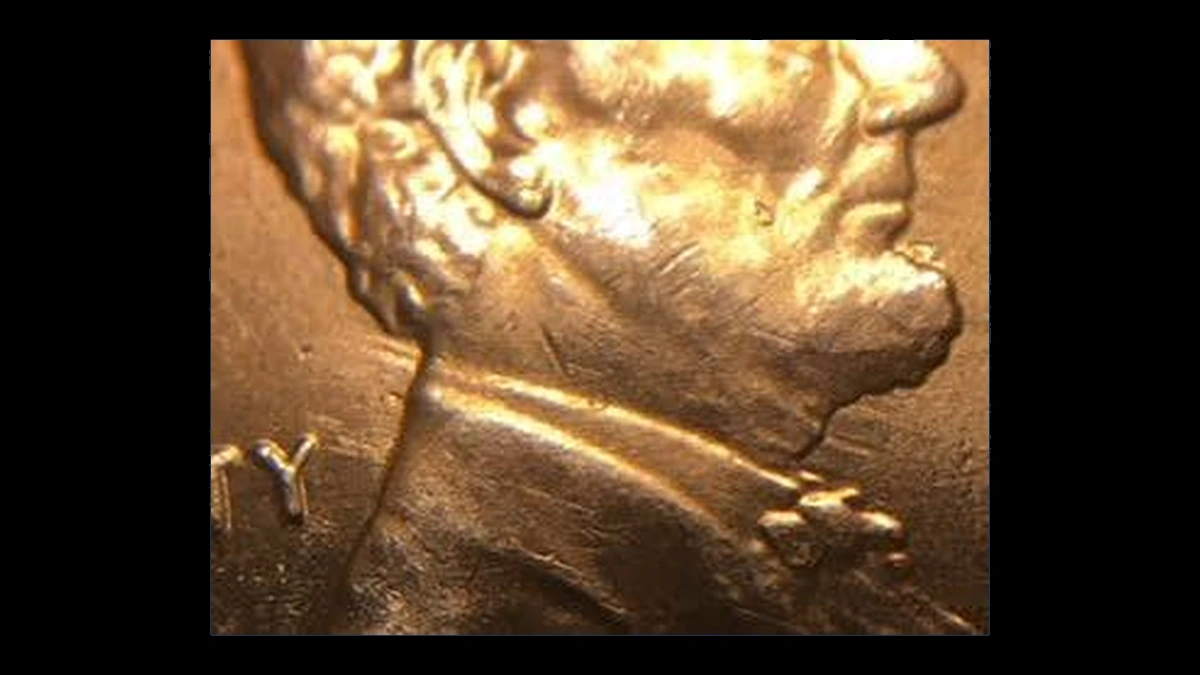
Raised lines can record scratches in a die rather than scratches inflicted on the finished coin. Feeder fingers move blanks into position, and contact that scratches the die can leave a pattern copied onto later coins.
A Denver 2011 example is reported with this type of marking. This explanation differs from feeding equipment directly impressing a line into a coin.
How to Identify
Use low lighting to determine whether each line rises from the surface or cuts into it. Photograph where the pattern approaches letters and the portrait so that its placement can be compared.
Confirm the D mintmark and seek a matching authenticated pattern. Merely finding several parallel lines does not connect handling scratches with mint feeding equipment.
What It’s Worth
$2–$50 is the estimate for modest confirmed feeder-related die lines. No selling price is assigned to the reported 2011-D.
Stronger repeated marks are easier to recognize and explain. Certification costs can exceed the premium of a minor example.
9. 2011 Penny An extra I-shaped bar or raised ridge: Die Cracks and BIE Chips Error
Within LIBERTY, a raised bar between B and E produces the BIE appearance. Metal entered a small opening left by a broken piece of the die.
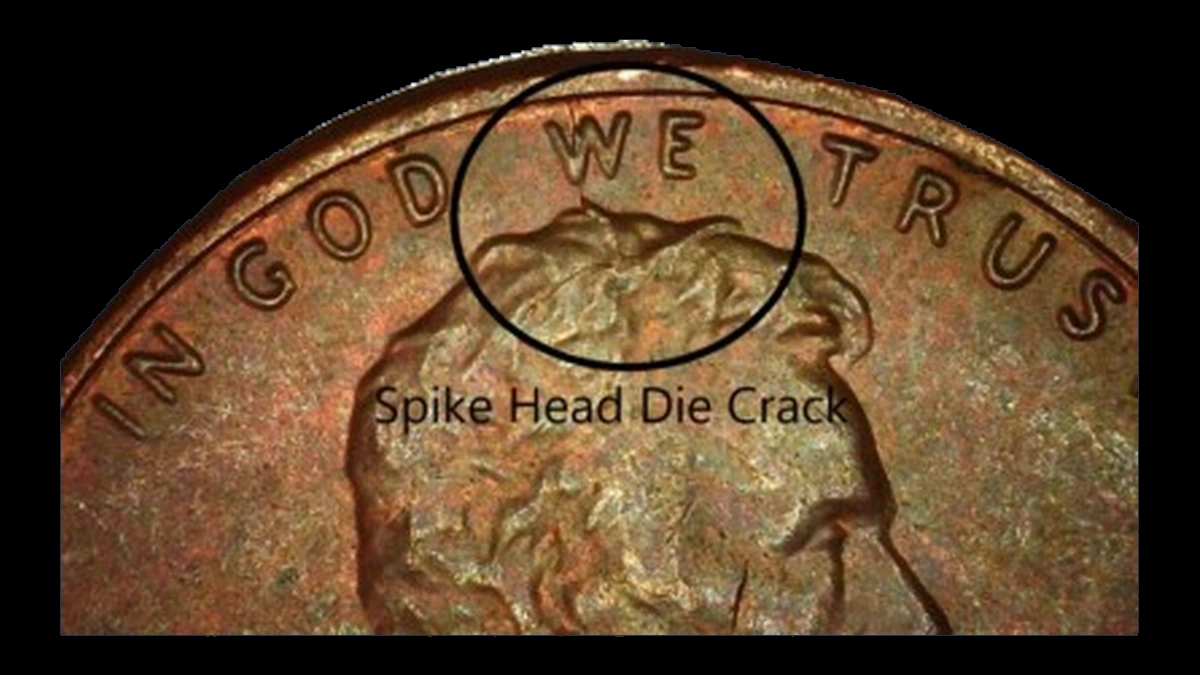
Other reports describe narrow raised crack lines or larger bumps from missing die fragments. Their locations and outlines distinguish the individual forms.
How to Identify
A BIE bar belongs specifically in the gap between B and E. An I-shaped mark elsewhere is not the same feature.
Examine ridges with side lighting and distinguish solid raised metal from recessed scratches. Dirt and fragile-looking plating bubbles can imitate lumps, so preserve their boundaries without poking them.
What It’s Worth
$2–$150 is estimated for confirmed examples, with small BIE bars and fine cracks toward the low end. More obvious raised areas can attract greater interest.
This modern-cent comparison range is not a supplied 2011 auction result. Size, visibility, and an undamaged surface carry more weight than a dramatic seller description.
10. 2011 Penny An unwanted fragment of the opposite design: Clashed Dies Error
A shield-like contour near Lincoln or an unexpected portrait trace on the reverse can point toward a clash. The two dies touched without a blank between them, allowing one tool to mark the other.
Subsequent coins can reproduce those unwanted marks. Both Philadelphia and Denver 2011 clashes have been reported, without one fixed pattern established for all examples.
How to Identify
Compare photographs of both normal designs and locate the possible source of the extra shape. Its placement must fit the relationship between the opposing dies.
Follow the contour without adding nearby scratches to make it seem recognizable. Check for edge squeezing or other evidence that two finished coins were pressed together later.
What It’s Worth
$10–$150 is the estimate for a clearly matched clash. Faint identifiable traces suit the lower amounts, while stronger outlines on clean surfaces can support more.
No verified sale of a particular 2011 clash is used here. Wear or damage that blurs the transferred feature limits how useful a stronger example is as a comparison.
11. 2011 Penny Repeated extra shapes beside letters: Doubled Die Error
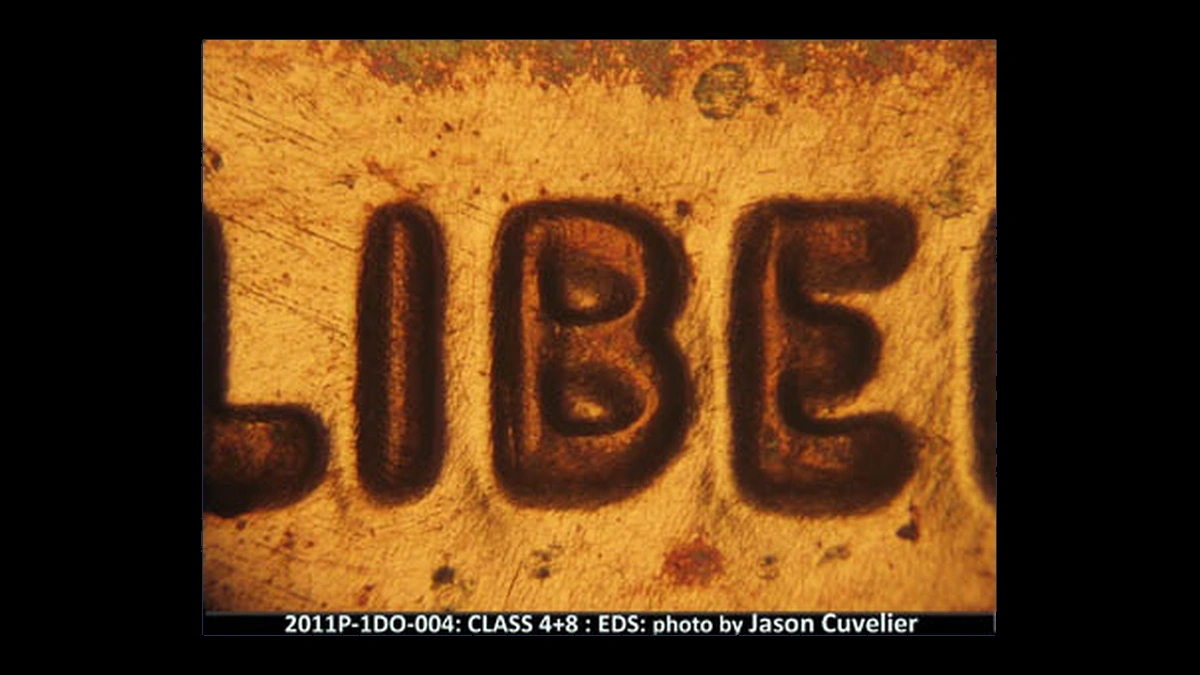
Doubling should reproduce a pattern rather than merely make lettering look blurry. A doubled die carries additional design detail before striking and can repeat it on multiple coins.
The reported 2011-D feature is on the front. That report does not establish unrelated shield marks or every thick letter as part of the same variety.
How to Identify
Confirm the mint and compare the affected letters with a confirmed example from the correct year. Extra shapes must occupy the same positions, not simply resemble a famous doubled die from another date.
Changing the light helps separate raised duplication from a lower flat shelf or split copper plating. A bright edge or shadow alone does not form a second design stroke.
What It’s Worth
$5–$200 is the estimate for correctly matched examples of this reported minor type. It uses modest modern-cent comparisons rather than the values of celebrated older doubled dies.
No specific 2011-D transaction is supplied. A reliable attribution and attractive surfaces support a premium that ordinary strike doubling or split plating does not.
Conclusion
Keep the physical observation separate from the proposed cause: a tilted shield needs a repeatable flip, a gap needs an original boundary, and altered color needs more than a photograph. Small raised lines also require a match to the correct type.
The $2–$1,000 estimates cover features of very different scale. Preserve the surface and shape, and use confirmed comparisons before treating an unusual 2011 cent as a valuable error.