Rare 2013 Penny Errors (List & Pictures)
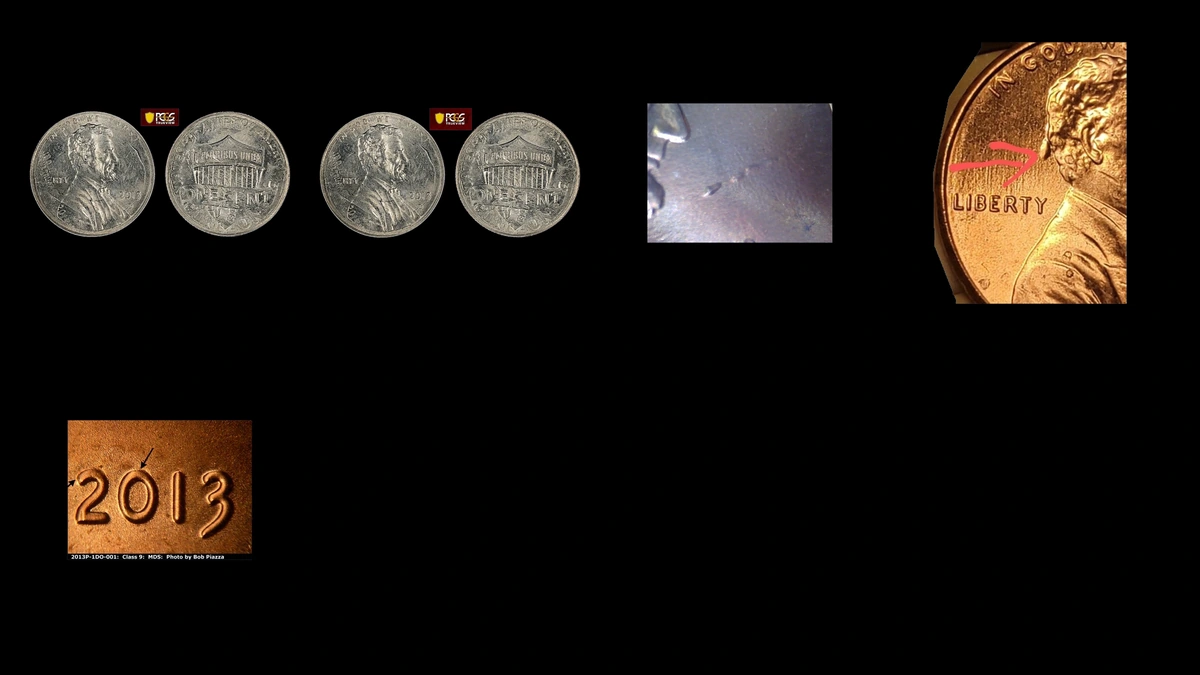
Gray metal under a 2013 penny can mean exposed zinc, a different blank, or even a previously struck dime. The surviving design and the metal’s construction help separate those possibilities.
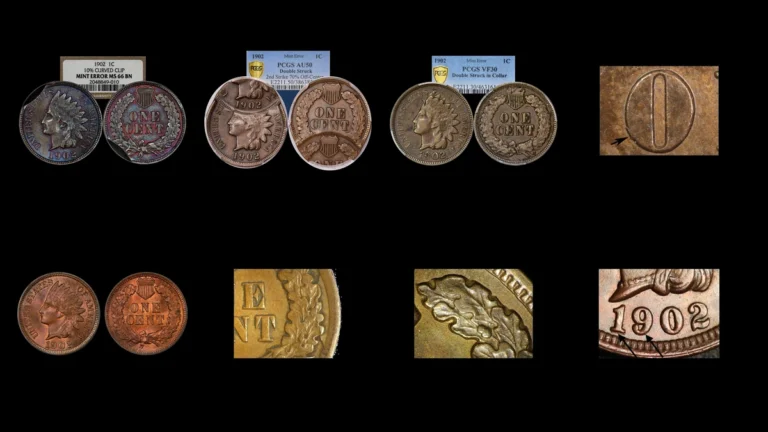
Estimated values for these ten groups of 2013 penny errors range from $2–$3,500. A comparable 2001 cent over a dime brought $1,320 in September 2025; inspect composition and shape first, then work toward smaller design clues.
| Starting feature | Category | Estimated value |
|---|---|---|
| Roosevelt survives beneath Lincoln | Cent over a finished dime | $1,000–$3,500 |
| Different metal without an earlier design | Wrong blank | $300–$2,000 if authenticated |
| Copper skin lifts or bubbles | Plating separation | $5–$350 |
| Unusual surface color | Unresolved annealing or surface claim | $5–$150 if mint-made |
| A missing edge portion | Clipped planchet | $15–$250 |
| Complete design within expanded metal | Broadstrike | $20–$350 |
| Plain metal beside incomplete designs | Off-center strike | $15–$500 |
| Locally weak words or shield lines | Grease-blocked design | $5–$300 |
| Raised bar, ridge, or rim patch | BIE, crack, or cud | $2–$400 |
| Extra design contours | Doubled die | $5–$200 |
The ordinary Shield cent has a zinc center with thin copper plating, weighs 2.50 g, and measures 19.05 mm across a smooth edge. Philadelphia circulation coins have no mint letter, while Denver coins show D.
Record accessible coins with a precise scale and calipers, and examine detail with a 10× magnifier. Keep certified coins sealed and avoid pressing bubbles or bending attached metal.
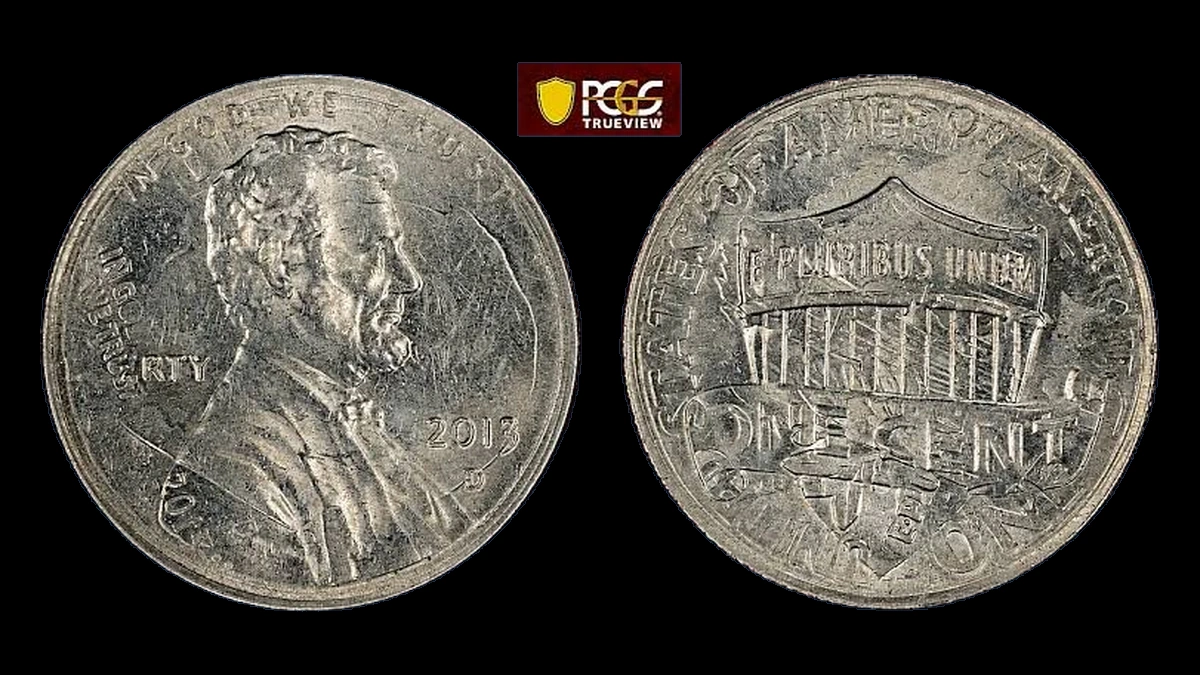
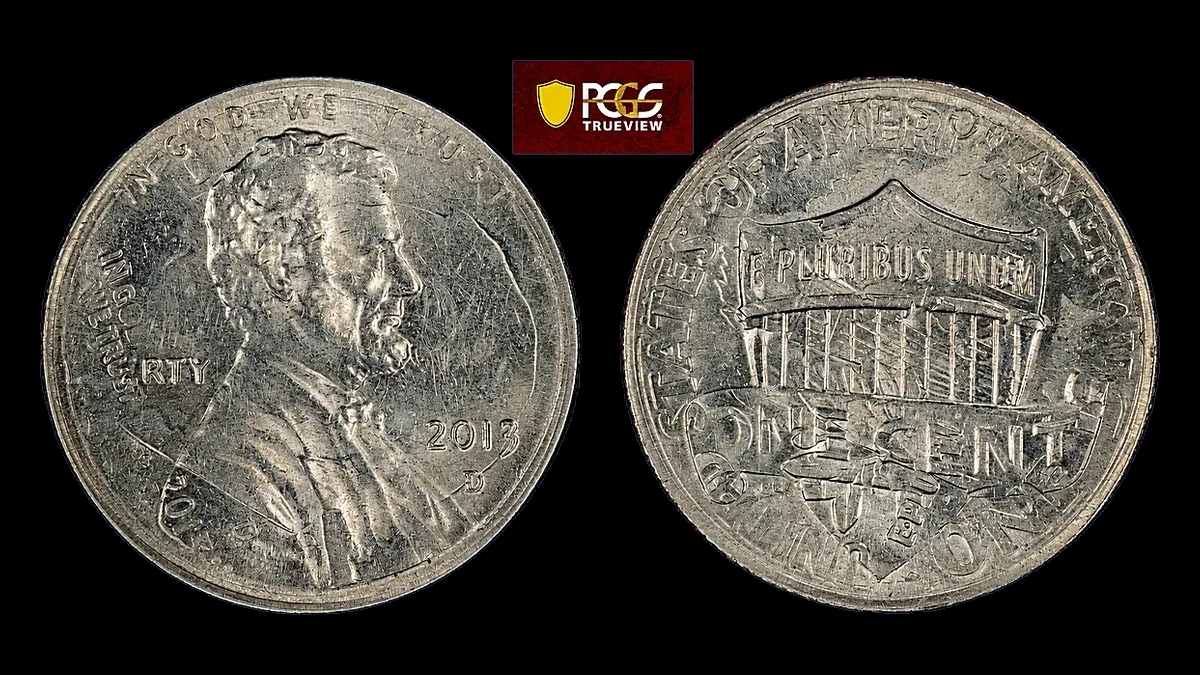
1. 2013 Penny A Dime Design beneath Lincoln: 2013-D Double Denomination Error
A finished 2013-D dime entered a cent press and received Lincoln’s design over Roosevelt. The reported specimen preserves the dime’s complete date along with torch and lettering remnants on the back.
Mike Byers reported the coin as PCGS AU58, indicating slight wear. Two denominations on one piece of metal make this a double-denomination error rather than a cent struck on an unused dime blank.
How to Identify
Locate recognizable Roosevelt, date, and torch details beneath the cent design. Compare their overlap on both faces with the reported 2013-D specimen.
The starting dime normally weighs 2.268 g and measures about 17.91 mm. Its outline may expand under the cent dies, and original dime edge grooves may survive in distorted form.
Look for a coherent sequence of struck designs rather than later pressed-in shapes. The discovery’s scarcity description does not establish that another example can never exist.
What It’s Worth
The working estimate is $1,000–$3,500 for an authenticated Shield-cent combination of this kind. Clear surviving designs, the date pairing, and preservation all contribute.
A 2001 cent struck over a 2001-P dime sold for $1,320 in September 2025 in MS66. Its Memorial reverse and different year make it a comparison, not a sale record for the AU58 discovery.
2. 2013 Penny Cent Designs on Different Metal: Reported 2013-D Wrong Blank Error
A wrong-planchet error starts with a prepared blank intended for another coin. It can have different dimensions or composition without carrying an earlier coin design.
The Denver report does not establish the donor denomination. Neither a dime nor a nickel blank should be assigned simply because the coin looks unusual.
How to Identify
Measure weight and diameter before proposing a donor blank, then examine metal at the edge. Stripped copper plating can expose normal gray zinc, while corrosion and filing can change a cent’s size.
An unused blank does not begin with its denomination’s finished edge grooves or struck design. If identifiable dime details survive, investigate a double denomination instead.
Professional nondestructive metal examination can test the proposed blank. The measurements and surviving cent design should agree with that attribution.
What It’s Worth
An authenticated wrong-blank cent has an estimated $300–$2,000 range. Its identified metal and condition determine which comparison is useful.
A 2007-D cent on an unused dime blank brought $600 in March 2023 in PCGS MS66. That known-blank Memorial cent does not establish the donor metal or value of the reported 2013-D.
3. 2013 Penny Copper Lifts from Gray Zinc: 2013 Plating Separation Error
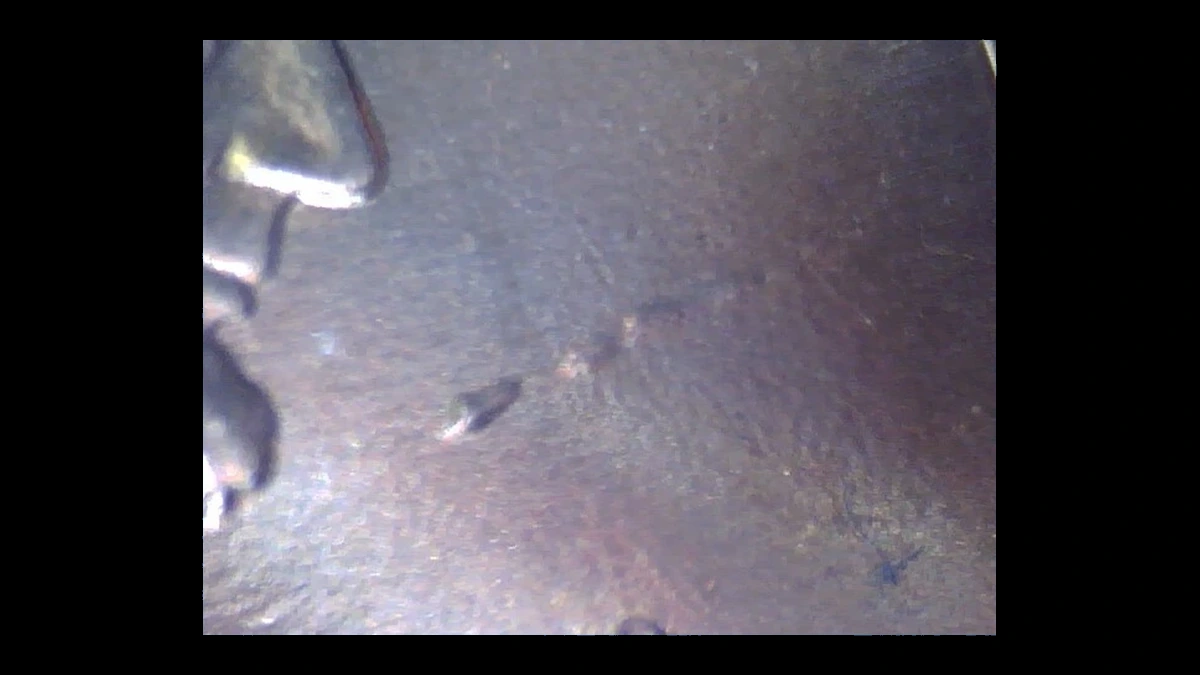
The penny’s thin copper skin can form a bubble or lift into a flap. Gray zinc may appear below the separated coating.
Although the report uses the word lamination, this construction differs from an older solid copper-alloy cent. Poor bonding can separate plating, but corrosion, chemicals, or later heating can produce similar appearances.
How to Identify
Use low light to locate the attached edge and inspect how the nearby design meets it. Do not pop a bubble, lift a flap, or press loose copper down.
Inspect both faces and the edge for scraping or corrosion extending beyond the obvious patch. Tiny coating losses can leave the weight close to normal, so a normal reading does not settle the cause.
What It’s Worth
Original small plating defects have an estimated $5–$50 range, with larger clearly identified separations around $50–$350. The cause must be established before applying those figures.
No individual 2013 sale is supplied for the reported example. Deliberate stripping and corrosion do not receive the same manufacturing-error premium.
4. 2013 Penny An Oddly Colored Surface: 2013 Annealing Claims Error
Copper naturally changes color as it ages, so an unusually dark cent can still be ordinary. A Philadelphia report links a color change to annealing, a heating step in metal preparation.
The thin plating over zinc must be considered when assessing that claim. Color alone cannot identify a particular production step or separate it from later heat, chemicals, or coating problems.
How to Identify
Compare the coin with a normal penny under neutral white light. Examine the surface for corrosion, added coatings, and disturbed metal without rubbing or chemical testing.
Normal dimensions cannot establish when the color changed. A qualified examiner needs a specific production defect supported by the surface, not just an unusual hue.
What It’s Worth
After a mint-made surface problem is established, the conditional estimate is $5–$150. This covers modest manufacturing-related color or coating defects on modern cents.
It is not a recorded price for a confirmed 2013 annealing error. Natural brown color and chemical treatment do not automatically qualify.
5. 2013 Penny A Curved or Straight Gap: 2013 Clipped Planchet Error
A punch overlapping a previous hole can produce a curved clip, while crossing the strip’s edge can leave a straight opening. Either creates an incomplete blank before striking.
Both shapes appear in the 2013 reports. Their locations belong to separate specimens rather than a single shared clock position.
How to Identify
Photograph the entire gap and both points where it meets the rim. Look for original design formed beside the missing area rather than saw marks or letters cut through afterward.
Weakness at the opposite rim can support a genuine clip but may be subtle. Measure intact spans when comparing diameter; a span across the gap cannot represent the original full width.
What It’s Worth
Genuine 2013 clips have an estimated $15–$250 range. Surviving date, clean original edges, and overall condition matter alongside the missing portion’s size.
A 2021 Shield cent with a five-percent straight clip brought $114 in September 2025 in MS64 Red. Its later date and specific straight shape limit the comparison to the broader type.
6. 2013 Penny Complete Designs on an Oversized Coin: 2013 Broadstrike Error
The collar normally limits outward metal movement as the dies strike the blank. A failure of that restraint can produce a wider coin while leaving the main designs complete.
The reported example is a Philadelphia cent without a mintmark. A broadstrike does not require the total disappearance of every rim trace.
How to Identify
Read the outer words on both sides and measure several diameters. The original design should remain on naturally expanded metal instead of being clipped by the edge.
Check for flattened letters and tool marks that might come from later squeezing. The smooth edge is normal for a cent; expanded shape and intact struck detail must supply the evidence together.
What It’s Worth
Confirmed examples have an estimated $20–$350 range, from modest expansion to more obvious spread on attractive coins. Condition remains part of the whole-coin value.
No recorded sale is assigned to the Philadelphia report. A larger coin with crushed design is not equivalent to an original broadstrike.
7. 2013 Penny Plain Metal beside Displaced Designs: 2013 Off-Center Strike Error
An off-center blank leaves metal untouched beside an incomplete picture. Lincoln and the Shield should both reflect the same misplaced position.
The Philadelphia report describes about 35% off center, while Denver examples are listed separately. That percentage does not establish a direction or apply to every coin in the group.
How to Identify
Find the readable date and mintmark if one survives, then compare both faces at matching scale. A shift limited to one face may involve one die instead of the blank.
Inspect the plain portion for grinding that could have removed an existing design. Striking can distort the outline, so an error need not retain the exact ordinary diameter.
What It’s Worth
Modest original offsets have an estimated $15–$100 range. Stronger attractive examples with visible dates can reach approximately $100–$500.
A 2006 cent with a four-percent offset brought $39 in March 2025. Its smaller shift and Memorial reverse make it a different-year comparison rather than a price for the reported 35% Philadelphia coin.
8. 2013 Penny Shield Lines or Words Fade Locally: 2013 Grease-Blocked Design Error
Grease or other material in a die’s small recesses can prevent fine detail from forming. A weak patch may remain beside otherwise sharp portrait or Shield features.
Reports mention IN GOD WE TRUST and the Shield’s fine lines without establishing one coin carrying every weak area. Wire and cloth belong to the broader strike-through category but are not separately documented 2013 examples in this material.
How to Identify
Compare the weakness with nearby high points and inspect the transition into clear design. General wear affects exposed features, while corrosion roughens metal and scraping cuts through completed detail.
Photograph both sides and preserve original surfaces. A blurred letter alone cannot identify the particular material that might have blocked the strike.
What It’s Worth
Small blocked areas have an estimated $5–$50 range, while broader original interruptions on attractive coins can fall around $50–$300.
A 2021-D grease error graded MS64 Red brought $84 in September 2025. Its later Shield design provides useful context without supplying a 2013 sale record.
9. 2013 Penny A BIE Bar, Ridge, or Rim Patch: 2013 Die Chips, Cracks, and Cuds Error
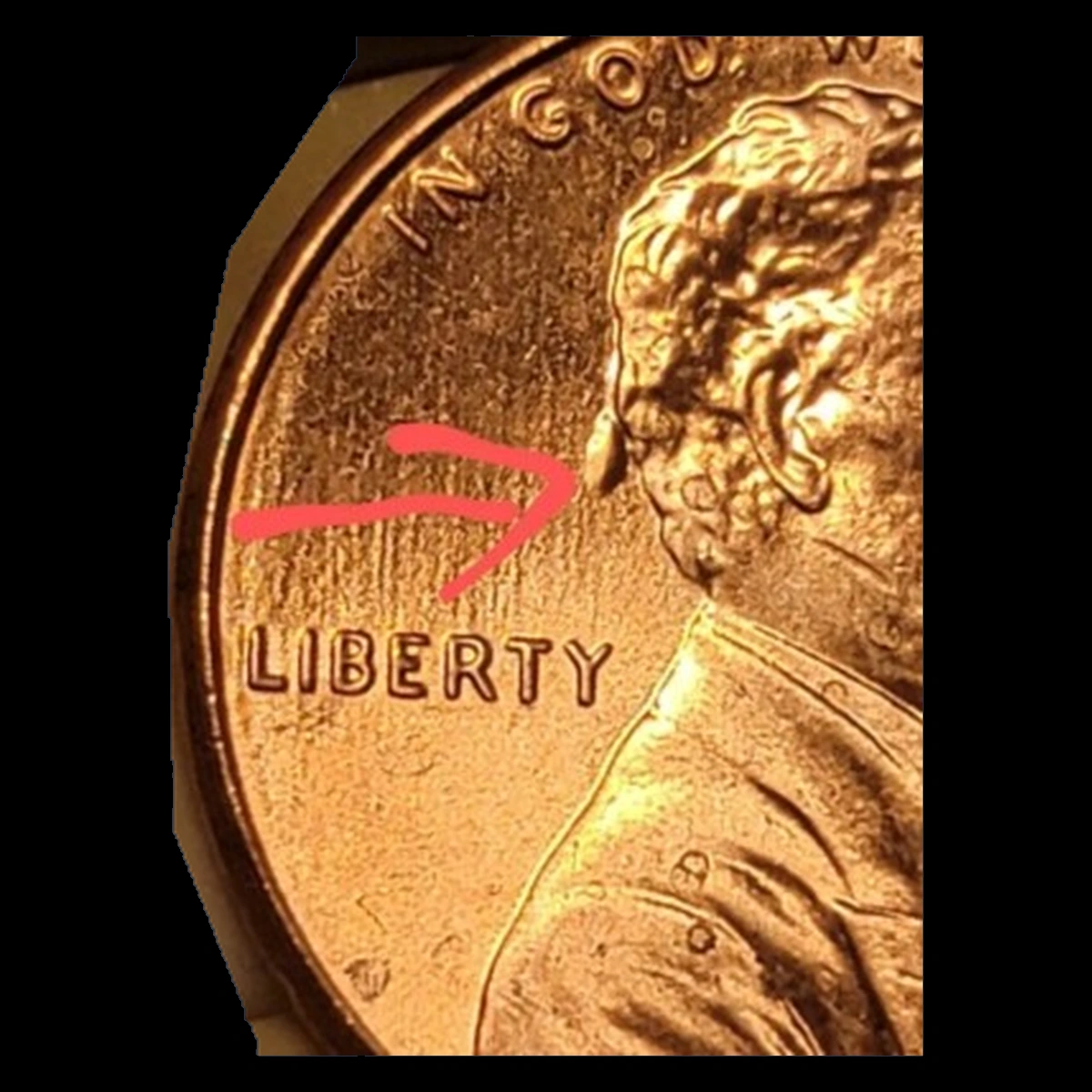
A tiny broken area in the die can create an I-like bar between B and E in LIBERTY, producing the BIE nickname. Cracks make raised lines, and other missing pieces can produce interior bumps.
Denver reports also include a rim-connected cud, a larger patch caused by a break at the tool’s edge. Weakness on the opposite face can accompany that cud.
How to Identify
Use side lighting to establish that the feature rises above the surface. Check the B-to-E position for BIE, or follow a larger patch into the rim before calling it a cud.
Inspect plating bubbles without pressing them because they can imitate raised tool damage. The reverse need not be perfectly normal on a genuine cud coin.
What It’s Worth
Small bars, chips, and fine cracks have an estimated $2–$50 range. Prominent rim cuds may support approximately $50–$400.
A 2021-D retained-cud cent brought $186 in September 2025. In that related subtype, a broken section of the die remained partly in place, so it is not an exact match for every 2013 rim break.
10. 2013 Penny Extra Letter Contours: 2013 Doubled Front and Back Designs Error
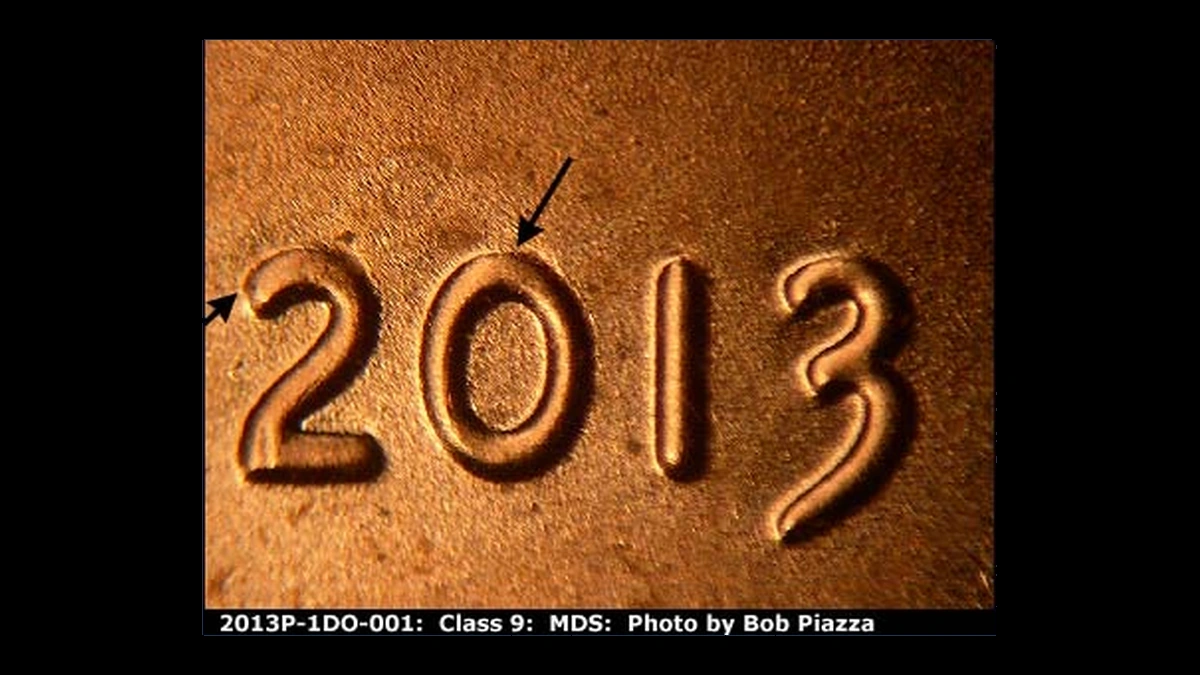
A doubled die carries repeated detail in the stamping tool and transfers that pattern to coins. The coin itself need not receive a second blow.
The Philadelphia report points to lower-left notches around ONE CENT and thicker reverse lettering or designer initials. Denver reports involve separate front and back patterns, not one shared set of diagnostics.
How to Identify
Identify the mint and face before selecting a comparison. Match a specific extra contour at its letter corner rather than comparing generally thick wording across unrelated examples.
Change the light and distinguish fixed raised detail from reflections or low strike-movement shelves. Split copper plating can also expose gray zinc and create a misleading apparent extra edge.
What It’s Worth
Minor identified varieties have an estimated $5–$40 range, with stronger attractive patterns around $40–$200. These are modest modern Shield-cent comparisons.
No shared verified auction result prices the Philadelphia and Denver reports. If a coin has features on both sides, value the complete piece rather than adding two maximum estimates.
Conclusion
The clearest distinction among the unusual-metal claims is whether an earlier dime design survives. That separates a double denomination from a cent struck on an unused wrong blank, while exposed zinc can still belong to an ordinary plated penny.
For the smaller errors, follow the gap, raised bar, or extra contour to its cause. Apply the $2–$3,500 estimates only after matching the mechanism, condition, and evidence for the individual coin.