Rare 1914 Penny Errors (List & Pictures)
The mintmark affects almost every price comparison for 1914 penny errors. A genuine 1914-D is already a scarce collectible, so a small crack does not explain its whole value.
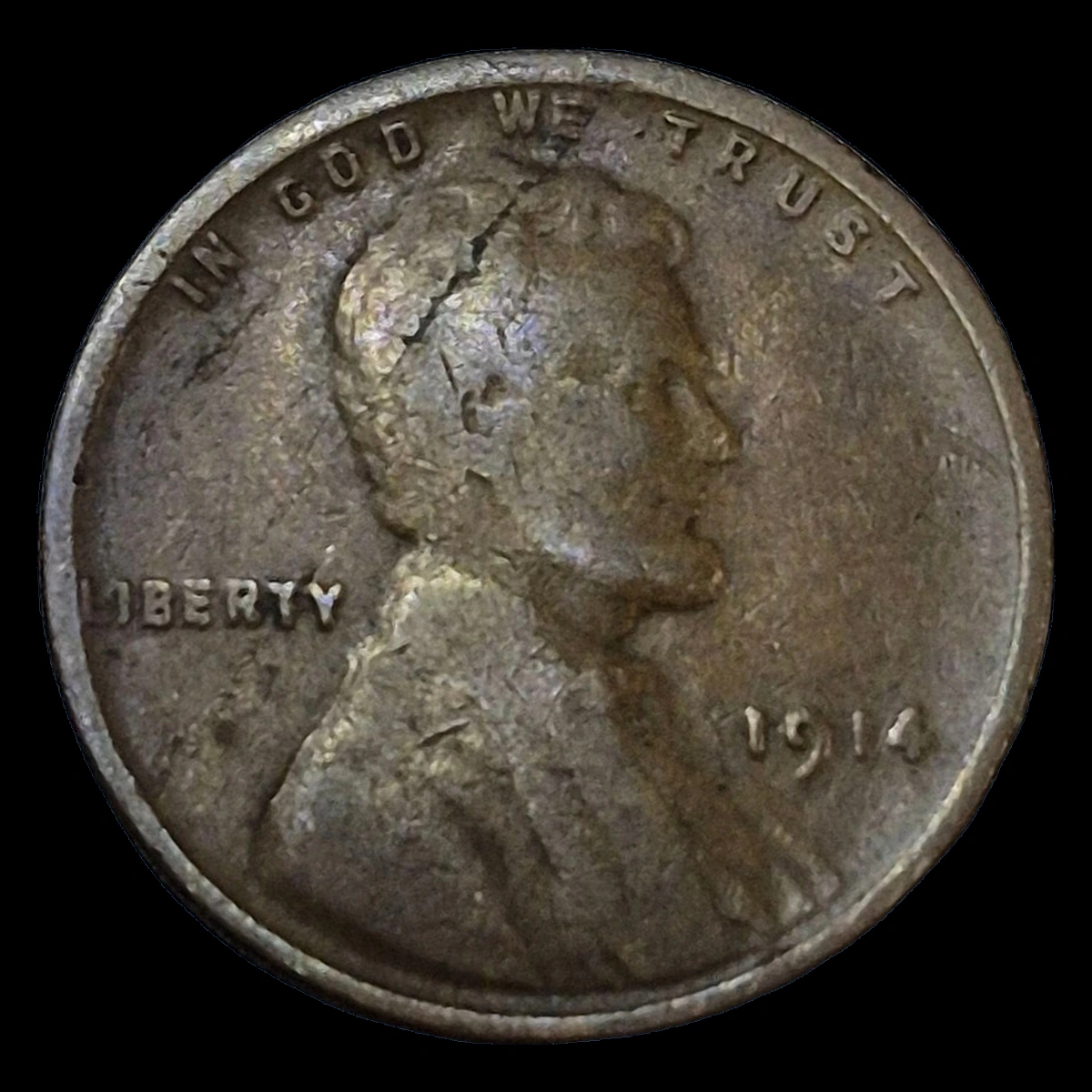
The estimates below span $3–$5,000 across the stated mints and conditions. A Philadelphia cent struck 10% off center sold for $322 in August 2011, providing a same-year comparison with both a clear error and a known grade.
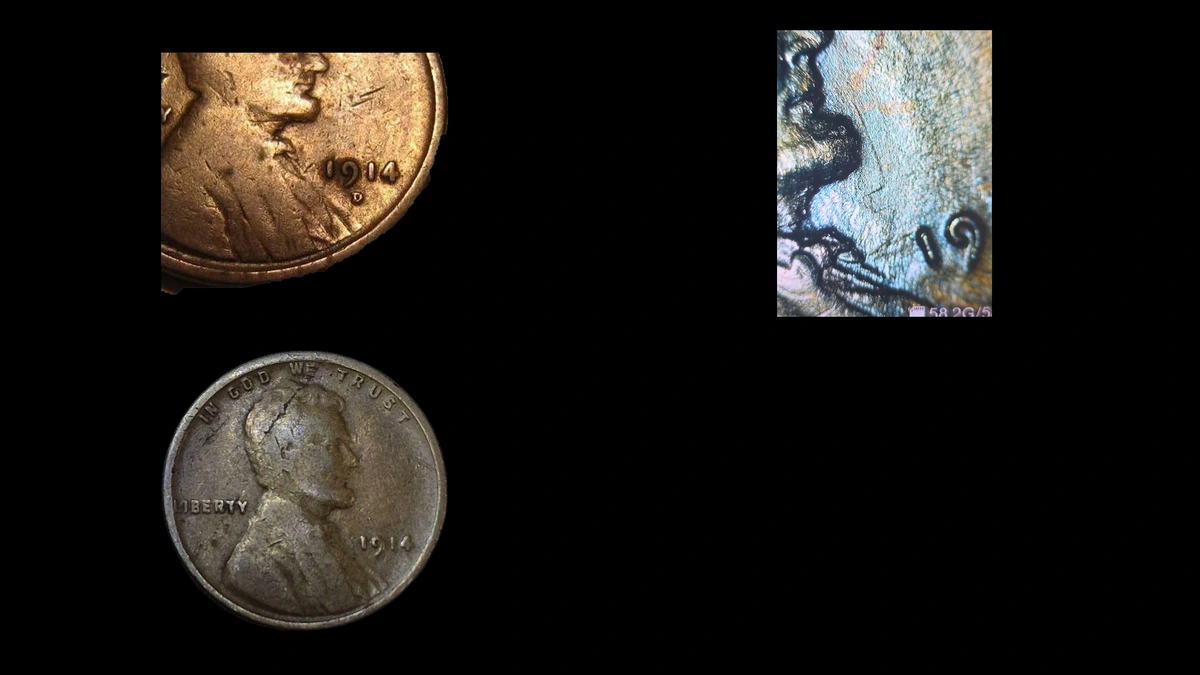
1. 1914 Penny Another Curve Appears beside D or S: Repunched Mintmark Error
The mint letter was punched into the die separately. A shifted second blow could leave parts of the earlier D or S beside the final impression.
How to Identify
Follow a curve far enough to recognize part of the same letter in another position. The general 1914 reports do not establish one direction of repunching for every Denver or San Francisco coin.
The 1914 date guide explains normal Denver mintmark positions and signs of alteration. A genuine D sitting differently from another genuine D is not automatically repunched.
Check the entire date and the metal around the letter, especially on a valuable Denver candidate. An altered 1944-D or an added D changes the coin’s identity before any error premium can be considered.
What It’s Worth
$15–$500 is an estimate for confirmed minor San Francisco repunching. Genuine circulated Denver coins with a matched extra D have a separate whole-coin estimate of $200–$3,500.
Much of the Denver range reflects the scarce date and mint. It is not an amount to add on top of the normal 1914-D price.
2. 1914 Penny Letter or Date Outlines Repeat: Doubled Front Error
Reported areas include LIBERTY, the date, and IN GOD WE TRUST. A doubled die carries repeated parts of the design before striking the coin.
How to Identify
Compare a suspected feature with a normal cent of the same mint and similar wear. A thick letter may result from wear or a worn tool rather than a doubled design.
Trace an extra raised outline around a corner, then match nearby details to the same variety. Flat shelves from movement during striking do not establish a doubled die.
The reports do not give one identical pattern for all mints. A Philadelphia comparison cannot identify a Denver or San Francisco candidate on its own.
What It’s Worth
$10–$500 is an estimate for an identified minor feature on an ordinary Philadelphia cent. Strength, original surfaces, and wear guide the closest comparison.
A minor 1936 doubled die sold for $70 in June 2024. That later example provides context, while a genuine 1914-D must retain its own underlying date-and-mint value.
3. 1914 Penny A Raised Line Runs through the Coat: Die Cracks and Breaks Error
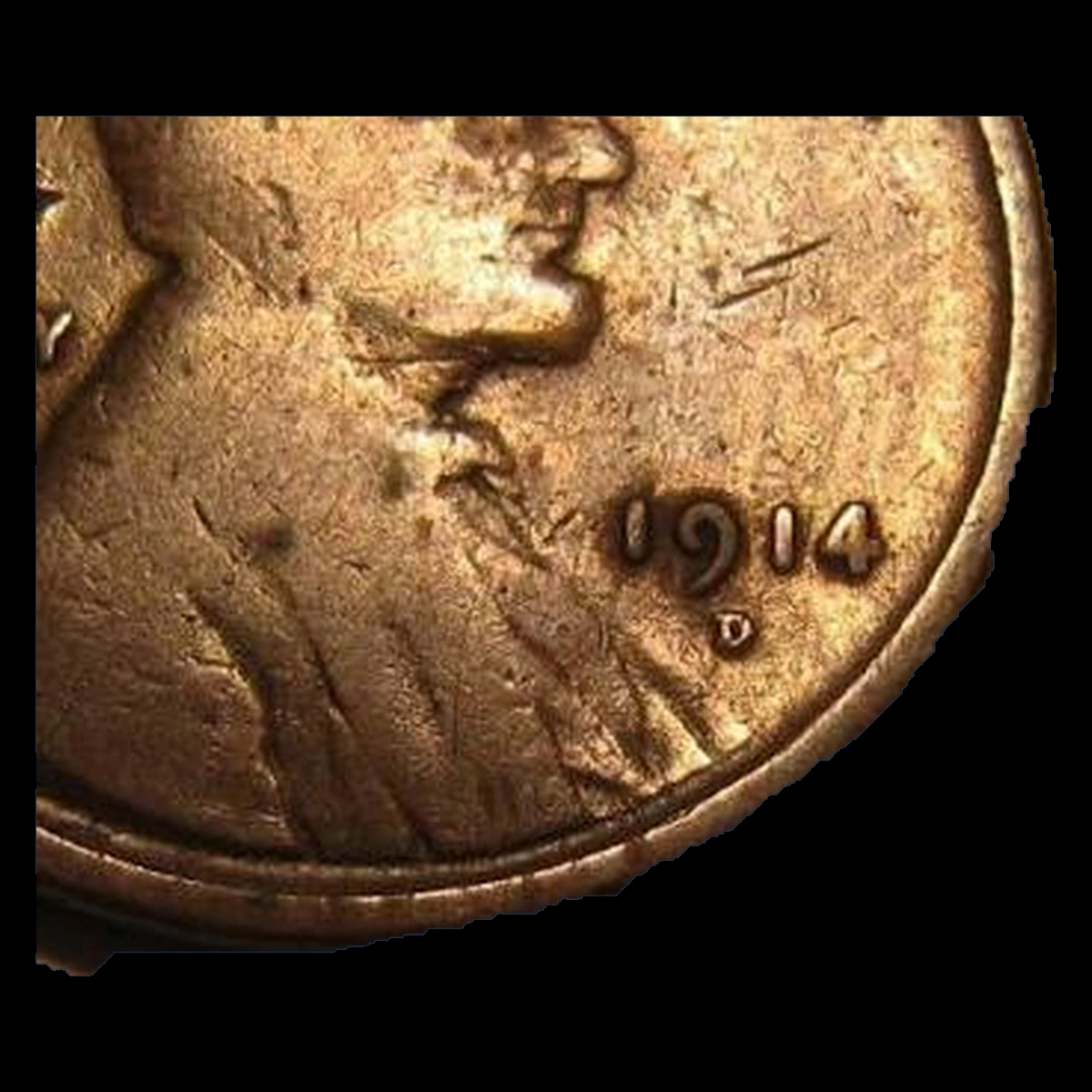
A recorded Denver pattern begins at the rim to Lincoln’s right and runs upward through his coat. The die cracked, letting copper form a raised line during striking.
How to Identify
Use the coat pattern only for a matching specimen. Not every genuine 1914-D shows that crack, so its absence is not an authentication test.
A separate San Francisco report concerns a rim-connected break. Its actual position must come from its own coin, rather than from the Denver coat line.
A full rim cud replaces design with raised metal where a die edge piece was missing. Interior chips, scratches, and squeezed rim metal have different boundaries.
What It’s Worth
$3–$75 suits small cracks on ordinary Philadelphia or San Francisco pieces, with substantial rim breaks around $40–$500. Worn genuine Denver coins with modest cracks may fall around $150–$2,000 as complete coins.
A 1934 major-break cent sold for $41 in August 2021. The difference helps show why a minor crack alone cannot explain the Denver range.
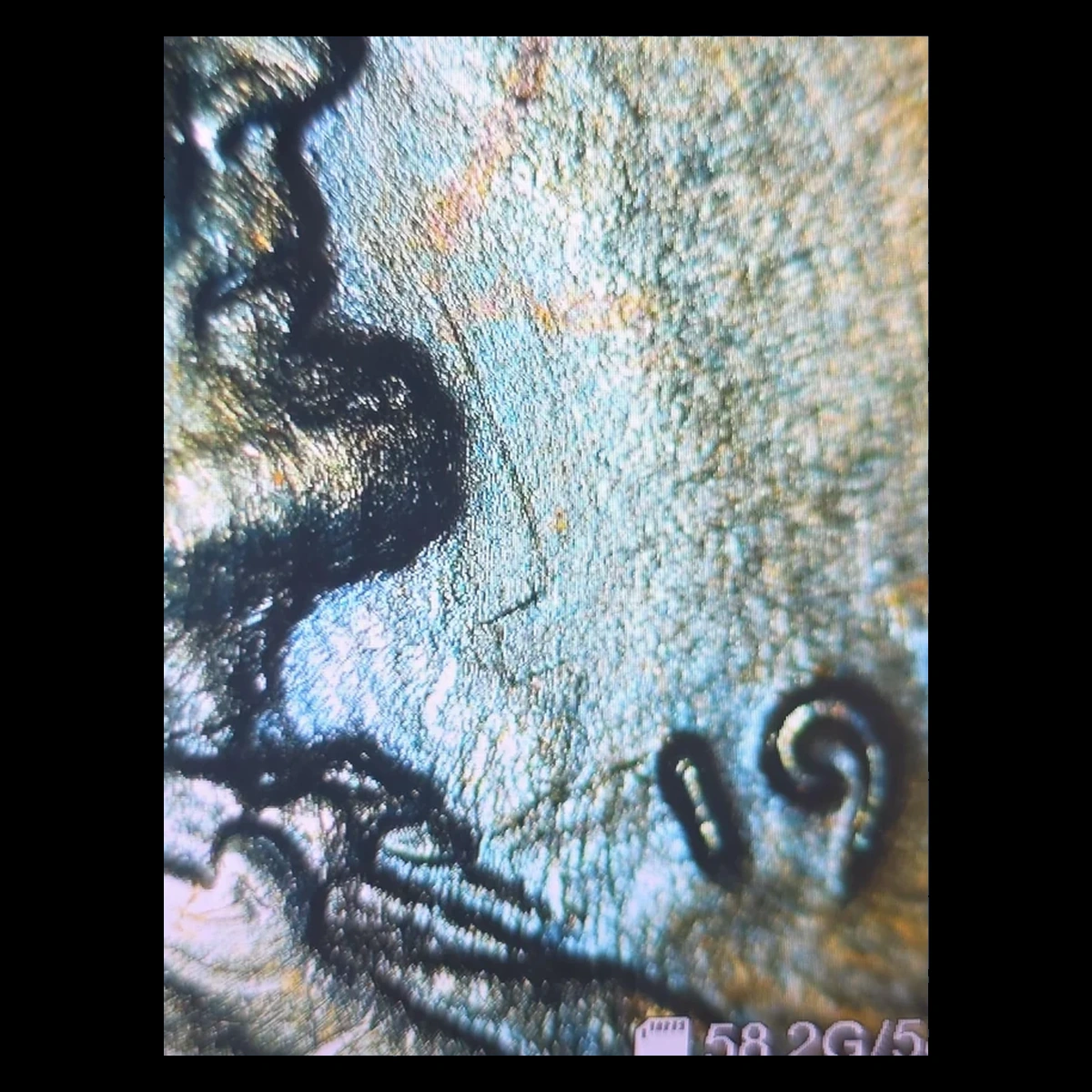
4. 1914 Penny Wheat-Like Traces Appear near Lincoln: Die Clash Error
The dies can meet without a blank between them and leave traces on one another. Later coins may copy those unwanted shapes beside the normal design.
How to Identify
The 1914 reports describe wheat-like front traces and portrait-like back traces. They do not establish one shared outline for every mint.
Compare both faces and follow a real curve or corner from the opposite design. A short raised crack near Lincoln is not a clash simply because of its location.
Keep the photographs correctly aligned during the comparison. Moving each small shape independently can make unrelated marks seem to fit.
What It’s Worth
$10–$300 is an estimated range for recognizable clashes on ordinary Philadelphia and San Francisco cents. A genuine worn Denver example with a minor clash has a separate whole-coin estimate of $150–$3,000.
The higher range largely reflects the 1914-D itself, not a documented sale of a particular clash. Several traces on one coin are not several prices to add together.
5. 1914 Penny A Metal Layer Separates from the Coin: Lamination Error
One Philadelphia penny was preserved in a PCGS holder with its detached back layer. The flake came from weakness within the bronze and belongs to the original coin.
How to Identify
Compare the flake’s outline with the missing back area in photographs. Keep the certified pair sealed and do not press a loose fragment into place.
A separate Denver report concerns front lamination. Its face and mint identity should stay separate from the Philadelphia detached piece.
Normal weight is about 3.11 grams and diameter about 19.05 millimeters. Missing metal may lower the reading, but avoid touching a fragile flap with measuring tools.
What It’s Worth
$15–$400 is an estimate for ordinary Philadelphia laminations, with the preserved matching flake adding interest. A different 1914 clamshell lamination sold for $45 in September 2024.
Worn Denver coins with modest metal defects have a separate whole-coin estimate of $150–$3,000. A peel may reduce appeal to collectors seeking clean surfaces, and a detached flake does not receive another full penny price.
6. 1914 Penny A Section Was Missing before Striking: Clipped Blank Error
A collector discussion records a 1914-D clip later acquired by a clip specialist. Its actual gap size and position must be checked on that coin.
How to Identify
Authenticate the date and D before using a scarce Denver comparison. The absence of VDB on Lincoln’s shoulder is normal for a genuine 1914 cent.
Inspect both ends of the gap for rim and design formed beside missing metal. Filing, saw marks, or cuts through a completed border suggest later removal.
Weakness opposite the gap can support a clip, but is not required on every genuine example. A low weight alone also cannot establish when metal disappeared.
What It’s Worth
$250–$5,000 is an estimate across genuine 1914-D clips with readable dates and differing preservation. Both the original Denver cent and the missing blank section contribute.
No transaction amount is supplied for the collector’s coin. A worn 1925 curved clip sold for $56 in March 2023, but that commoner date cannot determine the scarce Denver coin’s total value.
7. 1914 Penny The Picture Misses Part of the Metal: Off-Center Strike Error
The recorded Philadelphia collection example is shifted about 10% toward one o’clock and graded MS64 by PCGS. Unstruck metal remains beside the design that ran beyond the blank.
How to Identify
Photograph both faces with the entire outline visible. The unused crescent and incomplete designs should agree with one displaced blank.
A separate year report mentions a San Francisco example without supplying the same direction. Read its own date and S instead of assigning the Philadelphia specimen’s shift to it.
The crescent is still solid metal, unlike the missing section of a clip. Grinding finished lettering away leaves a different surface from copper that never received the design.
What It’s Worth
$50–$1,500 is an estimate for ordinary Philadelphia examples, with confirmed San Francisco pieces around $150–$2,500 across the stated practical conditions. A Philadelphia 10% PCGS MS64 Brown example sold for $322 in August 2011.
A separate scratched, unworn 10% coin brought $104 that October. Its surface problem shows why an unworn description alone does not guarantee the higher comparison.
8. 1914 Penny A Sunken Mirror Image Covers One Face: Reported Full Brockage Error
A struck coin trapped in the press can stamp its raised design into the next blank. The backward, recessed copy is called a brockage.
A seller reports a Philadelphia 1914 full brockage and also mentions lamination. Those labels do not independently establish either feature.
How to Identify
Confirm that recognizable details are reversed and below the surrounding surface. A plain depression or a raised normal image does not show this mechanism.
Use a whole-face photograph to assess full versus partial coverage. Then inspect the normal face and edge for later squeezing, which can imitate a transferred mirror mark.
The separate lamination claim needs a visible layer boundary. A list of error names cannot replace evidence for each one.
What It’s Worth
$500–$4,000 is an estimate for a professionally confirmed full brockage with a readable Philadelphia 1914 identity. It is not a sale assigned to the seller’s reported specimen.
Condition and surviving mirror detail guide the comparison. Extra claimed features should not be used to add several maximum estimates to the same coin.
Conclusion
A 1914-D deserves its own authentication and price comparison before a crack, clip, or peel is valued. The coat crack is a feature on some coins, not a requirement for every genuine Denver cent.
Keep the mint, surfaces, and actual error together in photographs and records. The detached Philadelphia flake, scratched off-center coin, and seller-reported brockage each need their own evidence and condition assessment.