Rare 1909 Indian Head Penny Errors (List & Pictures)
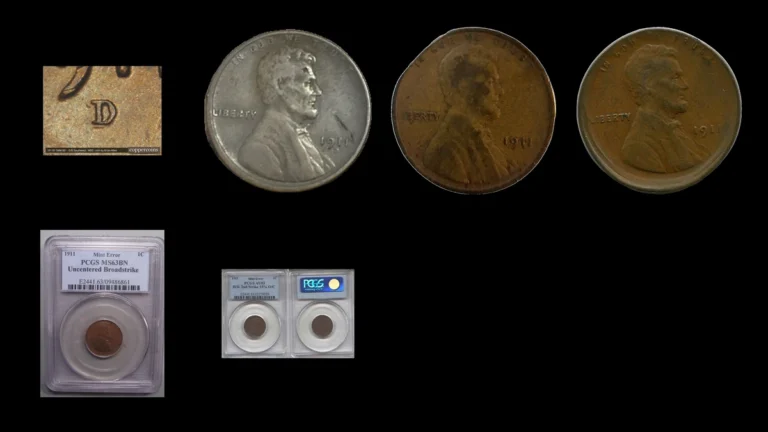
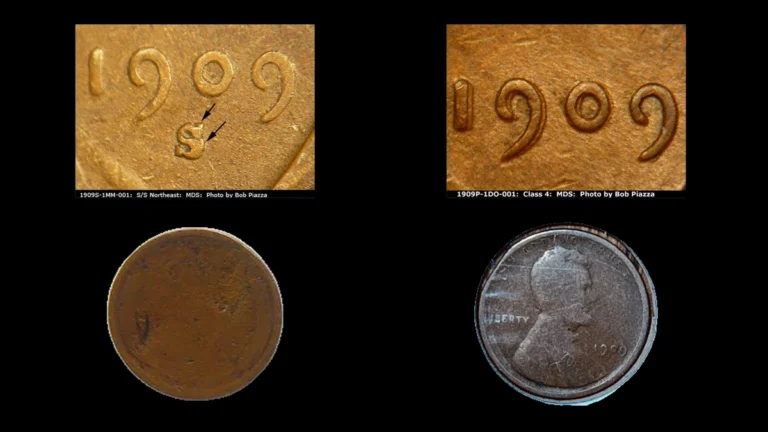
The mintmark on a 1909 Indian Head cent belongs below the wreath, not beside the date. That is one important difference from the Lincoln cents also made that year.
These 1909 Indian Head penny errors have estimated whole-coin values of $20–$75,000, with the high end based on a series-wide silver-blank guide. The supplied completed-sale comparison is a different-year 1903 off-center cent at $216, not a five-figure sale of the reported 1909 silver piece.
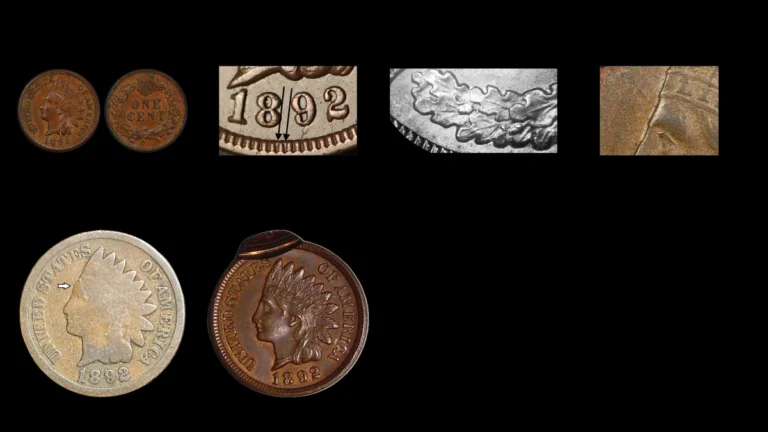
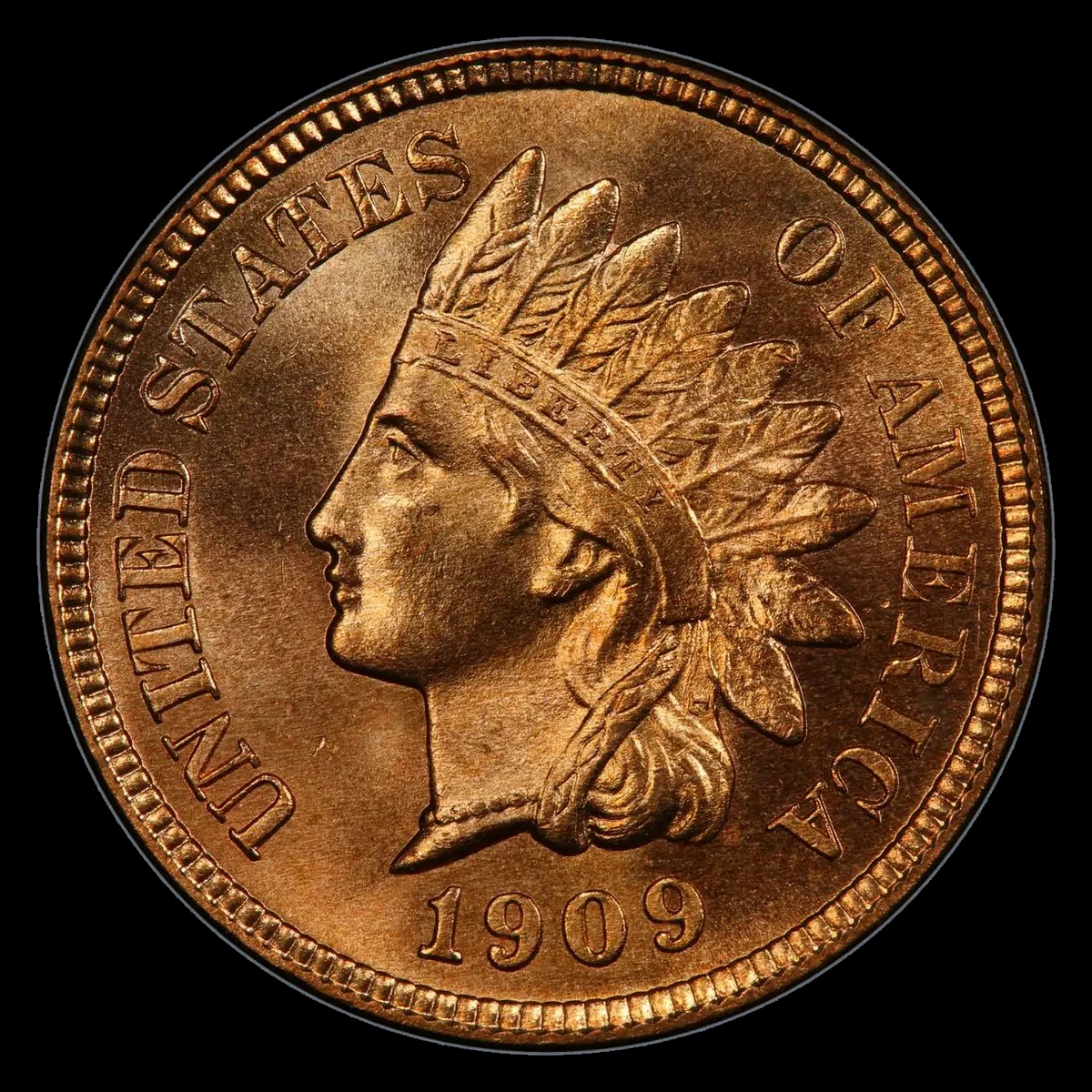
1. 1909 Penny The Ribbon’s L Has Extra Detail: Doubled Design Error
The tiny L behind the neck is the designer’s initial. Some 1909 listings place extra detail on that letter under doubled-die names, including Snow-1 and FS-101.
The important distinction is where the doubling began. A feature shared through an earlier master design tool can appear on multiple working dies, rather than identifying one rare die by itself.
How to Identify
Find the L with part of the ribbon still visible, then compare its shape with Wexler’s explanation of master-tool doubling. Keep that shared feature separate from any other marks needed to identify a particular working die.
A thick edge or dark shadow alone is not a variety match. Change the light and follow the actual extra metal around the small letter.
For a loose bronze cent, the normal measurements are about 3.11 grams and 19.05 millimeters across. These checks support the basic coin identity but cannot establish a rare doubled-die attribution.
What It’s Worth
$20–$1,200 is an estimated whole-coin range for Philadelphia cents carrying the listed front features. Much of the spread reflects wear, color, and preservation.
The master-tool L does not automatically add a large rarity premium. A named working-die variety price needs the complete matching pattern, not just an extra edge on the initial.
2. 1909 Penny An Impression Interrupts the Design: Struck Through Material Error
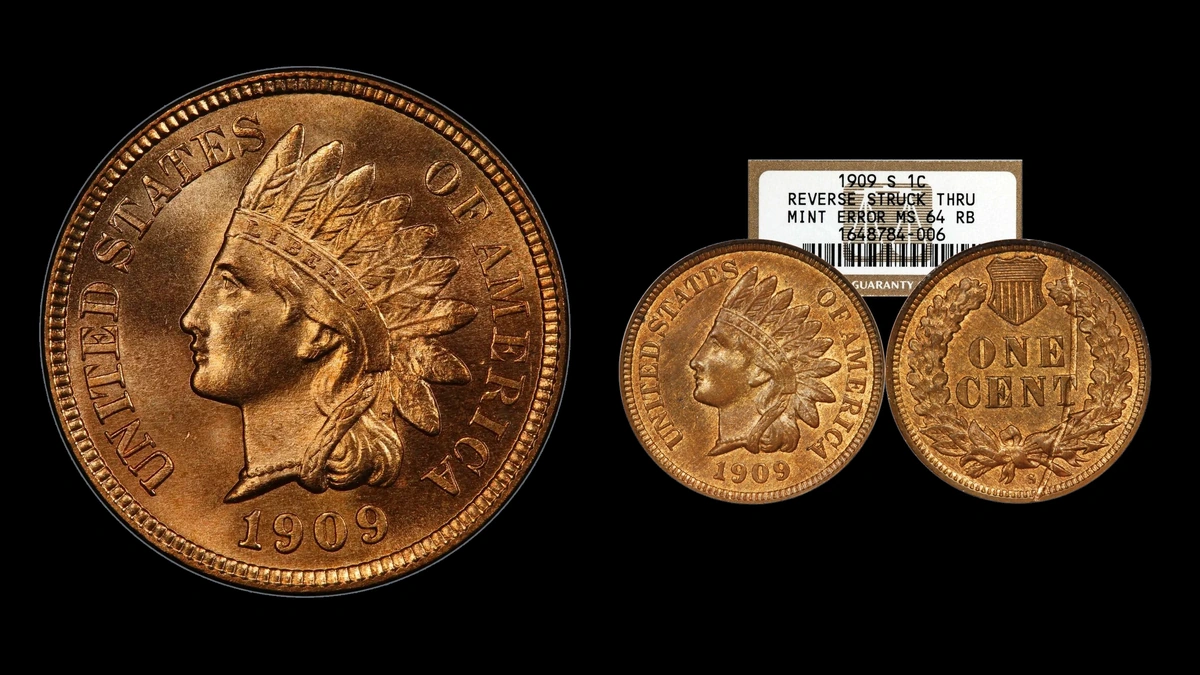
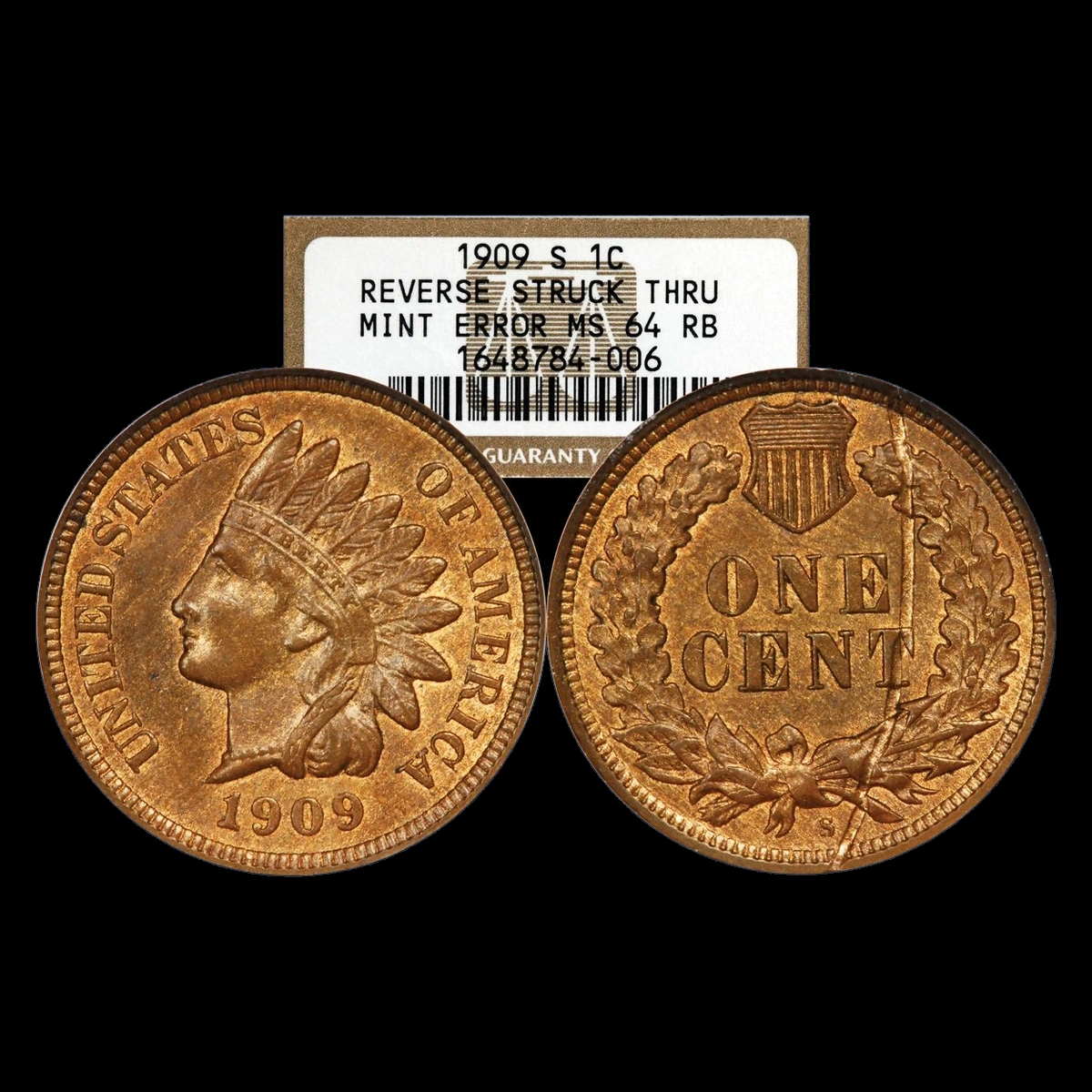
A specialist collection records a 1909-S cent with a back struck-through error, graded MS64 Red and Brown by NGC. Material between the die and blank interrupted the normal strike.
A separate seller reports a front impression on a worn 1909 cent. That claim has a different evidence level and concerns a different coin and face.
How to Identify
Choose the correct face before comparing a close-up. The certified San Francisco record concerns the back, so a front mark cannot simply borrow its attribution.
Follow nearby letters or design lines into the impression. An original obstruction can prevent detail from forming, while a later hit cuts or flattens a finished design.
The description does not identify the obstructing object. Cloth, grease, wood, or metal needs supporting texture and evidence from the actual specimen rather than an assumed label.
What It’s Worth
$30–$300 is an estimate for modest confirmed front impressions on circulated Philadelphia coins. The certified, unworn 1909-S back example has a separate whole-coin estimate of $1,000–$7,000.
The San Francisco mint issue is valuable even before considering an error, and its preservation contributes heavily. These ranges are not reported sales of the two examples.
A worn seller-described front impression should not inherit the certified San Francisco range without the same mint identity and condition.
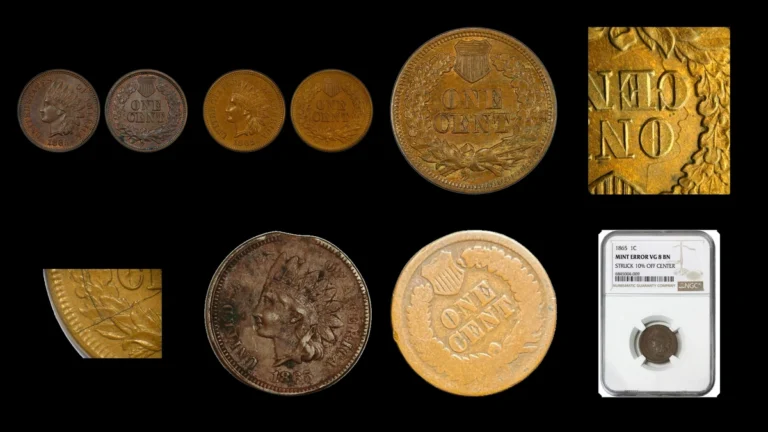
3. 1909 Penny The Portrait Sits beside Unused Metal: Off-Center Strike Error
A blank that enters the press out of position can receive only part of the Indian Head design. The unused portion remains a solid crescent rather than a missing chunk.
How to Identify
Read the date, then inspect the back below the wreath for an S. If that area missed the strike, the absence of a readable letter does not prove or justify a San Francisco attribution.
The supplied year report does not fix one mint or amount of displacement. Photograph both sides and check whether the incomplete designs fit the same misplaced blank.
Inspect the crescent and edge for sanding, cutting, or erased design. A later removal of metal needs a different explanation from an area that never received the intended impression.
What It’s Worth
$50–$2,500 is a working estimate for dated Philadelphia examples, depending on shift and preservation. A genuinely identified San Francisco coin requires its own whole-coin comparison.
A 1903 Indian cent struck 15% off center, graded XF45 by PCGS, sold for $216 in December 2024. It provides a same-series sale with circulation wear, not a fixed value for every reported 1909 error.
4. 1909 Penny The Cent Design Appears on Silver: Dime Blank Error
A specialist account describes a 1909 Indian Head cent struck on a blank intended for a Barber dime. It was in Fred Weinberg’s collection and was described with strong detail and original mint shine.
This account concerns an unused silver blank entering the cent press. It does not describe a finished dime receiving a second coin design.
How to Identify
A silver dime blank normally starts at 2.50 grams and 17.91 millimeters across, with 90% silver and 10% copper. Striking it with cent dies may spread the smaller piece beyond its starting width.
Compare weight, dimensions, and metal together. A silver-colored coating on a normal bronze cent cannot establish this blank identity.
Professional non-destructive testing can check the alloy, while edge photographs may reveal plating or filing. An earlier dime design on the faces would indicate an overstruck finished coin, a different event from the supplied description.
What It’s Worth
$20,000–$75,000 is the series-wide range in the Mint Error News guide for Indian cents on dime blanks. It supports an estimate across worn through exceptional examples, not a sale price for this particular 1909 piece.
The older collection account supplies no adopted transaction amount. Confirmed blank identity, originality, and condition are necessary before using the guide for a specific coin.
Conclusion
The ribbon’s L and a silver blank require very different levels of evidence. Match a small design feature to its proper tool history, and match unusual metal to measured composition and size.
Keep the Indian Head and Lincoln versions separate, and check below the wreath for the correct mintmark location. The silver guide’s upper figure is an estimate for exceptional coins, while the San Francisco struck-through range includes an already valuable mint issue.