Rare 2015 Dime Errors (List & Pictures)
A silver 2015 dime with a P mintmark may be a normal collector issue, so identify the coin before judging its metal. Estimated 2015 dime errors span $5–$500; the supplied year guide reports $430 for a Philadelphia off-center example.
Follow the surface checks below, then test the relationship between the two faces and examine the outline.
| What looks unusual | Possible explanation | Estimated value |
|---|---|---|
| Copper-colored face with missing metal | Missing clad layer | $150–$450 |
| Dark surface with outer layers present | Improper annealing | $50–$325 |
| Peeling or attached metal | Lamination | $25–$350 |
| Raised line or stepped rim patch | Die crack or retained cud | $5–$200 |
| Parallel front-side marks | Reported feeder contact | $50–$200 |
| Weak detail or a localized depression | Struck through material | $5–$250 |
| Repeated design contours | Doubled die | $15–$275 |
| Torch tilted after a controlled flip | Rotated die | $25–$225 |
| Complete design in an expanded border | Broadstrike | $40–$225 |
| Unstruck crescent beside missing design | Off-center strike | $30–$500 |
1. 2015 Dime Copper Shows Where an Outer Layer Should Be: Missing Clad Layer Error
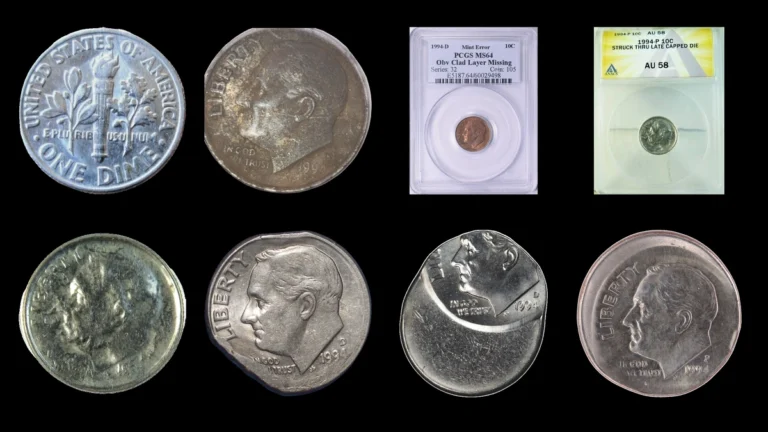
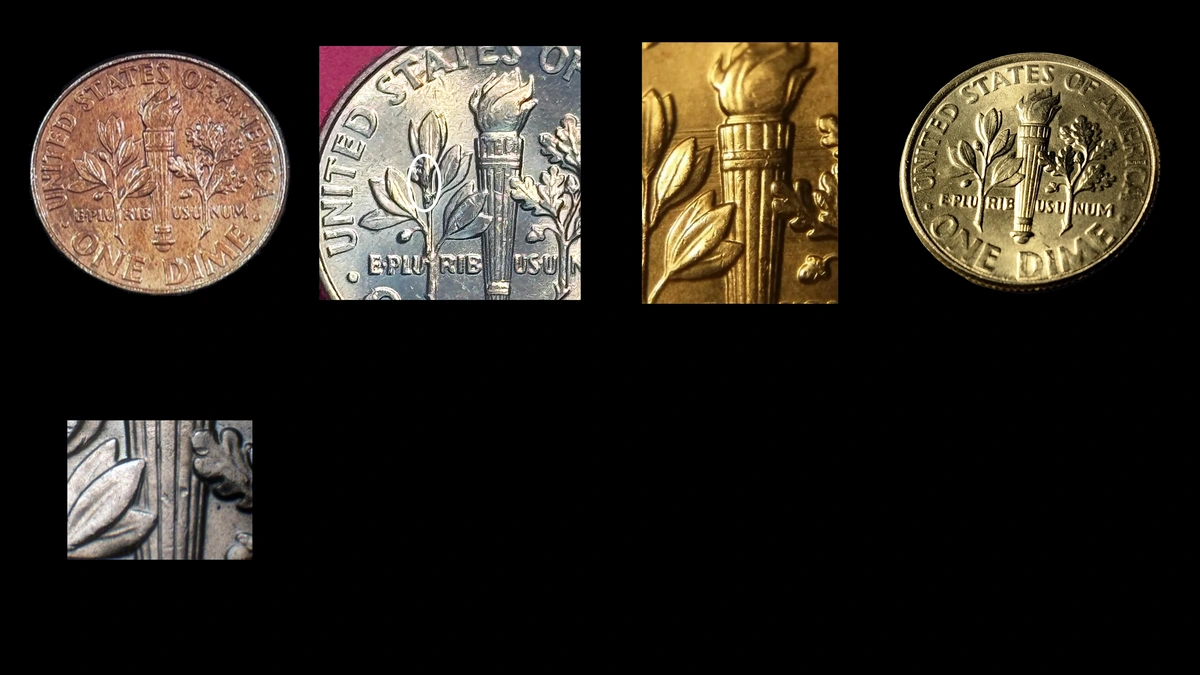
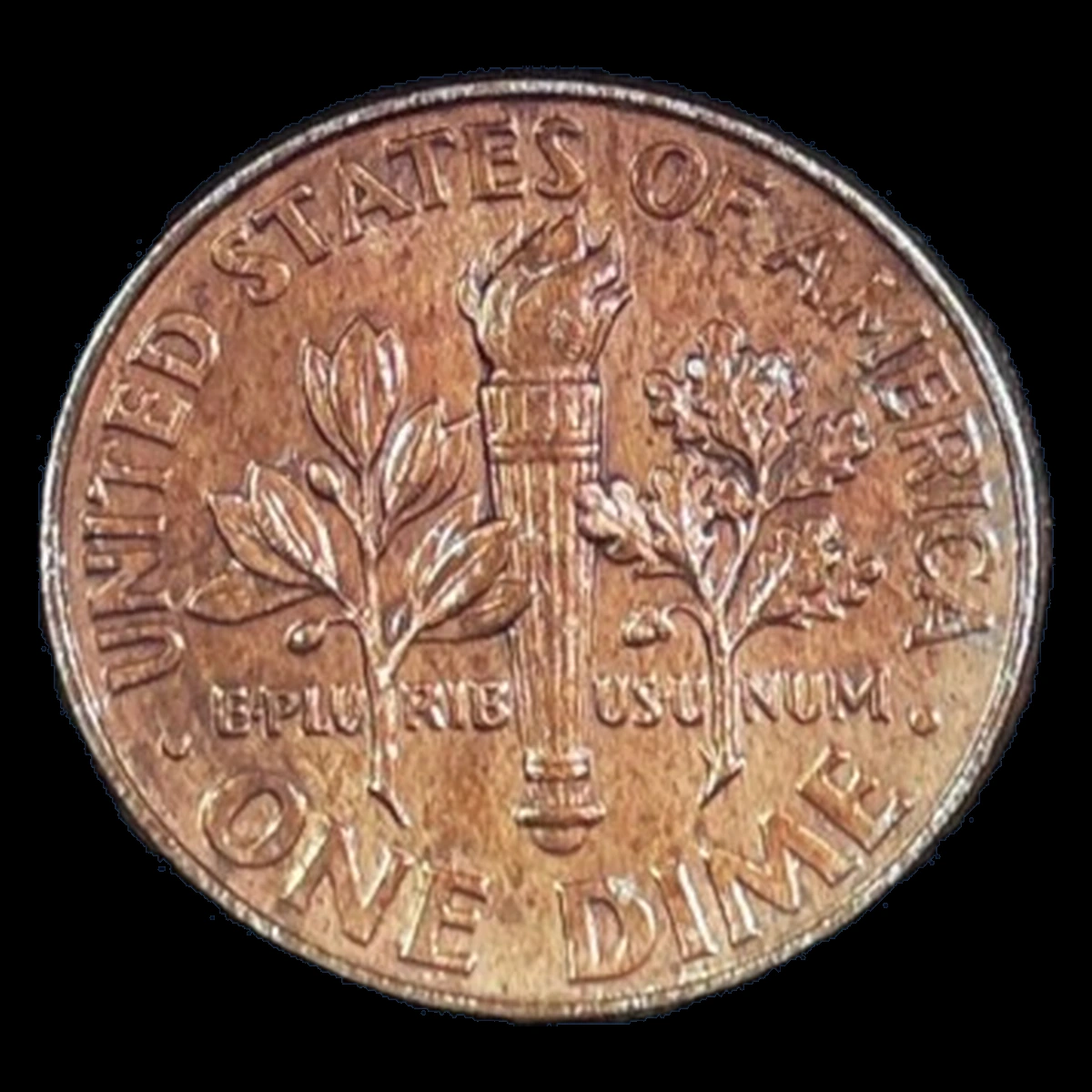
Ordinary circulation dimes have pale outer layers bonded to a copper core. A missing layer can expose copper across a face or a large area and reduce the coin’s weight.
The year’s silver collector coins need a different comparison. The S silver Proof, W Proof, and P Reverse Proof intentionally contain 90% silver; their composition is not an error.
How to Identify
A normal P or D circulation dime weighs about 2.268 grams, while those silver collector versions weigh about 2.50 grams. The usual diameter is 17.91 mm, and the P Reverse Proof has shiny designs against a frosted background.
For a missing-layer candidate, examine both faces and the edge for genuinely absent metal and original design struck into exposed copper. Chemical stripping and grinding can also remove metal, so color and reduced weight need supporting surface evidence.
What It’s Worth
$150–$450 is the estimated range for a genuine missing-layer example. A year guide reports $415 for a 2015 specimen graded MS60, but the supplied material does not establish its affected face or mint.
That is a reported comparison rather than an independently documented transaction here. Original detail and clean exposed copper are more relevant than color alone.
2. 2015 Dime The Surface Is Dark but the Layers Remain: Improper Annealing Error
A Denver report attributes an unusual dark or copper-colored surface to improper annealing. Annealing is the heating step used to soften blanks before striking.
A heating-related surface change need not remove a whole outer layer. Later heat, chemicals, staining, and added plating can produce similar appearances.
How to Identify
Check whether the outer metal is present before interpreting the shade. Large weight loss, exposed layer boundaries, or peeling can point toward another explanation.
View both faces under neutral lighting and examine the lettering for disturbed metal, coating, or corrosion. Normal weight and unusual color can narrow the possibilities but cannot prove a particular heating history.
What It’s Worth
$50–$325 is the estimate for a confirmed mint-made annealing error. The year guide reports $310 for a 2015-D graded MS65.
The supplied evidence does not include the original transaction. Professional identification of the surface’s cause matters before that reported price can serve as a comparison.
3. 2015 Dime A Thin Sheet Peels from the Surface: Lamination or Layer Separation Error
A reported 2015-D dime has separating metal, commonly described as lamination. A weak area within the metal or at a layer bond can leave an attached flap or an exposed patch after material falls away.
The visible opening alone does not establish exactly when separation occurred. A local flap, a missing entire outer layer, and a blank split into pieces are different conditions.
How to Identify
Leave an attached flap in place and inspect its boundary with side lighting. Its attachment and any design crossing the separation preserve useful evidence.
Natural separation should be distinguished from a tool cut surrounded by fresh scratches or displaced edges. Retained metal can leave the coin near its original weight, so an ordinary reading does not exclude a flap.
What It’s Worth
$25–$350 is the estimated range, depending on the affected area and condition. The year guide reports $315 for a 2015-D graded MS63.
That figure is a secondary report rather than a supplied auction record. Compare the actual separation before applying it to a tiny edge flake or a flap altered by handling.
4. 2015 Dime A Raised Line Reaches a Stepped Patch: Die Cracks and Retained Cuds Error
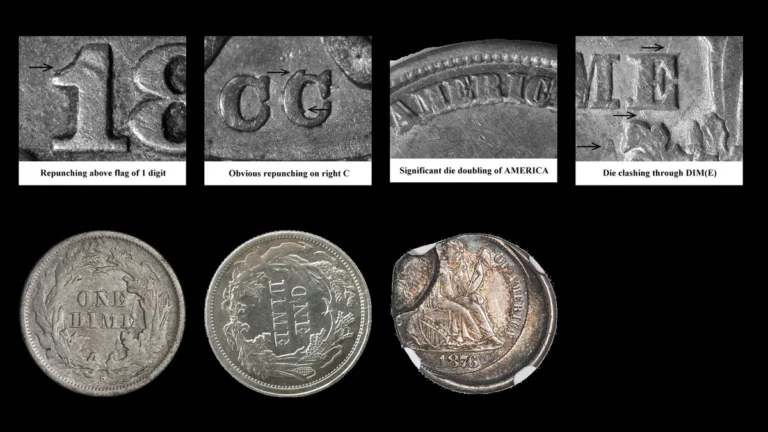
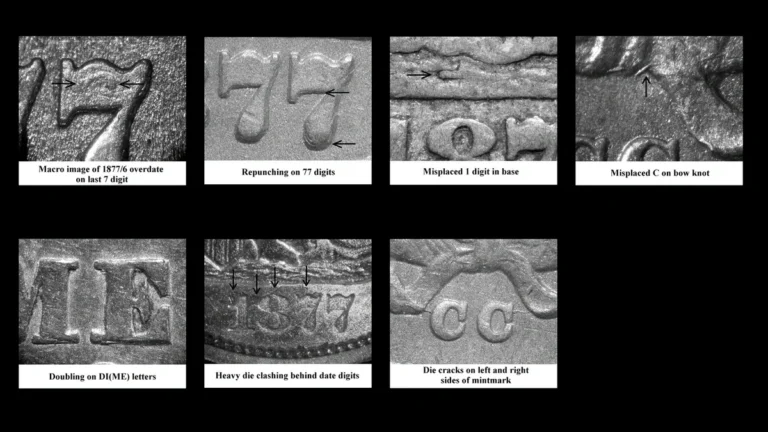
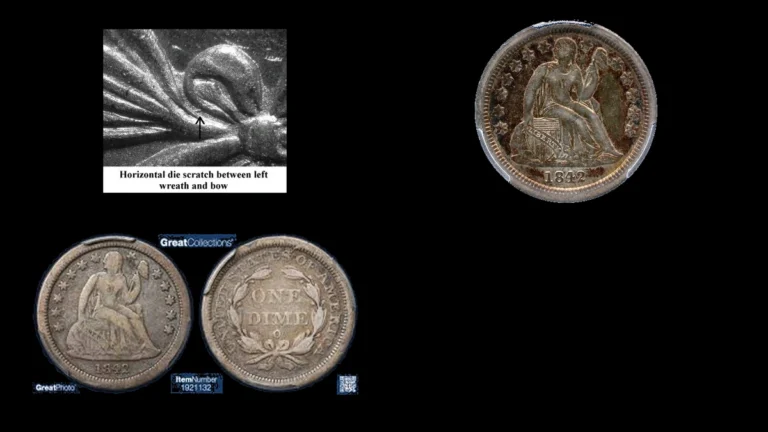
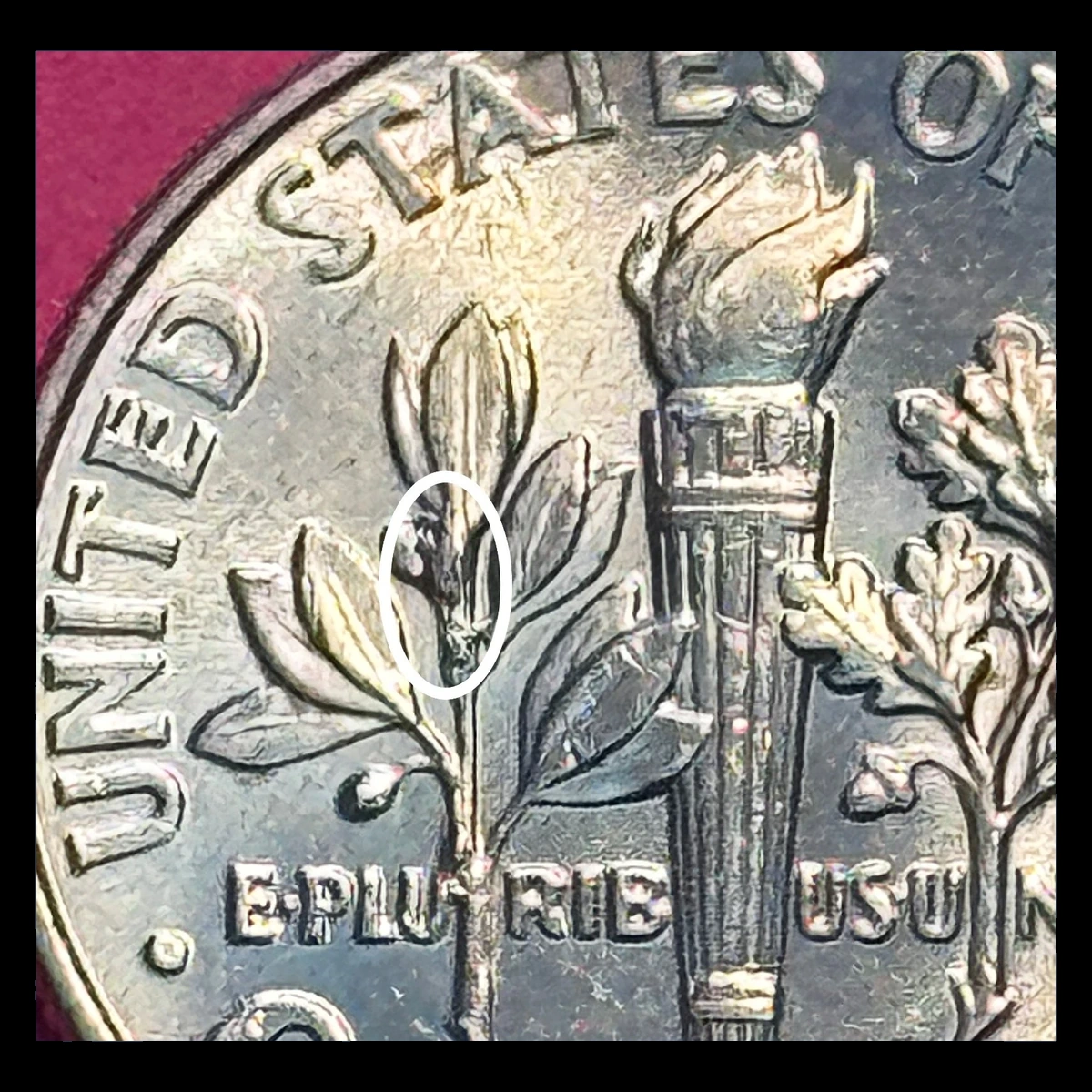
A cracked die leaves a raised line when metal enters the opening during striking. The Denver reports also include a reverse retained cud, in which a damaged section of the die remains in place but shifts.
The affected patch can still carry design beside a small step. A plain raised rim blob is a different appearance and should not automatically receive the retained-cud label.
How to Identify
Follow the raised line with angled light and distinguish it from a groove with pushed-up edges. Scratches can have raised sides without being die cracks.
For the reported reverse retained cud, look for a rim-area patch with surviving design and a change in level. The feature should be connected coin metal rather than glue or an added substance.
What It’s Worth
$5–$25 is the estimate for fine cracks, while clear retained cuds may fall around $30–$200. The guide reports $185 for a 2015-D retained-cud coin graded MS64.
No original transaction accompanies that figure in the supplied material. A visible step and identifiable retained design provide a better comparison than a random lump of similar size.
5. 2015 Dime Straight Marks Cross the Front in Parallel: Reported Feeder Contact Error
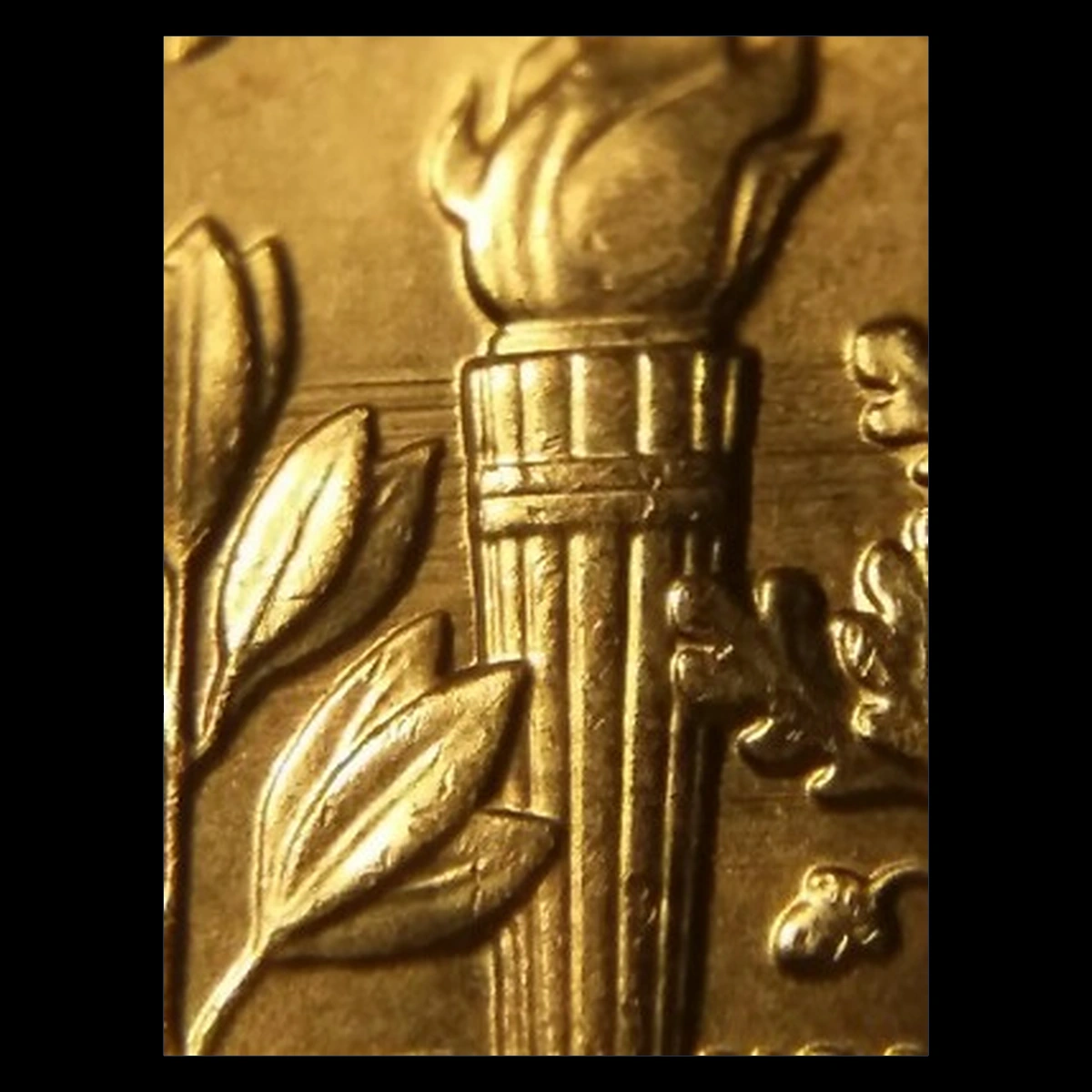
A feeder finger is the arm that moves blanks into striking position. The 2015-P guide describes roughly parallel front-side marks as damage from its contact with a blank.
That proposed sequence needs to be established on the individual coin. Ordinary scratches can also form parallel lines with raised edges.
How to Identify
Photograph the complete pattern, then inspect where each line meets a letter or the portrait. Design struck over an earlier mark has a different relationship from a scratch cutting through finished detail.
Match the whole pattern to an identified circulation example. Neither a P mintmark nor the raised edge of a scratch alone proves the reported mechanism.
What It’s Worth
$50–$200 is the estimate for confirmed feeder-contact errors with clear original marks. The upper end reflects the guide’s reported $200 example, not a separately identified auction.
Later scraping and heavy wear can conceal the original sequence. A positively identified coin is therefore a stronger comparison than unexplained lines on a loose dime.
6. 2015 Dime A Small Area Is Weak or Sunken: Struck Through Material Error
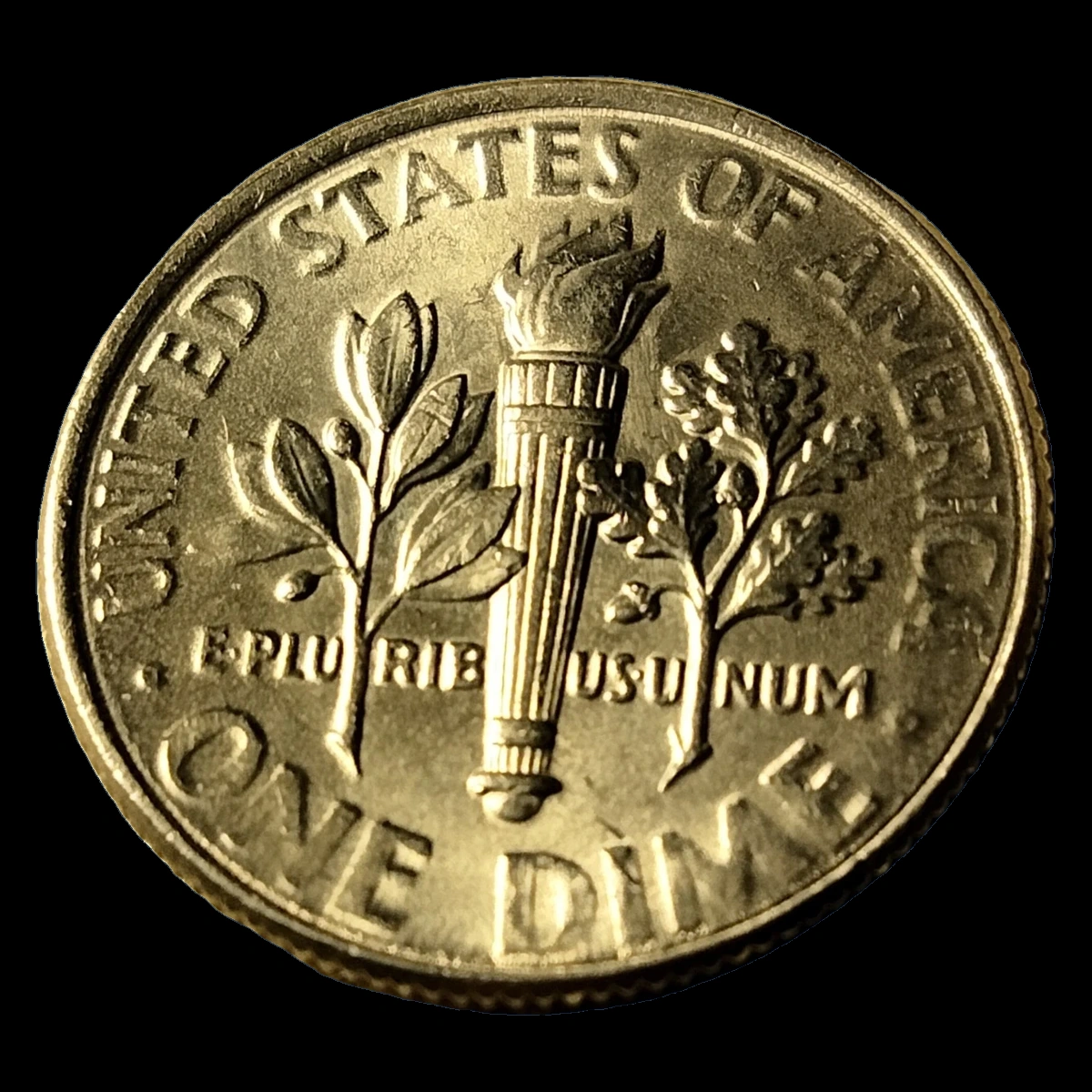
An obstruction between the die and blank can leave a depression or prevent part of the design from forming. Grease filling a recess in the die may instead leave a weak letter or other incomplete detail.
The year reports include a Philadelphia front-side example and more general grease-filled detail. They do not establish wire, cloth, or another named object for every mark.
How to Identify
Compare the suspect patch with the surrounding design. Sharp nearby lettering can support a localized obstruction, while broad softness may simply reflect wear or a weak strike.
Inspect the depression’s boundary for scraping, torn metal, or a sharp later cut. Do not scratch or clean a deposit to see what lies beneath it.
What It’s Worth
$5–$30 is the estimate for light blocked detail; a larger, clear struck-through impression may bring $40–$250. A year guide reports $210 for a front-side example graded MS63.
The figure remains a secondary report without the original sale supplied. A distinct original impression is a better comparison than a vague flat patch on a heavily worn dime.
7. 2015 Dime A Design Feature Has Rounded Repeated Edges: Doubled Die Error
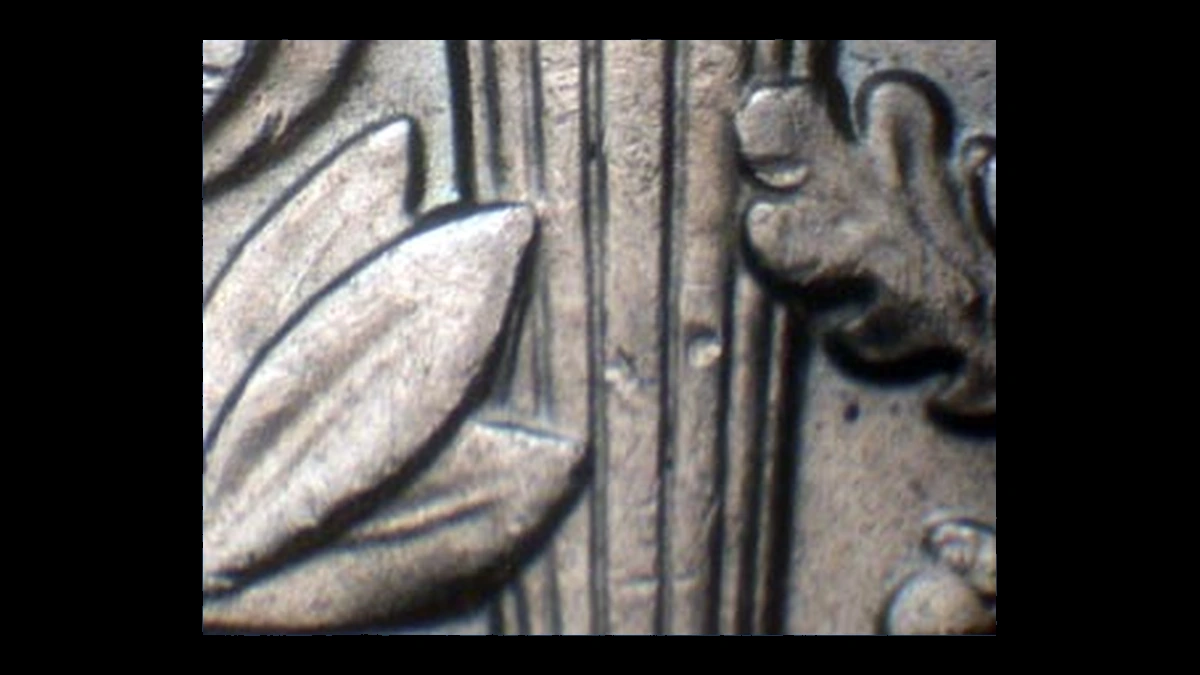
Reports for 2015-P place reverse doubling around the torch, branches, or lettering. Separate front-side reports mention the date, LIBERTY, and IN GOD WE TRUST.
In a genuine doubled die, the tool itself carries repeated detail. These reports describe different possible patterns and do not establish that one coin has all of them.
How to Identify
Choose one face and compare the full pattern with an established variety image. The reported reverse locations are not precise enough to identify a named variety from a single thick letter.
Rounded repeated contours differ from flat ledges created by movement during the strike. Change the light direction to check whether apparent separation is merely a shadow.
What It’s Worth
$15–$50 is the estimate for minor clear doubling, while stronger identifiable examples may reach $75–$275. The supplied guide’s $100–$260 reverse range overlaps those broader estimates.
No completed sale was supplied for an individually attributed pattern. Front and reverse features need their own comparisons, and a variety name must match the actual coin.
8. 2015 Dime The Torch Finishes Tilted after a Controlled Flip: Rotated Die Error
A reported 2015-P error places the front and back designs at an abnormal angle to each other. Both can remain centered because rotation changes their orientation rather than moving them toward the rim.
How to Identify
Hold Roosevelt upright and flip the coin top to bottom without twisting your grip. A normal dime’s torch should finish upright.
Repeat the movement or record a continuous video to check that the same tilt returns. Independently rotated photographs and an uneven border cannot establish this error.
Keep a certified coin sealed in its holder during examination. No specific rotation angle is established for the report.
What It’s Worth
$25–$225 is the estimated range for genuine rotation. Larger repeatable deviations can draw more interest than small tilts.
The guide reports $210 for a Philadelphia example offered through eBay in 2016. Without the original transaction, this remains a reported comparison rather than a confirmed completed sale here.
9. 2015 Dime A Wider Border Surrounds the Complete Design: Broadstrike Error
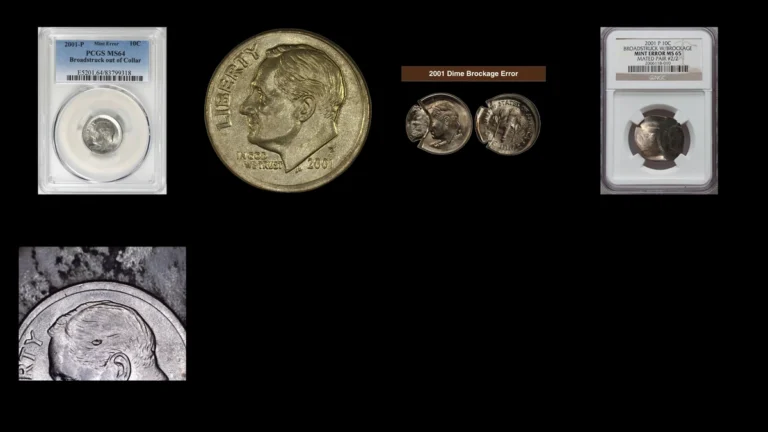
The collar normally restrains a blank during striking. If it fails to contain the metal, the dime can expand while retaining its complete design.
The 2015-D report concerns an ordinary clad broadstrike. Edge grooves may be absent or incomplete where the collar did not restrain the metal.
How to Identify
Measure several widths and inspect whether all the letters and main design remain within the expanded outline. Spreading alone need not reduce the coin’s mass.
Check the border for later flattening, grinding, or a rolled rim. Missing design beside untouched metal instead calls for the off-center comparison below.
What It’s Worth
$40–$225 is the estimate for a genuine Denver broadstrike. A year guide reports $210 for an MS60 example, an unworn coin with noticeable marks.
The original sale record is not supplied. Compare the amount of natural expansion as well as the grade before applying the reported price.
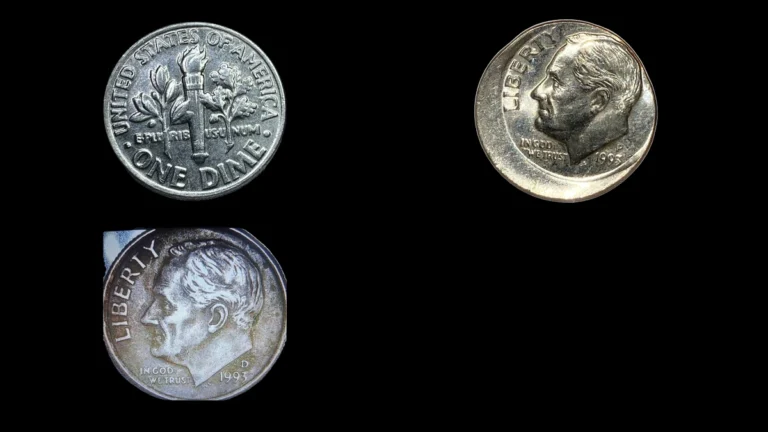
10. 2015 Dime Part of the Blank Never Receives a Design: Off-Center Strike Error
An off-center blank leaves an untouched crescent while part of the design misses the metal. The Philadelphia report does not establish a specific displacement percentage or direction.
How to Identify
Read the surviving date and mintmark, then compare where each face’s design ends. Related cutoff on both sides supports a displaced blank rather than one shifted die.
Examine the unstruck area for later grinding and distinguish it from a clip where metal is physically absent. An undated piece cannot be assigned to 2015 from appearance alone.
What It’s Worth
$30–$500 is the estimated range for genuine off-center examples. Strong displacement, readable identity, and original surfaces are useful comparison points.
The year guide reports a $430 Heritage result in 2018 for a 2015-P graded MS60. The original auction record is not supplied here, so the attribution and price retain their reported status.
Conclusion
Identify the normal 2015 issue before treating a color or weight difference as an error. A P mintmark can occur on a clad circulation dime or an intentional silver Reverse Proof.
Then connect the visible feature to its cause: missing metal, damaged dies, an obstruction, or abnormal alignment. The supplied prices are guide reports and estimates, so match the mechanism and condition without presenting them as verified transactions.