Rare 2016 Quarter Errors (List & Pictures)
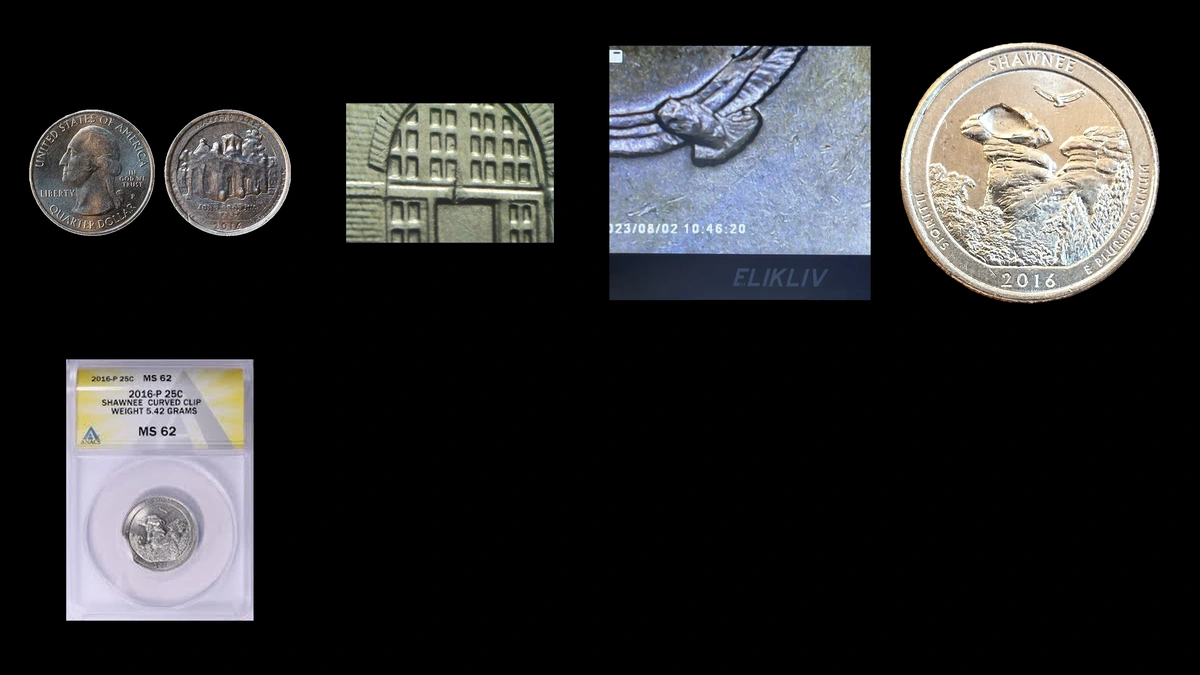
A blurred building, an oval outline, and a cup-shaped coin tell different minting stories. The supplied estimates for 2016 quarter errors span $2–$3,000, including categories known here through secondary reports.
For comparison, a different-year 2001-P North Carolina quarter on a nickel blank sold for $2,040 in September 2024. Use the park design and the feature’s physical shape to choose the relevant checks below.
| Observation | Possible explanation | Estimated value |
|---|---|---|
| Merged or swollen design | Severe die wear or deformation | $2–$100 |
| Rounded repeated details | Doubled die | $10–$200 |
| Opposite-face outline | Die clash | $10–$150 |
| Raised line or lump | Die crack, chip, or cud | $2–$250 |
| Interrupted detail | Struck through or filled die | $10–$350 |
| Exposed copper and unusual color | Reported missing layer with annealing issue | $150–$1,200 |
| Incomplete or oval outline | Clipped or elliptical blank | $30–$1,000 |
| Expanded disk retaining the design | Broadstrike | $75–$500 |
| Unstruck metal beside lost artwork | Off-center strike | $50–$750 |
| Cup-shaped shell | Reported die cap | $400–$2,500 |
| Quarter design on a five-cent blank | Reported wrong planchet | $500–$3,000 |
1. 2016 Quarter The Building Stays Raised but Loses Detail: Die Deformation Error
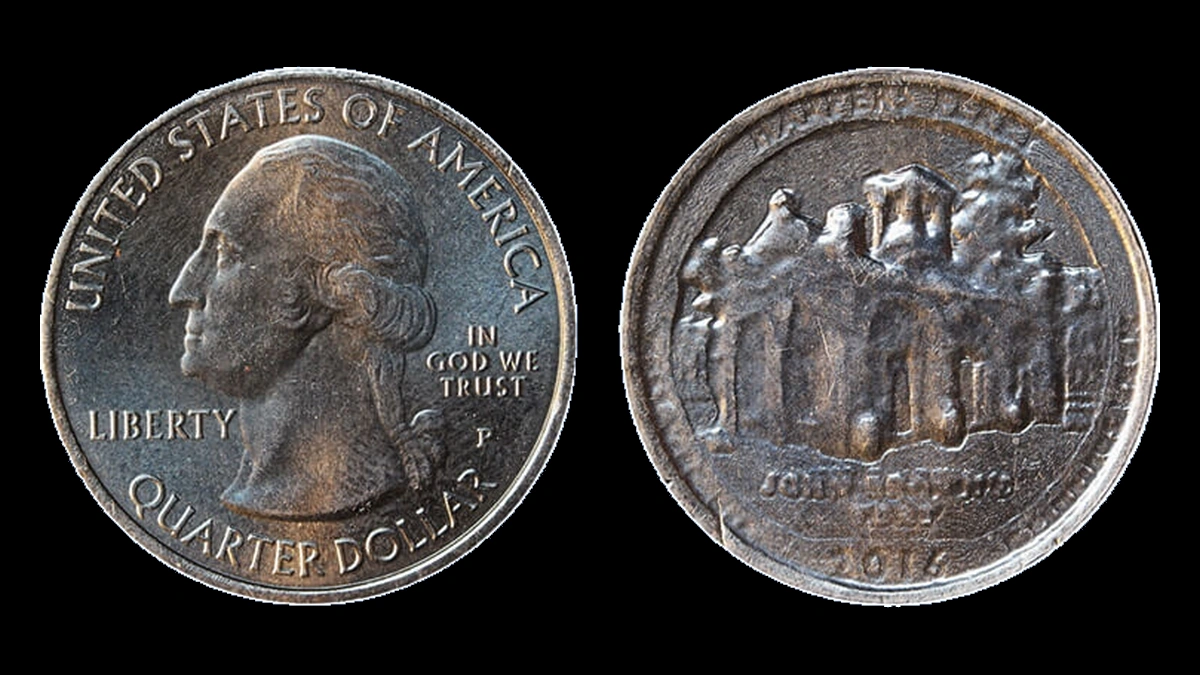
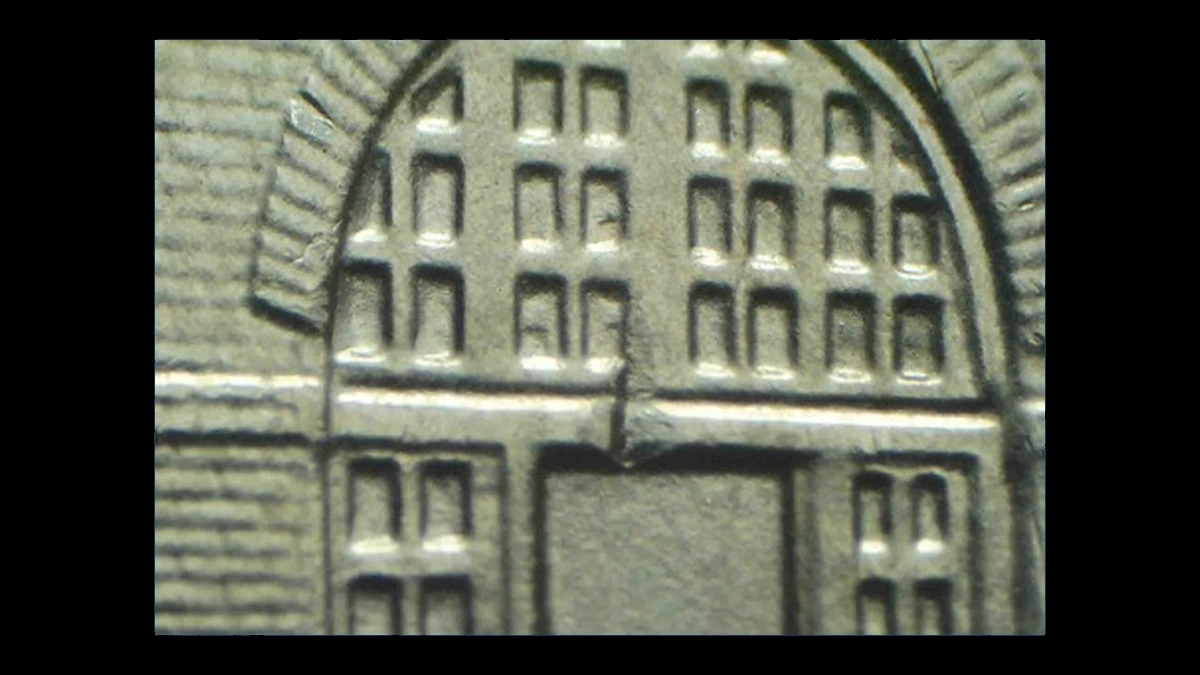
On a studied Philadelphia Harpers Ferry quarter, the building’s windows and brickwork merge while the building remains raised. The unusual surface reflects distortion of the die rather than ordinary circulation wear.
Mike Diamond’s 2017 study of die wear distinguishes this example from a strike through a covering attached to the die. A separate Philadelphia Shawnee coin shows more typical severe wear, with thinning front details and a swollen background.
How to Identify
Compare the Harpers Ferry building with a sharp ordinary example and examine the height of the merged architecture. A uniformly flattened or polished coin needs a different explanation.
For Shawnee, inspect Washington’s side rather than looking for the Harpers Ferry building. Directional scratches and crushed high points can indicate damage to the finished coin.
What It’s Worth
$2–$25 is the estimate for modest obvious die wear, with dramatic matched deformation estimated at $25–$100. Much routine deterioration adds little collector value.
The upper comparison concerns an instructive, recognizable die condition. It is not a die-cap price and should not be applied to any coin with blurred detail.
2. 2016 Quarter Letters or Windows Repeat: Doubled Die Error
A doubled die can repeat a detail in one strike because the extra shape is already present in the tool. The Fort Moultrie report concerns LIBERTY on Washington’s side.
Harpers Ferry reports instead concern reverse inscriptions and window details, with Denver named in one year list. Those locations do not describe the same variety.
How to Identify
Match the correct park and face before enlarging a suspected letter or window. Look for rounded repetition or split corners that form a consistent pattern in adjacent details.
A flat shelf may result from movement during striking, and glare can disappear when the coin is tilted. The 2016 date is on the park side, so date doubling cannot by itself identify an obverse doubled die.
What It’s Worth
$10–$200 is the estimated range for a matched minor doubled-die variety. Clear repeated corners are easier to demonstrate than vague thickening.
These estimates do not turn every heavy window outline into a collectible variety. Normal high-grade value and strike-related doubling require separate consideration.
3. 2016 Quarter A Portrait-Like Trace Near the Fort: Die Clash Error
A secondary guide reports a Denver Harpers Ferry clash near John Brown’s Fort. A clash can form when the opposing dies contact each other without a blank and later transfer traces of that contact to coins.
How to Identify
Compare the suspicious outline with Washington’s portrait on the opposite face. Follow several connected features rather than treating any curved line beside the building as a match.
Keep the full reverse and D mint mark documented, and change the lighting to inspect the trace. Scratches can cross existing architecture without reproducing the opposite design.
What It’s Worth
$10–$150 is the estimate for a visible, correctly matched clash on an ordinary 2016 quarter. The supplied report does not establish a completed sale for the Denver specimen.
Recognizable transferred outlines and clean surfaces make the feature easier to assess. Faint lines obscured by cleaning scratches provide a weaker comparison.
4. 2016 Quarter Extra Metal on Rocks, Roofs, or Flags: Die Chips and Cracks Error
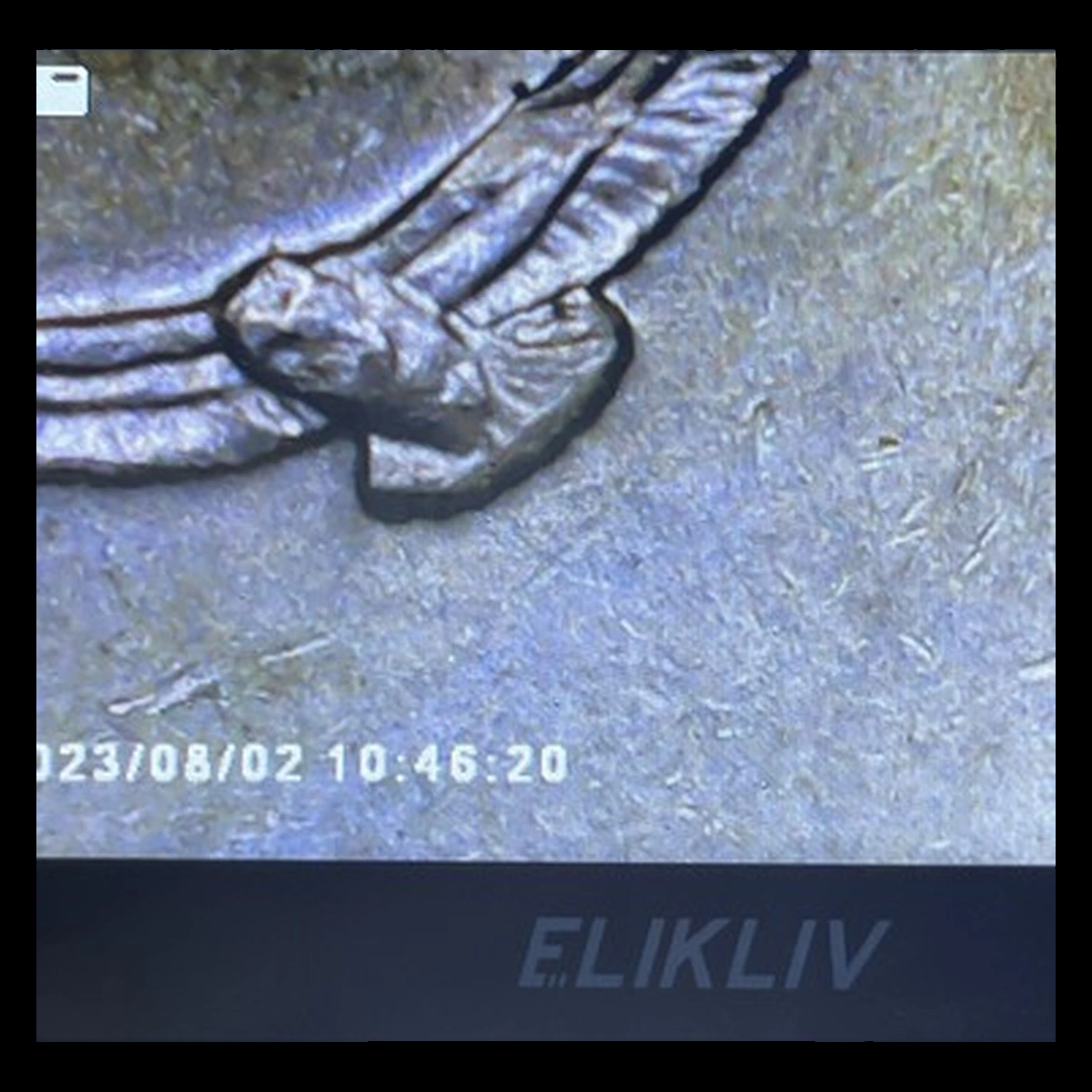
Metal entering a damaged die can form a raised ridge or lump on the quarter. Reports include Shawnee Camel Rock cracks and a mouth-like rock-edge chip, along with Harpers Ferry building cracks and the Denver “Cat on the Roof” bump.
Other reports concern Cumberland Gap’s hat or mountain, Fort Moultrie’s flag, and a Philadelphia Theodore Roosevelt rim break. A cud must connect to the coin’s outside rim; an internal rock chip does not meet that definition.
How to Identify
Use a normal quarter of the same park to locate the actual extra metal. Inspect both sides of a line because a scratch can leave a raised lip beside a recessed cut.
For the Roosevelt cud report, trace the lump into the rim itself. Do not assign one common path or mint to the separate Cumberland Gap and Fort Moultrie reports.
What It’s Worth
$2–$20 is the estimate for many small chips, while larger cracks and original rim-connected breaks are estimated at $20–$250. Size and preservation determine which comparison is appropriate.
The Shawnee rock-chip report described numerous finds. A memorable nickname does not by itself establish rarity or justify a major-error price.
5. 2016 Quarter A Mane, Window, or Letter Fails to Form: Struck Through Material Error
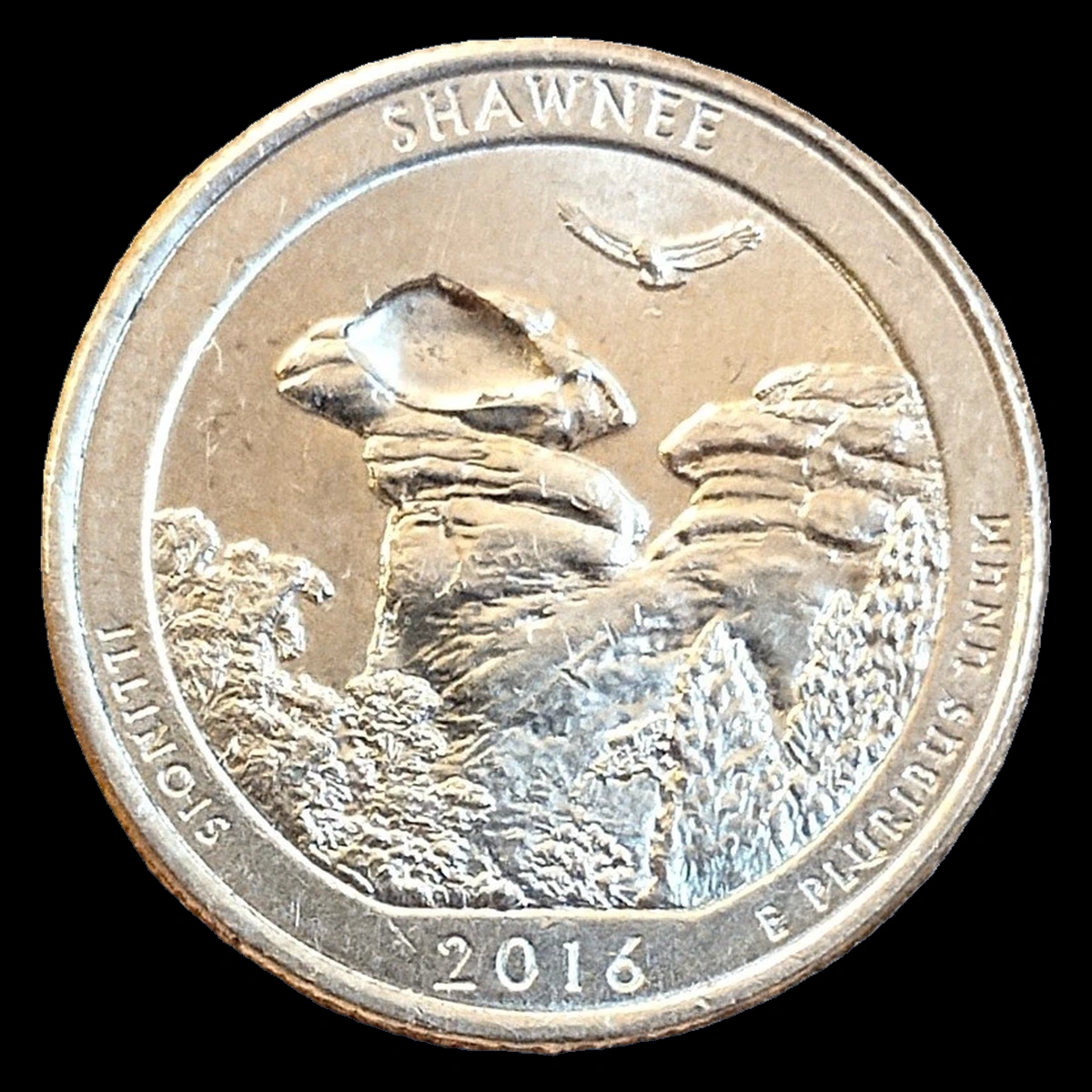
Material blocking the die can interrupt the coin’s design, and grease in small recesses can weaken details. Reports include an ordinary-strike San Francisco Shawnee quarter described as MS66, with its affected location requiring a matching photograph.
Philadelphia Theodore Roosevelt reports mention the horse’s mane, with other examples involving the rider or saddle. Philadelphia Harpers Ferry reports concern weak windows, roof detail, or lettering.
How to Identify
Examine the boundary between intact design and the affected patch for original interruption rather than scraping or impact. On Harpers Ferry, compare widespread merging with the die-deformation example before assuming an obstruction.
Keep each park’s subject in view: Theodore Roosevelt has the horse and rider, while Shawnee has Camel Rock. The reported S Shawnee is an ordinary collector strike; an S alone does not mean Proof.
What It’s Worth
$10–$75 is the estimate for a modest confirmed filled-detail effect, and $40–$350 applies to clearer debris impressions. The obstructing material is not identified for every report.
A 2020-P Samoa reverse struck-through quarter graded AU58 sold for $104 in September 2024. Its date, impression, and light wear differ from the reported 2016-S Shawnee MS66 specimen.
6. 2016 Quarter Exposed Copper with Unusual Color: Missing Layer and Reported Annealing Issue Error
A year guide describes a Philadelphia Harpers Ferry quarter with missing cladding and an annealing problem. Annealing is the heating stage used to prepare the blank before striking.
Missing metal and abnormal color require separate evidence even when claimed on one coin. Staining, chemicals, and later heating can produce misleading colors on a finished quarter.
How to Identify
Inspect the boundary between the outer copper-nickel layer and exposed copper for original struck detail. Scraping and chemical damage may remove metal while leaving a different surface.
The standard clad weight is 5.67 grams, but a low reading cannot identify why metal is missing. The heating claim also needs support beyond a brown appearance.
San Francisco silver Proofs of 2016 are 90% silver with a normal weight of 6.25 grams. They do not have the clad copper-core construction involved in this report.
What It’s Worth
$150–$1,200 is the conditional estimate for the complete Harpers Ferry coin if both original features are established. Do not add two full error prices for one combination.
A 2000-P Maryland quarter missing its reverse layer, graded PCGS MS63, sold for $149 in September 2024. That sale supplies a missing-layer comparison without verifying the 2016 annealing claim.
7. 2016 Quarter A Gap or Oval Shape Replaces the Round Outline: Clipped Blank Error
Theodore Roosevelt examples include a Philadelphia ANACS MS63 elliptical clip weighing 4.88 grams, with a rim burr noted on its label. A separate PCGS MS64 elliptical example weighs 4.3 grams, with its mint not established here.
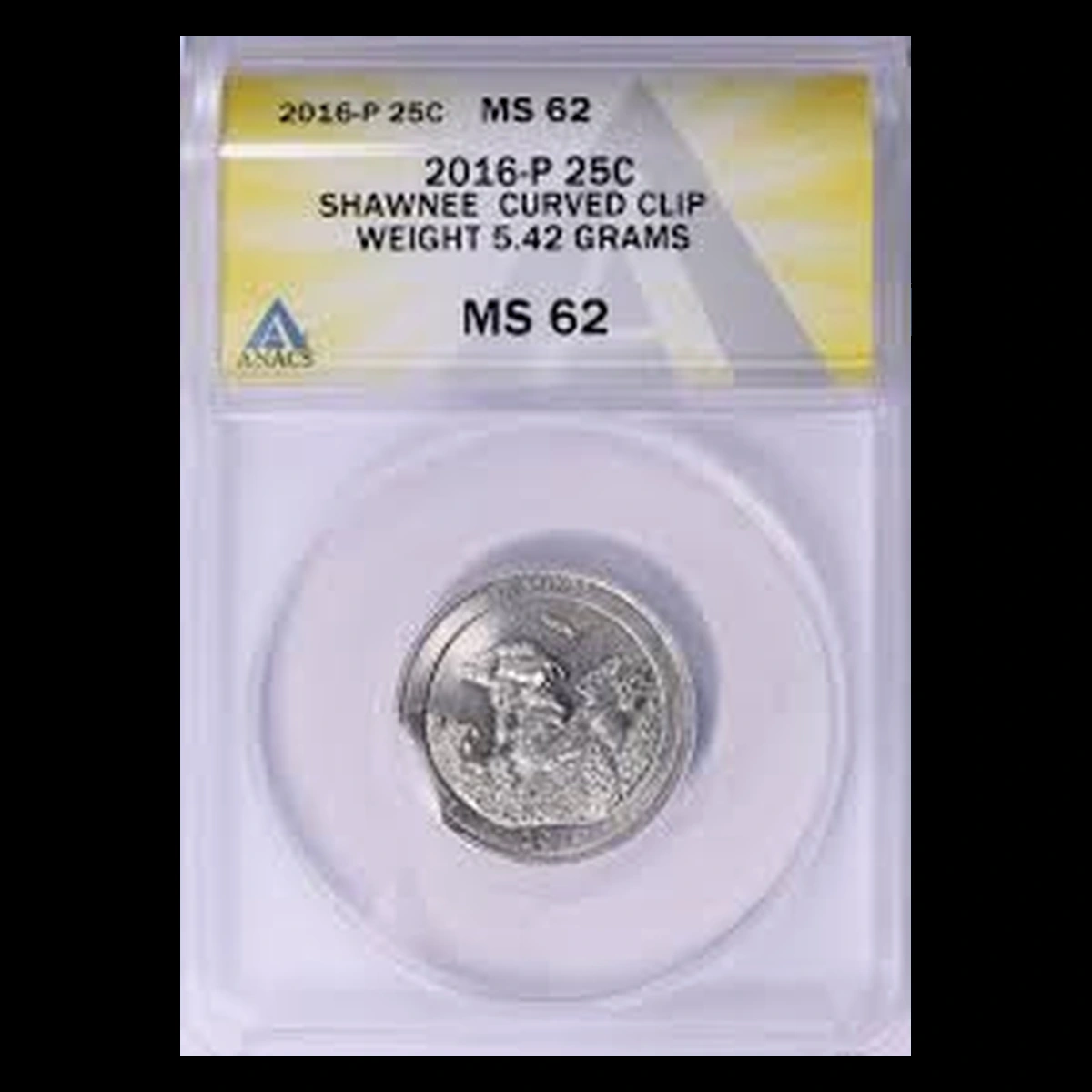
Shawnee curved clips are also reported. In each case, the blank was incomplete before receiving the design.
How to Identify
Trace the incomplete edge and the places where it joins the normal rim. The surrounding strike should fit an originally incomplete blank rather than later cutting or squeezing.
The Philadelphia auction specimen records the 4.88-gram weight and rim burr, a rough projection at the edge. Keep those details separate from the 4.3-gram PCGS coin and leave encapsulated examples in their holders.
What It’s Worth
$30–$200 is the supplied estimate for a small original curved clip, while a clear elliptical blank is estimated at $200–$1,000. The Philadelphia ANACS specimen appeared in a November 2025 auction, but its final price is not publicly displayed.
A different-year 2000-P New Hampshire elliptical quarter graded PCGS MS66 sold for $288 in September 2024. This is a completed-sale comparison, not a result for either Roosevelt example.
8. 2016 Quarter The Outline Expands Around the Full Design: Broadstrike Error
The reported 2016 broadstrike concerns Fort Moultrie and its military scene with a flag. In a broadstrike, inadequate collar restraint lets the metal spread outward as the dies impress the design.
How to Identify
Compare the entire scene and outer inscriptions with a normal Fort Moultrie quarter. The design should remain within the expanded metal rather than disappear beyond one side.
A normal clad quarter measures about 24.26 millimeters across; measure several directions because spreading can be uneven. The report supplies neither an actual diameter nor a confirmed mint.
Inspect the edge and portrait for original striking detail. Flattening a finished coin can increase its width while crushing the design and damaging the edge.
What It’s Worth
$75–$500 is the supplied estimate for a genuine Fort Moultrie broadstrike. A clearly expanded outline and well-preserved full design make the mechanism easier to show.
This range concerns an original striking error. A wide-looking border without supporting edge and design evidence is insufficient.
9. 2016 Quarter An Empty Crescent Accompanies Missing Artwork: Off-Center Strike Error
Shawnee off-center quarters are reported without one fixed mint or displacement. A separate year list identifies a Philadelphia Theodore Roosevelt example.
The blank sits away from the dies’ intended center, leaving some metal untouched while part of the design misses the opposite edge. Both faces should reflect that misplaced blank.
How to Identify
Compare the lost design and unstruck area on both faces. A normally centered opposite face suggests investigating a misaligned die instead.
Read the park name and date on the reverse, then check the mint mark on Washington’s side. Grinding lines in a supposedly untouched crescent can reveal later alteration.
What It’s Worth
$50–$750 is the estimate for genuine dated 2016 off-center quarters. Greater displacement needs to be considered together with readable identity and condition.
A 2000-P Virginia quarter struck 20% off center and graded NGC MS64 sold for $154 in September 2024. The percentage belongs to that comparison and is not documented for the 2016 reports.
10. 2016 Quarter The Coin Forms a Cup: Reported Die Cap Error
A coin retained on a die through later blows can spread around the tool and become a cup-shaped shell. A secondary guide reports a Philadelphia Harpers Ferry die cap graded MS63.
How to Identify
Begin with a side view and photographs of the shell’s inside and outside, without pressing on it. The stretched metal and rising rim should support formation around the die.
Sharp folds, impact scars, and flattened detail may instead indicate a bent or hammered coin. A flat Harpers Ferry piece with merged architecture may resemble the studied die deformation rather than a cap.
The cap itself is also different from a coin struck through a cap attached to the die. A weak picture alone cannot establish the cup-shaped object described here.
What It’s Worth
$400–$2,500 is the conditional estimate for a genuine 2016 die cap. The supplied MS63 report has no verified completed sale attached.
Development of the shell and surviving design affect the comparison. Confirm the physical form before applying this range to a soft-looking reverse.
11. 2016 Quarter The Quarter Design Lands on a Five-Cent Blank: Reported Wrong Planchet Error
A year guide reports a 2016-D Theodore Roosevelt quarter struck on a nickel blank and described as MS62. A five-cent blank is smaller than a quarter blank and has a different metal structure.
How to Identify
Record the actual dimensions and weight before assigning the blank. A nickel blank normally starts near 5 grams and 21.21 millimeters, but these are standards rather than documented measurements of the reported coin.
Examine the boundary for cutting or grinding and the edge for metal compatible with a nickel blank. The smaller blank may spread under quarter dies, and normal quarter reeding is not guaranteed.
Match the surviving 2016 park-side date and the denomination on Washington’s side. Size, composition, and an original quarter impression must support the same conclusion.
What It’s Worth
$500–$3,000 is the supplied estimate for an authenticated example of the reported combination. A 2001-P North Carolina quarter on a nickel blank, graded PCGS MS62, sold for $2,040 in September 2024.
The shared grade does not make that a 2016 sale. Visible identity, actual blank, and the coin’s own preservation remain essential to the comparison.
Conclusion
The park scene helps organize a 2016 quarter examination, but its shape can be equally revealing. Merged raised architecture, interrupted detail, an elliptical blank, and a cup-shaped cap require different explanations.
Keep each reported coin’s mint, grade, and measurements together, especially for the two Roosevelt elliptical examples. Where a major error is supported only by a secondary report, establish its physical identity before treating the estimated range as applicable.