Rare 1871 Quarter Errors (List & Pictures)
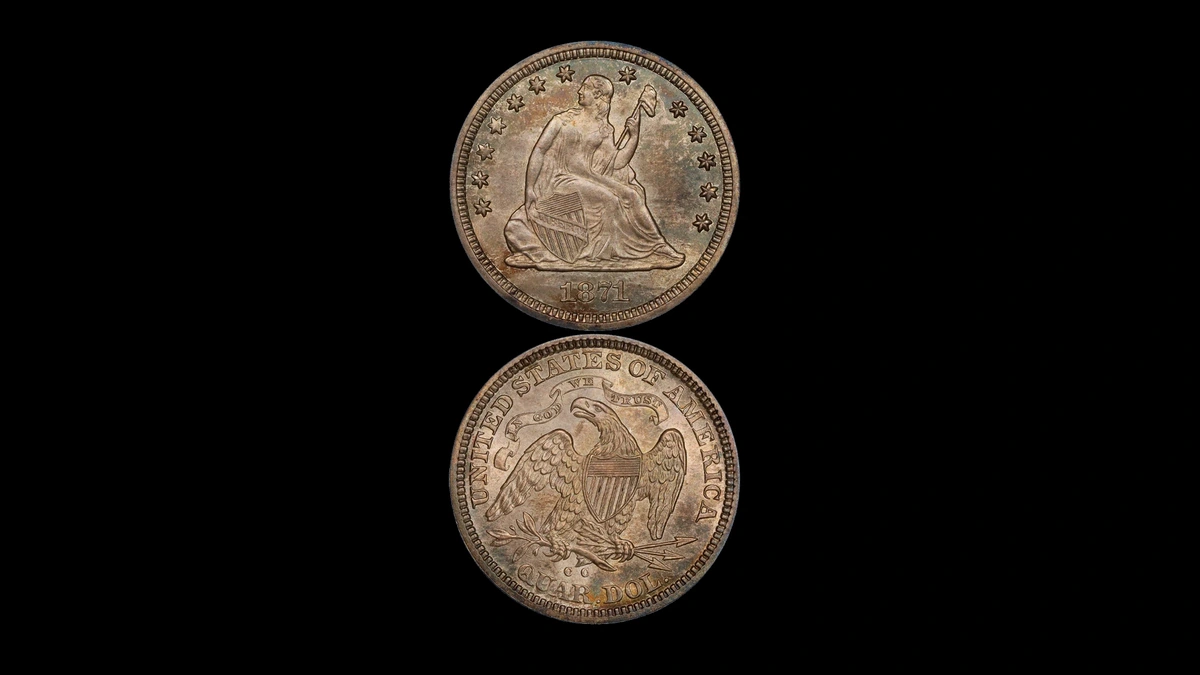
The value of an 1871-CC quarter is not the sum of its small die features. The 1871 quarter errors discussed here are identification clues on a scarce Carson City issue, with supplied whole-coin estimates of $5,000–$456,000.
A PCGS MS65 example brought $456,000 on August 28, 2022. Confirm the CC mint mark, compare both 1s in the date, and then inspect the gown beside LIBERTY.
1871 Quarter Extra Strokes Surround the Two 1s: Repunched Date Error
The date punch left remnants of earlier impressions when it was applied to the die more than once. On the 1871-CC, these include extra strokes associated with both 1s.
Stack’s Bowers states that all known quarters of this issue belong to the repunched-date variety. It therefore helps identify the issue rather than setting aside a small error subgroup among ordinary 1871-CC coins.
How to Identify
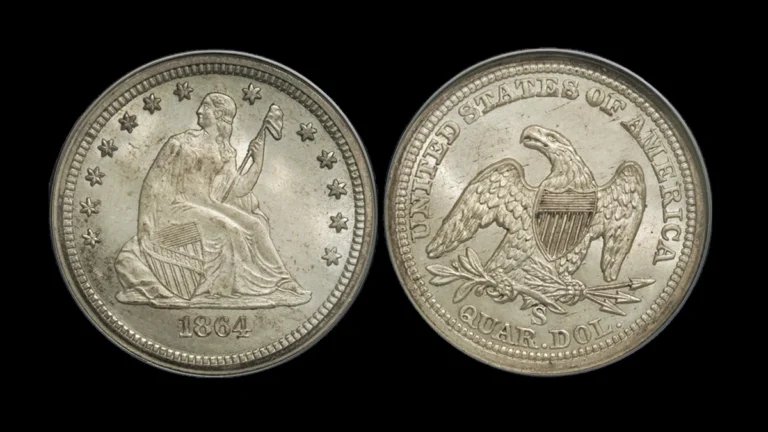
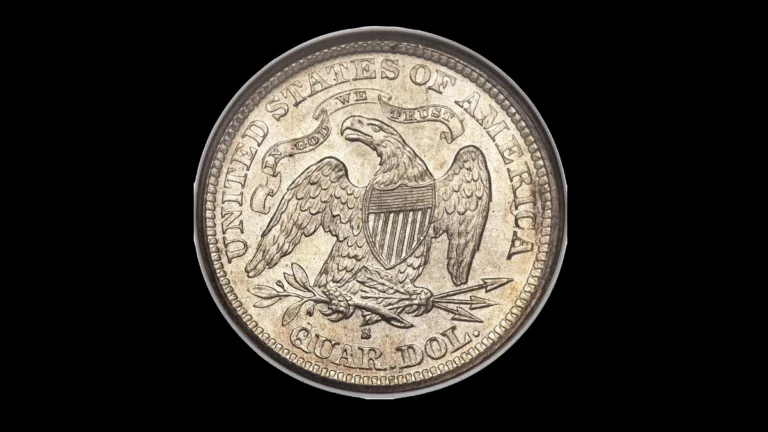
First locate CC below the eagle on the reverse. A quarter dated 1871 from a different mint does not acquire the Carson City variety’s identity or value.
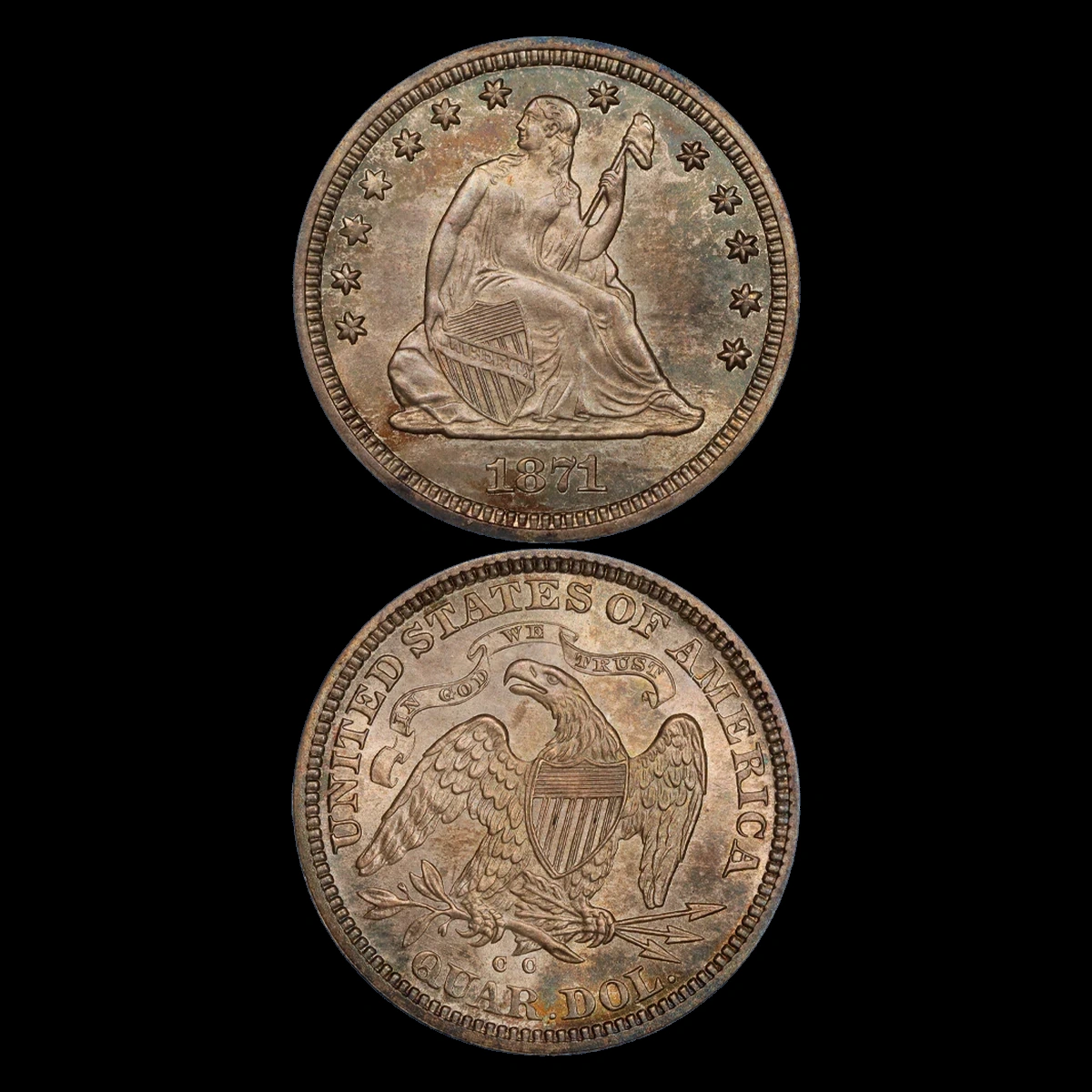
On the first 1, inspect below the top flag and base. On the final 1, compare extra detail near the upper-right part of the base and beside the upright.
Match the complete pattern with authenticated Briggs 1-A or Flynn RPD-001 photographs. An isolated scratch near a digit cannot substitute for the expected raised remnants.
Wear may conceal part of the pattern. Assess the whole coin, including the mint mark and surfaces, before treating a promising date as authentication.
What It’s Worth
$5,000–$456,000 is the supplied whole-coin estimate across heavily worn through exceptional unworn 1871-CC quarters. The figure values the rare issue in its condition, not the repeated strokes as a separate charge.
The PCGS record for an MS65 example gives a $456,000 Heritage sale on August 28, 2022. Cleaning, damage, and wear can place another example far below that exceptional result.
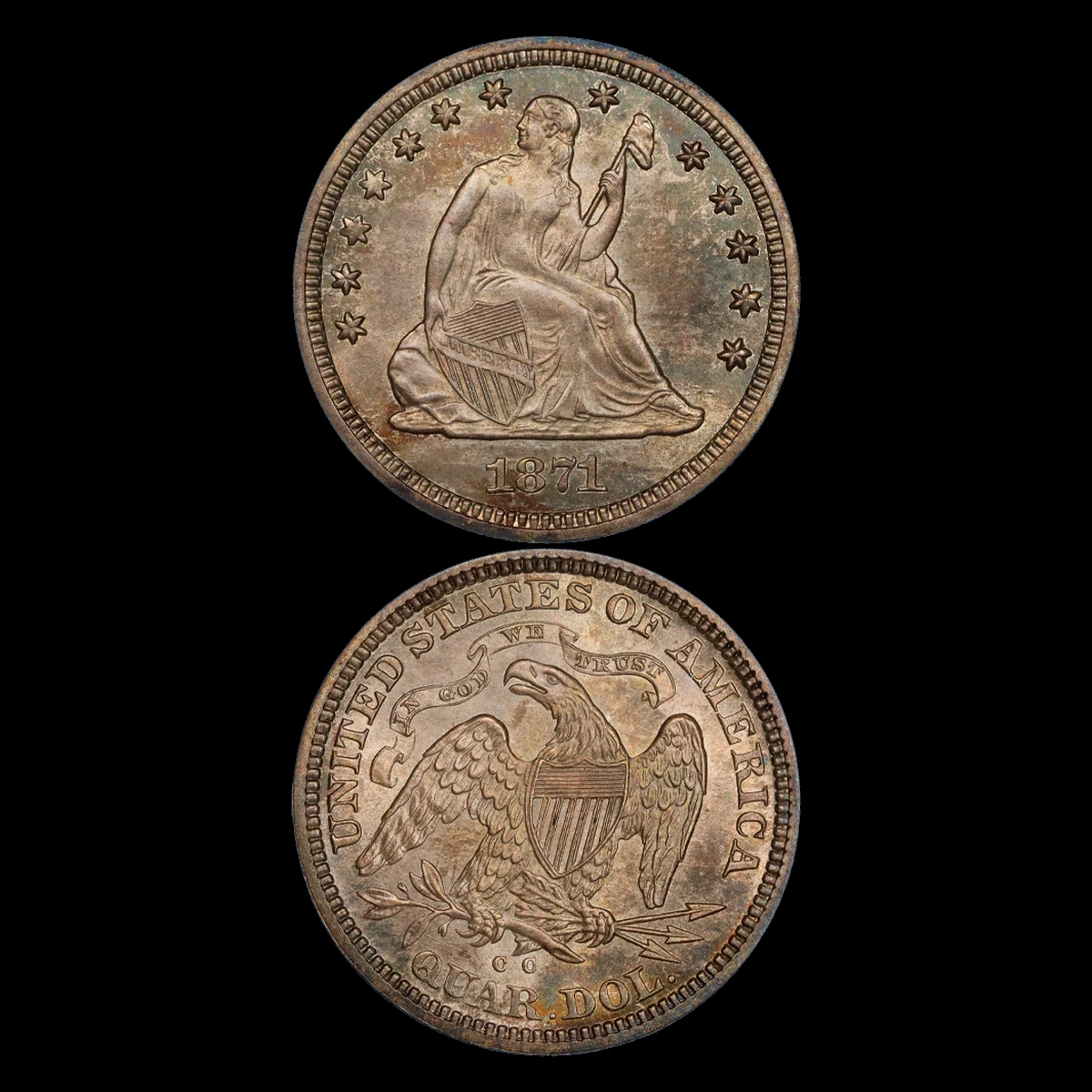
1871 Quarter Two Bumps Sit beside LIBERTY: Die-Rust Dots Error
Two small raised dots appear in the gown folds just to the right of the Y in LIBERTY. Small rust hollows in the die accepted metal during striking and produced bumps on the finished coin.
The Stack’s Bowers issue description identifies these as obverse-die features of the 1871-CC. They accompany the repunched date but arose from a different change to the tool.
How to Identify
Find LIBERTY on the shield, then move right from its final Y into the gown folds. Compare the two dots’ location and spacing with a clear authenticated example.
Side lighting can reveal whether the bumps are continuous with the struck metal or appear to be deposits. Leave any dirt untouched rather than scraping to test the surface.
Check the date pattern and CC as independent parts of the examination. Two bumps alone cannot authenticate a rare coin, and heavy wear may erase genuine dots.
What It’s Worth
$5,000–$456,000 remains the same supplied estimate for the complete authentic 1871-CC quarter. No second amount should be added for these dots to a price already assigned to the repunched-date coin.
Clear die markers support identification without overriding grade or surface problems. Corrosion and added material remain damage even if they create superficially similar bumps.
Conclusion
Both 1871-CC features help answer which die produced the quarter, while rarity and preservation account for most of its value. Compare the extra strokes at the two 1s with the raised dots beside LIBERTY, keeping the CC mint mark in the same examination.
Preserve the surface and seek complete authentication before applying rare-issue prices. One coin with two useful markers still receives one whole-coin valuation.