Rare 2020 Penny Errors (List & Pictures)
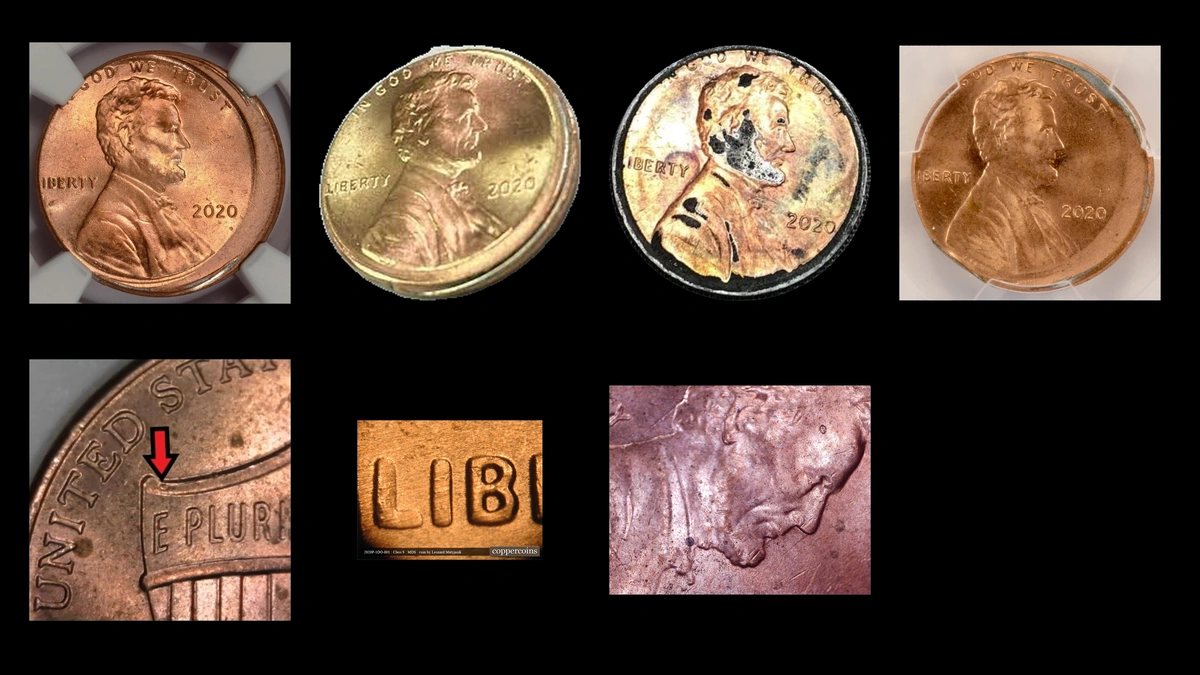
A penny with an odd outline needs a different examination from one with an extra letter stroke. These ten groups of 2020 penny errors carry estimated values from $2–$2,000.
The highest supplied completed comparison is $372 for a 1981-D cent on a dime blank, sold in September 2025; it is not a 2020 result. Work from the whole coin toward its smallest details using the checks below.
| What changes? | Possible error | Estimated value |
|---|---|---|
| Part of the outline is absent | Clipped planchet | $20–$250 |
| Design misses a blank crescent | Off-center strike | $15–$500 |
| Width increases around complete designs | Broadstrike | $40–$350 |
| Metal, weight, or size is unexpected | Wrong planchet | $300–$2,000 |
| Shield stays tilted after a controlled flip | Rotated dies | $20–$300 |
| Copper coating lifts | Plating separation | $5–$150 |
| An impression interrupts detail | Struck-through | $5–$200 |
| Metal rises into bumps or ridges | Die chips, cracks, or cuds | $2–$400 |
| Extra detail repeats a letter shape | Doubled designs | $5–$100 |
| A fragment belongs to the opposite face | Die clash | $10–$150 |
A normal 2020 cent is copper-plated zinc, weighs 2.50 g, and measures 19.05 mm across, with a smooth edge. Take measurements when safely accessible, or consult the recorded information for a sealed coin instead of opening its holder.
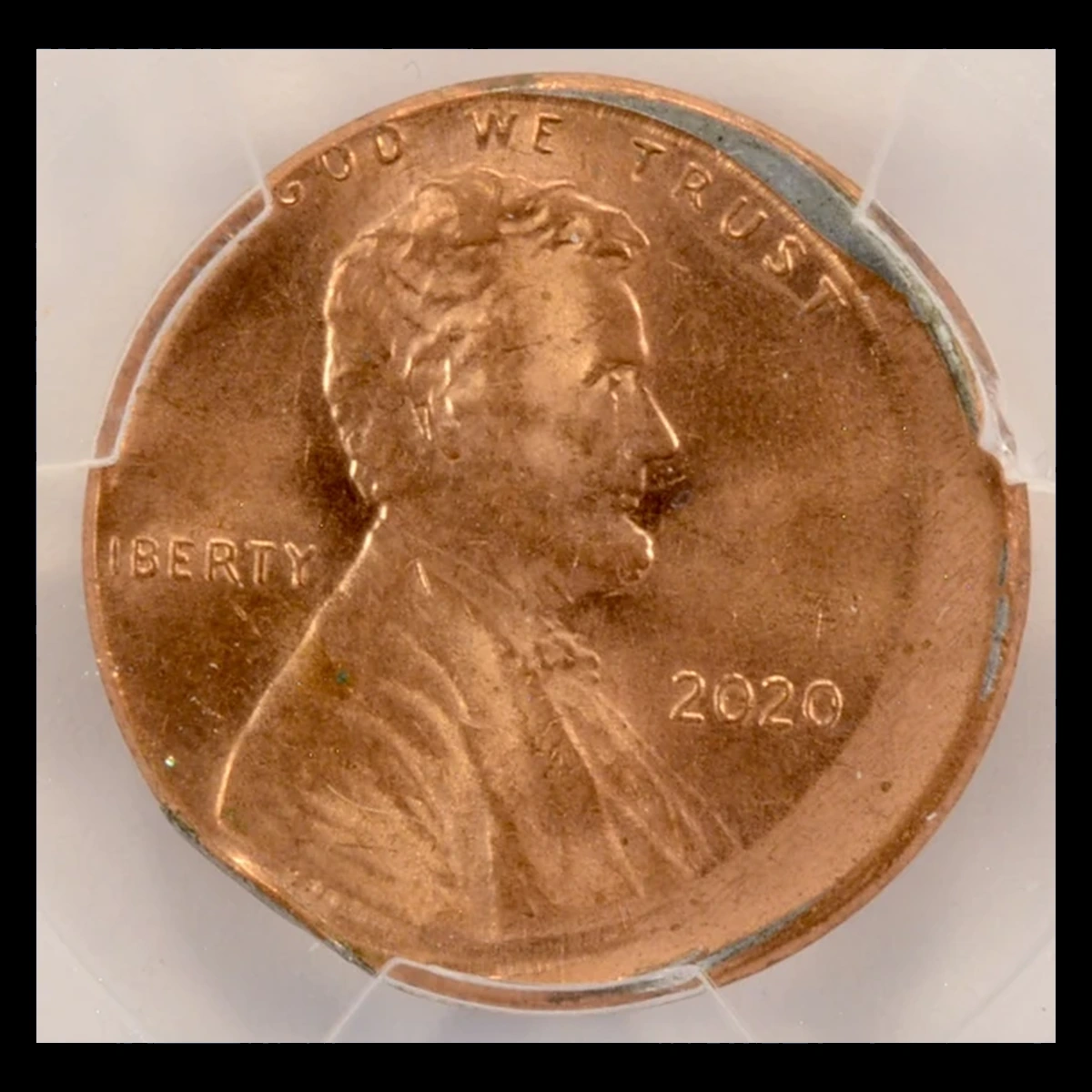
1. 2020 Penny A piece missing from the outline: Clipped Planchet Error
Check whether the unusual area contains metal at all. A clipped planchet is an incomplete prepared blank, produced when blank cutting overlaps an earlier hole or the edge of the metal strip.
The dies can only stamp the metal that remains. Reports include Philadelphia and Denver coins, with no single clip size established for all 2020 examples.
How to Identify
Examine the opening from the side and from both faces, paying attention to its ends. Original metal flow at those boundaries can help explain how the incomplete blank received its design.
A weak rim opposite the opening is useful supporting evidence when present, but its absence does not automatically rule out a genuine clip. Search instead for fresh cutting, saw marks, or finished lettering sliced through after striking.
Reduced weight agrees with missing metal, although a later cut also reduces weight. The shape and surface of the opening must support the timing of the loss.
What It’s Worth
$20–$100 is the estimate for smaller clear clips, rising to roughly $100–$250 for larger, attractive examples. Size and presentation matter more than simply counting the gaps.
A 2021 Shield cent with a five-percent straight clip brought $114 in September 2025, graded PCGS MS64 Red. That nearby-year coin was unworn with some marks and retained copper-red color; it does not establish a five-percent clip or sale price for a 2020 piece.
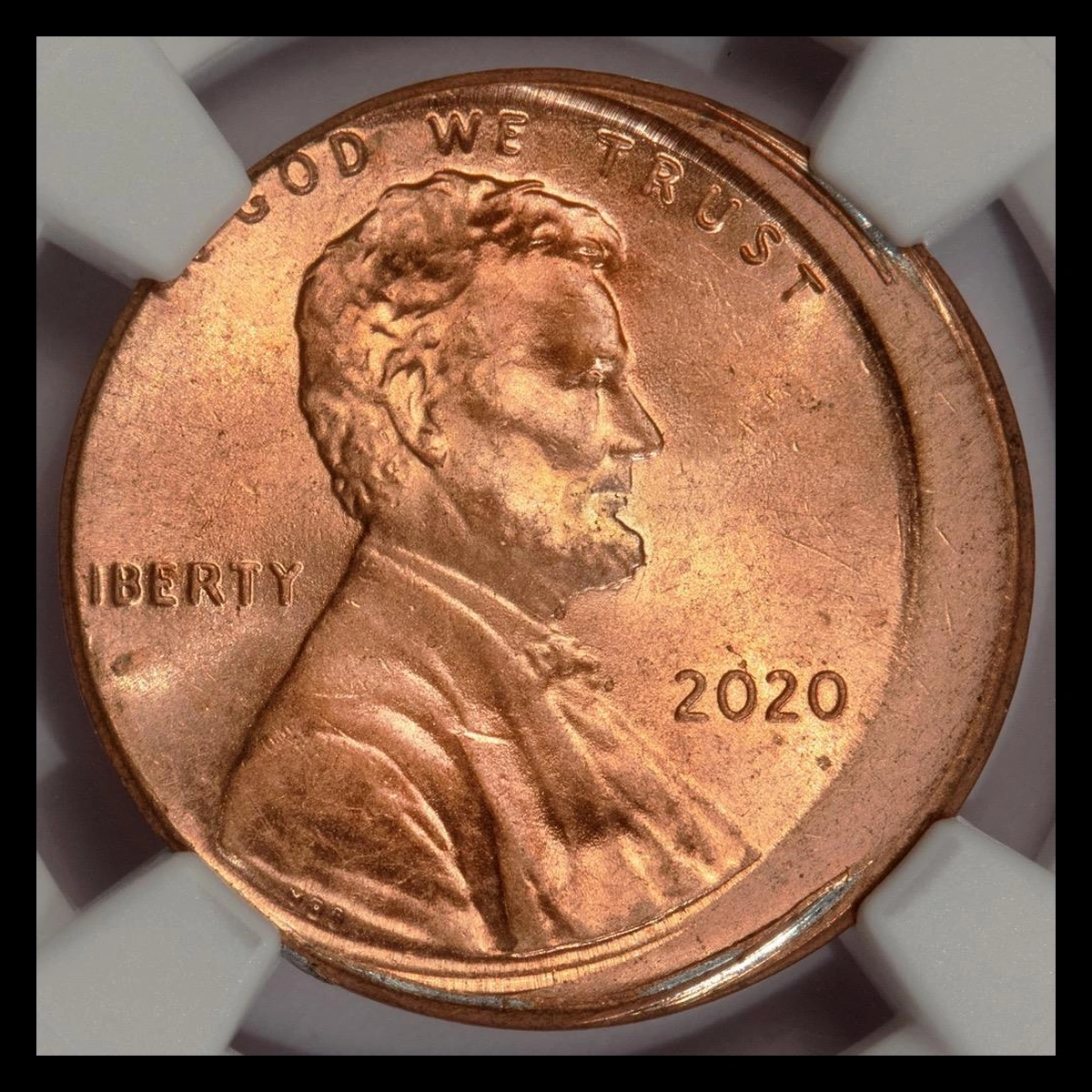
2. 2020 Penny Blank metal beside incomplete designs: Off-Center Strike Error
If the crescent is solid metal, inspect the placement of the designs. A blank sitting away from the intended center can leave part untouched while other portions of the portrait and shield miss the metal.
Reported Philadelphia and Denver examples need individual measurements of their displacement. The category supplies no universal direction or percentage.
How to Identify
Both faces should show the effect of the same misplaced blank. If just one face is shifted while the other remains centered, a displaced die is a different possibility.
Inspect the boundary between stamped and plain metal for grinding or scratches. Detail rubbed away later does not create original unstamped surface.
Read the date and any surviving mintmark. An unstamped or missing mintmark area cannot establish Philadelphia merely because no D is visible.
What It’s Worth
$15–$75 covers smaller readable-date shifts, with approximately $75–$500 estimated for larger, attractive examples. These are modern Lincoln error comparisons rather than a supplied 2020 auction record.
A surviving year, clear blank crescent, and appealing surfaces all help. Price a one-face misalignment separately from an error in which both designs missed the blank.
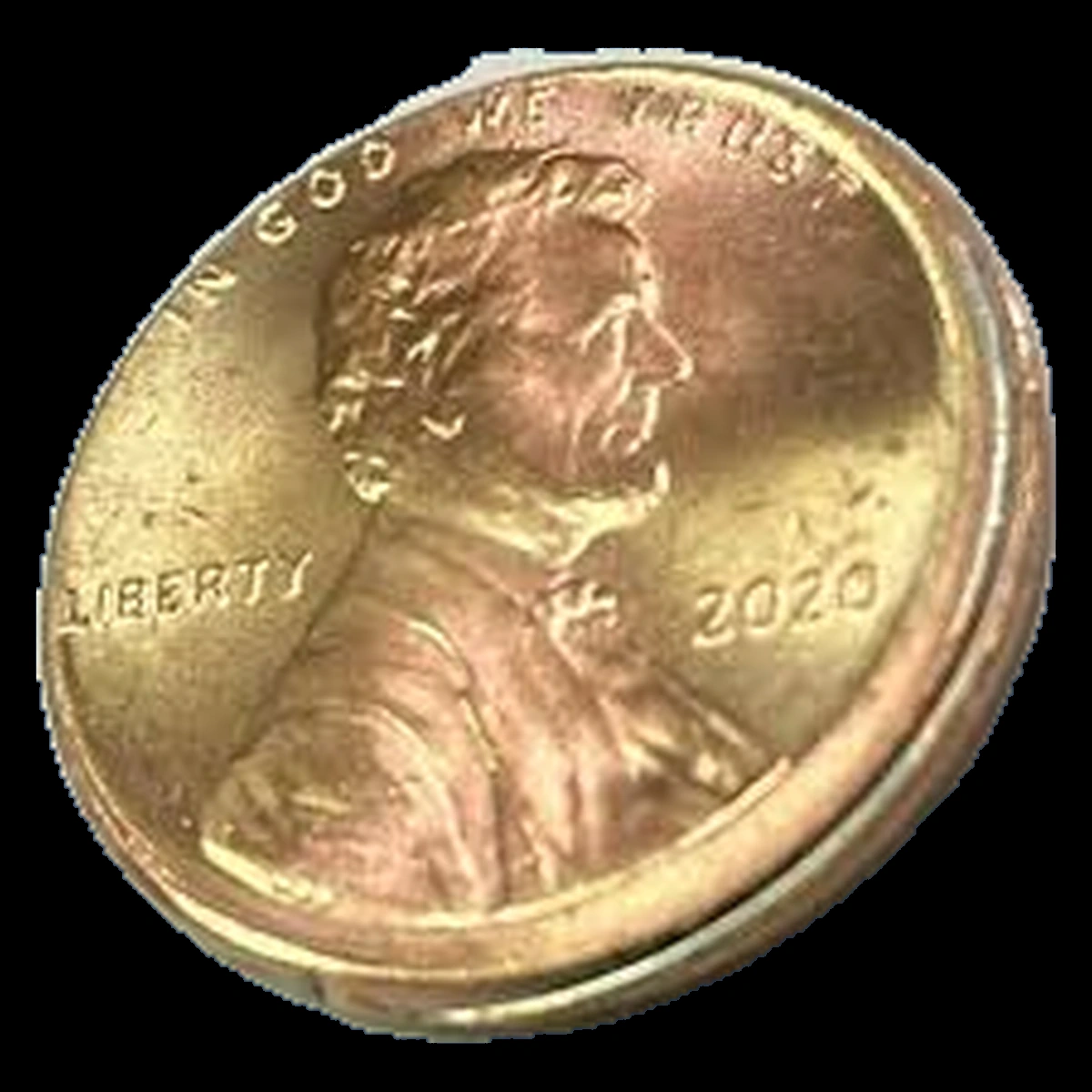
3. 2020 Penny A wider coin with both designs intact: Broadstrike Error
When all the major design elements remain, an expanded outline leads toward broadstriking. The collar normally restrains the blank’s edge, and without that support the metal can spread outward during the strike.
A reported 2020 example also has chips near the nose or cheek. Those separate die defects do not explain the increased width.
How to Identify
Trace the outside lettering on both sides before assessing the border. Complete designs inside an expanded disc fit broadstriking better than missing designs beside a blank crescent.
Compare the diameter in several directions and examine high points for flattening. Later hammering or squeezing can make a coin wider while crushing its finished portrait and letters.
An intact blank usually retains approximately normal weight. Assess any portrait chip separately from the evidence of outward spreading.
What It’s Worth
$40–$350 is the estimated range for genuine broadstrikes, with stronger expansion and attractive original detail favoring the upper portion. The supplied report does not provide a completed 2020 sale.
An accompanying chip may add interest to the same coin. It does not justify adding a separate complete chip-coin price to a complete broadstrike-coin price.
4. 2020 Penny Measurements that do not fit a cent: Reported Wrong Planchet Error
An unusual color becomes more meaningful when the weight, dimensions, and design coverage also suggest another blank. A wrong-planchet error occurs when a prepared disc intended for another coin receives the cent design.
The supplied 2020 guide reports the category without establishing a particular U.S. or foreign blank. A smaller coin therefore must not be labeled a dime-planchet error on appearance alone.
How to Identify
Record the actual measurements before choosing a proposed blank. Check how the design meets the edge, because an originally smaller disc may never have accommodated the outer letters.
Later cutting and grinding can reduce size, while chemical treatment and altered plating can change color. The proposed blank must account for all the physical evidence together.
Professional metal analysis can help distinguish the wrong alloy from an altered coating. Do not assign a precise blank type that the measurements and composition have not established.
What It’s Worth
$300–$2,000 is the comparison estimate for an authenticated example, depending on the identified blank and the coin’s condition. It is not a documented sale range for named 2020 specimens.
A 1981-D cent struck on a clad dime planchet brought $372 in September 2025, graded PCGS MS62. That unworn but noticeably marked coin has a different date and reverse design.
5. 2020 Penny A shield tilted after the same flip: Rotated Dies Error
Relative orientation can be wrong even when size and design coverage appear normal. A rotated-dies error occurs when a stamping tool is angled away from its intended position.
The reported 2020 category does not establish a particular rotation for every coin. The angle belongs to the individual example and must be reproducible.
How to Identify
Hold Lincoln upright at the left and right edges, then flip the top downward around that fixed horizontal line. A normal U.S. cent presents an upright shield after this top-to-bottom motion.
Repeat without adding a sideways twist and compare an ordinary cent using the same movement. Turning a coin like a book or allowing it to shift inside a holder changes what you see.
Photograph the controlled setup and inspect the edge for seams or alteration. A repeatable angle provides evidence that a casual pair of photographs cannot.
What It’s Worth
$20–$100 is estimated for smaller clear rotations, with about $100–$300 for large, easily demonstrated ones. Condition and the actual angle affect the comparison.
NGC discusses a 1943 Lincoln cent sold for $114 in September 2023. Its unworn details grade indicates a condition problem, and the different-year steel coin provides only broad context for a 2020 cent.
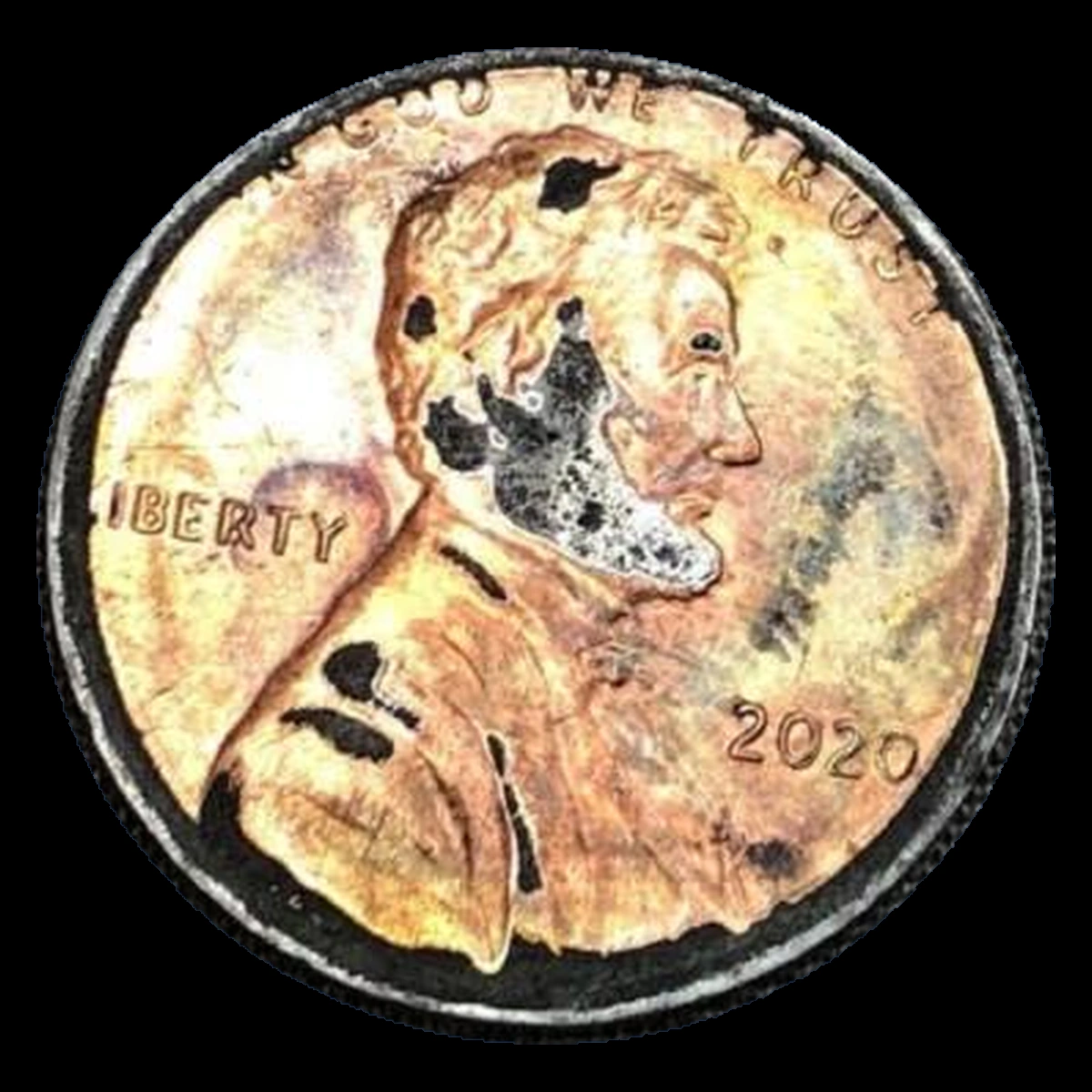
6. 2020 Penny Copper lifting above gray metal: Plating Separation Error
Now examine the coating itself, particularly any attached flap. A 2020 cent’s thin copper covering can separate from its zinc center if the bond is defective.
This differs from peeling in an older solid-alloy cent. Later corrosion or chemical treatment can also lift the coating, so exposure of gray metal does not establish a mint-made defect.
How to Identify
Leave the flap attached and photograph its boundary without lifting it. Under magnification, examine the remaining connection and how the original design crosses the affected area.
Pitting, scratches, or chemical roughness may explain later separation. If most of the thin coating remains, the coin may still weigh close to normal.
What It’s Worth
$5–$40 is the estimate for a small, clear area of original separation, with approximately $40–$150 for larger, appealing examples. These are comparisons for copper-plated zinc cents, not a completed sale of a specific 2020 specimen.
An attached layer can make the defect easier to understand. A corroded gray patch without evidence of original separation does not merit the same premium.
7. 2020 Penny Detail replaced by an impression: Struck-Through Error
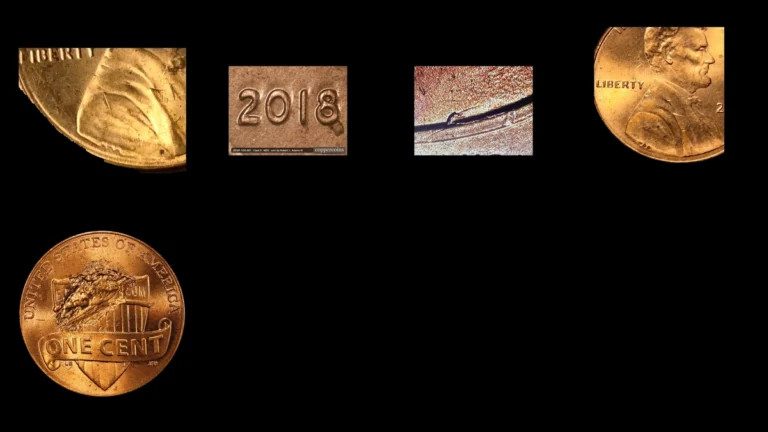
A reported shoulder impression and separate reports of unusual texture on both faces belong to this broad group. Material caught during striking can prevent normal detail from forming or impress its own shape into the surface.
The specific obstruction needs evidence from the actual mark. No general description establishes that wire, cloth, or a fiber produced an individual example.
How to Identify
Follow the design into and out of the impression, noting the surrounding original surface. A later gouge may cut finished detail and push up metal alongside the hollow.
Photograph both faces because more than one affected area can occur. The presence of an unusual reverse does not automatically disqualify a front-side strike-through.
The weight can remain normal because an obstruction does not have to remove any coin metal. Focus on the impression and interrupted design rather than an assumed material name.
What It’s Worth
$5–$50 is estimated for small identifiable areas, increasing to about $50–$200 for larger or clearly shaped impressions. A distinct outline usually supports a stronger comparison than vague weakness.
A 2021-D Shield cent struck through grease sold for $84 in September 2025, graded PCGS MS64 Red. This is a nearby-year transaction, not the sale price of the reported 2020 shoulder feature.
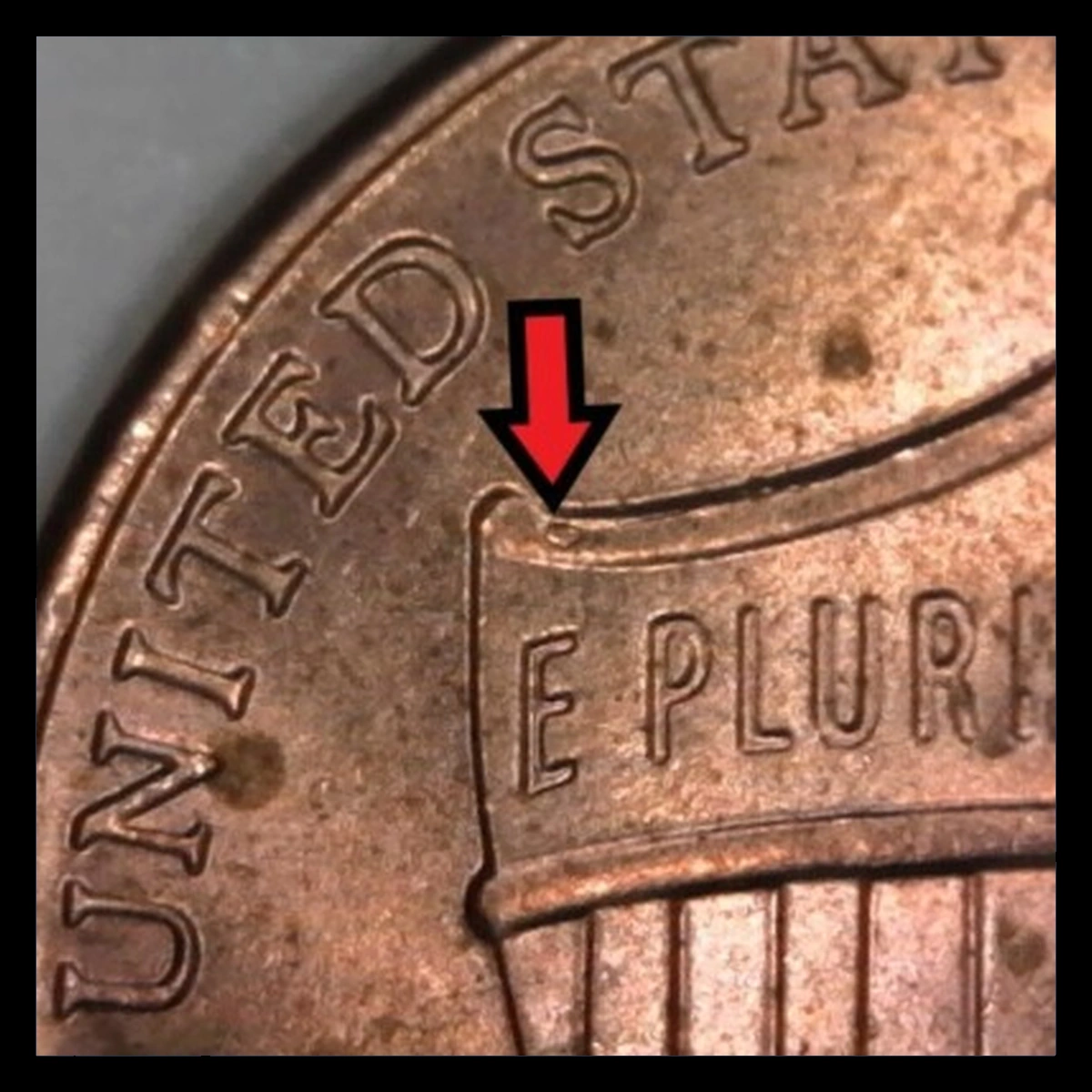
8. 2020 Penny Raised bars, bumps, and rim patches: Die Chips, Cracks, and Cuds Error
Metal that rises above the normal design can record an opening in the stamping tool. Small missing pieces leave chips, narrow splits leave raised crack lines, and a larger break reaching the edge can produce a cud.
Reported 2020 forms include a BIE bar between B and E in LIBERTY, bumps under the eye, and lines across the portrait. Nicknames such as Crying Eye and Assassination describe particular locations rather than one universal pattern.
How to Identify
Begin with a full-face view so that the feature’s location remains clear. Trace a suspected ridge across the design and distinguish it from a scratch cut into the surface.
For a cud, establish that raised metal replacing normal detail connects to the rim. An isolated cheek bump is not a cud simply because it stands out.
Examine boundaries for plating blisters or corrosion, both possible on copper-coated zinc. Do not press or scrape a bump to test it.
What It’s Worth
$2–$50 covers estimated values for minor chips and short lines, while clearer rim-connected cuds can reach approximately $50–$400. Size and the amount of design replaced help explain the difference.
A 2021-D retained-cud cent graded PCGS MS64 Red brought $186 in September 2025. That larger break on a different year’s coin is not a direct price for a tiny 2020 BIE bar.
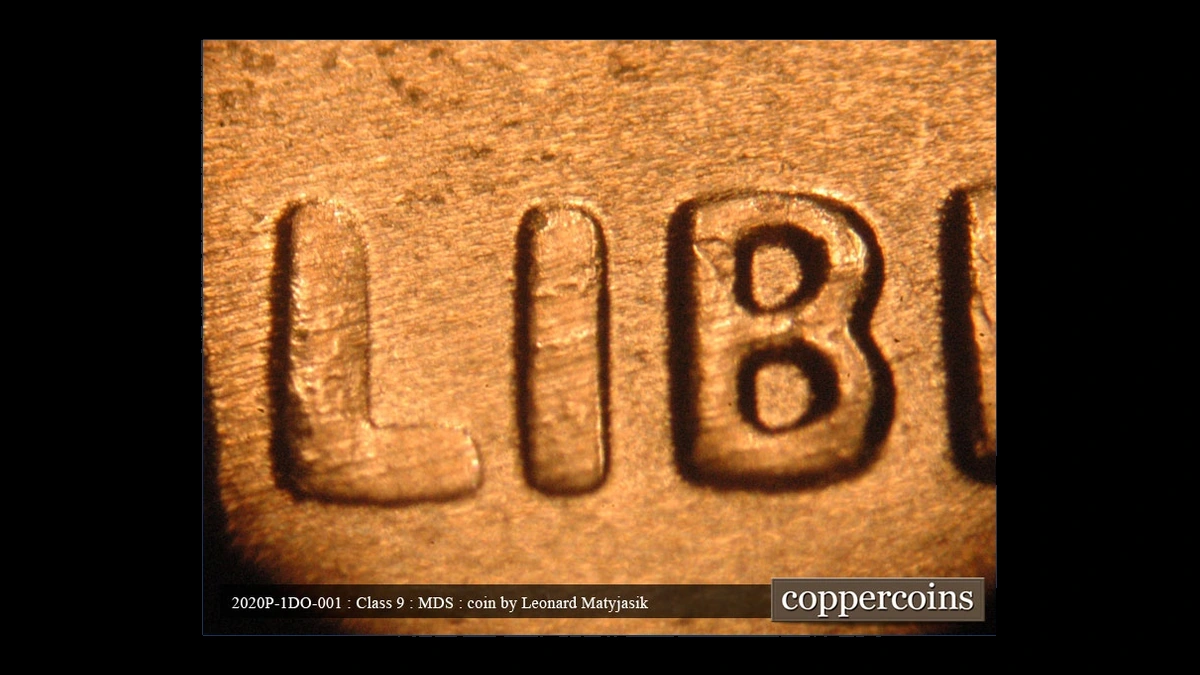
9. 2020 Penny Split letter corners or extra initials: Doubled Designs Error
Cataloged Philadelphia examples show extra thickness and split corners in parts of the obverse lettering. Separate reverse examples concern the small LB designer initials on the shield side.
These patterns originate in a doubled die, with the extra design already present on the tool. Denver reports require their own comparisons rather than borrowing Philadelphia diagnostics.
How to Identify
Confirm the mint first: ordinary Philadelphia 2020 cents lack a mint letter, while Denver cents carry D. Compare LIBERTY’s letter corners or the reverse LB with the relevant Wexler catalog photographs.
The particular split corner or additional outline should agree, rather than just a general impression of thick lettering. Flat shelves from strike movement and swelling from worn dies can imitate doubling without matching a cataloged pattern.
What It’s Worth
$5–$30 is estimated for minor identified doubling, with roughly $30–$100 for stronger examples on clean surfaces. These figures do not represent sales of particular catalog numbers.
A small LB feature may be less immediately visible than a split letter corner. If both faces show doubling, value their combined appearance on the one coin instead of adding two whole-coin prices.
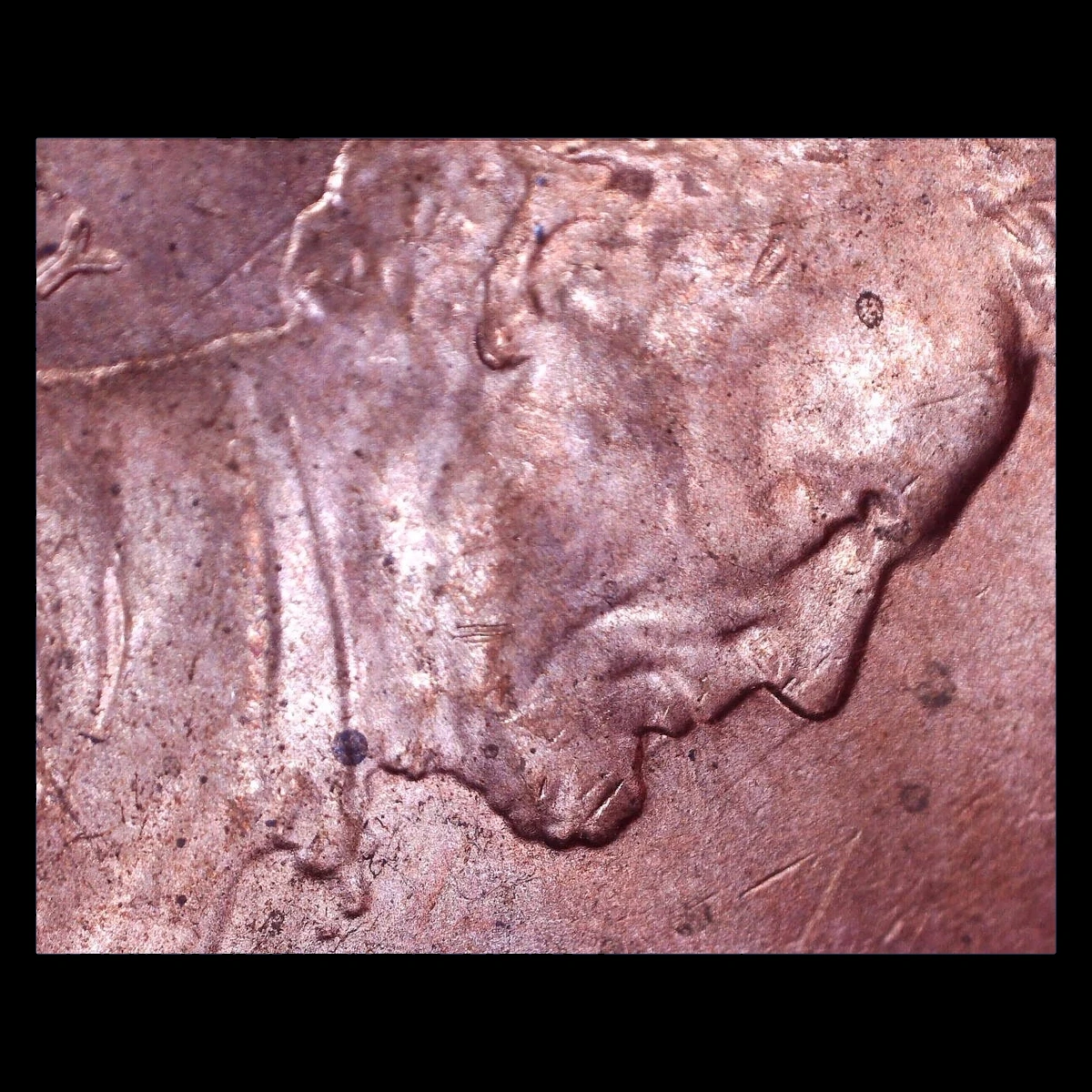
10. 2020 Penny An unexpected fragment of the other face: Die Clash Error
Lines that do not repeat the nearby lettering may instead resemble a piece of the opposite design. The dies can acquire such marks by hitting each other while no blank is present, then reproduce them on later coins.
Reports include 2020-D examples without one fixed arrangement for the year. Parallel lines beside Lincoln therefore cannot be assumed to be transferred shield stripes.
How to Identify
Identify the proposed source on the opposite face and compare its shape, position, and orientation. The marks need to fit a possible contact between the two dies.
Use low lighting to trace the fragment without connecting unrelated scratches into an imagined design. Polishing lines and pressure from another finished coin can leave misleading patterns.
What It’s Worth
$10–$50 is estimated for faint recognizable clashes, with about $50–$150 for more obvious outlines on attractive coins. No specific 2020 auction transaction is supplied.
A recognizable fragment gives a buyer something definite to compare. Extensive scratches can obscure a genuine clash and reduce its appeal.
Conclusion
A missing piece, a plain crescent, and a widened border represent three different changes to the outline. The same care applies to peeling copper, raised die defects, and small duplicated design elements.
Use the $2–$2,000 estimates only after identifying what the coin actually shows. Preserve both-face and edge photographs, reproduce any rotation test, and keep nearby-year sales attached to their own documented coins.