Rare 1805 Half Dollar Errors (List & Pictures)
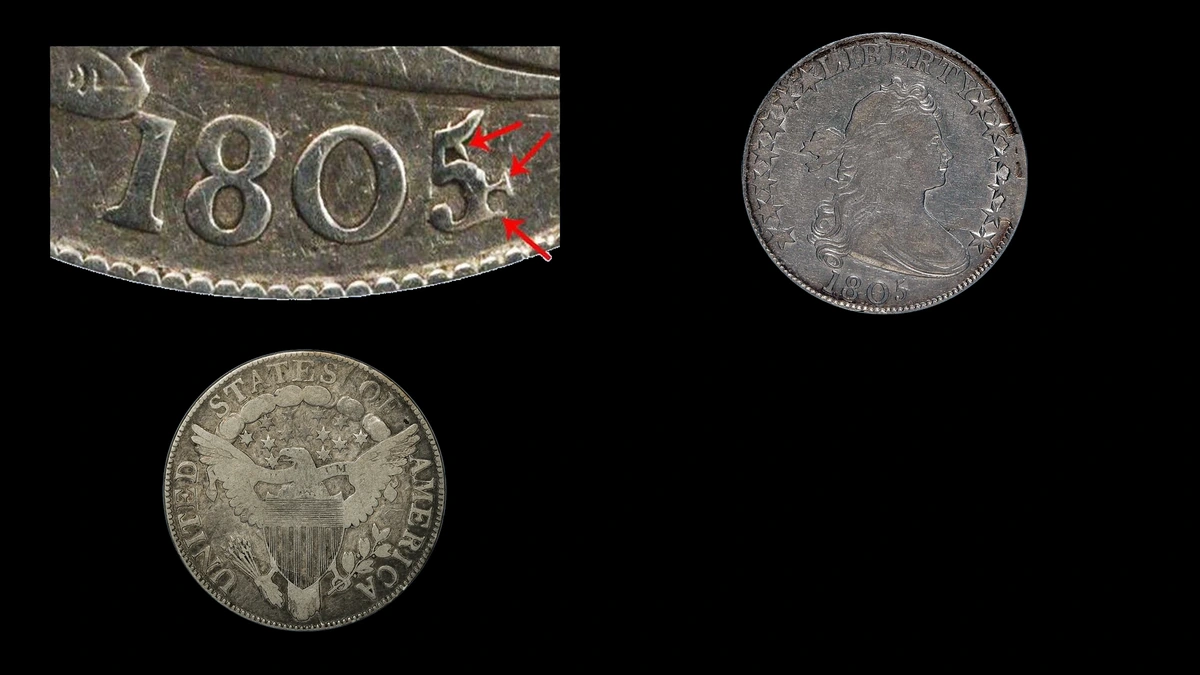
The final date digit, outer stars, and clouds above the eagle each offer a place to find 1805 half dollar errors. Estimated values for the described examples span $1,200–$7,000.
The strongest supplied result is $6,750 for a rare cud coin in July 2008; that specimen later brought $5,500 in January 2022. Follow the front-to-back inspection route below to match each feature before using those comparisons.
| Where to begin | What looks unusual | Error or variety | Estimated value |
|---|---|---|---|
| The last date digit | Parts of a 4 beneath the 5 | 1805/4 overdate | $1,500–$2,500 |
| Outer star points and rim | A broad raised patch replacing detail | Cud | $5,000–$7,000 |
| STATES and the clouds | A connected raised curve | Die crack and retained cud | $1,200–$2,000 |
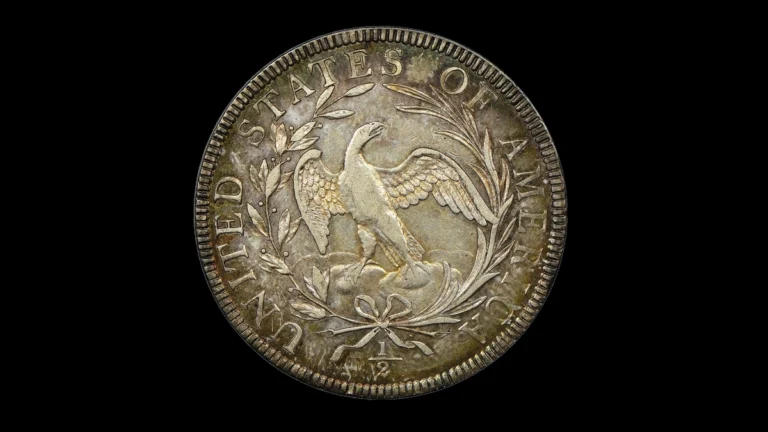
The standard coin has a lettered edge, a large eagle on the back, and Liberty’s draped portrait on the front. An unworn example weighs about 13.48 grams and measures 32.5 mm across.
1. 1805 Half Dollar An Older Digit Under the 5: 1805/4 Overdate Error
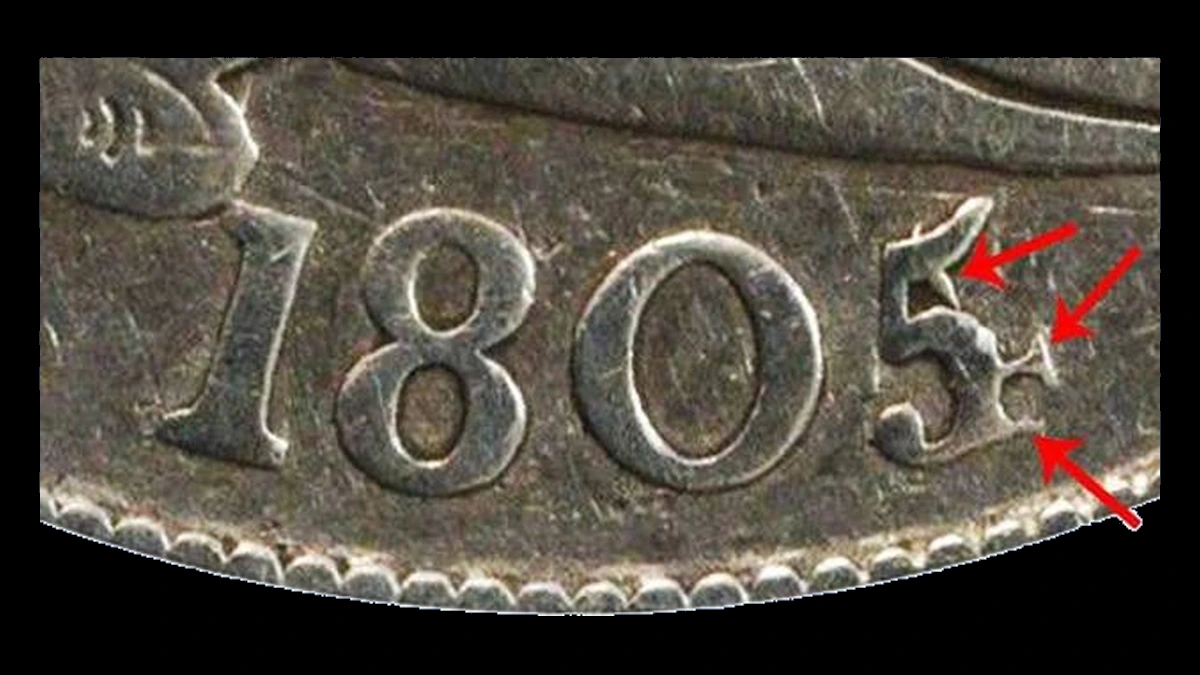
At the end of the date, the 5 does not fully conceal the earlier 4. The surviving pieces explain the notation 1805/4, read as “1805 over 4.”
The date was changed on the die, the steel tool used to stamp coins. Parts of the older number remained in that tool and became raised details on the finished halves.
The specialist reference includes a variety called O-103a. Some overdate coins also show cracks, but a crack is not what establishes the underlying 4.
How to Identify
Compare the shape of the final 5 with a normal 1805 date. Any suspected older strokes should have the form and position of the remnants in a documented 1805/4 photograph.
Use magnification while keeping the entire date in view. A tiny isolated enlargement can hide the relationship between the extra stroke and the final digit.
Check whether the mark rises above the surface. A cut through the 5 is damage, and a shadow that disappears when the lamp moves is not an underlying numeral.
The change occurred before the coin was struck. An altered digit on a finished coin can leave disturbed metal and must not be mistaken for this die-made overdate.
What It’s Worth
Estimated range: $1,500–$2,500 for comparable coins around Fine condition. Fine describes substantial circulation wear with important design details still present.
A PCGS F12 CAC example sold for $1,900 at David Lawrence in February 2022. The result provides a worn-coin comparison for the overdate itself, rather than for one particular crack pattern.
Visibility of the old digit helps when comparing examples. Damage or wear that makes the 4 difficult to recognize can affect a buyer’s interest.
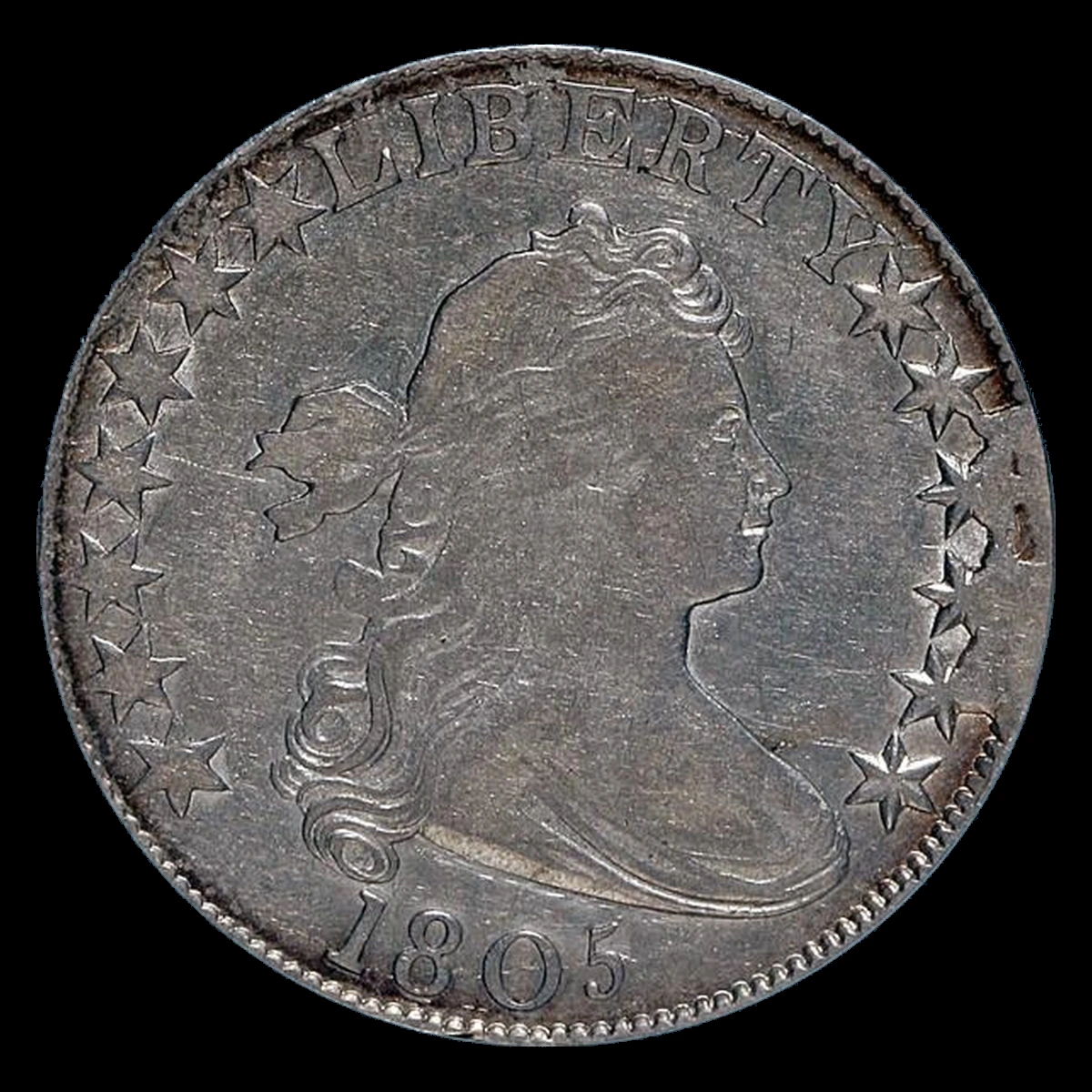
2. 1805 Half Dollar Star Points Lost in a Rim Patch: Cud Error
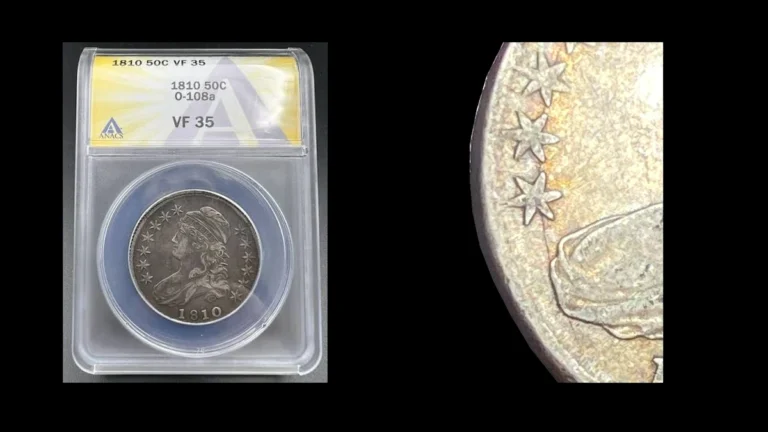
Move outward from the portrait and follow the stars along the rim. On the dramatic O-104a example, a raised area covers several outer star points.
A cud forms when part of the die breaks away at its edge. Metal flows into that open space and leaves a mostly smooth patch connected to the coin’s rim.
The John Reich Collectors Society illustrates late die damage near stars 9–12 and on other examples near reverse letters. Those different patches should be matched individually.
How to Identify
Identify where normal star points disappear beneath the raised area. Compare the patch’s boundary with an intact design so its extent is clear.
A genuine rim-connected lump should fit the documented die damage. An impact can also push metal inward, but may leave a crushed spot or torn-looking surface.
Inspect the opposite face for weakness in the corresponding area, without requiring every example to show it. Keep that observation separate from the outline of the cud itself.
Some broken die pieces remain partly in position, allowing distorted design to survive. A patch that retains detail needs comparison with the relevant retained break, rather than being rejected simply because it is not entirely smooth.
What It’s Worth
Estimated range: $5,000–$7,000 for a similarly clear, moderately worn example. The comparison concerns the rare, conspicuous cud rather than any small rim bump.
Sheridan Downey recorded the PCGS VF30 O-104a at $6,750 in July 2008 and $5,500 in January 2022. Both records concern the same coin.
That later lower result illustrates variation in auction demand. Variety, surface condition, and the amount of surviving design still need to match before either sale becomes useful.
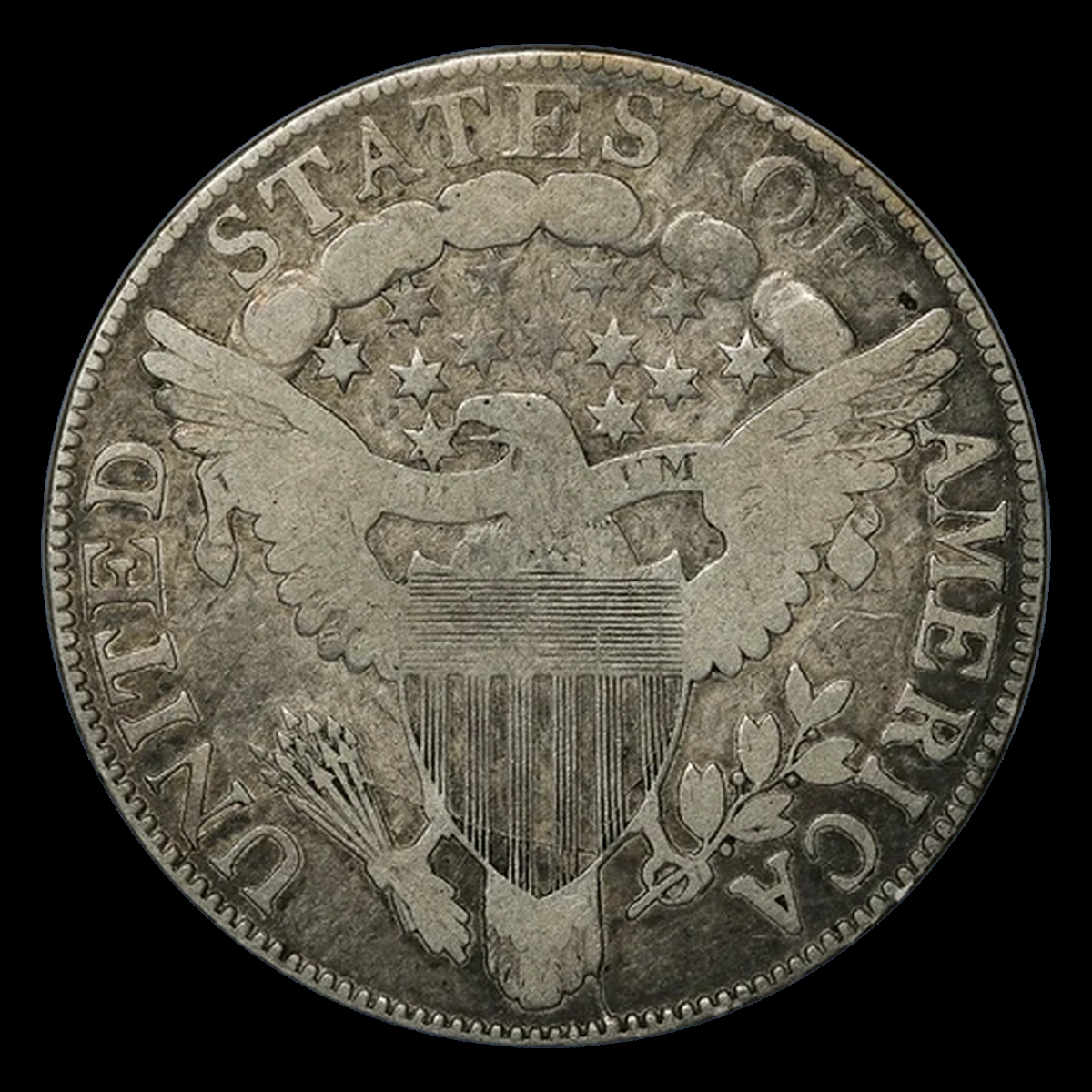
3. 1805 Half Dollar A Curved Ridge Through STATES: Die Crack Error
On the back, trace a curve beginning at the first S in STATES. It crosses the clouds before passing through E and the final S.
The O-112a auction description calls this both a die crack and a retained cud. In a retained cud, the cracked piece of steel remains in the tool instead of dropping out completely.
Silver entering the split produces the raised line. Any movement of the retained piece can also affect the height or appearance of nearby design.
How to Identify
Follow the curve as one connected route across letters and clouds. The complete path is the key comparison, rather than a short line that happens to sit near STATES.
Shine light across the back to distinguish the ridge from a scratch below the surface. Rough corrosion spots are also a poor match for a coherent die-crack route.
Look beside the line for any change in height and compare that area with the documented example. Record a full reverse photograph so the curve’s endpoints remain visible.
What It’s Worth
Estimated range: $1,200–$2,000 for similar Very Fine coins. This condition has clear identifying detail despite noticeable wear.
A PCGS VF20 O-112a brought $1,605 at David Lawrence in August 2017. Its catalog described the curved reverse feature.
A different 1805 crack requires its own comparison. Cleaning and other surface damage also matter even when the correct curved line remains visible.
Conclusion
The date, outer stars, and reverse clouds provide a practical route through these 1805 varieties. An old digit, a broad cud, and a retained die break each leave different evidence.
The $1,200–$7,000 estimates apply to the specific conditions and varieties discussed. Use the whole feature and the coin’s preservation to select a comparison, and remember that even the same rare cud has sold for different amounts.