Rare 1906 Half Dollar Errors (List & Pictures)
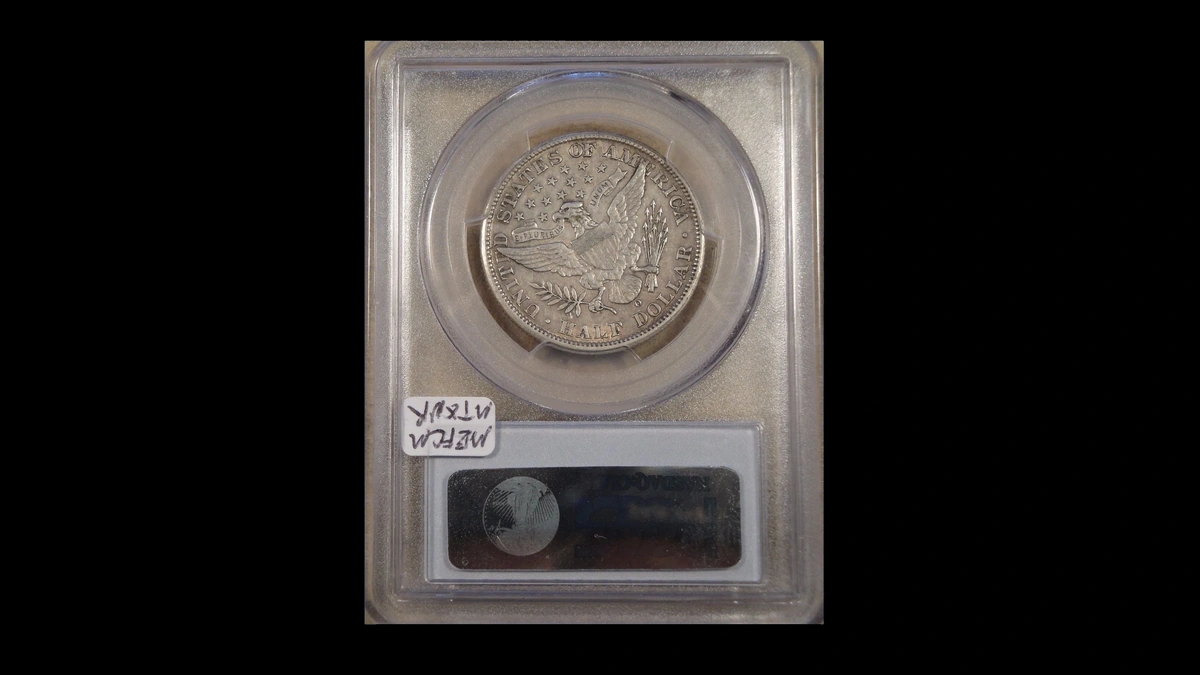
The mint letter helps organize a search for 1906 half dollar errors, because the reported features differ between Denver, New Orleans, Philadelphia, and San Francisco. Whole-coin estimates span $75–$90,000.
The documented $82,250 Shireman sale in January 2016 belongs to exceptional MS68 preservation, with a tiny strike-through among the coin’s features. Check the complete designs and alignment first, then inspect the portrait, date, and reverse ribbon.
| Observation | Relevant mint or area | Category | Estimated value |
|---|---|---|---|
| Design shifted lower right | Denver, both faces | Off-center strike | $1,500–$3,000 near AU58 |
| Eagle turns sideways after flipping | Reported Denver example | Rotated dies | $100–$350 worn |
| Swollen neck | New Orleans portrait | Mumps die bulge | $75–$450 worn |
| Extra strokes beside date | Philadelphia | Repunched date | $150–$1,000 |
| Digit fragment among border teeth | Denver below date | Misplaced date | $150–$700 worn |
| Small design interruption | San Francisco, near PLURIBUS | Strike-through | $125–$500 worn; $70,000–$90,000 at exceptional MS68 quality |
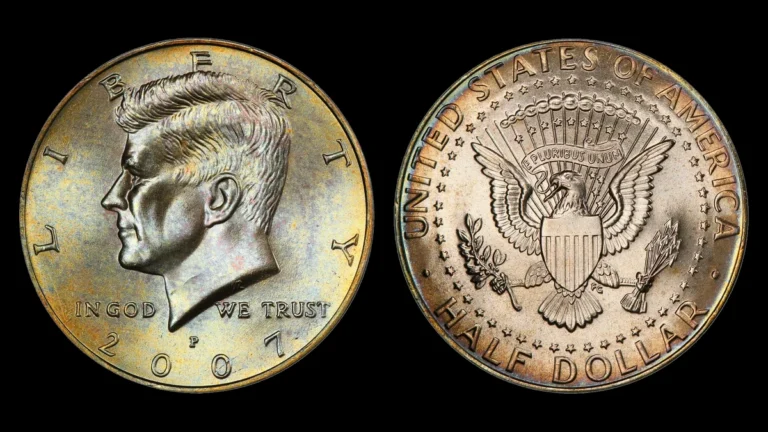
D, O, and S below the eagle identify Denver, New Orleans, and San Francisco; Philadelphia has no letter. Standard unworn measurements are 12.50 grams and roughly 30.6 mm across, with a grooved edge.
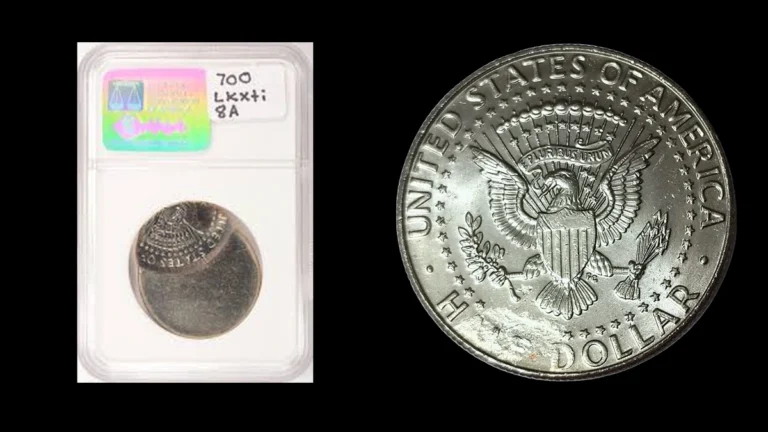
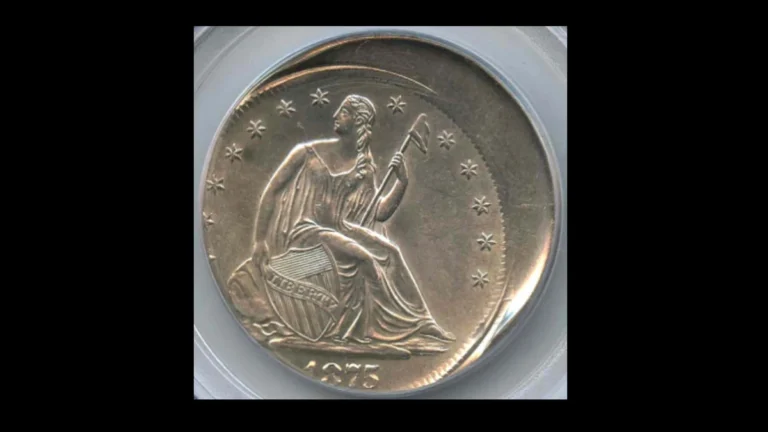
1. 1906 Half Dollar The Design Approaches the Lower-Right Edge: Off-Center Strike Error
Heritage described a Denver AU58 as three percent off center toward 3:30. That clock position places the small displacement to the lower right with the portrait upright.
The blank was not properly centered beneath the dies, the steel stamping tools. More space remained on one side while the design moved toward the other edge.
How to Identify
Use straight-on photographs showing both complete outlines. Check for compatible displacement on both faces rather than judging one broad rim.
If the opposite design remains centered, one misaligned tool may explain the unevenness. Examine the edges for compression, filing, or deliberate reshaping before matching the reported shift.
The date, D mintmark, and 3:30 direction belong in the comparison. Another coin with an irregular rim is not automatically the same example.
What It’s Worth
Estimated range: $1,500–$3,000 for authenticated examples with preservation comparable to AU58. AU58 means very little circulation wear.
The PCGS AU58 sold at Heritage for $2,185 on February 26, 2005. That historical result is not a current sale quote.
2. 1906 Half Dollar A Quarter-Turn Eagle After Flipping: Rotated Dies Error
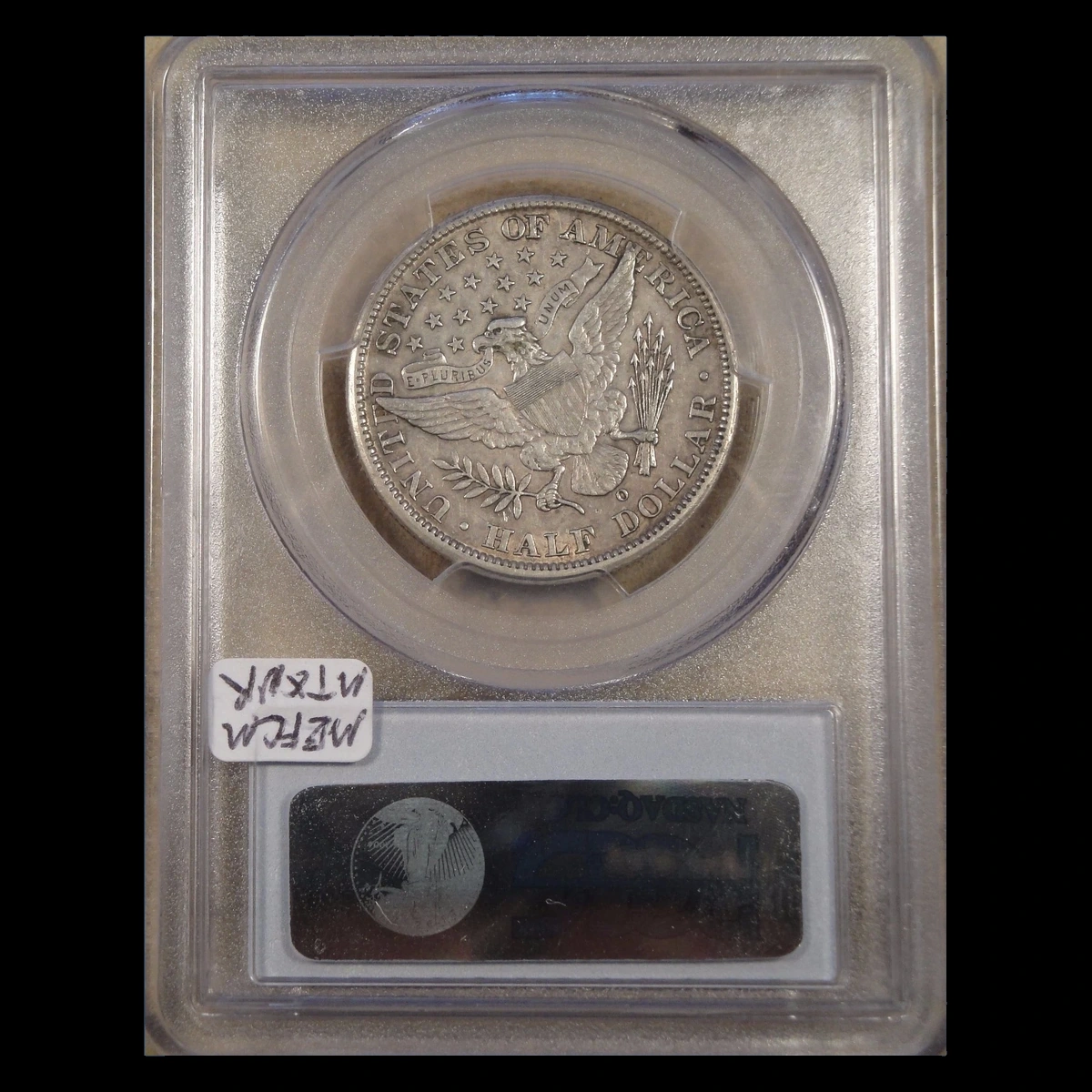
The Barber Coin Collectors’ Society survey reports a worn 1906-D with a reverse ninety degrees clockwise from normal alignment. Both face designs can still be complete and centered.
An informal 1906-O report gives a percentage without a clear measurement method. It does not establish the Denver coin’s ninety-degree angle for New Orleans.
How to Identify
Hold Liberty upright and flip top to bottom without turning sideways. The survey’s Denver example should leave the eagle one quarter turn clockwise from its normal upright position.
Repeat against a fixed reference and document the starting and ending views. A slipped grip or separately tilted photograph can imitate rotation.
Verify the D and inspect the edge for alteration. The measured relationship between the designs is the evidence, not the angle of one photograph.
What It’s Worth
Estimated range: $100–$350 for a worn Denver coin like the report. No realized sale is supplied for that specimen.
A 2000-P Kennedy with seventy-five-degree rotation brought $79 at Heritage in March 2025, graded MS61. It is an unworn different-series comparison, while the estimate also considers the older Barber’s silver issue and larger reported angle.
3. 1906 Half Dollar Liberty’s Neck Looks Swollen: Mumps Die Bulge Error
A bulging neck gives certain New Orleans Barber halves the nickname mumps. NGC includes 1906-O among the affected dates.
NGC links the shape to die damage and suggests improper hardening as one possible cause. The changed stamping tool produced the altered portrait contour.
How to Identify
Compare the neck with a normal portrait under the same light, using the NGC explanation as background. A true contour difference should persist as highlights move.
Check the O and inspect the swelling for seams, added material, or an impact’s sharp lip. A smooth continuation of the original surface across the matched bulge is stronger evidence than an unexplained lump.
What It’s Worth
Estimated range: $75–$450 from heavily through lightly worn examples. Ordinary 1906-O guide values of about $69 at VG8 and $340 at XF45 supply condition context.
Those are guide figures, not confirmed mumps sales. Clear attribution may attract modest interest, while unworn examples require their own condition comparisons.
4. 1906 Half Dollar Earlier Strokes Beside the Date: Repunched Date Error
The Philadelphia reports concern extra numeral strokes close to the proper date. Repeated applications of the punch in slightly different positions could leave parts of both impressions in the die.
The supplied listing names neither a particular affected digit nor the direction of displacement. It includes worn and unworn reports without giving transactions.
How to Identify
The society census places these reports under Philadelphia. Confirm the absence of a mintmark and photograph all four numerals together.
Compare recognizable earlier strokes with an attributed example. Flat ledges from strike movement, nicks, and cuts cannot establish repunching merely because a digit looks doubled.
What It’s Worth
Estimated range: $150–$1,000 for confirmed Philadelphia examples from moderate wear through lower unworn grades. An ordinary PCGS MS62 brought $630 at Heritage in 2023.
That sale compares the same date and mint, without establishing any separate amount paid for repeated date punching. Clear earlier-digit shapes and overall preservation remain necessary to the estimate.
5. 1906 Half Dollar A Stray Digit Among Border Teeth: Misplaced Date Error
For Denver, look below the correct date among the small border teeth. The society survey records a misplaced-date report but does not name the extra numeral.
A date punch applied to the wrong part of the die can leave a fragment away from the intended date. That placement differs from the close overlapping strokes described in the Philadelphia section.
How to Identify
Keep the complete date and lower border in one clear view. Verify the D before selecting a reference for the suspected numeral-shaped fragment.
A damaged tooth, dent, or pushed-up edge can look like a curve. The extra raised shape must agree with a confirmed Denver half-dollar example, not simply occupy the expected area.
What It’s Worth
Estimated range: $150–$700 for a verified worn Denver misplaced date. Ordinary guide values run from approximately $110 at F12 to $570 at AU58.
The range allows interest in clear misplaced-digit evidence, but the survey report is not a sale. One reported example also does not establish that only one exists.
6. 1906 Half Dollar A Small Interruption Near PLURIBUS: Strike-Through Error
On the Shireman San Francisco specimen, a small mark occurs near the end of PLURIBUS on the reverse ribbon. The published account relays Heritage’s description of a strike-through, possibly involving a thread.
Material between die and blank can block the design or leave a depression. The suggested thread is not established as the actual object, and the account does not say a fiber remains embedded.
How to Identify
Confirm the S, then inspect the localized interruption and its margins against the Shireman reference. A naturally stamped boundary differs from a later scratch with cut or displaced metal.
Check nearby design for general wear and inspect the area under several lighting angles. A small depression alone does not establish either the specific cause or identity of the cataloged coin.
What It’s Worth
Estimated range: $125–$500 for a small strike-through on a worn 1906-S. The exceptional MS68 belongs to a separate estimated bracket of $70,000–$90,000.
The Shireman PCGS MS68 sold for $82,250 in January 2016. Its extraordinary preservation accounts for that major result.
The tiny interruption is one feature of the superb coin. It does not create a separate five-figure price for the same mark on a circulated example.
Conclusion
Use the mint letter to select the right diagnostic comparison, then examine the whole pattern. Denver’s alignment and stray-digit reports, Philadelphia’s repunching, New Orleans’ neck shape, and San Francisco’s ribbon mark have distinct evidence.
The $75–$90,000 estimates cover very different conditions. Keep the exceptional Shireman result separate from worn-coin ranges and distinguish survey observations from documented auction transactions.