Rare 1940 Half Dollar Errors (List & Pictures)
A certified 1940-S curved clip weighs 12.20 grams, making it a useful example of missing metal. Other 1940 Walking Liberty half dollar errors leave the coin whole but change its surface or design.
Estimated values below span $40–$15,000. The high-end double-strike comparison is an undated Walker that sold for $11,400 in August 2025, not a confirmed 1940 sale.
First decide whether you see a gap, a surface change, or repeated detail, then follow the matching section.
| Visible starting point | Type | Estimated range |
|---|---|---|
| Curved edge gap | 1940-S clip | $75–$700 |
| Thin raised line | Die crack | $40–$250 |
| Metal separating in a layer | Lamination | $45–$500 |
| Local weak or recessed patch | Strike-through | $50–$500 |
| Extra part of S | Repunched mintmark | $75–$600 |
| Rounded extra front outlines | Doubled die obverse | $75–$2,500 |
| Repeated eagle-side details | Doubled die reverse | $75–$2,500 |
| Design shifted beside bare metal | Off-center strike | $100–$12,000 |
| Two displaced pictures overlap | Double strike | $5,000–$15,000 |
1940 halves came from Philadelphia and San Francisco; Denver made none that year. The normal coin contains 90% silver, weighs 12.50 grams, and measures about 30.6 mm across, with grooves around the edge.
1. 1940 Half Dollar A Curved Piece Is Missing: 1940-S Clipped Blank Error
The Rippere Collection included a 1940-S curved clip graded ANACS VF25. Its recorded 12.20-gram weight is below the standard, although some of the difference can come from circulation wear.
A curved clip can begin when the blank-cutting punch overlaps an earlier hole in the metal strip. The incomplete blank then receives the coin’s design.
How to Identify
Compare the complete outline with the VF25 example, keeping S visible on the back. Inspect where the edge grooves and struck details meet the missing arc.
File tracks or a cut through the finished rim suggest later removal. A weak area opposite the gap can support a genuine clip when present.
The 0.30-gram difference does not establish an exact clip percentage. Another genuine clip can have a different weight because both its gap and wear differ.
What It’s Worth
$75–$700 is the estimate for genuine curved clips, from circulated through modest unworn 1940-S examples. No realized price for the Rippere coin is used here.
A 1942-S rim clip graded MS62 sold for $81.90 including premium in May 2025. That small unworn different-year error offers a lower comparison, not the price of the VF25 coin.
2. 1940 Half Dollar A Fine Line Rises above the Silver: Die Crack Error
A die is the steel tool that stamps a coin. When it cracks, silver can enter the opening during a strike and form a narrow raised ridge.
The 1940 report provides no mint or fixed route across the design. The line on the actual coin must supply that information.
How to Identify
Use a magnifier and low side lighting to follow the line through its full length. The center of a die-crack ridge stands above the surrounding surface.
A gouge may leave raised metal beside a sunken center. Clothing folds and ordinary design lines also need to be ruled out before calling an extra line a crack.
What It’s Worth
$40–$250 is the estimate for a small genuine crack on a circulated or ordinary unworn coin. At the lower end, much of the value may belong to the silver half itself.
A 1976-D Kennedy with a larger reverse die break sold for $256 in June 2026 in MS65 condition. That newer design and more obvious break give context rather than a direct 1940 sale.
3. 1940 Half Dollar A Thin Metal Layer Opens: Lamination Error
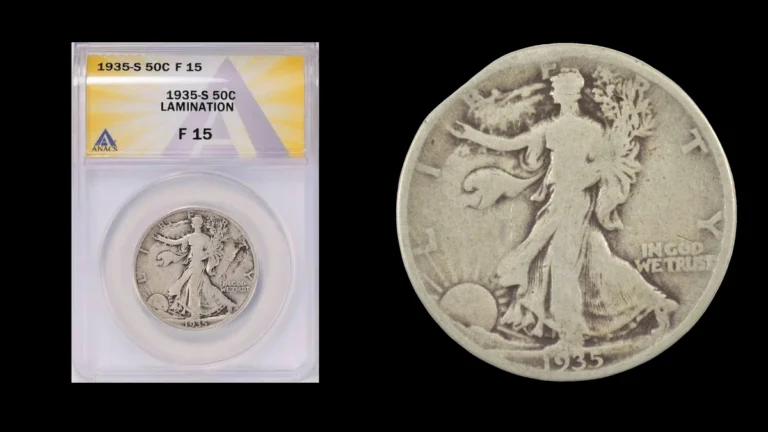
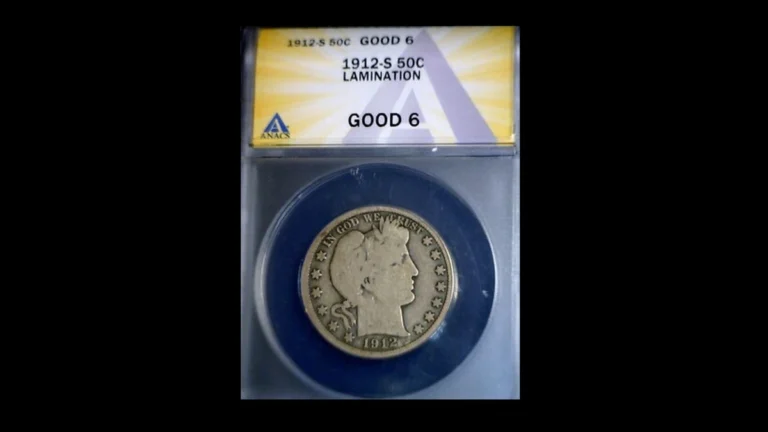
A seller’s circulated Philadelphia example is described as having a lamination on the back. Lamination means a separation within the alloy, which may leave an opening, lifted layer, or missing flake.
This silver half does not have a modern bonded outer sheet over a different-metal core. San Francisco examples are also reported, but their affected areas must be checked separately.
How to Identify
For the Philadelphia report, inspect the eagle side and follow the disturbed area into intact silver. A natural layer boundary is different from a channel scraped out of the surface.
Look for a thin opening beneath original detail rather than a tool path with pushed-up metal. Leave any attached flake untouched.
A low weight can support lost metal without establishing how it was lost. Use the visible structure of the separation with that measurement.
What It’s Worth
$45–$500 is the estimate, covering modest worn separations through clearer, more attractive examples. Condition and the actual layer boundary matter more than a rough patch’s size alone.
The Philadelphia reverse-lamination listing asks $45 for an ungraded coin. It is a seller’s offering, not a completed sale or independent error certification.
4. 1940 Half Dollar One Patch Lacks Normal Detail: Strike-Through Error
Sometimes the metal is present but part of the picture never forms. Material between the die and blank can block detail or leave a recessed impression.
The reports concern Philadelphia and San Francisco circulation coins without identifying one object or fixed location. Grease, cloth, and wire are possible mechanisms in general, not three established 1940 specimens.
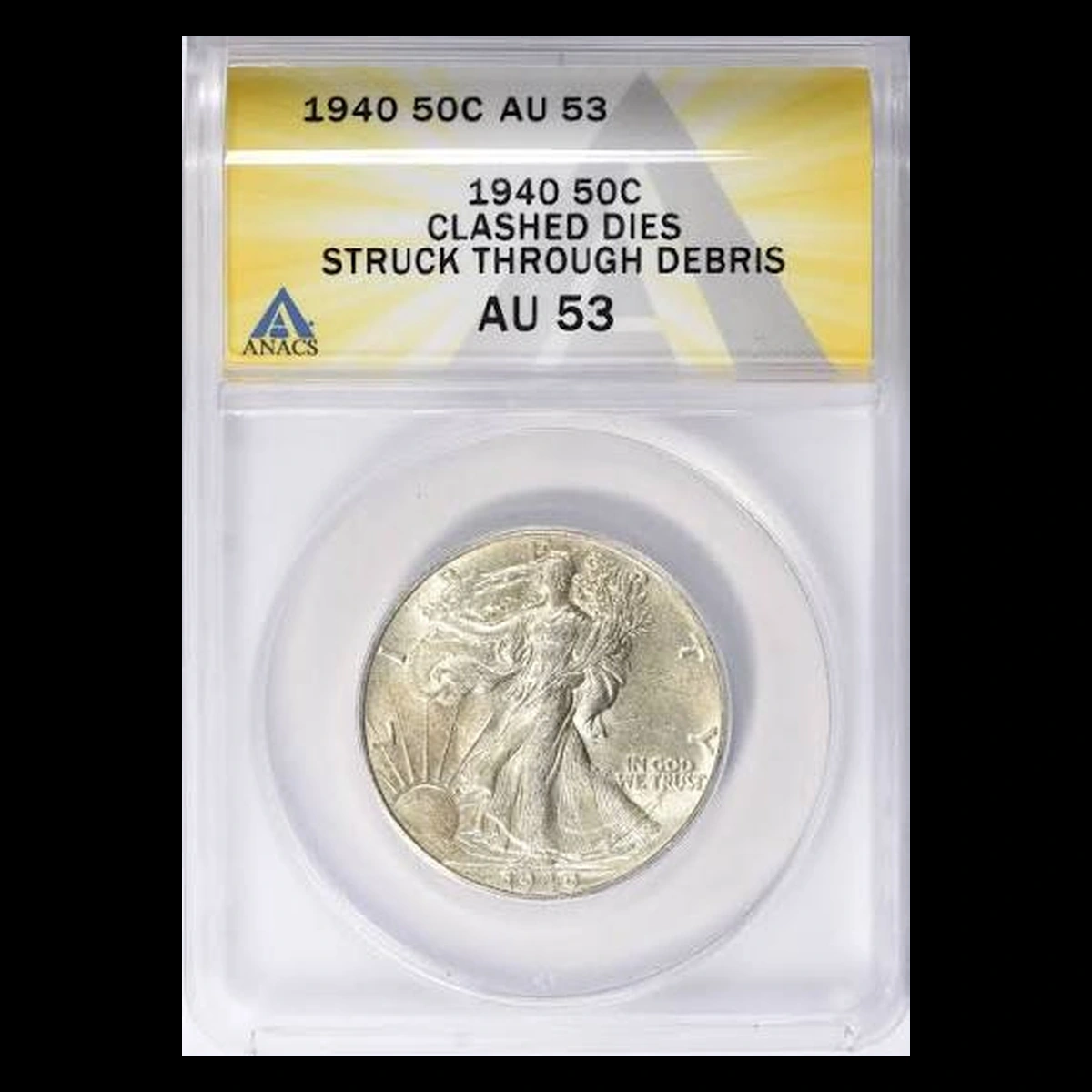
How to Identify
Start where the weak or recessed patch meets sharper design. Check for original struck texture instead of scrape walls or piled-up burrs.
A weak central strike, especially on a San Francisco coin, is not enough by itself. A local boundary or impressed texture can provide stronger evidence of an obstruction.
Small strike-throughs may leave normal weight and diameter. The important distinction is detail that failed to form rather than detail removed later.
What It’s Worth
$50–$500 is the guide estimate for genuine ordinary-strike examples, from small missing details to obvious depressions. It is not a documented sale price for a named 1940 coin.
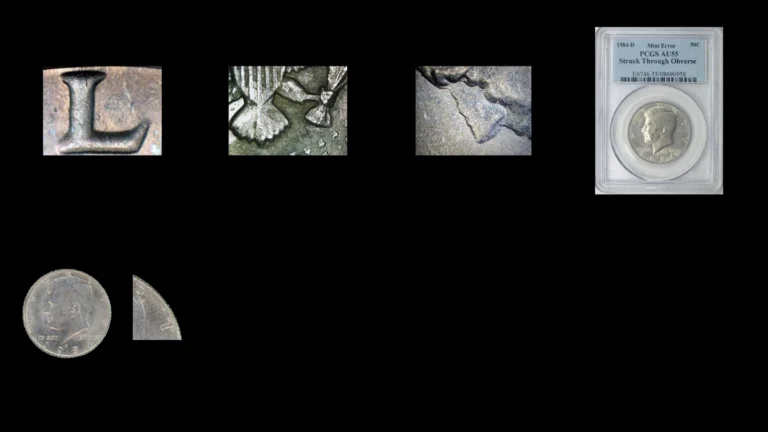
A 1976-D Kennedy struck through material on both sides sold for $114 in March 2025. Its layered metal and two-sided feature differ from the reported Walker category.
5. 1940 Half Dollar A Second S Fragment Is Visible: Repunched Mintmark Error
The S sits below the branch at the lower left of the back. An earlier punch impression may survive as an extra curve or small finishing stroke beside the final letter.
This happens while the die is prepared, before coins are struck. The report gives no single direction that applies to every suspected extra stroke.
How to Identify
Compare the mintmark with a normal 1940-S under a 10× magnifier. Trace the extra part to see whether it fits another S.
A shadow, thick border, damaged edge, or flat shelf does not establish a second punch. Inspect the surrounding silver for tooling or added metal.
Match the same extra-letter position in a verified reference. Do not borrow a repunching direction from a different year.
What It’s Worth
$75–$600 is the working estimate for clearly matched repunching. The 1940-S guide places circulated coins around $75–$200 and sharper unworn pieces around $500–$600.
These are guide figures, not an auction result for one named die. A high grade can also increase the ordinary coin’s value independently of its mintmark.
6. 1940 Half Dollar Extra Rounded Front Shapes: Doubled Die Obverse Error
The front-doubling reports suggest inspecting LIBERTY, the date, and Liberty’s figure on Philadelphia and San Francisco circulation coins. They do not establish one exact pattern or direction.
In a genuine doubled die, the repeated detail is already in the stamping tool. One strike can transfer those extra contours to the coin.
How to Identify
Use an ordinary coin of the same mint for comparison. Look for rounded extra shapes that remain in place when you move the light.
Flat shelves or rough widening can have other causes. A matching known example is needed before naming the variety.
Keep Proofs, the specially made collector coins, separate from these circulation-strike reports. A feature reported on one issue does not automatically apply to every mint and finish.
What It’s Worth
$75–$2,500 is the estimate for clearly identified examples, from minor circulated doubling to strong detail on well-preserved coins. The larger figures require a correspondingly strong comparison.
A recognized 1939-D FS-101 graded MS67+ sold for $2,160 in April 2025. That exceptionally preserved different-year variety does not identify a 1940 die or price a Proof candidate.
7. 1940 Half Dollar Repeated Back Letter or Eagle Details: Doubled Die Reverse Error
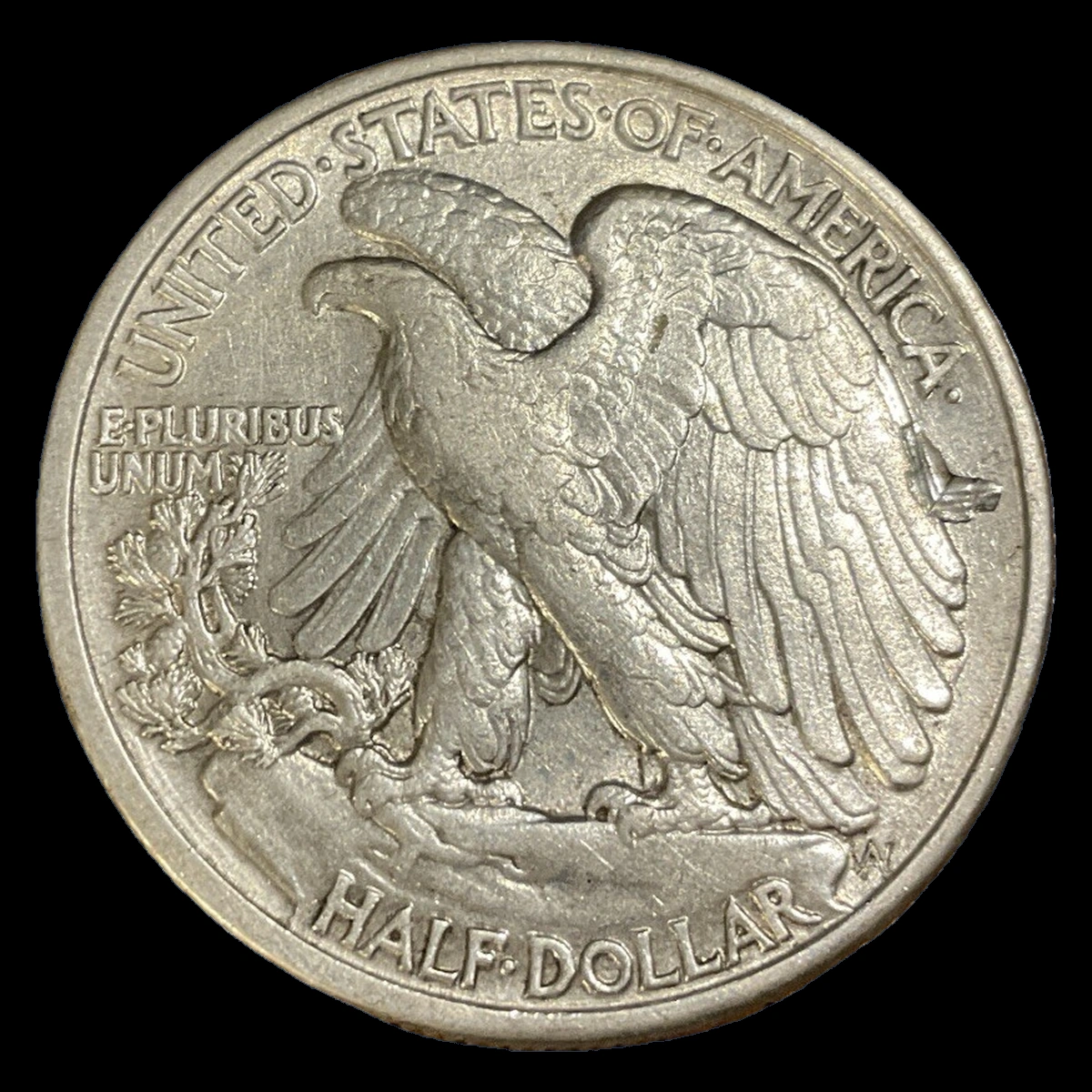
The back report points toward UNITED STATES, HALF DOLLAR, and the eagle. It does not specify a particular doubled letter or feather on an established die.
This differs from repunching confined to the S mintmark. It also differs from normal overlapping feather lines in the artwork.
How to Identify
Keep each suspected duplicate within a photograph of the surrounding design. Trace its shape under changing light rather than relying on one bright edge.
A rounded separate contour is more promising than a low flat step. Once the mint and finish are known, compare with a normal coin of that same issue.
The source does not establish that Philadelphia, San Francisco, and Proof coins all share one doubled reverse. Each identification needs its own matching evidence.
What It’s Worth
$75–$2,500 is the comparison estimate for properly identified 1940 candidates. A minor contour on a worn piece does not automatically approach the top of that range.
A 1946 FS-801 in MS65 sold for $2,040 in November 2024. That recognized strong variety supplies different-year context, not a documented 1940 price.
8. 1940 Half Dollar The Design Sits beside Bare Silver: Off-Center Strike Error
A blank entering the press off center can leave part of its surface untouched. On the opposite side of the shift, some intended design falls beyond the metal.
The year report gives no certified specimen’s mint, percentage, or direction. Those details must be read from the particular coin.
How to Identify
Use complete views of both faces and find corresponding design loss. A front shift with a centered back may involve a misaligned die instead.
Inspect the boundary for natural blank surface and metal flow. Grinding, cutting, or later compression can create misleading blank-looking areas.
Include every surviving date digit and the mintmark area in the photographs. A genuine off-center Walker still needs a readable basis for being called 1940.
What It’s Worth
$100–$12,000 is the estimate for ordinary-strike candidates, from modest worn shifts through exceptional authenticated pieces. The same percentage does not make two coins equal in value.
A 1918 half struck 10% off center sold for $10,575 in April 2013 in MS65 condition. Its unworn surfaces and different date belong with that comparison.
9. 1940 Half Dollar Two Displaced Pictures Cross: Double Strike Error
A coin that moves before another blow may retain two separate impressions. The later strike can flatten part of the first while leaving other details visible.
Philadelphia also made 1940 Proofs, whose normal repeated pressing is not automatically an accidental double strike. The supplied report does not establish an authenticated dated 1940 example of the error.
How to Identify
Follow the earlier design into the later impression and check several crossing points. The overlap should show a consistent second striking event, not just a pair of close letter outlines.
Identify the coin’s finish before interpreting the repetition. Normal Proof manufacture and a doubled die require different explanations from an accidentally displaced second strike.
Inspect the full faces and edge together for changes caused by the two blows. Retain any readable date in those same views.
What It’s Worth
$5,000–$15,000 is the estimate for substantial authenticated ordinary-strike candidates. More modest forms and Proofs need separate comparisons.
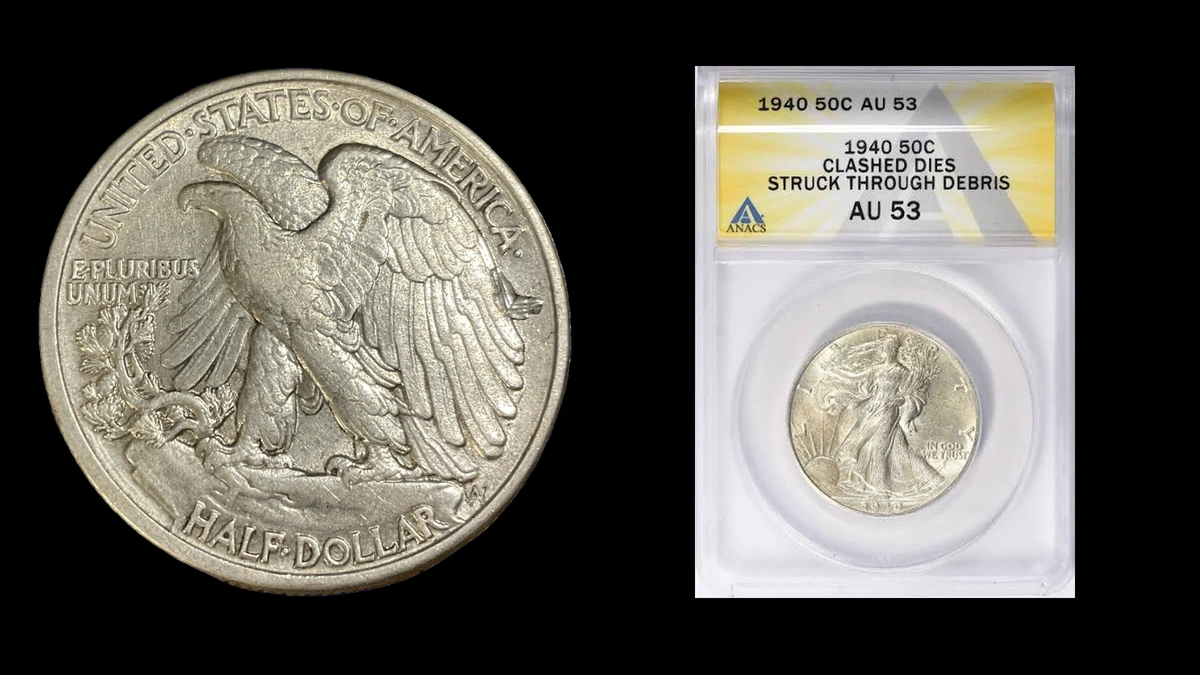
An undated San Francisco Walker graded AU53 sold for $11,400 in August 2025, with its second strike 90% off center. Its unknown date must remain unknown rather than becoming a 1940 record.
Conclusion
The measured 1940-S clip offers a specific coin to study, while several broader categories depend on matching the feature to a verified example. A raised ridge, a peeling layer, and a blocked design each leave different evidence.
Keep the mint and finish with every photograph and price comparison. For repeated designs, establish whether you have a die variety, an accidental second strike, or the normal manufacture of a Proof.