Rare 1927 Penny Errors (List & Pictures)
On an old copper cent, color bands and extra letter edges can look equally unusual while having very different origins. A Philadelphia FS-101 doubled die leads the recorded sales for these 1927 penny errors at $2,645 on June 17, 2010.
The estimated range is $2–$3,500. Examine surface texture and the coin’s outline before deciding whether repeated-looking details came from the die or from another strike.
| Feature to inspect | Category | Estimated range |
|---|---|---|
| Color bands across intact metal | Woodgrain alloy appearance | $3–$100, including underlying coin |
| Peeling layer or missing surface patch | Lamination | $5–$200 |
| Original gap at the rim | Clipped planchet | $20–$250 |
| Untouched metal beside lost design | Off-center strike | $40–$600 |
| Two separately positioned designs | Double strike | $200–$1,500 |
| Raised bar or small lump | Die chip or BIE | $2–$75 |
| Additional stroke around D | Repunched mintmark | $10–$200 |
| Consistent repeated front detail | Doubled die | $25–$3,500 |
A normal 1927 copper-alloy cent weighs 3.11 g and is 19.05 mm across a plain edge. Record mint and condition alongside photographs, using a scale and calipers for accessible coins and a 10× magnifier for the details below.
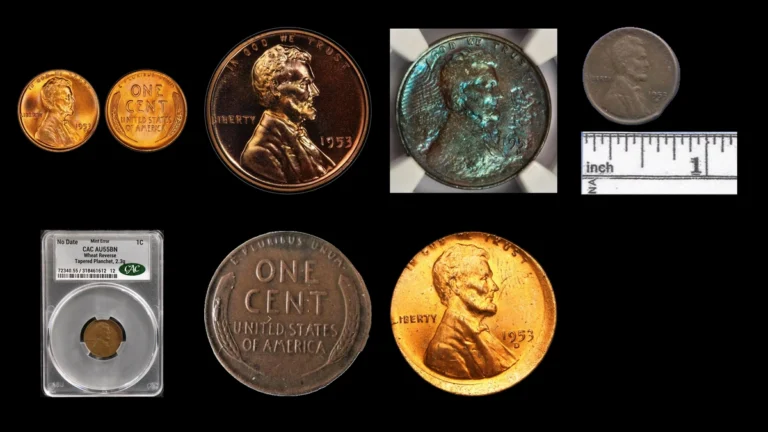
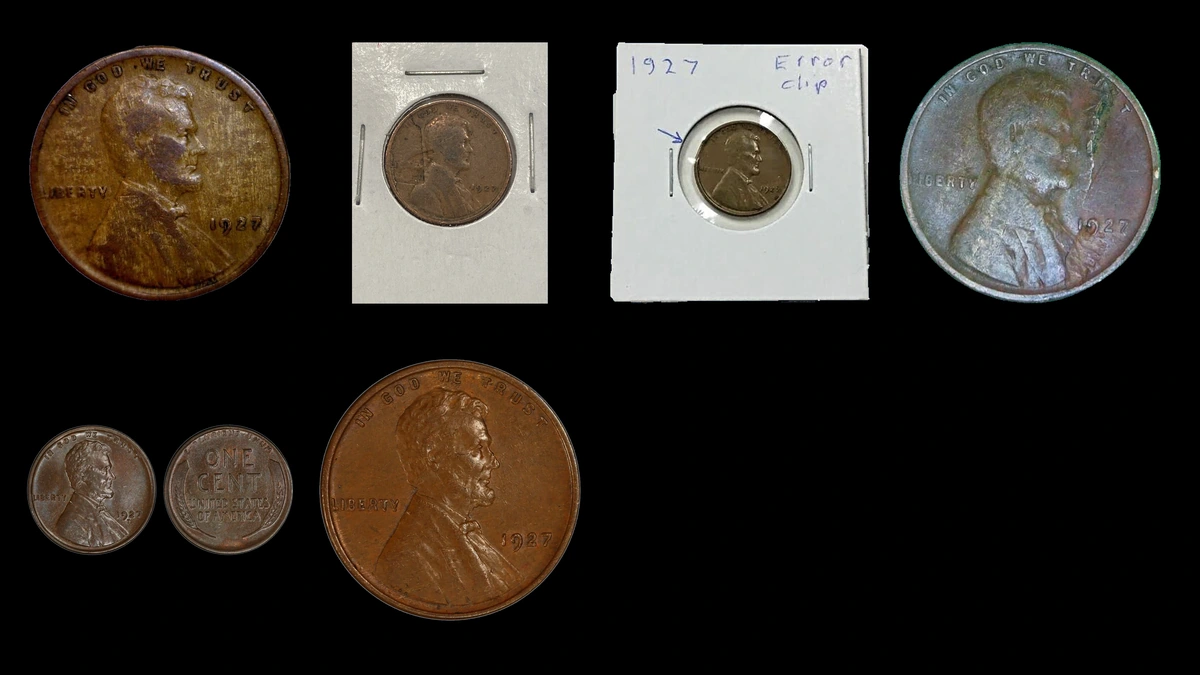
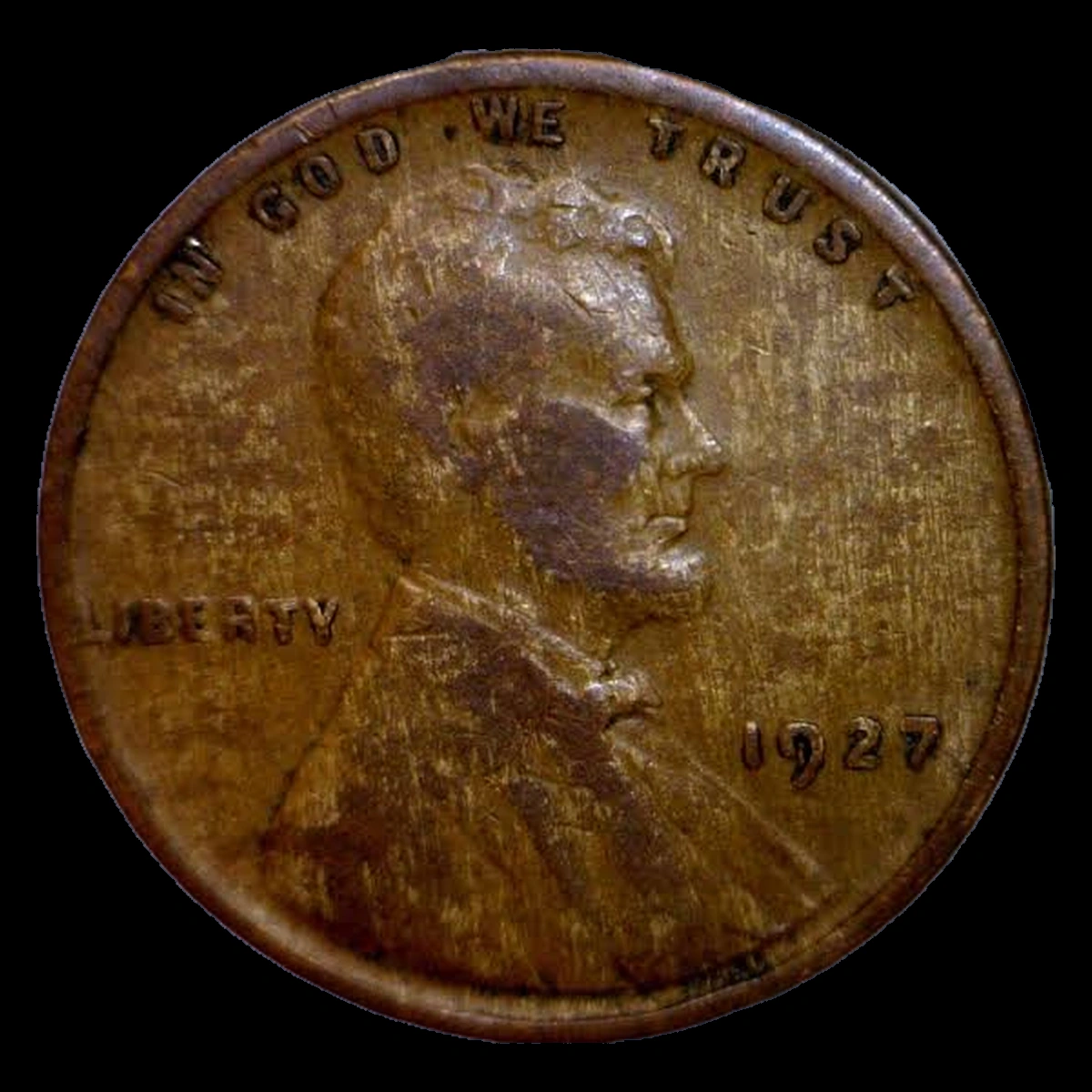
1. 1927 Penny Light and Dark Bands Cross the Surface: 1927 Woodgrain Error
Directional copper colors can give a cent the appearance of woodgrain. Reports often involve San Francisco, although other mints also occur in year references.
Uneven alloy mixing and rolling can stretch metal differences into bands that develop contrasting color with age. This changes surface appearance rather than stamping another design into the coin.
How to Identify
Follow bands through portrait and open areas while checking whether the original texture remains intact. Brushing can instead leave directional grooves and disturbed shine.
Inspect protected spaces beside letters for evidence of cleaning or applied color. Neither an S mintmark nor attractive stripes alone prove an alloy explanation, and rubbing or chemical tests can damage the evidence.
What It’s Worth
Ordinary circulated or modest-grade examples with appealing original bands have an estimated $3–$100 range. This includes the underlying coin’s value rather than a fixed additional woodgrain premium.
No recorded 1927 error sale is assigned to the pattern here. Mint and preservation may matter more than the stripes, while exceptional regular coins need their own grade-based assessment.
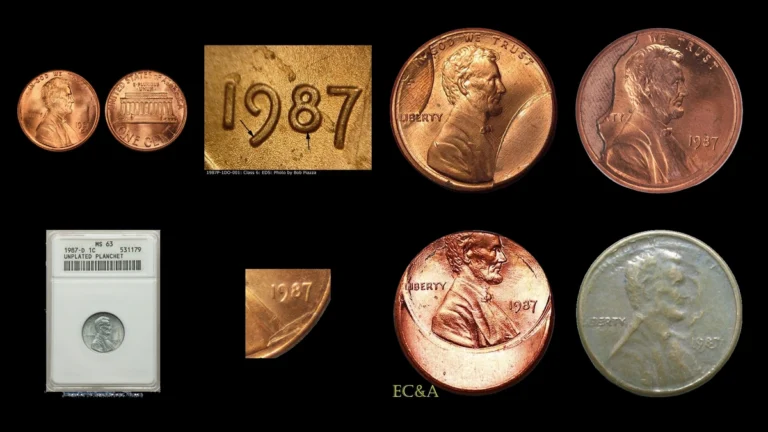
2. 1927 Penny A Layer Separates beside the Portrait: 1927 Lamination Error
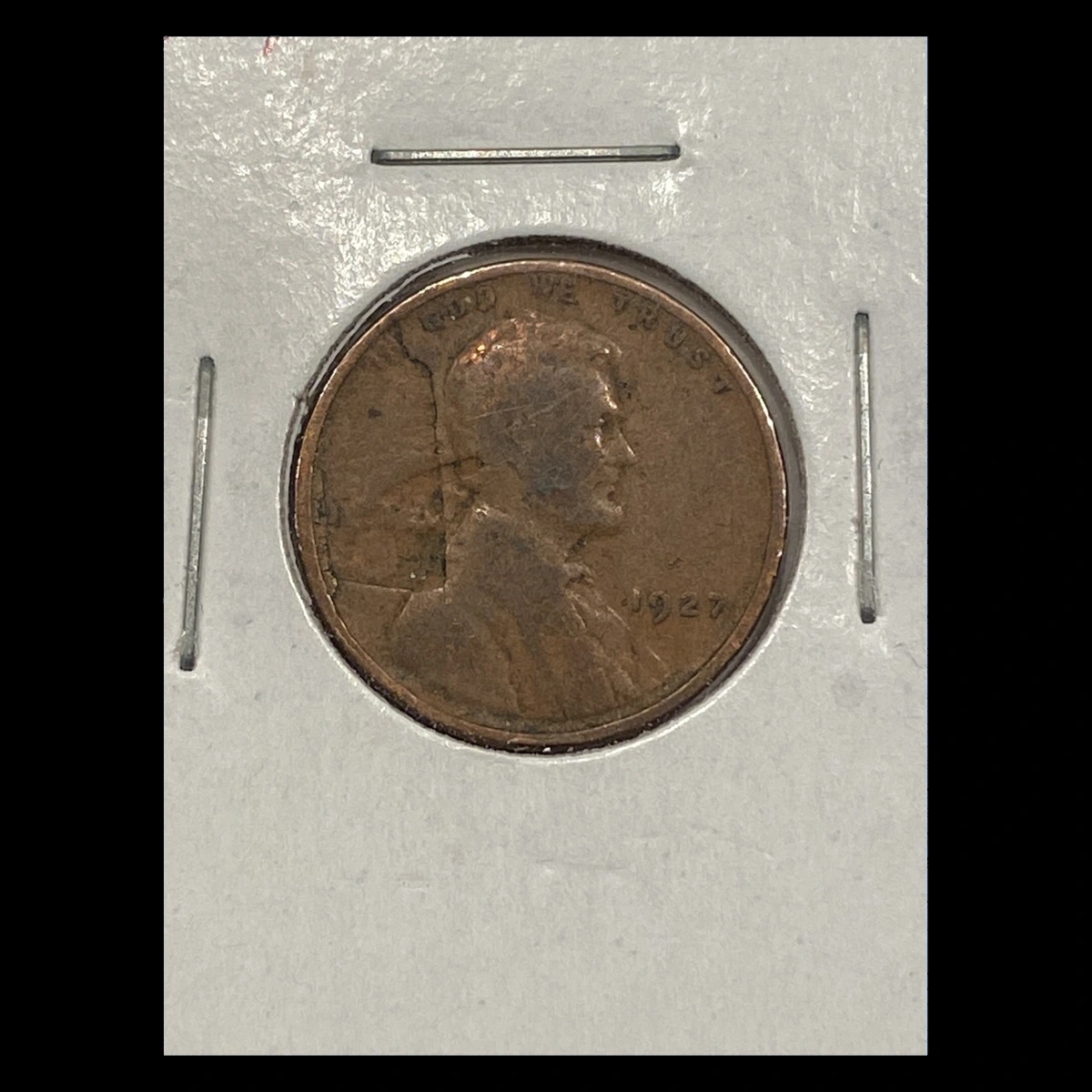
The illustrated San Francisco example has a broad separation left of LIBERTY extending through Lincoln’s shoulder region. A weak layer within the copper alloy loosened instead of remaining a continuous surface.
Some laminations retain a flap, while others have lost it. The exact shape and position vary from coin to coin.
How to Identify
Compare the layered boundary with the documented 1927-S example, without requiring its location on every candidate. A smooth scraped patch or scattered corrosion pits need a different explanation.
Leave loose metal attached and look for original design on or beside the separating layer. Weight can remain close to normal when the flap has not fallen away.
What It’s Worth
Genuine laminations have an estimated $5–$200 range. Visible natural separation helps, while corrosion or other alteration can reduce appeal.
A 1966 front lamination in NGC MS63 Brown brought $61 in July 2021. That later copper-alloy comparison is not a sale of the pictured 1927-S coin.
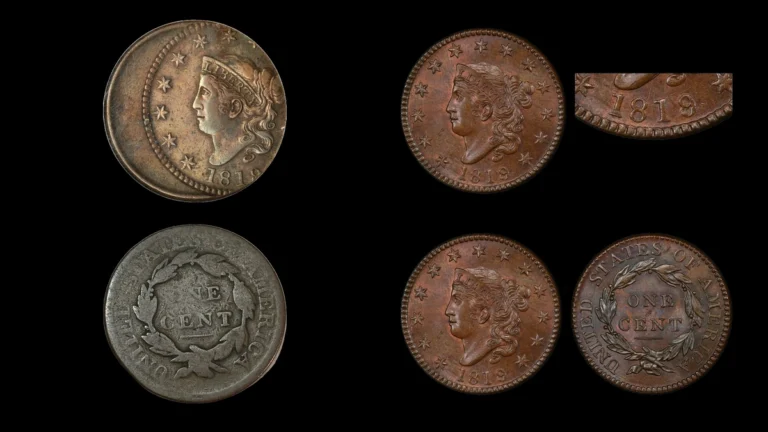
3. 1927 Penny A Small Section Is Missing at the Rim: 1927 Clipped Planchet Error
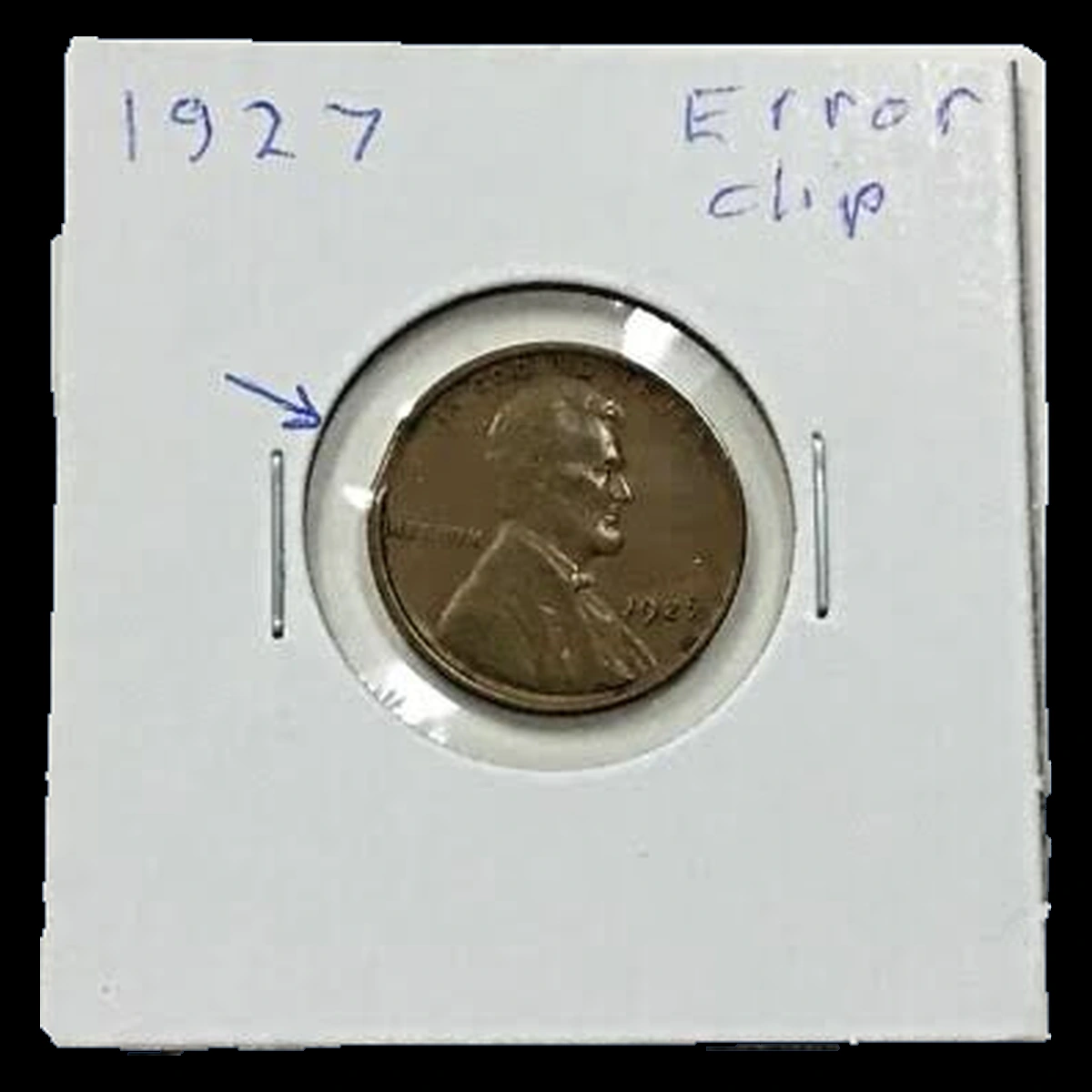
The Rippere collection included a Philadelphia cent described as a rim clip and graded ANACS AU58. A clipped planchet is a blank that was incomplete before its design was struck.
The brief catalog wording supplies no universal shape, direction, or percentage. The specific boundary must be read from the coin’s photographs.
How to Identify
Inspect both ends of the gap for naturally affected rim formation. Fresh file marks or metal displaced by a later cut can explain an otherwise similar notch.
Read the date and Philadelphia mint area while comparing the authenticated piece. A small clip may cause too little weight loss to resolve clearly on an ordinary scale.
What It’s Worth
Genuine rim clips have an estimated $20–$250 range. Their size, outline, grade, and original surface all contribute.
The Rippere example appeared in March 2025, but the public page supplies no price. Two separate 1939 Wheat-cent clips brought $180 and $114 in January 2023 as other-year comparisons.
4. 1927 Penny Bare Metal Remains beside an Incomplete Design: 1927 Off-Center Strike Error
Some intended design misses the disc when a blank sits too far to one side. An attached portion remains unstruck rather than physically missing.
The broad 1927 reports establish no single displacement or direction. Each date and surviving mintmark must be read on its own specimen.
How to Identify
Follow the transition from struck detail to unused metal, then compare the same relationship on the other face. Abrasion lines can reveal design removed by sanding instead.
Check whether all intended outer lettering actually survives. A complete design within uneven spread suggests a broadstrike rather than this displaced-blank error.
What It’s Worth
Readable-date examples have an estimated $40–$600 range. Mint, preservation, and the quality of surviving detail influence the result.
A 1935 Wheat cent struck ten percent off center brought $144 in March 2026. It provides nearby-year context, not a transaction for an unspecified 1927 coin.
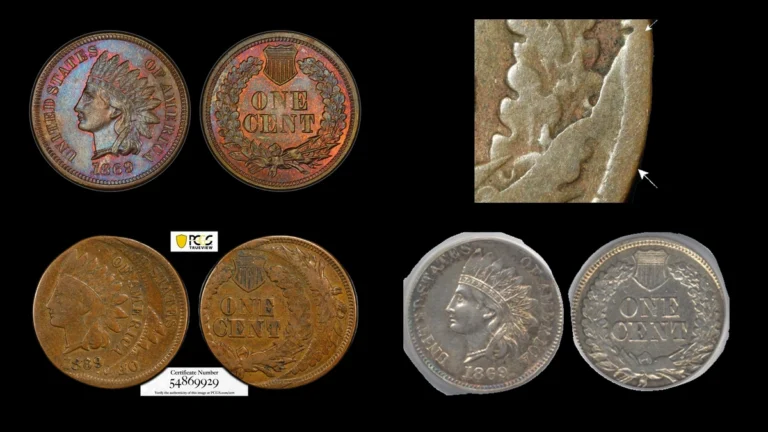
5. 1927 Penny Two Design Positions Cross Each Other: 1927 Double Strike Error
Another blow can leave a second portrait or run of lettering after the coin moves. Some of the first impression remains beneath the later one.
A 1984 specialist catalog included a Philadelphia double strike described as Extremely Fine. Its brief report does not impose one shift direction or percentage on the category.
How to Identify
Choose a portrait feature and follow its two positions, then repeat the exercise with lettering. Both faces should support the same sequence of overlapping impressions.
Inspect the edge for seams or later crushing. Small extra edges already present in a doubled die do not by themselves establish that the coin received two blows.
What It’s Worth
Genuine double strikes have an estimated $200–$1,500 range. No confirmed transaction is supplied for the cataloged Extremely Fine piece.
A 1917 Wheat cent with a ten-percent off-center second strike brought $517.50 in June 2004. Its visible overlap provides a mechanism comparison across a different year.
6. 1927 Penny LIBERTY Contains a Raised Bar: 1927 Die Chips and BIE Error
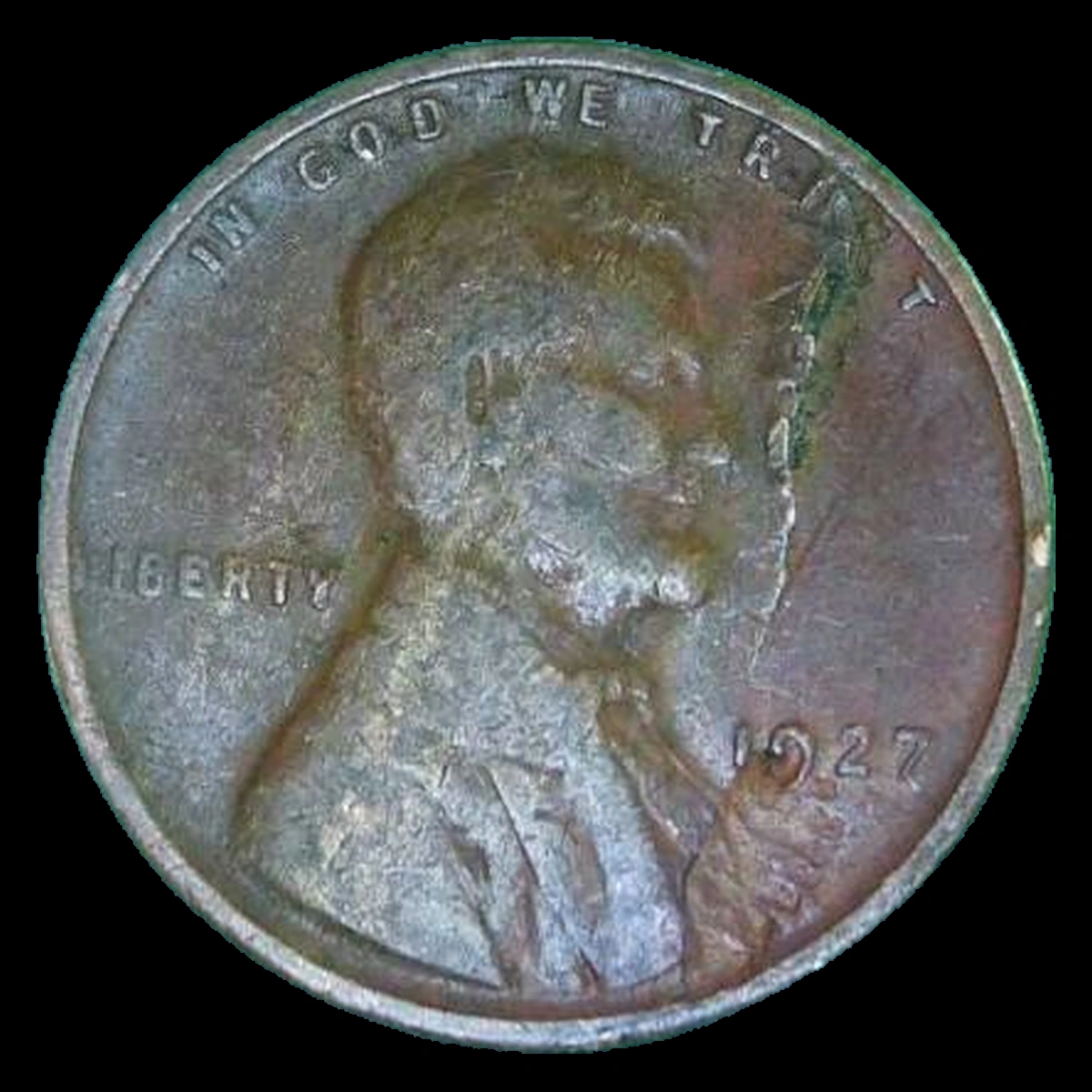
A bar between B and E can look like an added I, giving the feature its BIE nickname. Coin metal filled a small missing portion of the die during striking.
Other reported chips and crack features occupy their own locations. A raised mark elsewhere can be genuine without being the named BIE shape.
How to Identify
Read the letters bordering the feature before assigning the nickname. Use lighting from both directions to confirm a consistent raised shape connected to the original surface.
Look for squeezing, a pushed scratch edge, or attached material without probing the bump. A shadow or dirt in the gap does not establish a broken-die feature.
What It’s Worth
Small genuine chips and BIE features have an estimated $2–$75 range. Clear shapes on well-preserved coins usually give collectors more to study.
This is a minor Wheat-cent die-break estimate rather than a recorded sale for a particular 1927 chip. The underlying mint and condition remain relevant, and a tiny feature may add little to a worn coin.
7. 1927 Penny Another D Stroke Appears above the Main Letter: 1927-D Repunching Error
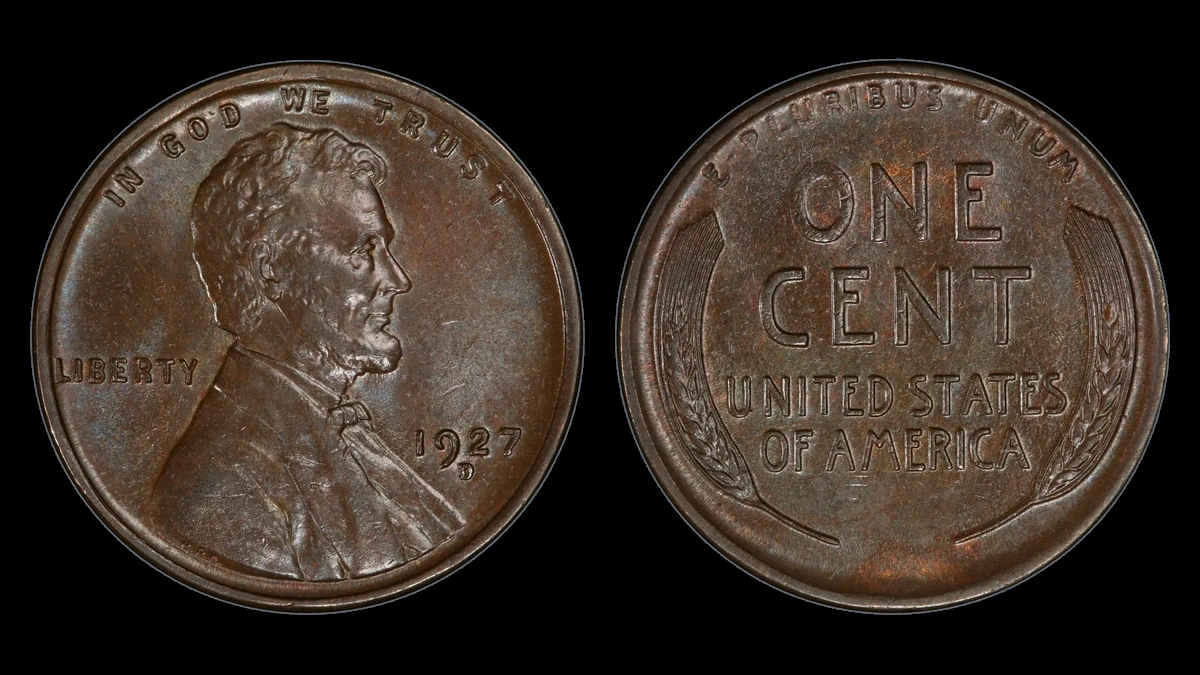
The reported northern remnant comes from an earlier hand-punch position in the die. An additional placement left part of that D visible around the final letter.
This is a mintmark variety rather than a second portrait impression. Other Denver repunches need their own directional comparisons.
How to Identify
Confirm the D and trace the extra stroke above it into a plausible earlier letter. Compare the entire relationship, not merely an unusually thick top edge.
Inspect for added metal at the base, flattened strike shelves, or small chips. The northern location applies to the described variety rather than every 1927-D RPM.
What It’s Worth
Identified Denver repunches have an estimated $10–$200 range. Clear surviving strokes and an attractive surface support stronger comparisons.
No verified transaction is supplied for the north-shifted example. An ordinary D placed slightly differently on the die does not receive a repunch premium without evidence of another impression.
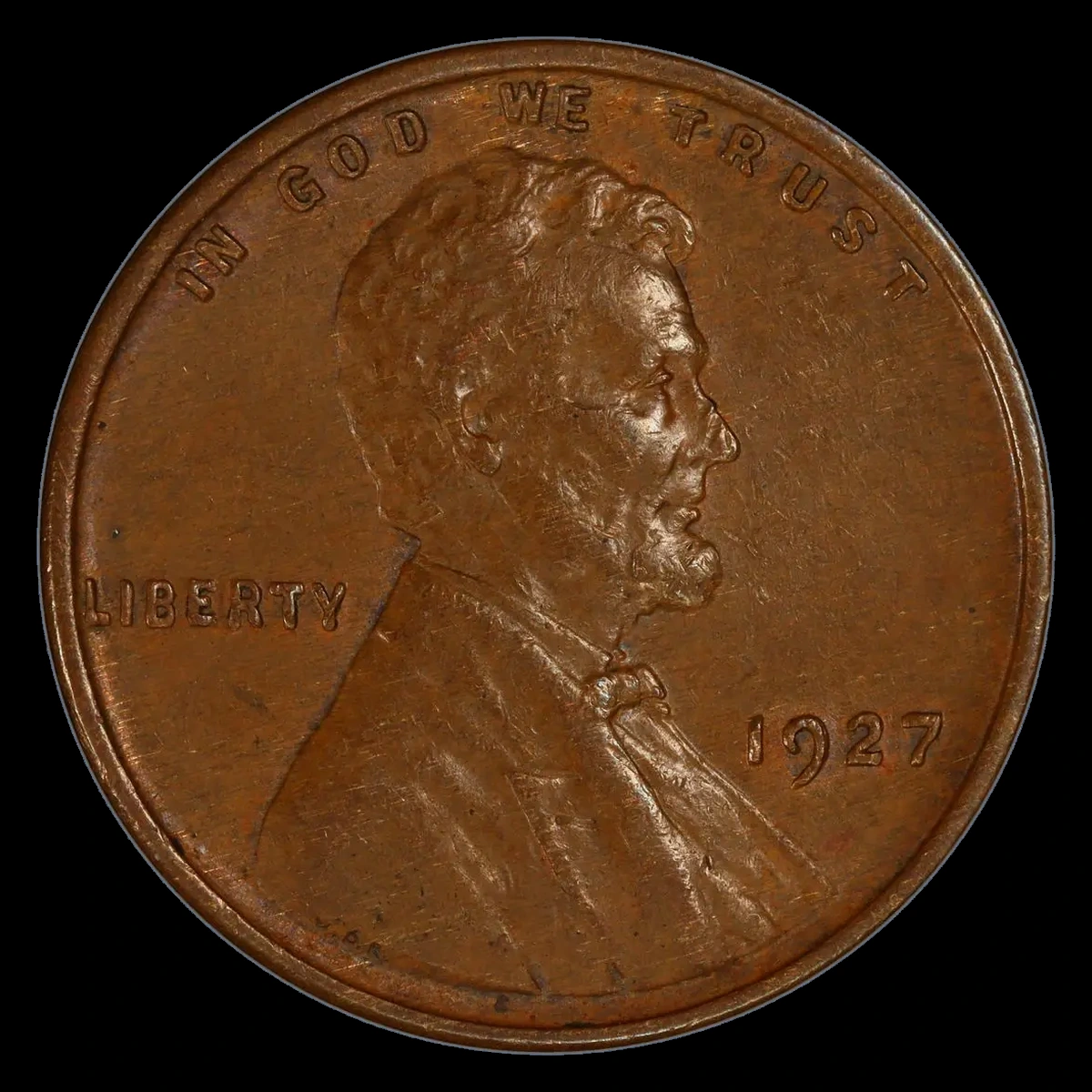
8. 1927 Penny Front Lettering Repeats a Consistent Pattern: 1927 Doubled Die Error
Philadelphia FS-101 is a recognized front doubled die with a pattern to compare across motto, LIBERTY, and date areas. The repeated design was already in the die before a cent received its strike.
A Denver doubled-front variety is separately reported in a specialist catalog. Its attribution must not borrow the Philadelphia name or photograph.
How to Identify
Select the correct mint, then compare several features with the appropriate confirmed pattern. A D below the date rules out simply applying a Philadelphia attribution.
Change the light to distinguish real repeated contours from reflections. Flat shelves beside one letter can come from movement during striking rather than repeated design in the tool.
What It’s Worth
Modest confirmed doubled dies have an estimated $25–$300 range. Strong attractive Philadelphia FS-101 examples can fall around $300–$3,500.
PCGS lists $2,645 at Bowers & Merena on June 17, 2010 for an MS64 Philadelphia FS-101. The separate Denver report does not inherit that result or the highest Philadelphia estimate.
Conclusion
Deciding whether a feature is color, separated metal, or repeated design makes the estimated $2–$3,500 span easier to use. Attractive woodgrain includes the value of the underlying coin, while FS-101 requires a specific Philadelphia design match.
Keep a clip’s missing metal separate from an off-center coin’s untouched metal. For small varieties, document the full letter pattern and mint so a closeup remains connected to the coin it is meant to identify.