Rare 1869 Penny Errors (List & Pictures)
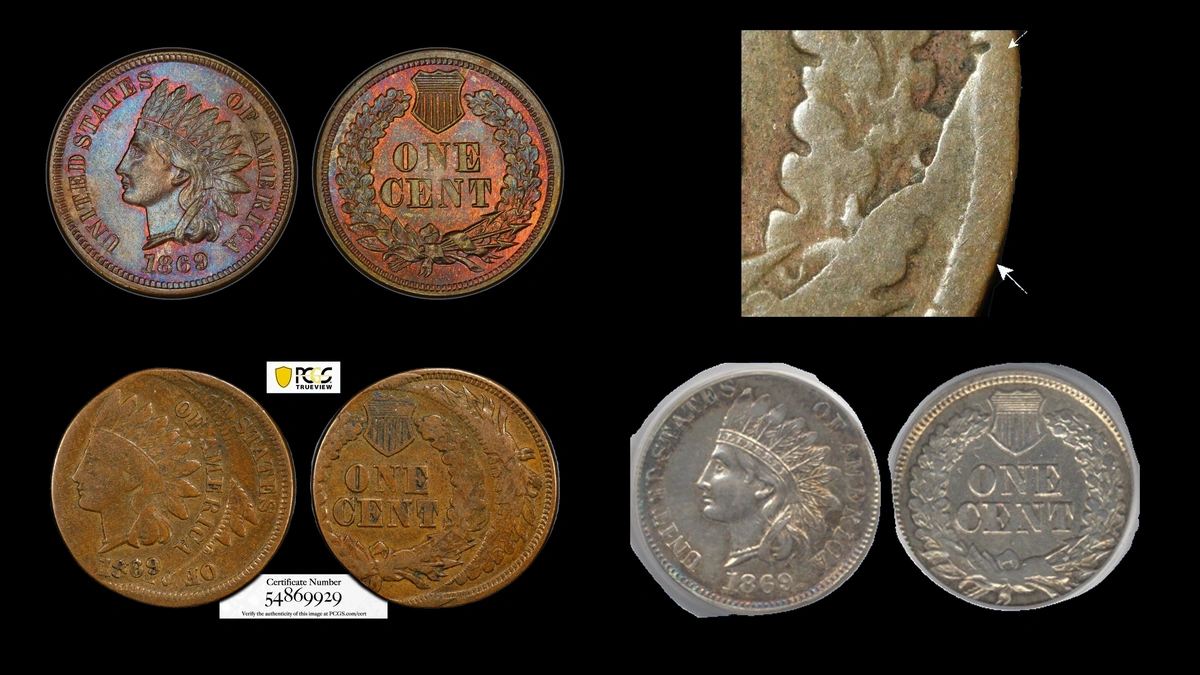
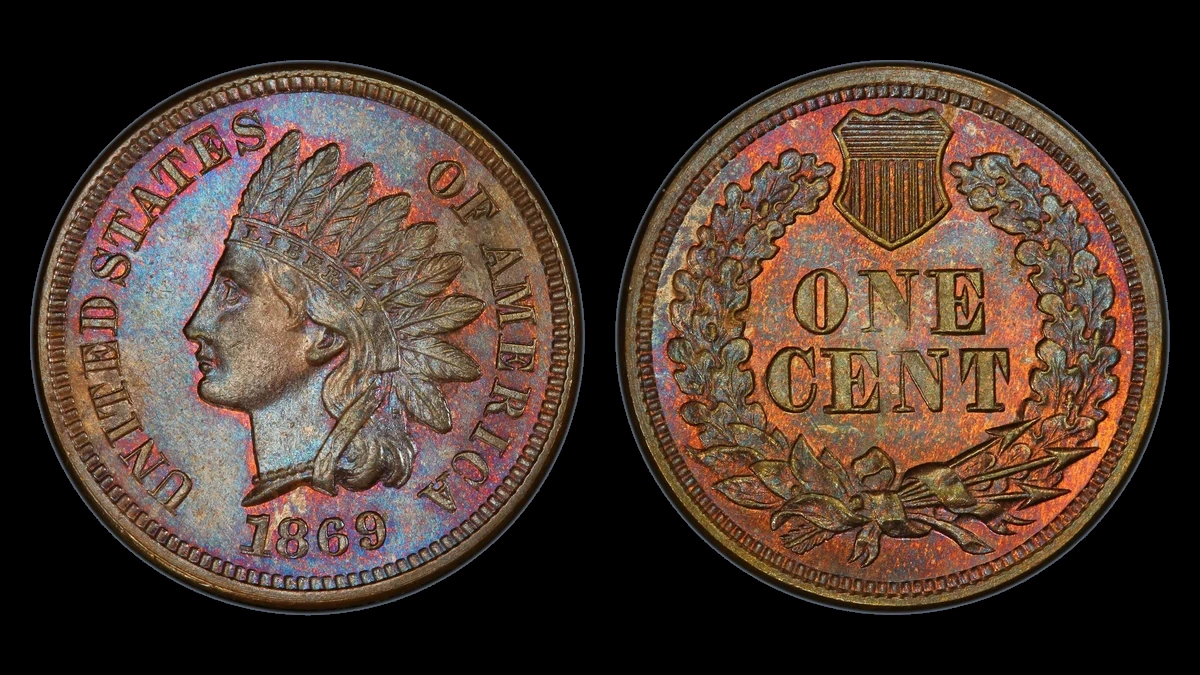
An old “1869/8” label can be misleading: the familiar date feature is explained as repunching, not a confirmed 9 over an earlier year’s 8. The raised strokes on the coin matter more than that older name.
These 1869 Indian Head penny errors span estimated whole-coin values of $40–$40,000. An exceptionally preserved red repunched-date cent sold for $31,200 in March 2025, while a separate silver-blank example has its own documented history and price.
1. 1869 Penny A Date Digit Has Earlier Raised Strokes: Repunched Date Error
Repeating the date punch in a slightly different position could leave part of its first impression in the die. Coins struck from that tool then copied both sets of strokes.
The variety once commonly called 1869/8 is now explained through a repunched 9. Other recorded patterns involve 18 or 69 in different directions.
How to Identify
Start with a photograph of the actual repunched pattern instead of trying to uncover a hidden 8. Follow the raised remnants in relation to the normal digit.
Keep each variety’s direction and affected numbers together. A flat shelf that narrows a numeral can come from movement during striking and does not establish an earlier date-punch position.
A full-date photograph preserves the relationship between small strokes. An old holder or listing name cannot supply a shape that is not present on the coin.
What It’s Worth
$75–$35,000 is an estimated range across identified varieties and widely differing conditions. PCGS records the red FS-301 MS66+ example at $31,200 in March 2025.
The top of the range belongs to exceptional preservation, not every weak date remnant. Calling a repunched coin 1869/8 does not add a separate overdate premium.
2. 1869 Penny An Extra Numeral Fragment Sits in the Border: Misplaced Date Error
A date punch touching the wrong part of the die could leave fragments among the lower border teeth. The 1869 records include a group of remnants and a separate pattern with an extra 1 below the normal 1.
How to Identify
Keep the regular date and border together while comparing the fragment. Its distance and direction from the normal number are part of the identification.
The group of remnants and the misplaced-1 form need separate references. Do not collect convincing-looking marks from several photographs and combine them into one proposed variety.
A worn border tooth or cut-in scratch can resemble a digit. Match only the raised curve actually visible, without extending it into a complete number by imagination.
What It’s Worth
$60–$2,500 is an estimate for identified patterns with different visibility and preservation. The underlying 1869 cent remains part of the whole-coin value.
A 1908 misplaced date graded MS65 Red and Brown has a recorded $1,187 eBay result from 2021. That later unworn example does not establish a sale for an 1869 border fragment.
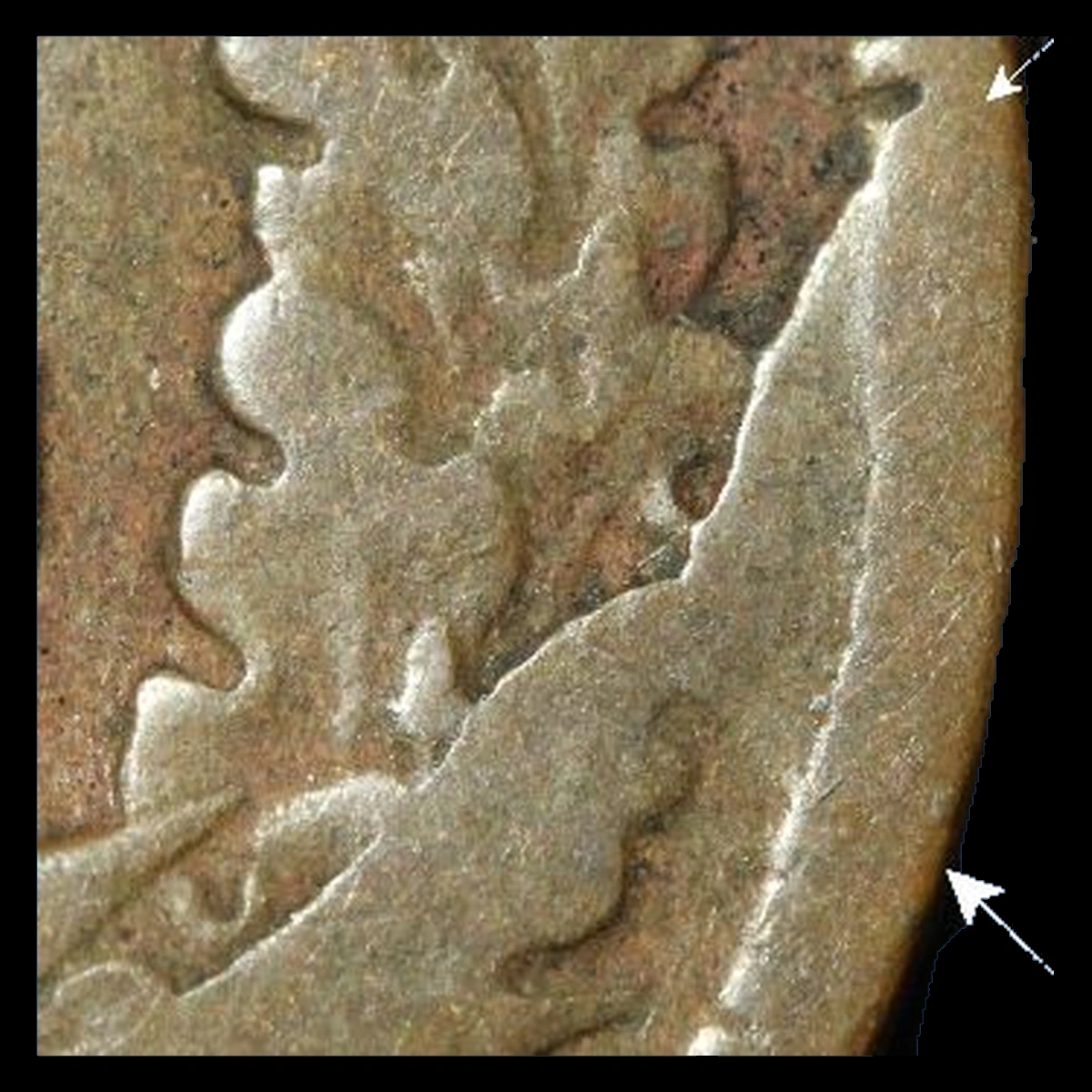
3. 1869 Penny Raised Lines or Rim Patches Interrupt the Design: Die Cracks and Cuds Error
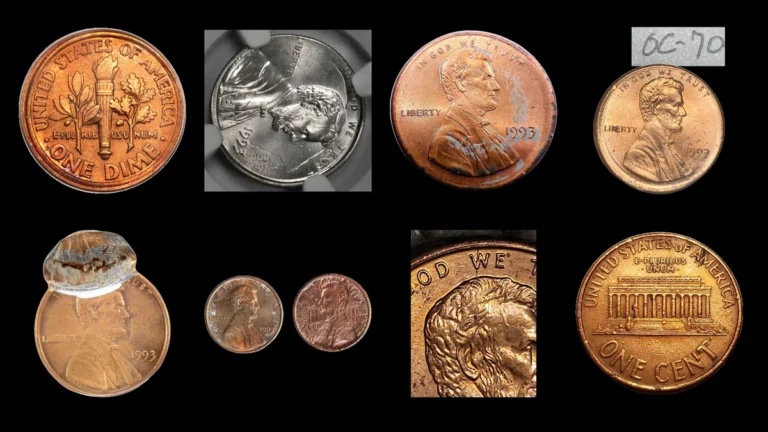
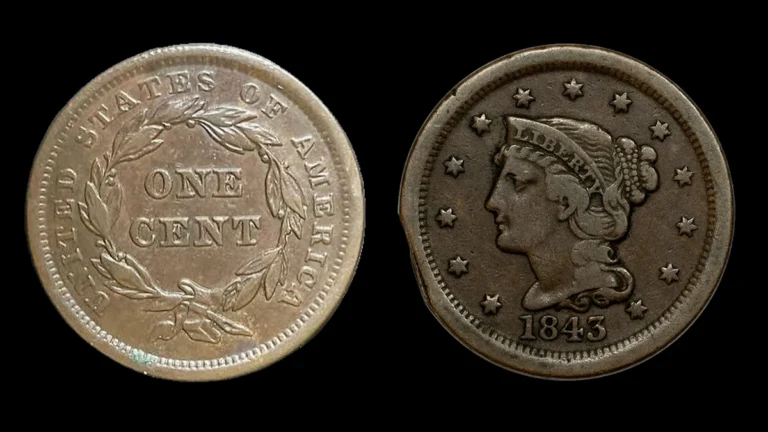
A cracked die can leave a thin raised ridge, while a missing edge piece leaves a larger patch called a cud. If the broken section stays in place, some design may remain inside a stepped area.
How to Identify
Compare the actual face and clock position. Top-back, lower-right back, and front breaks belong to different recorded specimens.
For a retained break, look for surviving detail inside the shifted section. A fully missing die piece produces a different, less detailed raised patch.
Inspect the edge for folded metal or an added piece before accepting a face-only view. A normal bronze cent is about 3.11 grams and 19.05 millimeters across, but normal measurements alone cannot identify a die break.
What It’s Worth
$40–$300 is an estimate for modest cracks, with stronger cuds and retained breaks around $100–$2,000. These are complete-coin ranges.
A 1946-S Lincoln cud sold for $288 in March 2021. It provides context for a missing die section rather than a direct price for an 1869 break in a different position.
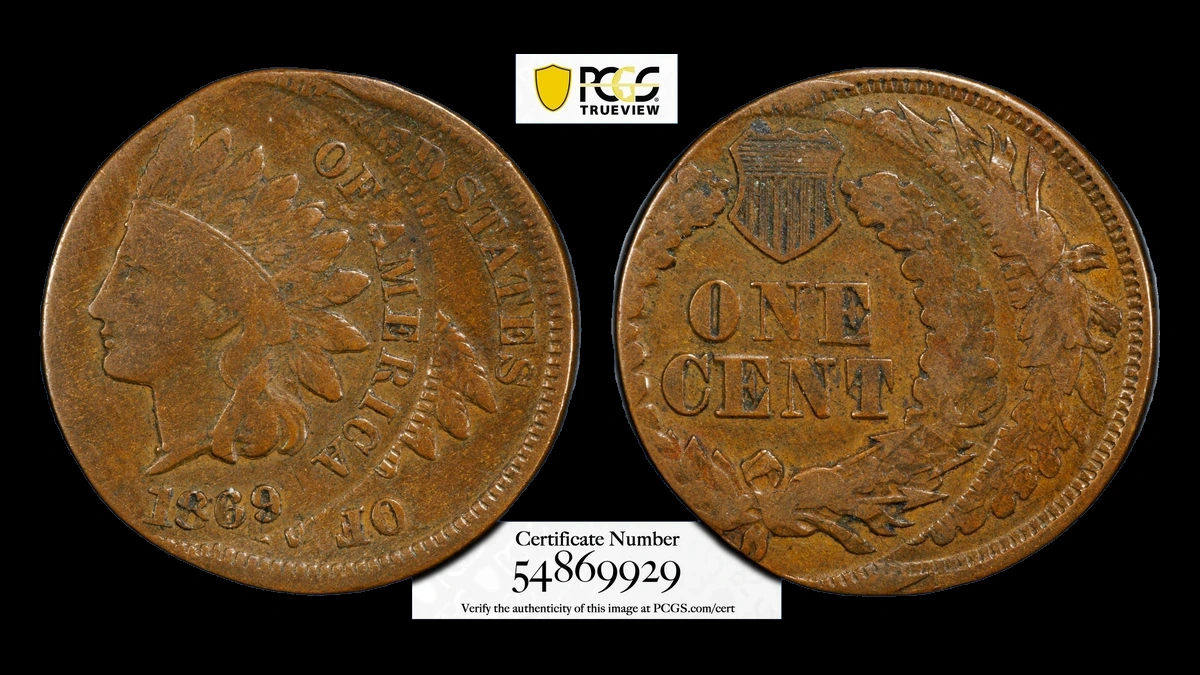
4. 1869 Penny Two Design Positions Overlap: Double Strike Error
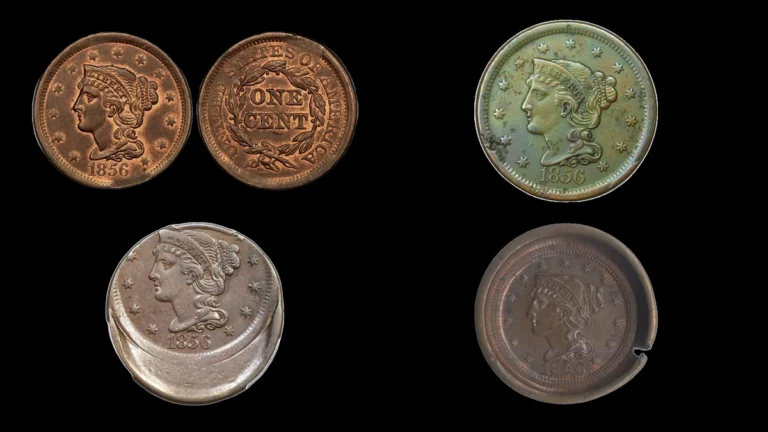
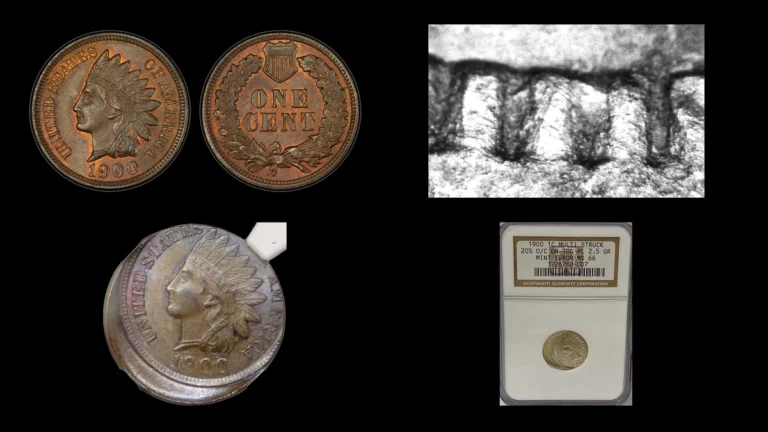
The documented PCGS F12 Brown example received a second strike 25% off center. The coin remained in the press and moved before that extra blow.
How to Identify
Connect each surviving portrait or letter group with its own border. A small repeated date stroke cannot, by itself, establish a second surrounding design.
The F12 coin has substantial wear, so work from surviving detail rather than reconstructing complete hidden portraits. Its direction must come from its own photograph; the supplied percentage does not establish a clock position.
Check the back for the same two-strike arrangement and inspect the edge for a join. An added piece or later pressure damage needs a different explanation.
What It’s Worth
$500–$5,000 is an estimate across genuine examples with differing overlap and preservation. The worn F12 coin should be compared with other worn pieces.
An 1881 MS64 Brown cent with a second strike 70% off center sold for $1,880 in August 2013. It is an unworn different-year comparison with much greater displacement, not a direct sale of the 1869 coin.
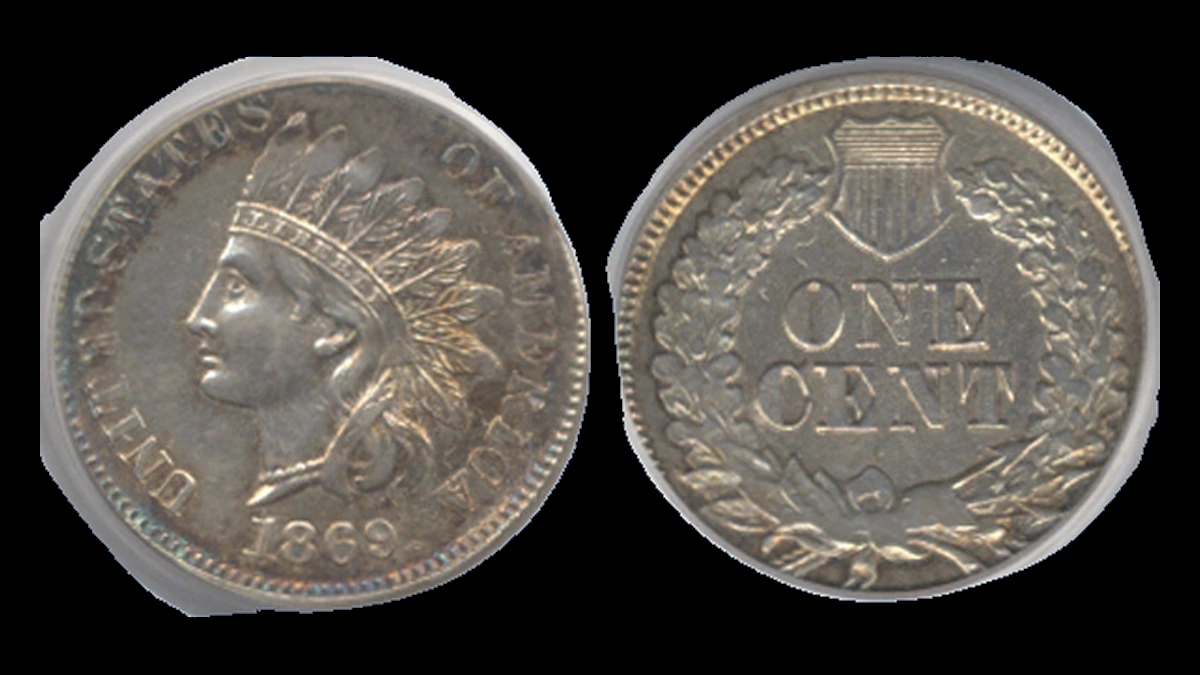
5. 1869 Penny A Smaller Silver Blank Carries the Cent Design: Wrong Blank Error
The recorded PCGS AU55 example was struck on a silver dime blank. Its history includes an older pattern description, but that name does not establish why the piece was made.
A separate copper-nickel pattern is a different category. The silver coin must be identified by its own metal and design evidence.
How to Identify
A period dime blank normally weighed about 2.48 grams and contained 90% silver. Those are denomination standards, not measured figures assigned here to the documented cent.
The dime blank starts around 17.9 millimeters across and can spread under cent dies. Compare the actual width, recorded weight, and non-destructive metal test rather than judging by pale color alone.
Inspect for plating or filing, and follow how the outer cent design fits the smaller metal area. A coated bronze penny does not become a solid-silver wrong-blank coin.
What It’s Worth
$10,000–$40,000 is an estimate for authenticated examples with different preservation. The USPatterns history records $25,300 in January 2012 for the PCGS AU55 piece and notes cleaning long before that sale.
That is a whole-coin result, not a price for silver content alone. The historical cleaning and the established blank identity remain part of the comparison.
Conclusion
Read the metal and raised shapes before relying on a familiar variety name. The former 1869/8 label does not override the repunched-date explanation, and an old pattern label does not settle the silver coin’s origin.
For date fragments, match one complete pattern; for larger errors, use both faces and the edge. Keep the exceptional red date variety and the lightly worn silver-blank coin in their own price comparisons.