Rare 1944 Penny Errors (List & Pictures)
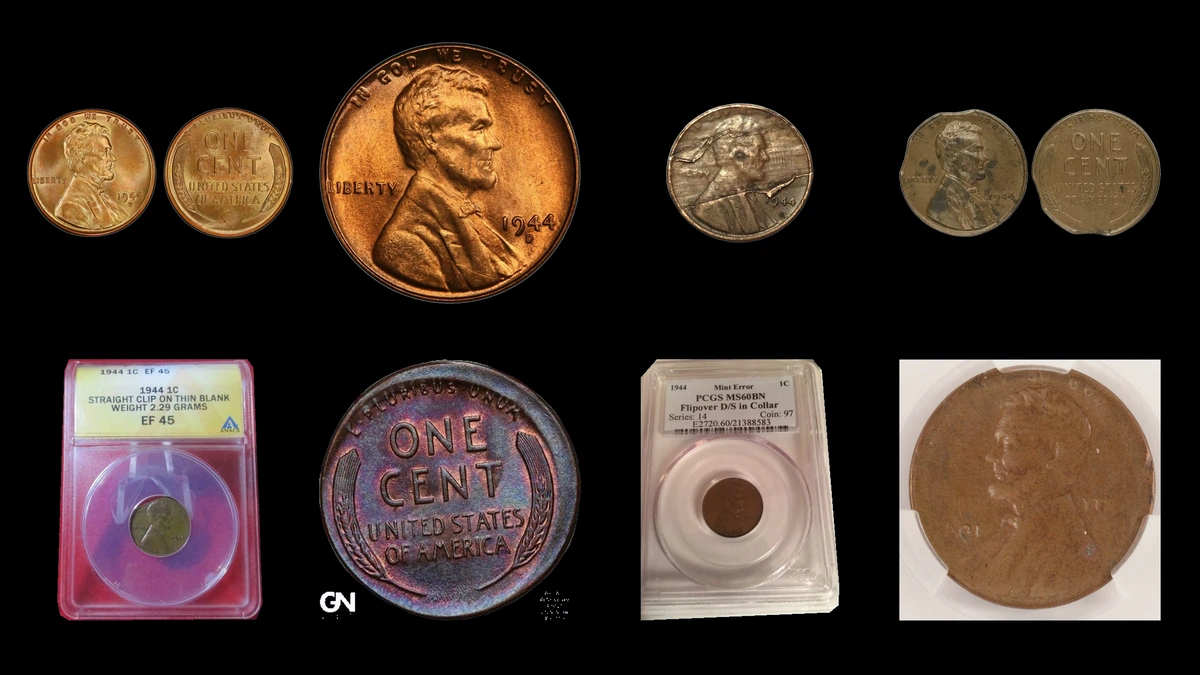
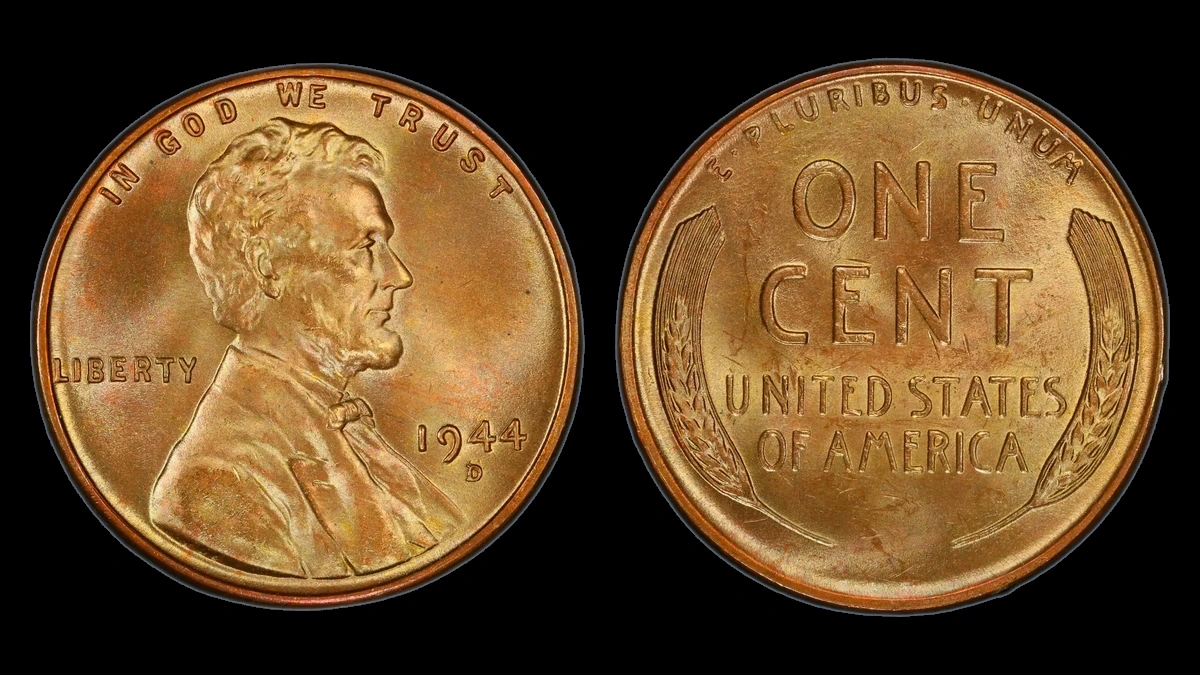
A genuine steel cent accounts for the highest supplied result among these 1944 penny errors: a 1944-S sold for $408,000 in August 2021. The estimated range across the list is $5–$500,000, although small alloy flaws and minor die varieties occupy a much more modest part of it.
Inspect the date and mintmark first, then use the design, outline, and metal to separate the possible errors.
| What looks unusual | Type to investigate | Estimated range |
|---|---|---|
| Extra letter or mintmark outlines | Doubled die or repunched mintmark | $5–$50,000 |
| Peeling, missing, or excessive metal | Lamination, clip, or thick planchet | $5–$700 |
| Expanded or displaced design | Broadstrike, off-center, or multiple strike | $40–$3,000 |
| Backward recessed Lincoln | Mirror brockage | $5,000–$25,000 |
| Unexpected size or composition | Silver dime, foreign, or steel blank | $2,000–$500,000 |
The ordinary 1944 cent is copper alloy, weighs about 3.11 grams, and measures 19.05 millimeters across its smooth edge. Check those measurements when the blank is in question, while using clear magnified images for the date and tiny design details.
Keep sealed examples in their holders and preserve loose metal as found. A distinctive color or weight needs an explanation consistent with the entire coin.
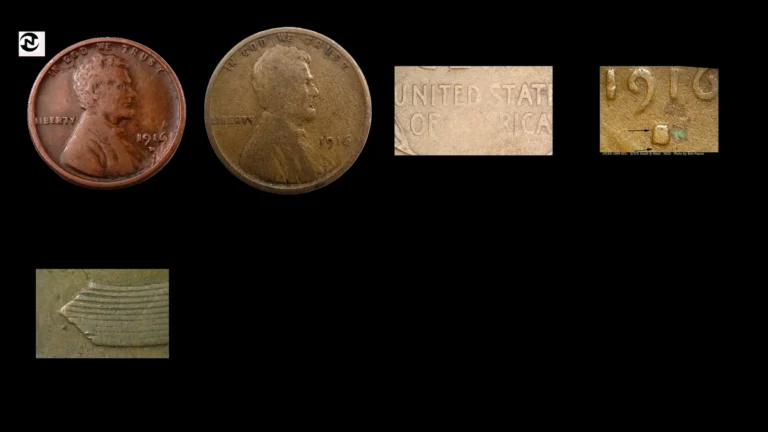
1. 1944 Penny D or S contains an earlier letter: Overpunched and Repunched Mintmarks Error
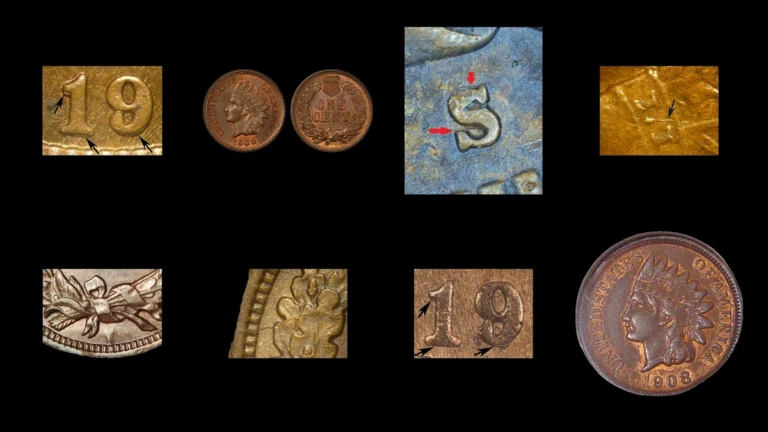
The 1944-D/S variety carries a D punched over an earlier S in the die. The main visible letter is D; the name does not mean an S was placed over a D.
One form shows S remnants above or within the D, while another has the earlier S lower and to the left. Same-letter D/D and reported S/S varieties form a related but distinct group.
How to Identify
Determine whether the extra outline belongs to another D or to an S before choosing a reference. Match the actual position and shape of the surviving earlier letter.
Dirt, a thick punch, or added metal can create a misleading bump. A high S-remnant reference cannot automatically identify the separate lower-left form.
What It’s Worth
Minor same-letter repunches are estimated at $5–$300, and ordinary collectible D/S examples at $50–$5,000. Exceptional red D/S coins occupy a separate estimated bracket of $20,000–$50,000.
A PCGS MS67+ Red D/S sold for $49,937.50 in October 2020. Its outstanding unworn preservation makes it a poor direct comparison for a worn D/S or a small D/D remnant.
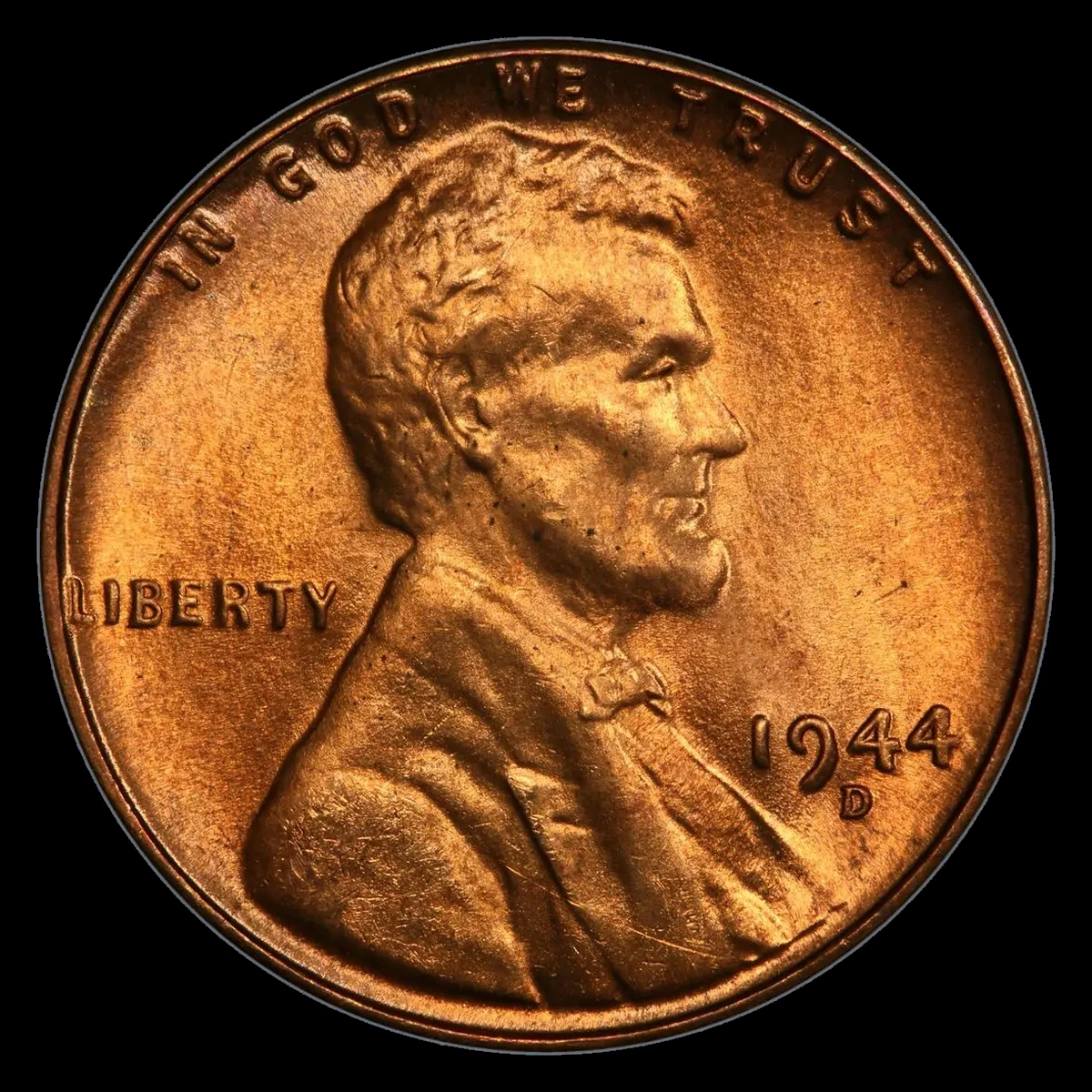
2. 1944 Penny Extra outlines repeat in the date or lettering: Doubled Die Error
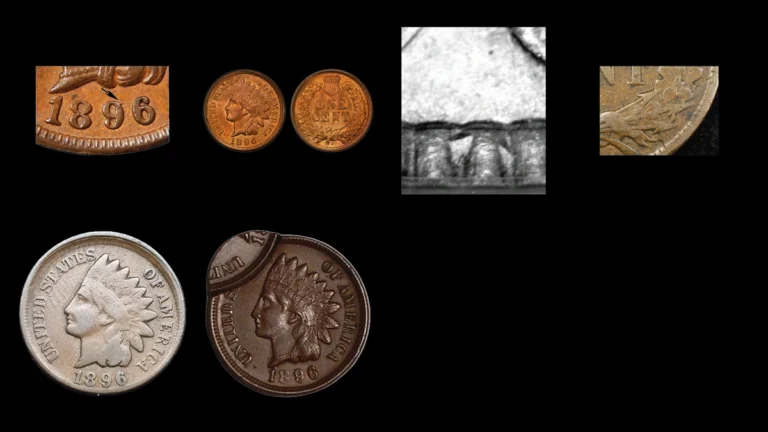
A doubled die carries repeated design before it begins striking coins. Reports for Philadelphia and Denver include both obverse and reverse varieties.
Front examples involve the date, LIBERTY, or the motto, with the exact pattern depending on the die. Particular Philadelphia reverse varieties affect C in CENT and N in ONE, while Denver reverse reports concern the motto and wheat stems.
How to Identify
Record the mint and affected face before comparing details. Philadelphia has no mintmark, while Denver has D beneath the date.
Match the specific repeated raised shape on the relevant letter. Flat, shaved-looking ledges can come from movement during striking and need a different explanation.
A reverse diagnostic cannot identify an obverse variety, even on the same date. Compare the actual affected areas rather than treating all thick lettering alike.
What It’s Worth
Identified minor 1944 doubled dies are estimated at $10–$500. Clarity and preservation influence the range after the variety has been matched.
The supplied estimate compares small Wheat-cent varieties rather than assigning a documented sale to each mint and face. General thickness alone cannot justify its upper end.
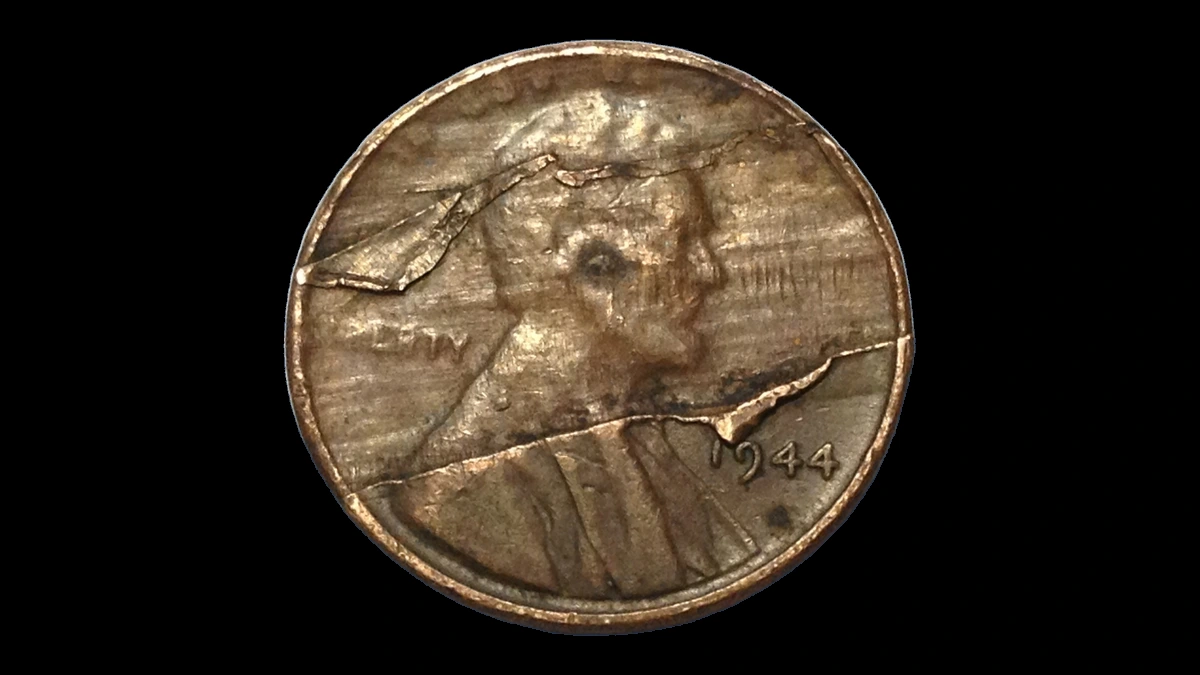
3. 1944 Penny A surface flake or thin separated piece: Lamination and Splitting After Strike Error
Weakness inside the alloy can loosen a surface layer or separate a larger portion of the cent. Small peeling patches are called lamination.
A collector’s recorded 1944 piece was described as split after striking, weighing 1.20 grams and graded AU55 Brown. Its exposed inner face was not subsequently given a new coin design.
How to Identify
Compare the faces for an original struck surface opposite naturally exposed internal metal. That relationship differs from a thin layer that separated first and was then struck.
Follow the separation boundary without lifting a flap or flattening a delicate piece. Filing or cutting can also create a thin object, but leaves different edge and surface evidence.
The 1.20-gram figure belongs to the reported split-after-strike example. A small lamination may retain nearly all the original metal and need not share that weight.
What It’s Worth
Small laminations are estimated at $5–$75, while larger separations and clear split-after-strike pieces may fit $50–$350. Size and readable evidence of the failure matter.
A 1952-D obverse lamination sold for $35 in July 2013. It provides a later Wheat-cent peeling comparison, not a transaction for the 1.20-gram 1944 piece.
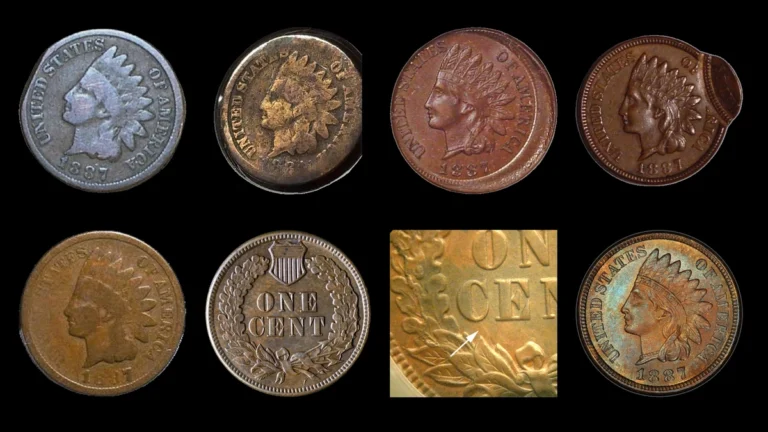
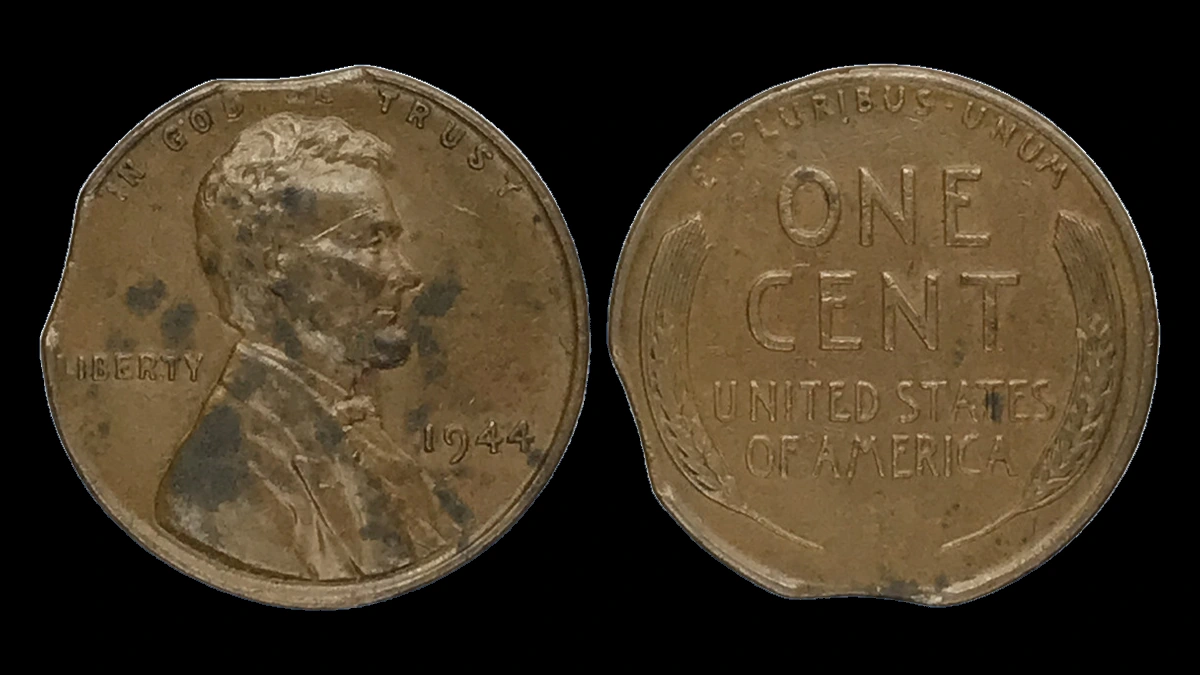
4. 1944 Penny Part of the original outline is missing: Clipped Planchet Error
A clipped planchet is an incomplete prepared blank that still receives the cent design. The nearby rim or letters may weaken as metal moves toward the gap during striking.
One 1944 report combines clipping with lamination on the same coin. The supplied report does not establish a universal gap direction or mint for all clipped examples.
How to Identify
Establish whether metal is actually absent. An off-center cent’s unstruck crescent still contains metal, unlike a clip.
Inspect both ends of the gap for original rim formation and the relationship of lettering to the boundary. Saw marks, fresh burrs, or cuts through finished detail indicate later damage.
A weak opposite rim can support the attribution without proving it alone. On the combined example, assess the peeling area separately from the missing section.
What It’s Worth
Confirmed 1944 clips are estimated at $10–$400. Larger original gaps may attract more interest, but readable identity and preservation still matter.
A 1967 cent with a 13% straight clip brought $39 in July 2021. That later-year result is a modest comparison, and the 1944 clip-plus-lamination combination should receive one overall value rather than two maximum estimates added together.
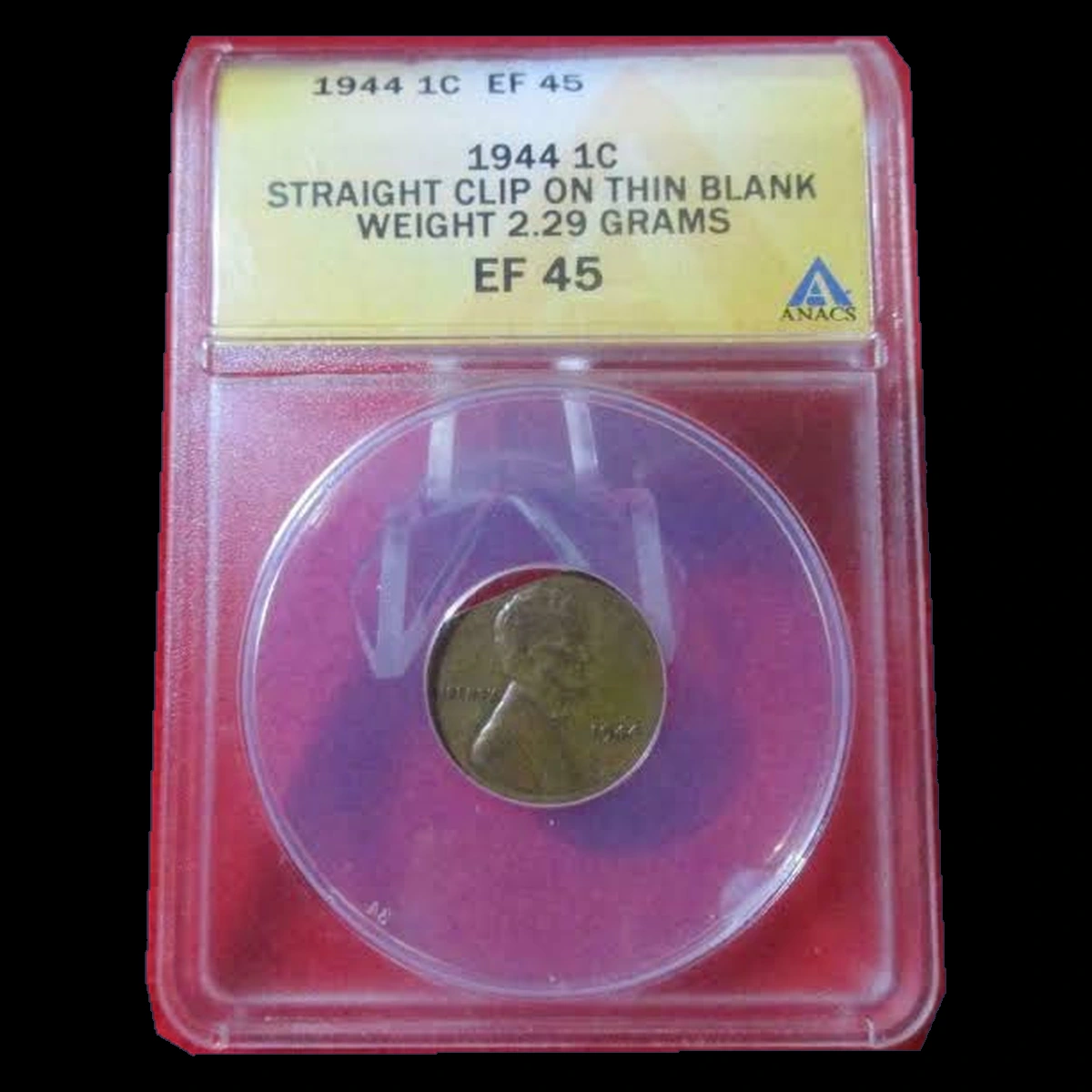
5. 1944 Penny A heavy cent has a thick original edge: Thick Planchet Error
A blank cut from excessively thick stock can produce a heavy cent. The documented PCGS MS64 Red and Brown example was listed at 66.3 grains, approximately 4.30 grams.
A different example is described as struck on rolled-thick stock. That description concerns the metal before striking, not an extra layer attached afterward.
How to Identify
Check the weighing units carefully: 66.3 grains does not mean 66.3 grams. Repeat a heavy reading on a checked scale, then compare actual thickness at several points.
Inspect for a seam, coating, or attached second piece. Genuine excess thickness should belong to one continuous blank with naturally struck designs.
A bend can distort a thickness measurement. Extra weight also does not independently identify a foreign blank or experimental issue.
What It’s Worth
Comparable authenticated thick-planchet cents are estimated at $100–$700. The 66.3-grain 1944 example sold for $198 in September 2025.
That sale and measurement belong to the MS64 Red and Brown specimen. The separate rolled-thick record should not inherit either fact.
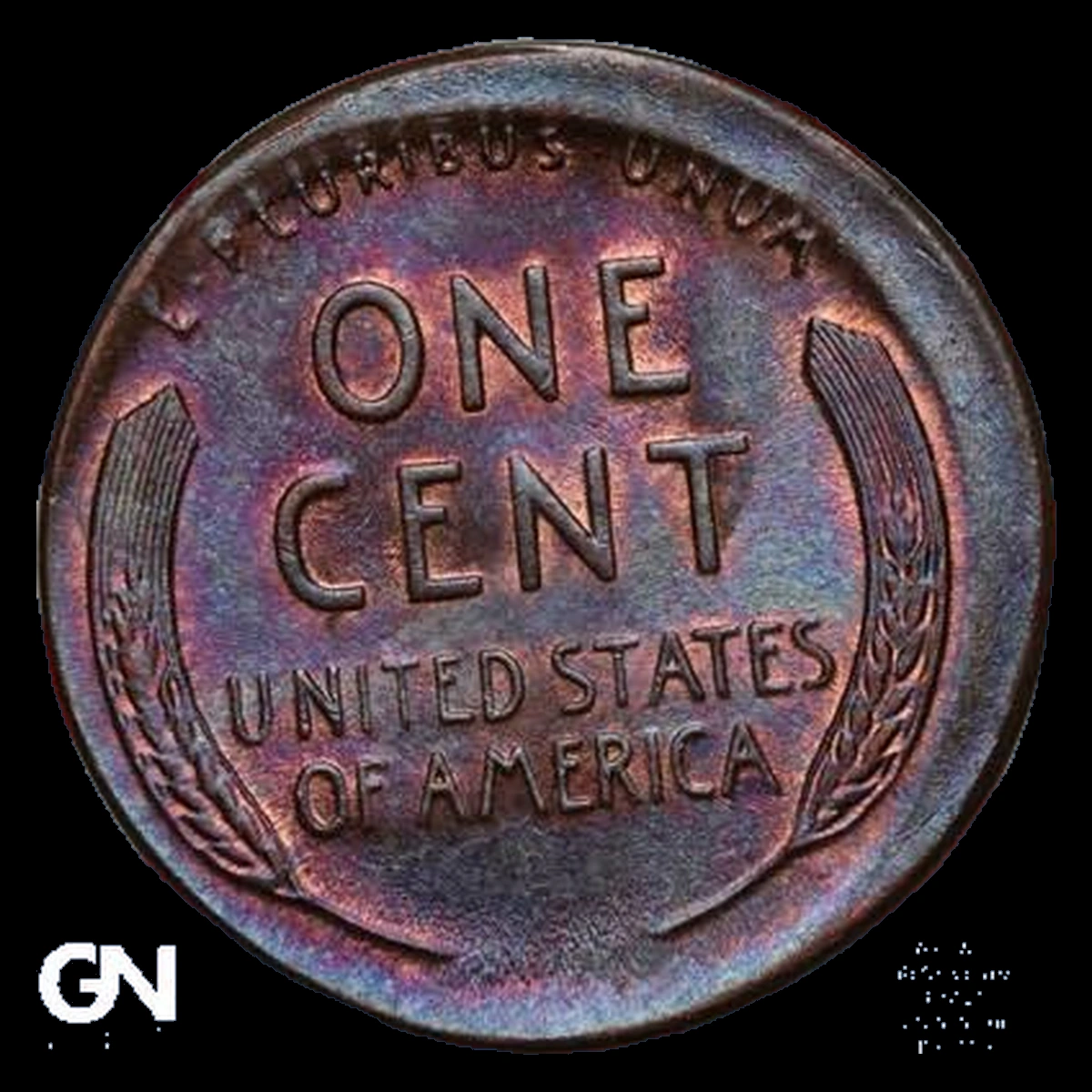
6. 1944 Penny A widened coin keeps its complete design: Broadstrike Error
The collar normally contains the blank’s edge during striking. If it fails to do so, the coin can expand while retaining the intended design.
A Philadelphia example graded PCGS MS63 Red and Brown. A separate San Francisco broadstrike was listed with a wheel mark, a later mechanical scrape.
How to Identify
Follow the design around both faces to establish completeness within the expanded outline. Missing portions of the intended image instead call for an off-center-strike assessment.
Study the edge and outer band for natural spreading rather than an added ring or hammered rim. On the San Francisco example, separate the scrape from the overall mint-made shape.
What It’s Worth
Genuine broadstrikes are estimated at $50–$450. Strong original expansion and good preservation can support more than slight spread on a damaged coin.
A 1946-S broadstruck Wheat cent sold for $89 in December 2024. It is a different-year comparison, and the 1944-S wheel mark requires its own condition adjustment rather than an additional error premium.
7. 1944 Penny Plain metal faces an incomplete image: Off-Center Strike Error
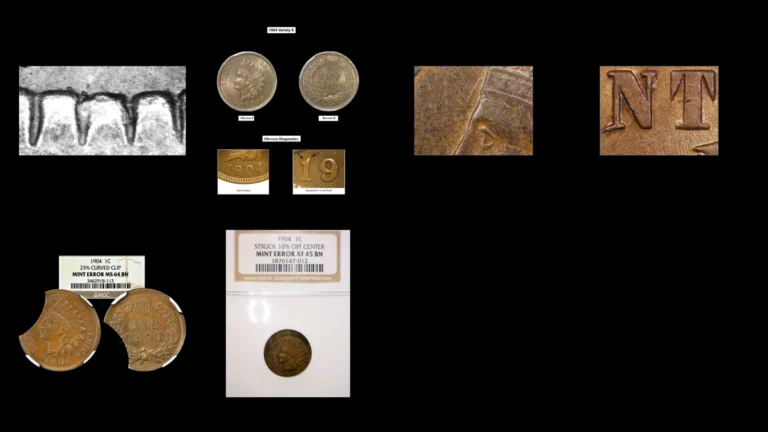
A displaced blank meets only part of the dies, leaving unstruck metal alongside missing design. The recorded Philadelphia 1944 example is about 50% off center and graded PCGS MS63 Brown.
Its plain area remains part of the original blank. No metal needs to be removed to produce that appearance.
How to Identify
Read all four date digits and compare the corresponding unused areas on both faces. A normal reverse with only the front shifted suggests a different alignment problem.
Inspect the transition between struck and plain areas for original texture. Grinding can erase design but does not reproduce the same naturally unstruck surface.
What It’s Worth
Authenticated 1944 off-center cents are estimated at $40–$1,000. The clear-date Philadelphia 50% example sold for $156 in September 2019.
A greater percentage does not guarantee greater value. Losing the date or acquiring scratches across the unstruck metal can make a coin harder to identify or less appealing.
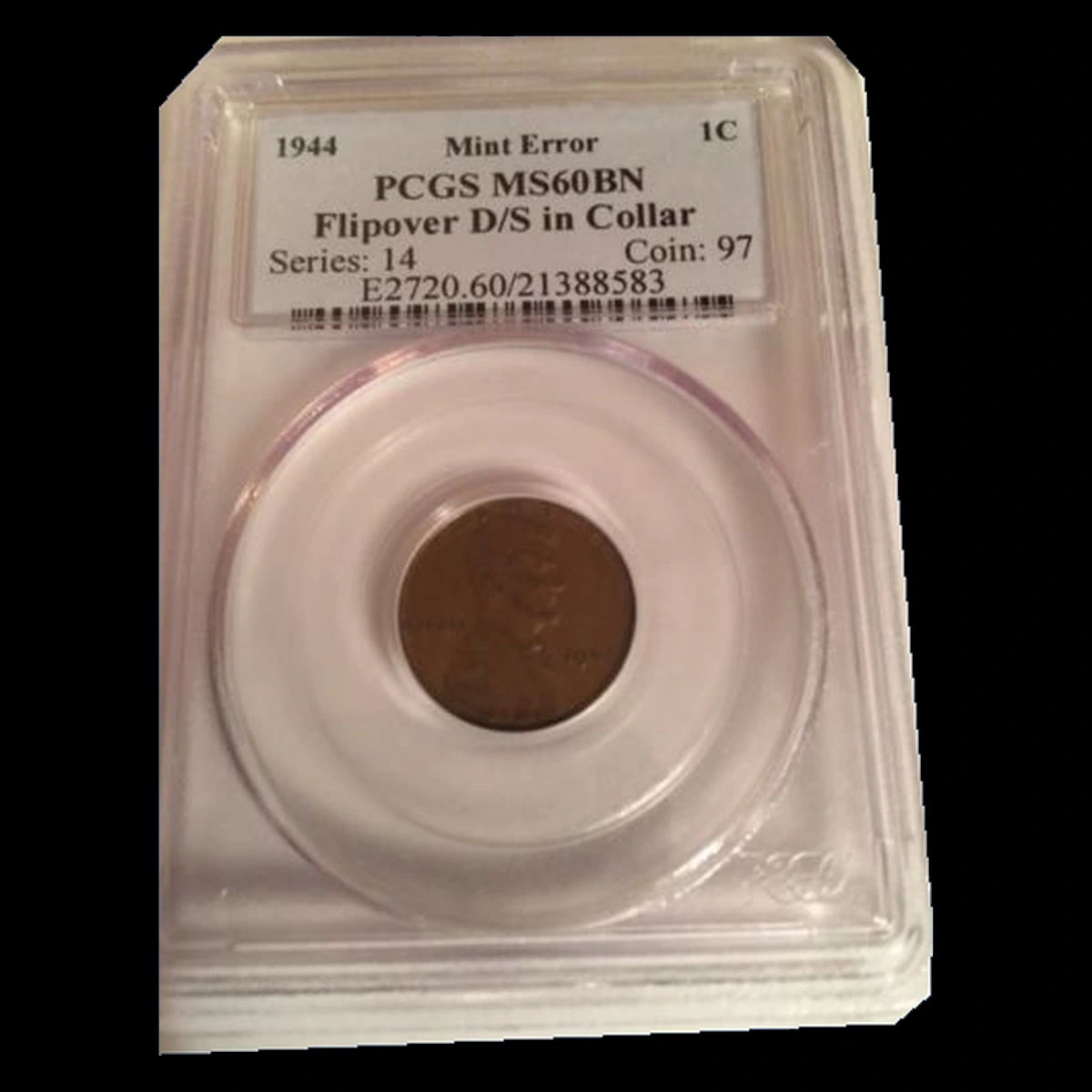
8. 1944 Penny Dates or designs appear in unexpected combinations: Multiple and Flipover Strikes Error
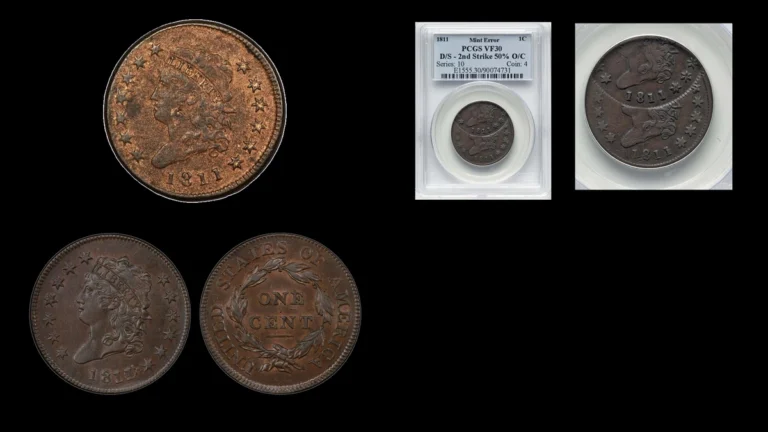
One 1944 flipover example has earlier date digits near PLURIBUS on the Wheat side. The coin turned over before an additional in-collar strike, placing opposite-face designs together.
Other reported coins include a four-strike example and a double strike with an 80% off-center second impression blocked on one face. These are separate strike sequences.
How to Identify
For the flipover, trace the earlier front design beneath the later reverse impression. Its unexpected date location is more informative than a general impression of doubling.
For other forms, connect enough surviving features to establish each distinct strike position. Do not demand four complete portraits or assign a blocked face to a coin without evidence for that particular sequence.
Repeated striking moves larger design elements, while a doubled die can repeat a small feature during one strike. Later squeezing also needs to be excluded from the altered shape.
What It’s Worth
Authenticated multiple-strike forms are estimated at $100–$3,000. Visibility of the sequence and preservation affect their appeal.
The four-struck 1944 cent graded PCGS MS64 Brown sold for $1,527.50 in November 2013. That sale belongs to the four-strike specimen, while the flipover and blocked 80% second-strike examples require their own assessments.
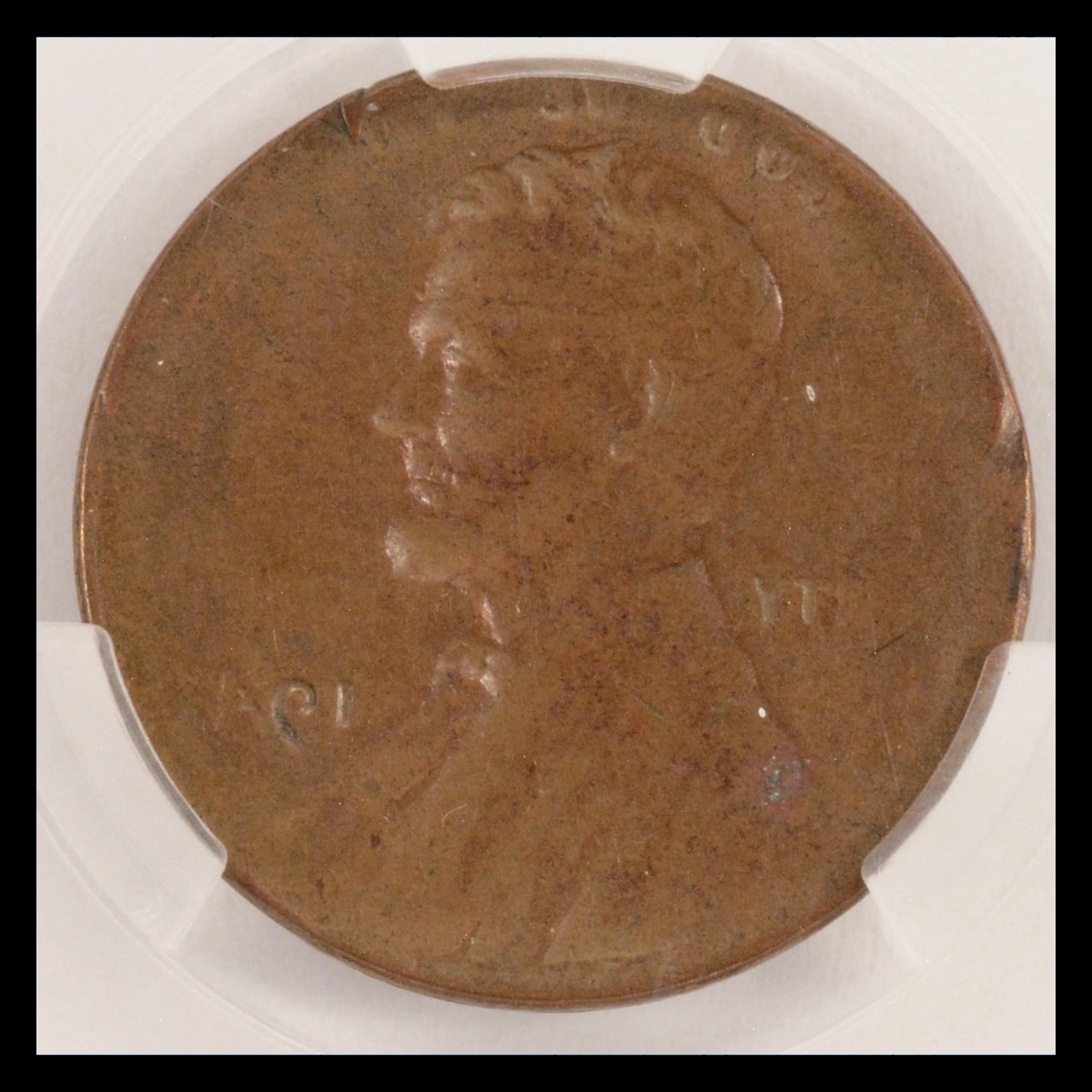
9. 1944 Penny The reverse shows a sunken backward Lincoln: Mirror Brockage Error
The documented 1944 brockage has an ordinary raised obverse and a recessed mirror image of Lincoln on the reverse. A previously struck coin stuck to the reverse die and transferred its obverse design into the next blank.
The transferred image weakens near its outer edge. This is different from a flipover strike that overlaps normal raised designs after the coin turns over.
How to Identify
Reverse a photograph of the unusual face and check that its lettering and portrait become recognizable. Then establish with angled light that the transferred design is sunken.
Compare the normally raised front with the transferred back, allowing for the documented fading near the border. Inspect for later crushing that might indicate two finished coins pressed together outside the Mint.
What It’s Worth
Comparable authenticated full mirror brockages are estimated at $5,000–$25,000. Detail and preservation of the reversed image are central to the comparison.
The 1944 mirror brockage graded CACG AU50 sold for $18,000 at Heritage in August 2025. That worn full-image example does not establish the same range for small partial impressions.
10. 1944 Penny A smaller silver blank carries the cent design: Dime Planchet Error
Philadelphia and Denver examples are documented on silver dime blanks. These unused blanks received the Lincoln and Wheat designs without an earlier finished-dime image underneath.
The smaller blank can lose outer letters or leave weak areas. The particular missing details depend on where each blank sat during striking.
How to Identify
A silver dime blank’s nominal standards are 2.50 grams and about 17.9 millimeters. These are starting specifications, not reported individual measurements of the two auction examples.
Compare dimensions and metal together, allowing for expansion from the cent strike. A copper cent coated to look silver retains a different core and usually its ordinary weight.
Look for an actual cent design and have composition identified without scratching the piece. Recognizable older dime details would require a different, finished-coin overstrike explanation.
What It’s Worth
Comparable authenticated silver dime-planchet cents are estimated at $2,000–$6,000. Mint and preservation need to stay attached to each example.
In November 2013, a Philadelphia coin graded PCGS XF40 sold for $3,055, while a Denver MS65 brought $4,406.25. The former was circulated; the latter was an unworn, better-preserved specimen.
11. 1944 Penny The blank was intended for another country: Foreign Planchet Error
Two recorded Philadelphia 1944 cents used blanks intended for foreign denominations. One used a Philippine five-centavos blank, and the other a Netherlands twenty-five-cent blank.
Both carry cent designs on the wrong unused material. They are neither ordinary foreign coins nor described as overstrikes on completed foreign coins.
How to Identify
Read the complete certified blank identity before choosing a size or metal comparison. The two intended denominations require separate specifications.
Record actual measurements and obtain composition evidence consistent with the claimed blank. Do not substitute normal-cent dimensions for the foreign blank’s own properties or guess the country from color.
Confirm Lincoln and Wheat-cent detail on both faces. An ordinary foreign coin’s own design does not establish a cent striking error.
What It’s Worth
The Philippine-blank type is estimated at $4,000–$10,000; the Netherlands-blank type at $5,000–$12,000. Both ranges require confirmed blank identities.
The Philippine specimen graded PCGS MS62 sold for $6,462.50 in November 2013. The Netherlands MS63 example brought $7,637.50 in the same auction, a separate result for a different blank and coin.
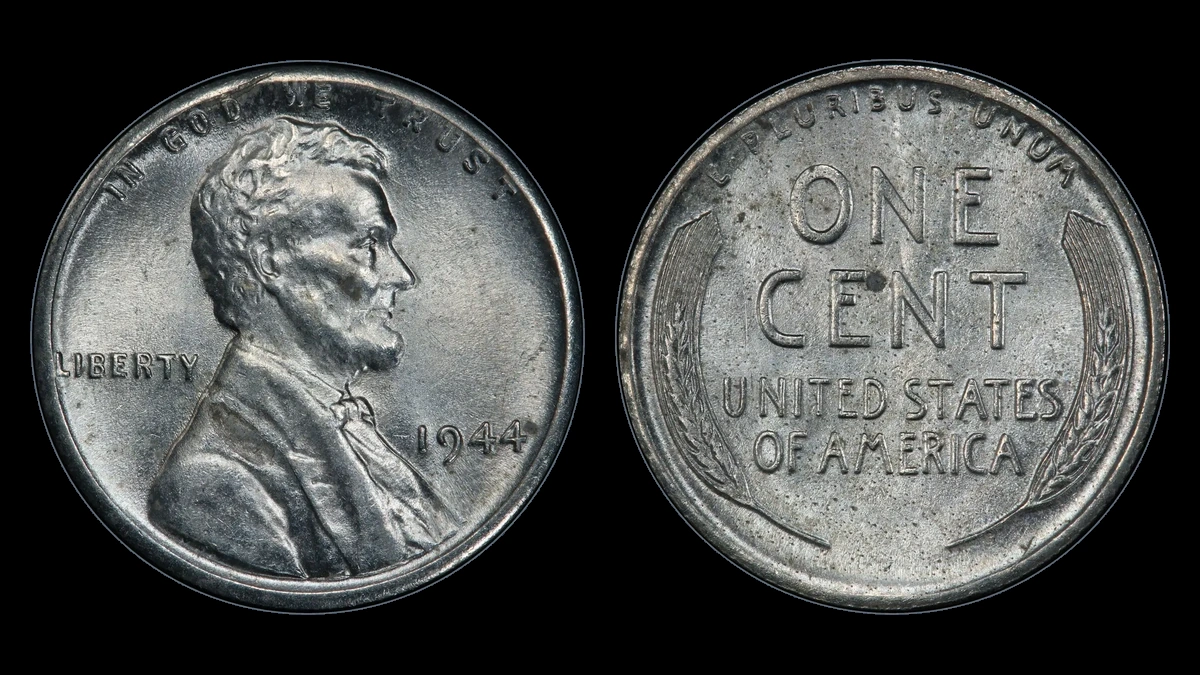
12. 1944 Penny A magnetic cent retains an original 1944 date: Steel Planchet Error
Although steel was normal for most 1943 cents, regular 1944 production returned to copper alloy. A small number of 1944 cents from Philadelphia, Denver, and San Francisco were nevertheless struck on zinc-coated steel blanks.
A magnet and scale can screen for the material. They cannot establish that a steel coin’s 1944 date is genuine.
How to Identify
Inspect the last date digit for cuts or reshaped metal that could disguise a 1943 coin. Any D or S also needs to be part of the original struck design.
A steel blank is attracted to a magnet and normally weighs about 2.70 grams. Bring the magnet close without scraping the surface and examine the coating and edge for alteration.
Professional authentication must address the date and material together. Silver color alone, or the normal magnetic response of an altered 1943 cent, does not establish this rarity.
What It’s Worth
Authenticated steel cents have a broad estimated range of $20,000–$500,000 across mints and conditions. The exceptional S issue and high-grade examples occupy a different comparison from more worn survivors.
PCGS auction records show $408,000 for a 1944-S graded MS66 in August 2021. Its well-preserved unworn condition and mint identity are essential parts of that result.
Conclusion
The useful question for a 1944 cent is what the evidence establishes: a repeated mintmark, separated alloy, misplaced strike, or genuinely incorrect blank. An attractive color or dramatic outline alone cannot answer it.
Keep the full date, mintmark, composition, and specimen history together when comparing prices. For fragile split metal and valuable wrong-planchet candidates alike, intact surfaces preserve the clues that make an identification credible.