Rare 1796 Liberty Cap Penny Errors (List & Pictures)
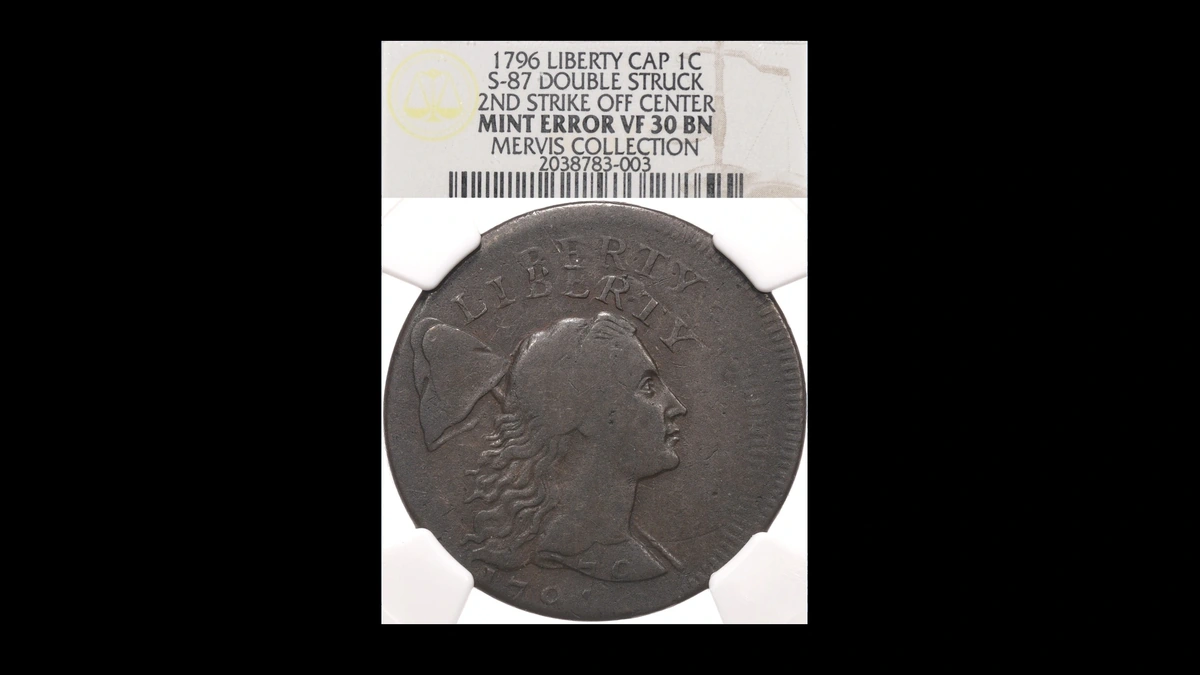
The Cardinal Collection’s 1796 Liberty Cap cent with delicate clash marks sold for $223,250 in January 2013. Exceptional preservation explains much of that price.
Estimated whole-coin values for 1796 Liberty Cap penny errors range from $500–$225,000. Confirm the cap-and-pole design, then inspect the edge, surface layers, raised die marks, and any mixed designs.
| Clue | Category | Estimated value |
|---|---|---|
| Small missing crescent | Clipped blank | $500–$5,000 |
| Shallow loss near LIBERTY | Lamination | $500–$7,500 |
| Raised line or broad rim patch | Die crack or later cud | $500–$20,000 |
| Faint opposite-side outlines | Clash | $500–$225,000 across very different grades |
| Old date on the wreath side | Off-center flip-over double strike | $3,000–$12,000 |
A standard copper Liberty Cap cent weighs 10.89 g and measures about 28 mm, with a plain edge. The S-numbers used below identify particular pairs of dies, the steel tools that stamp the coin.
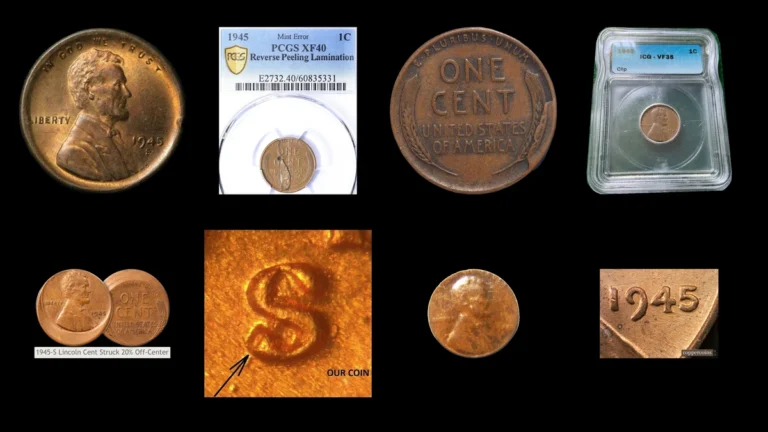
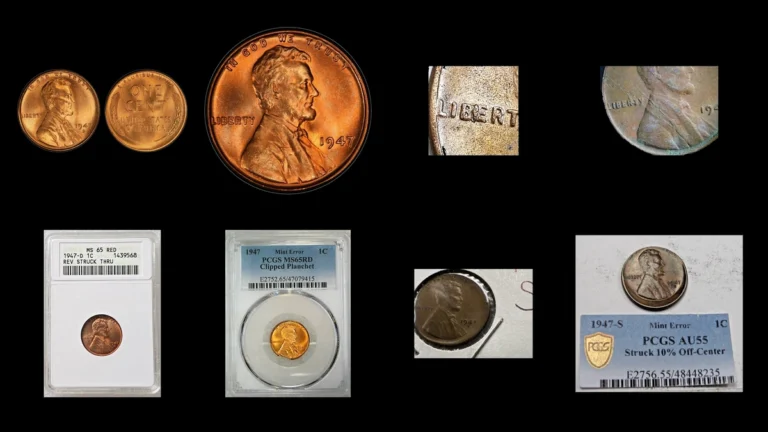
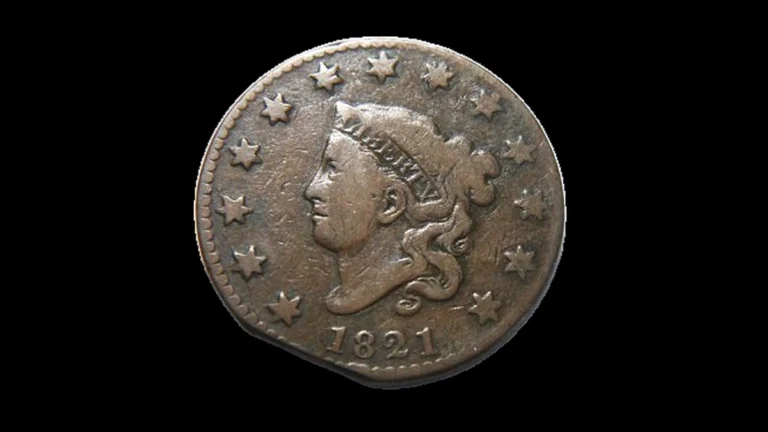
1. 1796 Penny A Crescent Missing near Two O’Clock: Clipped Blank Error
A recorded S-89 cent has a small curved gap near two o’clock and was graded PCGS F12. A different reported clip belongs to the S-88 die pair.
A curved clip can begin when the blank-cutting punch overlaps a hole already cut in the copper strip. The incomplete disc then receives its design.
How to Identify
The 2018 Stack’s Bowers S-89 example provides the two-o’clock comparison. Keep that direction with this specimen rather than transferring it to S-88.
Inspect the curved wall and nearby struck surface for evidence of an original shortage. Saw marks, filed surfaces, or a fresh cut through finished details suggest later removal.
What It’s Worth
Estimated whole-coin values are $500–$5,000 for worn genuine clips. The Liberty Cap cent’s underlying scarcity, remaining detail, and surface quality all contribute.
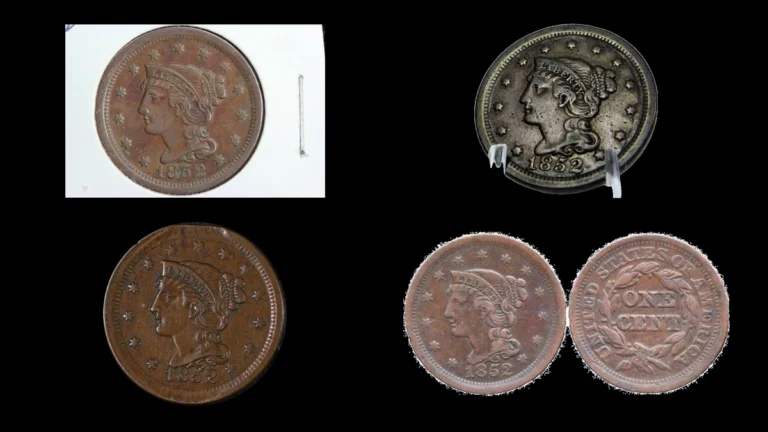
An unworn 1852 clipped large cent graded NGC MS63 sold for $384 in June 2024. Its later design and much different date make it broad context rather than a direct 1796 price.
2. 1796 Penny A Shallow Hollow from T into the Hair: Lamination Error
An S-83 cent has a layer defect at the bottom of T in LIBERTY extending into the hair. PCGS labeled it AU Details, Planchet Flaw.
The thin copper layer separated within the original metal. A raised crack across the lettering is another feature on this same coin.
How to Identify
Follow the shallow boundary from T into the hair under side lighting. The layer loss lies below the surface, unlike the raised line copied from the damaged die.
Leave an attached flap alone. The description does not establish a coin divided into two complete thickness halves.
What It’s Worth
Estimated values are $500–$7,500 for examples ranging from worn coins to sharper pieces with clear layer loss. A large hollow may reduce eye appeal rather than automatically increase value.
The S-83 was offered at $6,250 in the May 2022 Rucker fixed-price list. That asking price includes both its metal flaw and die crack; no completed sale is supplied.
3. 1796 Penny A Raised Line across LIBERTY: Die Crack and Later Cud Error
On S-83, the crack begins above I, crosses ERTY, and reaches the rim ahead of Liberty’s nose. Copper entering the opening in the die left a raised line.
The catalog also describes a very rare later stage with a larger rim-connected break inside that boundary. The illustrated Rucker coin shows the earlier crack, before the full cud developed.
How to Identify
Use the Rucker S-83 photograph to follow the line and partly filled upper R. A narrow ridge is different from a broad patch replacing design against the rim.
Do not identify the later cud from the thin line alone. Check a suspected broad patch for a rim dent or displaced copper caused after striking.
What It’s Worth
Estimated values are $500–$7,500 for cracked examples and $2,500–$20,000 for a genuine large later cud. Each range values its own die stage and preservation.
The $6,250 Rucker asking price concerns the earlier crack plus lamination. It does not document a sale or a price for the later full cud.
4. 1796 Penny Delicate Traces by the Throat and Wreath: Die Clash Error
The Cardinal S-91 has faint extra outlines on both faces. They originated when the dies contacted each other without copper between them.
Later coins copied the transferred shapes during normal striking. Several clash traces do not mean that the coin itself received several blows.
How to Identify
Compare the area ahead of the throat with the opposite design, then examine within and around the wreath. Low-angle light can reveal the delicate outlines.
A recognizable transferred shape matters more than the number of lines visible. Scratches that do not match the opposite design should not be counted as clashes.
What It’s Worth
Worn examples with identifiable clashes have estimated values of $500–$10,000. Exceptional coins approaching the celebrated Cardinal quality belong in a separate estimated $100,000–$225,000 tier.
The Cardinal PCGS MS66 cent sold for $223,250 at Stack’s Bowers in January 2013. Its exceptional unworn preservation is central to that whole-coin result.
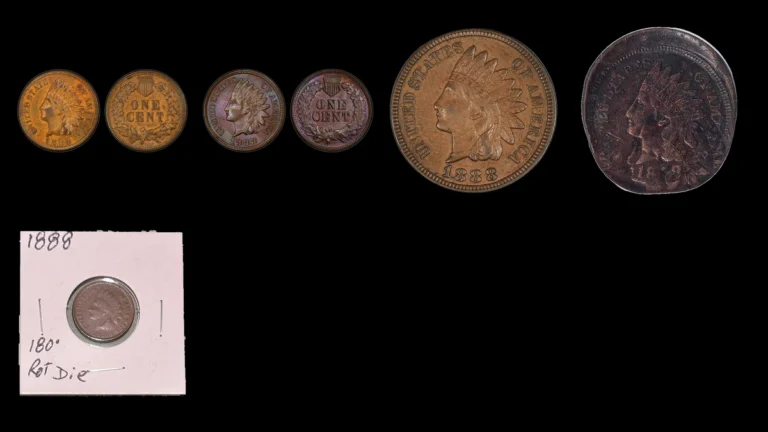
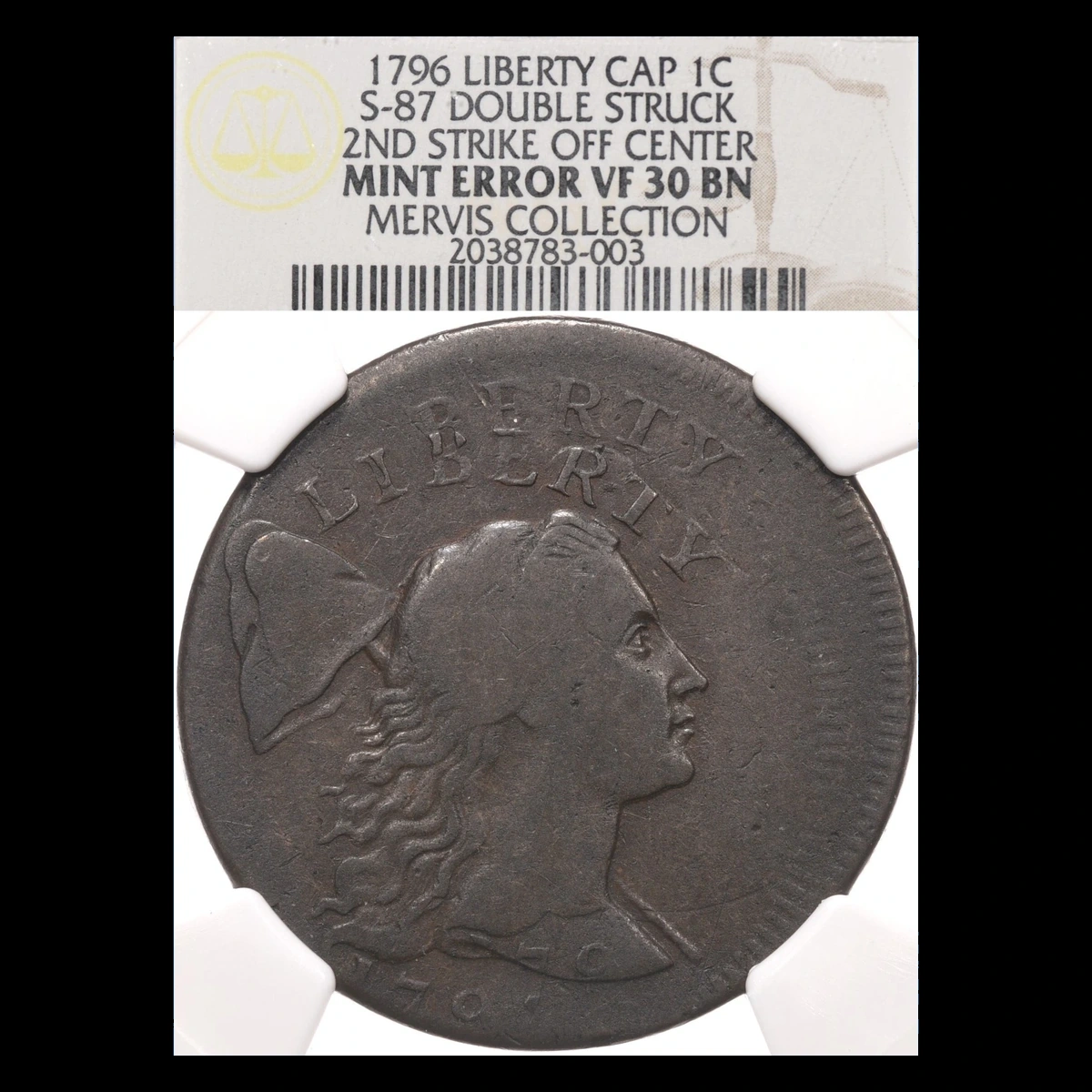
5. 1796 Penny An Earlier Date Appears on the Back: Off-Center Flip-Over Double Strike Error
A PCGS F15 example preserves old digits 796 near STA on the wreath side. The first strike was about 15% off-center toward three o’clock before the coin flipped over and received another blow.
The later designs covered much of the earlier impressions. Part of the old fraction remains near one-thirty on the front.
How to Identify
Locate the older digits and fraction before following other overlapping details. Their positions must fit the earlier opposite-face designs on the same copper disc.
Raised remnants of two strikes differ from a deeply recessed mirror-image transfer. Include both complete faces and the edge when checking for later squeezing or joined pieces.
What It’s Worth
Comparable worn flip-over double strikes have an estimated whole-coin range of $3,000–$12,000. Readable earlier letters and healthier copper strengthen the comparison.
The Heritage F15 example sold for $5,287.50 in September 2014. Its off-center first blow and flip-over second strike are already combined in that one price.
Conclusion
The cap-and-pole design establishes which 1796 cent is being examined. From there, a missing crescent, peeling sheet, raised die line, or date on the wrong face points toward a different manufacturing event.
The six-figure Cardinal sale requires an exceptional condition comparison. A worn coin with faint clashes or a small clip should be evaluated for its own surfaces, attribution, and surviving detail.