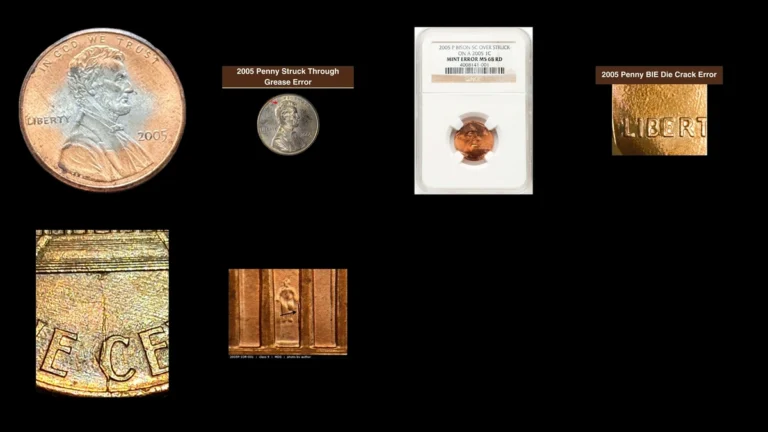
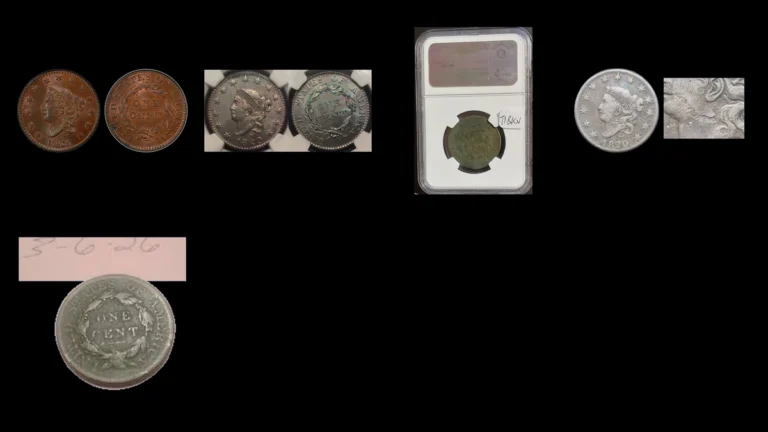
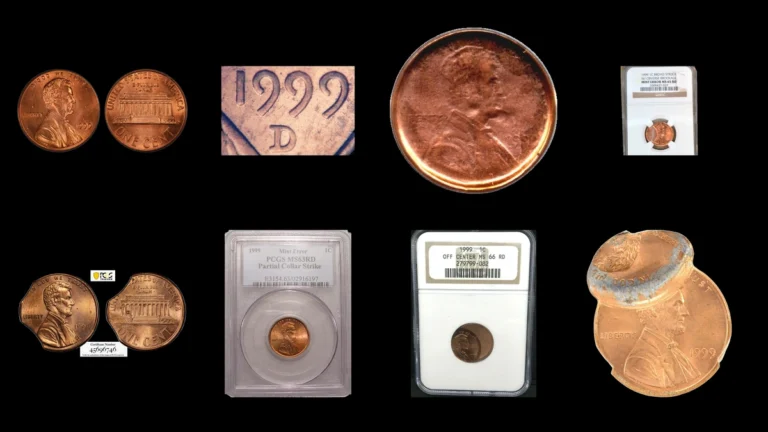
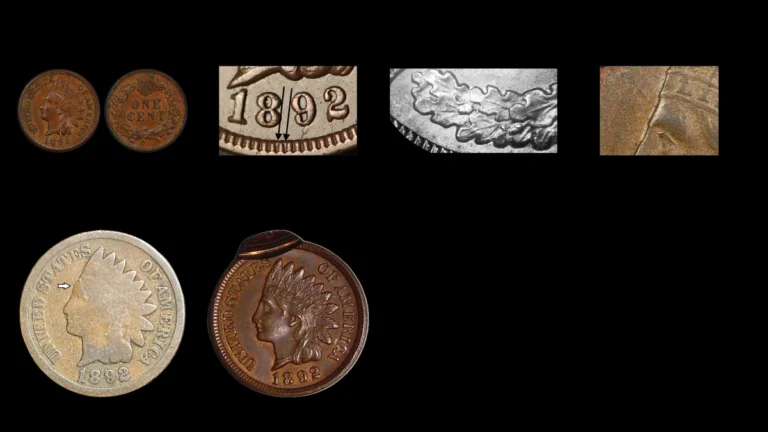
Rare 1945 Penny Errors (List & Pictures)
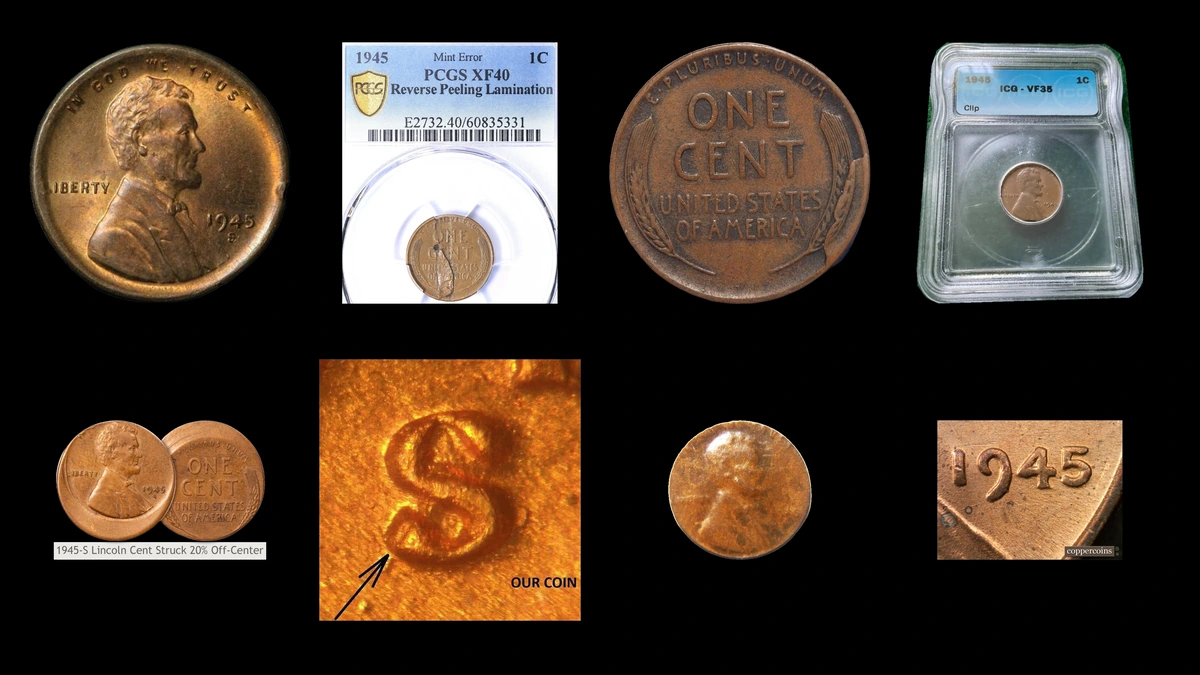
A small silver coin provides the biggest recorded sale in this list: a cent strike attributed to 1945-S over a Netherlands East Indies coin brought $7,050. More familiar 1945 penny errors include extra mintmark lines, missing edge pieces, and peeling metal.
The groups below span about $3–$30,000, with the upper end covering specialist pieces and asking-price evidence. Start with the surface and outline, then compare the designs and metal.
1. 1945 Penny A Wider Penny with Its Design Intact: Broadstrike Error
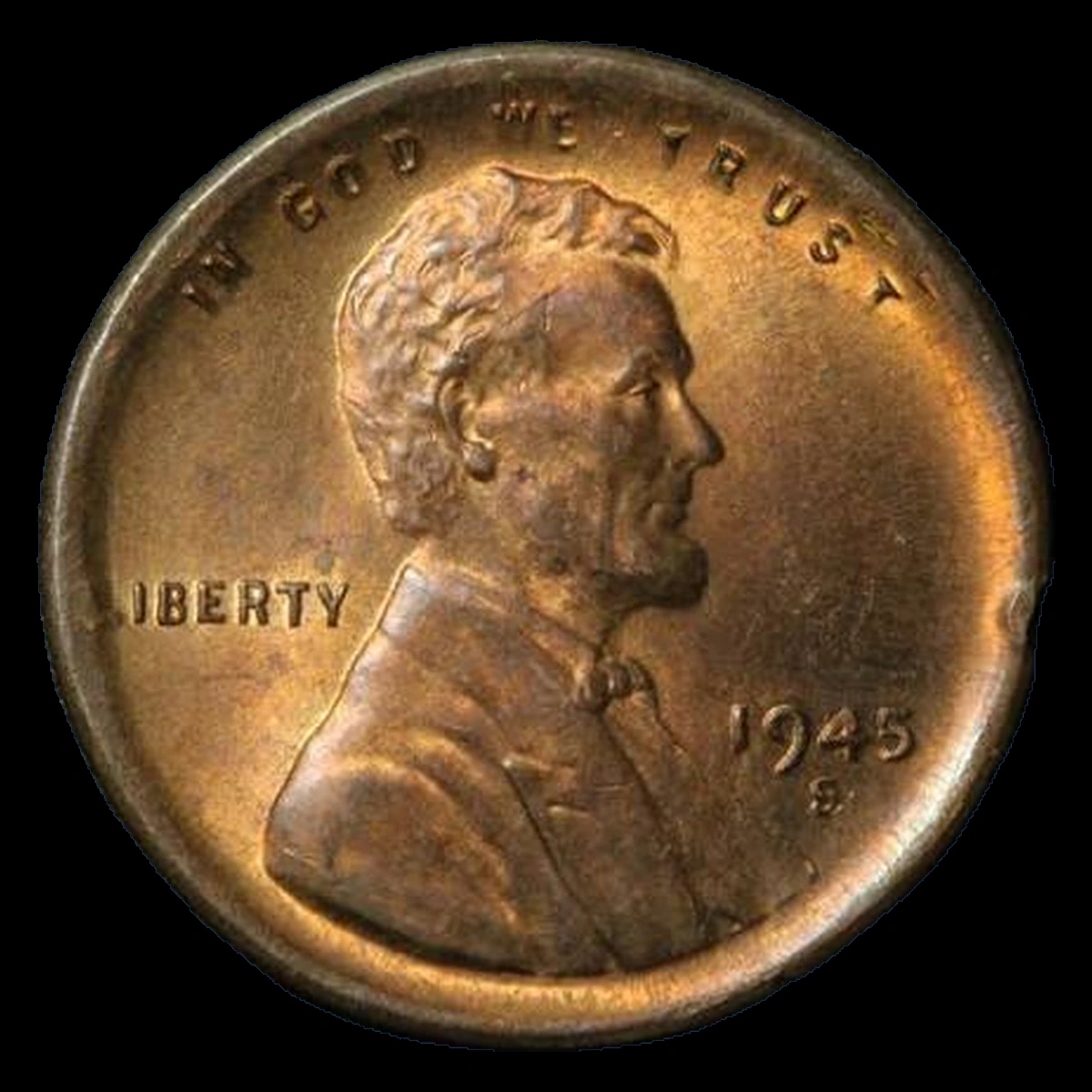
A broadstrike spreads beyond the normal edge while keeping the main design inside the coin. The metal escaped its usual round boundary because the collar, a ring around the blank, did not hold it properly.
How to Identify
Follow the lettering around both sides rather than judging width alone. A flattened rim from later damage does not explain the smooth outward spread of a genuine broadstrike.
The supplied Philadelphia example is graded MS62 Brown by NGC. Its grade describes an uncirculated coin with brown color; a broadstrike need not have bright red surfaces.
What It’s Worth
$25–$250 is a useful range for ordinary examples, depending on size and condition. No sale accompanies that 1945 specimen in the supplied record.
A 1953-D broadstrike graded MS61 Red by ICG sold for $48 in January 2009. That older sale is a comparison from another year, not a result for the pictured 1945 coin.
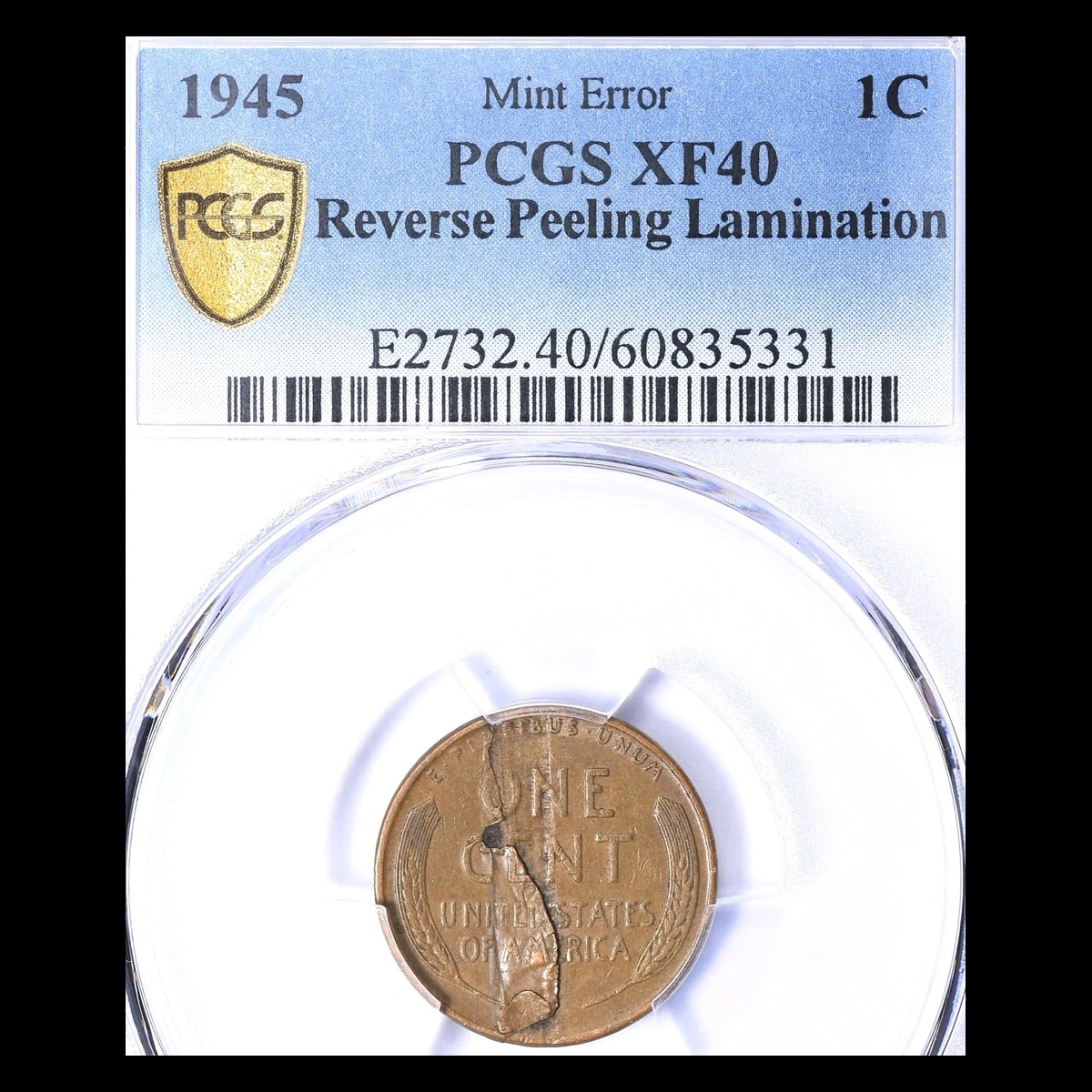
2. 1945 Penny The Surface Peels or Loses a Layer: Lamination Error
Thin sections of metal can separate when a copper-alloy blank contains a weak layer. These cents are not the copper-plated zinc pennies made decades later.
How to Identify
Examine the broken boundary for lifted flakes or a layered edge. If the loss happened before striking, part of the coin design may continue across the lower exposed surface.
A Philadelphia MS65 Brown example lost metal before striking and weighs 2.8 grams. The separate San Francisco MS65 Red and Brown example is a front lamination; its record does not establish that same weight or timing.
What It’s Worth
$10–$350 covers small losses through larger, cleaner examples. The 2.8-gram Philadelphia coin sold for $132 in August 2020.
A loose flake is part of the evidence, so leave it attached. Pulling it away changes the coin rather than making the error easier to collect.
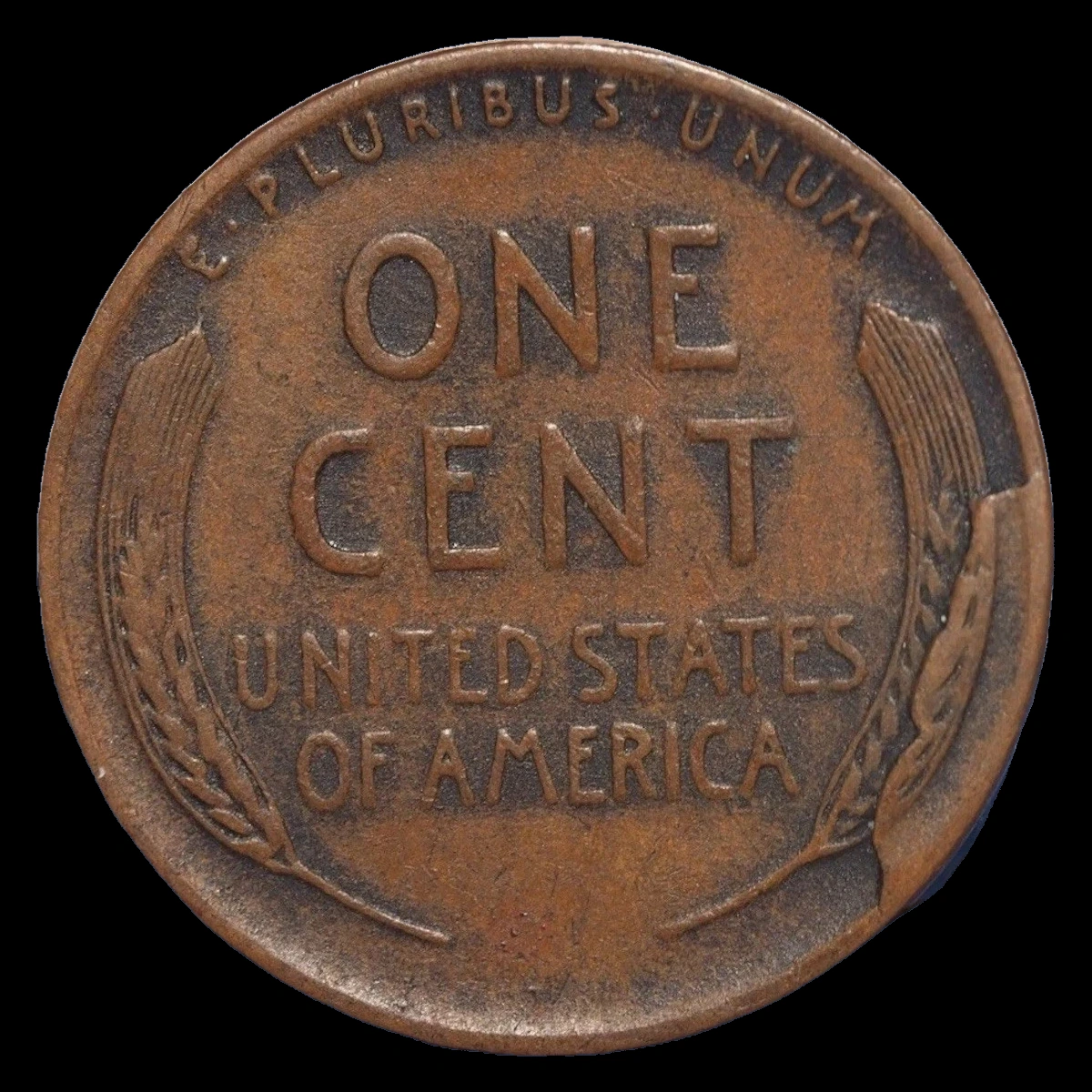
3. 1945 Penny A Raised Patch Covers the Design: Die Cracks and Cuds Error
A damaged die can leave a raised line or lump on the penny. A cud is the larger raised area made when a piece breaks away at the die’s edge.
How to Identify
Check whether the extra metal reaches the rim and replaces normal detail. Smaller raised patches inside letters are chips, and they are not automatically the particular chip nicknamed a BIE error.
A crack touching the rim at both ends may outline a die section that was still in place. Compare the shape with the photographed 1940s Lincoln cent die breaks before calling it a fully missing section.
What It’s Worth
$3–$50 suits small cracks and chips, while prominent cuds can fall around $30–$750. Size, remaining detail, and surface quality make a substantial difference.
The supplied 1945 Philadelphia cud is graded AU58 by PCGS, meaning it has only light wear. Its record supplies a specimen, not an auction price.
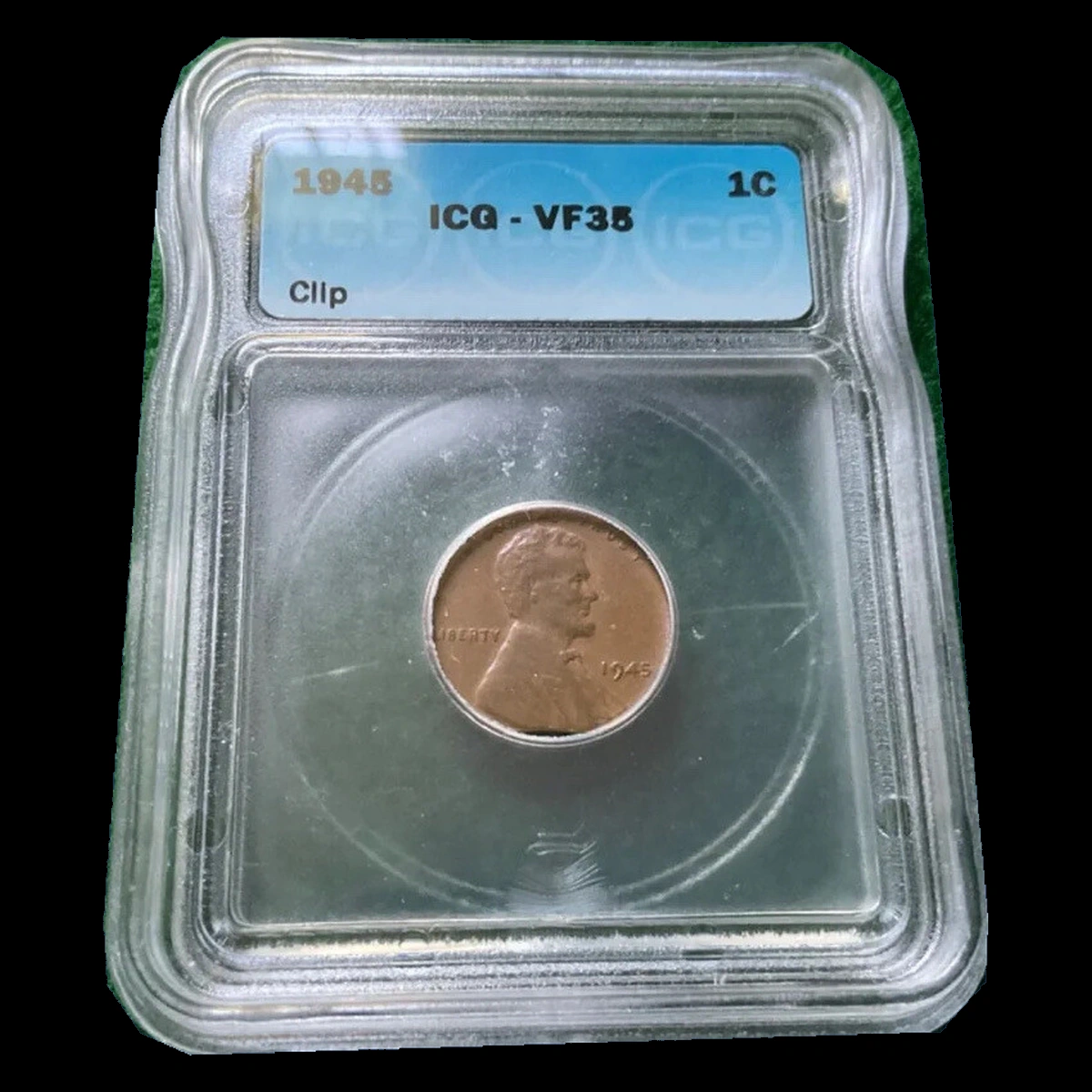
4. 1945 Penny A Bite or Lens Shape Changes the Outline: Clipped Blank Error
A normal curved clip looks like a bite missing from the penny. Other blank-cutting errors leave a narrow, lens-shaped piece that still receives a cent design.
How to Identify
Study how the struck design meets the missing edge. Fresh saw marks, pinched metal, or a sharp cut through finished detail point toward later alteration.
The records include an MS64 Brown elliptical blank with a 10% off-center strike, a separate MS65 Red and Brown elliptical piece weighing 2.5 grams, and a Denver MS66 Red coin with a 7% clip. Those measurements belong to different coins.
What It’s Worth
$20–$250 is a working range for ordinary clips; elliptical or combined errors can reach $75–$750. An unusual shape with clear original surfaces is generally more appealing than a slight missing edge.
For comparison, a 1949-S curved clip graded MS64 Brown by NGC brought $124 in March 2026. It is not a sale of any of the three 1945 examples above.
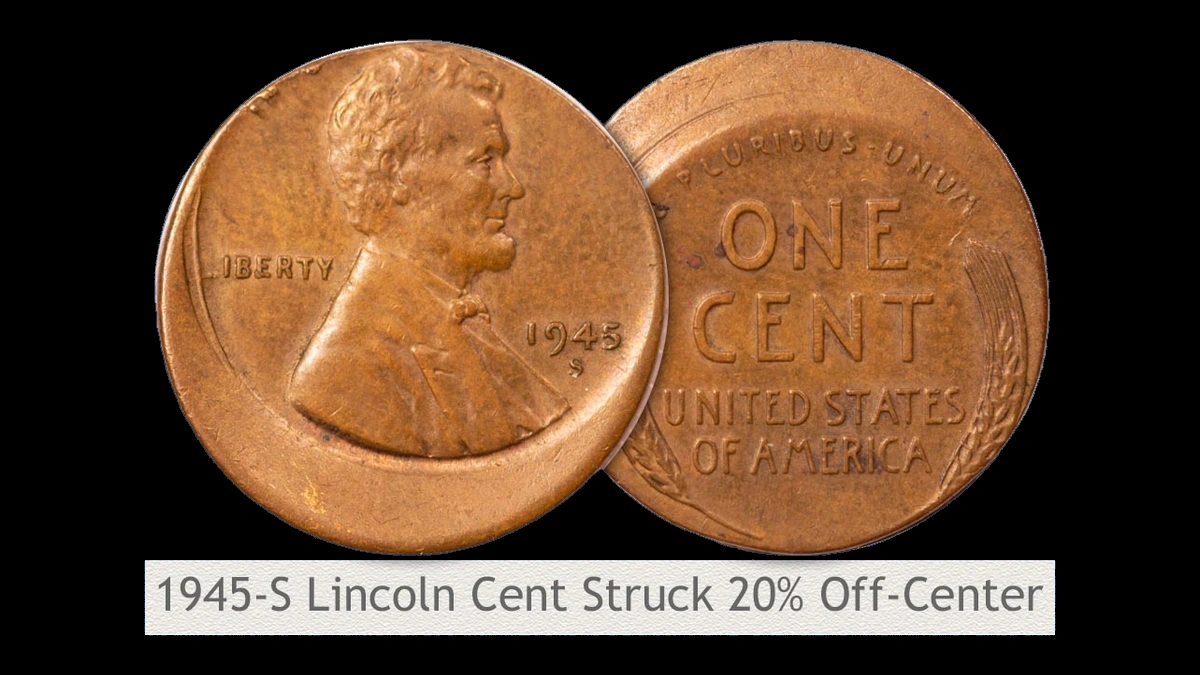
5. 1945 Penny The Picture Misses Part of the Blank: Off-Center Strike Error
Here the blank was out of position when the dies came together. Part of the design lands beyond its edge, leaving an unstruck crescent elsewhere.
How to Identify
Look for both missing design and untouched blank metal. A complete design surrounded by an expanded rim belongs with broadstrikes instead.
A Philadelphia example is graded MS62 Red and Brown by ANACS, while a separate San Francisco coin is graded XF45 by NGC and shows wear. Use the actual photograph to judge the direction and amount of movement; neither grade supplies that information.
What It’s Worth
$30–$800 covers a broad selection, with dramatic displacement and a readable date often helping. Surface quality still matters, even when the mistake is large.
A different-year 1949 cent, 90% off center and graded MS66 Red and Brown, sold for $630 in July 2021. That unusually strong comparison should not become the automatic price for a lightly displaced 1945 penny.
6. 1945 Penny Another Letter Appears beside D or S: Repunched Mintmark Error
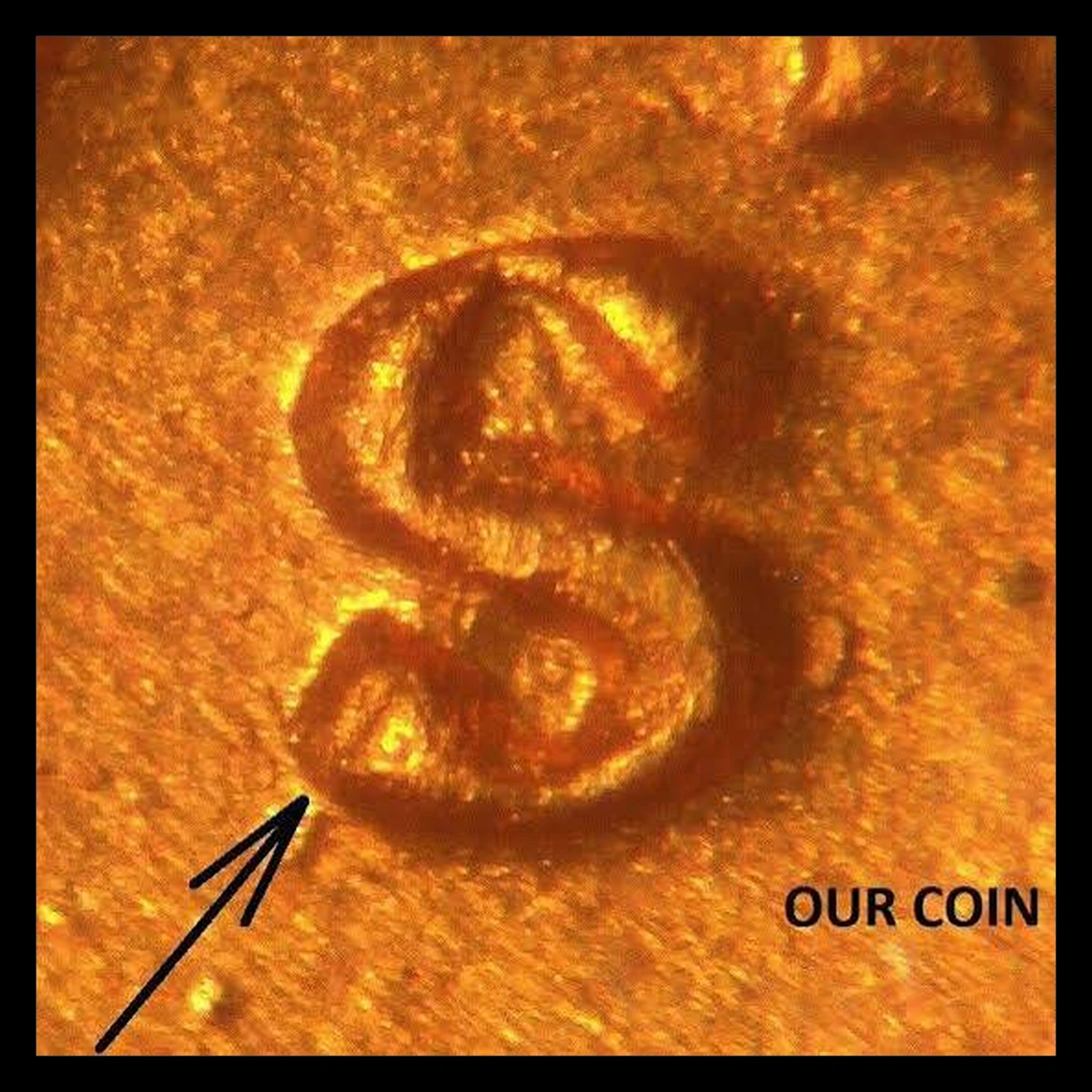
Extra strokes beside the mintmark can come from the letter being punched into the die more than once. The result repeats on coins made with that die.
How to Identify
Use a close view of the mintmark below the date and trace the added curves. Their direction depends on the particular die; there is no single extra line that identifies every 1945 repunched mintmark.
Some recorded dies also show another feature, such as doubling at the eye or on the back. Confirm those details separately instead of treating any doubled-looking mark as proof of the whole variety.
What It’s Worth
$5–$200 covers many modest examples, with exceptional, clearly identified coins reaching about $1,000. Wear can hide the very mintmark strokes that buyers want to see.
Two 1953-D FS-501 examples graded MS66 Red sold for $149 and $420 during 2023. They show the spread possible for another named repunched mintmark, not fixed values for a 1945 D or S.
7. 1945 Penny The Penny Is Too Thick and Heavy: Thick Blank Error
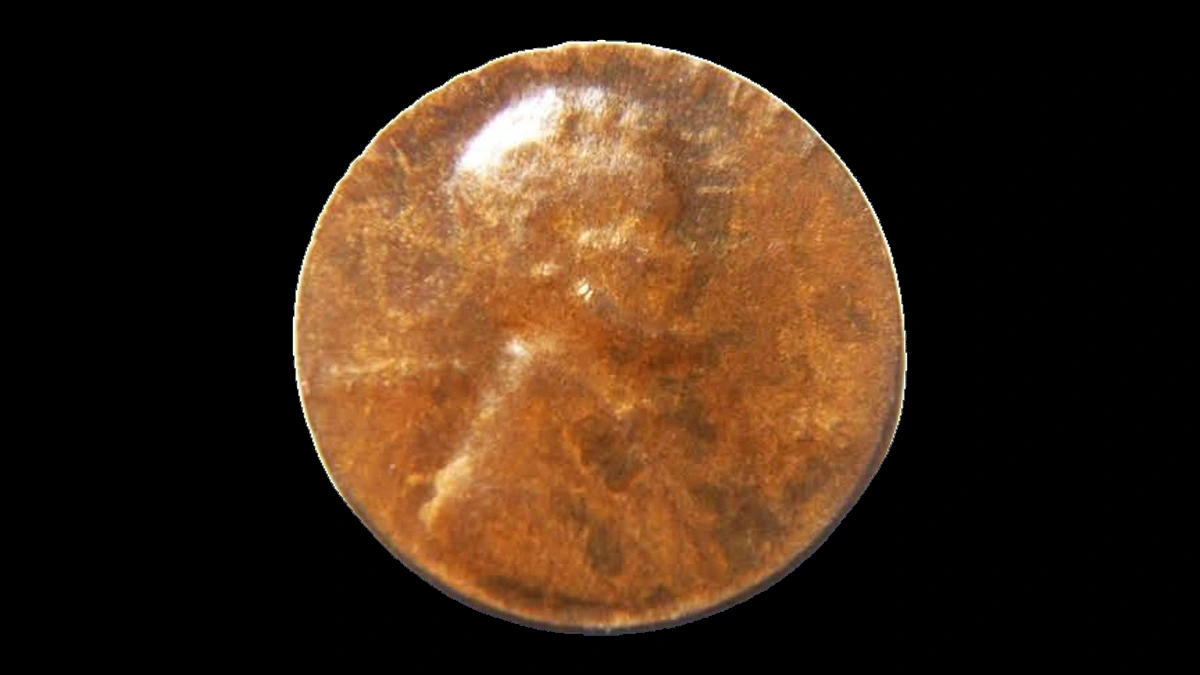
A recorded 1945 cent weighs 3.9 grams because it was struck on a thicker blank. A normal cent of this date is about 3.11 grams and 19.05 millimeters across, with a smooth edge.
How to Identify
Measure the body of the coin rather than only its raised rim. Added metal, an attached second piece, and heavy deposits can also increase the weight.
The documented coin is graded MS64 Red and Brown by NGC. Its extra weight supports the thick-blank description; it does not by itself prove a foreign blank or an experimental metal mixture.
What It’s Worth
$150–$1,000 is a practical range for an authenticated thick-blank example. The 3.9-gram specimen sold for $207 in January 2008.
Clear original surfaces and a reliable measured weight help make the difference visible to the next buyer.
8. 1945 Penny Date or Letter Edges Repeat: Doubled Die Error
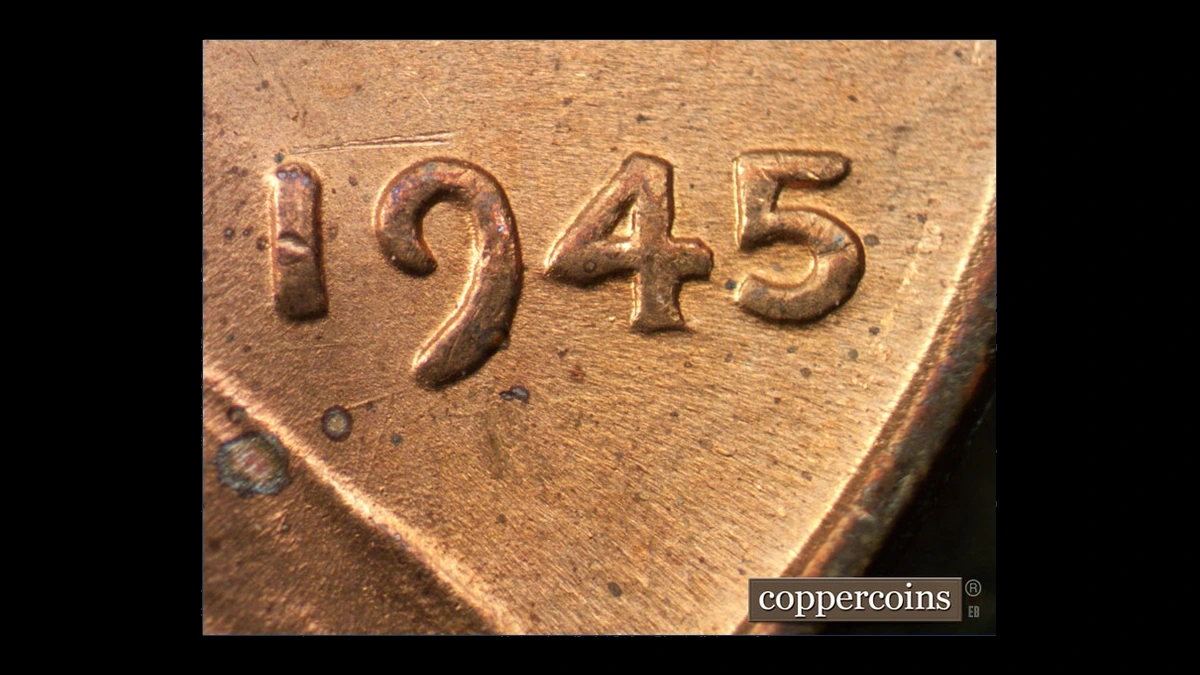
A doubled die carries a repeated part of the design before it strikes a coin. On the Philadelphia FS-101 variety, the doubling extends downward at the date, LIBERTY, and portrait.
How to Identify
Match several parts of the pattern, not just a thick-looking numeral. Flat, shelf-like edges caused during a strike can resemble doubling without matching a doubled die.
The supplied 1945 doubled-die references also cover other front and back patterns. An extra eyelid, ear detail, wheat line, or motto feature must agree with the specific die being identified.
What It’s Worth
$5–$200 suits many minor examples; stronger named varieties can fall around $50–$1,200. A bold pattern that survives wear is easier for a beginner to recognize and for a buyer to evaluate.
A 1949-S FS-101 graded MS65 Red sold for $188 in August 2017. The shared catalog number does not make its doubling pattern or value identical to the 1945 Philadelphia variety.
9. 1945 Penny Two Strikes Leave Overlapping Pictures: Double Strike Error
A penny that stays in the press can be struck again. If it flips between strikes, parts of Lincoln and the wheat design may end up on the same face.
How to Identify
A 1945 example graded MS65 Brown by NGC flipped over and received its next strike inside the collar. A separate PCGS AU58 coin moved between strikes, with its second impression 15% off center.
Trace surviving earlier details through the later design. A coin squeezed against another after minting often receives recessed, backward marks rather than this evidence of two genuine strikes.
What It’s Worth
$150–$2,000 is a useful range, depending on how much of each strike remains visible. The flipover example sold for $675.63 in January 2016.
A clear mixture of front and back details can be more informative than a second strike that almost hides the first.
10. 1945 Penny A Backward Design Sinks into the Surface: Brockage Error
A finished coin can remain in the press and act like a die against the next blank. It transfers a reversed, recessed picture known as a brockage.
How to Identify
The recorded Philadelphia MS62 Brown specimen combines front brockage with a broadstrike. Its description does not establish that the backward image covers the entire face.
Inspect the recessed picture and the outward metal spread together. Backward marks alone can also result from someone pressing coins together later.
What It’s Worth
$200–$2,500 is a working estimate for this group, rather than a reported sale of the supplied specimen. Image clarity, coverage, and original condition drive much of the difference.
A well-preserved partial brockage can still show the mistake clearly; it does not need a full-face image to be collectible.
11. 1945 Penny The Cent Design Is on the Wrong Metal or Size: Wrong Blank Error
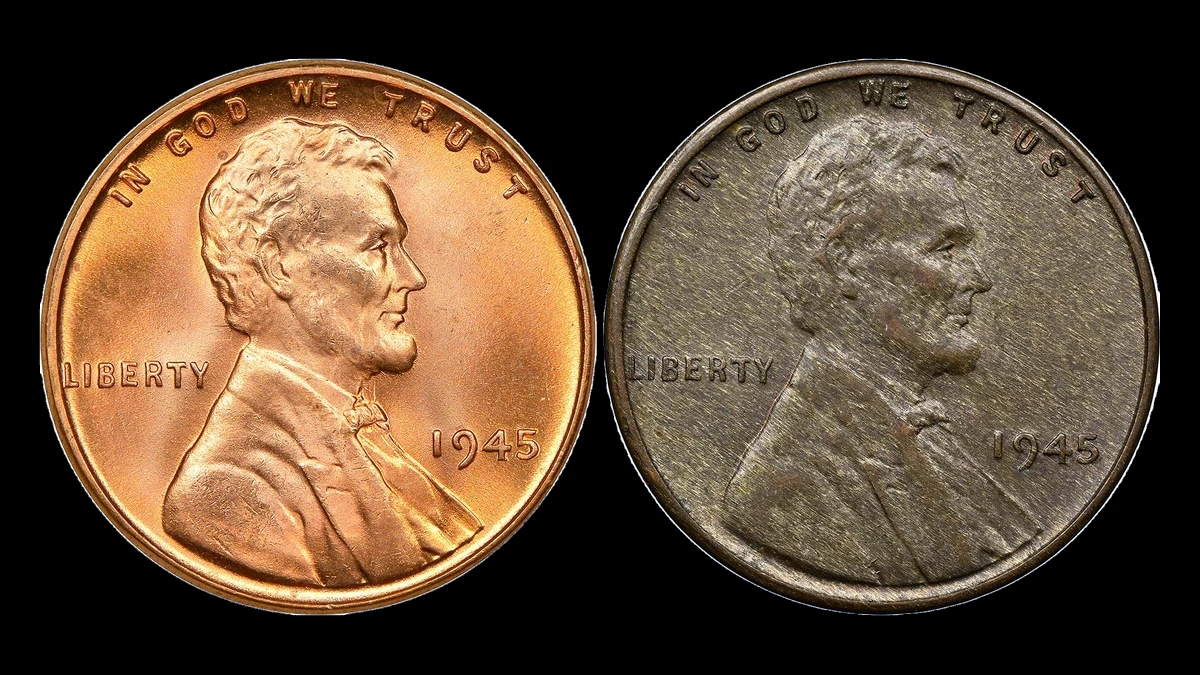
Several 1945 cent records involve blanks intended for other coins. A smaller blank can lose outer lettering, while a different metal changes the color and weight.
How to Identify
Start with measurements and an attributed example rather than guessing a country from color. The supplied U.S. silver dime-blank cent weighs 2.5 grams, and the Peru five-cent blank example weighs 3 grams.
Other records cover Netherlands East Indies half-cent blanks, a Netherlands 25-cent silver blank with its precise origin still open, and Ethiopian blanks of different denominations. Their weights are not interchangeable: one Ethiopian one-cent example is 2.7 grams, while five-centime examples are recorded around 4.0–4.1 grams.
A reported Denver piece uses a 75% silver Philippines 10-centavo blank and retains a full date and portrait. A blank has no earlier coin design; visible older designs instead lead to the next section.
What It’s Worth
$500–$6,000 covers many authenticated wrong-blank pieces, with the reported Philippines type estimated around $5,000–$15,000. The 1945 U.S. dime-blank cent graded AU53 sold for $3,240 in July 2021.
The Peru-blank example graded VF30 brought $1,560 in January 2022. The supplied $7,800 Philippines comparison belongs to a 1944-D cent, not the reported 1945-D coin.
12. 1945 Penny An Older Silver Coin Shows beneath Lincoln: Foreign-Coin Overstrike Error
This unusual piece started as a finished Netherlands East Indies one-tenth gulden dated 1945-S. A cent strike landed on that small silver coin, leaving traces of both designs.
How to Identify
On the back, an older S appears within the N of ONE, and the bottom curve of an older 5 survives within the E. Those tiny remains explain why this is an overstrike on an existing coin rather than a cent on an unused blank.
The host coin is about 15 millimeters wide, weighs 1.2 grams, and is 72% silver. The cent attribution is written as (1945-S): its own final date digits and mintmark fell beyond the small coin’s edge.
What It’s Worth
$5,000–$18,000 is a specialist range for this rare combination. The NGC AU58 example sold for $7,050 in November 2013.
The visible date of the older silver coin supports its identity, but it does not make the missing cent digits visible. Preserve that distinction when labeling a photograph.
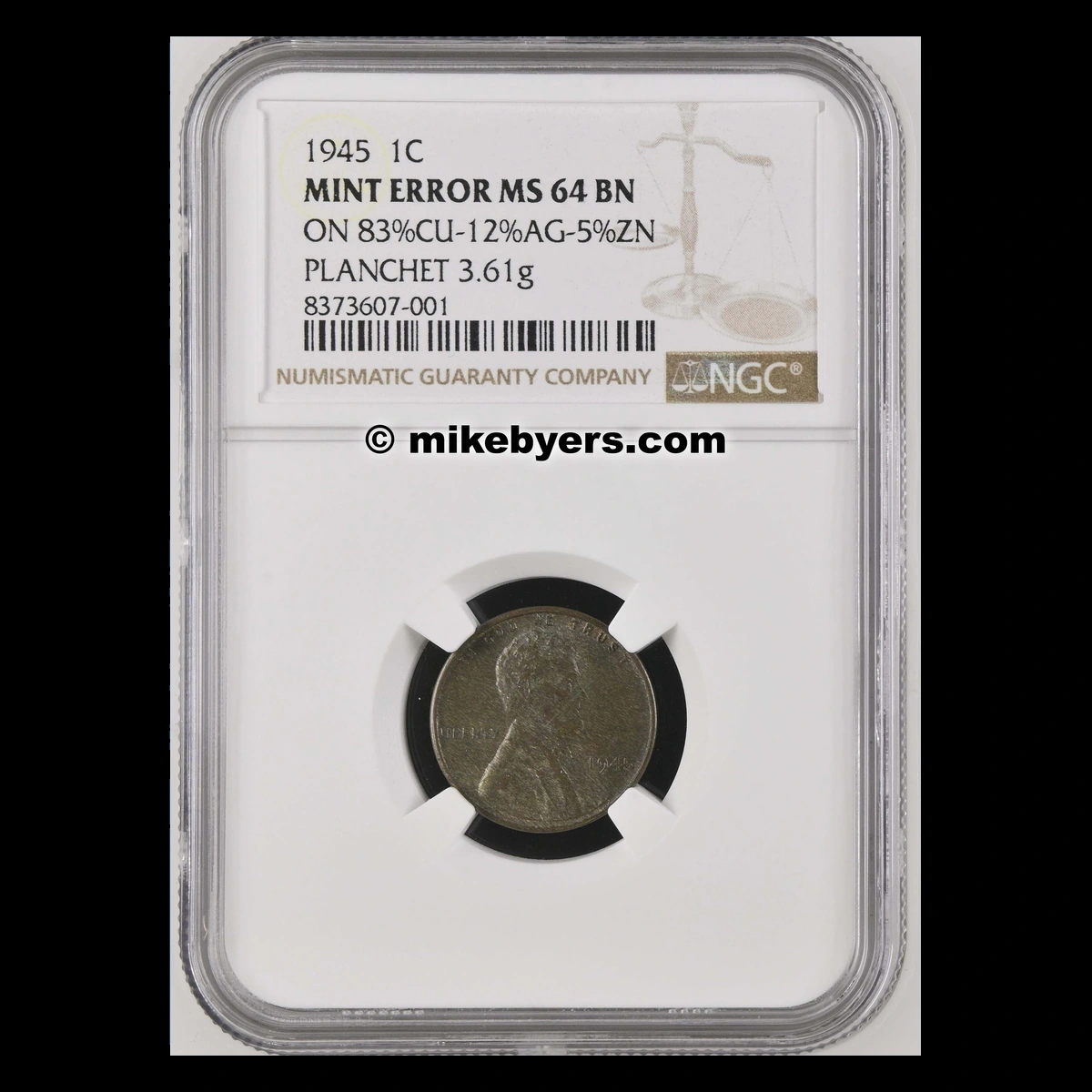
13. 1945 Penny Testing Finds Silver in a Copper-Looking Penny: Unusual Alloy Error
A 1945 cent graded MS64 Brown by NGC is reported to contain 83% copper, 12% silver, and 5% zinc. It weighs 3.61 grams and looks much less dramatic than some of the misshapen coins above.
How to Identify
Brown color cannot establish this metal mixture. The identification depends on the specimen’s testing record and measurements, with checks for surface coatings that could affect a reading.
Suggestions about mixed wartime nickel material or experimental production remain proposed explanations. The reported composition does not prove either story.
What It’s Worth
$10,000–$30,000 is a specialist estimate anchored partly by the dealer’s $25,000 asking price. That figure is an offer to sell, not a completed auction result.
For an unusual alloy, documentation matters as much as appearance. A similar-looking heavy penny without matching test evidence is not the same kind of comparison.
Conclusion
A visible flaw gives you a starting point: check the outline for clips, the letters for repeated strokes, or the surface for lost layers. Keep separate records for separate specimens so one coin’s weight, grade, or price does not become another’s description.
The exceptional silver pieces need more than a photograph, but many smaller 1945 errors can be understood by following the design and the metal around the affected area.