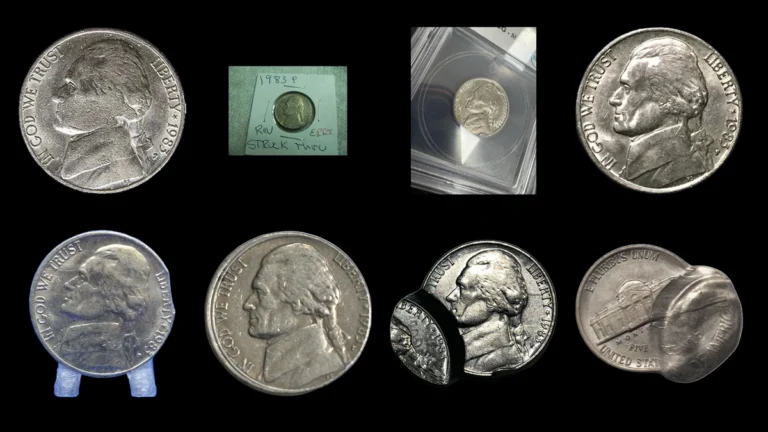
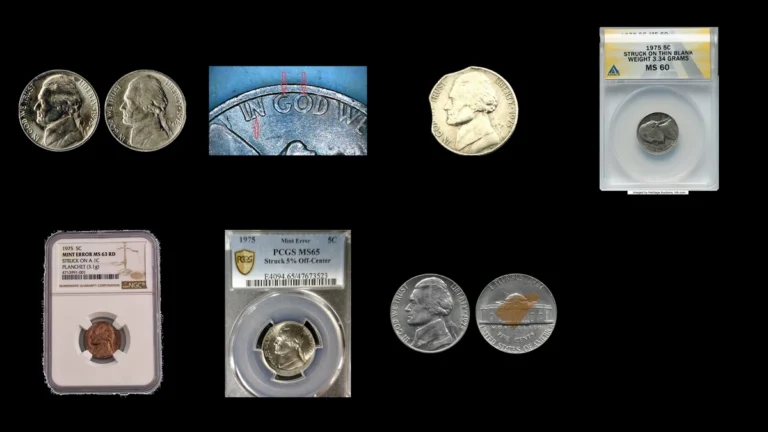
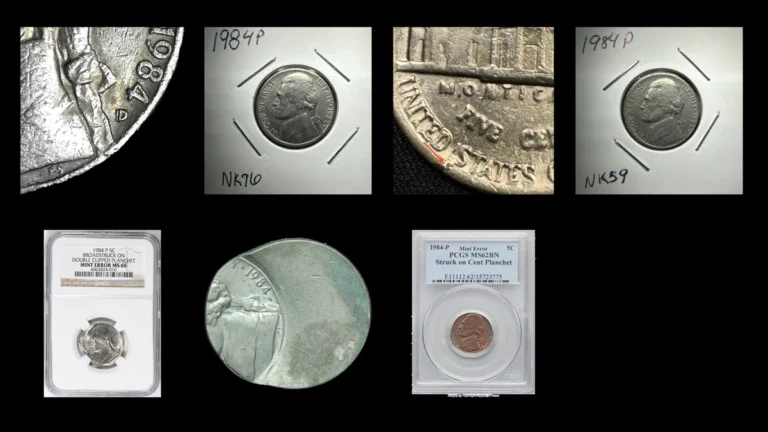
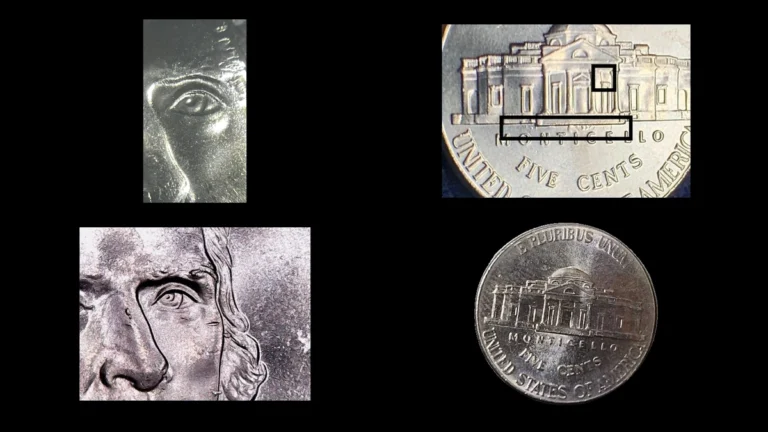
Rare 1955 Nickel Errors (List & Pictures)
An exceptional D-over-S nickel brought about $3,738 in June 2008. The hidden S records a corrected die; it does not establish a separate 1955-S nickel issue.
Estimated whole-coin values for 1955 nickel errors range from $5–$4,000. Begin with the mintmark and finish, then inspect surface flaws, the rim, and any evidence of a smaller silver blank.
| Clue | Category | Estimated value |
|---|---|---|
| S beneath D | Overmintmark | $20–$4,000 |
| Another D stroke | Repunched mintmark | $10–$150 |
| Repeated letters or eye contours | Doubled or tripled die | $10–$600 |
| Peeling, depressed, or raised marks | Lamination, strike-through, or die damage | $5–$500 |
| Missing or displaced outline | Clip or off-center strike | $15–$750 |
| Light silver disc | Dime planchet | $350–$1,500 |
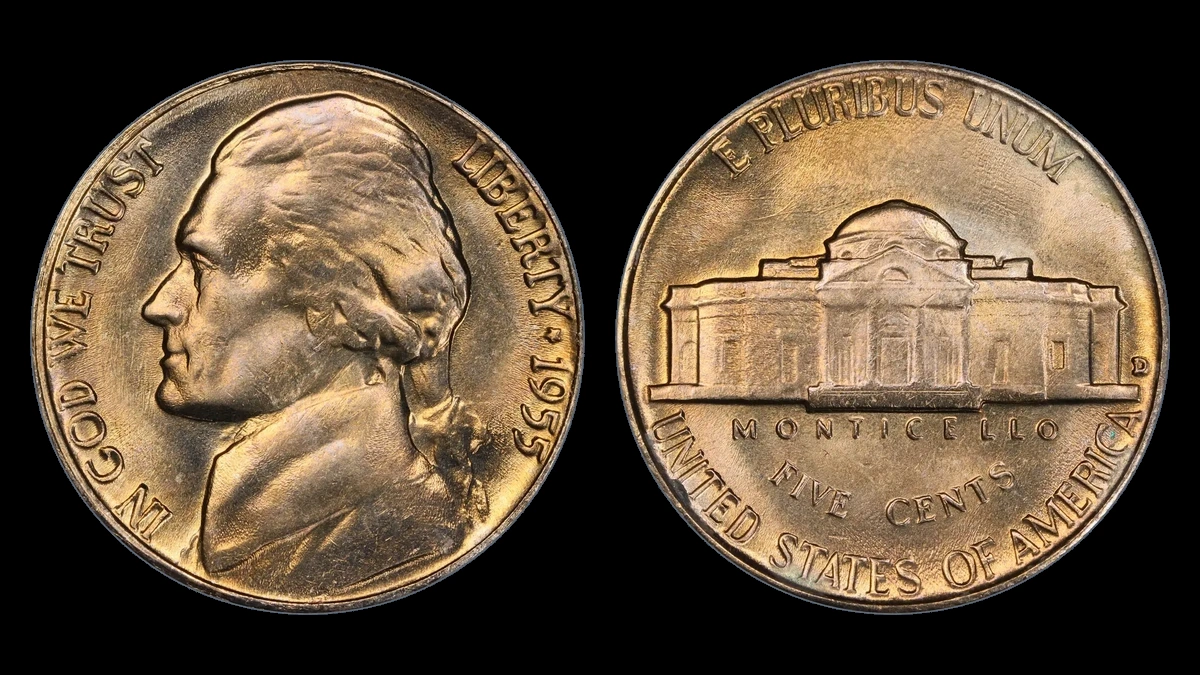
A normal nickel weighs about 5 g and measures 21.2 mm, with a plain edge and uniform copper-nickel alloy. On Denver coins, D sits to the right of Monticello.
1. 1955 Nickel An S Survives beneath D: Overmintmark Error
The die first received an S, then a D was punched over it. Part of the earlier letter survived on the Denver coins struck afterward.
How to Identify
Examine beneath the upper part of D for the surviving end of S. Compare its specific shape with the recognized variety instead of relying on a filled center or random bump.
An earlier S differs from another D-shaped stroke. The corrected tool produced Denver nickels, not an otherwise unissued 1955-S coin.
What It’s Worth
Estimated values are $20–$4,000, including approximately $20–$100 for worn examples and $100–$500 for many unworn coins. Exceptional preservation accounts for the highest tier.
PCGS records an MS66 example at about $3,738 from a June 2008 Heritage auction. A worn coin with a visible S still needs a worn-condition comparison.
2. 1955 Nickel Parts of Another D Appear beside the Mintmark: Repunched Mintmark Error
A shifted repeat of the same hand-applied mintmark punch could leave an earlier D contour. Cataloged 1955-D examples include WRPM-001 and WRPM-006.
How to Identify
Match the actual secondary curves or straight strokes with one variety photograph. The direction of a vague shadow does not establish its number.
A filled-looking center can have a different cause. An S-shaped remnant belongs with the separate overmintmark comparison rather than a D-over-D attribution.
What It’s Worth
Estimated values are $10–$150, with clearly identified worn coins around $10–$50. Attractive unworn examples may fit the higher range.
No auction results are assigned here to those two catalog numbers. The exceptional D-over-S sale should not be transferred to minor repeated D strokes.
3. 1955 Nickel Two or Three Letter Outlines: Doubled and Tripled Dies Error
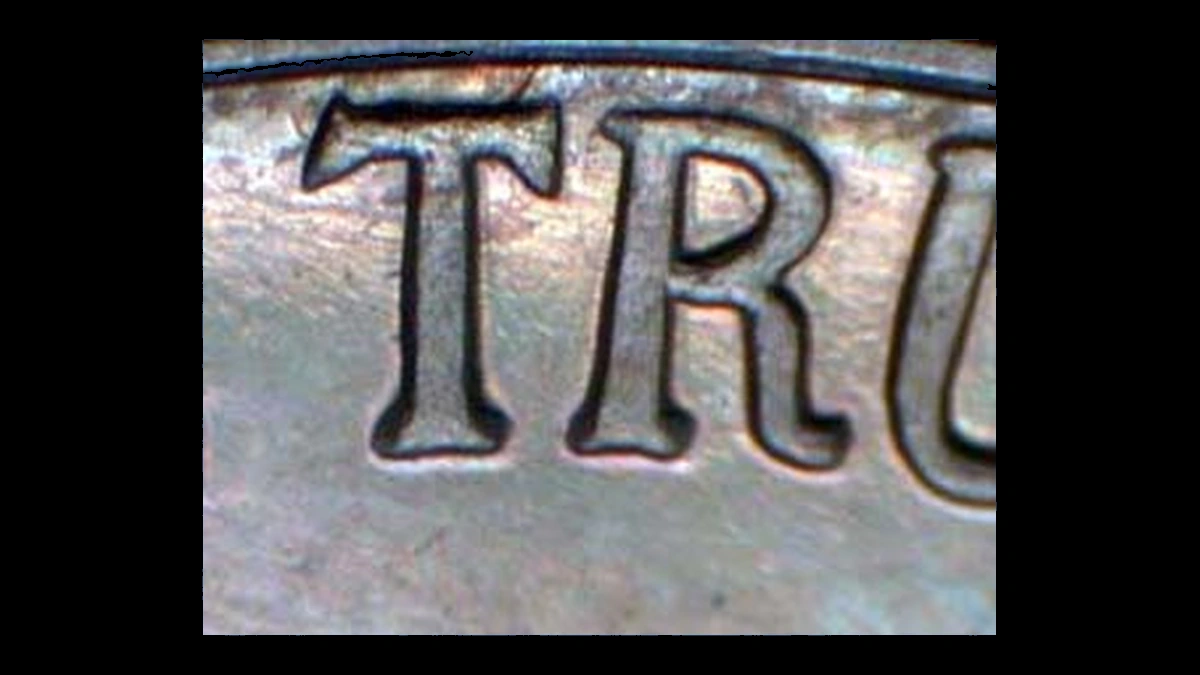
The recognized FS-801 tripled reverse belongs to Philadelphia Proofs. Separate general reports mention front doubling near Jefferson’s eye and other doubled details.
The repeating shapes originated during die manufacture. Three outlines do not mean the coin passed through the press three times.
How to Identify
Confirm the Proof finish before matching FS-801 reverse lettering. Both ordinary Philadelphia coins and Proofs lack mintmarks, so the blank mintmark position cannot distinguish them.
Match rounded repeated outlines rather than flat shelves that narrow the letters. The eye report requires its own identification and does not inherit the Proof reverse variety’s name.
What It’s Worth
Estimated values are $10–$600, with minor authenticated varieties around $10–$75. Stronger attractive examples and their finishes need closer comparisons.
PCGS records a PR68 FS-801 marketplace result of $400 in May 2021. It concerns the tripled Proof reverse, not the front-eye report or the famous 1955 Lincoln cent.
4. 1955 Nickel A Flap or Shallow Layer Opens: Lamination Error
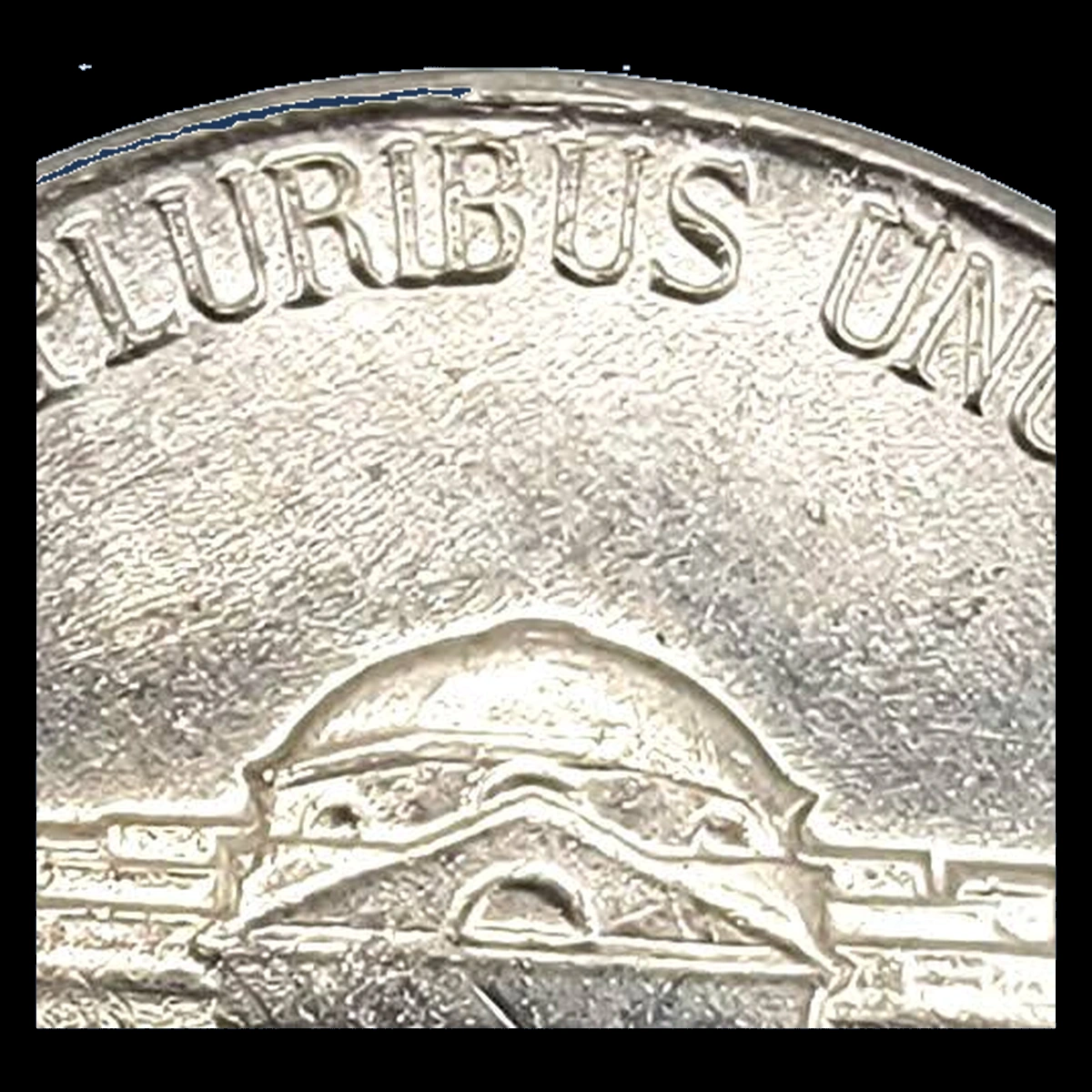
A reported 1955-D coin has peeling metal on both faces. A weakness within the original blank allowed a layer to separate.
How to Identify
Photograph both faces of the same coin with the date or D visible. Two unrelated lamination photographs cannot establish that two-sided specimen.
Follow the layer’s boundary without lifting it. A normal nickel has no separate outer coating to peel away, and scraping or corrosion can imitate rough patches.
What It’s Worth
Estimated whole-coin values are $5–$250, with modest laminations around $5–$50. Larger attractive separations can support stronger interest.
No confirmed sale is supplied for the two-sided Denver report. Preserved design and surface quality remain important even when the metal flaw is genuine.
5. 1955 Nickel A Depression Interrupts the Design: Struck Through Material Error
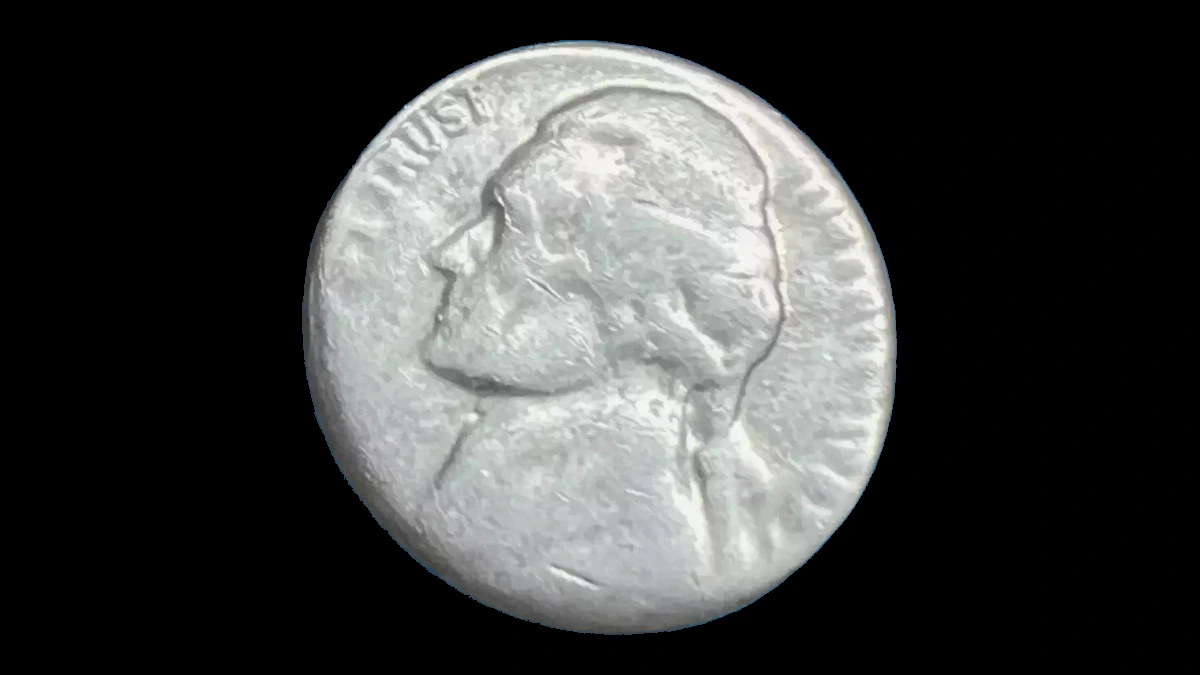
Foreign material between a blank and die can block detail or leave an impression. The 1955 report supplies no confirmed object or location.
How to Identify
Study where normal design stops at the affected area and compare the opposite face for impact damage. An obstruction can interrupt striking without leaving a fresh cut through finished metal.
A narrow recessed mark differs from a raised die-crack ridge. Do not assign cloth, wire, or another coin to a hollow solely from its outline.
What It’s Worth
Estimated values are $10–$350, with small genuine interruptions around $10–$75. Larger clearer impressions can bring more.
The estimate does not assume retained foreign material. Later gouges can look dramatic without supporting the same mint-error value.
6. 1955 Nickel Raised Lines, Filled Letters, and Rim Patches: Die Damage Error
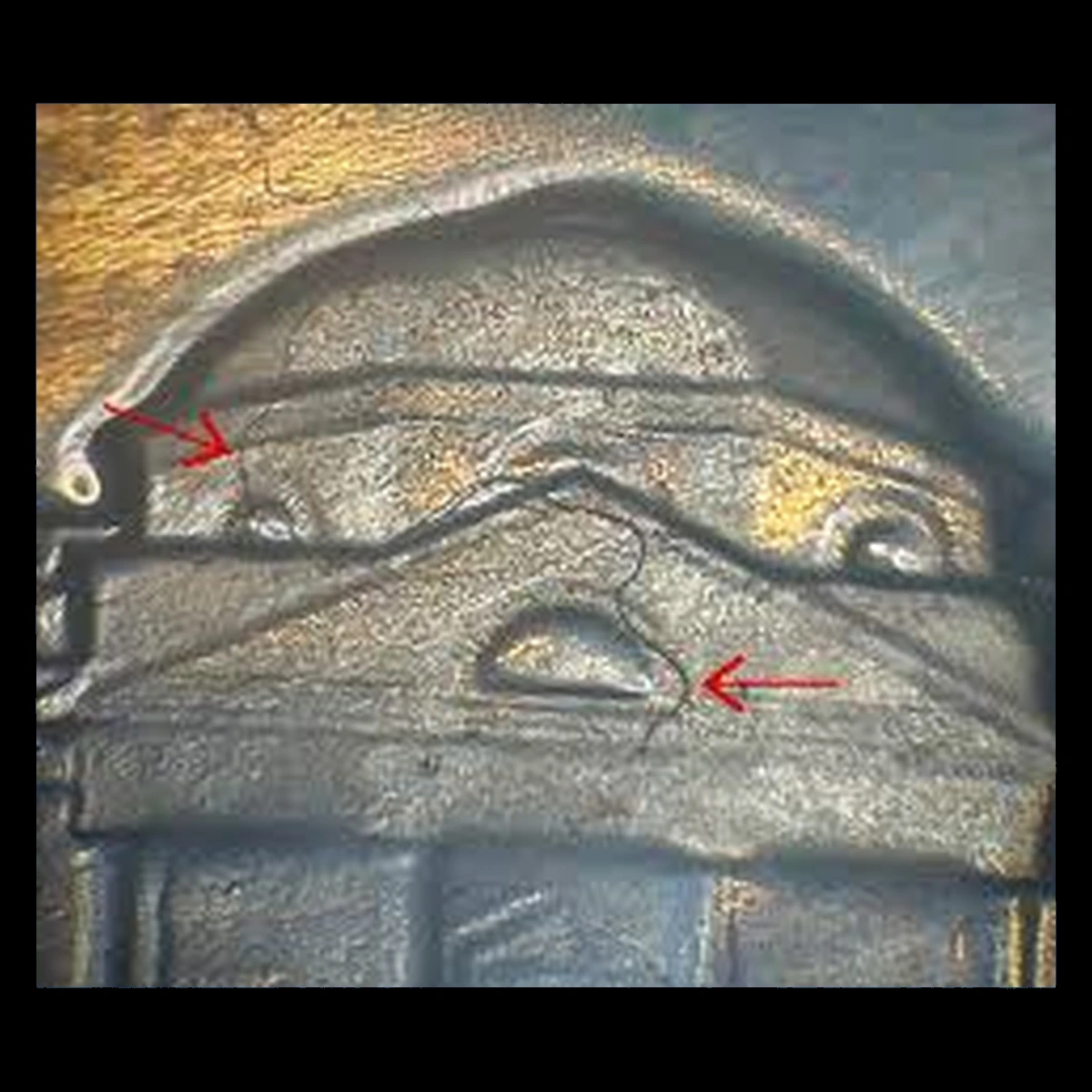
A crack in steel can leave a narrow raised ridge, while a missing interior piece can produce a chip. A larger missing edge piece leaves a rim-connected cud.
How to Identify
Use side lighting to distinguish a raised feature from the recessed center of a scratch. Inspect a rim patch for an attachment seam, solder, or a dent pushing metal inward.
The supplied 1955 report establishes no universal position. A filled-looking D may involve a small die break and should not automatically be called a grease blockage.
What It’s Worth
Estimated values are $5–$50 for minor cracks or chips and $50–$500 for larger clear rim breaks. Small filled letters usually belong closer to the lower range.
A 1959-D cud graded MS65 sold for $504 in May 2021. That different-year substantial break is not a price for every thin line on a 1955 nickel.
7. 1955 Nickel A Segment Is Missing from the Blank: Clip Error
The clipping report has no fixed mintmark, shape, or percentage. A genuine example received its design on a blank that was already incomplete.
How to Identify
First establish that metal is absent, rather than present but unstruck. Then inspect the gap and adjacent design for natural striking effects instead of a later cut.
Opposite-rim weakness can help, while file marks and sharp burrs require scrutiny. Weight loss alone does not distinguish a mint-made shortage from later removal.
What It’s Worth
Estimated values are $15–$300, with modest worn clips around $15–$75. Larger well-preserved pieces can reach more.
A 1997-P nickel with a 20% clip sold for $124 in March 2025. Neither that percentage nor its sale belongs to the general 1955 report.
8. 1955 Nickel Bare Metal beside a Displaced Design: Off-Center Strike Error
A recorded 1955-D nickel was struck 15% off-center and graded NGC MS66. Part of the design missed the blank while another part of the metal remained unstruck.
How to Identify
Photograph the date and unstruck area together, then verify D beside Monticello. Both faces should fit the same misplaced blank.
The percentage belongs to the recorded coin, with no clock direction assigned here. A wide border on only one face can instead indicate die misalignment.
What It’s Worth
Estimated values are $100–$750, including roughly $100–$300 for worn or modest examples. Attractive clear offsets occupy the higher range.
The NGC MS66 15% example sold for $402.50 on October 31, 2010. A scratched coin with a similar displacement should not inherit that preservation comparison.
9. 1955 Nickel A Small Silver Disc Carries Nickel Images: Dime Planchet Error
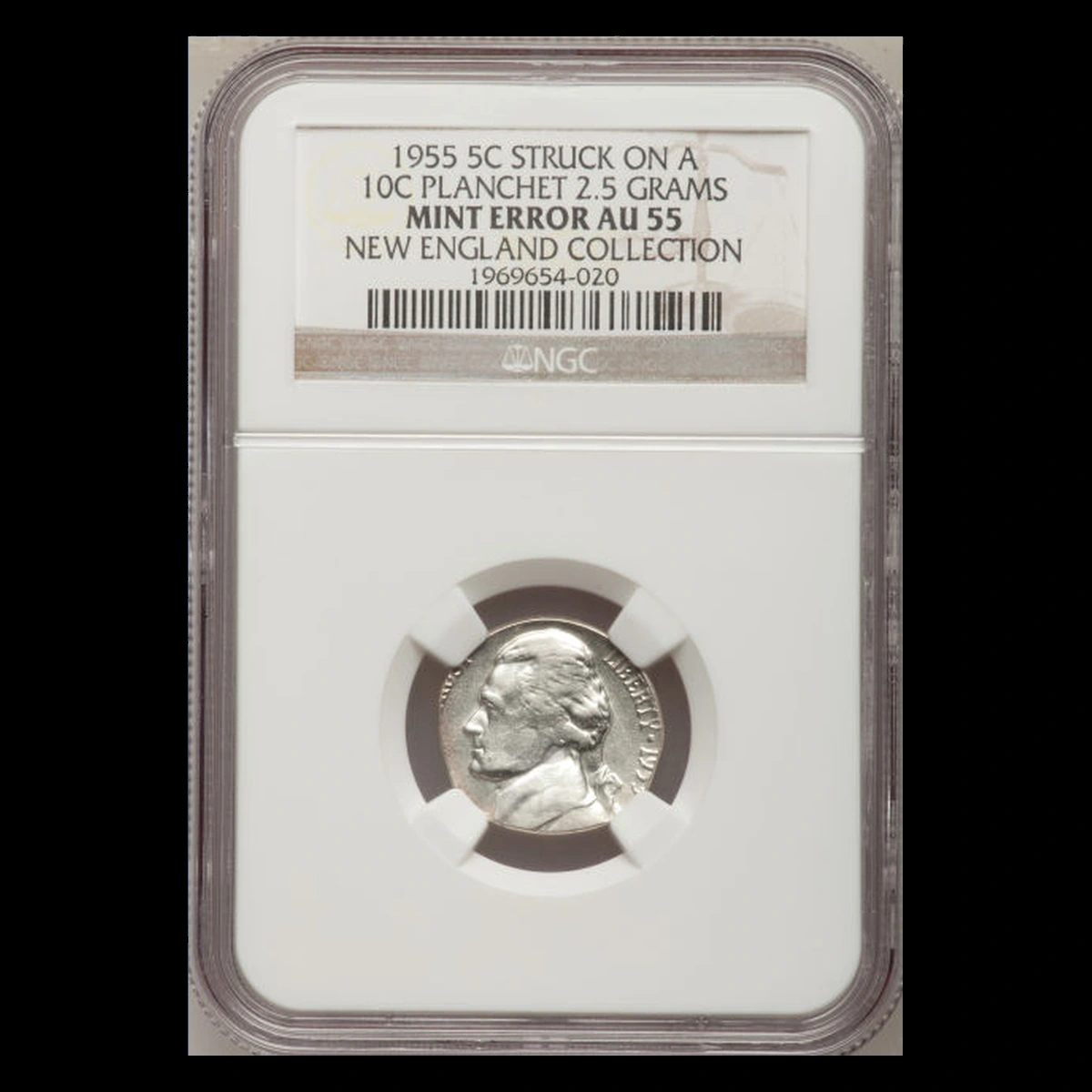
An NGC AU55 example weighs 2.5 g and was struck on a silver dime blank. Its thin metal left weak central detail, with a more complete rim near LIBERTY and OF AMERICA.
How to Identify
The recorded strike shifts toward the lower left, around 7:30, and the tops of the last two date digits extend beyond the edge. Compare those details with the surviving nickel design.
Weight, alloy, edge, and naturally cropped lettering must agree. Silver plating or grinding an ordinary nickel cannot establish the same wrong-blank error.
What It’s Worth
Estimated values are $350–$1,500, with comparable lightly worn examples around $350–$750. Stronger preservation may support more.
The 2.5 g NGC AU55 specimen sold for $499.38 in October 2012. Its documented metal and strike evidence matter more than color alone.
Conclusion
Begin a 1955 nickel comparison by distinguishing another D stroke from an underlying S, and a Proof reverse variety from ordinary circulation detail. These small differences determine which reference is relevant.
For larger defects, preserve layers and inspect the edge with both faces. The highest overmintmark result reflects exceptional condition, while the silver dime-blank example requires a consistent match of metal, weight, and displaced design.