Rare 1883 Shield Nickel Errors (List & Pictures)
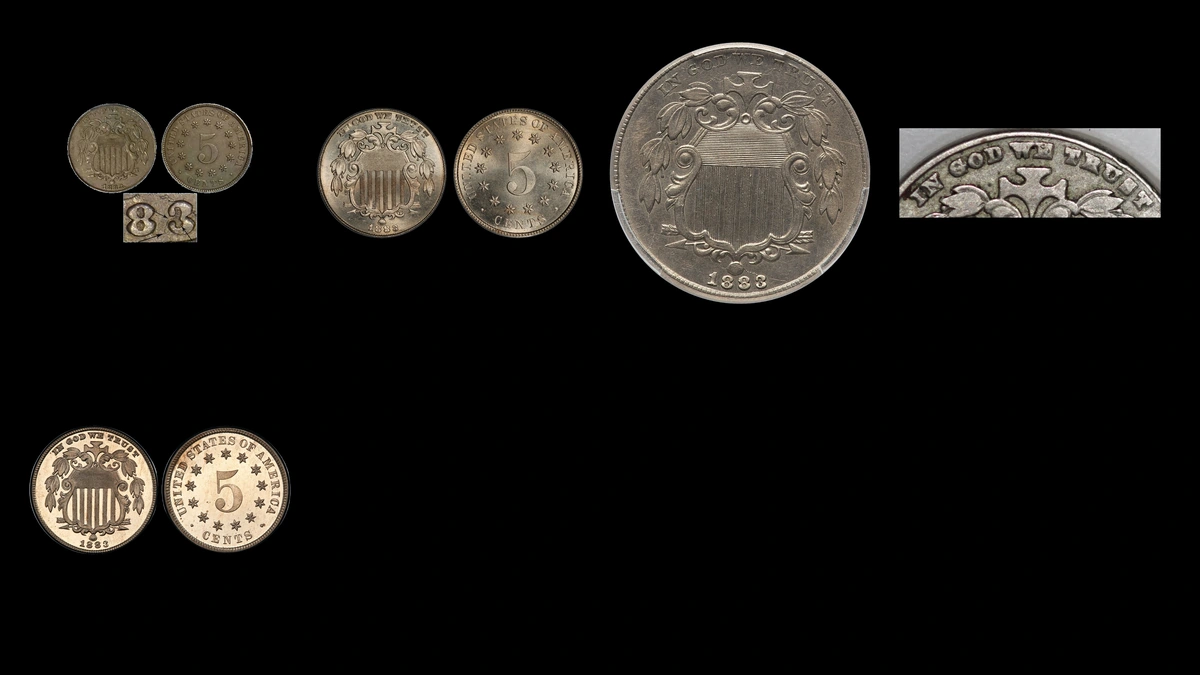
The final 3 may hide an older 2 on an 1883 Shield nickel. A superb 1883/2 example sold for $60,000 in August 2019, far above most coins with minor date or die flaws.
This guide to 1883 Shield nickel errors covers estimated whole-coin values of $20–$60,000. Confirm the Shield design first, since the Liberty nickel introduced in the same year is a different series.
1. 1883 Nickel An Older 2 beneath the Date: 1883/2 Overdate Error
An 1882 die was updated for the new year, leaving part of its older 2 around the final 3. The resulting coins carry the 1883/2 overdate.
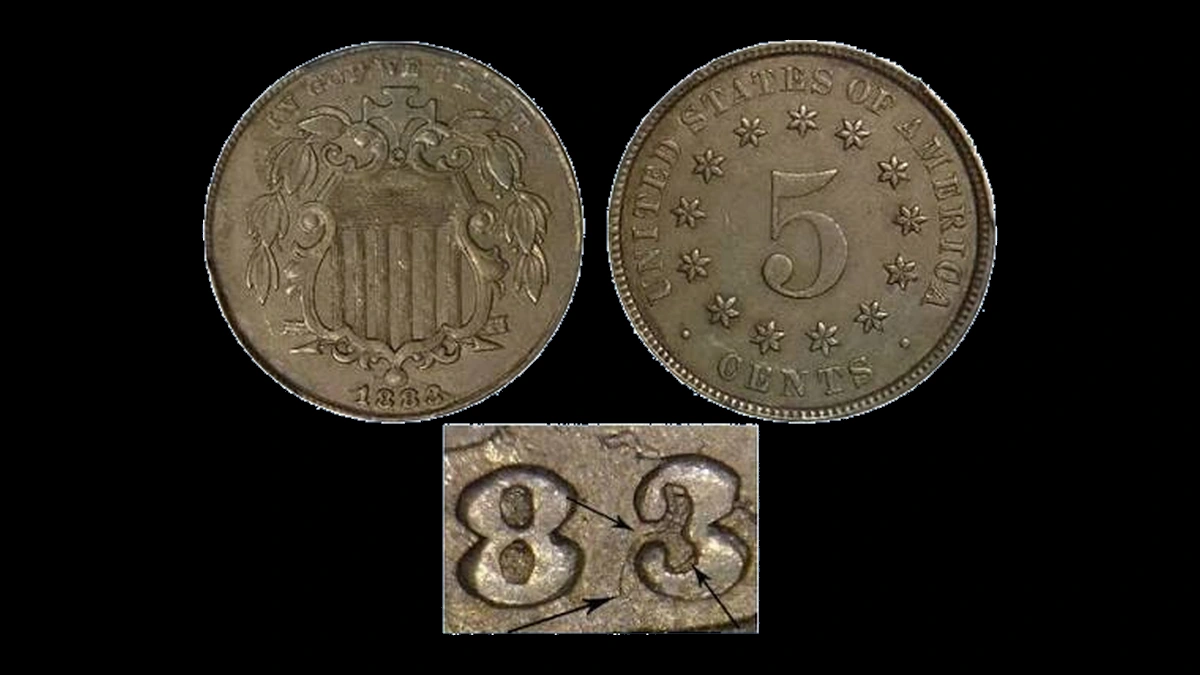
Different dies left the older numeral in different positions. A genuine overdate therefore needs a matching pattern rather than one universal spur beside the 3.
How to Identify
Read the complete final digit, then follow enough of the older 2 to recognize its shape. Compare it with an identified example from the same die.
A repeated 3, random crack, or damaged 1882 date is not the same feature. Examine the digit for cuts or pushed metal that could imitate the newer numeral.
For reference, a normal Shield nickel is about 5 grams and 20.5 mm across with a plain edge. Those dimensions identify the coin’s general format, not the overdate itself.
What It’s Worth
$300–$60,000 spans a very wide condition range. Most circulated examples belong far below the exceptional upper end.
The PCGS-recorded MS66+ FS-301 example sold for $60,000 at Stack’s Bowers in August 2019. Its outstanding preservation is part of that whole-coin result.
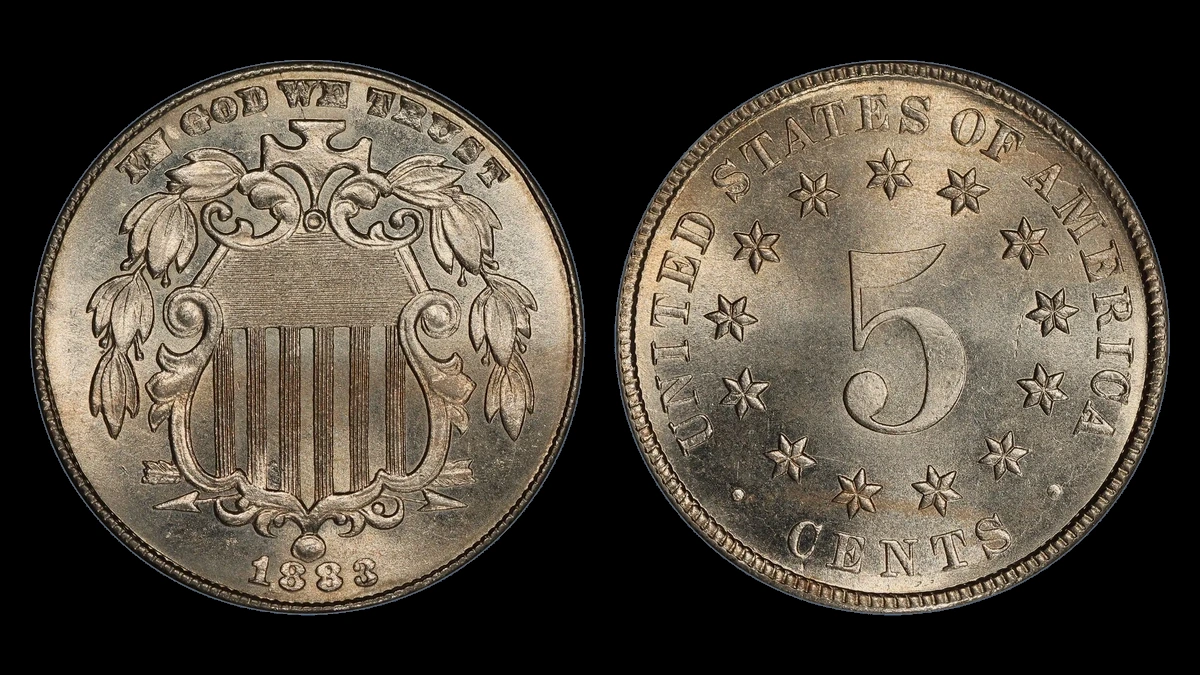
2. 1883 Nickel Extra Same-Year Digits from a Repunched Date Error
An extra 1 base or curve inside an 8 can remain after the date punch entered the die more than once. These traces repeat the same year’s digits rather than revealing an older 2.
Reported patterns differ, including strokes beside the 1 or below the first three digits. One FS-311 coin shows an extra 1 base between the main 1 and 8.
How to Identify
Inspect both the outside and inside of the digits, including the loops of the 8s. Earlier strokes can survive within a finished numeral.
For FS-311, locate the extra 1 base in the gap between 1 and 8. Match another arrangement to its own image instead of combining all reported traces on one coin.
What It’s Worth
$50–$2,000 is the estimate for identified repunched dates from worn through attractive unworn examples. An NGC MS66 FS-311 sold for $1,440 at Stack’s Bowers in August 2021.
The grade describes very well-preserved unworn surfaces, which contribute to the price. One high-grade sale should not set the value of every extra stroke near the date.
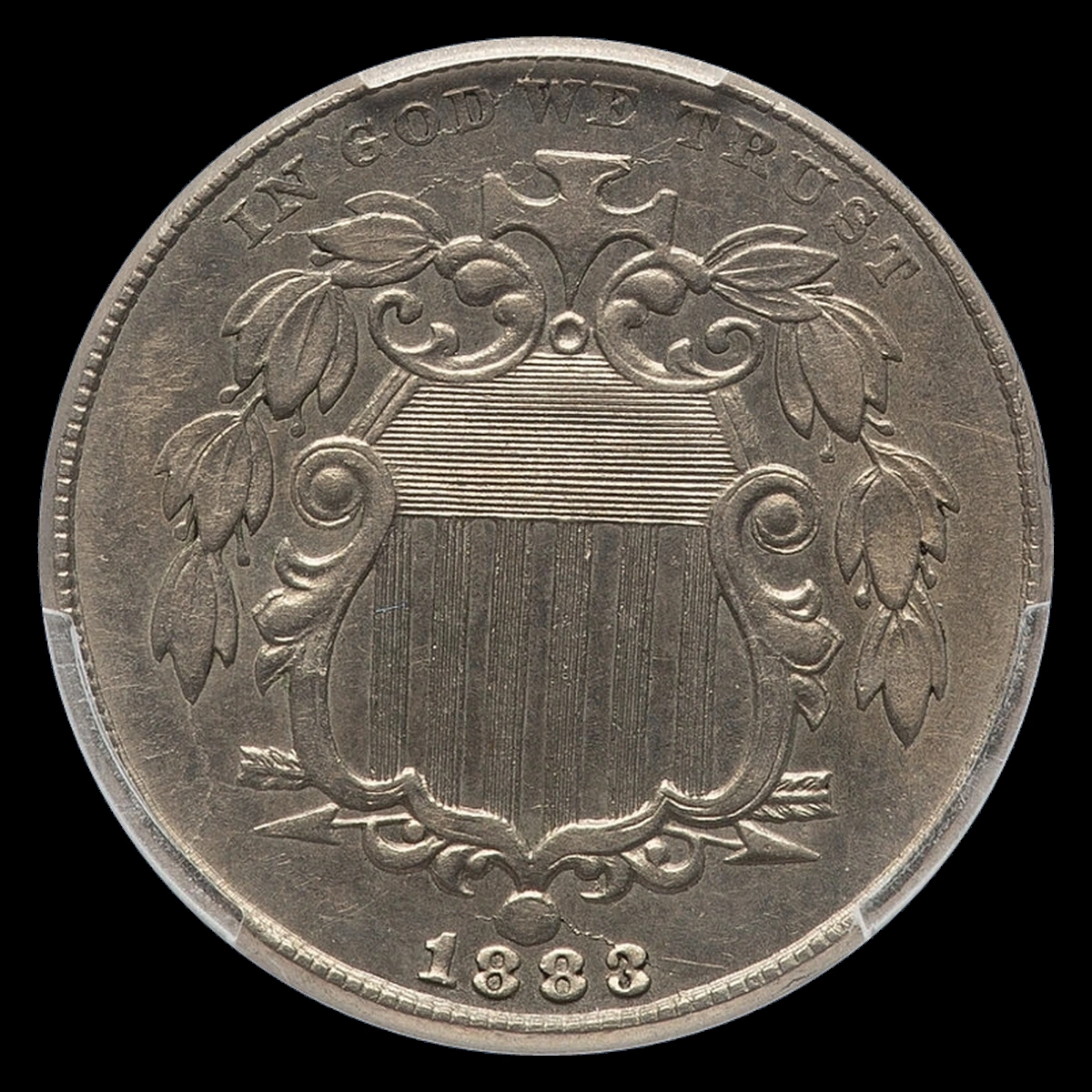
3. 1883 Nickel Raised Shield Lines and Rim Breaks Error
Cracks in a die can leave raised lines across the shield, cross, or leaves. A larger missing piece can leave a patch, including reported berry-like metal below a lower leaf.
Separate 1883/2 examples have breaks below 18, near the right lower leaf, or above AMER on the back. These locations describe different specimens.
How to Identify
Use side light to distinguish a raised ridge from a scratched groove or an opening within the coin. For a rim-connected break, follow the patch to the edge and check for impact damage.
Compare one complete pattern with the relevant specialist description. If a broken die region retained some design, inspect its fracture boundary rather than demanding a completely blank lump.
What It’s Worth
$20–$3,000 covers ordinary-date modest cracks around $20–$500 and clearer rim breaks on typical worn to lower-grade unworn overdates around $300–$3,000. Exceptional overdates require the higher comparisons above.
The overdate’s own value is already included in the combined coin. The specialist descriptions establish shapes and positions without supplying an individual sale used here.
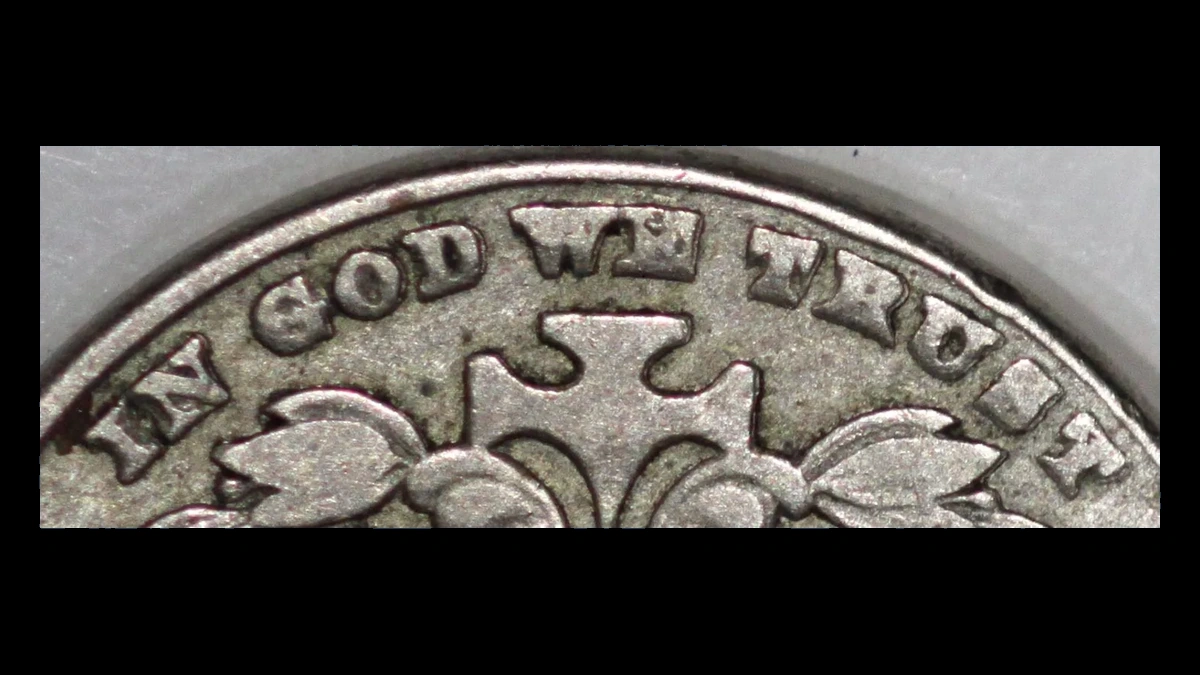
4. 1883 Nickel Reported Slight Doubling below the Cross Error
A specialist listing describes a faint extra contour toward the top of the circular detail below the cross. It is reported as slight doubling in the front die.
The catalog status is disputed. A thick circle can also result from die wear or movement during striking, so it should not receive a settled variety name from thickness alone.
How to Identify
Compare several ordinary 1883 Shield nickels before isolating one suspect edge. Look for a distinct extra contour that remains visible as the light moves.
Keep the whole shield in the photograph with its close-up. A flat shelf or glare is weaker evidence than a match to the specialist’s actual example.
What It’s Worth
$40–$600 is a conditional whole-coin estimate for a positively identified example of the reported doubling. Condition and a convincing match must support that comparison.
The NGC overview and specialist listing do not agree on this year’s status. No authenticated 1883 doubled-die sale is claimed here, and an ordinary thick circle earns no automatic error premium.
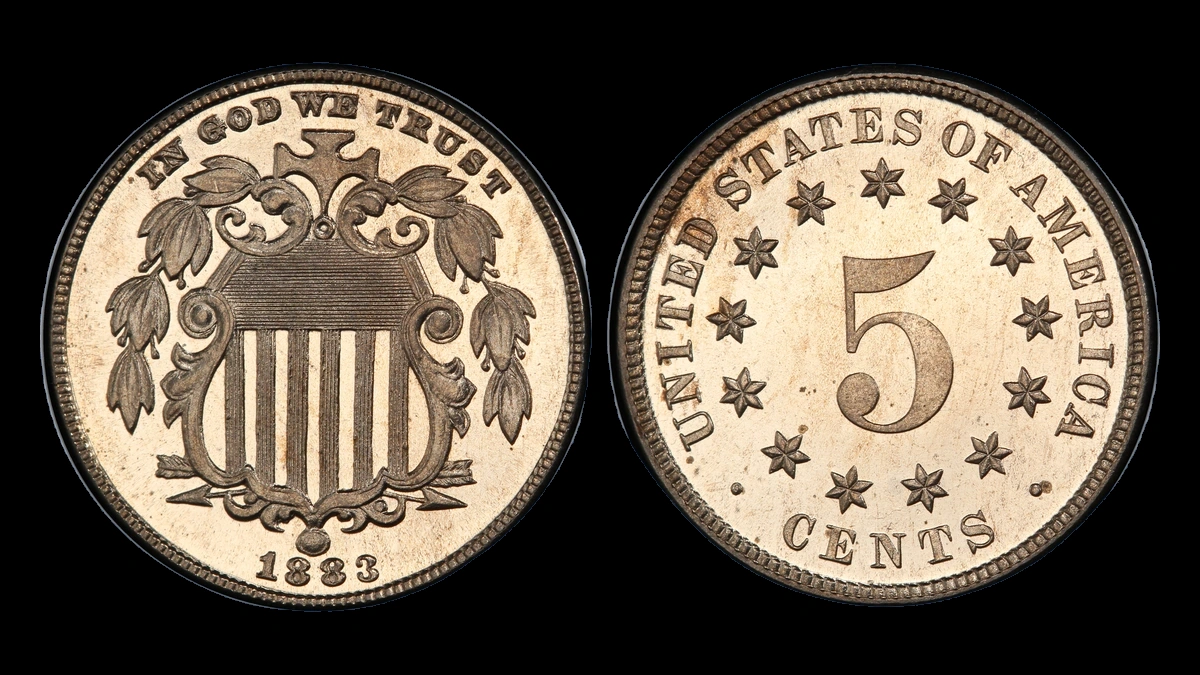
5. 1883 Nickel A Reported Metal Wrinkle on a Proof Error
A PCGS PR67 Cameo Proof has a thin wrinkle above NTS and through RICA on the back. Its description calls this a probable lamination, meaning a possible internal metal separation.
A different line above UNIT is also mentioned. The high grade and Cameo contrast do not independently establish that either line is a confirmed lamination.
How to Identify
Locate the NTS-to-RICA feature and inspect its layer boundary under low lighting. Keep a graded Proof in its holder and avoid touching the reflective surface.
Study the UNIT line separately. A die crack, scratch, and metal separation can sit nearby while having different causes.
What It’s Worth
$300–$8,000 is the range for comparable Proofs with an original wrinkle across differing grades and contrast. Their overall preservation is central to the comparison.
The PR67 Cameo coin sold for $5,522.50 in December 2019 after two recorded $2,760 sales in 2004. These are whole-Proof transactions, not demonstrated premiums for the probable lamination.
Conclusion
Read the older numeral carefully on an 1883 Shield nickel: a surviving 2 establishes a different feature from a repeated 3 or an extra 1 base. The exact die pattern makes the comparison useful.
Keep surface observations separate from their proposed causes. A superb Proof can be expensive because of its preservation, and a thick circular detail still needs evidence before it is called doubling.