Rare 1984 Dime Errors (List & Pictures)
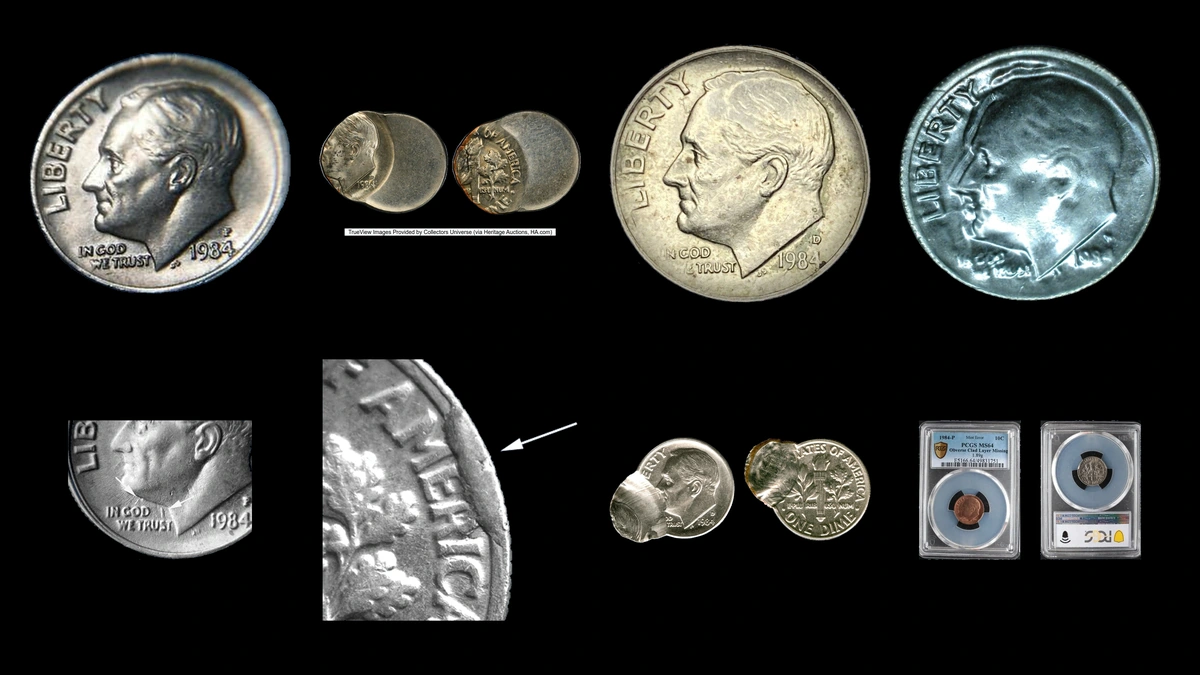
A 1984 dime with an uneven border may have only a small die shift. Another can be mostly blank: a Denver coin struck 55% off center sold for $164 in June 2025.
The 1984 dime errors here have estimated values of $1–$750. Compare both faces and the edge before moving to small eye details, extra design traces, or unusual metal color.
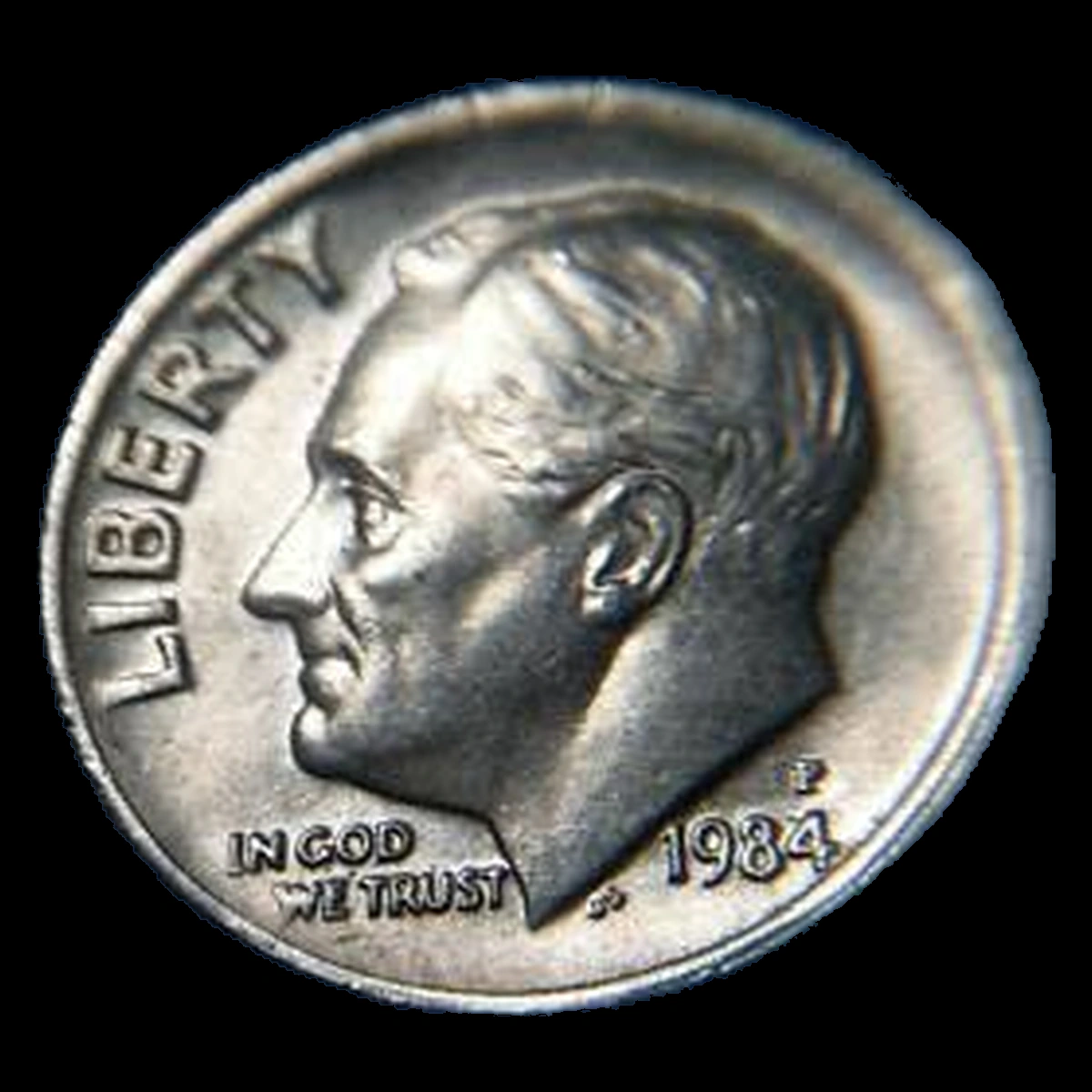
1. 1984 Dime An Uneven Border on Just One Face: Misaligned Die Error
A front die shifted sideways can leave a narrow border on one side of Roosevelt and a wider border opposite. The back may remain substantially centered.
A die is a steel stamping tool. Moving one tool is different from placing the whole blank off center.
How to Identify
Compare the back’s position with the front instead of examining Roosevelt alone. The reported 1984-P example concerns a slight front shift.
Inspect the rim for dents or scraping that changed its apparent width. A large untouched crescent on both faces points toward an off-center blank instead.
What It’s Worth
$1–$25 is an estimated range for a slight genuine misalignment. The smallest shifts add little because minor differences in border width are fairly common.
A clearly visible front-only shift is easier to demonstrate than a tiny difference requiring measurement. It should not be priced like a major off-center strike.
2. 1984 Dime A Step That Changes Height: Tilted Partial Collar Error
A blank sitting unevenly in the collar can develop a changing edge step. The collar is the ring that controls the coin’s width and forms its edge grooves.
The recorded 1984-P tilted partial-collar example is graded ANACS MS63. Only part of its blank received normal restraint during striking.
How to Identify
Turn the coin slowly and follow the boundary between the grooved edge and expanded metal. On a tilted example, that boundary rises and falls rather than keeping an even height.
Check whether the grooves formed beside the step or were crushed afterward. Nearby dents and grinding marks can explain an uneven edge without a collar error.
A normal dime weighs about 2.268 grams and measures 17.91 millimeters across. Measurements help record an unusual shape, but the original edge structure provides the stronger clue.
What It’s Worth
$15–$200 is an estimated range for a genuine tilted partial-collar dime of this year. An obvious changing step and good surfaces can improve its appeal.
A 1988-P ordinary partial-collar dime graded ICG MS65 sold for $11 in December 2008. That different-year result shows why a high grade alone does not make a small edge error expensive.
3. 1984 Dime A Wider Coin With the Design Intact: Broadstrike Error
A broadstrike spreads outward because the collar fails to contain the blank normally. The complete design stays on the metal.
Both Philadelphia and Denver examples are reported for 1984. The supplied records do not give one diameter that every example should match.
How to Identify
Measure the width in several directions, then trace the outer letters around both sides. A genuinely expanded coin with all intended detail present fits broadstriking.
A large bare crescent paired with missing design instead suggests an off-center strike. Loss of edge grooves alone can also result from later battering.
Inspect the faces for hammering or flattened letters. Later pressure may enlarge a coin while damaging details that were already struck.
What It’s Worth
$25–$400 is an estimated range for genuine ordinary 1984 broadstrikes. Slight spread and a dramatic enlarged outline need different comparisons.
A 1988-P dime with overlapping double strikes and an expanded second strike brought $80.50 in May 2005. That different-year combined error supplies context rather than a 1984 broadstrike result.
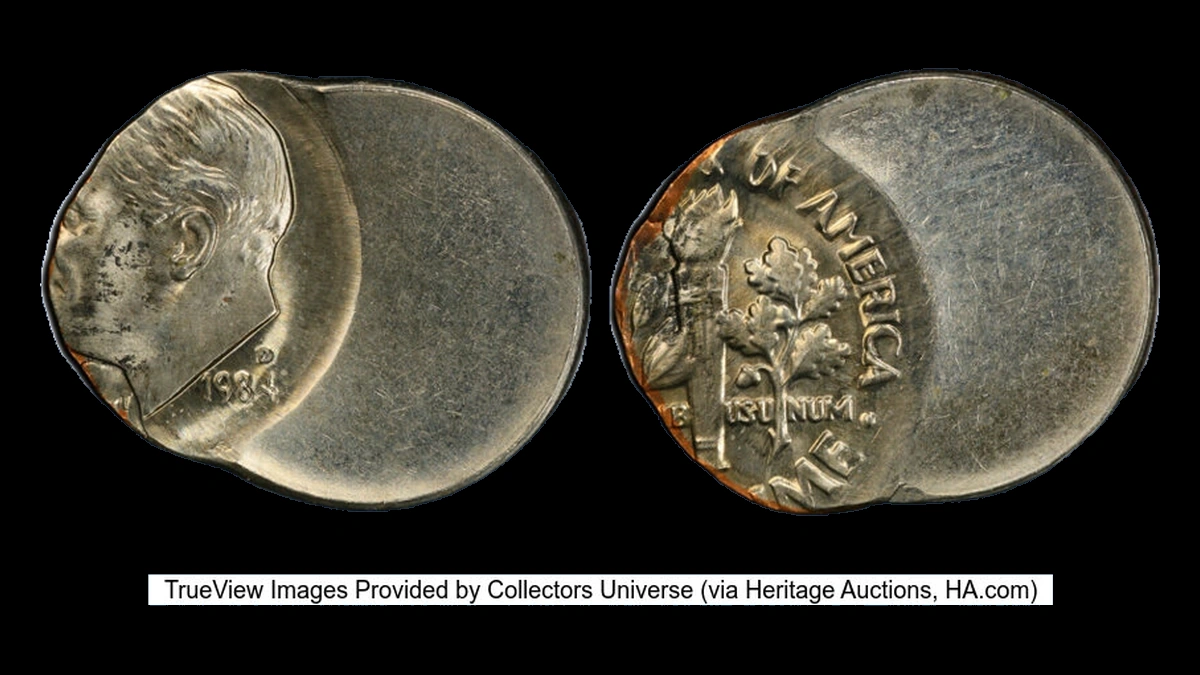
4. 1984 Dime A Large Untouched Area: Off-Center Strike Error
If the blank enters the press far to one side, only part of it receives the design. The unstamped area still contains metal, unlike the missing section of a clipped blank.
One 1984-D example is 65% off center toward 9 o’clock and graded ANACS MS63. A separate PCGS MS63 coin is 55% off center.
How to Identify
Find the surviving 1984 date and D before estimating the size of the shift. Compare the struck-to-blank boundary on both faces.
The 9-o’clock direction belongs to the 65% example only. No direction is supplied here for the 55% coin.
Look for original untouched metal rather than a design ground away later. A displaced image on just one face needs the misaligned-die comparison above.
What It’s Worth
$50–$600 is an estimated range for comparable dated 1984 off-center dimes. Preservation and surviving identification can matter as much as displacement.
The 55% PCGS example sold for $164 in June 2025. The 65% ANACS coin appeared in a different three-coin lot, so that group’s price cannot be assigned or evenly divided to establish its individual value.
5. 1984 Dime A Curved or Straight Gap: Clipped Planchet Error
A clip begins with metal missing before the coin is struck. Curved and straight shortages can both occur, depending on how the blank-cutting punch meets the metal strip.
The general 1984 reports do not specify a mint, gap size, or location for every example. Each actual outline needs its own inspection.
How to Identify
Examine the two ends of the gap where the rim forms around missing metal. A later cut may sharply sever an already completed rim or letter.
A large clip should lower weight, but a later cut does too. Look for file marks and naturally struck detail around the shortage.
Weakness on the opposite rim can help support a curved clip. Its absence does not automatically rule out an original incomplete blank.
What It’s Worth
$20–$350 is an estimated range for genuine curved and straight clips. Clear original edges, readable dates, and attractive condition support better comparisons.
A 1997-P nickel with a 20% clip sold for $124 in March 2025. That cross-denomination example is not a recorded price for a 1984 dime.
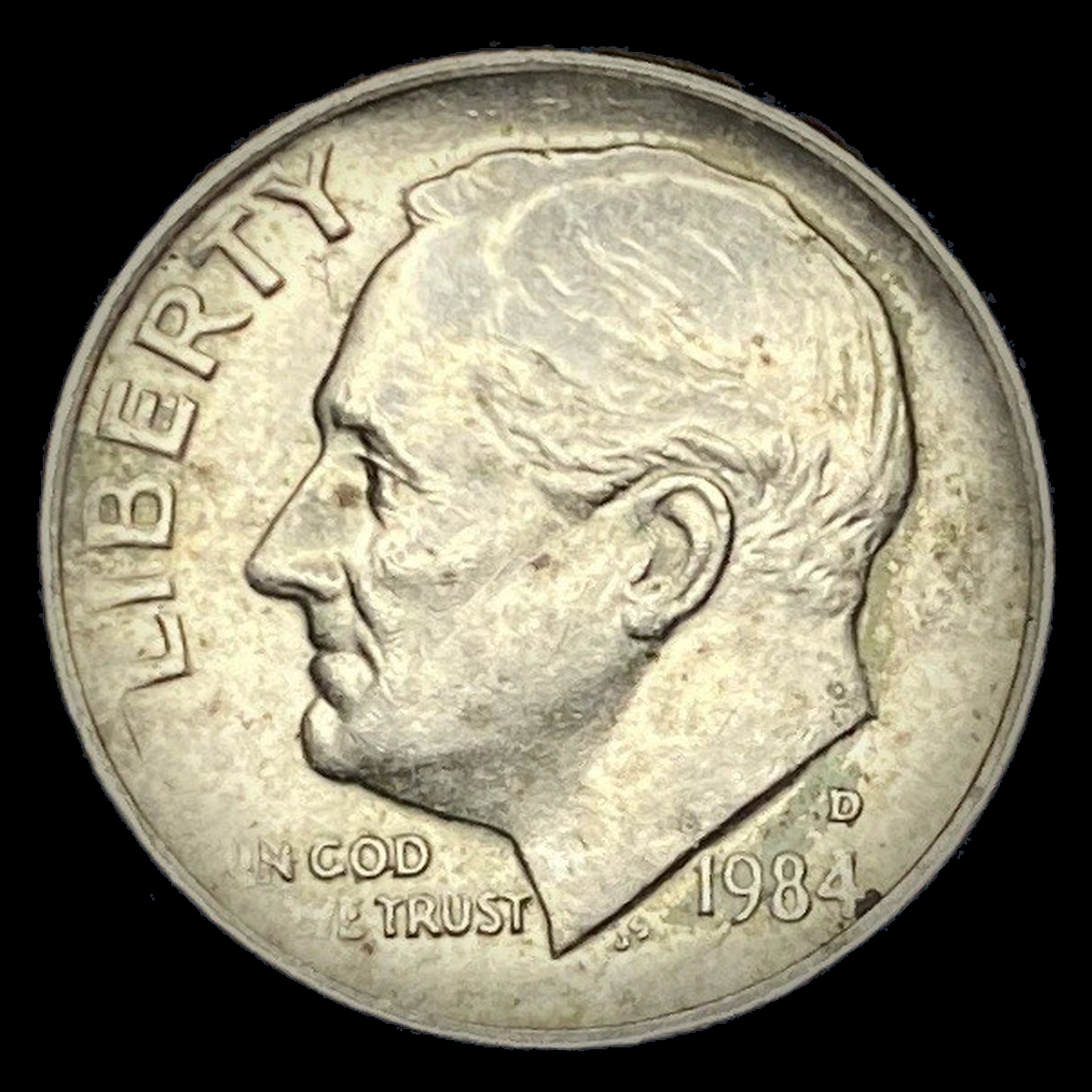
6. 1984 Dime A Weak Patch or Missing Letter Stroke: Struck Through Material Error
A substance between a die and blank can block normal detail. NGC identified a 1984-D front struck-through example, but the supplied description does not name the material or exact shape.
Separate reports concern filled date details and a G in GOD with a weak inner stroke. Without that stroke, the G can look like C.
How to Identify
For the letter example, inspect the G’s missing inner stroke and compare wear on nearby letters. The nickname “COD” does not mean the die carried a different inscription.
A filled date needs a separate check of the digit openings and surrounding surface. Neither of those reported patterns should be assigned to the Denver specimen without a matching photograph.
Look for local missing detail beside normally formed areas. Scraping, general wear, and a weak strike can produce other kinds of softness.
What It’s Worth
$5–$250 is an estimated range from minor blocked strokes to clearer struck-through patches. Tiny missing details normally belong toward the lower end.
A recognizable impression can draw more interest, but its shape must support the claimed cause. The record does not justify automatically calling the Denver error cloth or wire.
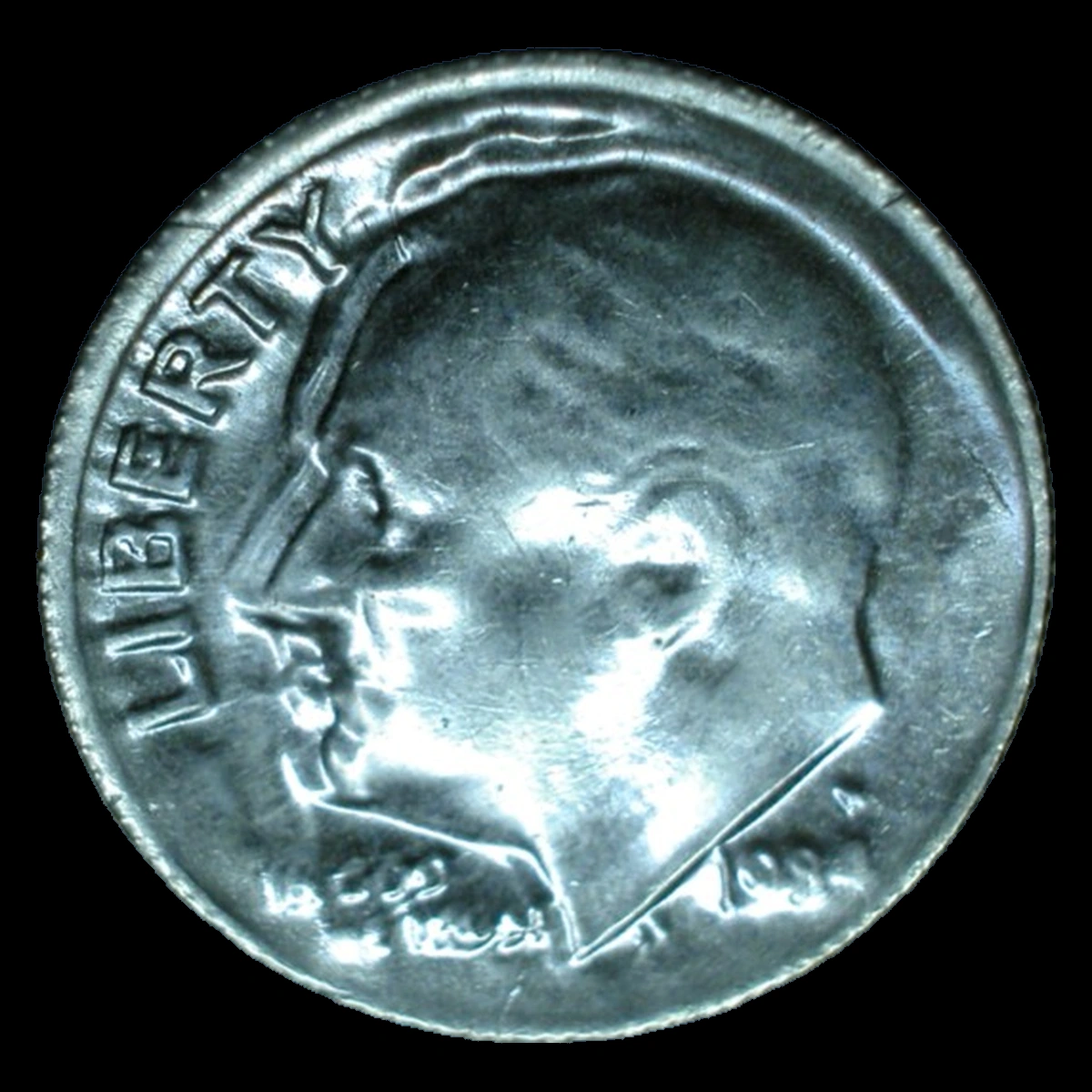
7. 1984 Dime A Soft Front From a Covered Die: Late-Stage Cap Strike Error
A coin stuck over a die can become a thin covering after repeated strikes. Later blanks may receive a weak or spread-out image through that covering.
The covering is a die cap; the dime beneath it is a separate receiving coin. An NGC MS64 1984-P auction example has a shortened description of a late-stage struck-through front.
How to Identify
Compare the broad front pattern with the back’s preservation. A covering over one die can alter one face while the other is struck more clearly.
Read the full holder description and match its appearance before applying the cap explanation. The abbreviated auction title does not fully identify the covering.
The receiving coin need not be cup-shaped. Ordinary wear on a cheek is also not enough to establish a cap strike.
What It’s Worth
$30–$400 is an estimated range for genuine comparable late-stage cap strikes. A clearly recognizable altered design makes a stronger example than unexplained weakness.
The NGC MS64 coin sold for $45 in January 2023. That result concerns the receiving dime, rather than a separate cap-shaped coin.
8. 1984 Dime An Extra Outline at the Eye: Reported Doubled Eyelid Error
A 1984-P report describes an extra eyelid outline as a doubled front design. A true doubled die carries the repeated detail in the tool itself.
The supplied report does not assign a specific catalog number or direction. Those details must come from a matching identified example.
How to Identify
Photograph the eye square-on under several lighting angles. A moving shadow or reflection can look like another eyelid in a single image.
Compare formed repeated detail with the normal eye contour. A flat shelf or worn edge is not the same evidence as a repeated outline from a doubled die.
The famous doubled-ear 1984 Lincoln cent is a different coin. Its diagnostic features cannot identify this dime.
What It’s Worth
$15–$300 is an estimated range for a genuine identified doubled-eyelid variety. The range uses minor modern doubled designs as comparisons.
No catalog-specific sale is assigned to the general report. Clear matching eye detail must support the variety before condition is used to refine the price.
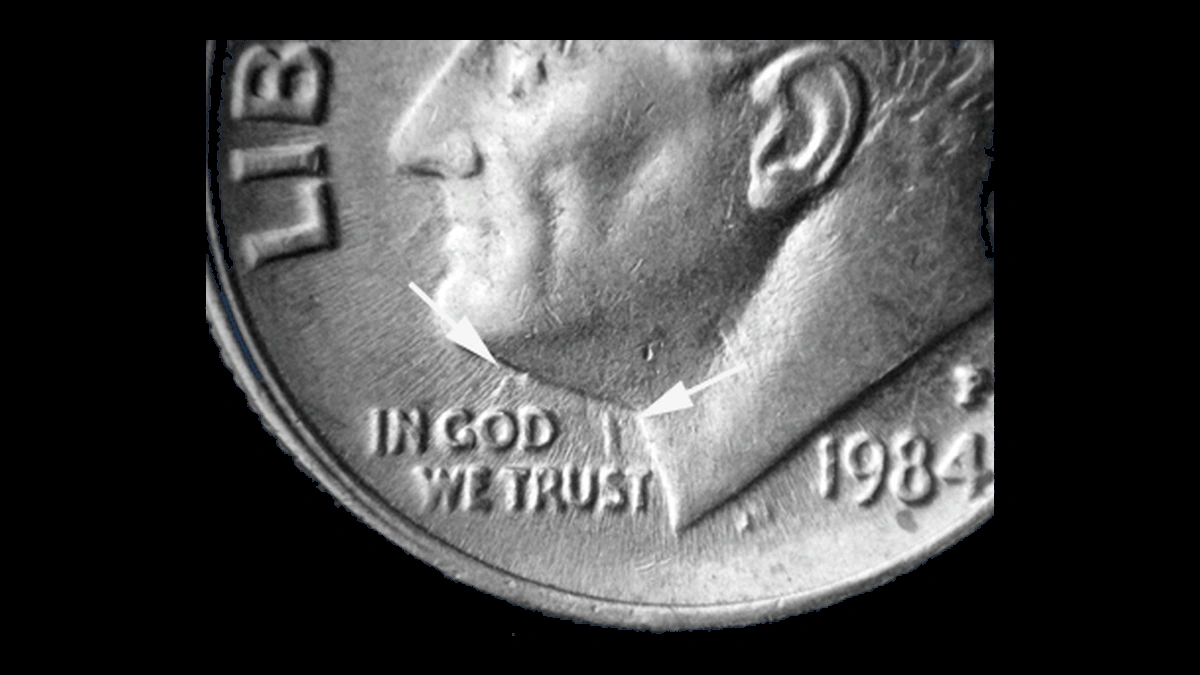
9. 1984 Dime Back-Design Traces Around Roosevelt: Die Clash Error
A strong 1984-P clash shows torch, branch, and back-lettering traces around Roosevelt. The back also carries parts of the portrait outline and front lettering.
The dies collided without a blank between them. Their transferred marks then appeared on later coins struck from those tools.
How to Identify
The published comparison shows E PLU, branch and torch traces, and parts of ONE and AMERICA on the front. These belong to the opposite face’s normal design.
On the back, compare traces of GOD TRUST, the date, and Roosevelt’s head. Several related shapes make a stronger case than one stray line.
Scratches and die-polishing lines can also cross the background. They do not become clash marks simply by appearing near the portrait.
What It’s Worth
$15–$450 is an estimated range from light 1984-P clashes to stronger recognizable examples. The completeness of the transferred shapes helps determine collector interest.
A 1993-P dime with clash marks and front misalignment sold for $63 in April 2021. Its separate alignment problem and different clash strength must remain part of that comparison.
10. 1984 Dime A Raised Patch Near the Date or Rim: Die Break Error
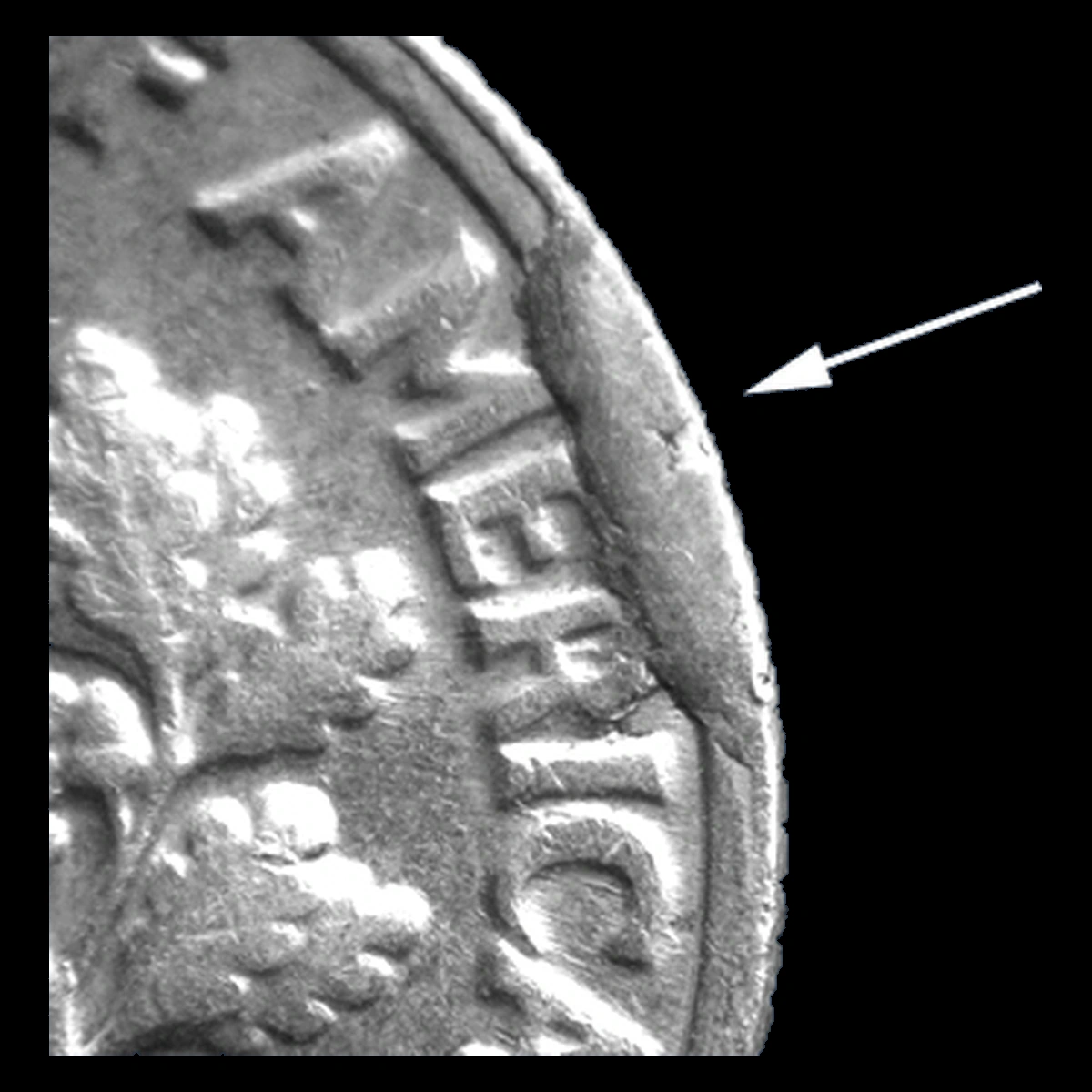
The documented interior break sits between Roosevelt’s straight lower neck edge, the date, and the P. It does not connect directly to the rim.
Two other cataloged 1984-P breaks concern the rim. Those rim-connected breaks are called cuds and have their own illustrated boundaries.
How to Identify
Start at the stated neck-date-mintmark area for the interior example. Metal rose into a missing part of the die, producing a raised patch.
For a cud, follow the feature all the way to its rim connection. Catalog suffixes alone do not tell you a face or clock position.
Inspect for an edge hit or attached material that pushed or added metal onto the face. The interior patch and separate cuds should not be assembled into one imagined specimen.
What It’s Worth
$15–$500 is an estimated range for genuine interior breaks and cuds. Size, visibility, and remaining condition influence the complete coin’s appeal.
A small internal patch needs a different comparison from a large rim-connected mound. Several breaks on one dime still contribute to one total value.
11. 1984 Dime Two Design Positions: Double Strike Error
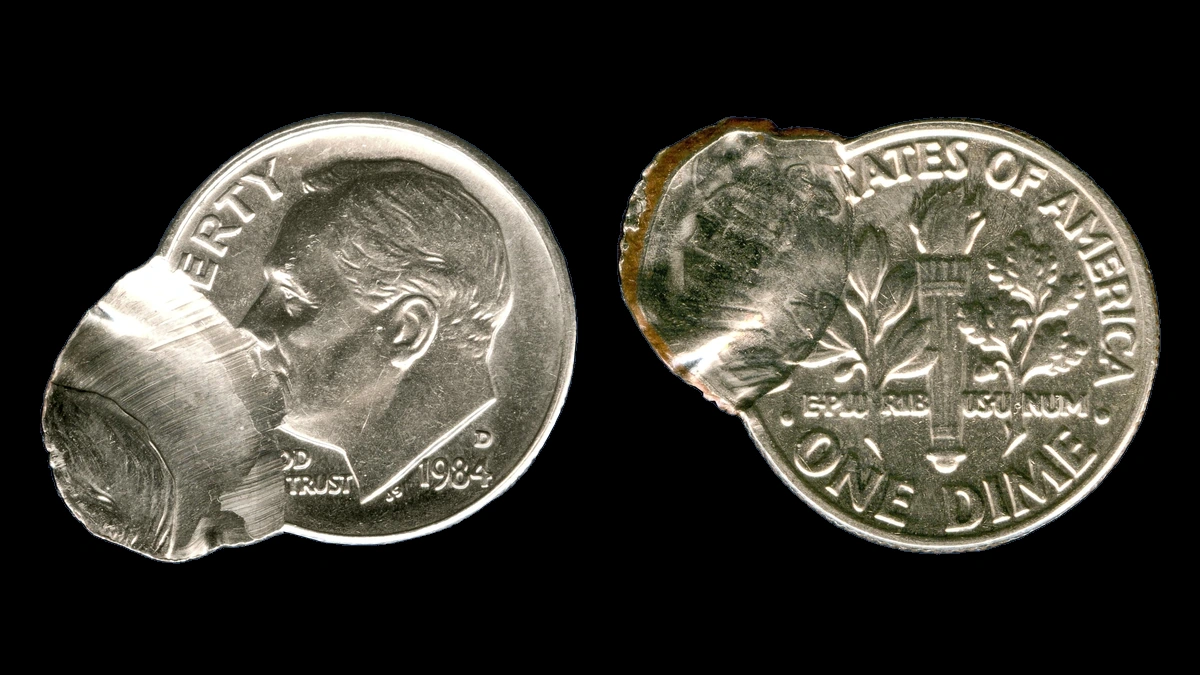
A dime that remains in or returns to the press can receive another full blow. Parts of the earlier image may survive beside or under the later one.
The supplied 1984 report does not establish a mint, second-strike direction, or flip between blows. Those details require the actual specimen.
How to Identify
Trace recognizable details from each design position across more than one small feature. Look where the later impression flattens or crosses the first.
A tiny shelf at one letter or the reported doubled eyelid does not show two blows. Check both faces for evidence consistent with repeated striking.
Later squeezing against another coin can also leave impressions. Crushed metal or a vise-made transfer needs a different explanation.
What It’s Worth
$60–$700 is an estimated range for genuine 1984 double strikes. A clearly separated second portrait or date can make a more appealing example.
The 1988-P close-overlap coin mentioned under broadstrikes sold for $80.50 in May 2005 and was graded PCGS MS65. It supplies a different-year combined-error comparison, not a 1984 sale or required strike direction.
12. 1984 Dime Copper Showing on One Face: Missing Outer Layer Error
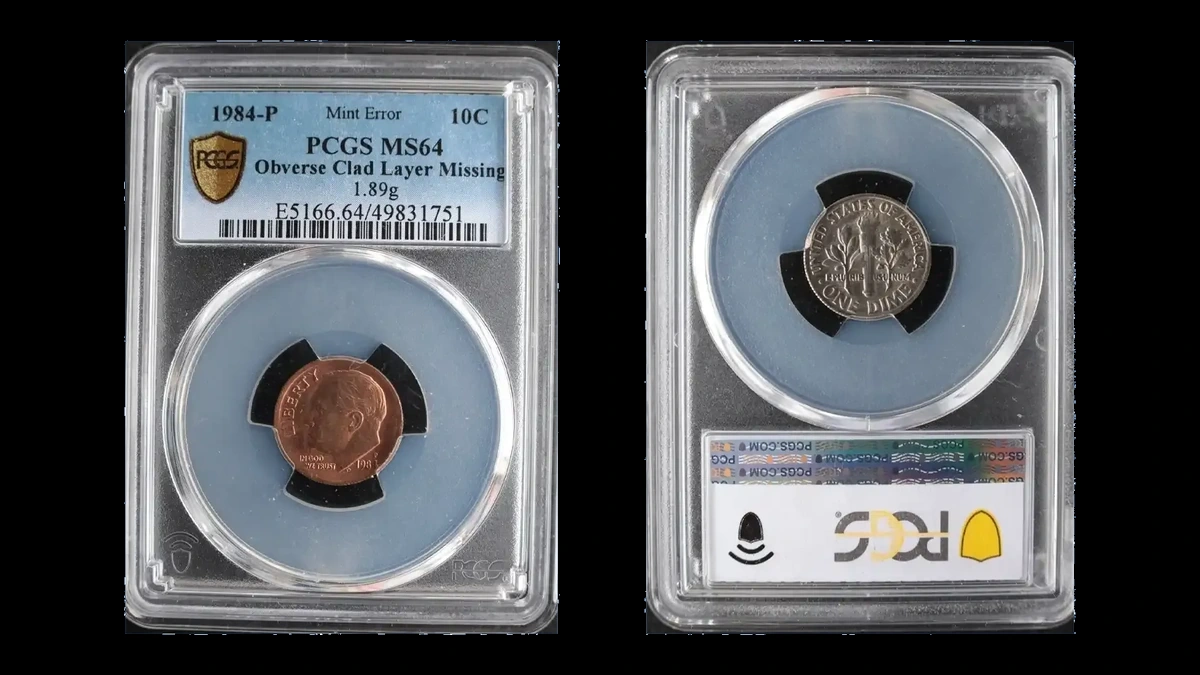
A normal 1984 dime has copper-nickel outer layers around a copper core. Losing one outer layer can expose that copper on a face.
Single-face missing layers are reported on both Philadelphia and Denver coins. The affected face and the timing of separation must be established for each example.
How to Identify
Inspect the edge layers and the exposed face together. A stain or added film can change the color while leaving the original layered structure intact.
Check for reduced weight and original surface boundaries. Chemical stripping, grinding, and other later metal loss do not make the same Mint error.
The reports do not mean both outer layers disappeared from one dime. Nor do they supply one reduced-weight target for every candidate.
What It’s Worth
$100–$750 is an estimated range for genuine single-face missing-layer dimes. Preservation and the exposed surface help refine a comparison.
A 1988-D example missing its front layer weighed 1.9 grams and sold for $360 in June 2024. Its NGC MS65 grade and measured weight belong to that later-year coin, not the 1984 reports.
Conclusion
Use both sides of a 1984 dime to separate a shifted tool from a misplaced blank. Then compare weak areas, raised patches, and repeated designs with the specific type that explains them.
Estimated values run from $1–$750, with modest rim shifts at one end and clearer major errors higher up. Keep each specimen’s grade, direction, and metal measurements attached to the example that actually supplies them.